Graffiti: Where to go for street art
 Yasya
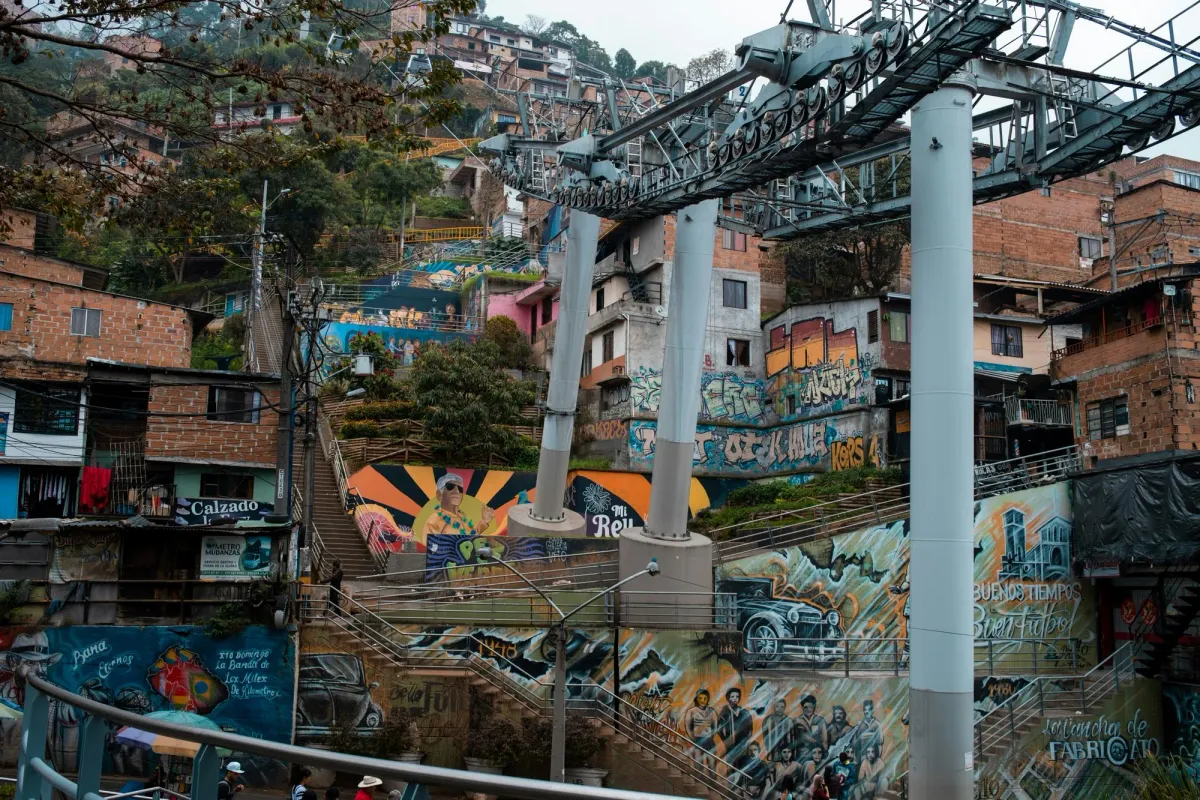
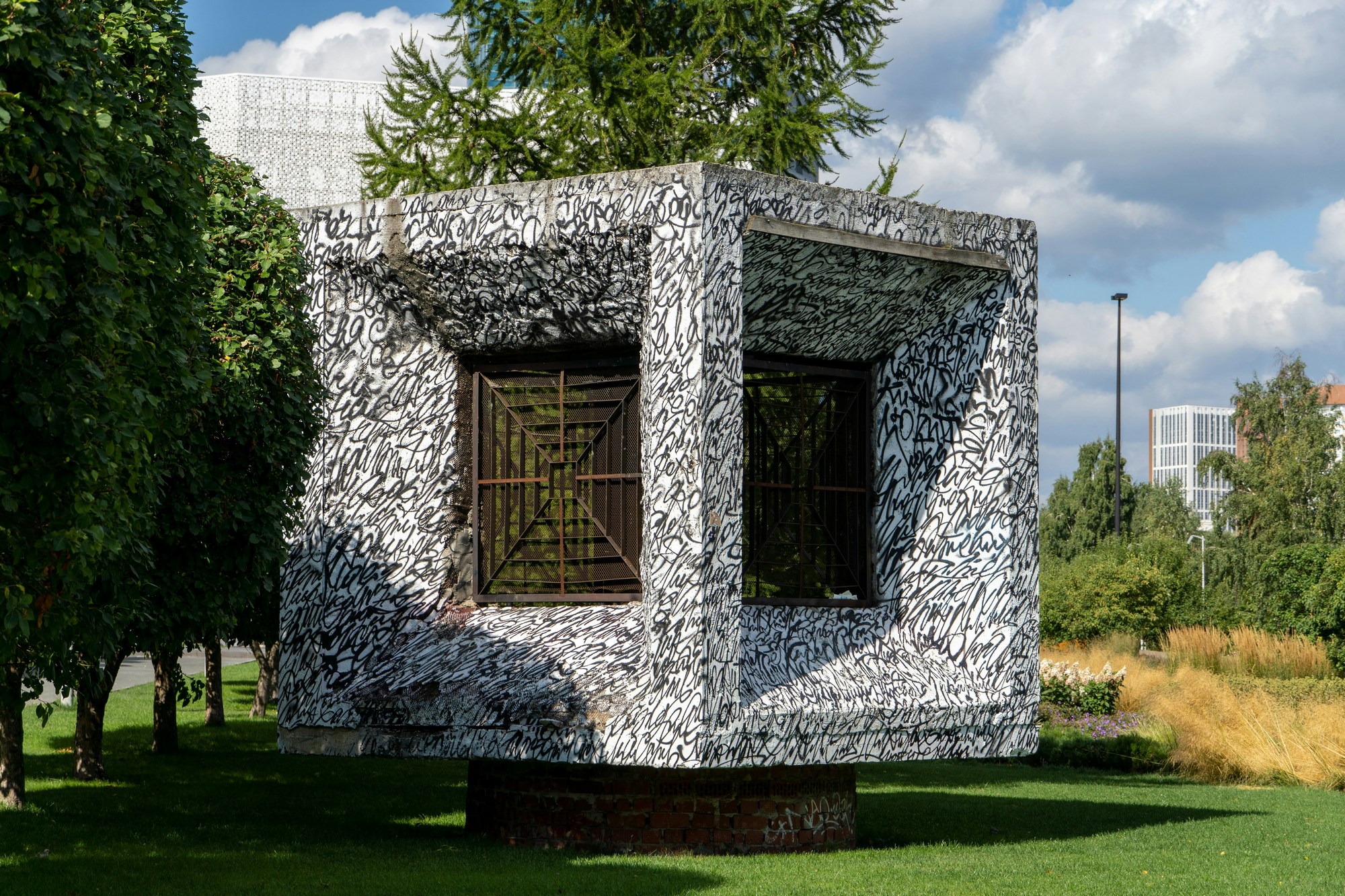
YasyaLong gone are the days when graffiti was considered solely vandalism. Today, street art is a powerful and vibrant direction of contemporary art, transforming gray city walls into open-air galleries. Artists from all over the world use spray cans, stencils, and brushes to speak on important topics, ironize reality, or simply make the world around them more beautiful.
A journey in search of street art is a special kind of tourism, a real quest that allows you to see a city from a completely different, non-parade side. We have compiled a guide to the world's street art capitals, where graffiti is not just drawings, but an integral part of the city's soul.

Berlin, Germany
Without exaggeration, this is the Mecca of European street art. The city, with its turbulent 20th-century history, has become an ideal canvas for self-expression. The main art object here is the East Side Gallery, a one-and-a-half-kilometer section of the preserved Berlin Wall, which was painted by artists from all over the world immediately after its fall. But if you're looking for vibrant, constantly changing street art, head to the districts of Kreuzberg and Friedrichshain. Here, finding graffiti is not an issue. Art is literally everywhere: on giant firewalls, in courtyards, on doors. Be sure to visit the cultural center RAW-Gelände – a former depot transformed into a hub of underground culture, where every square meter is covered with drawings. To immerse yourself in this atmosphere, simply buy tickets to Berlin on Kupi.com with a layover in Istanbul and go for a walk.
Three addresses for your navigator:
- East Side Gallery: Mühlenstraße 3-100, Friedrichshain. The main mural is Dmitry Vrubel's "Fraternal Kiss".
- Victor Ash – “Astronaut/Cosmonaut”: Mariannenstraße, Kreuzberg (on the wall of the building at Oranienstraße 195). A giant figure of an astronaut floating in zero gravity.
- ROA Murals: Oranienstraße 2, Kreuzberg. A series of monochrome animal images by the famous Belgian artist ROA.
New York, USA
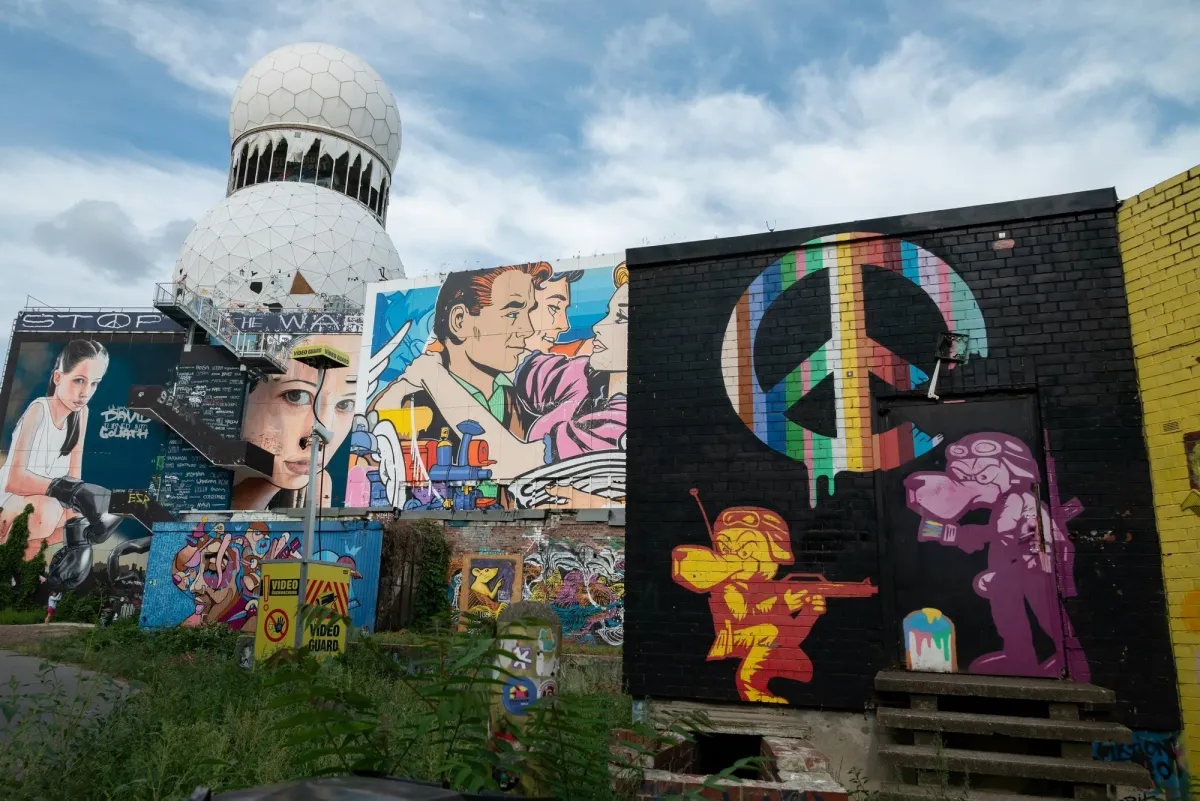
In one of the world's largest cities, graffiti has been painted since the very beginning of hip-hop culture. In the 70s, teenagers from the Bronx began painting subway cars, turning them into moving canvases. Today, the epicenter of street art has moved to the streets of Brooklyn, to the Bushwick district. Here you'll find the famous Bushwick Collective – a huge open-air gallery. After a personal tragedy, the owner of a local factory decided to transform the dreary industrial area and invited artists to paint the walls. The idea was a resounding success. Now it's a pilgrimage site for street art enthusiasts, where every visit is a new experience.
Three addresses for your navigator:
- The Bushwick Collective (starting point): Troutman Street at the intersection with St. Nicholas Avenue, Brooklyn. Just walk along this street, and you'll find yourself in the heart of the gallery.
- Eduardo Kobra – “Fight for Street Art”: corner of Troutman Street and Wyckoff Avenue, Brooklyn. A vibrant double portrait of Andy Warhol and Jean-Michel Basquiat.
- First Street Green Art Park: 33 E 1st Street, Manhattan. A small park in the East Village, whose walls are constantly updated with new works.
Melbourne, Australia
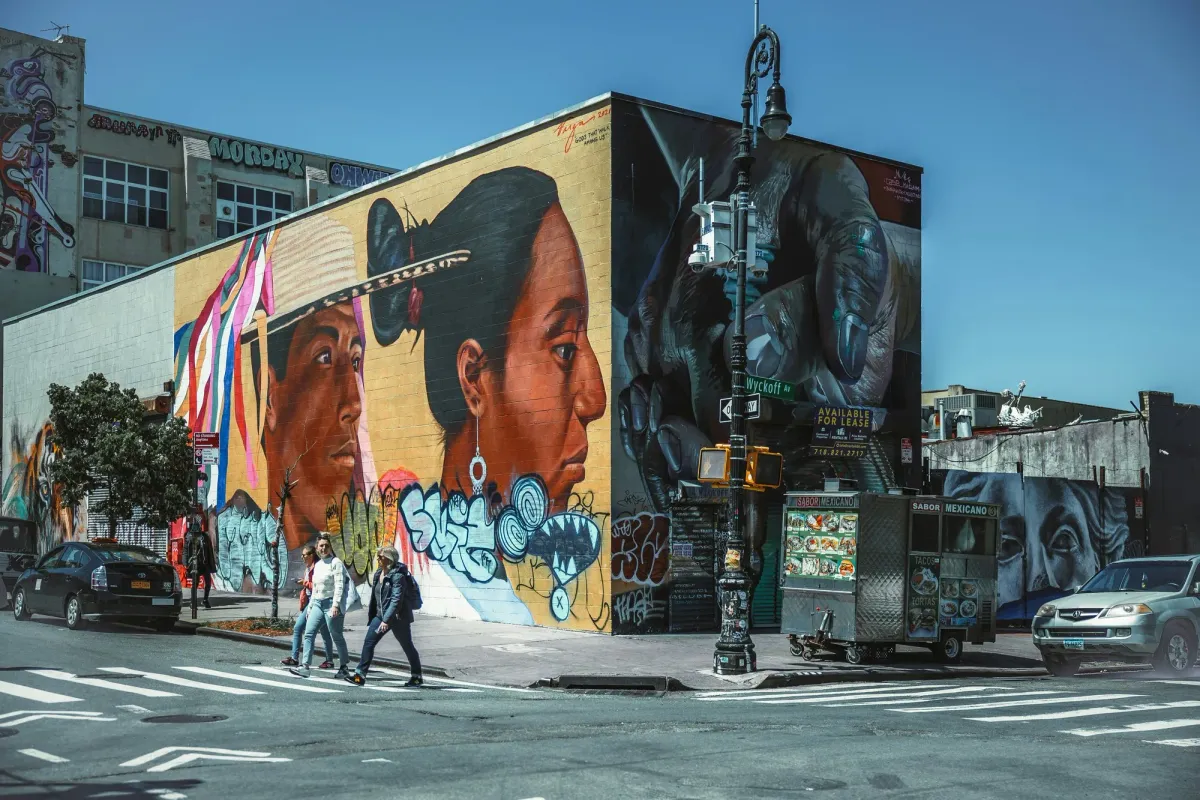
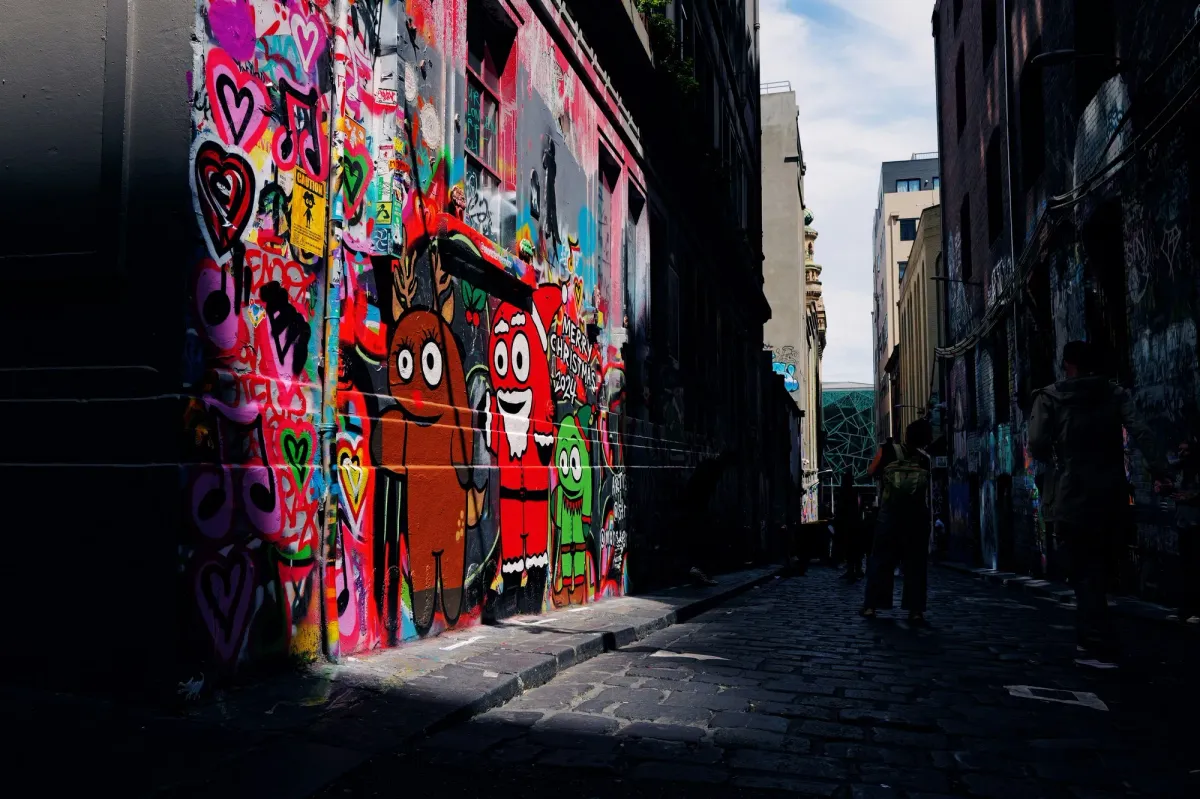
Melbourne is famous for its laneways – narrow alleys hidden from the main streets, which the city authorities have given over to street artists. The most famous spot is Hosier Lane. This small but incredibly vibrant alley changes its appearance almost daily. The walls are covered with dozens of layers of paint, creating a dense, multi-layered texture. But don't limit yourself to just this one. If you're wondering where else to find graffiti in Melbourne, go explore AC/DC Lane, Centre Place, and other small streets in the Fitzroy and Collingwood districts. To embark on this long and exciting journey, it's worth looking for tickets to Melbourne in advance.
Three addresses for your navigator:
- Hosier Lane: opposite Federation Square, off Flinders Street. The city's most famous and constantly changing art alley.
- AC/DC Lane: Off Flinders Lane, between Exhibition Street and Russell Street. Dedicated to the legendary rock band.
- Smug One – “Cockerel”: at the corner of Smith Street and Perry Street, Collingwood. A giant and incredibly realistic mural depicting a rooster.
São Paulo, Brazil
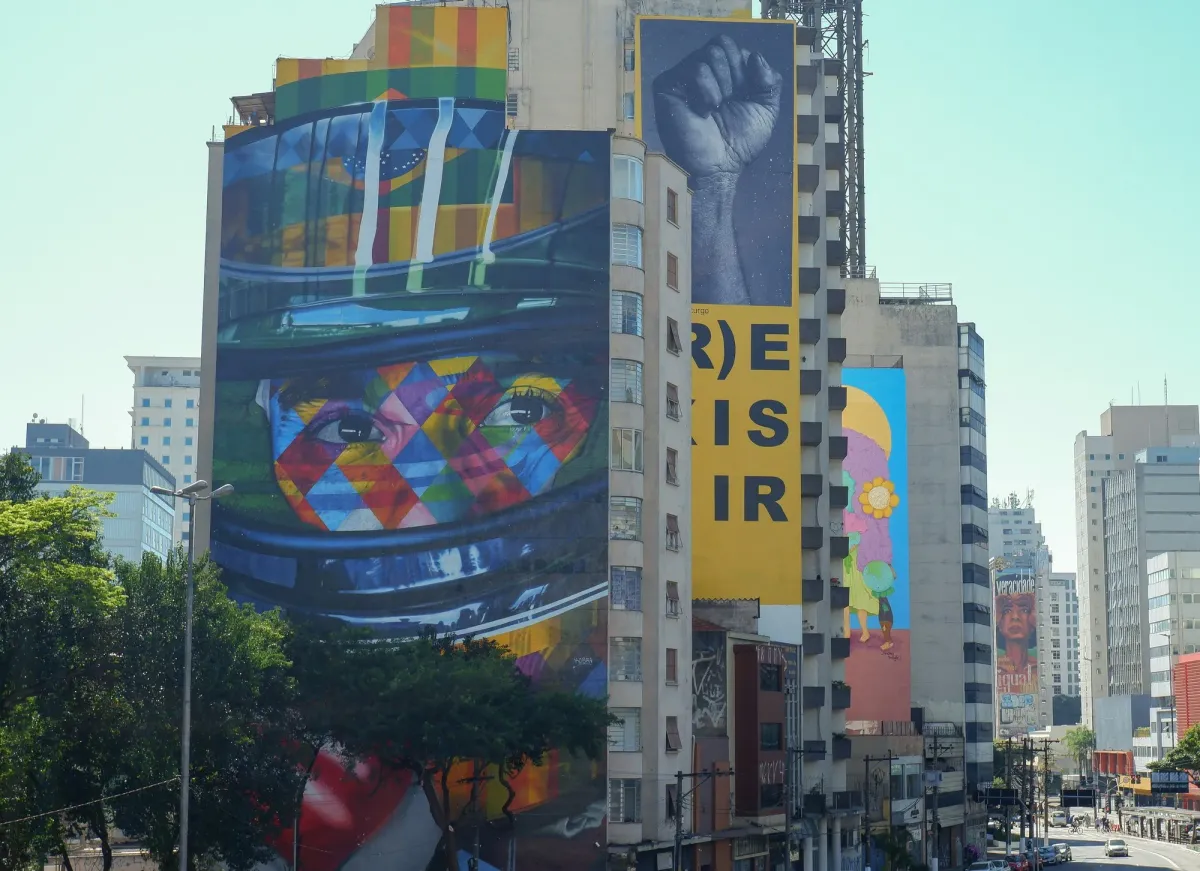
Brazilian street art is an explosion of color, energy, and social commentary. In São Paulo, one of the world's largest megacities, street art has become a response to the gray concrete jungle. The main attraction is the bohemian district of Vila Madalena and its famous "Batman Alley" (Beco do Batman). Legend has it that it all started with a single bat drawing on a wall in the 80s. Today, it's a pedestrian zone where every inch is covered with bright, psychedelic graffiti.
Three addresses for your navigator:
- Beco do Batman: starts at the intersection of Rua Medeiros de Albuquerque and Rua Harmonia, Vila Madalena. The main open-air gallery.
- Eduardo Kobra – “Oscar Niemeyer”: Av. Pedro Álvares Cabral, in Ibirapuera Park. A huge portrait of the famous Brazilian architect.
- Avenida 23 de Maio: one of the city's main thoroughfares, along which stretches a huge wall with works by dozens of artists, including the famous Os Gêmeos brothers.
Bristol, United Kingdom
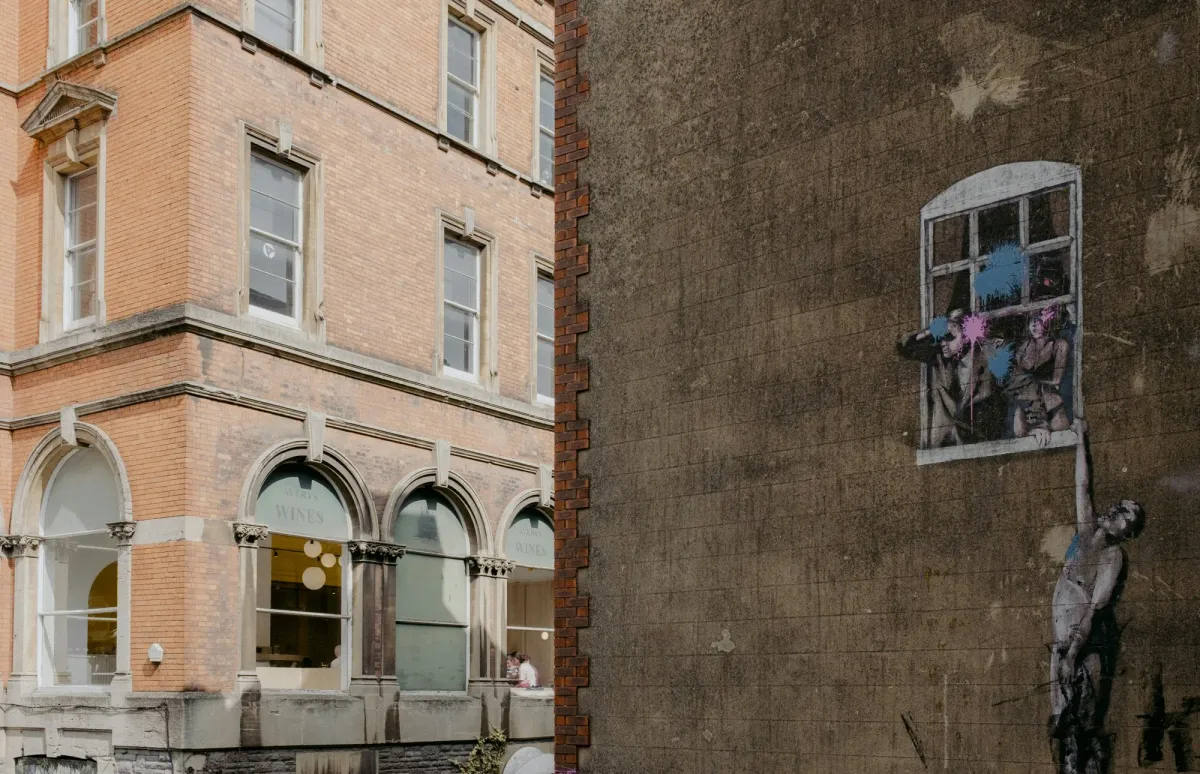
It's impossible to talk about street art without mentioning Bristol. This is the hometown of the most mysterious and famous street artist of our time – Banksy. For many tourists, a trip here is a real quest to find his works. But Bristol is not just about him. The city annually hosts Upfest – Europe's largest street art festival, which gathers hundreds of artists and transforms the Bedminster district into a giant gallery.
Three addresses for your navigator:
- Banksy – “Well Hung Lover”: Frogmore Street, next to College Green. One of Banksy's most famous and controversial stencils.
- Banksy – “Mild Mild West”: on the wall of The Canteen in the Stokes Croft area. A work symbolizing the rebellious spirit of Bristol.
- North Street, Bedminster: the main artery of the Upfest festival. Here, on the walls of pubs and shops, you can find dozens of murals by artists from all over the world.
Lisbon, Portugal
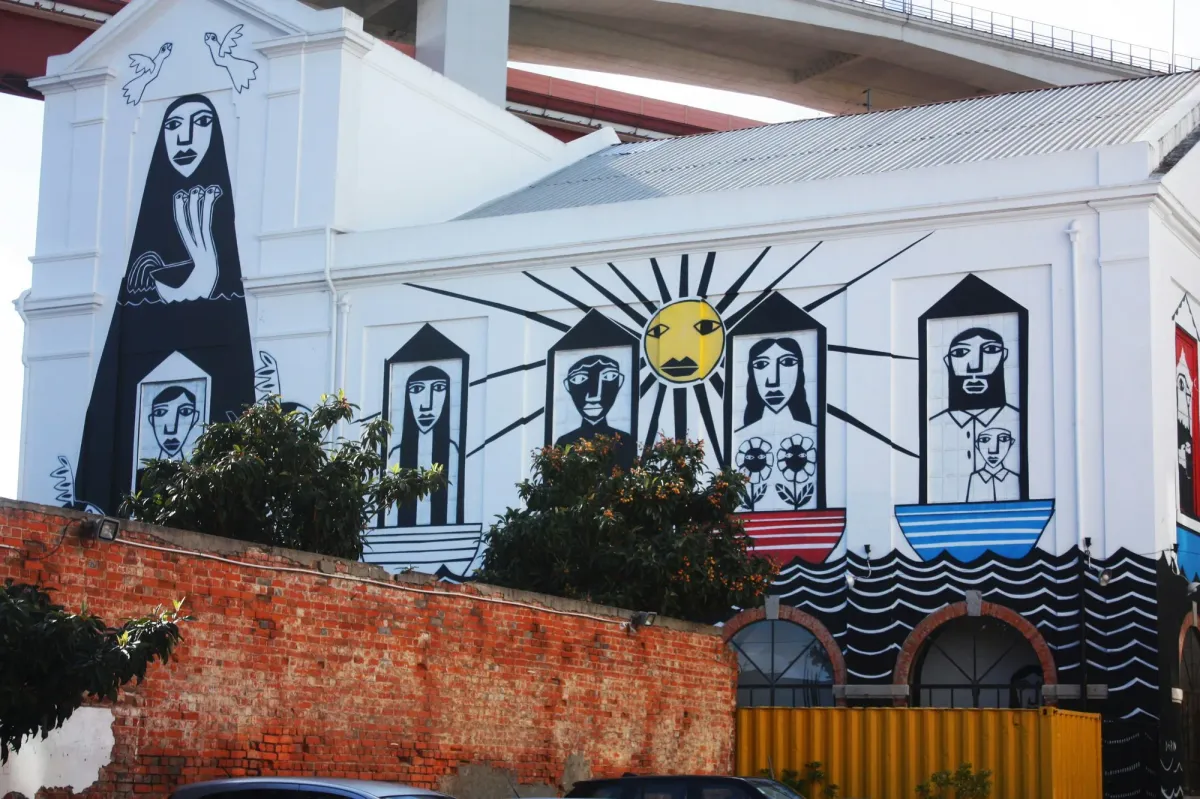
Here, old trams and traditional azulejo tiles harmoniously coexist with ultra-modern street art. City authorities don't fight street art; instead, they encourage it, allocating entire building facades to artists. Walking through the hilly streets of Bairro Alto and Alfama districts, you can find both small stencils and giant murals. It's definitely worth seeing in Lisbon the art cluster LX Factory – a former industrial zone transformed into a trendy space with shops, restaurants, and impressive graffiti.
Three addresses for your navigator:
- Vhils – Fado Vadio: Rua de São Cristóvão, 12. A portrait of the famous fado singer Amália Rodrigues carved into the wall by the world-renowned Portuguese artist.
- Bordalo II – “Big Racoon”: Rua Bartolomeu de Gusmão 8, Belém. A giant raccoon sculpture assembled from trash and scrap metal.
- LX Factory: R. Rodrigues de Faria 103. The entire area of this art cluster is filled with graffiti and installations.
George Town (Penang), Malaysia
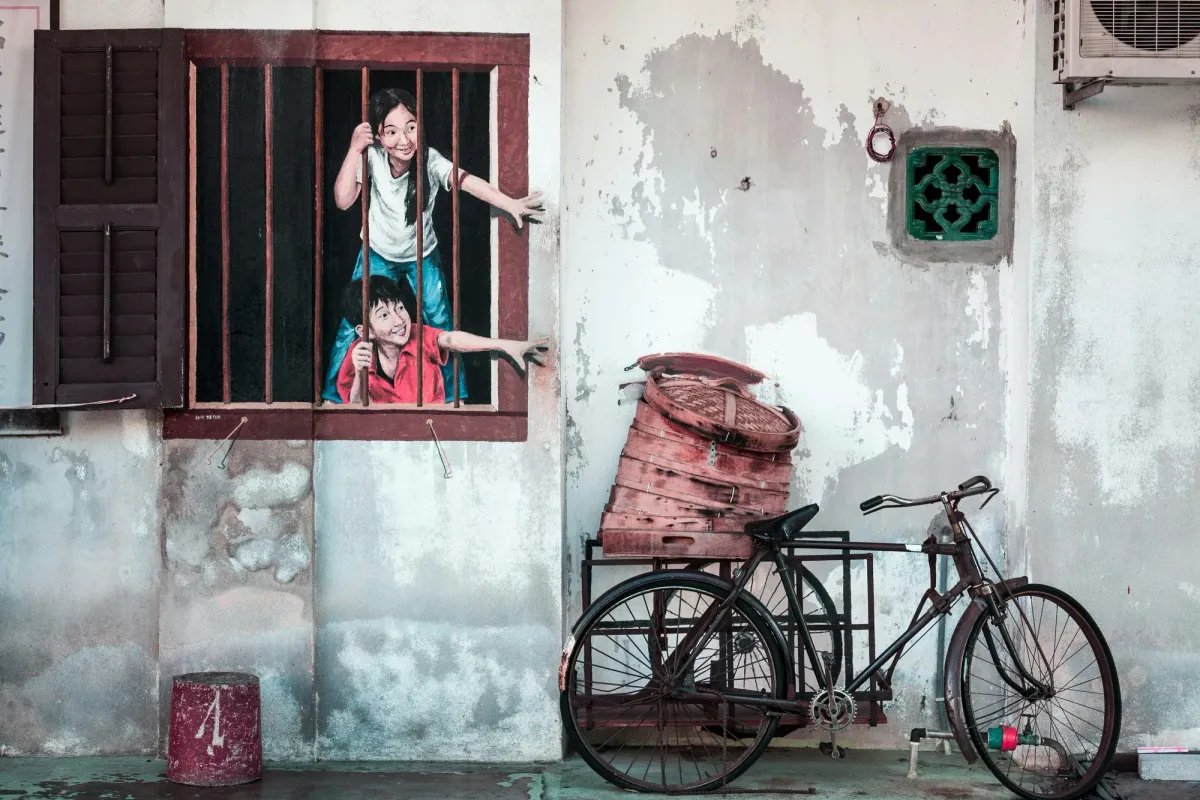
This city in Malaysia became world-famous thanks to a unique series of works by Lithuanian artist Ernest Zacharevic. His murals are not just painted on walls – they interact with real objects: a bicycle, a swing, a motorcycle. This turns the search for graffiti into an exciting game, and taking photos with them into a mandatory ritual for every tourist. The streets of the old city, a UNESCO heritage site, have become a canvas where art comes alive.
Three addresses for your navigator:
- Ernest Zacharevic – “Kids on a Bicycle”: Armenian Street. The most famous work, which has become a symbol of the city.
- Ernest Zacharevic – “Boy on a Bike”: Ah Quee Street. Another interactive work featuring a real motorcycle.
- Julia Volchkova – “The Indian Boatman”: Stewart Lane. An impressive mural by the Russian artist, depicting an old boatman.
Bogotá, Colombia
Just ten years ago, graffiti in Bogotá was illegal. Today, Colombia's capital is one of the most vibrant and dynamic street art centers in the world. After the decriminalization of street art, the city literally blossomed. The main place to find graffiti is the historic district of La Candelaria. Its colonial streets are covered with large-scale and often politically charged murals. A walk through La Candelaria is not just about seeing drawings, but a true immersion into the culture and life of modern Colombia.
Three addresses for your navigator:
- Calle del Embudo (Funnel Street): the heart of street art in La Candelaria, a narrow street completely covered with graffiti.
- Guache – “El Beso de Los Invisibles”: corner of Calle 27 and Carrera 7. A bright and colorful mural dedicated to indigenous peoples.
- Avenida El Dorado: the road from the airport to the city center, along which dozens of large-scale works are painted on bridge supports.