How to choose a pet carrier for traveling with a pet
 Polina
Traveling with your beloved cat or dog has long ceased to be a fantasy and for many, it's a happy reality. But for the flight to go smoothly and for your pet to experience minimal stress, you need to prepare for the trip. And the main item on this list is choosing the right carrier.
It's not just a “cat bag”; it's their personal ticket, a life capsule, and a safe home for the entire journey. Whether your pet will be allowed on the flight and how comfortable they will feel depends on which carrier you choose. It doesn't matter if you plan to buy tickets to Istanbul on Kupi.com or fly to another city, the selection rules will be similar, but with critically important nuances.
We analyzed airline requirements and figured out which carrier is needed for the cabin and which for the cargo hold.
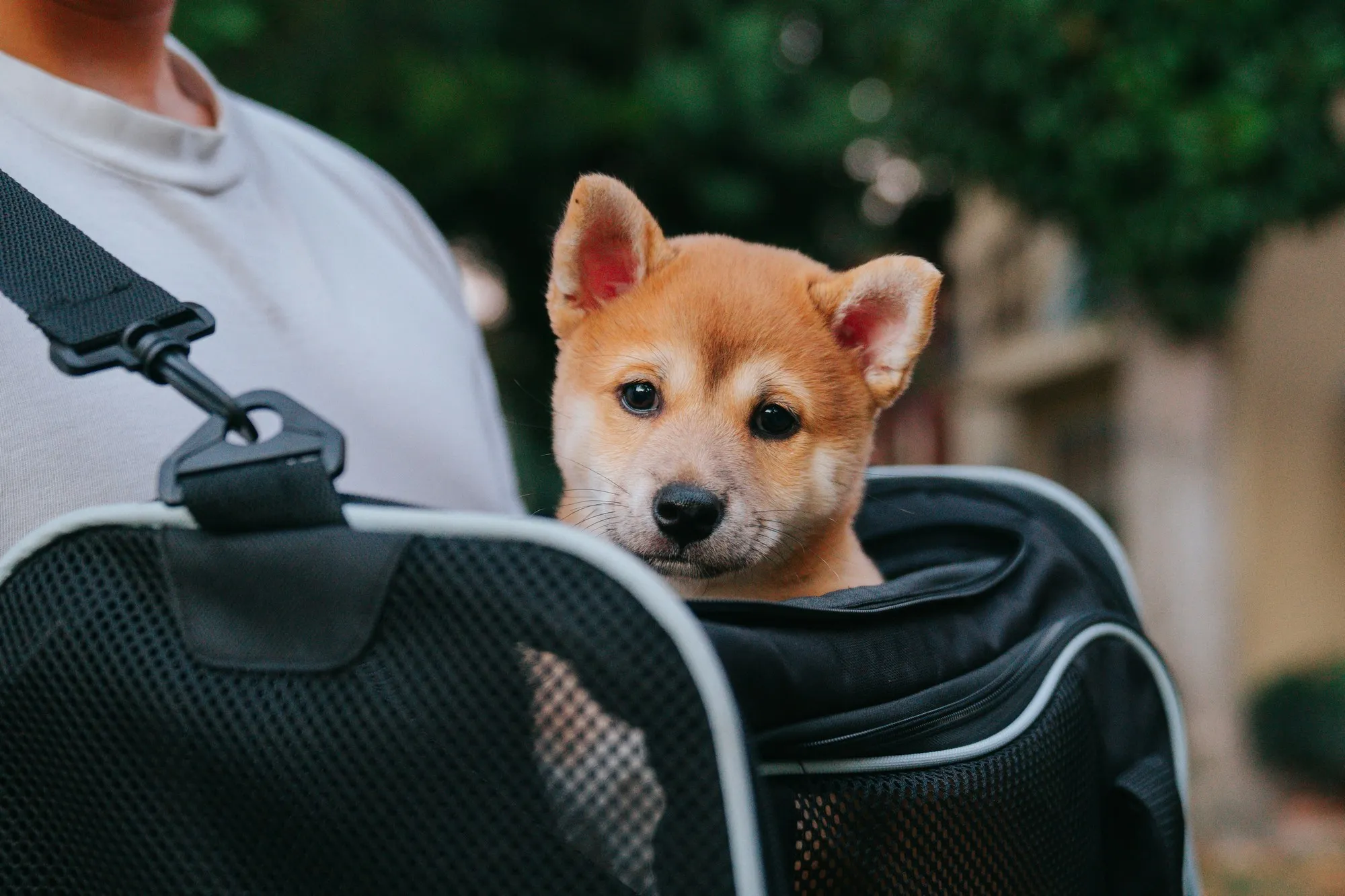
Step 1: Determine the location. In the cabin or in the cargo hold?
This is the first thing you need to decide, as the type, size, and material of the carrier depend on it.
- In the cabin: most airlines allow small animals in the cabin. As a rule, these are cats and dogs whose total weight including the carrier does not exceed 8-10 kg. Each airline has its own limit, which must be clarified before purchasing a ticket. Both soft carriers and small plastic containers are suitable for the cabin.
- In the cargo hold: if your pet is larger (for example, a Labrador or a Maine Coon weighing 12 kg), it will fly in a special heated and ventilated compartment in the baggage section. For this, only a rigid plastic container that meets strict international IATA (International Air Transport Association) standards is suitable.
Step 2: Which carrier to choose for the airplane cabin
If your pet meets the weight requirements for the cabin, your main task is to find a carrier that will fit under the seat in front of you.
Type: soft carrier bag
For the cabin, this is the most convenient and preferred option. A plastic box is also possible, but it doesn't bend. If it turns out to be a couple of centimeters higher than needed, you will have problems. A soft carrier bag (made of dense fabric, with a frame) can bend slightly and “fit” into the allotted space.
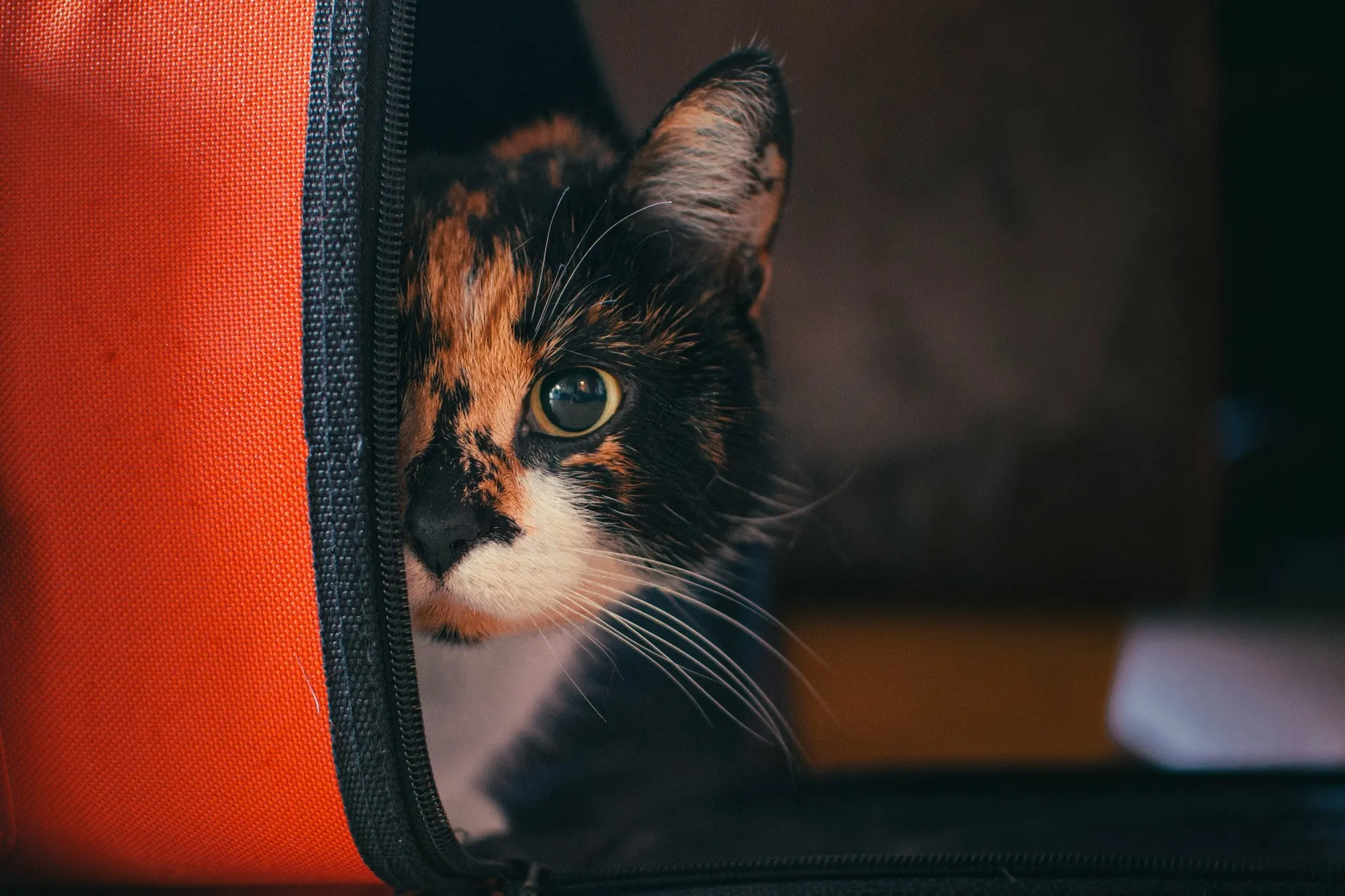
Dimensions: a tape measure is your best friend
This is the strictest parameter. Each airline has its own requirements for the sum of three dimensions (length + width + height) or for each parameter separately.
- Average requirements: most often, airlines allow carriers with dimensions not exceeding 44x30x26 cm or 115-125 cm for the sum of three dimensions.
- What to do: go to the website of the airline you are flying with (for example, if you have tickets Saint Petersburg – Kaliningrad), find the “Animal Transportation” section and write down the exact figures. Do not rely on “luck”.
What the carrier's design should be like
- Reliable bottom: rigid and flat, so it does not sag under the animal's weight.
- Ventilation: make sure the carrier has at least two (preferably three) mesh windows for free air circulation.
- Water resistance: the bottom must be waterproof. Be sure to place an absorbent disposable pad inside.
- Locks: zippers must be reliable. Ideally, with fasteners or “pullers” that can be connected with a small carabiner so that the pet cannot open the zipper with its nose or paw.
- Size for the pet: the animal must be able to stand up (not full height, but straighten up) and turn around inside.
Step 3: What carrier is needed for the cargo hold (IATA standard)
If the pet flies in the cargo hold, the requirements for its “transport” increase significantly. Your task is to ensure its maximum safety. There can be no compromises here – only a rigid plastic container, certified according to IATA standards.
Look for the label Live Animals or IATA Compliant on the carrier.
Critically important IATA requirements:
- Material: only durable, impact-resistant plastic. No fabric, wicker, or entirely metal cages.
- Assembly: the container must consist of two halves (upper and lower), connected by METAL BOLTS.
- Attention! Many popular carriers have plastic latches on the sides. Most airlines (including Aeroflot) prohibit such carriers for baggage, as they can open during loading. Bolts are a mandatory condition.
- Door: only metal, solid. It must be securely locked with a spring lock that cannot be opened from the inside.
- Wheels: if the carrier has wheels, they must be removed or blocked (for example, securely taped).
- Ventilation: ventilation openings must be on at least three sides (side and rear).
- Internal equipment:
- A water bowl (and food, if the flight is very long) must be secured inside. It is attached to the inside of the door.
- An absorbent pad or special mat must be placed on the bottom.
- Size: The pet must be able to stand up to its full height without its ears touching the ceiling, turn around 360 degrees freely, and lie down in a natural position.
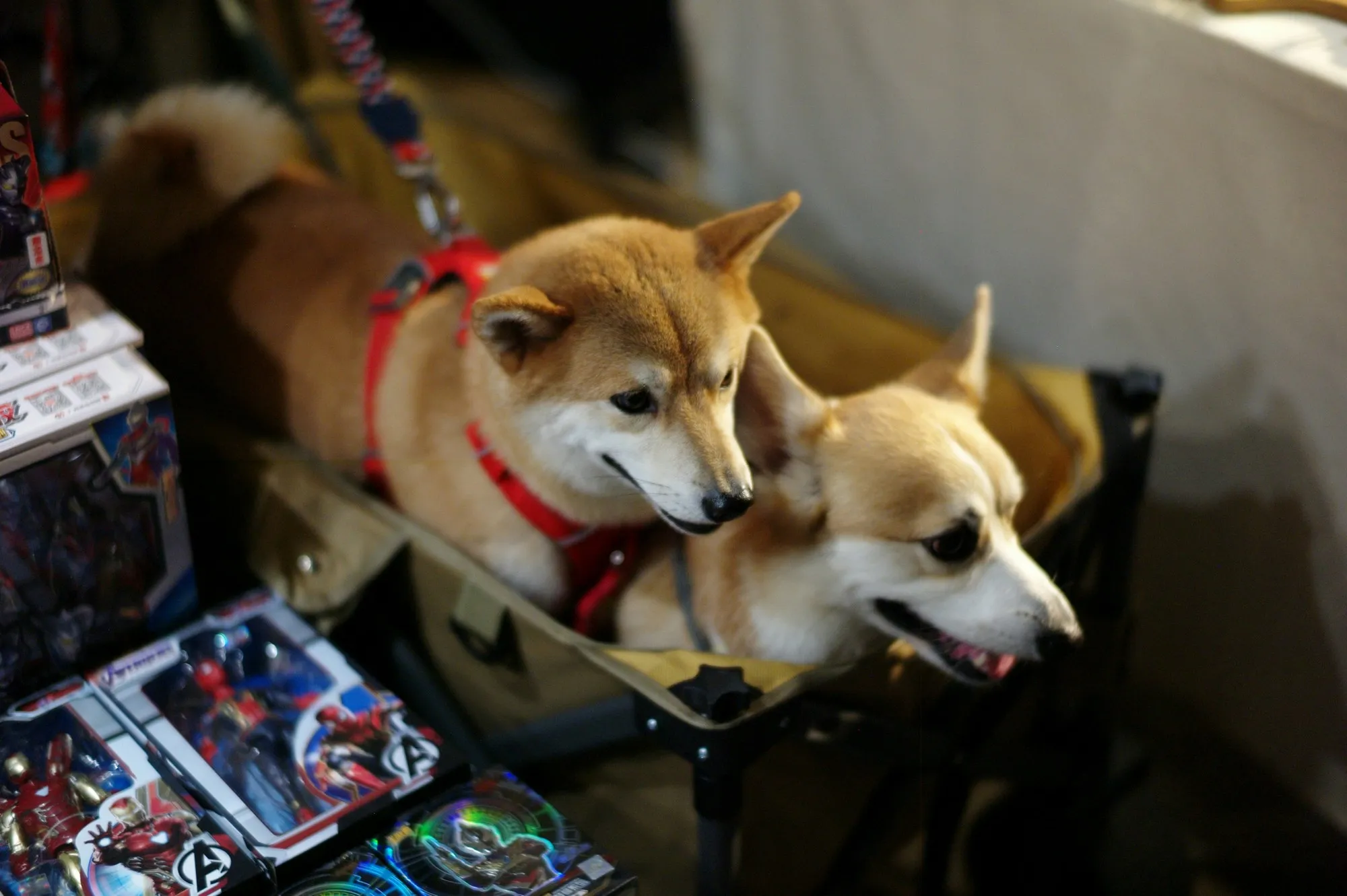
Step 4: Acclimatizing to the carrier. How to entice a cat into a carrier?
Buying the right container is half the battle. Now you need to convince your pet that it's a safe and even pleasant place. You should start acclimatization several weeks before the trip, not on the day of departure.
The question “how to shove a cat into a carrier 5 minutes before the taxi?” is a direct path to stress for the animal and scratches for you.
- Make it part of the interior: place the carrier (without the door) in the room where your pet spends most of its time. Let it become a familiar piece of furniture.
- Create comfort: put your pet's favorite blanket or your old T-shirt inside (a familiar scent is calming).
- Feed nearby: start placing the food bowl next to the carrier. Then gradually move it closer and then directly inside.
- Use treats: regularly toss your pet's favorite treats into the carrier. Your pet should understand: “Something good happens in this little house.”
- Positive reinforcement: as soon as the animal goes inside by itself, calmly and gently praise it.
- Short trips: once your pet gets used to sleeping in the carrier, try closing the door for a few minutes. Then carry it around the apartment. The next stage is to take it outside and put it in the car for 5 minutes.
Never use the carrier for punishment. It should only be associated with safety and positivity.
Checklist before buying
So, which carrier to choose?
- Call the airline: find out the exact requirements for weight and dimensions (for the cabin) or standards (for baggage). Make sure your pet is even allowed on the flight.
- Measure your pet: find out its weight, height at the Withers, and length from nose to tail.
- Choose the type: soft (for cabin) or rigid IATA (for baggage).
- Check details: reliable locks, metal bolts (for baggage), good ventilation, rigid bottom.
Remember that a carrier is not an expense item to save on. A high-quality and correctly chosen container is a guarantee of your pet's safety and your own peace of mind at an altitude of 10,000 meters.