How to create a three-city flight cheaper than a direct flight
 Polina
A direct flight offers comfort, but not always value. Airlines often set exorbitant prices for popular non-stop flights, while a complex route through hub cities can save up to 30-50% of your budget.
If you're planning a vacation, it's worth exploring options first, such as buying tickets to Istanbul with a subsequent flight to Europe, or considering tickets to Yerevan to then travel to cities in Southeast Asia. Assembling your own itinerary is not only about saving money but also an opportunity to see three cities for the price of one.

Why is a direct flight more expensive?
Airline pricing logic is often based on demand. A direct flight is a premium service for those who value time and want to avoid extra hassle with luggage and transfers. Complex routes, however, allow carriers to fill seats on less busy segments. Furthermore, competition in major aviation hubs (such as Istanbul, Casablanca, or Belgrade) is much higher, forcing companies to compete for passengers by lowering fares.
3 ways to build a budget-friendly complex itinerary
The "through-hub" method
Instead of looking for a single ticket from point A to point B, break the journey into two parts through a major transfer hub, using low-cost carriers.
How it works: You buy one ticket to a major aviation hub (e.g., Istanbul), and a second one from there to your final destination (e.g., Rome or Lisbon) on a local budget carrier.
What's the benefit: Manually combining tickets from different airlines can be significantly cheaper than a single through-booking. By the way, Kupi.com already has ready-made loopholes for such cases.
Stopover
Many airlines allow for a long stopover in the transfer city (from 24 hours to several days) with virtually no extra charge to the main fare.
How it works: When searching, forget the "non-stop" checkbox; instead, look for options with one or two stops along the way. Specify dates to spend 2-3 days, for example, in Casablanca on your way to the Canary Islands.
What's the benefit: You get a full tour of a new city. The total ticket cost remains the same as with a regular two-hour layover, and sometimes even decreases if the departure on the next segment falls on a less popular day of the week.
Different arrival and departure cities
This method involves arriving in one city and departing from another. Between them, you can travel by train, bus, or rented car, covering more locations.
Example:You fly to Yerevan, spend time there, then travel to Tbilisi by train and fly home from the Georgian capital.
What's the benefit: You don't waste time and money returning to your original starting point. Round-trip tickets from different cities in the same region often cost the same as a regular one-way flight but offer twice as many experiences.
Planning nuances
Visa issue: Before leaving the airport in an intermediate point, make sure you don't need a transit visa or that it can be obtained online.
Separate tickets – separate responsibility: If you buy two separate tickets, the airline is not obligated to assist you if you miss the second flight due to a delay of the first. Allow a minimum of 5-6 hours for a transfer, or ideally, plan an overnight stay in the city.
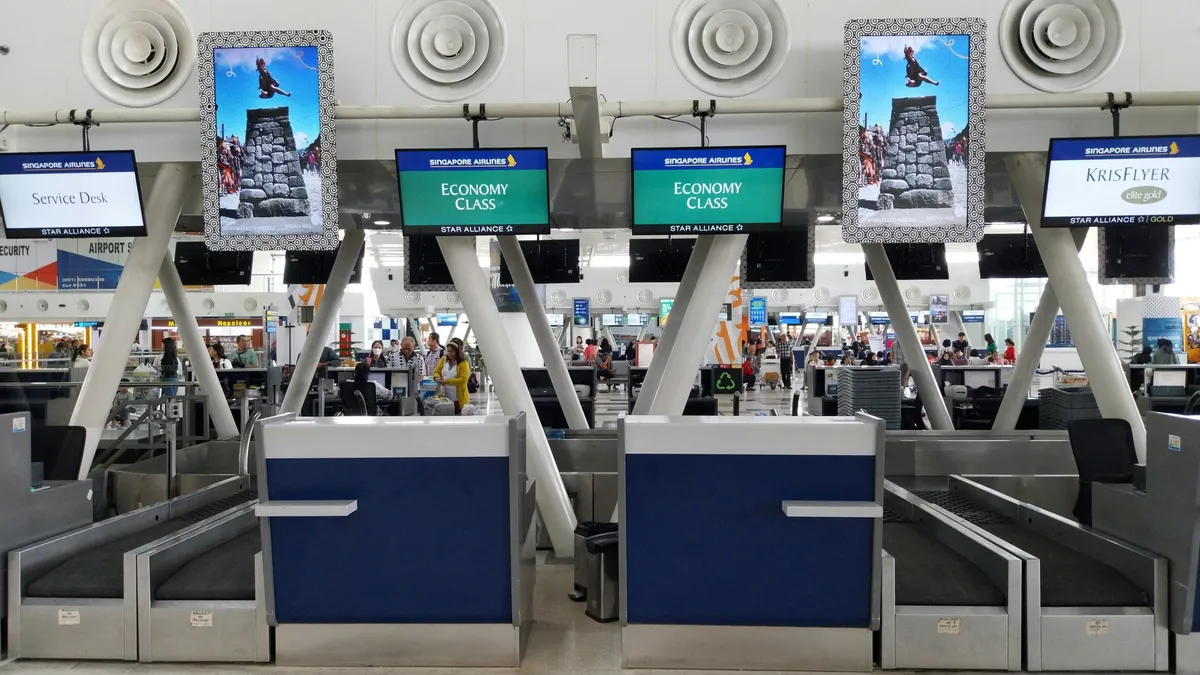
Baggage: With separate bookings, you will have to collect your luggage and re-check it at the check-in counter at the transit airport.
When is it best to book?
For complex itineraries, the "earlier the better" rule is more relevant than ever. The optimal time is 4-6 months before departure. Use a low-price calendar to see which days of the week flights through your chosen hubs are the cheapest.
Creating a three-city itinerary is a kind of constructor, where the reward for patience is a free budget for vivid experiences within the trip itself.