How to properly dispute with an airline or hotel
 Polina
Travel is always exciting and interesting, but sometimes it brings unpleasant surprises: flight cancellations, lost luggage, poor hotel service, or discrepancies with stated conditions. In such situations, it's important not to panic, but to know how to properly defend your rights. An effective dispute with a large company is not a shouting match, but a consistent and reasoned defense of your interests.
In this article, we will break down a step-by-step algorithm of actions that will help you assert your rights and receive compensation, if necessary. It is important to remember that knowing your rights and conducting a dialogue competently are key to success.

General principles of a successful dispute
Before taking specific actions, learn a few basic principles that will help you in any conflict situation:
- Stay calm: emotions are your worst enemy. The calmer and more confident you are, the more effectively you can convey your position.
- Know your rights: study the airline/hotel rules, consumer protection laws, and international conventions. This is your main argument.
- Document everything: collect all evidence – from receipts and photos to correspondence and reference numbers.
- Be polite but persistent: a respectful attitude towards employees increases the likelihood that they will meet you halfway. However, this does not mean you should give up.
- Start simple, move to complex: first try to resolve the issue directly with a representative, then contact management, then regulators.
Problems with an airline
Conflicts with airlines are among the most common. It is important to know that your rights are protected by both national and international law.
Step 1: Actions at the airport
Document the violation:
- Flight cancellation/delay: get official confirmation from the airline (a certificate of delay/cancellation, a mark on the ticket). Photograph the departure board with the information.
- Lost/damaged luggage: immediately contact the Lost & Found service and fill out a PIR (Property Irregularity Report). This is a critically important document. Take a photo of the luggage if it is damaged.
Study airline rules and legislation:
- Flight delay/cancellation: depending on the duration of the delay, the airline is obliged to provide drinks, hot meals, hotel accommodation (for delays over 6-8 hours at night or 8 hours during the day), the opportunity to make a call, and an alternative flight. Carefully read the rules of the specific airline and EU Regulation No. 261/2004 (if the flight departed from Europe or was a European airline), which provides for compensation up to €600.
- Luggage: according to the Montreal Convention, the airline is responsible for lost, delayed, or damaged luggage. The liability limit is approximately 1288 SDR (Special Drawing Rights), which is equivalent to approximately US$1,700.
Contact the airline representative:
- Politely but firmly demand that your rights be respected: provision of meals, hotel, information about an alternative flight.
- If the representative refuses, ask for their name and position, record the time of the conversation. Ask for a written refusal, if possible.
- If there is no representative, look for the airport information desk or call the hotline.
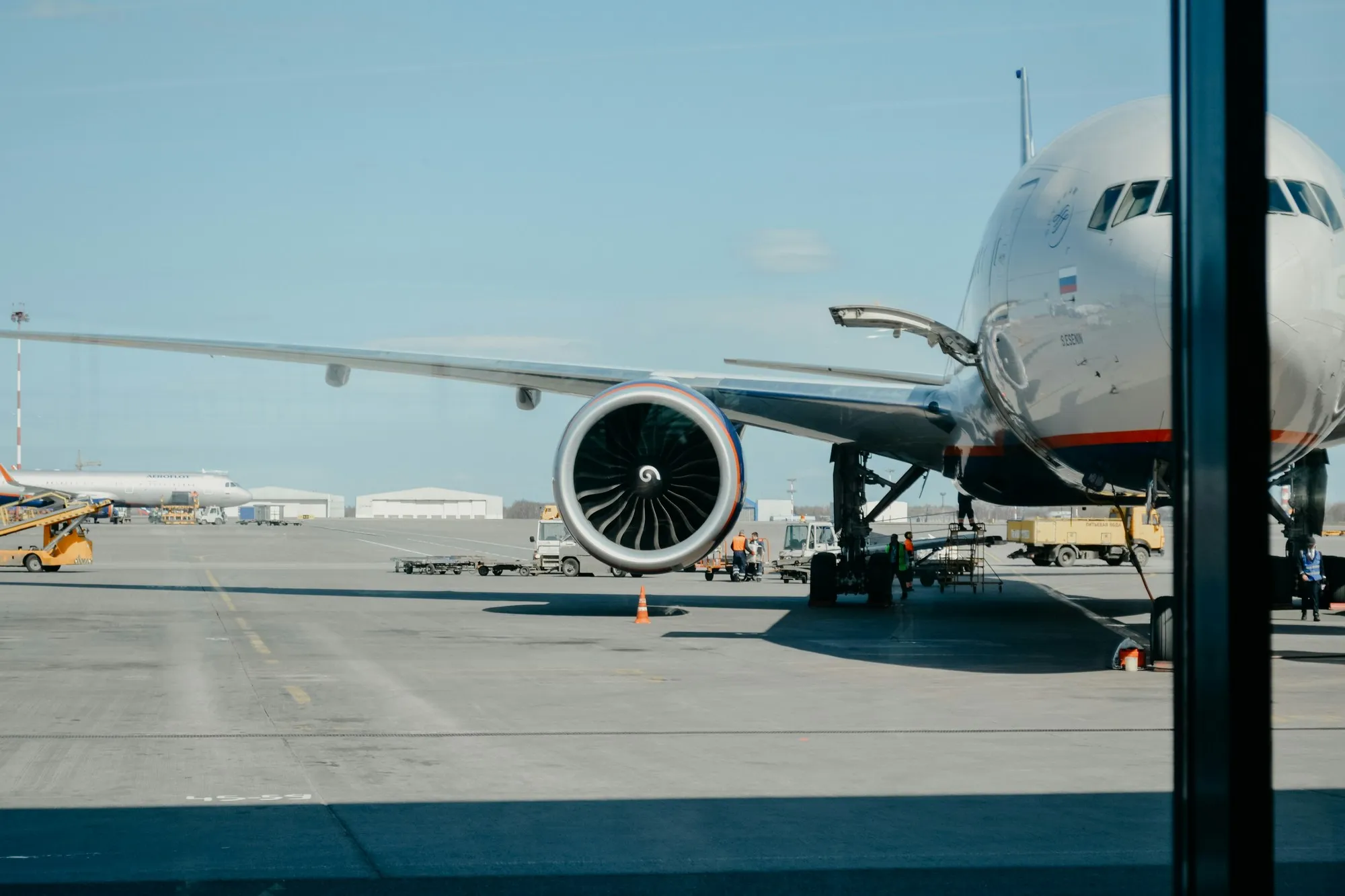
Step 2: Subsequent actions (upon return or during the trip)
Keep all receipts and documents:
- Receipts for food, water, hotel, if you had to spend your own money due to the violation.
- Boarding passes, tickets, bookings.
- Any correspondence with the airline.
Write a claim (official complaint):
- Form: the claim must be in writing (can be electronic via the airline's website form). Indicate the flight number, date, your details, describe the situation in detail, attach evidence.
- Deadlines: it is important to observe the deadlines for submitting a claim. For luggage, this is usually 7 days (damage) or 21 days (delay) from the date of issue; for flight cancellation/delay – within 6 months.
- Requirements: clearly state your demands: refund, compensation for damages, penalty.
- Example: you took tickets for the Moscow – Istanbul route, and your flight was delayed by more than 5 hours. You are entitled to compensation and services.
Contact regulators (if necessary):
- In Russia: Rosaviatsiya, Rospotrebnadzor, Transport Prosecutor's Office.
- In Europe: National Enforcement Bodies (NEB) of the country of departure or arrival, or the European Consumer Centre.
- In the USA: Department of Transportation (DOT).
- International organizations: IATA (International Air Transport Association), but they regulate airline activities, not resolve disputes directly.
Litigation: if all pre-trial methods have been exhausted and the airline refuses to cooperate, you can go to court. This is a longer and more costly process, but often the most effective.
Problems with a hotel
Hotel problems can ruin an entire vacation. Know that you are entitled to a service that matches what was advertised.
Step 1: Actions at the hotel
Document the problem:
- Room discrepancy: immediately photograph all shortcomings (dirt, damage, mismatch of furniture/window view to what was advertised).
- Poor service: record the time, date, names of employees, describe the situation.
- Refusal to check-in/overbooking: get written confirmation of the refusal, record what you are offered in return.
Immediately contact the hotel administration (reception, manager):
- Politely but clearly state the essence of the problem. Show photos or other evidence.
- Suggest solutions: replacement of the room with one of the appropriate category, a discount for the inconveniences provided, free services.
- If you are offered a lower category room due to overbooking, demand the price difference and compensation for moral damages.
- Your request must be registered. Write down the name of the employee you spoke with and the time.
- Don't hesitate to insist on calling a senior manager or supervisor.
- For example, you took tickets to Dubai, booked a hotel, but you could not be checked in. This is a serious violation of your rights.
Step 2: Subsequent actions (upon return or during the trip)
Keep all evidence:
- Hotel booking, payment confirmation.
- Photos, videos.
- Receipts for additional expenses, if they arose due to the problem.
- Any correspondence with the hotel.
Write an official claim:
- Recipient: send the claim to the official hotel address (via email, website form, or registered mail).
- Content: describe the situation in detail, attach evidence, clearly state your demands (partial refund, compensation).
- Deadlines: the sooner you submit a claim, the better.
Contact intermediaries/regulators:
- Booking website: if you booked through Booking.com, Ostrovok.ru, Ozon.Travel, or another aggregator, contact their support service. They often act as intermediaries in resolving disputes.
- Reviews: sometimes an effective method is a public review on review sites (TripAdvisor, Google Maps) or social networks. Many hotels value their reputation and are willing to resolve problems to avoid negative publicity.
- Consumer protection: in your country, you can contact the local consumer protection agency. If the hotel is in Europe, you can use the European Consumer Centre.
Litigation: a last resort if an agreement could not be reached.
Legal aspects and useful tools
Knowing legal nuances and using the right tools significantly increases your chances of success.
Evidence base: photos (with date and time), videos, screenshots of correspondence, call recordings (if permitted by local law), witness statements.
Legislation:
- Air Law: Montreal Convention (for international flights), Warsaw Convention (for older international flights), Air Code of the Russian Federation, EU Regulation No. 261/2004.
- Consumer Protection: Federal Law "On Protection of Consumer Rights" (for Russia) or similar laws in the country of stay/airline.
Claim templates: you can find many claim templates for different cases online. Adapt them to your situation.
Compensation recovery services: there are specialized companies (e.g., AirHelp, Compensair) that are willing to take on all communication with the airline for a percentage of the compensation. This is convenient if you don't want to spend time, but be prepared to share part of the winnings.
Let's break it down with an example. Imagine you took tickets to Yerevan, and your flight was delayed by 8 hours.
On site:
- Get official confirmation of the delay from the airline.
- Demand vouchers for food and drinks.
- Clarify if they will provide you with a hotel (if the delay is longer than a certain time, usually 6-8 hours).
After:
- Keep all boarding passes and confirmations.
- Write a claim to the airline, referring to the Air Code of the Russian Federation and/or EU Regulation 261/2004 (if applicable).
- Demand compensation (for example, under EU Regulation, this can be €250 for delays over 3 hours for flights up to 1,500 km).
Conflict situations during travel are unpleasant, but not hopeless. The main thing is to approach them systematically, armed with knowledge and evidence. Remember that buying tickets and embarking on a journey is your right, and the right to quality services and compensation for their improper provision is your legal protection.
Be calm, polite, but persistent. Know your rights and don't hesitate to defend them. Have successful and trouble-free travels!