How to sunbathe without harming your skin
 Yasya
YasyaThe time for vacations, beaches, and tempting bronze tans is now. Or any time, if you take flights to Dubai or fly to the Maldives. One sad truth: the sun isn't always our friend. When there's too much of it, it turns into a serious threat to the skin. We'll be a bit pedantic, but we'll save you from burns and tell you how to get the desired tan shade without harming yourself.

When and how long you can stay in the sun
Tanning is not a sprint, but a marathon. Gradualness, moderation, and even training, i.e., preparation, are important here. The skin needs a period of adaptation to UV exposure before it starts actively producing melanin – the pigment responsible for tanning. This period is different for everyone – some need a week to start getting a bronze shade, while others only need a couple of days. But it's better not to rush, give yourself time. As the saying goes, 'haste makes waste' (literally, 'if you rush, you'll make people laugh with a red nose'). And it's good if it's just your nose.
Start sunbathing by gradually increasing your time in the sun. For the first day, a couple of hours or even less is enough, depending on your skin type. Even with sunscreen, it's not recommended to stay under direct sunlight for more than two to three hours a day. Listen to your body: if you feel warmth, burning, redness, or discomfort, immediately go indoors and start 'rescue procedures'.
Basic tanning rules
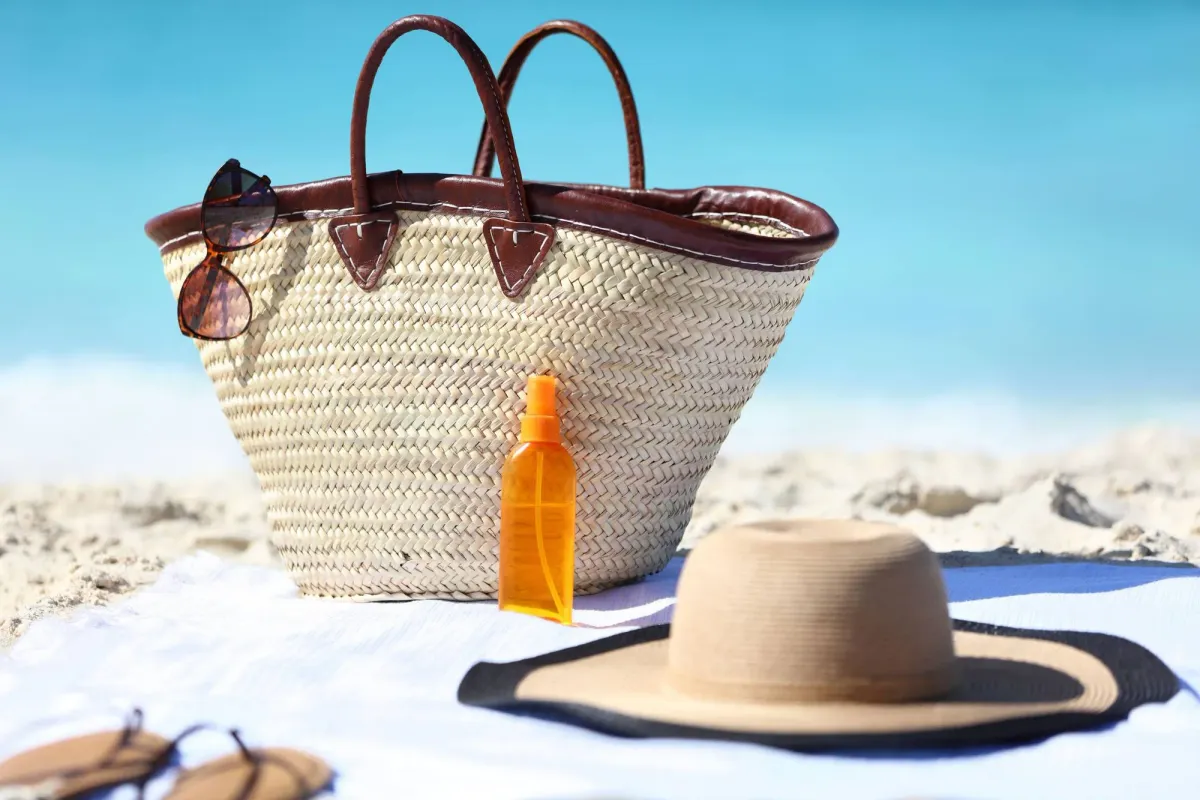
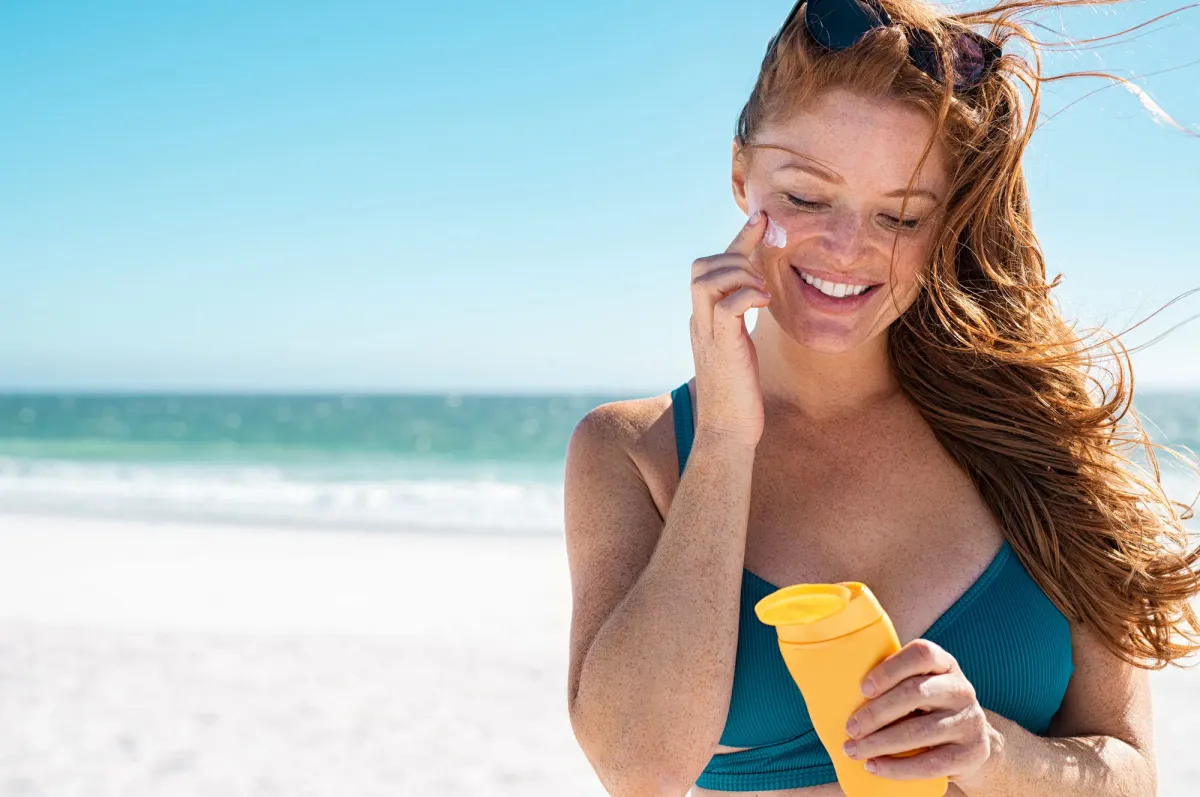
- Use sunscreen: the most important point! Choose a product with an SPF (Sun Protection Factor) of at least 30, apply it 20-30 minutes before going outdoors. Don't forget to reapply every two hours, as well as after swimming or heavy sweating.
- Tan in the shade: this might seem strange and less effective if your goal is the darkest tan possible, but you will still get a beautiful shade, just in a slower, and therefore safer, way.
- Wear protective clothing: when you're not lying on the beach under an umbrella, wear wide-brimmed hats, sunglasses, light clothing made of natural fabrics (even long-sleeved!). So be sure to add them to your packing list.
- Use moisturizers: after tanning and swimming, you need to wash off sea salt and sand, and then apply an after-sun lotion or cream. This will prevent dryness and peeling.
- Avoid tanning beds: they use artificial ultraviolet radiation, which can be even more harmful than sunlight.
When is the best time to sunbathe
The safest time for tanning is during the morning (before 11:00 AM) and evening hours (after 4:00 PM). During these periods, the sun's rays are less intense and less harmful to the skin. Between 11:00 AM and 4:00 PM, it's best to go indoors, as UV radiation becomes most active.
Important restrictions
There are situations when sunbathing is not recommended or special caution is required:
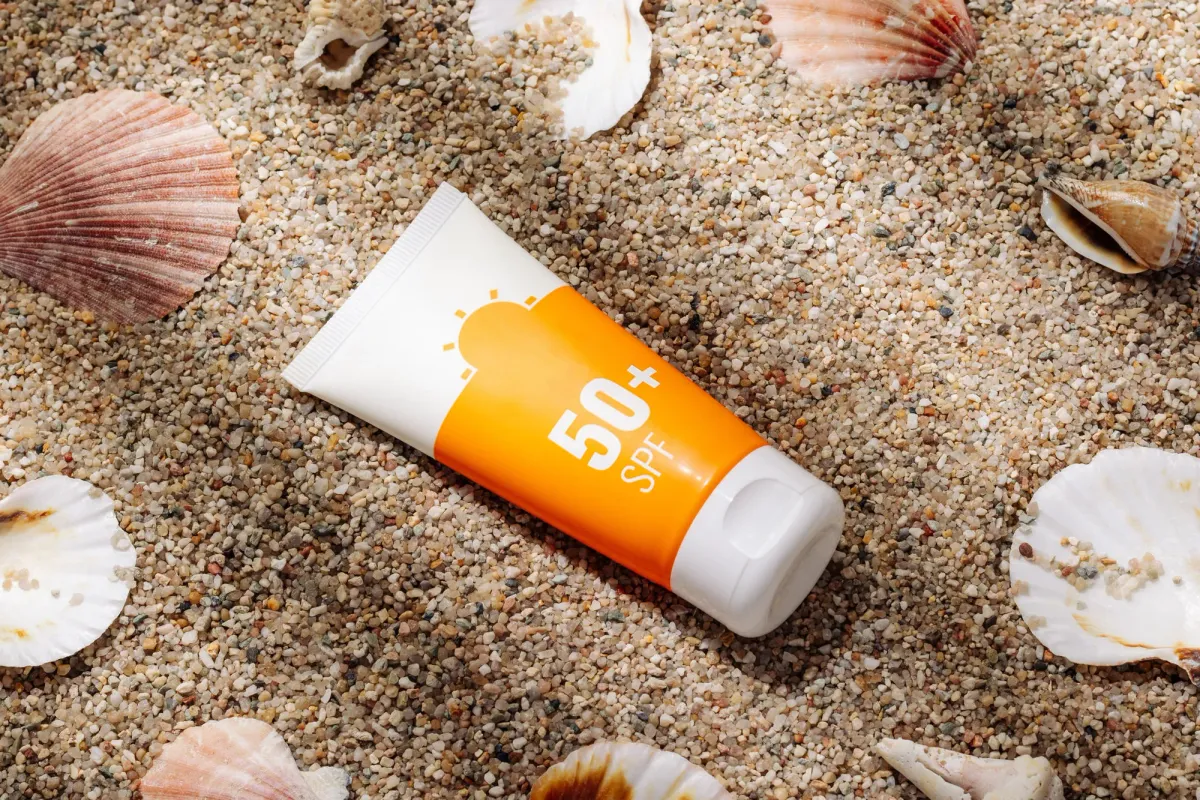
- For owners of fair or sensitive skin, prone to sunburn, it is recommended to choose protective products with SPF 50+ and carefully control the time spent under direct rays.
- Period after cosmetic procedures: doctors always explain in detail why you shouldn't sunbathe after laser hair removal. In short, additional overheating of the skin can lead to the appearance of pigment spots and even burns.
- Children: a child's delicate skin is especially susceptible to ultraviolet radiation. Yes, toddlers might not agree to put on sticky cream, they'll run around the beach, swim, and wash off their SPF, so parents will have to be especially attentive, regularly catch their children, and reapply lotion.
- Medication intake: some medications increase skin sensitivity to the sun. If you are taking any medications, consult your doctor about possible side effects. And don't forget to pack a first-aid kit for your trip.
- Pregnancy: hats, umbrellas, canopies are your best friends during this period. Avoid overheating, choose products with a higher protection factor than before, and prefer physical SPF (zinc oxide, titanium dioxide) over chemical (avobenzone, oxybenzone, octinoxate, and others).
- Presence of moles, pigment spots: if you already have many moles or pigment spots, UV exposure can further increase their number. Consult a dermatologist for a check-up for malignant changes.
How to choose a sunscreen product
- Choose a cream with an SPF of at least 30. For fair or sensitive skin, SPF 50 or higher is recommended.
- Make sure the cream provides protection against UVA and UVB rays. This information is usually indicated on the packaging.
- Choose a cream suitable for your skin type. Mattifying creams are suitable for oily skin, while moisturizing ones are for dry skin.
- If you plan to swim, choose a water-resistant cream and reapply it after each swim. When you are in or on the water (for example, riding a catamaran or SUP surfing), the sun's rays are additionally reflected from its surface, further increasing exposure.
- Avoid creams containing harmful ingredients such as parabens, oxybenzone, and octinoxate.
- Pay attention to the form of release. For example, stick SPF might be less effective because active ingredients are unevenly mixed in solid form. If you wear makeup, sprays are better for sun protection.
- Some decorative cosmetic products contain SPF themselves, but they do not add up. The cream applied last will be effective.
- Don't forget about lip protection: in the sun and by the sea, they dry out and chap even faster, so add a lip balm with SPF to your cosmetic bag.
