Not Just Sushi: 10 Japanese Dishes Worth Trying
 Yasya
YasyaSushi and sashimi are not all there is to Japanese cuisine. We've compiled 10 dishes from the land of the rising sun that are worth trying if you've already bought tickets to Tokyo (or any other Japanese city).

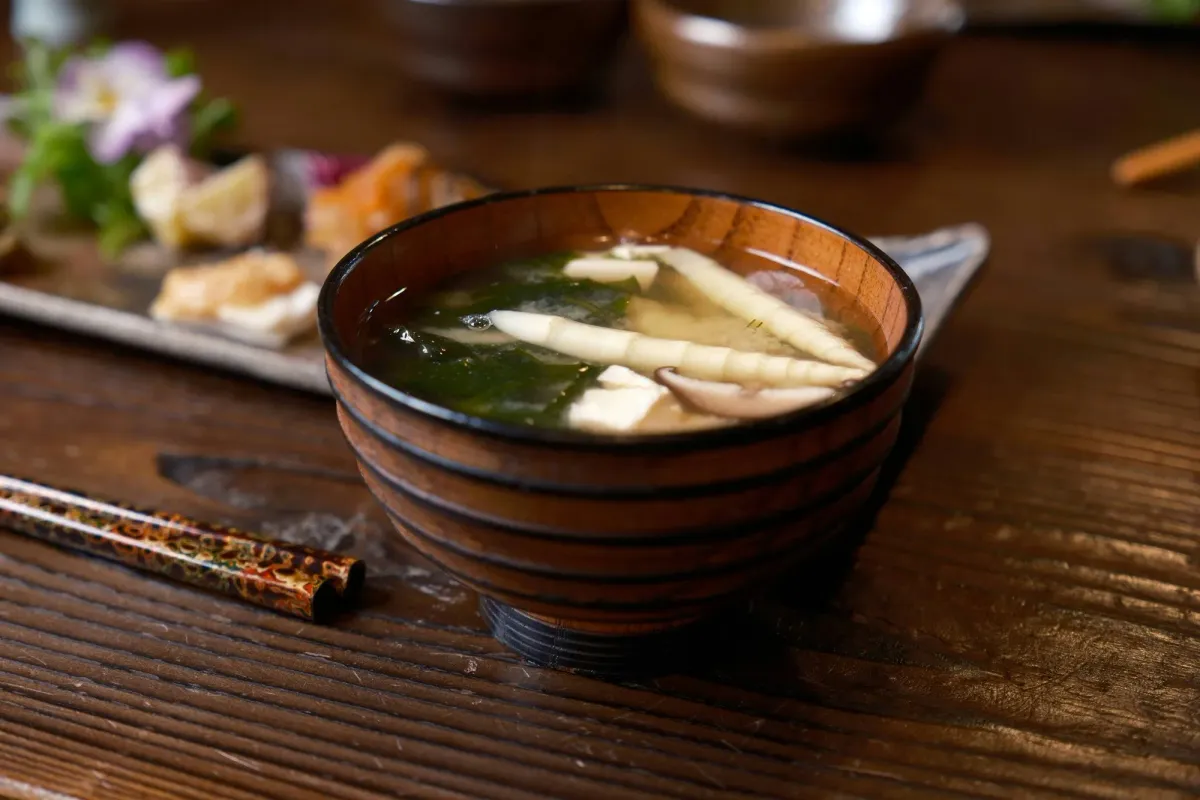
Miso Soup
A soup made from miso paste, dashi broth, tofu, and seaweed. But don't consider it an equivalent to any standard Russian soup: there's no comparable heartiness here. Miso soup is usually served as a side dish or appetizer with traditional breakfasts, lunches, and dinners. Its complex flavor is believed to enhance the qualities of the main course.
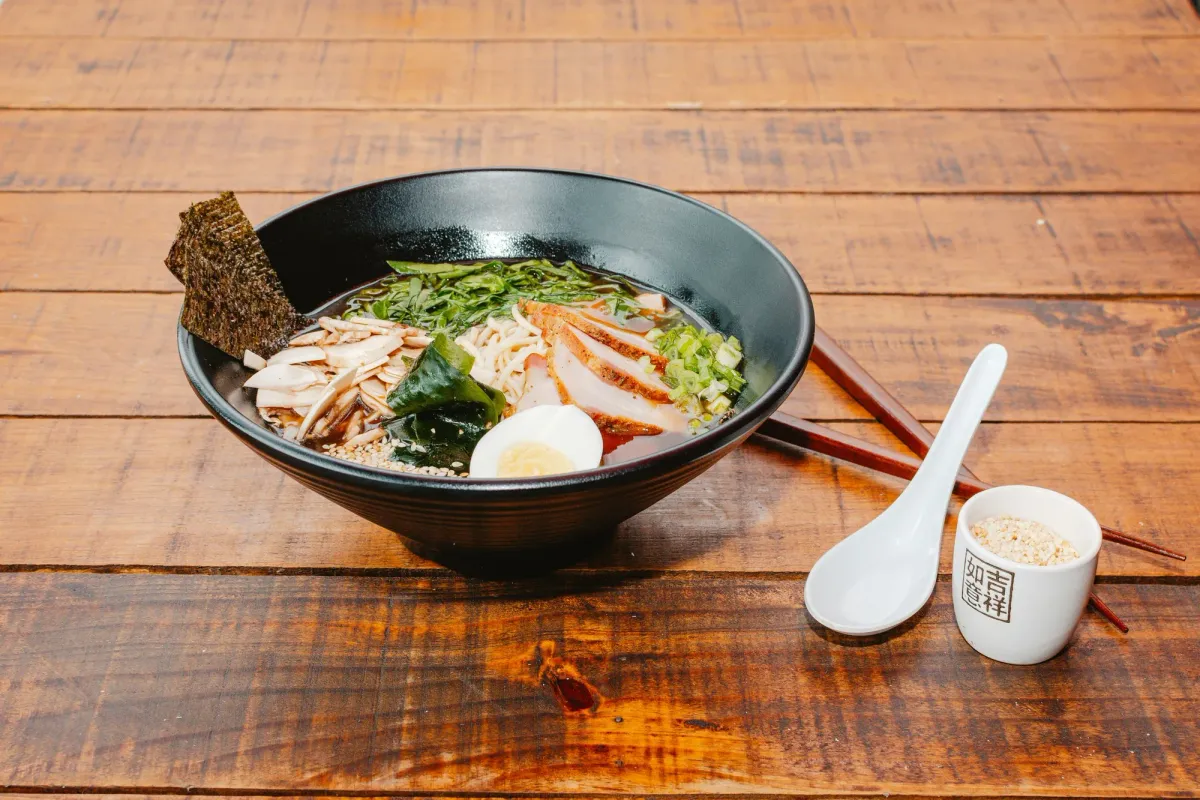
Ramen
This soup has become famous far beyond Japan, although its roots are actually Chinese. Classic Japanese ramen today looks like this: fish or meat broth (beef, pork, or chicken), wheat noodles, slices of meat (again, pork or chicken), nori seaweed, egg. Optionally – green onions, bamboo shoots, shiitake mushrooms, tofu. You pick up the noodles and toppings with chopsticks, and a special spoon will be provided for the broth.
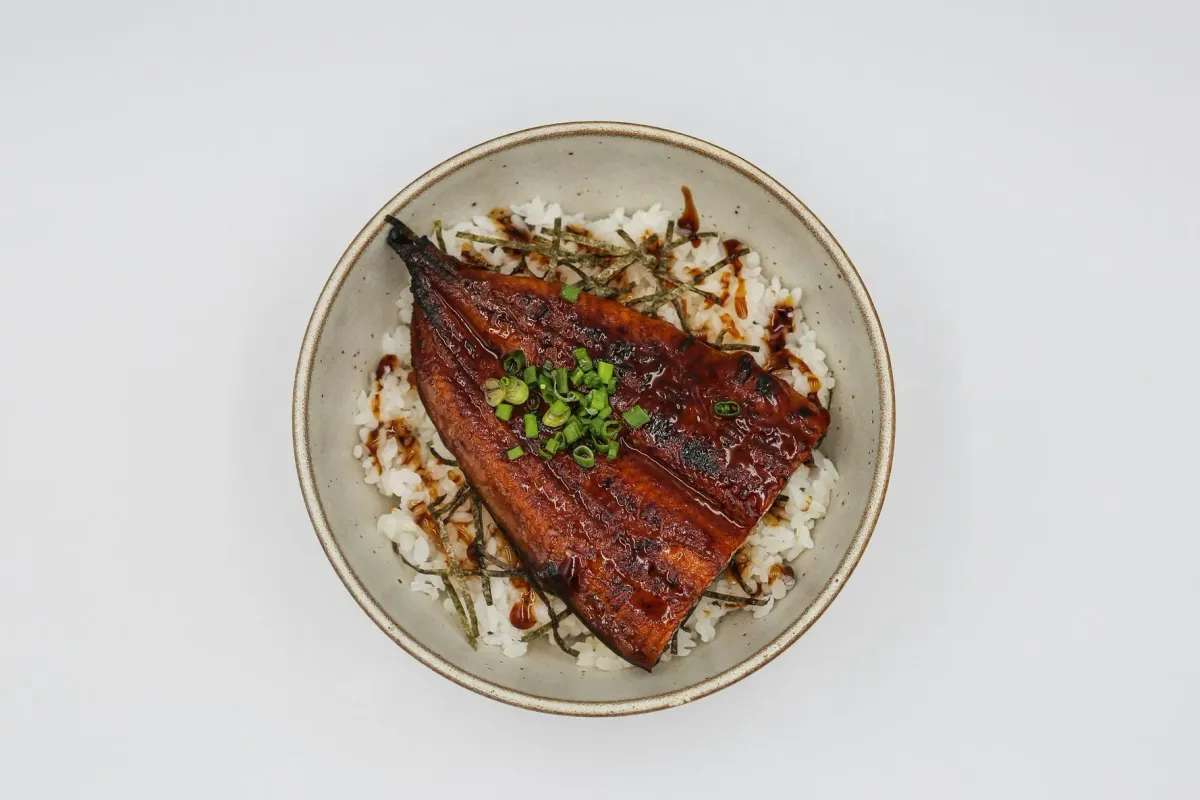
Unagi
River eel, grilled over charcoal with a sweet barbecue sauce. According to popular belief, unagi is an ideal remedy for the heat and humidity of the exhausting Japanese summer, so it's worth trying if you visit during the warmer months. This dish originated during the Edo period (1603–1867), so it has a rich history. The best time for it is from May to October, during eel fishing season.
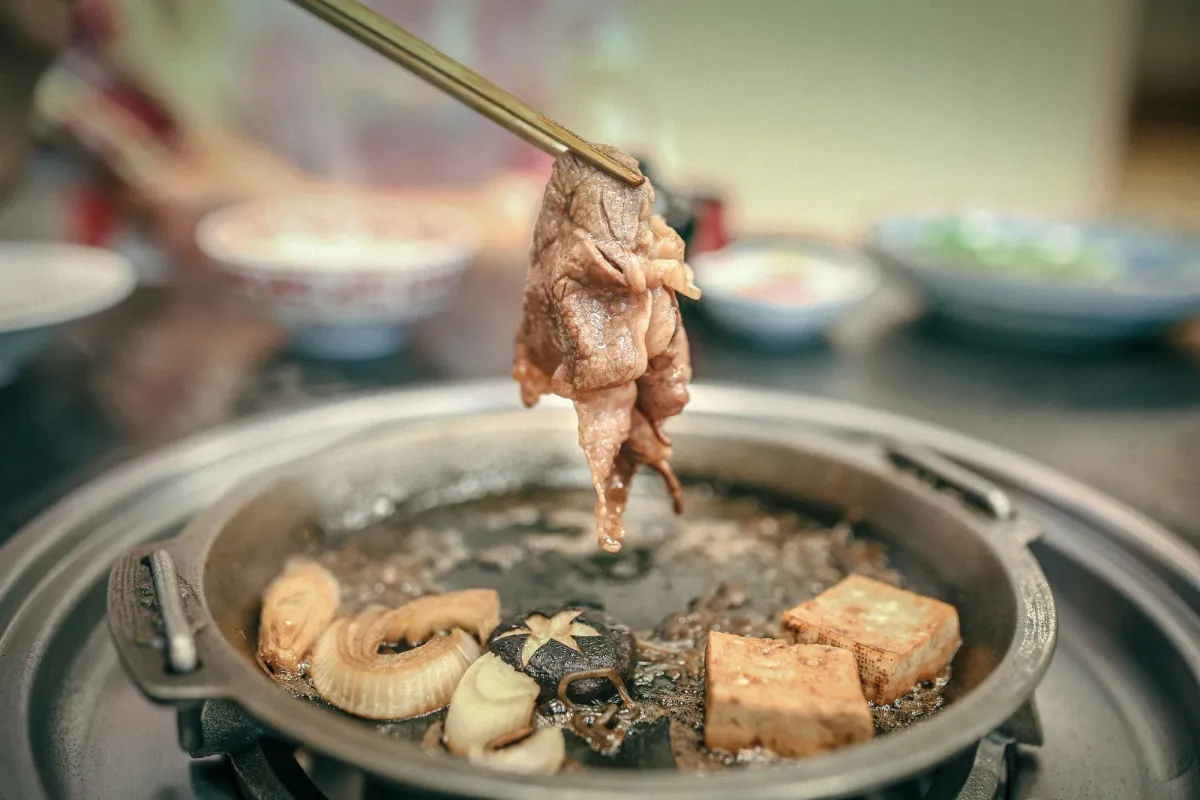
Sukiyaki
This recipe, however, is more suitable for winter cold. The dish includes pan-fried beef, sukiyaki broth, as well as various vegetables and noodles. The word "sukiyaki" itself means "cook what you like," so don't be surprised that each new iteration can differ significantly from the previous one. The dish has been known in Japan since the Meiji era (1868–1912), and even then, peasants prepared it from a wide variety of ingredients.
Shabu-shabu
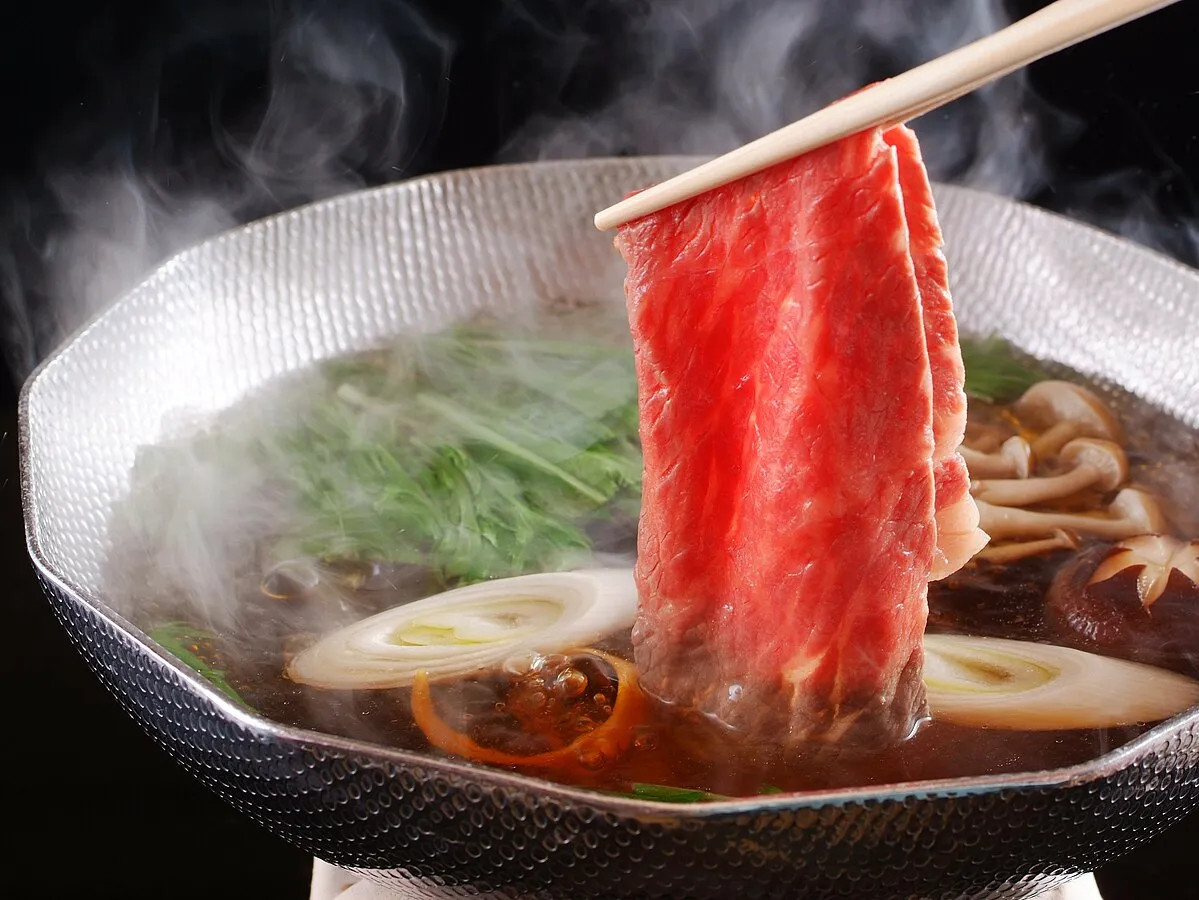
That's right: not "shai-bu, shai-bu" (a Russian hockey chant), but shabu-shabu. The name comes from imitating the sound of thin slices of meat being dipped into broth. Tofu and vegetables are also constant components of this "team," and seafood may be added. It's prepared as follows: a pot of broth is placed in the center of the table, and plates with shabu-shabu ingredients are arranged around it. Guests quickly blanch thin slices of meat, then dip them into sauces, primarily sesame and ponzu. The main difference from sukiyaki is a meatier and less sweet taste.
Oden
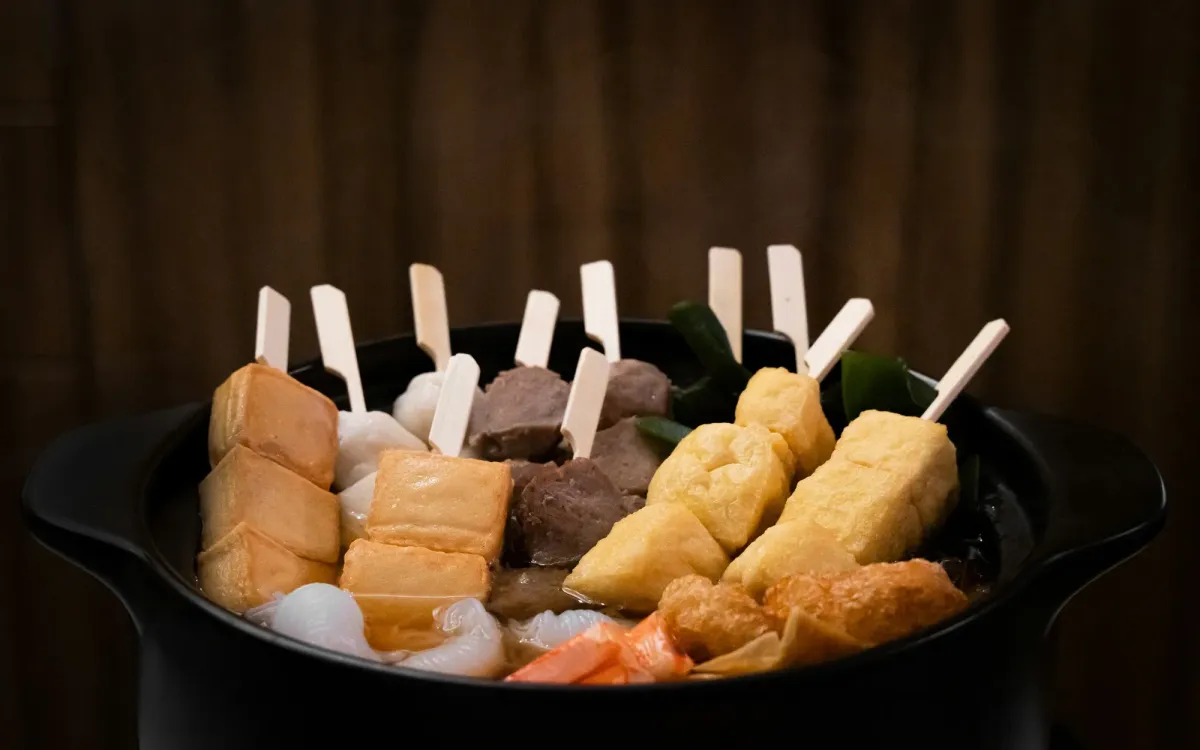
Another "winter" dish. Its base is dashi broth, in which a variety of ingredients are simmered over low heat. Must-haves include eggs, daikon radish, fish cakes, and tofu. It's best to place a pot of ready-made oden in the center of the table and choose the ingredients that interest you most, diluting them with the aromatic, light broth. A good option for a group meal and a kind of "heater" for the dining room (or living room).
Kaiseki
This is not one specific recipe, but a whole set with several courses. The most important detail is the presentation: flowers, leaves, and various edible decorations are used for serving. The basis of kaiseki is rice, soup, and fish. Fresh seasonal ingredients are used, so the composition of the dishes may vary depending on the time of year. The birthplace of kaiseki is Kyoto, and the best place to taste it is a ryokan – a traditional Japanese inn.

Onigiri
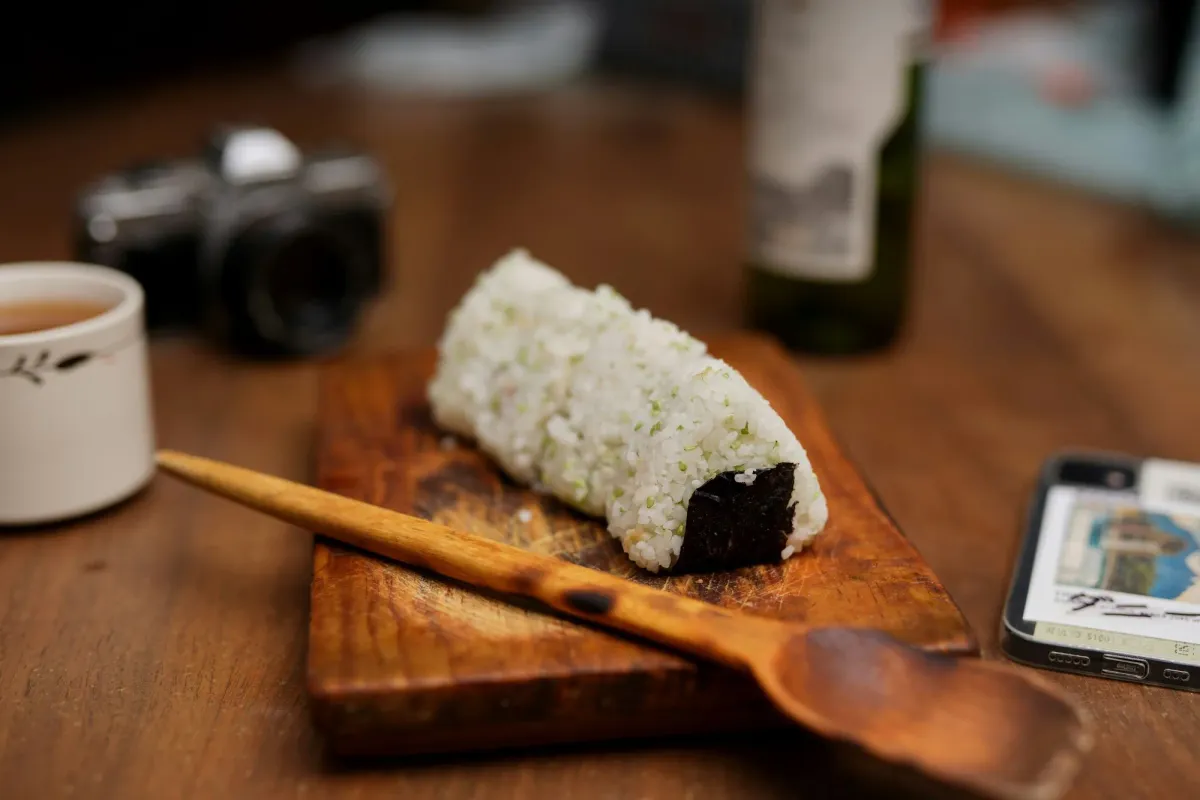
These rice triangles with a nori "patch" are convenient to take with you and eat on the go. Among the most common fillings for onigiri are pickled umeboshi plums, tuna with mayonnaise, teriyaki chicken, mushrooms with onions, and omelet. You can find them in any convenience store, and you won't even need to heat them up!
Chawanmushi
Tired of eating with chopsticks? Try chawanmushi. This is one of the few Japanese dishes that is officially eaten with a spoon, for which we say "arigato". This unsweetened steamed egg custard is prepared directly in a cup. This is why chopsticks are useless here. Chicken, mushrooms, nuts, and shrimp are placed inside, and the egg mixture is seasoned with dashi, mirin, and soy sauce.
Mentaiko
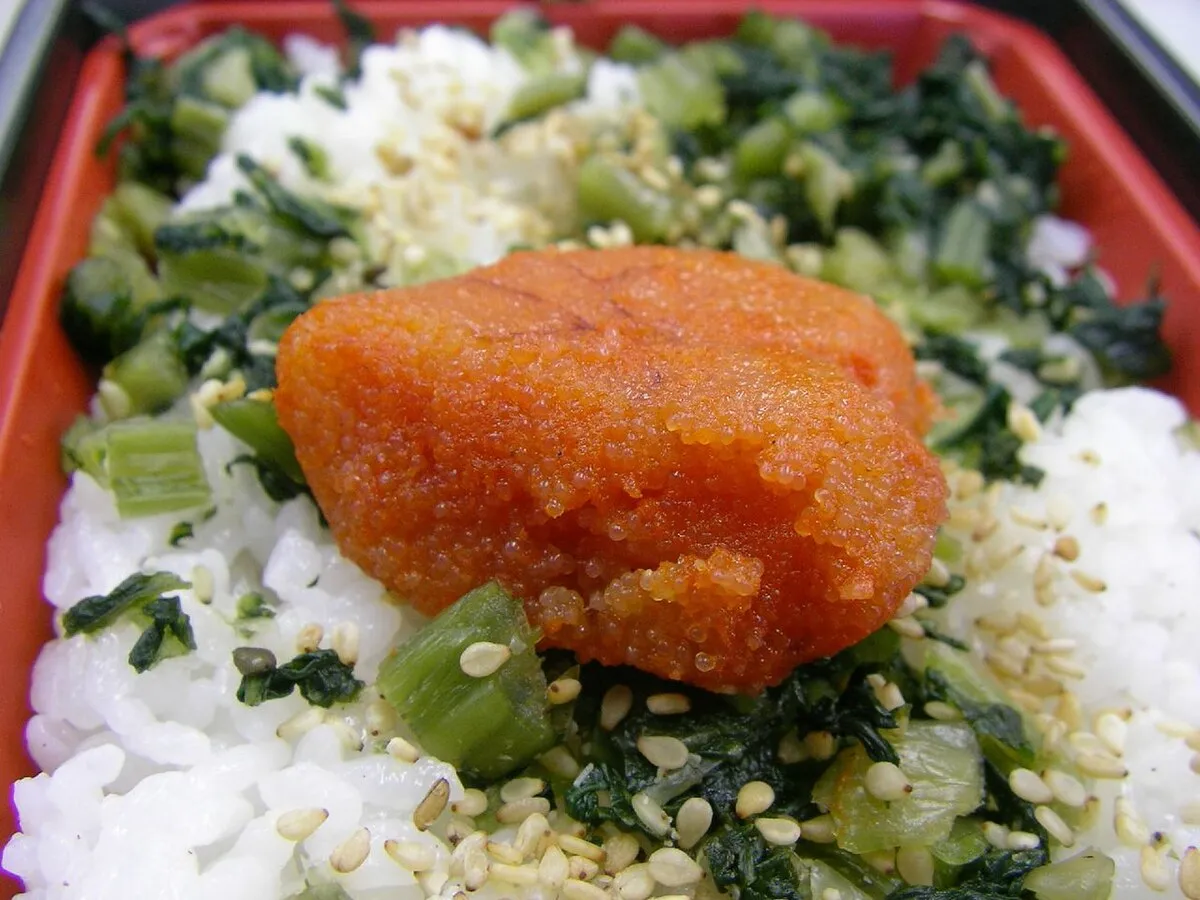
If you love salted fish, then mentaiko will also appeal to your taste. This salty delicacy is made from pollock or cod roe, marinated in salt and spices. Traditionally, mentaiko is used as a side dish, as an addition to ramen, or as a filling for onigiri. For those who like spicy food, we recommend the karashi mentaiko version – it's marinated in a spicy sauce with added chili pepper. Over the years, the recipe has undergone changes: now many chefs mix it with oil or cream, creating a mentaiko pasta sauce. This idea originated in Kyushu, Japan's third-largest island. So, for the most authentic version, you should fly there.
In the next part, we'll tell you about 10 more interesting combinations from Japan!