Overnight travel: saving on hotels by traveling in your sleep
 Polina
Imagine the perfect travel scenario: you had dinner in one city, closed your eyes, and opened them in another – hundreds of kilometers away, full of energy and ready for new discoveries. Sounds like magic? In reality, it's the good old practice of overnight travel.
For experienced travelers, a night on the road is not a forced measure, but a strategic move. It's a way to kill two birds with one stone: move to a new location without losing precious daylight hours of vacation, and save on hotel costs. Why pay for a bed you just sleep in, when you can pay for a bed that takes you to the sea or mountains?
Let's figure out how to organize an overnight trip so that in the morning you feel like an energetic explorer, not a broken zombie.
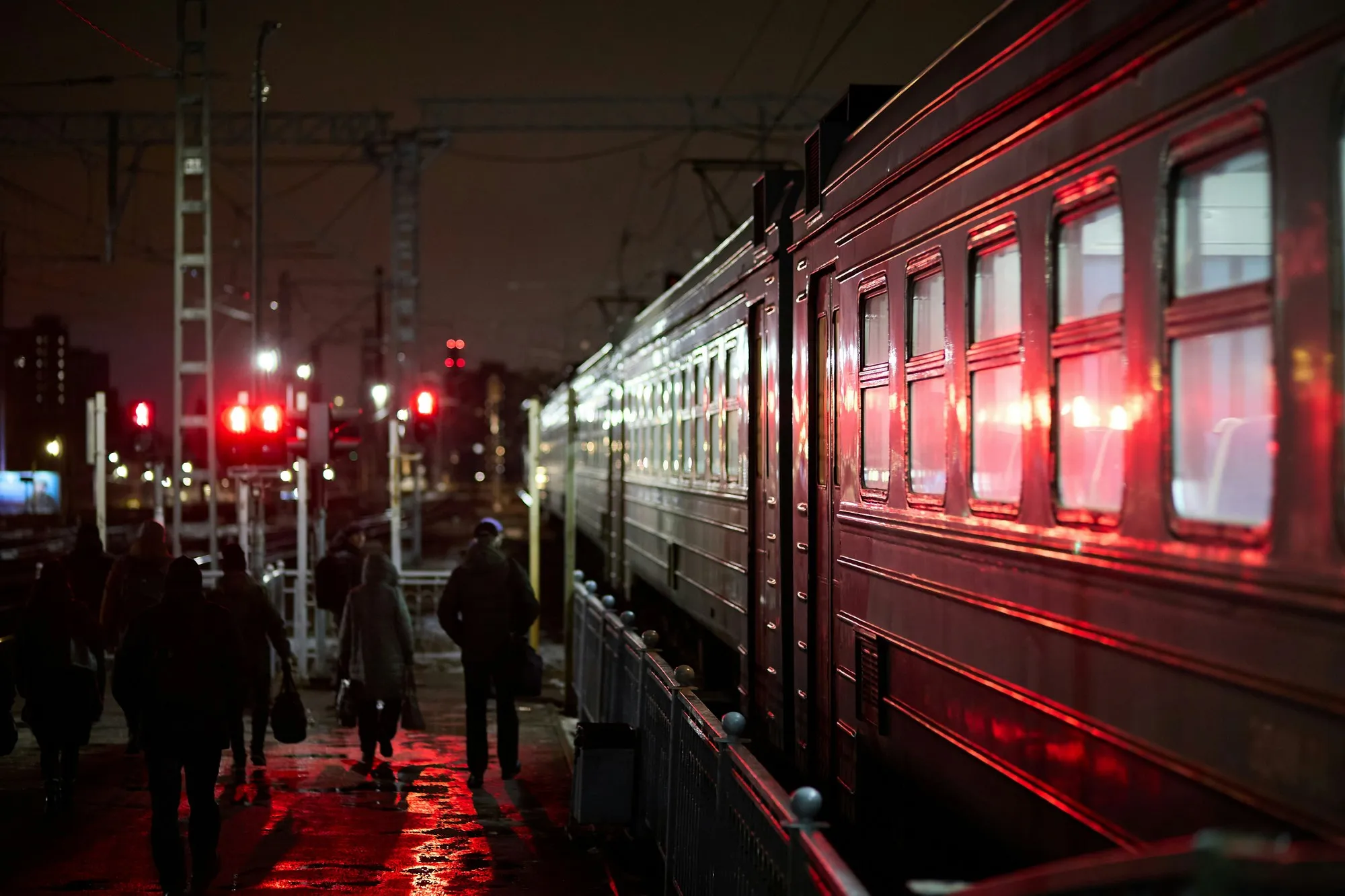
Train: romance to the rhythm of the wheels
This is, perhaps, the most comfortable and “humane” way to travel overnight. Unlike a plane or a bus, here you can lie down horizontally and get a good night's sleep.
Options:
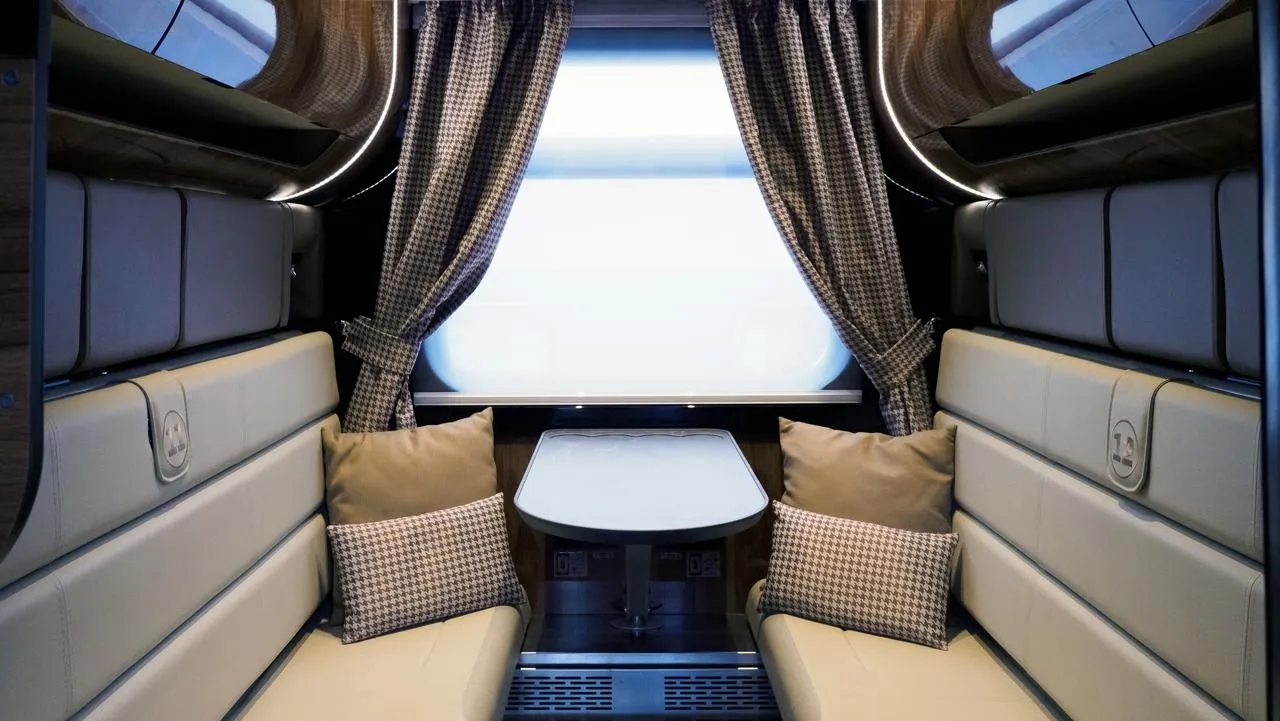
- Platskart/Coupe (Russia and CIS): a classic. Bed linen, tea in a cup holder, and the measured clatter of wheels. Modern carriages are equipped with air conditioning, bio-toilets, and power outlets, making the journey quite comfortable. For example, if you decide to buy tickets to Kazan on Kupi.com or Pskov, an overnight train is the ideal solution. You board in the evening, and in the morning you're already walking around the Kremlin.
- European night trains (Nightjet, etc.): Europe is experiencing a renaissance of night trains. These are stylish compartments for 1-3 people or couchette berths in shared compartments. It's more expensive than a bus, but cheaper than a hotel plus a daytime ticket.
- Asian trains: in Thailand, Vietnam, or India, night trains are a unique cultural experience. Often, the berths there are wider than ours and close with curtains, creating a personal capsule.
Tip: choose a lower berth if you have a lot of luggage (it will be safely hidden under you).
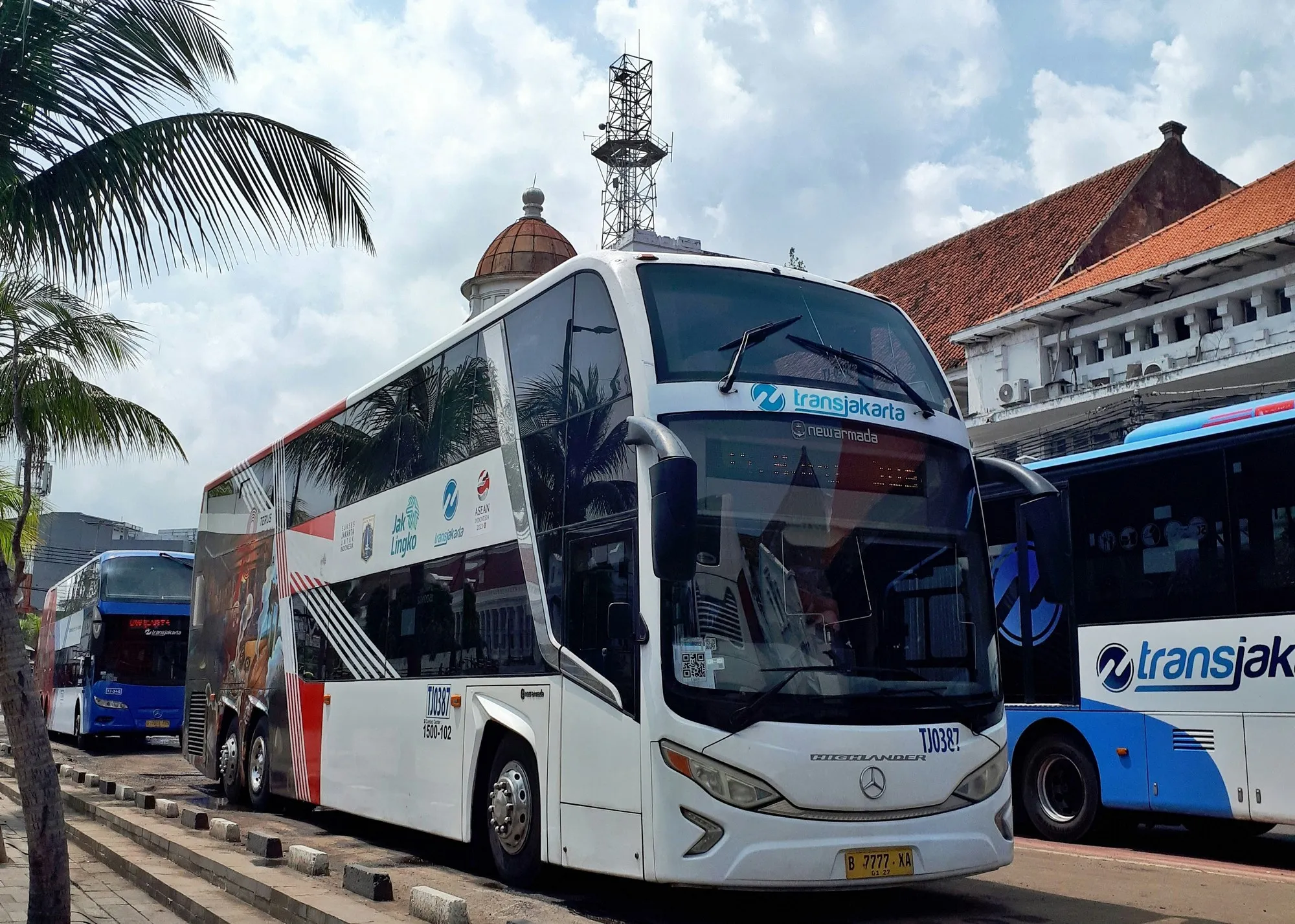
Bus: cheap and cheerful
An option for the most economical and resilient. Night buses are the kings of budget travel.
Types of buses:
- Classic tourist (Europe, Russia, Turkey): seats recline but don't turn into a bed. The main drawback is stiff legs and neck. However, modern carriers (like Turkish companies or European eco-lines) offer multimedia systems, Wi-Fi, and free snacks.
- Sleeper Buses: popular in Vietnam, Cambodia, Laos, and China. Inside, instead of seats, there are bunk beds. Space is limited (especially for tall Europeans), but you can lie down. This allows you to comfortably cover vast distances.
If you are planning a complex route and have already purchased tickets Saint Petersburg – Ho Chi Minh, be sure to include a trip on a Vietnamese sleeper bus to Da Lat or Nha Trang in your plan. It's an experience worth trying at least once.
Ferry: a hotel on water
If your route passes through seas, an overnight ferry is the best choice. It's not just transport; it's a full-fledged one-night cruise.
Pros: you buy a cabin that is no different from a hotel room: shower, toilet, comfortable beds. On board, there are restaurants, Duty Free shops, and entertainment. In the morning, you step out onto the deck, breathe in the sea breeze, and disembark in a new country.
Popular destinations:
- Baltic Sea (Tallinn – Stockholm, Helsinki – Stockholm).
- Mediterranean (Italy – Greece, mainland Spain – islands).

How to get enough sleep on the road
Saving on a hotel shouldn't mean losing the next day due to fatigue. Here's a checklist for a comfortable overnight trip:
Safety “Cocoon”
The main enemy of sleep on the road is anxiety about your belongings.
- Documents and money: keep them in a fanny pack under your clothes or in an inner zippered pocket. Never put valuables on the luggage rack.
- Backpack: if you're traveling by bus or platskart, thread the backpack strap through your arm or leg, or use it as a pillow.
“Sweet Dreams” Kit
You won't be given ideal conditions on a bus or plane. Create them yourself.
- Sleep mask: essential. Headlights, streetlights outside the window, or a neighbor's smartphone screen shouldn't wake you up.
- Earplugs or noise-canceling headphones: a must-have. Crying children, snoring, or loud conversations will disappear at the touch of a button.
- Neck pillow: for seated journeys, choose a firm memory foam pillow (inflatable ones are often uncomfortable).
Clothing
Dress in layers. At night, transport can be either hellishly hot or cold from the air conditioning.
- Ideal option: sweatpants, a T-shirt, a zip-up hoodie, and warm socks.
- Footwear: take off your shoes (this improves circulation), put on clean warm socks or disposable slippers.
Hygiene
In the morning, you'll want a shower, which most likely won't be available.
- Take wet wipes, deodorant, a toothbrush, and toothpaste with you.
- Life hack: many large train stations and bus terminals offer shower services for a small fee.
What to remember
Overnight travel isn't just about the pros. Consider these points when planning:
- Early arrival. Trains and buses often arrive at 5–6 AM. Hotel check-in is usually after 2 PM. Solution: Find out in advance if you can leave your luggage at the hotel's storage room or at the station. Plan where you'll have breakfast and explore before check-in.
- Savings can be illusory. Compare prices. Sometimes an overnight train ticket (coupe) costs more than a plane ticket + a night in a hostel.
- Physical condition. If you have back problems or are a light sleeper, a seated bus journey can ruin several days of your vacation. In such a case, it's better to pay extra for a train or a hotel.
Overnight travel is an excellent tool in the hands of a savvy traveler. It allows you to expand your travel geography, save money, and add a spirit of adventure.
Try starting small: for example, buy tickets to Saint Petersburg on Kupi.com on an overnight train. Waking up to the cries of seagulls and the smell of coffee on Nevsky Prospekt is a special pleasure that is worth spending a night to the rhythm of the wheels.