Standard and Biometric Passports: What's the Difference
 Polina
Choosing a foreign travel passport is the first step to any journey. When you visit the 'Gosuslugi' portal, the system offers two options: an old-style passport (valid for 5 years) and a new-generation passport (valid for 10 years). Many people think the only difference is the validity period and the fee. In reality, there are many more distinctions, and they can significantly affect the comfort of your trips. We've broken down all the nuances so you can decide which document is right for you.
External and Technical Differences
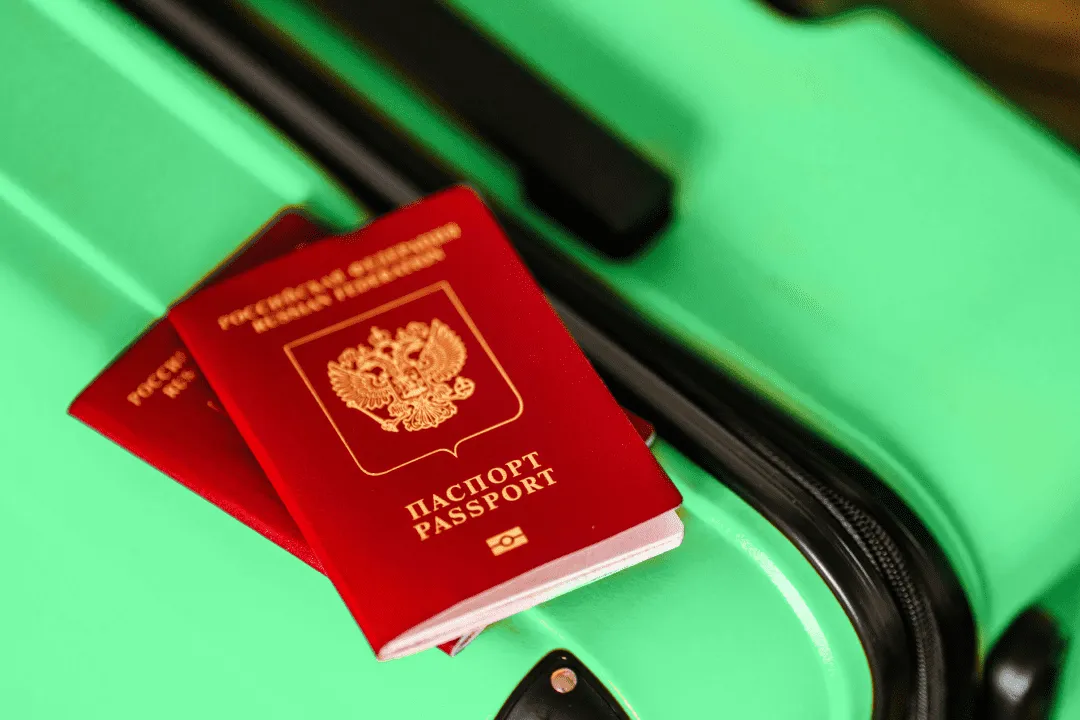
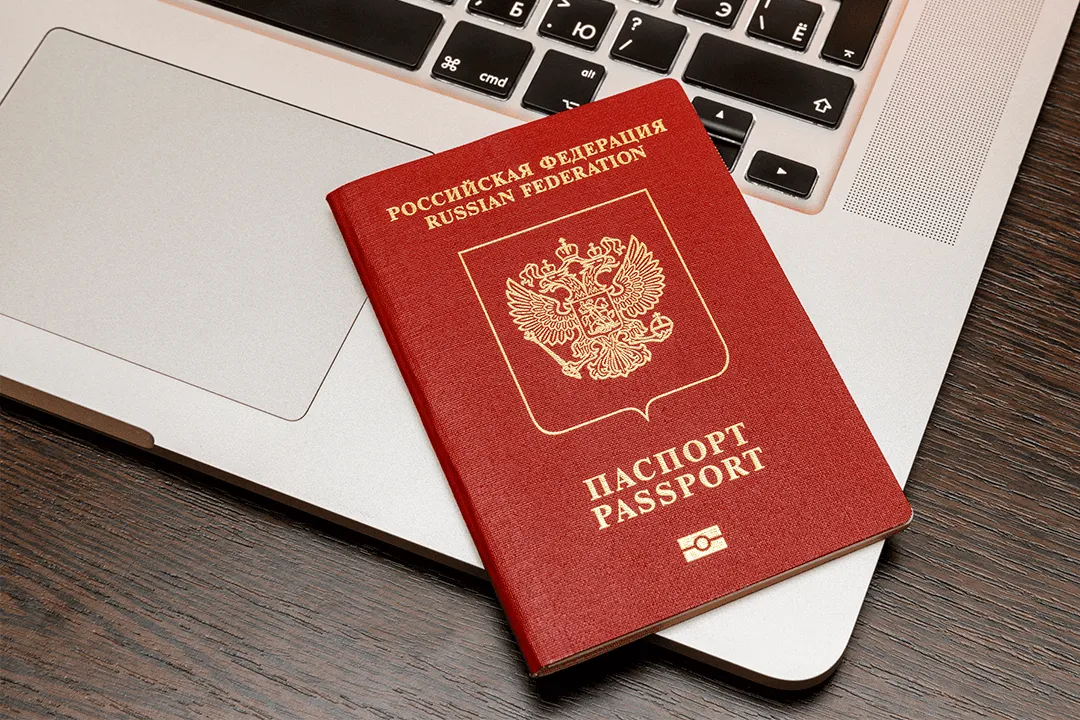
At first glance, the passports look similar: both are dark red, with a golden coat of arms. But the devil is in the details.
Biometric Passport (New Style)
- Validity Period: 10 years.
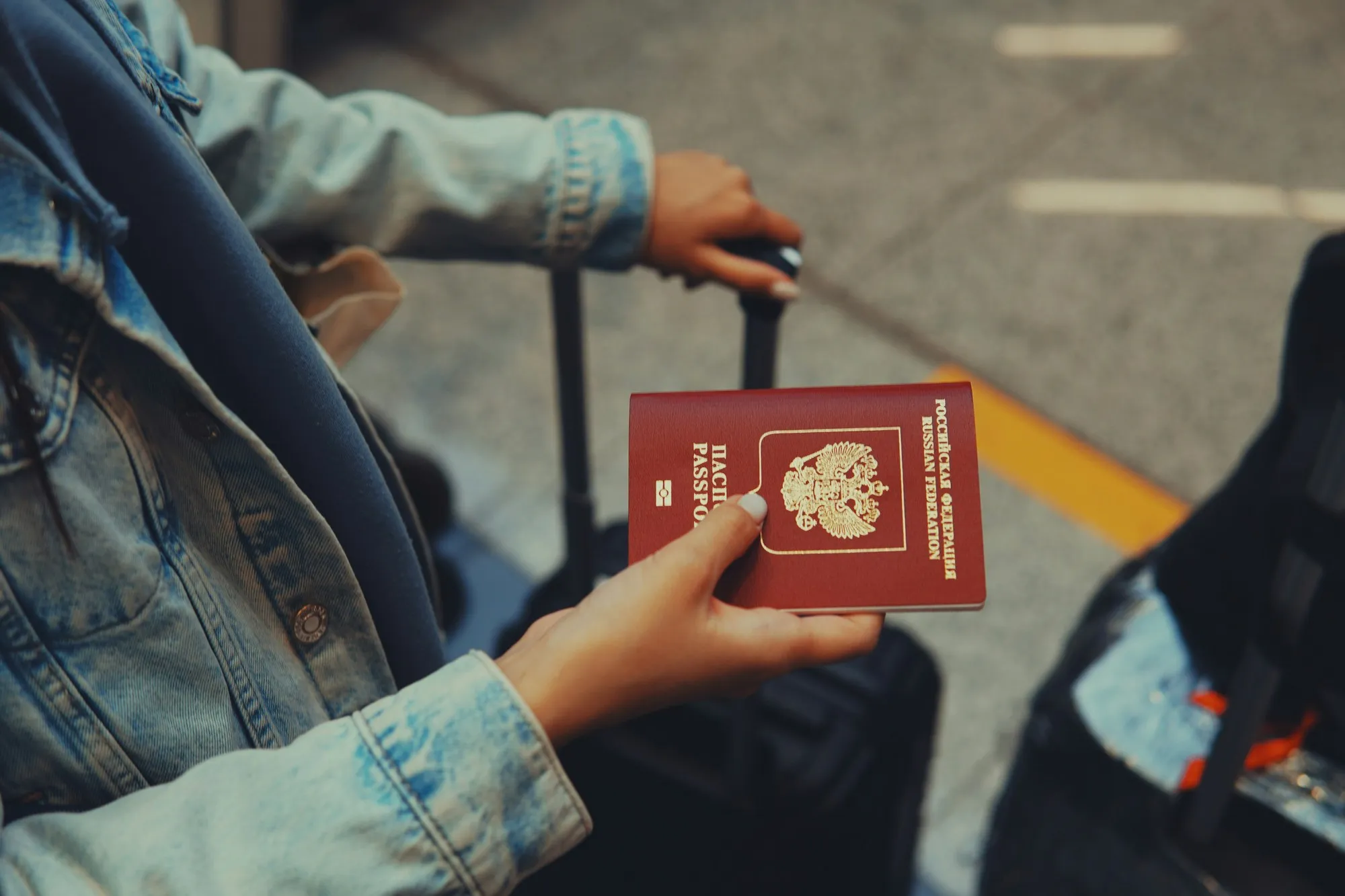
- Main Feature: there is a chip icon on the cover (a golden rectangle with a circle inside).
- Data Page: it's not just paper, but a plastic plate (polycarbonate). A microchip is embedded in it, containing your data: a color photo, date of birth, passport number, and two fingerprints.
- Photograph: is taken directly at the Ministry of Internal Affairs (MVD) or Multifunctional Center (MFC) using special equipment.
- Number of Pages: 46. This is important if you plan to travel a lot and, for example, buy tickets to Istanbul on Kupi.com, where stamps are placed upon each entry and exit, quickly filling up pages.
Standard Passport (Old Style)
- Validity Period: 5 years.
- Main Feature: no chip icon on the cover.
- Data Page: simply laminated paper. The photograph is glued in (you can bring your own, taken at a studio).
- Biometrics: absent. No fingerprints need to be submitted.
- Number of Pages: 36.
Children: The Most Important Nuance
This is perhaps the main selection criterion for young parents.
- In an old-style passport you can include children under 14. In this case, the child does not need a separate foreign travel passport. You simply take your document, where the child's photo is glued, and travel. This is convenient and economical.
- In a biometric passport children cannot be included. More precisely, information about them can be entered (to confirm kinship), but this does not grant the right to travel. A child, even an infant, will have to obtain their own separate foreign travel passport.
Border Crossing: Where is it Faster?
A biometric passport gives you a superpower – passage through automatic gates (E-gates). Many modern airports (including Sheremetyevo) have automatic passport control booths. You simply place your passport on the scanner, look into the camera, the gates open, and you proceed. No queues at the border guard's booth and no unnecessary questions. This is especially pleasant when you arrive tired after a layover or have purchased tickets for the Moscow – Dubai route, where the tourist flow is always huge, and you want to pass control in a minute. With a standard five-year passport, you won't be able to use the automatic queue – a live officer must check you.
Reliability and Security
A biometric passport is much harder to forge. The data on the chip is protected by cryptography. If you lose such a passport, it will be extremely difficult for an attacker to use it or alter its data. The plastic page does not crease, tear, or fear moisture, so the document will maintain a presentable appearance for 10 years. An old-style passport is less durable. If it is accidentally washed or heavily wetted, the lamination may come off, and the document will become invalid.
Which Passport to Choose?
To simplify the agony of choice, we have compiled a checklist of situations.
Choose an old-style passport (valid for 5 years) if:
- You are applying for a document for an infant. Children grow very quickly. In 3-4 years, the child in the photo will look completely different from their real self, and border guards may demand the document be replaced. Paying an increased fee for a 10-year passport in such a case is irrational.
- You plan to change your surname. If you are getting married soon, there is no point in getting an expensive 10-year passport, as you will have to change it anyway after changing your surname.
- You need to include children. You want to travel with a child but do not want to process a separate set of documents for them.
- Urgency and Availability. During periods of chip shortages (as has happened before), old-style passports are issued more consistently and quickly.
Choose a biometric passport (valid for 10 years) if:
- You are an active traveler. You need more pages for visas and stamps.
- You don't like bureaucracy. You want to get the document once and forget about trips to the MVD for a whole decade.
- You value time. You want to use automatic passport control booths at airports.
- You are going to Europe. In many countries around the world, the transition to biometrics has already become standard, and you will not be allowed entry with an old-style passport.
Regardless of which type of document you choose, legally they have absolutely equal validity. The main thing is to check the validity period in time and start planning your next adventure.