The Oldest Cities in the World
Relaxing among skyscrapers in a brand new hotel in Dubai is cool, of course, but what about a trip to places that are more than five thousand years old? We tell you about cities that have existed for millennia and still welcome tourists. Lovers of ancient ruins will especially enjoy it.
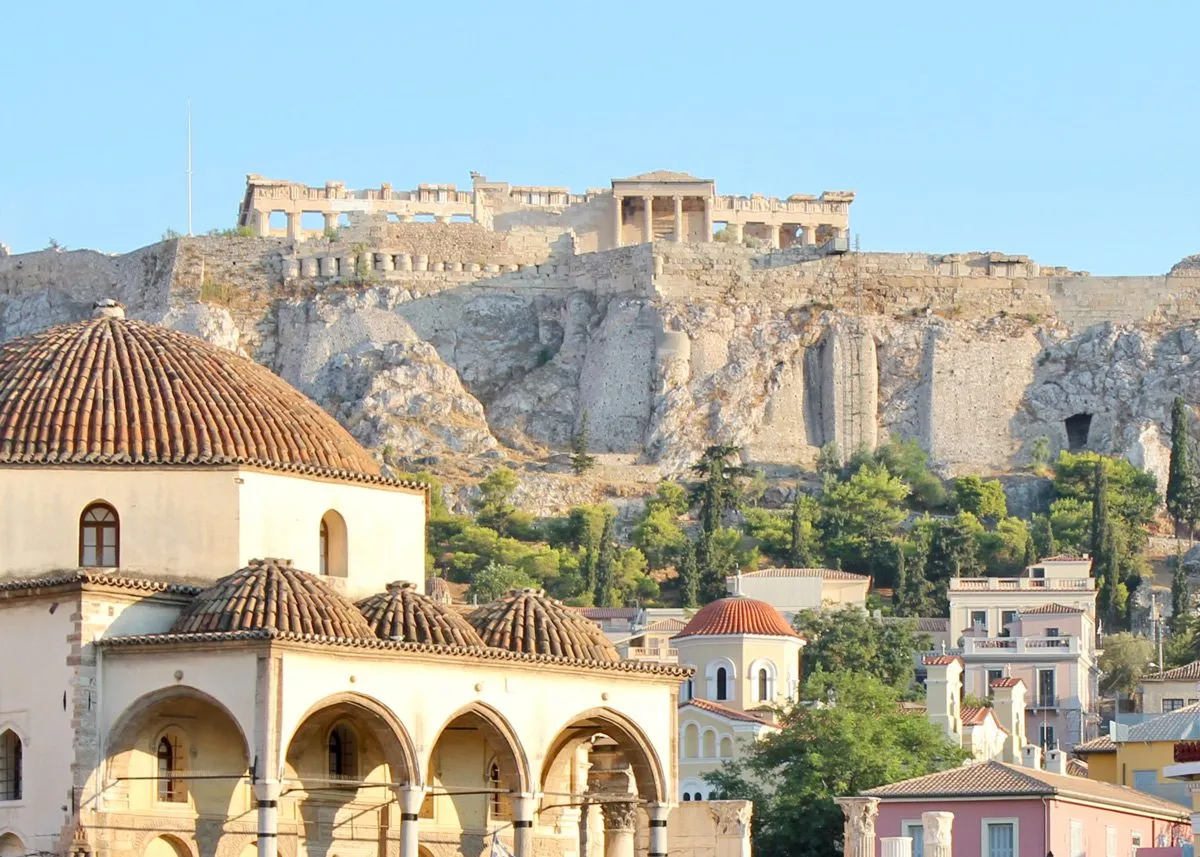
Jericho, Palestine (9000 BC)
Scientists are still debating the age of Jericho: the oldest city on Earth is dated either to 11,000 BC or 9000 BC. Jericho is not only the oldest but also the lowest city in the world: it is located 258 meters below sea level. Jericho has fertile lands and a mild climate; even today, almost 25,000 people live in the city, and tourists come here to visit holy sites.
How to get there: Fly to Tel Aviv, then take a bus or taxi to Jerusalem — it is 55 km from Jericho. After that, take a bus or taxi to your final destination. Since you will be entering a Palestinian city from Israeli territory, for safety, we recommend hiring a guide familiar with Arab customs immediately.
What to do:
• climb the Mount of Temptation and enjoy the city panorama. According to tradition, Jesus fasted on this mountain for forty days after his baptism;
• visit the Russian Museum (it is even owned by the Russian Federation), where excavations were carried out during the Russian Empire;
• see a monument from the early Islamic period — the palace of Caliph Hisham ibn Abd al-Malik, built in the 8th-9th centuries;
• experience Judaism at the 6th-century Shalom Al Yisrael Synagogue.
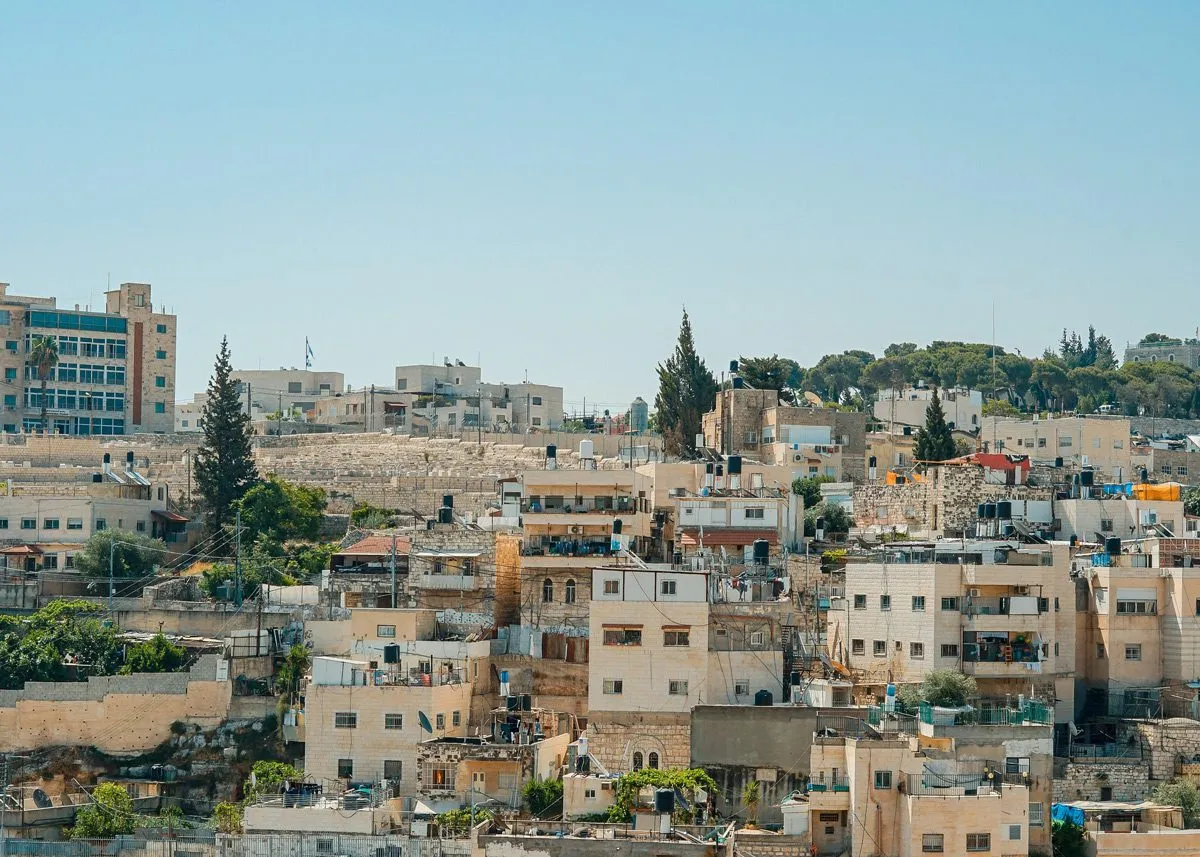
El-Fayoum, Egypt (7200 BC)
In ancient times, El-Fayoum was a large oasis, known for its fertility and proximity to the Nile. Settlements emerged in this region around 7200 BC. Part of Fayoum is located in an area that was once the ancient city of Crocodilopolis, whose inhabitants worshipped the crocodile god Sobek. Today, mounds stand on the site of the "city of crocodiles," but the city is best known not for its crocodile worship traditions, but for the Fayoum portraits: a collection of funerary images of people found here in the 19th century and now scattered across museums worldwide.
How to get there: Fly directly to Cairo, then — by train, bus, or minibus.
What to do:
• enjoy authentic shopping at Souk al-Qantara — a district with stalls selling pottery, spices, and clothes;
• walk to Fayoum's oldest mosque, Qaitbay;
• see the main symbol of the ancient city — the water wheels that supply water to irrigation canals.
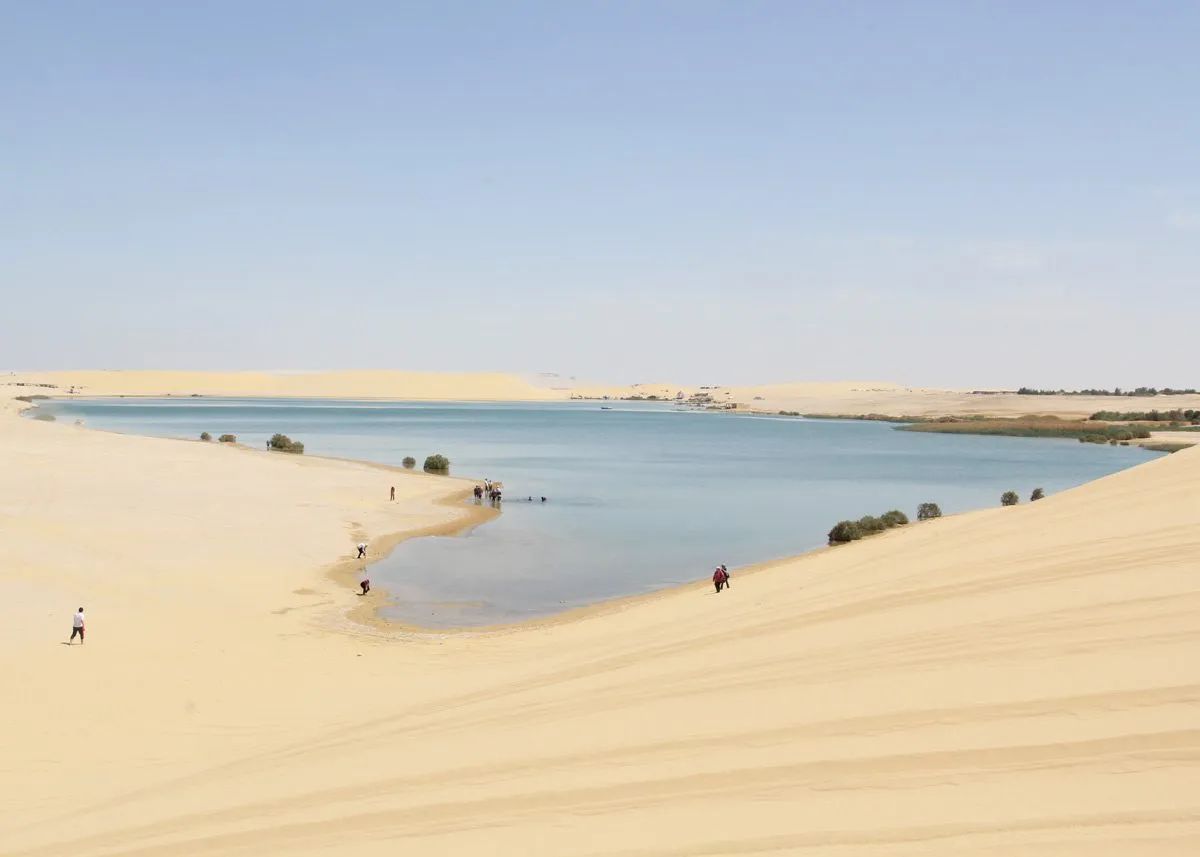
Plovdiv, Bulgaria (7000 BC)
At various times, Plovdiv belonged to the Greeks and Romans, who left traces of their cultures here. The Romans entered Plovdiv in 46 AD and built streets, towers, and aqueducts (structures for water supply) in the city. Many of the ancient ruins preserved in the city date back to this period.
How to get there: Fly to Sofia, the capital of Bulgaria, via Istanbul, then take a train, bus, or taxi from there.
What to do:
• visit the Plovdiv Ancient Theatre — a Roman amphitheater that still hosts major events, from rock concerts to opera;
• find yourself at the intersection of Muslim and Christian cultures: walk from the Church of Saints Constantine and Helena to the Dzhumaya Mosque;
• learn more about the region at the Regional Historical Museum in the Kuyumdzhioglu House.
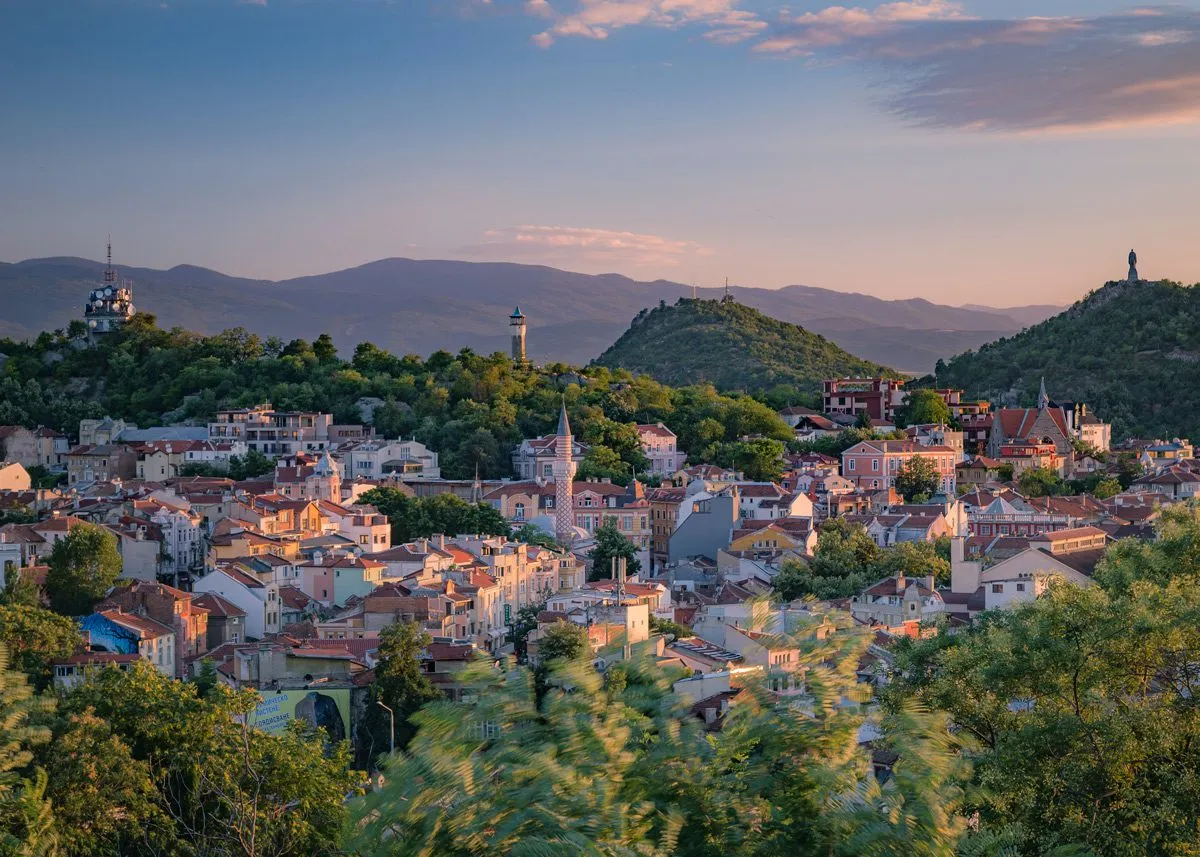
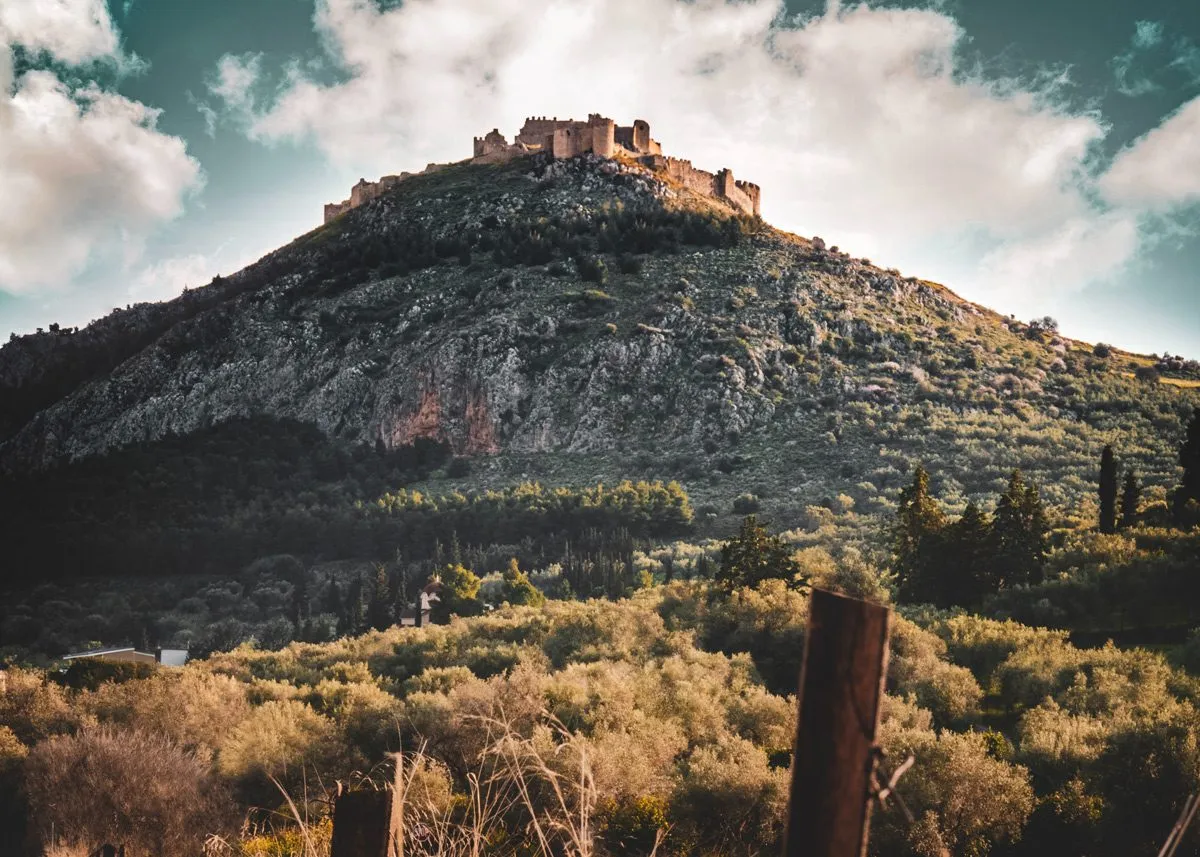
Argos, Greece (5000 BC)
The city is located on the Greek Peloponnese peninsula. Argos was a cultural center of Ancient Greece, as indicated by traces of ancient temples and theaters found during excavations. Argos is believed to have been inhabited since approximately 5000 BC, and in 700 BC, the first musical competitions in Greece were held here. Today, Argos has about 22,000 residents and still retains many ancient monuments — if you want to delve into Greek history and escape the busy Athens, this is the place for you.
How to get there: Fly to Athens via Istanbul, then take a bus or taxi from there to Argos.
What to do:
• see the Theatre of Argos, built in 320 BC;
• hike up the mountain to the Larissa Acropolis;
• walk to the ancient Agora of Argos and learn what the ancient square, where public assemblies were held, looked like.
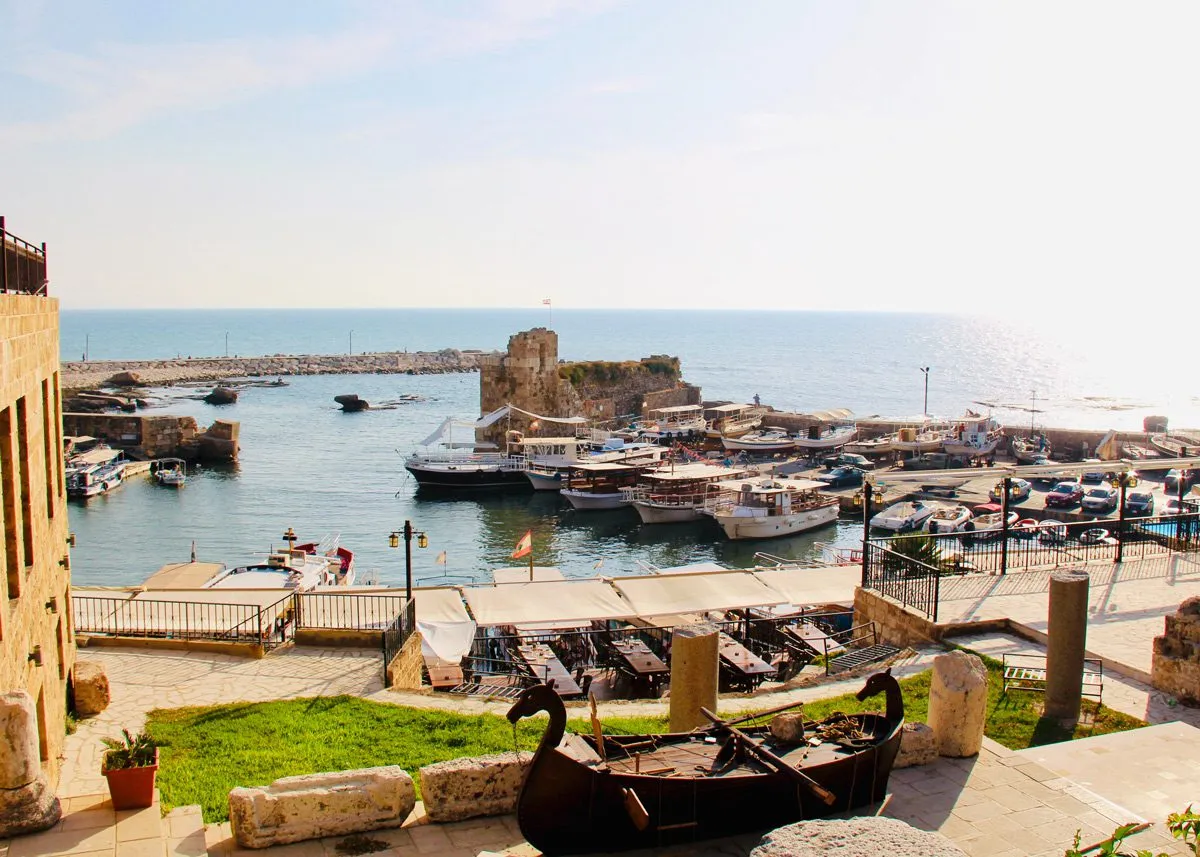
Byblos (Jbeil), Lebanon (5000 BC)
This small port city on the Mediterranean coast has been inhabited since at least 5000 BC. One of the main trade items in Byblos was papyrus, which led the Greeks to use the city's name to refer to paper and books: "biblos" — Greek for "papyrus," "biblion" — "book."
Today, the city attracts tourists with its beaches, shopping streets, and Lebanese cuisine restaurants. And, of course, many historical sights remain here that will interest history enthusiasts.
How to get there: Fly to Beirut, the capital of Lebanon, then take a bus or taxi from the airport to Byblos in half an hour.
What to do:
• take a tour of the 12th-century Crusader Castle;
• visit the Phoenician Royal Necropolis next to the castle;
• in early autumn — enjoy the Byblos Festival with mass festivities and exhibitions.
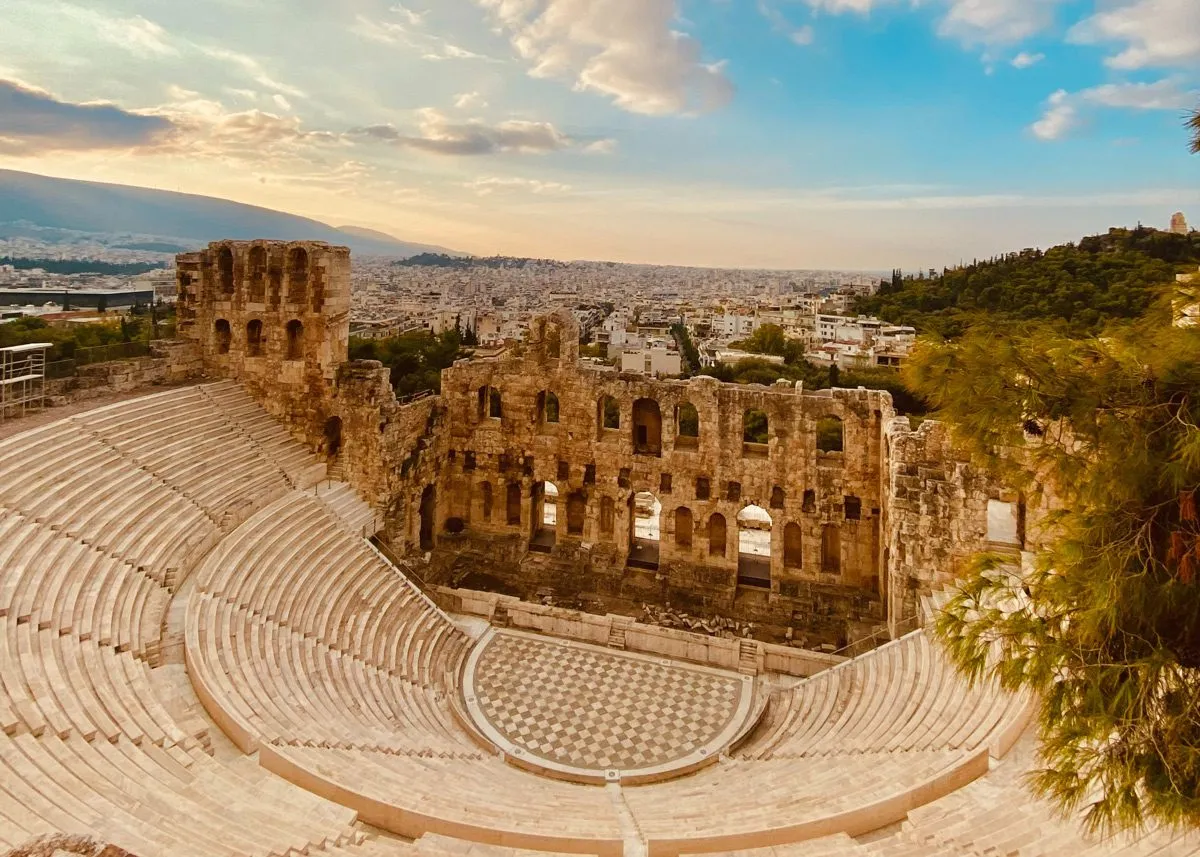
Athens, Greece (5000 BC)
Despite the economic downturn, Greece remains a popular destination for tourists seeking to explore its history, art, and local cuisine.
Although Athens is not the oldest continuously inhabited city in the world, the capital of Greece is about 7000 years old. Once a powerful city where the Roman, Byzantine, and Ottoman empires left their legacy, Athens is full of historical sites and attractions.
How to get there: Fly by plane — for example, with a layover in Istanbul.
What to do:
• climb to the city's most ancient monument — the Athenian Acropolis;
• see the 15 columns of the Temple of Olympian Zeus, erected before our era;
• watch the changing of the guard in Athens' main square, Syntagma.
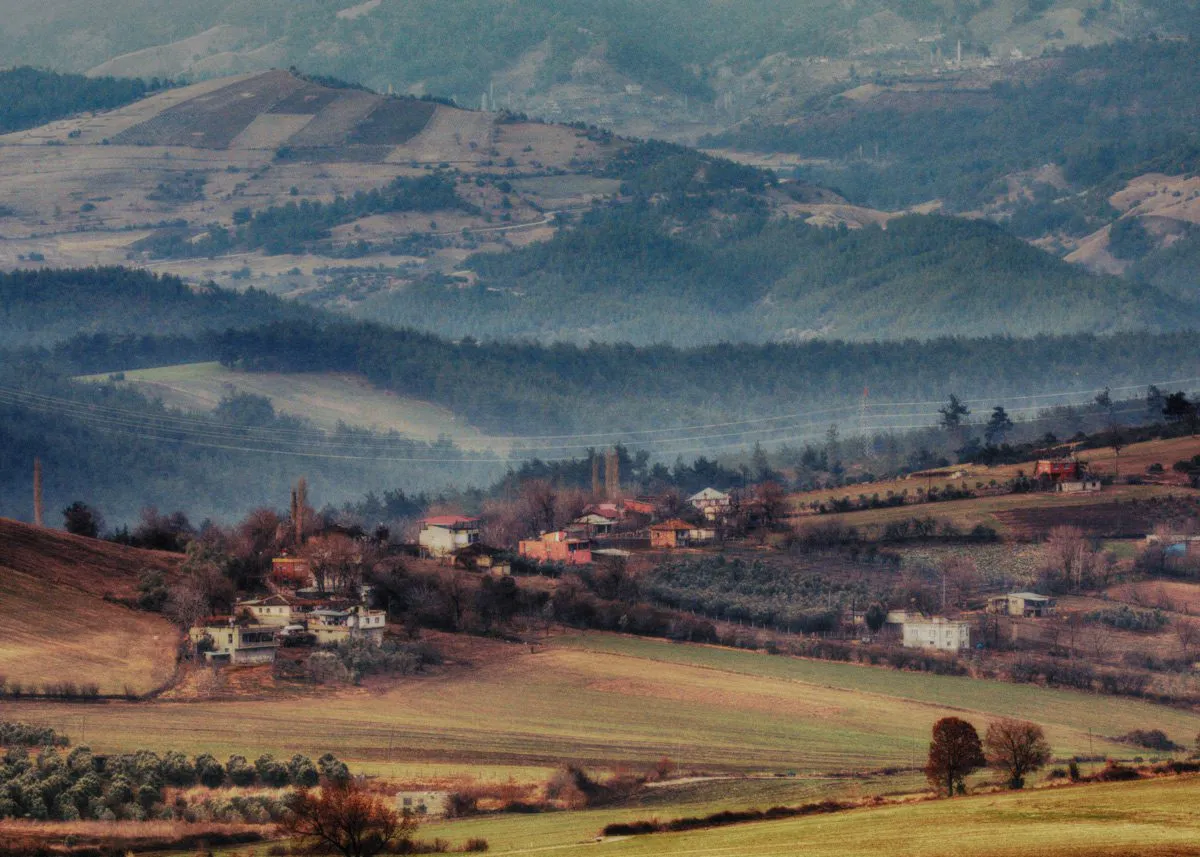
Gaziantep, Turkey (3650 BC)
The city is located in southern Turkey, near the Syrian border, and today attracts tourists with its historical sights, and is also popular for its local pistachio baklava — in Gaziantep, it is prepared in over 150 confectioneries.
How to get there: By plane with a layover in Ankara or Istanbul.
What to do:
• marvel at the mosaics in the world's largest Zeugma Mosaic Museum;
• climb to Gaziantep Castle and see what the city looks like from above;
• soak in the Eastern atmosphere at the Zincirli Covered Bazaar.
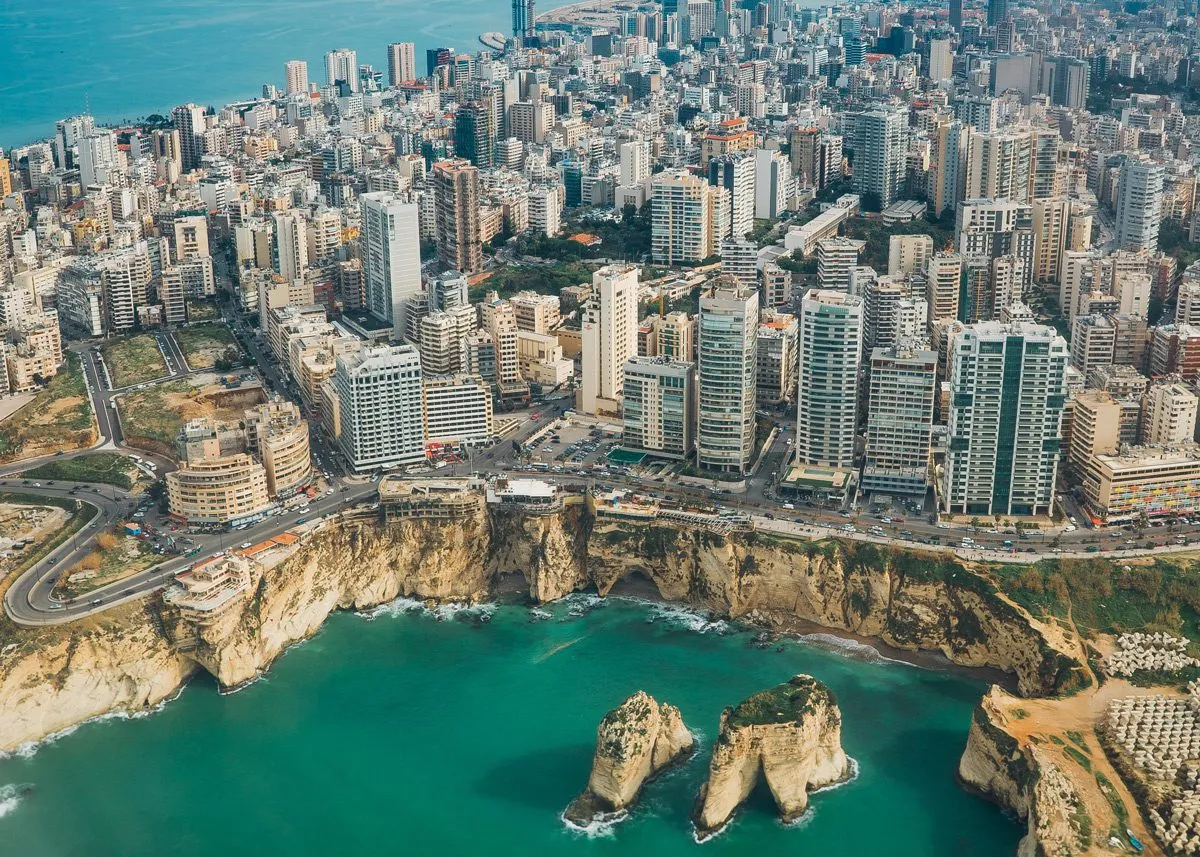
Beirut, Lebanon (3000 BC)
Excavations in the 1990s revealed evidence of a 5000-year-old civilization within the city — the current capital of Lebanon dates back to approximately 3000 BC. Before the earthquake in 551 AD, Beirut housed the most prominent law school in the Roman Empire, and today it is a vibrant Middle Eastern city with a population of 1.9 million people.
How to get there: Fly with one layover in Istanbul.
What to do:
• visit the city's oldest building — the Al-Omari Mosque, built in 1187;
• immerse yourself in history at the Archaeological Park;
• explore Beirut's most beautiful and lively area — Star Square and its adjacent streets.
Jerusalem, Israel (2800 BC)
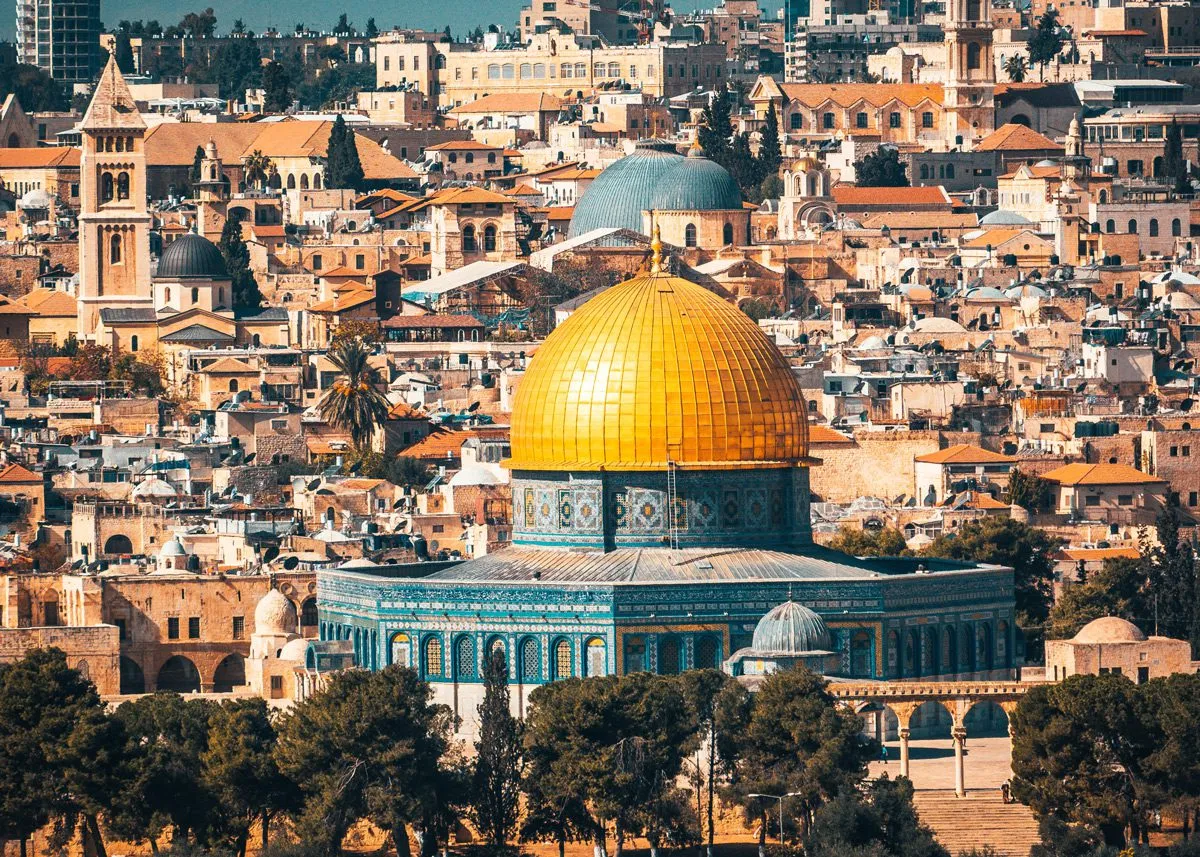
Jerusalem is an important religious center for Jewish, Christian, and Islamic faiths with a rich history. The first people settled here as early as 2800 BC — throughout its existence, the city has endured much, including being besieged and captured many times. Jerusalem is full of places significant to Christians, but even if you don't identify with a religion, it's always interesting to delve into world history.
How to get there:Fly directly to Tel Aviv , then — a couple of hours by train, bus, or taxi.
What to do:
• take a tour of the holy sites: to the Church of the Holy Sepulchre, Golgotha, and the Western Wall;
• climb the Mount of Olives — to appreciate the panorama of the Old City;
• see authentic Jews in long black coats in the religious quarter of Mea Shearim.
And don't forget to subscribe to our Telegram channel! There you'll find: selections of cheap tickets, private sales for subscribers, the latest news on entry rules to countries around the world, and simply interesting travel content — travel hacks, guides, and expert advice.