Things to do in Sakhalin
 Polina
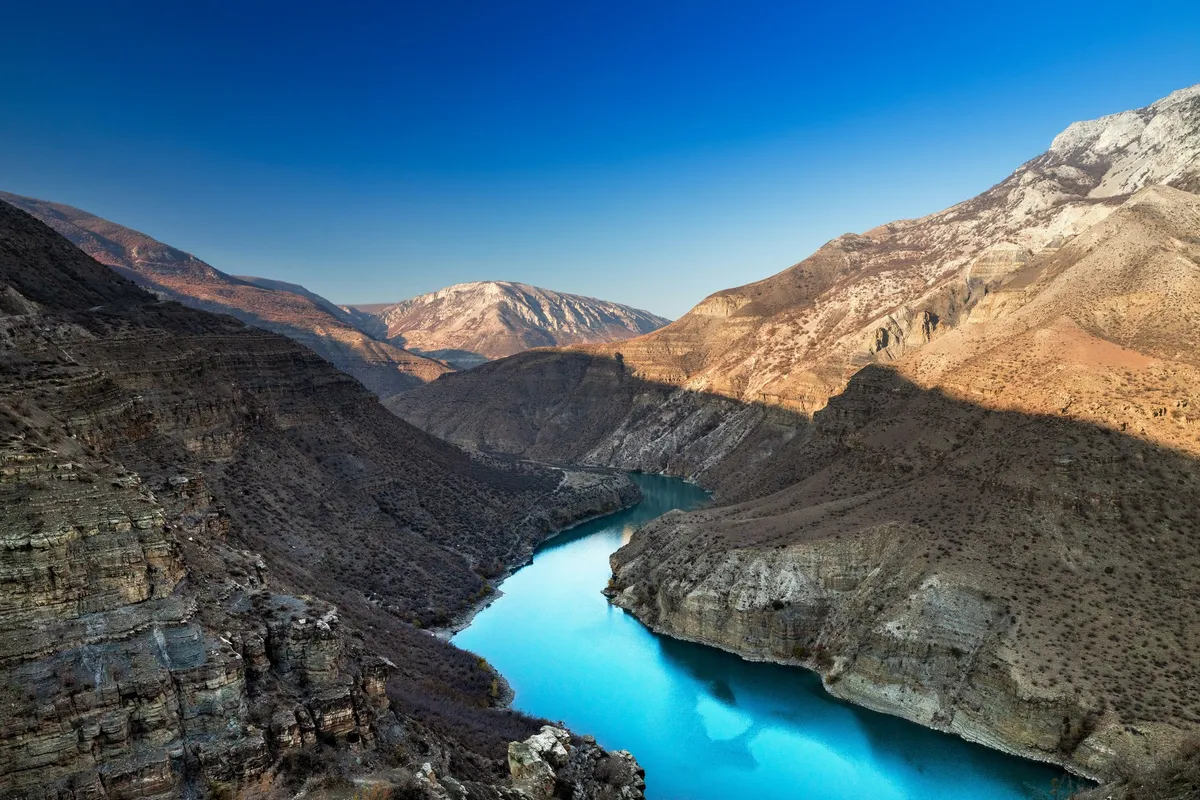
Sakhalin. Just a couple of years ago, this word was associated with something infinitely distant, with oil rigs, red caviar, and Chekhov's book. But today, everything has changed. Why Sakhalin suddenly become one of the most desired travel destinations in Russia? Because it's an opportunity to see another planet without leaving your country. It's a place where the Pacific Ocean meets emerald hills, where you can taste oysters fresh from the sea, and abandoned Japanese lighthouses preserve stories of the past.
If you're looking not just for a vacation, but a real adventure, then you've come to the right place. We'll tell you what to see in Sakhalin and how to plan an unforgettable trip.
Where is Sakhalin and how to get there?
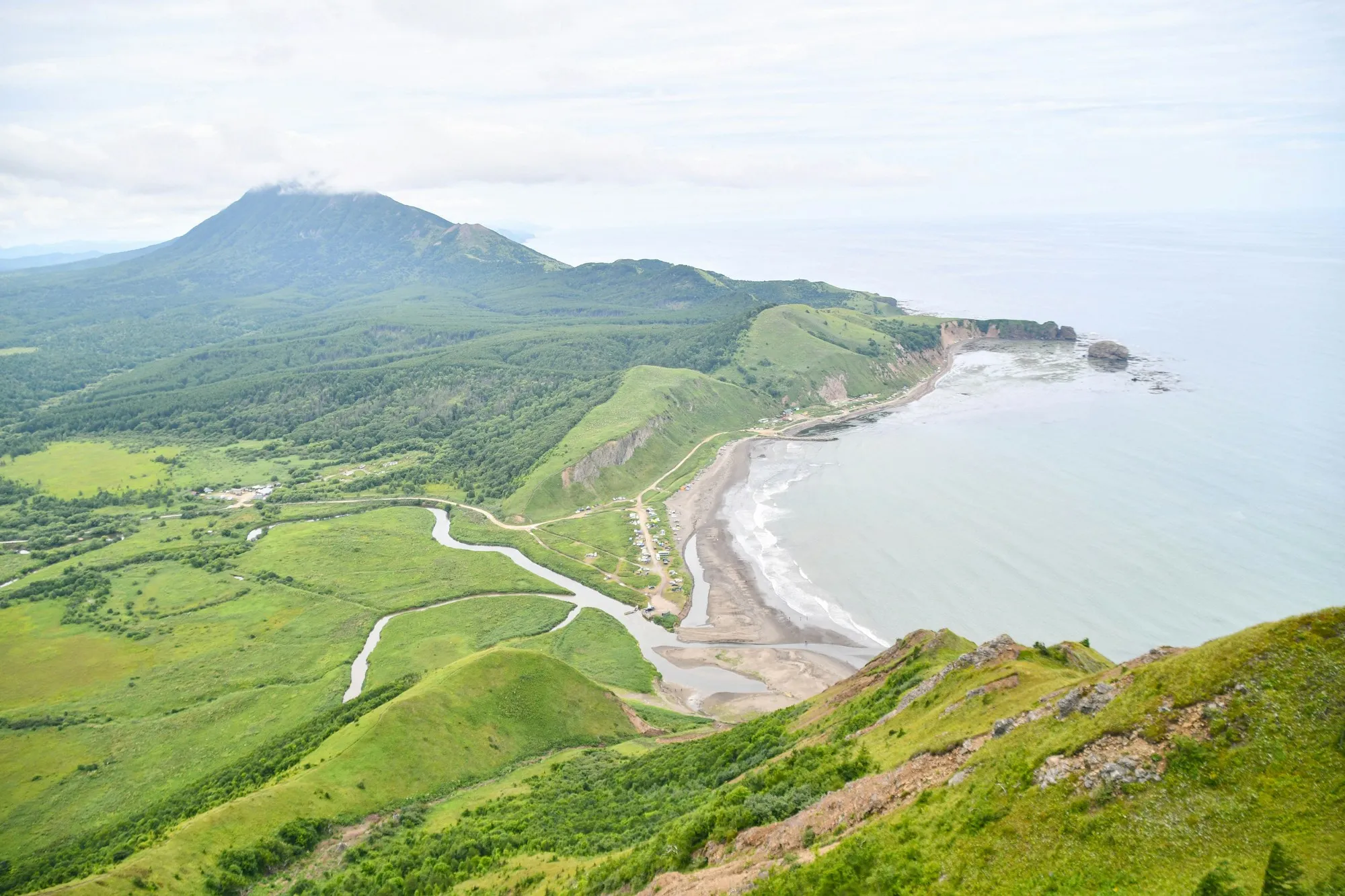
Before packing your bags, let's understand the geography. Where is Sakhalin? It's a huge island in the Russian Far East, stretching from north to south. To the west, it's washed by the Sea of Japan, and to the east, by the cold waters of the Sea of Okhotsk. It's separated from the mainland by the Tatar Strait and from the Japanese island of Hokkaido by the La Pérouse Strait.
Now for the main point: how to get to Sakhalin? The easiest and fastest way is by plane.
- : a direct flight to Yuzhno-Sakhalinsk (Khomutovo Airport, UUS) takes about 8-9 hours. Flights operate daily. For the most comfortable journey, it's advisable to buy tickets to Yuzhno-Sakhalinsk on Kupi.comin advance. Given the time difference (+8 hours ), it's better to arrive in the morning to allow time for acclimatization.
- From other cities: direct flights to Yuzhno-Sakhalinsk are available from major cities in Siberia and the Far East: Novosibirsk, Irkutsk, Khabarovsk, Vladivostok.
Ferry service also exists (Vanino – Kholmsk line), but this is an option for those traveling by car and willing to spend much more time on the road.
What to see and do
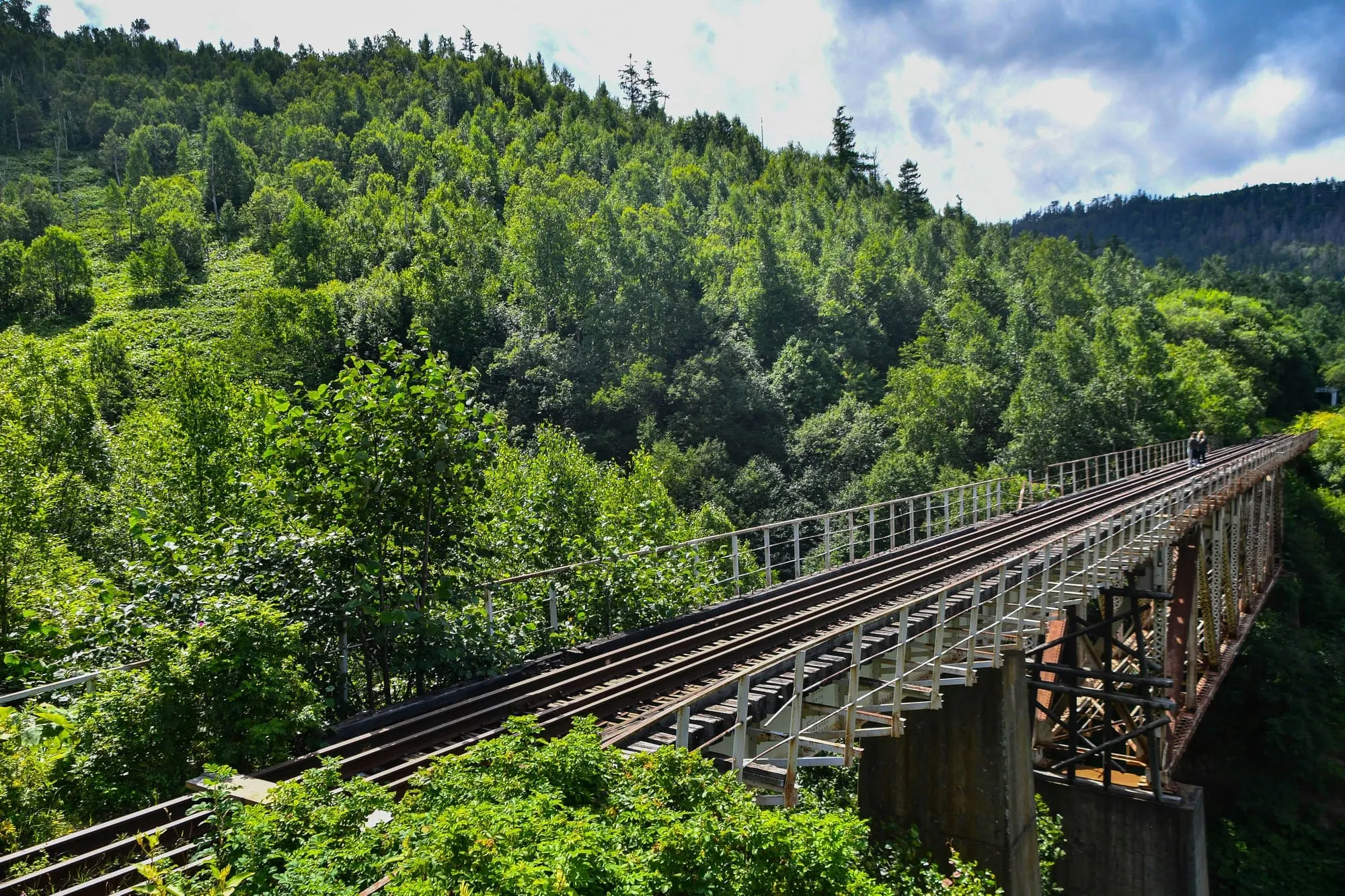
The island is vast, and a month wouldn't be enough to explore it completely. But there are places that have become Sakhalin's hallmarks and are a must-visit.
See alien landscapes at Cape Velikan and Ptichiy
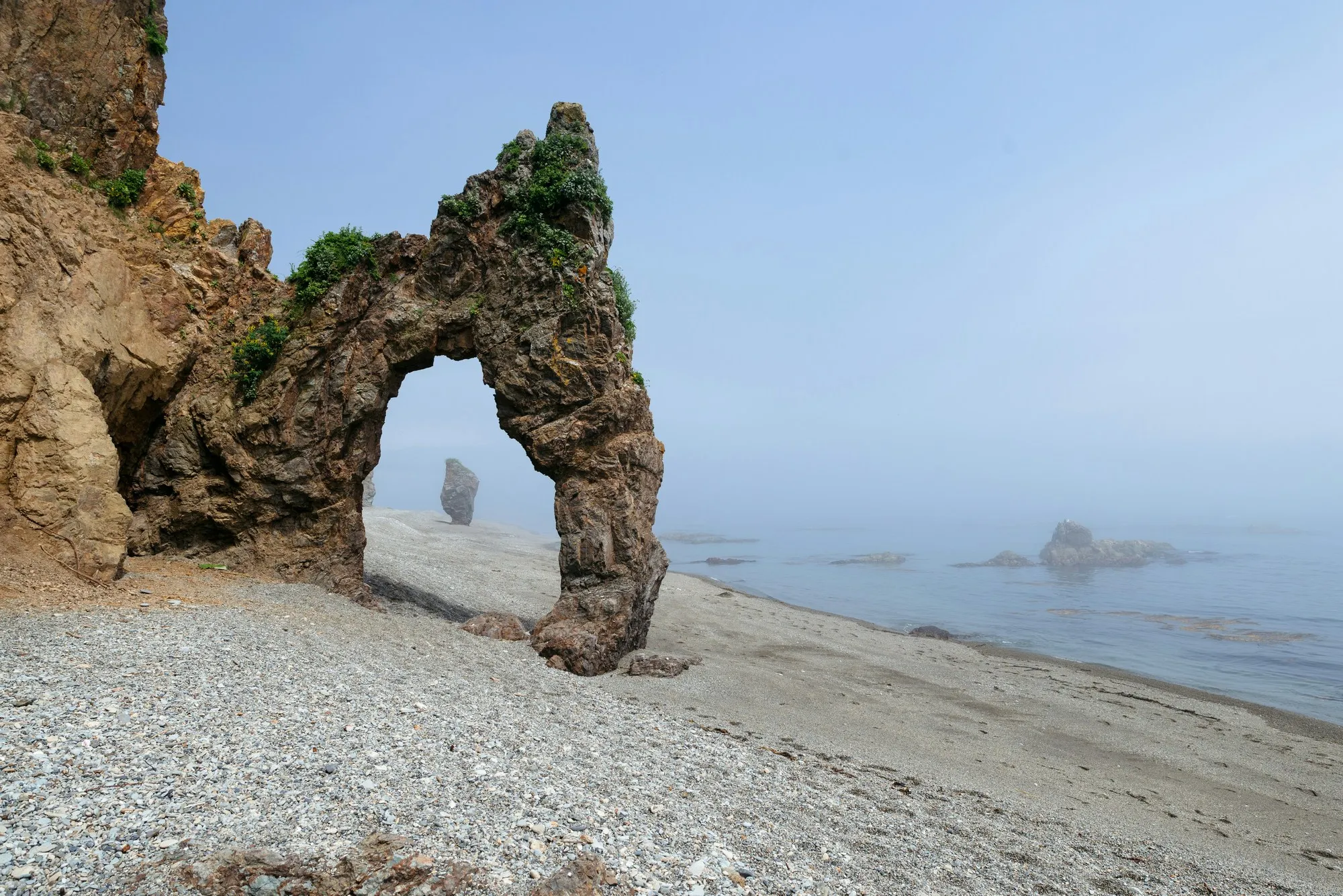
This is probably the most recognizable place on the island. Imagine the coast of the Sea of Okhotsk, dotted with giant stone arches, pillars, and caves, created over millions of years by wind and saltwater. Cape Ptichiy and Cape Velikan are part of the same coastline, where nature displays all its power for several kilometers. Here you can walk for hours during low tide, peeking into grottoes, photographing rocks resembling giant beasts, and observing bird colonies.
- How to get there: located in the southeast of the island. It can only be reached by a prepared off-road vehicle, so the easiest option is to take an organized tour from Yuzhno-Sakhalinsk.
Taste Sakhalin: oysters, crabs, and scallops
Gastronomy is one of the main reasons to visit Sakhalin. You won't find such fresh and affordable seafood anywhere else in Russia.
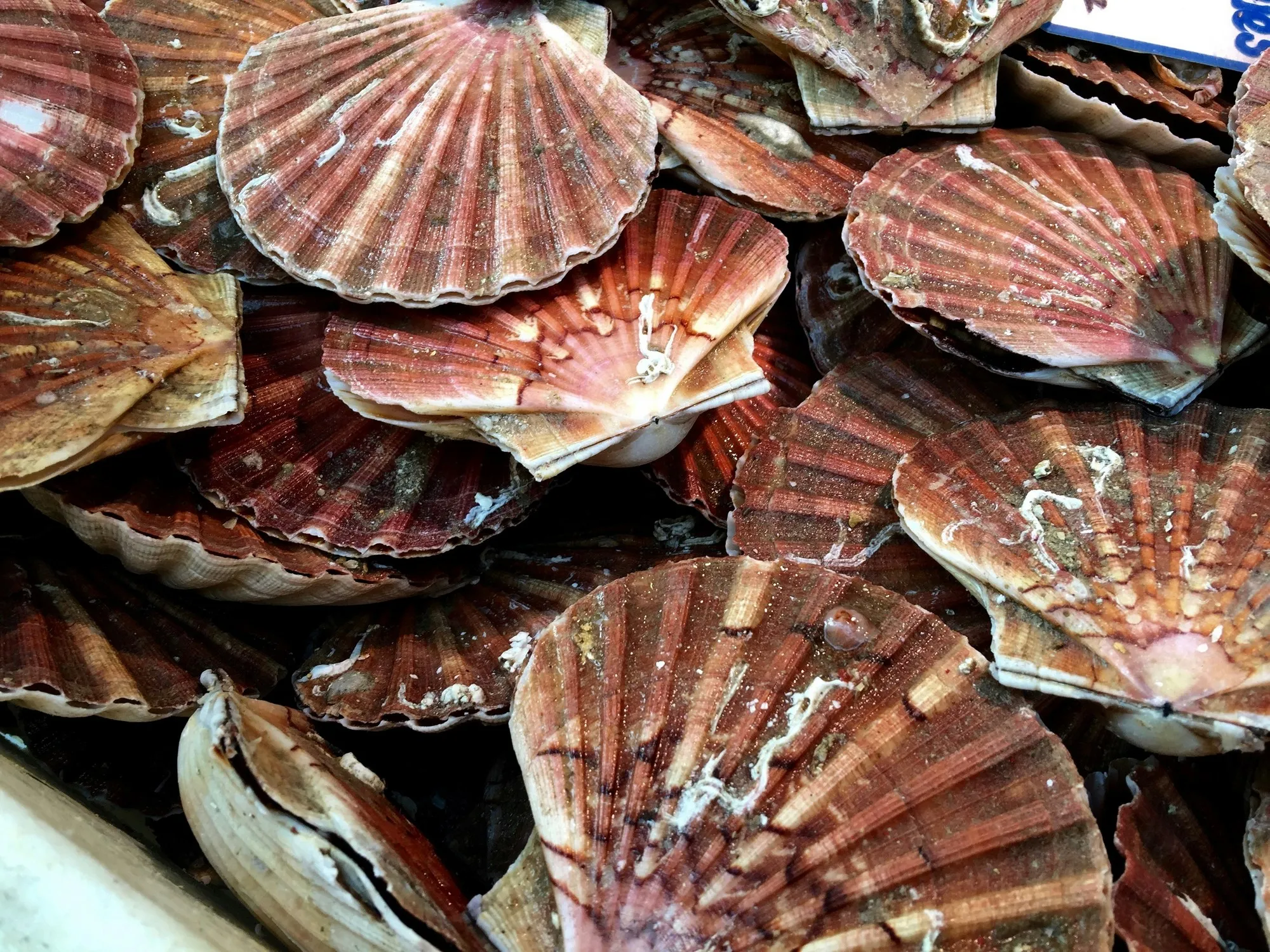
- Busse Lagoon: this is a unique lagoon connected to the sea, home to a huge plantation of giant oysters. People come here for gastronomic tours: during low tide, you can walk on the bottom yourself, collect oysters, and immediately taste them with lemon and soy sauce.
- Crab Market: in Yuzhno-Sakhalinsk and other cities, be sure to visit the local markets. Kamchatka crab, scallops, sea urchins, whelks, red caviar – all this can be bought at prices significantly lower than in Moscow.
Touch history at Aniva Lighthouse
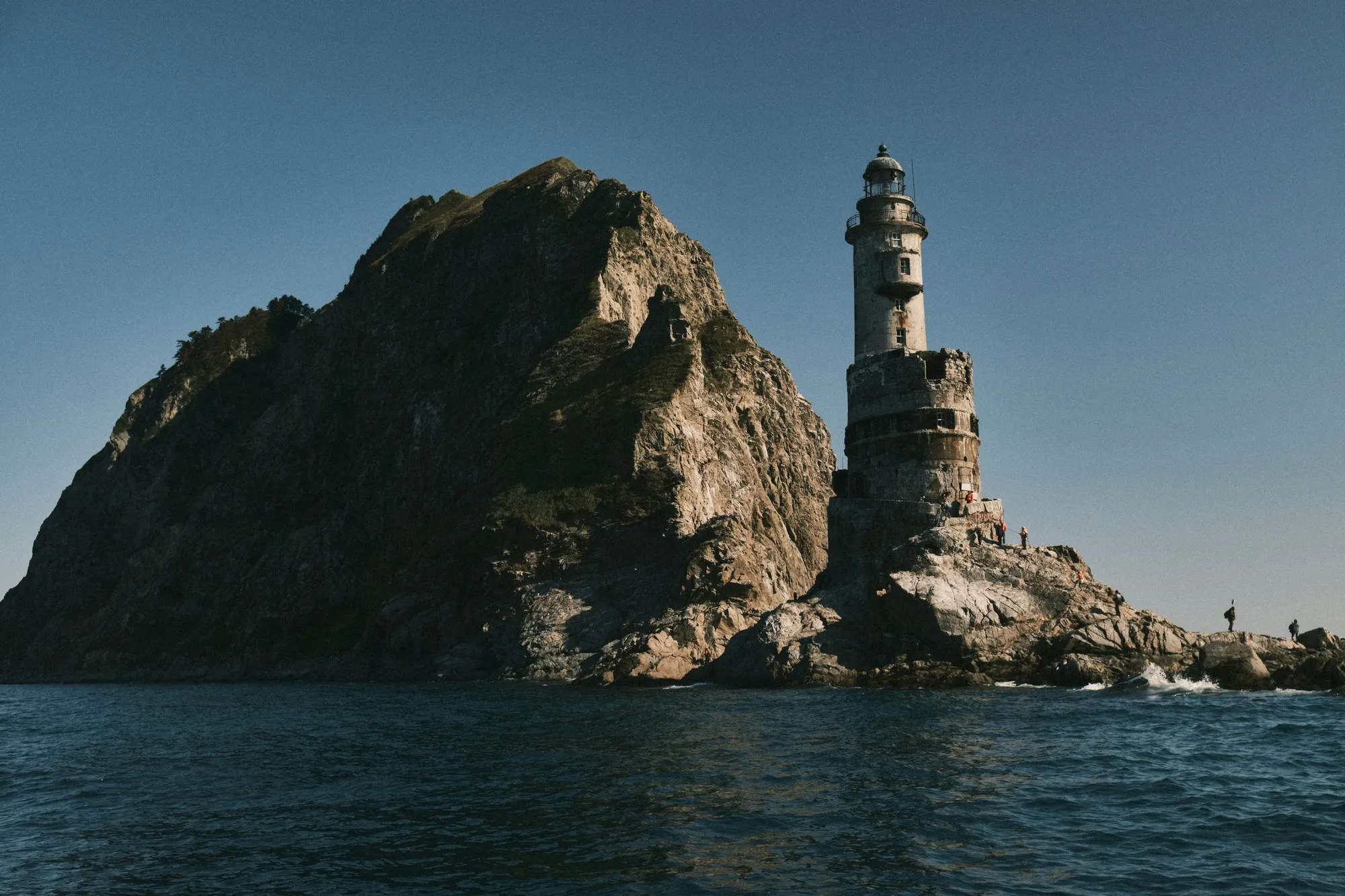
The abandoned Aniva Lighthouse is a symbol of Sakhalin and a place of incredible power. Built by the Japanese in 1939 on Sivuchya Rock, it looks like a set piece from a mystical film. For decades, it served as a landmark for ships in one of the most dangerous straits, and now it is slowly crumbling under the onslaught of the elements. Inside, you can still see remnants of equipment and feel the atmosphere of complete solitude.
- How to get there: the lighthouse is located on a hard-to-reach cape in the south of the island. It can only be reached by sea, by boat from Novikovo village. The excursion must be booked in advance, as going out to sea is highly dependent on the weather.
Conquer the 'Frog' rock formation and recharge your energy
Not far from Yuzhno-Sakhalinsk is one of the most mysterious places of power on the island – the 'Frog' rock formation. Its outlines indeed resemble a frog sitting on a mountaintop. It is believed that this place possesses special energy. The eco-trail to the formation is well-equipped, the ascent is not difficult and takes about an hour. From the top, a stunning view of Aniva Bay and the surrounding hills opens up.
Explore Yuzhno-Sakhalinsk
The island's capital is a cozy and green city where Soviet architecture is mixed with Japanese heritage (from 1905 to 1945, the southern part of Sakhalin was the Japanese prefecture of Karafuto).
- Sakhalin Regional Museum of Local Lore: the city's main architectural gem. The building was constructed in 1937 in the traditional Japanese 'teikan-zukuri' style – it is the only such example in Russia.
- Gorniy Vozdukh Ski Resort: located right within the city limits. In winter, it's a popular ski resort, and in summer – an excellent observation deck, which can be reached by cable car to see the entire city at a glance.
- Gagarin Park: a beautiful and well-maintained park with a children's railway, lakes, and attractions.
When is the best time to go?
Sakhalin is beautiful at different times of the year, but the choice of season depends on your goals:
- Summer (July-September): the best time for coastal excursions, trips to Aniva Lighthouse and Cape Velikan. The weather is the warmest and most stable.
- Autumn (September-October): incredibly beautiful landscapes, hills turn golden and crimson. Ideal time for hiking and leisurely walks.
- Winter (December-March): ski season at Gorniy Vozdukh. You can also go ice fishing.
- Spring (April-May): time for nature's awakening, but the weather is still unstable, and many roads may be washed out.
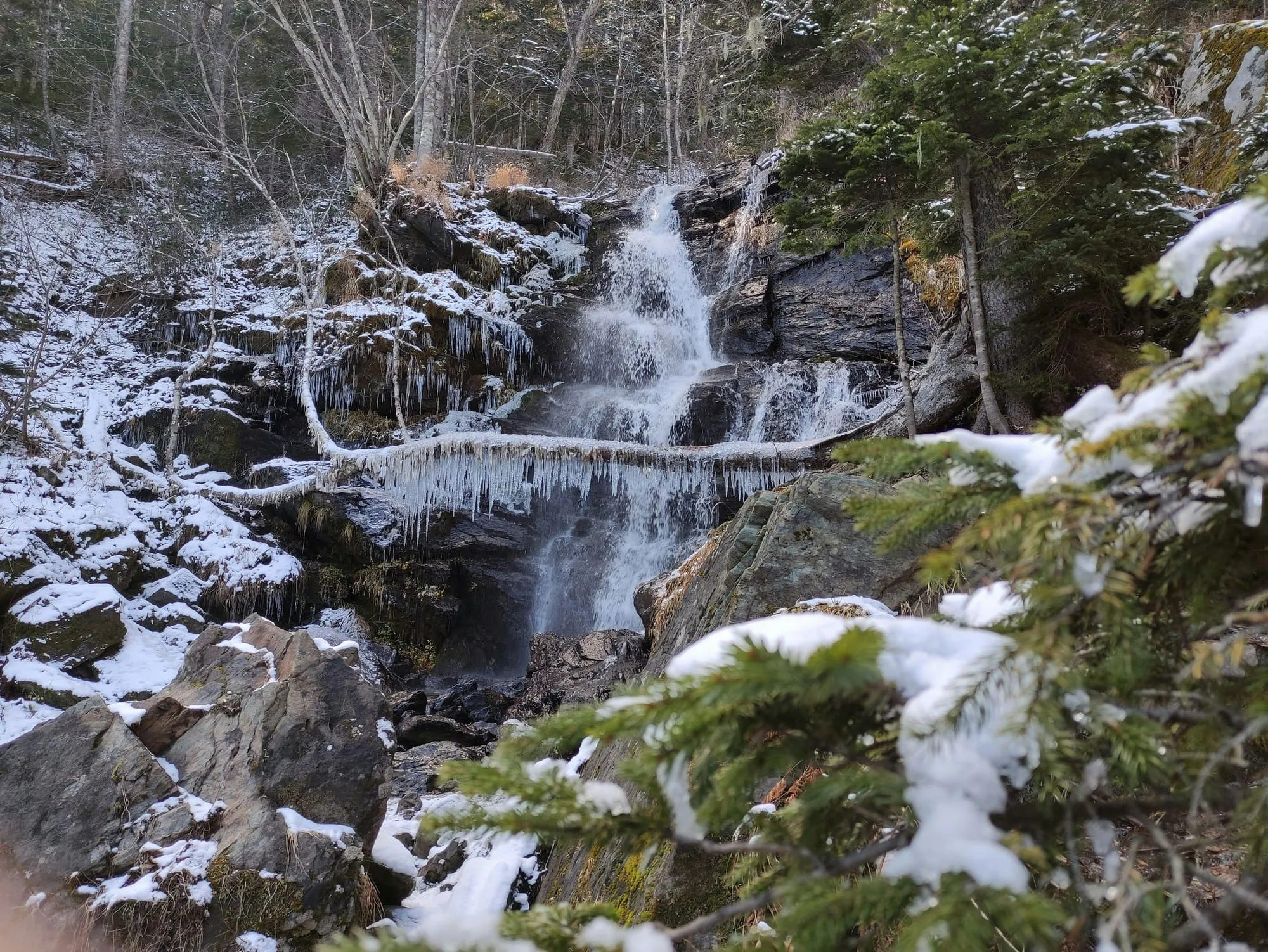
Sakhalin is not a place for beach holidays and five-star hotels. People come here for the feeling of a pioneer, for wild, untamed nature, for stories that are everywhere you look. This is a journey that will definitely divide your life into 'before' and 'after'.