Vacation in the Philippines: what to see, best beaches
What do we know about the Philippines? The natural beauty here surpasses other visa-free Asian countries, but the destination is still not well-explored by tourists.
And that's a shame. Here you'll find untouched beaches, thrilling diving, and locals genuinely happy about the country's growing popularity. We'll tell you how to get there, where to best vacation in the Philippines, and what to do on these Pacific islands.
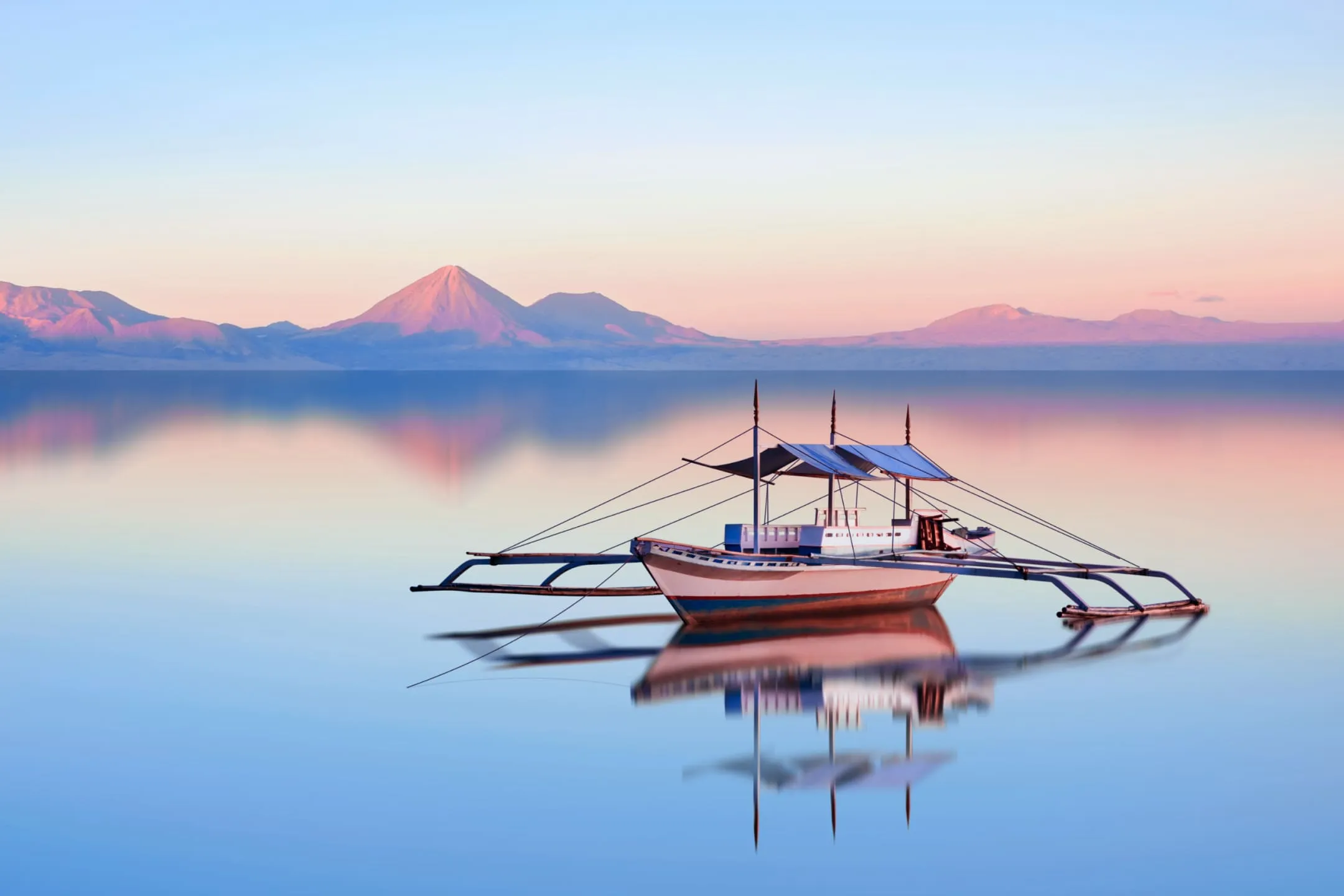
How to get there
The Philippines has not yet gained the same popularity as other Asian destinations like Bali, Vietnam, Thailand, and Goa. One reason for this is that it's difficult to get to the Philippines: you'll have to make multiple transfers and be prepared for possible flight cancellations due to weather. Another factor why travelers often dismiss this option for a trip is that the country is not particularly economically developed: some areas have a higher crime rate.
However, upon arrival, no one is ever disappointed. Here you'll find wide beaches not yet favored by package tour enthusiasts, crystal clear seas, interesting activities, and the hospitality of the locals.
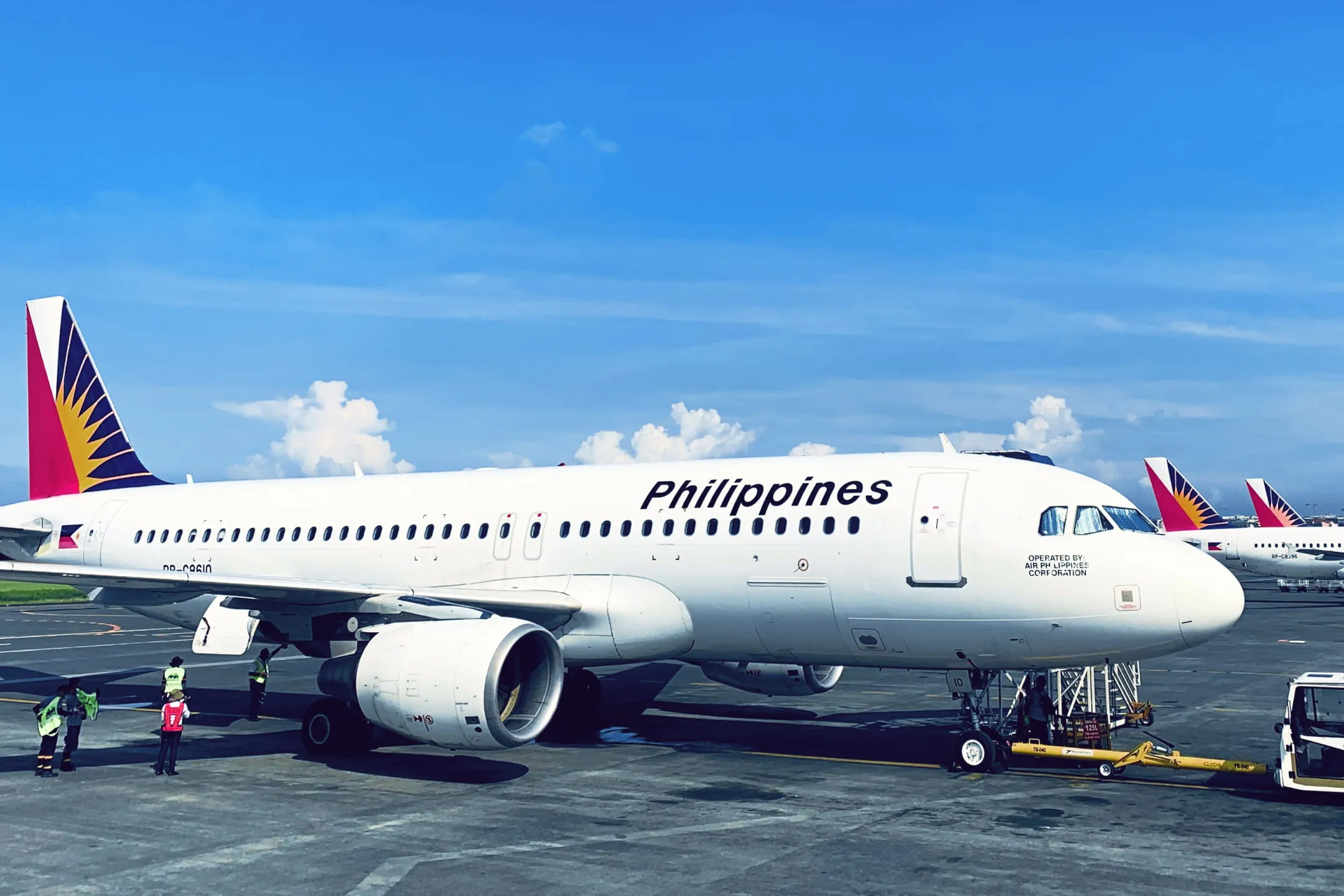
Currently, there are no direct flights from Moscow to Manila, and this should be taken into account when planning your trip. Popular options with a good price-to-quality ratio are flights with Emirates and Qatar Airways. For budget travel in the Asia-Pacific region, choose local carriers such as Philippine Airlines or Cebu Pacific.
Within the country, tourists usually fly into Manila or Cebu, as these are home to the two largest airports. The Philippines has two main low-cost carriers — AirAsia Philippines and Cebu Pacific, but there are also many private airlines like AirSwift — they help tourists reach remote islands.
Entry rules
The Philippines is one of the less obvious countries where Russians can travel without a visa. If you've already explored the fabulous Bali and had your fill of spicy street food in Thailand, it might be time to check out this Asian country too.
Grab your international passport — and go, for tourist trips up to 30 days, this is sufficient. However, at the border, you must prove that you intend to return home within this period: for example, by presenting a return flight ticket. If you plan to stay longer, you need to contact the local immigration service and obtain permission for further stay. The procedure will have to be repeated every three months, and the total period of stay in the country under this algorithm is two years.
When to go
The ideal season for a vacation in the Philippines is from November to May. The period from June to October is the rainy season, during which typhoons frequently visit the islands.
Dress accordingly: bring light clothing for hot weather, but don't forget to pack at least one warm item. Shopping malls, cinemas, and public transport are usually cool (air conditioning is on), so it will definitely come in handy.
Main resorts of the Philippines
Moalboal
Behind the unusual name lies a resort village on the southwestern coast of Cebu Island. Moalboal has two main areas: Panagsama Beach, which has a developed tourist zone with hotels, guesthouses, shops, and travel agencies, and White Beach with long sandy beaches but less developed infrastructure.
Panagsama Beach is hard to call ideal for traditional beach holidays — it's more suited for diving and snorkeling enthusiasts. To swim and sunbathe 'as usual', it's better to head to the White area.
Oslob
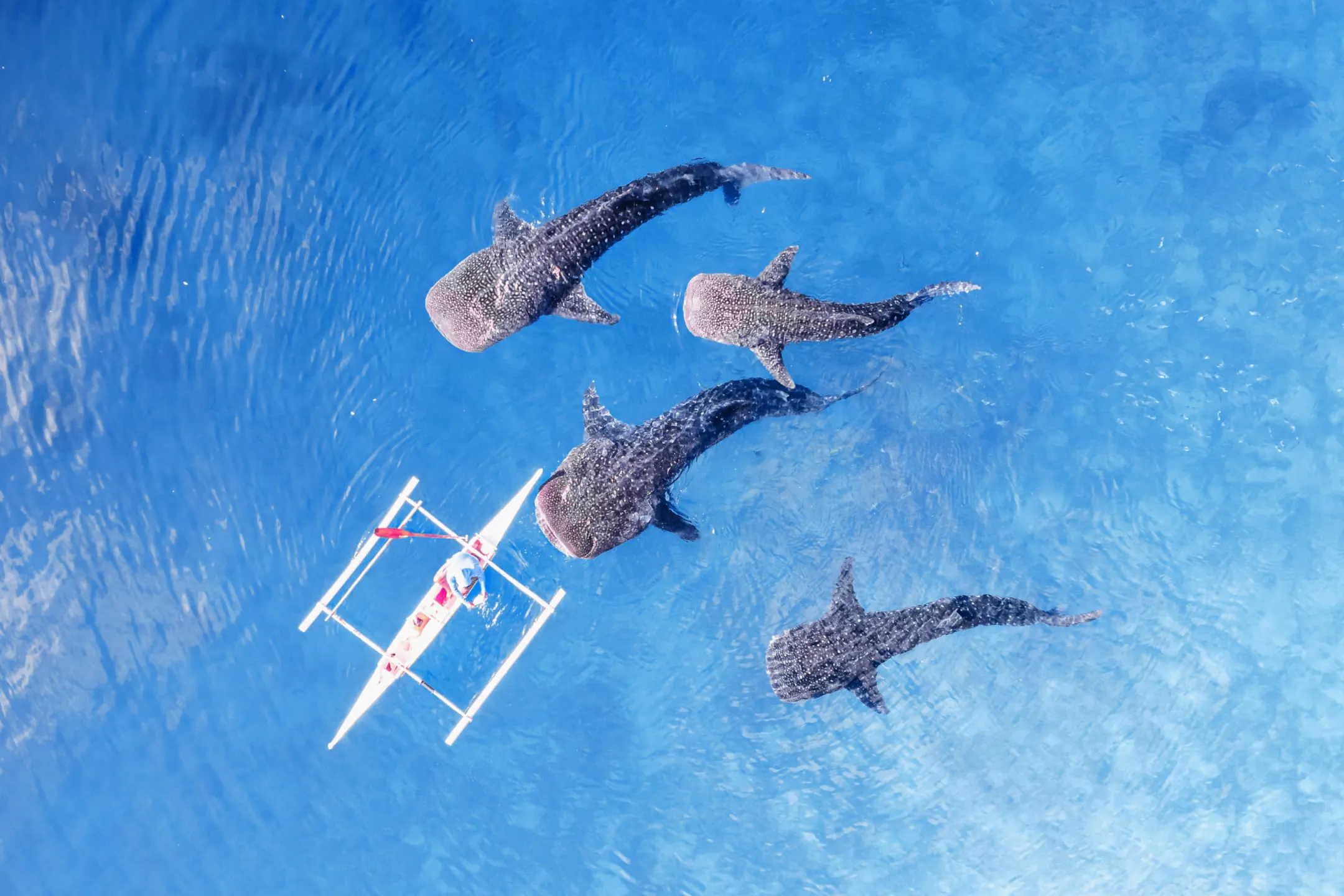
Oslob is a small but widely known town. It's one of the few places on the planet where you can not only see whale sharks but also swim alongside them. Although the sharks don't live directly off the coast of Oslob, but in the nearby waters near Tanawan village, travelers usually stay in the town. Therefore, Oslob is not a quiet province at all — there are lots of tourists eager to see the predators, so be prepared for the rush and book your hotel in advance.
Mactan
Mactan Island is located directly opposite Cebu. Despite its popularity, Mactan is not a paradise as some guides describe it, but rather a concrete jungle, and outside of hotels and tourist areas, you encounter poverty and dirt.
The main attractions for those who want to visit the island are beach holidays and diving. Swimming here is generally safe, but the best coastal areas belong to expensive hotels, so you can access them for a fee or by booking a room.
Boracay
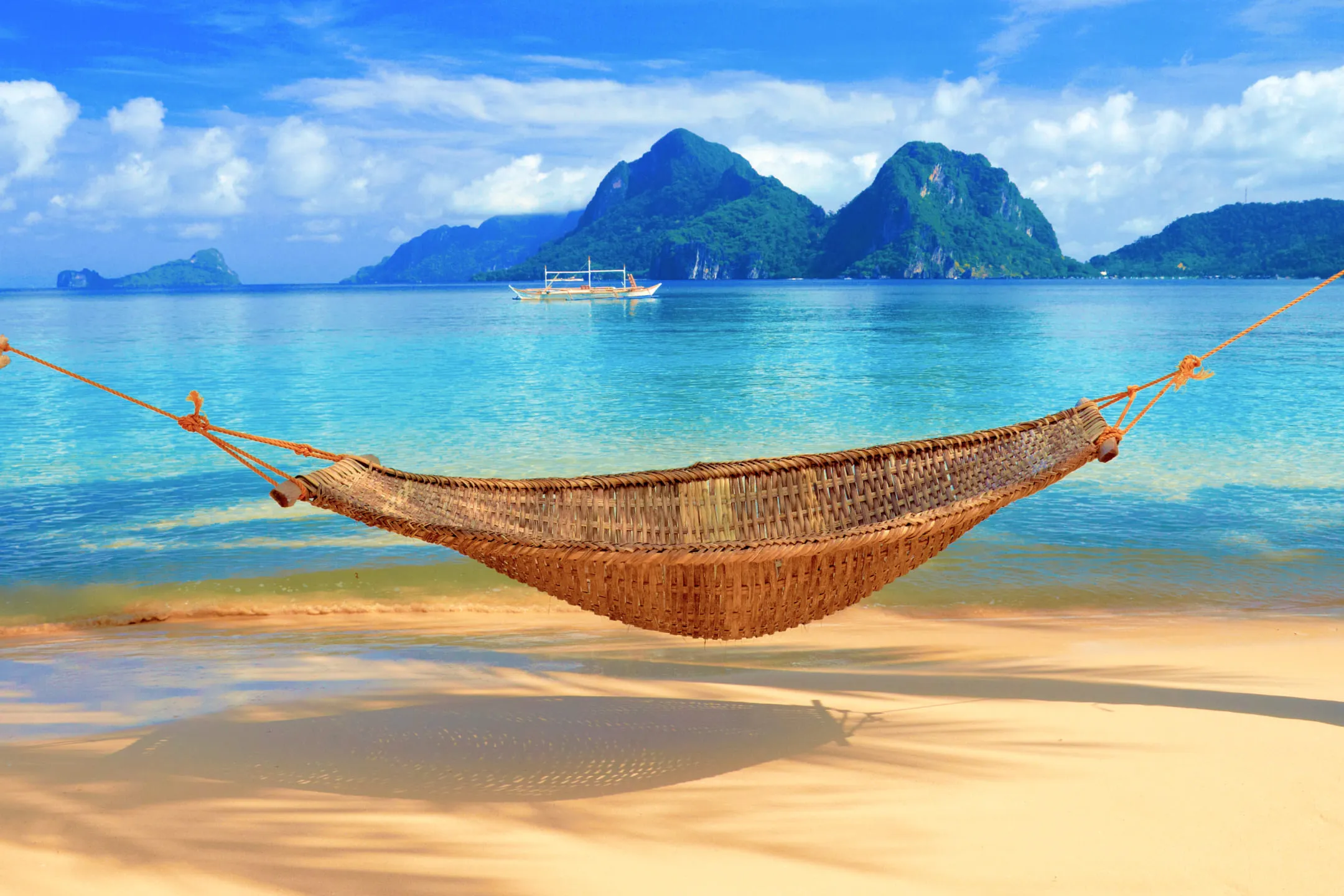
The Philippines — beaches, beaches, and more beaches. And people flock to Boracay Island for its white sand and azure waters — the local White Beach has even been recognized as the most beautiful Asian beach in the world for several years in a row.
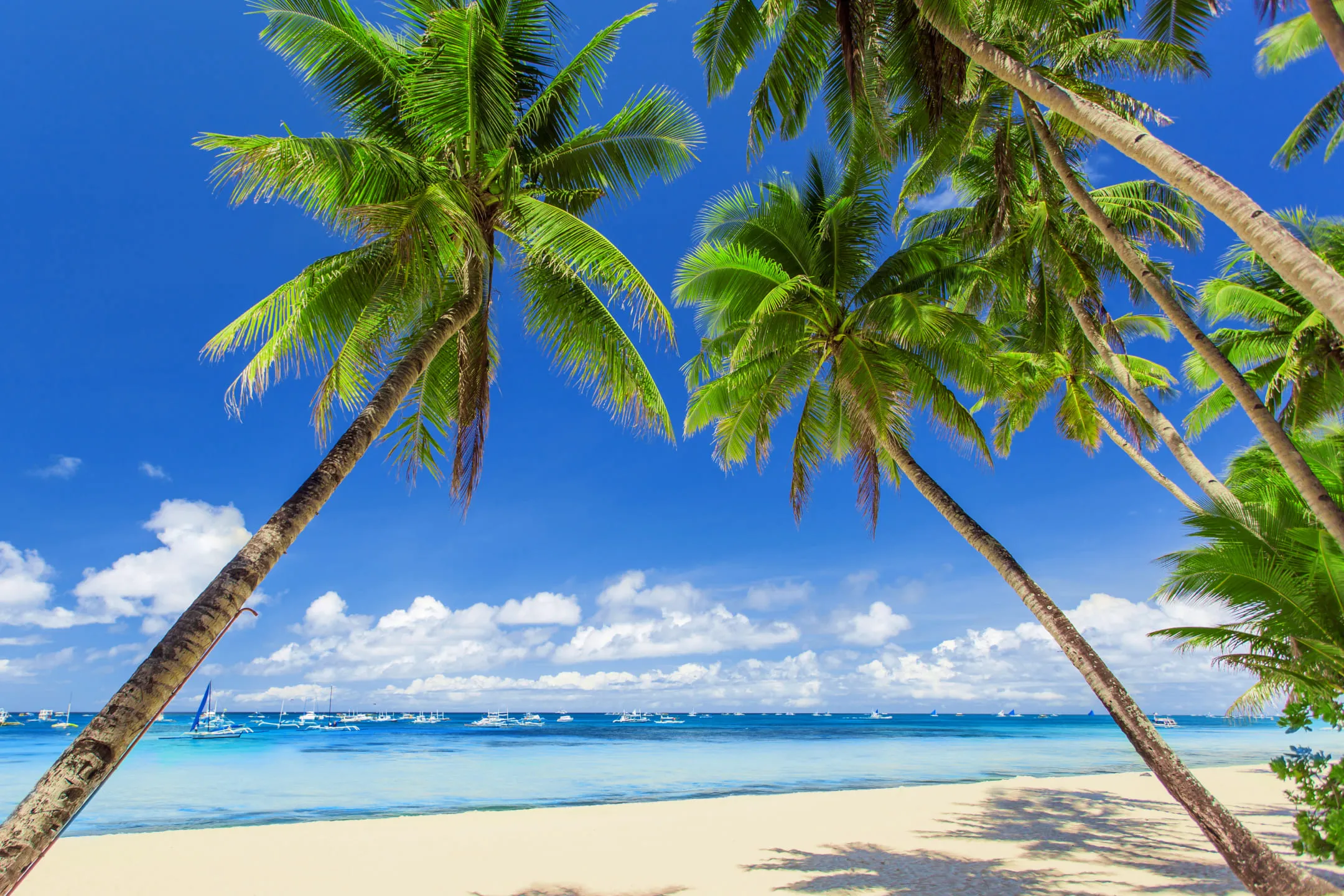
The island is full of contrasts: here you can choose between five-star all-inclusive resorts and ascetic 'modest but tasteful' guesthouses, which are no less cozy and hospitable than expensive hotels.
Bantayan
Bantayan is a small, quiet island, a must-visit for a peaceful beach holiday, located ten kilometers off the northwestern coast of the large island of Cebu.
The resort is suitable for those who want to relax in style but are not willing to overpay: the beaches here can easily compete with the famous beaches of Boracay in terms of beauty and cleanliness. The island is good for wintering abroad: you can rent a house or a room cheaply with monthly payments.
This island is not suitable for diving and snorkeling, and party-goers and seekers of active nightlife will also find nothing to do in Bantayan. There are bars and restaurants here, sometimes with live music, but you won't find clubs.
Fans of historical and natural attractions will also get bored here. Besides a couple of small caves, a Catholic church, and the ruins of a Spanish fort, there's nothing to see. Therefore, Bantayan is a place for chilling out and an inexpensive family vacation.
Cebu
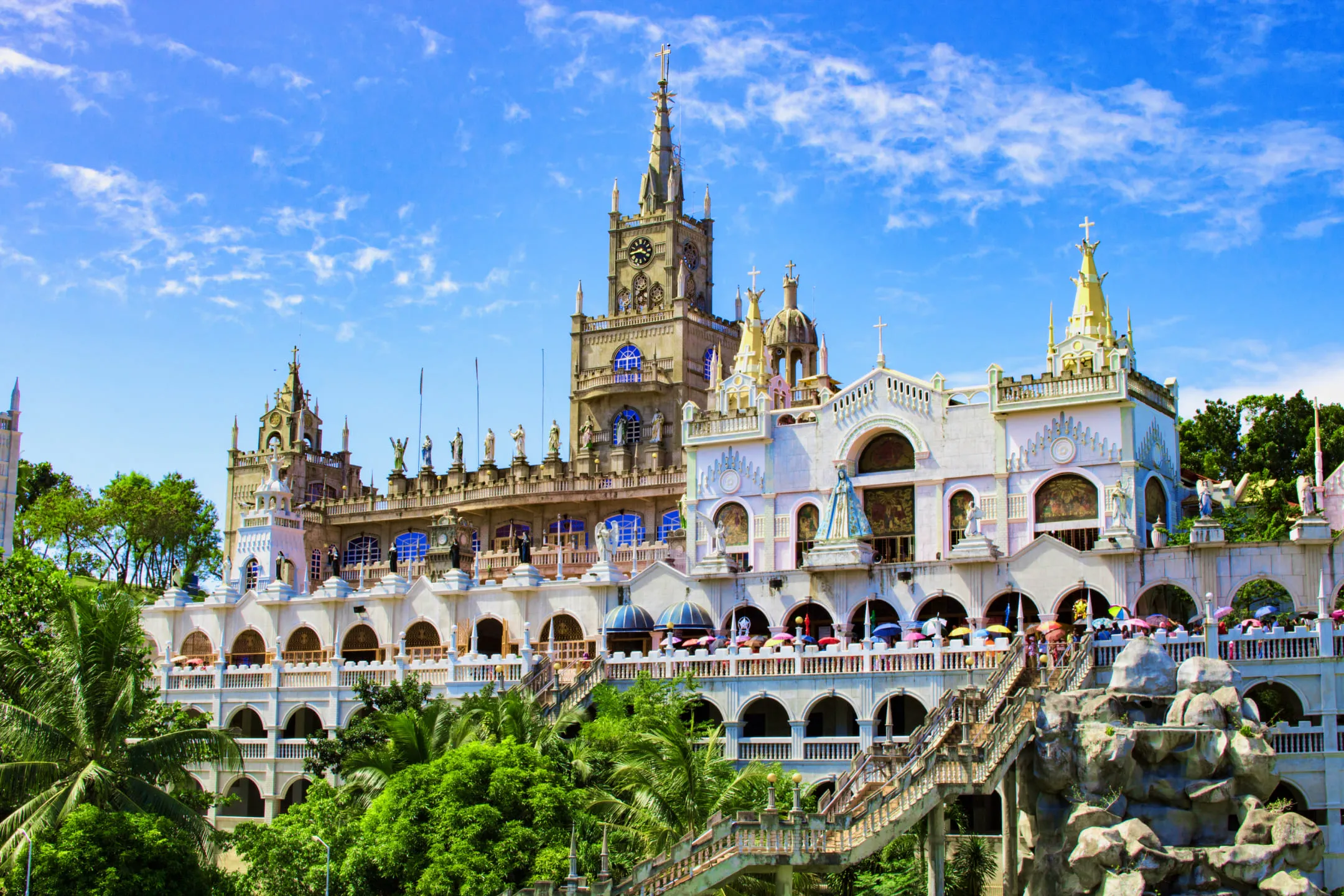
Another place in the Philippines worth visiting for its incredible nature: here you'll find the Kawasan Falls hidden among tall ferns. The underwater world is also surprising — we recommend not missing the opportunity to go diving. Cebu is also a place with history: many examples of colonial architecture have been preserved here — isn't such a mix of nature and culture the best combo for a rich vacation?
What to do and what to see in the Philippines
The main attractions of the Philippines are, of course, the islands, and the favorite type of vacation is beach-related. But there are still enough options for adventures here that will turn your holiday into an unforgettable experience.
First on our to-do list is swimming with whale sharks off the coast of the Philippine village of Tanawan. Imagine: you can get close to these giant 12-meter (but harmless!) creatures — a cool vacation story is guaranteed — and even take a selfie with them in the background, maintaining a safe distance of four meters, of course.
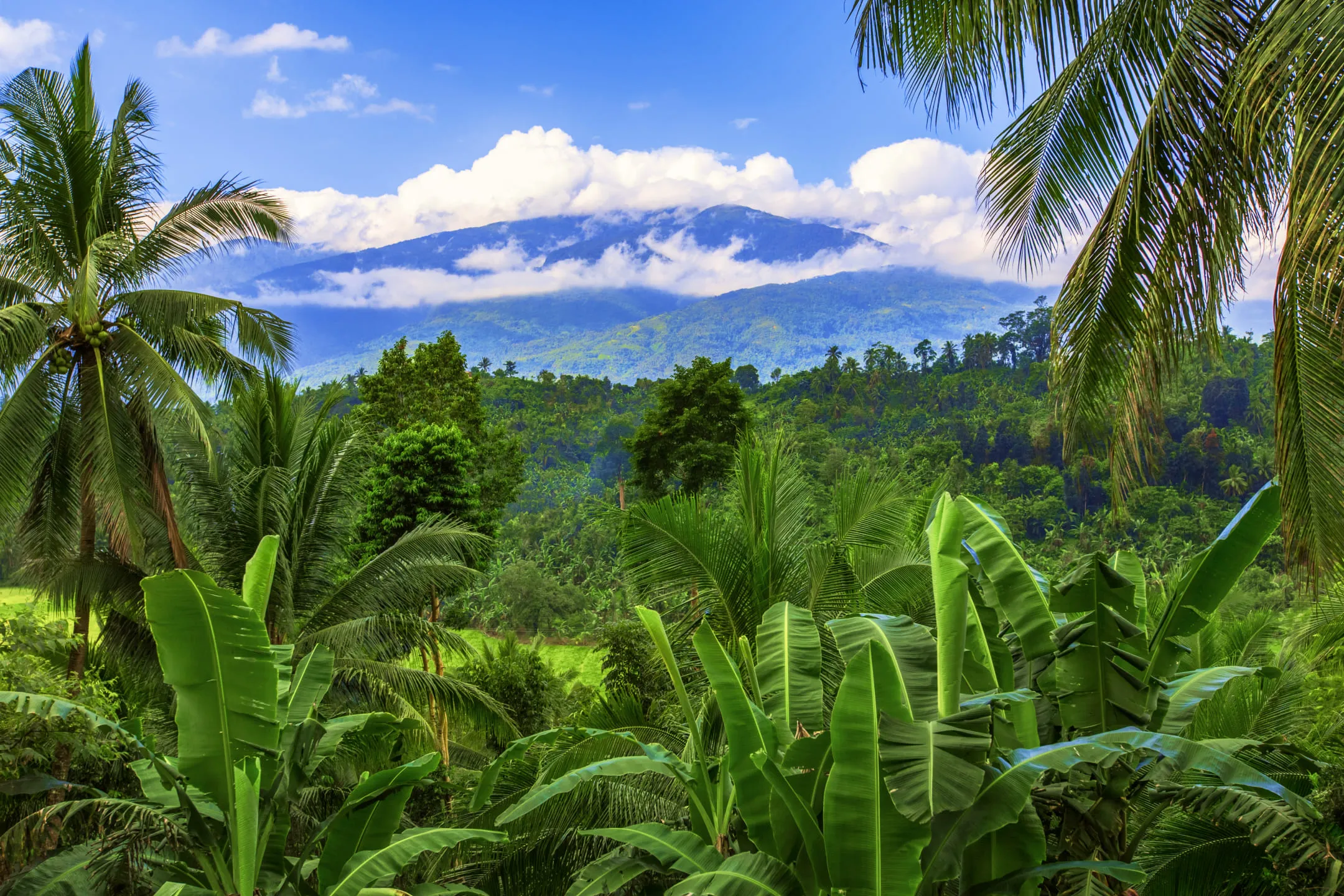
Next on the list are the jungles of Mindoro and the Tamaraw Falls. They cascade from a height of 129 meters and form two natural pools — it looks impressive. And after a refreshing swim in the fresh waters, we recommend warming up with a cup of Philippine coffee at a local cafe.
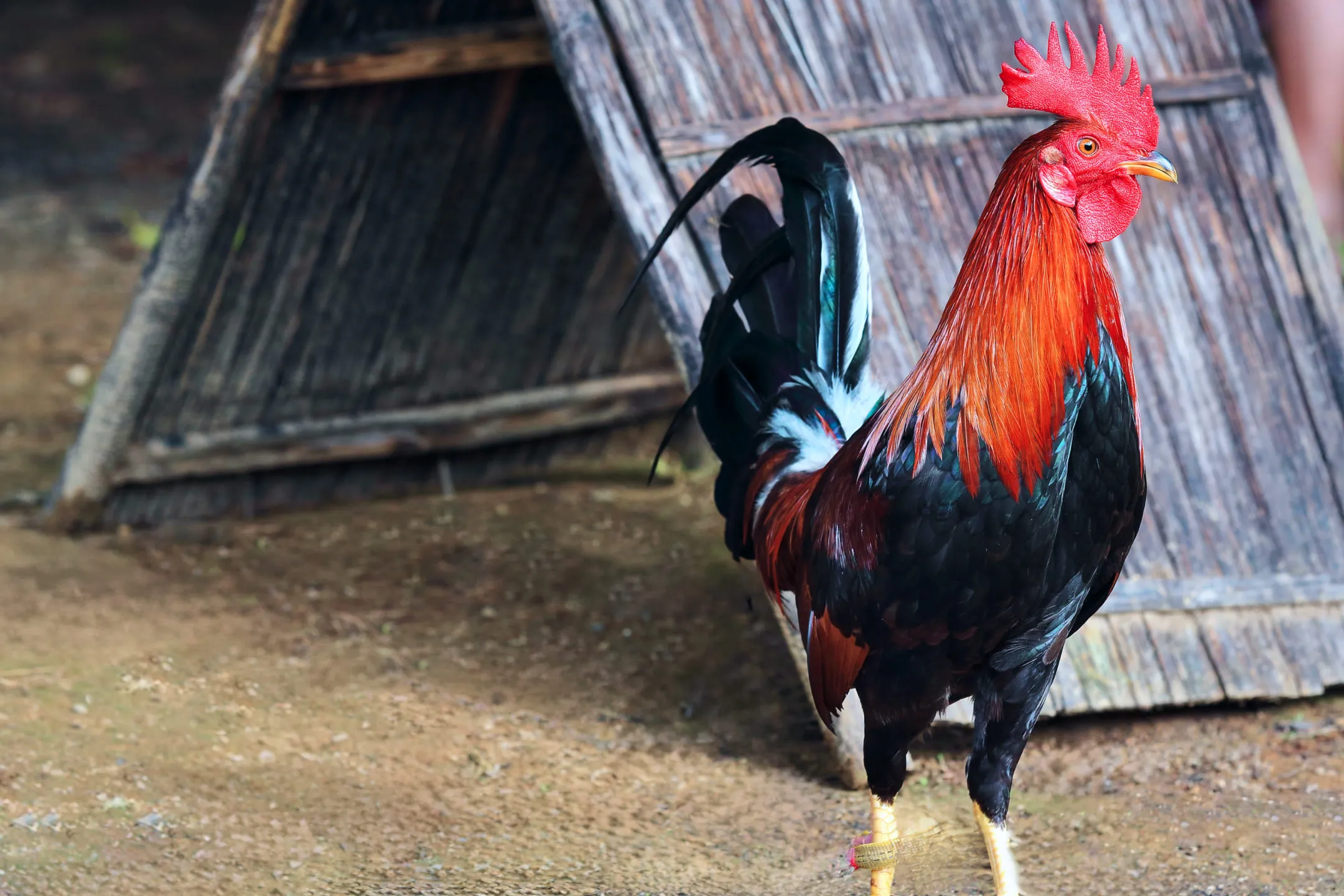
After finding your zen, you can get an adrenaline rush at cockfights — here it's a national sport. The emotions are mixed. For many countries, these are unusual competitions, often prohibited. But in the Philippines, they reflect the local flavor. Here it's like a big celebration: fights are even broadcast on TV, and you can watch them live at a cockpit arena, for example, the oldest La Loma Cockpit Arena in Manila.
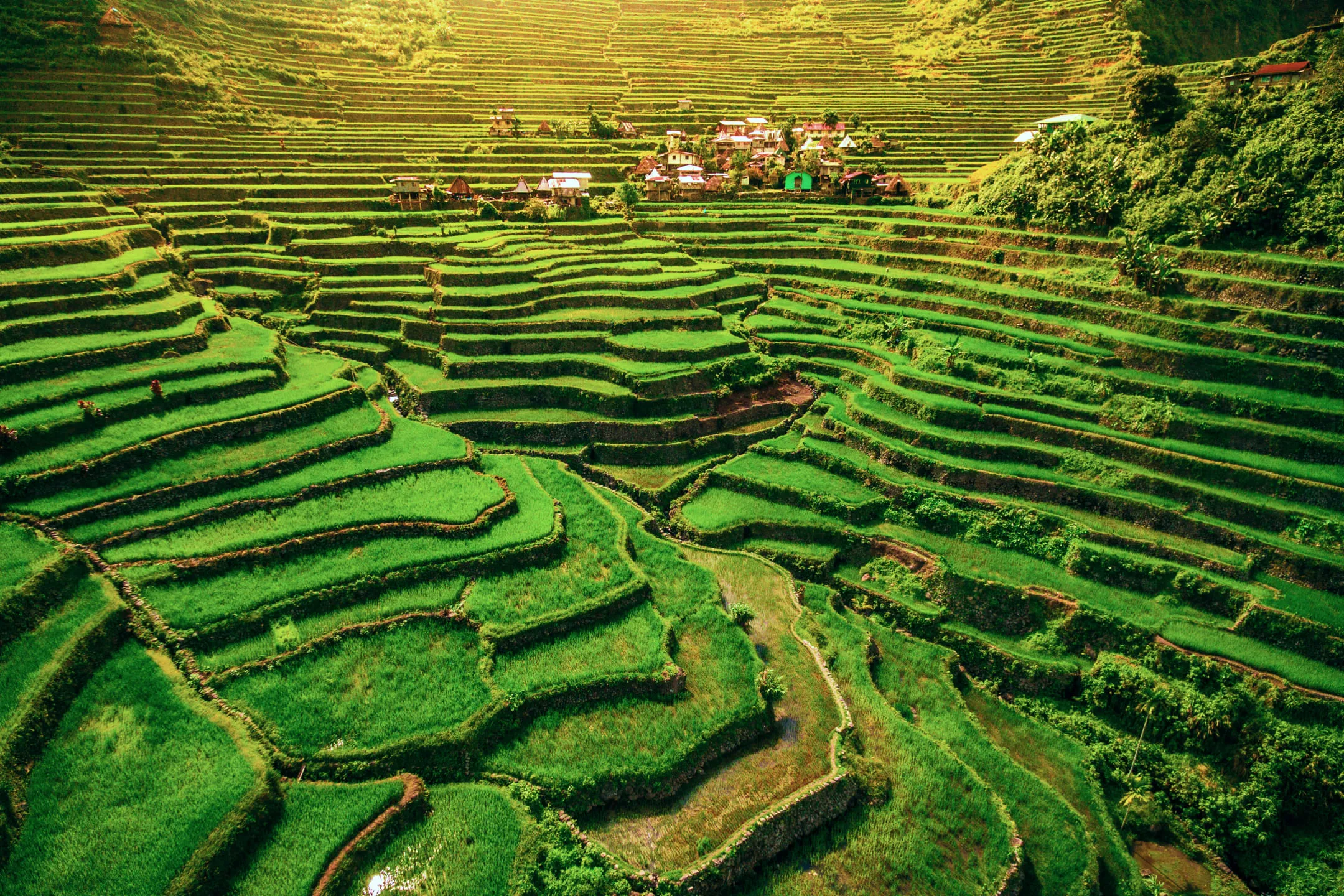
To recover, head to the Philippine rice terraces — a monument of the pre-colonial era. Created by locals about 2,000 years ago, they still use irrigation technologies from that time. It's about an eight-hour bus ride from Manila, but what views you'll get!
For party-goers, we recommend staying on Boracay Island: here you'll find not only clear water and shell-strewn beaches but also the opportunity to dance all night under the open sky. A wide selection of clubs in the Philippines is not available everywhere, and locals are very religious, so local establishments make up for the rest.
Accommodation
A plus of the Philippines, not yet spoiled by a rush of tourists, is that in every corner, be it an apartment or a hotel, locals surround you with attention and help you with even the smallest details. For example, they can tell you the boat schedule to neighboring islands. Rooms here are clean and well-maintained. Previously, you could book through Booking, now — through Russian services.
In popular locations such as Boracay, Palawan, and Panglao, there are no problems finding accommodation, even if you don't book anything in advance. Locals are very open and hospitable people, so you can inquire about available rooms directly at the hotel. But, of course, accommodation booked in advance is cheaper, and this scheme only works in popular resorts. In less crowded places, we recommend booking a hotel in advance to ensure you don't end up sleeping on the street.
Cuisine
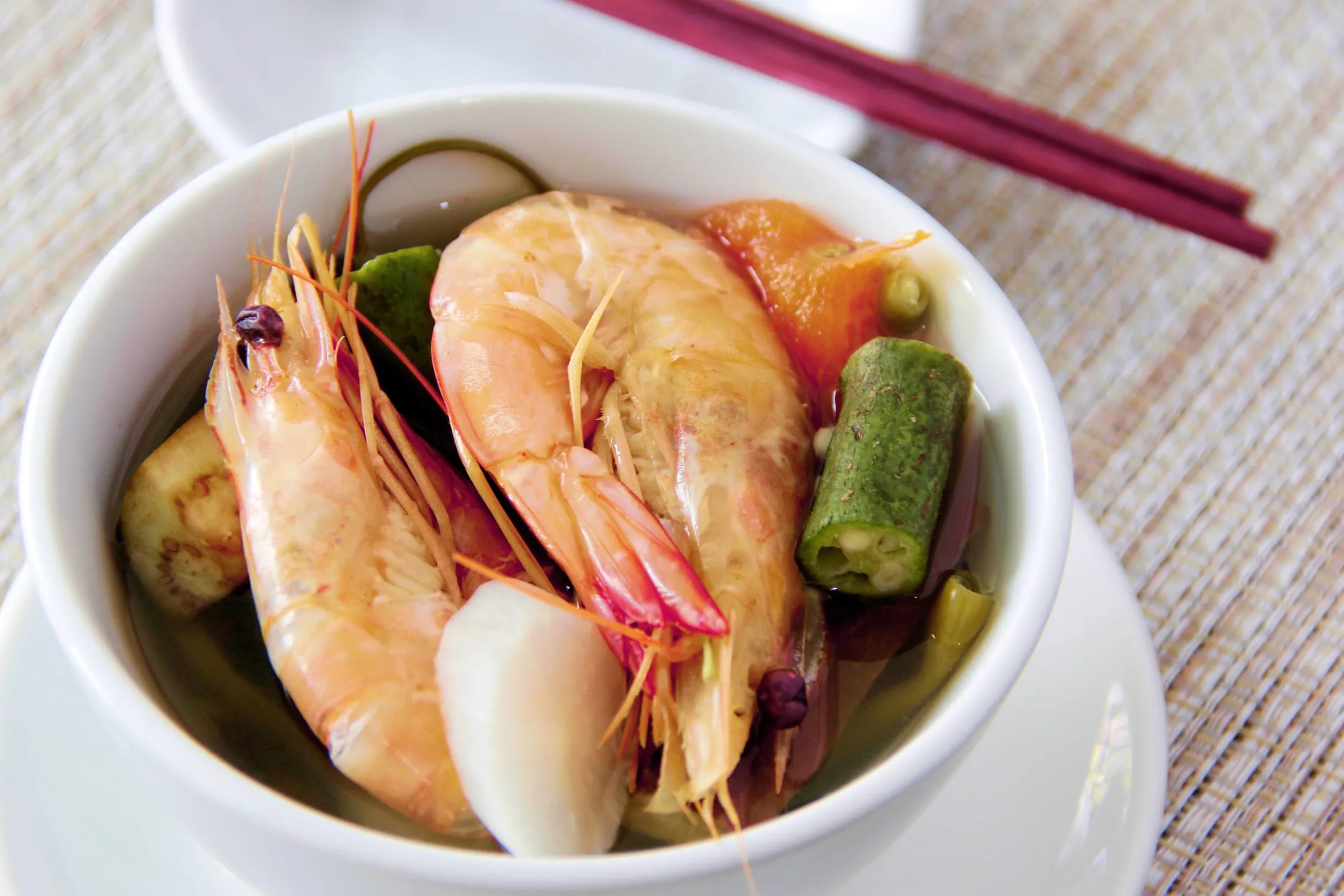
The secret of Filipino cuisine lies in its ability to borrow and perfect. After all, it was a former colony, and cultures influenced each other in one way or another. Under one roof of a local cafe, you can find authentic Thai pad thai, switch to Indian curry, and then finish dinner with Italian gelato. And yes, there are restaurants here where pasta and pizza compete in taste with Italy.
It's best to choose eateries where as many locals and travelers hang out as possible — that's a sign that the dishes there are excellent. Don't forget to enjoy cheap and fresh seafood — after all, we are on islands. And for even more budget-friendly food — a snack for a couple of bucks — look in supermarkets.
Currency
The local currency is the Philippine Peso. Banknotes come in denominations of 1,000, 500, 200, 100, 50, and 20 pesos, coins — 10, 5, 1 peso, and 50, 25, 10 centavos. Enough for any adventure — from ice cream to an architectural monument tour.
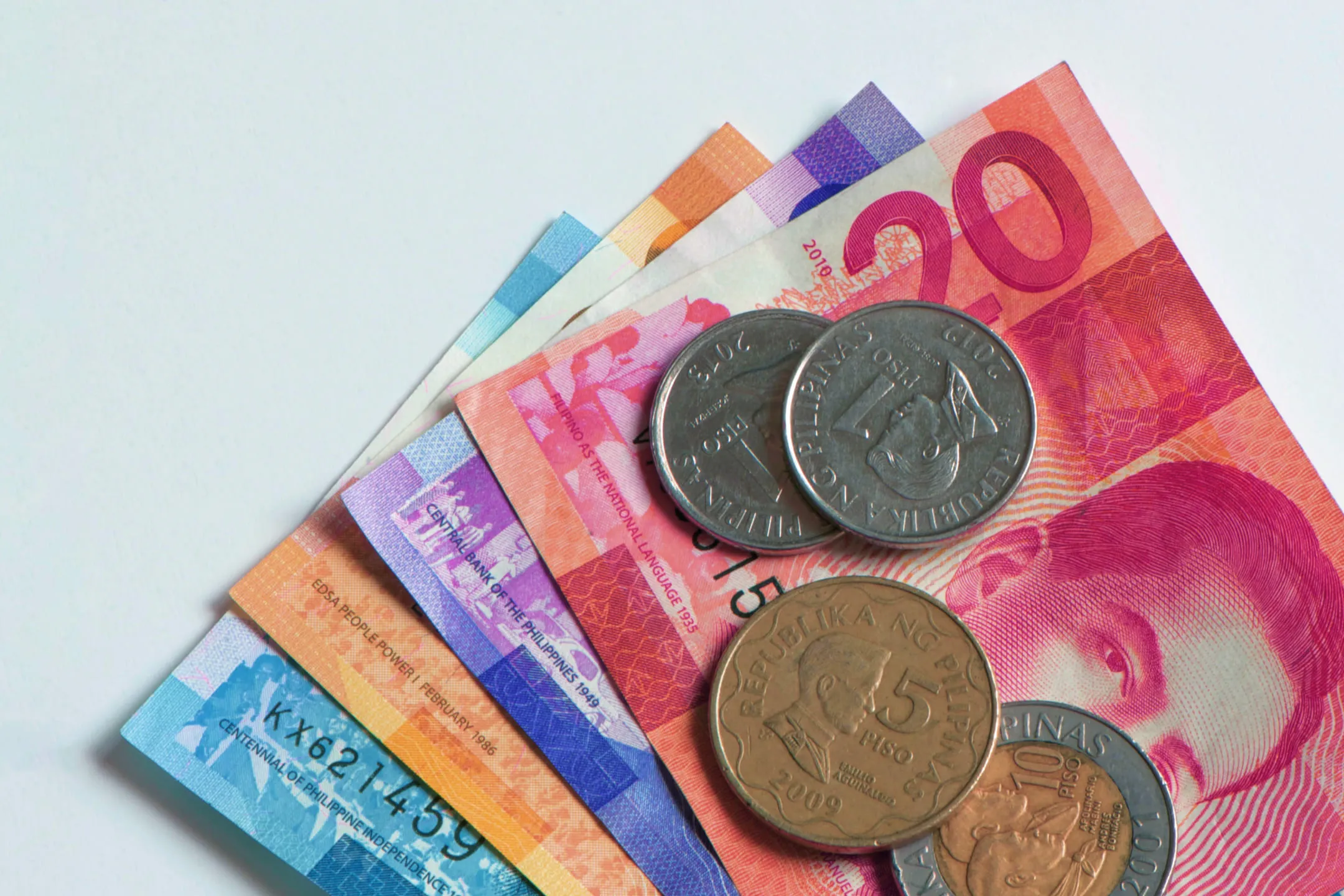
If you suddenly decide to pay with dollars or euros, it's unlikely to work. You will be asked to exchange them for local currency. You can do this at exchange offices or ATMs (up to 10,000 pesos per exchange daily until 8:00 PM). But it's better to stock up on pesos in advance so as not to be disappointed by the exchange rate on the islands.
Tips
- Plan your island itinerary in advance: there are no direct flights to the country, so you'll have to plan transfers.
- A tourist visa is not required if you are traveling for up to 30 days. But you should have proof that you will return home, such as a return ticket.
- Ideally, go from November to May, but it's still worth bringing warm clothes — there's air conditioning everywhere, so it can get chilly.
- The main attractions in the Philippines are somehow related to water and beaches. Bring a swimsuit for the most beautiful beach in Boracay, get ready to swim with whale sharks, and admire waterfalls in the jungle.
- To choose a tasty cafe, look for crowds of locals and tourists: where they are, the food is hearty.
- Book accommodation in advance if you're staying overnight in tourist areas. In less popular locations, you can try to check in without a reservation.
And if you're not yet ready to swap familiar places in Asia for new extreme experiences, we've put together a guide on where to vacation in Thailand.
Have a great vacation!