What not to take on a trip
 Polina
Every traveler has faced this problem: you thought you packed only the essentials, but your backpack or suitcase still turns out to be unliftable. Excess kilograms are not only additional expenses for luggage, but also discomfort, fatigue, and restricted movement. This is especially true for those planning an active vacation or frequent transfers.
When we think about what to take on a trip, clothes, documents, and gadgets usually come to mind first. But there are many “non-obvious” things that, by habit, end up in luggage and then remain untouched. Let's figure out what things are really worth taking on a trip and what you can safely leave behind to make your backpack significantly lighter. And you can always buy tickets to any city on Kupi.com.

General principles for light luggage
Before moving on to specific examples, let's learn a few basic principles that will help you pack efficiently:
- The "three times" principle: if you doubt whether you need an item, ask yourself if you will use it at least three times during the trip. If not, it's probably superfluous.
- Multifunctionality: choose items that can perform several functions. For example, a scarf can be a head covering, a blanket, and a mat.
- Availability at destination: almost everything can be bought in most countries. If something runs out or is urgently needed, you can purchase it locally.
- Samples and miniatures: for hygiene products, use travel sizes.
- Weight and volume: prioritize light and compact items.
Non-obvious things you can leave behind
We tend to think of travel as a "just in case" situation. However, it's precisely this "just in case" that leads to overweight luggage. Here's a list of non-obvious items that most often turn out to be superfluous in your backpack.
Excess clothing and footwear
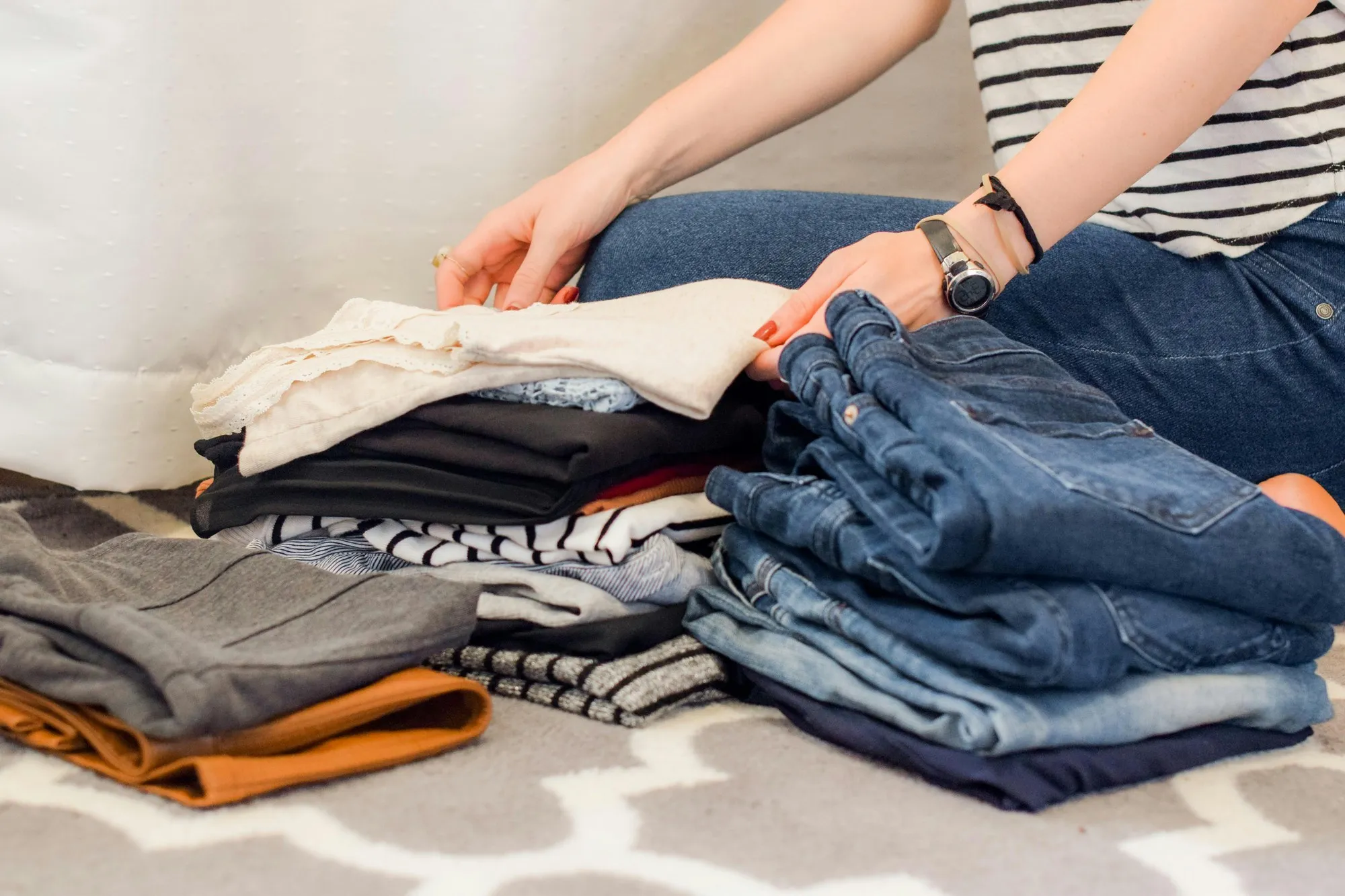
This is the most common source of overweight luggage. We pack "an outfit for every day," "for a party," "for cold weather"...
- Excessive number of T-shirts/shirts: take 3-4 pieces that are easy to wash and quick to dry. Most hotels have laundry facilities, and hostels offer hand-washing options.
- "Backup" jeans: jeans are heavy and slow to dry. One pair will be enough, or better yet, replace them with lighter trousers or shorts.
- Too many shoes: a pair of comfortable, versatile sneakers (for walking and activities) and light sandals/flip-flops (for a beach holiday) is the maximum footwear to take on a trip. Forget about "going out" shoes, unless it's a business trip.
- "Dressy" clothes: if you're not planning to attend the opera or formal dinners, leave evening gowns and suits at home. One versatile item that can be worn "for going out" (e.g., a smart dress or shirt) will suffice.
- Hoodies and sweaters "just in case": if the weather forecast promises warmth, take a light fleece or windbreaker that can be worn over a T-shirt. However, if you're heading to, say, Northern Europe, planning to buy tickets to Oslo on Kupi.com, then warm clothes are, of course, essential, but choose those that fold easily and don't take up much space.
- Pajamas: why? Sleep in a T-shirt or light shorts that you've already packed.
Duplicate cosmetics and hygiene products
Yes, we want to look good, but dragging a whole bathroom with you is overkill.
- Full-size bottles of shampoo, conditioner, shower gel: buy miniatures or decant into travel bottles. This is the "gold standard" rule for what to take on a trip. Most hotels provide complimentary toiletries.
- Many hair styling products: take one versatile product if it's truly necessary. A hairdryer is often available in the hotel.
- Face masks, scrubs, "body" lotions: unless they are essential items recommended by a doctor, leave them at home. Your skin needs a break from its routine.
- Large packages of decorative cosmetics: choose a transformer palette or versatile products that perform multiple functions.
- Several types of perfume: one small bottle or a couple of samples will be enough.
Excess gadgets and accessories
In the age of technology, we often overload our backpacks with electronics.
- Laptop, if you have a tablet/smartphone: if a tablet or powerful smartphone is sufficient for work, leave your laptop at home.
- External hard drive: cloud storage (Google Drive, Dropbox) will perfectly handle storing photos and documents.
- Multiple camera lenses: if you're not a professional photographer, one versatile lens or a good quality smartphone camera will suffice.
- Portable gaming console: if you're not an avid gamer, you'll find things to do on the road, and in the evening you can watch a movie on your smartphone.
- "Just in case" adapters for different countries: buy a universal adapter that fits all outlets, or research the situation in your destination country in advance. Tickets for the Moscow – Bangkok route will require one type of socket, while in Europe it will be completely different.
- Huge capacity power bank: one medium power bank of 10,000 – 20,000 mAh will be sufficient to charge your phone a couple of times.
- Iron: yes, there are miniature versions specifically for travel. Does that oblige you to take it with you? Absolutely not. Firstly, many hotels offer free use of an iron. Secondly, discover a product like "liquid iron," which will smooth clothes without electricity or excess weight.
- Hairdryer: again, in most hotels, hostels, and even rented apartments, a hairdryer will definitely be hanging on the bathroom wall. Moreover, its availability can always be checked in advance.
- Multi-tool with 20 functions: if you're not going on a survival hike, a regular Swiss Army knife or even nothing at all is the solution.
Reading and entertainment
Many people take things "for the long road" that they end up never reading/watching.
- Several paper books: they are heavy. Switch to an e-reader or use reading apps on your smartphone/tablet.
- Magazines: buy one at the airport if you really want to.
- Board games: if you're not going to a dacha with a large group, this is most likely extra baggage. Some games, like Alias, have travel versions that take up less space.
- Notebooks and planners, if you have a smartphone: use notes on your phone.
- Drawing supplies: if you are not an artist and do not plan to dedicate a lot of time to drawing.
Household trifles and "comfort"
Sometimes we try to recreate a familiar environment, but when traveling, this is unnecessary.
- Home mug: any hotel/cafe/hostel will have dishes.
- Travel pillow and blanket: unless you have specific problems sleeping on transport. Blankets are often provided on planes.
- Towels: towels are available almost everywhere. The exception is beach towels, but you can buy them locally or take a microfiber one, which takes up minimal space.
- Souvenirs for friends: buy them locally. Why carry them there and back?
Medicines "for everything under the sun"
A basic first-aid kit is important, but a whole mini-pharmacy is not.
- Large packages of medicines: take a few headache pills, plasters, antiseptic.
- Rare medicines: if you have chronic illnesses, take only the necessary prescription medications in a quantity sufficient for the entire trip, plus a small reserve. Leave the rest at home.
- "Just in case" for colds, flu, poisoning: in most countries, you can buy an equivalent at a pharmacy. If you plan to buy tickets to Rome on Kupi.com and are concerned about your health, know that European pharmacies have everything you need.
A light backpack means freedom of movement, comfort, and savings. By foregoing non-obvious, but often superfluous items, you not only avoid overweight luggage but also learn to appreciate minimalism, trust the world, and enjoy your trip without unnecessary worries.
Remember, what to take on a trip is not just about physical baggage, but also about mental liberation. Ditch the habit of taking everything "just in case" and try traveling light.