What souvenirs to bring from a trip?
Souvenirs are not just pretty things that decorate our home; they are memories of places we once visited.
What souvenirs do travelers most often bring back?
We won't describe what you can bring from a specific country or city here, but rather focus on souvenirs that are found almost everywhere and that many travelers don't just buy, but collect.
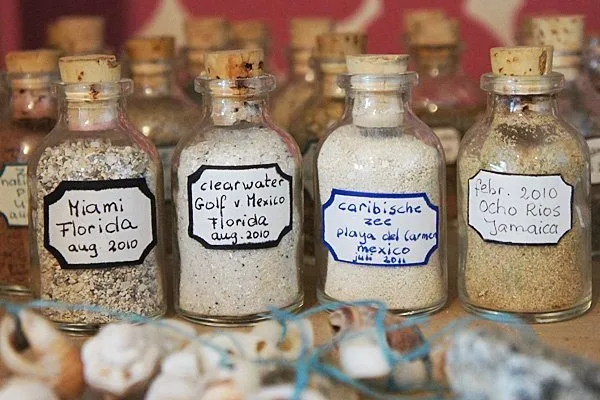 Sand and shells are probably the most budget-friendly souvenir option, as they are absolutely free. Sand can be conveniently stored in spice jars, small vases, and flasks.
However, you need to be careful with shells; not all shells and not from every country can be exported. The export of shells is prohibited in Indonesia, Malaysia, Egypt, Australia, New Zealand, the Seychelles, and Fiji.
Small shells are usually not a problem, but a large one, if noticed, might be confiscated.
There are also restrictions on exporting stones from archaeological digs, ancient ruins, and historical architectural monuments. This is especially strict in Greece.
Sand and shells are probably the most budget-friendly souvenir option, as they are absolutely free. Sand can be conveniently stored in spice jars, small vases, and flasks.
However, you need to be careful with shells; not all shells and not from every country can be exported. The export of shells is prohibited in Indonesia, Malaysia, Egypt, Australia, New Zealand, the Seychelles, and Fiji.
Small shells are usually not a problem, but a large one, if noticed, might be confiscated.
There are also restrictions on exporting stones from archaeological digs, ancient ruins, and historical architectural monuments. This is especially strict in Greece.
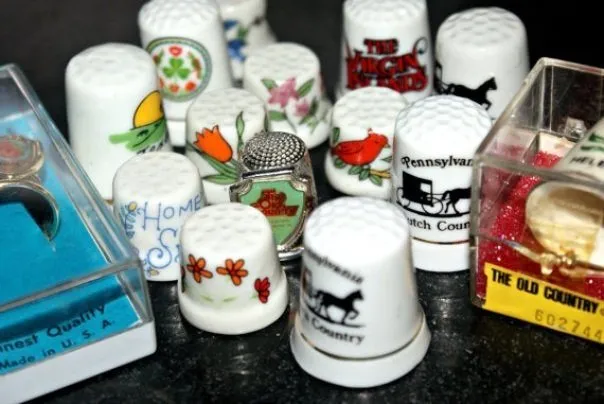 Thimbles are inexpensive and, no less importantly, take up almost no space.
By the way, thimble collectors are called Digitabulists.
Thimbles are inexpensive and, no less importantly, take up almost no space.
By the way, thimble collectors are called Digitabulists.
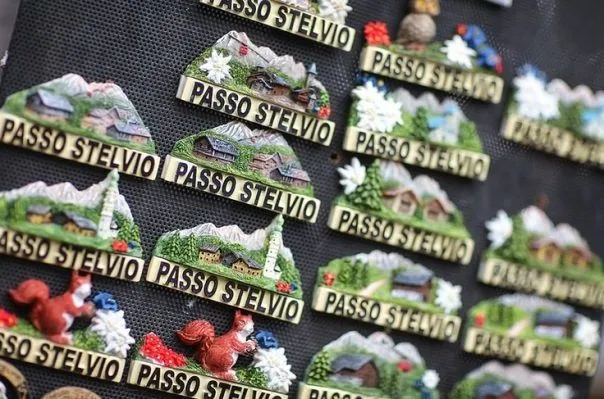 There is a huge variety of souvenir magnets. Some simply collect any magnets, while others collect strictly a certain type, for example, in the form of shoes (flip-flops, slippers, boots), a map of a country or region, with a photograph, etc.
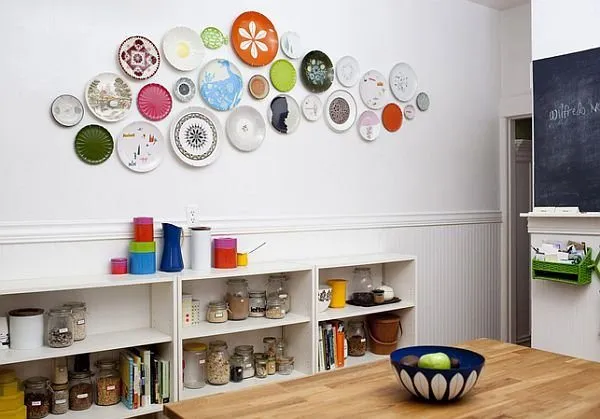 Unfortunately, this is a very fragile souvenir, so it's better to carry the plate in your hand luggage, or stock up on patience and glue :)
Souvenir plates have another drawback for collectors – they take up a lot of space.
Additionally, for the plate to stand beautifully and stably, you will need special stands and holders, which can be purchased in many souvenir shops.
Unfortunately, this is a very fragile souvenir, so it's better to carry the plate in your hand luggage, or stock up on patience and glue :)
Souvenir plates have another drawback for collectors – they take up a lot of space.
Additionally, for the plate to stand beautifully and stably, you will need special stands and holders, which can be purchased in many souvenir shops.
Sand and Shells
Sand and shells are probably the most budget-friendly souvenir option, as they are absolutely free. Sand can be conveniently stored in spice jars, small vases, and flasks.
However, you need to be careful with shells; not all shells and not from every country can be exported. The export of shells is prohibited in Indonesia, Malaysia, Egypt, Australia, New Zealand, the Seychelles, and Fiji.
Small shells are usually not a problem, but a large one, if noticed, might be confiscated.
There are also restrictions on exporting stones from archaeological digs, ancient ruins, and historical architectural monuments. This is especially strict in Greece.
Thimble
Thimbles are another passion for collectors. You've probably noticed that they are found in almost every country.
Thimbles are inexpensive and, no less importantly, take up almost no space.
By the way, thimble collectors are called Digitabulists.
Magnet
Wherever you go, you can buy a souvenir magnet. They cost pennies, but then they long remind us of unforgettable experiences every time you approach the refrigerator :)
There is a huge variety of souvenir magnets. Some simply collect any magnets, while others collect strictly a certain type, for example, in the form of shoes (flip-flops, slippers, boots), a map of a country or region, with a photograph, etc.
Postcards
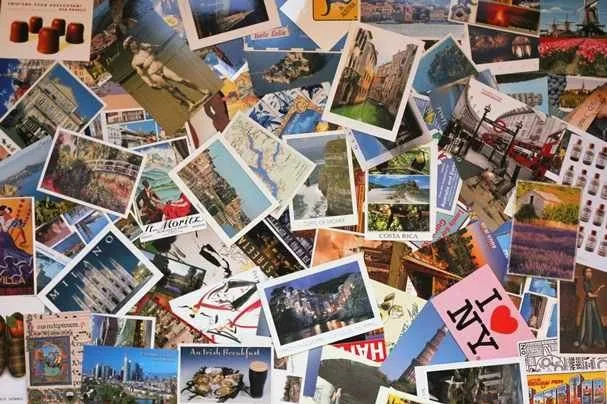
Not the most popular type of collecting, but one of the most interesting. Travelers send postcards to themselves from different countries.
They can be stored in an album, a card file, or an ordinary box. The most beautiful postcards can be framed and hung on the wall.Plates
A souvenir plate is not always a budget-friendly souvenir. Average prices for them range from 10 to 25 euros, depending on quality, material, and size, but finding them, like magnets, is not a problem.
Unfortunately, this is a very fragile souvenir, so it's better to carry the plate in your hand luggage, or stock up on patience and glue :)
Souvenir plates have another drawback for collectors – they take up a lot of space.
Additionally, for the plate to stand beautifully and stably, you will need special stands and holders, which can be purchased in many souvenir shops.