What to see in Argentina: attractions, cuisine features, and best travel seasons
Let's expand our horizons and head to another continent for a vacation in Argentina. Affordable prices for food and entertainment, picturesque nature unlike any other, and simple entry rules make it possible to plan a great trip.
Read more about this country, entry rules, and the most interesting attractions in our article. Let's take off!
When is the best time to go
The highest demand for trips to Argentina begins in summer — that is, during the period when winter arrives in the Northern Hemisphere. Therefore, the timing of your vacation depends on your goals. If you want to enjoy the country in winter, plan your trip for July or August — this is the best time to visit Iguazu Falls to avoid the heat.
Entry rules
Argentina is one of the countries where Russians do not need a visa. However, there are nuances: this rule applies if you plan to stay here for no more than 90 days. For all other cases, a visa is required, which can be obtained at the Argentine Embassy in Moscow. In addition, a passport valid for at least six months from the date of entry into Argentina will be required.
How to get there
By plane, of course. Moreover, flights to Argentina are only available with layovers, and you'll have to fly for at least two days. Yes, reality is harsh, but what can you do? On the bright side, amazing attractions, picturesque natural locations, and delicious food at reasonable prices await you.
Attractions in Argentina
February 3rd Park
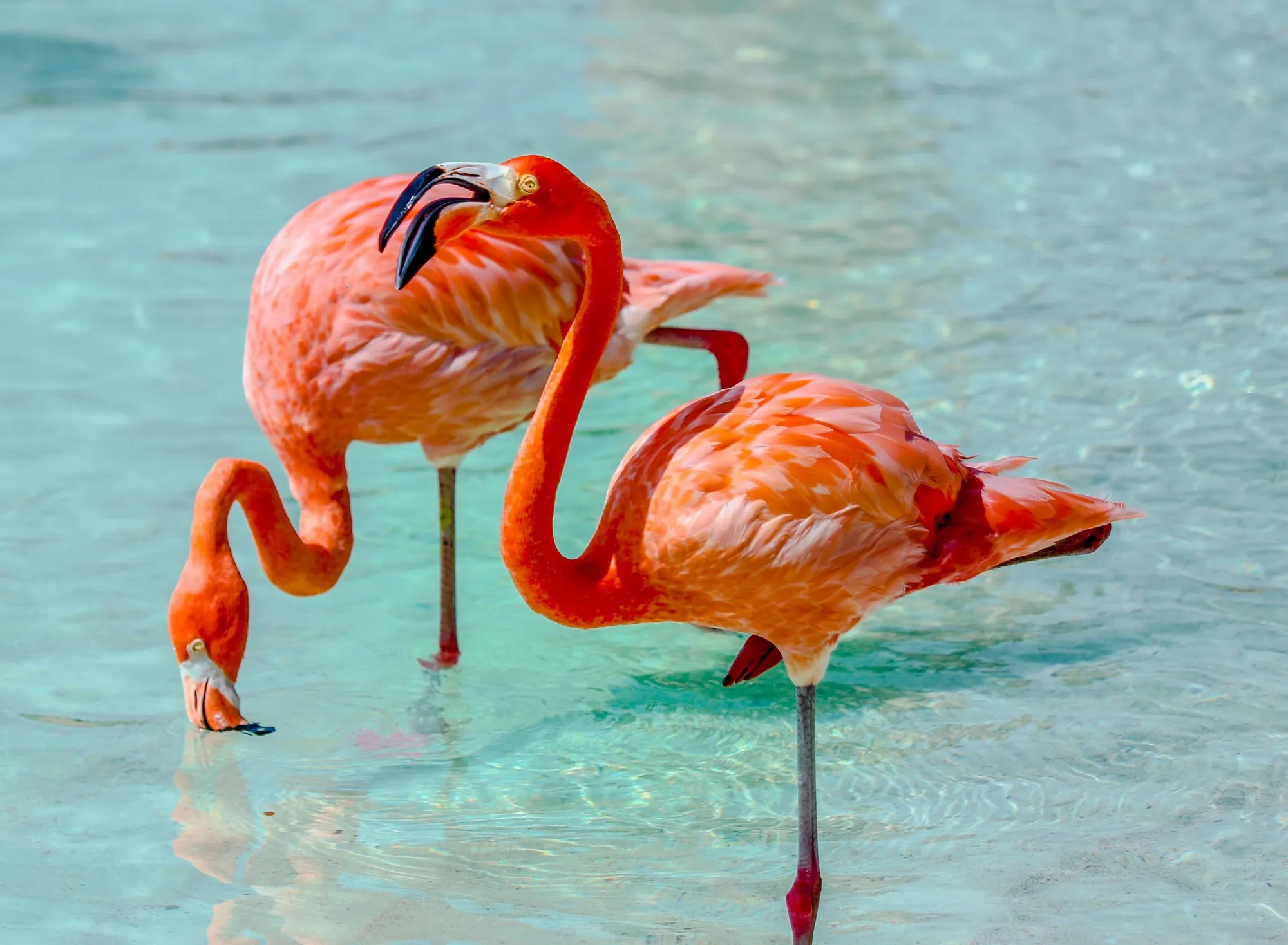
When visiting the country's capital, be sure to visit one of Buenos Aires' largest parks. In the 19th century, its territory belonged to Governor Juan Manuel de Rosas, but after his overthrow, a public space was created here. Since the 20th century, the park began to be improved: today, tourists coming here can visit the planetarium, botanical and zoological gardens, and photograph geese and flamingos by the pond. In short, if you're here for more than a day, be sure to read a book or have a picnic with friends in a place so beloved by the city's residents.
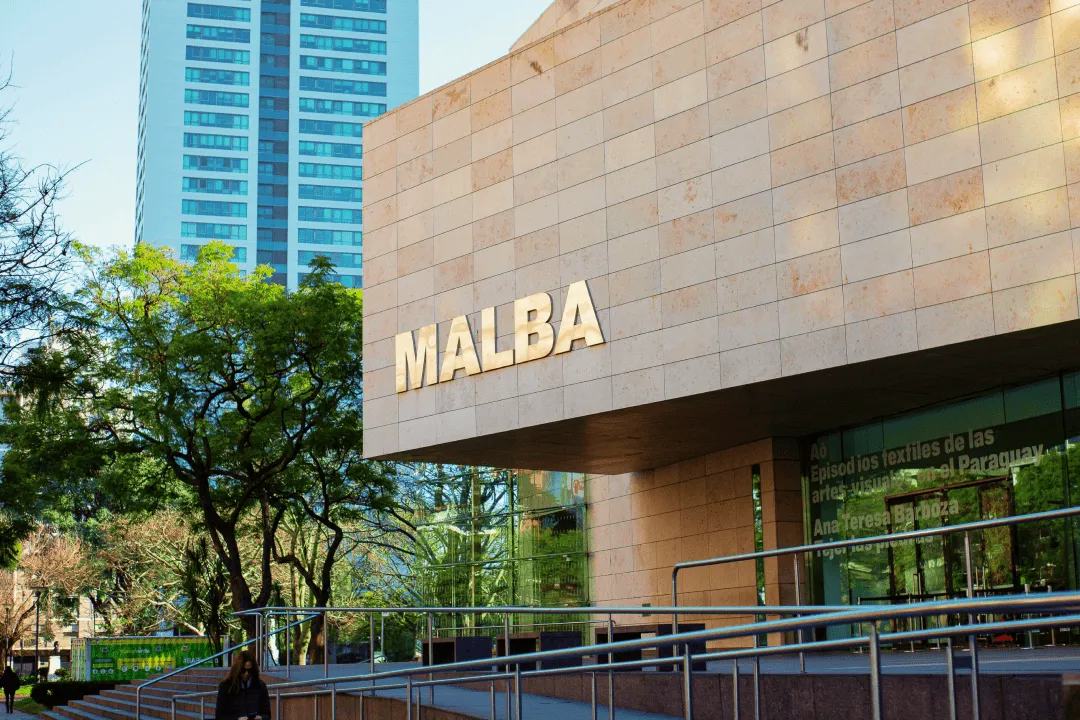
Latin American Art Museum of Buenos Aires (MALBA)
The museum is dedicated to 20th-century Latin American art, so we recommend visiting it to anyone with a passion for modern art. For a long time, millionaire Eduardo Costantini collected various art objects, and in 2001, he donated them to the museum. The greatest emphasis is placed on paintings: over 400 pieces are exhibited. The most popular artists featured here are Frida Kahlo and Antonio Berni.
La Chacarita Cemetery
This cemetery emerged due to the yellow fever epidemic in Buenos Aires at the end of the 19th century. Initially, the poor were buried there, and later, more famous Argentinians. Now, a couple of centuries later, this burial ground is considered the largest in the city, covering about 100 hectares. In general, it's very pleasant to walk through its territory: the mausoleums look like architectural art, and there are paved paths and green trees everywhere, in whose shade you can relax.
Nahuel Huapi National Park
This national park is considered to be the first in Argentina. In 1903, explorer Francisco Moreno donated a part of it to the state, and only 31 years later did the government designate a special status for these territories. Today, tourists come here to see the eponymous lake, where, according to legends, the monster Nahuelito lived. Additionally, you can admire Tronador volcano, as well as unique fauna and flora. For example, the slender-billed parakeet and the Chilean hummingbird can be found here.
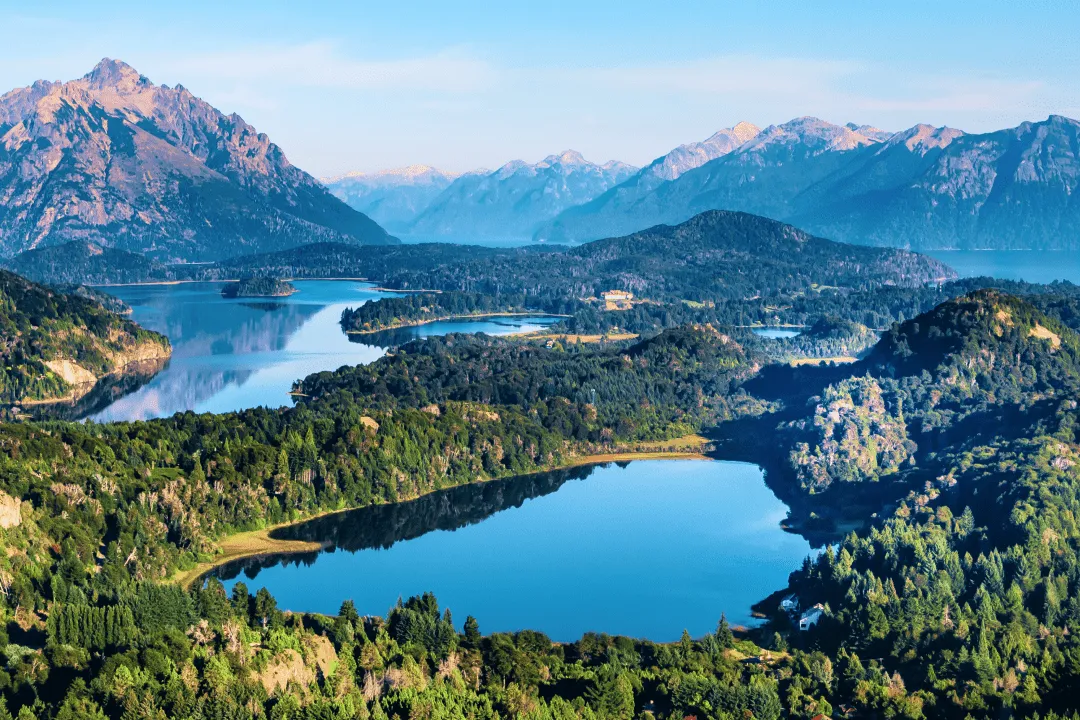
San Carlos de Bariloche
Let's head to the Río Negro province, at the foot of the Andes. Bariloche is also called "Argentine Switzerland," meaning the city is perfect for active recreation. It hosts the largest ski resort on the continent. Besides skiing and rides, you can endlessly stroll among charming houses, eat local chocolate, and party, if that's your thing. Bariloche has an airport, so we recommend flying to Argentina's capital and then quickly taking a plane to the city.
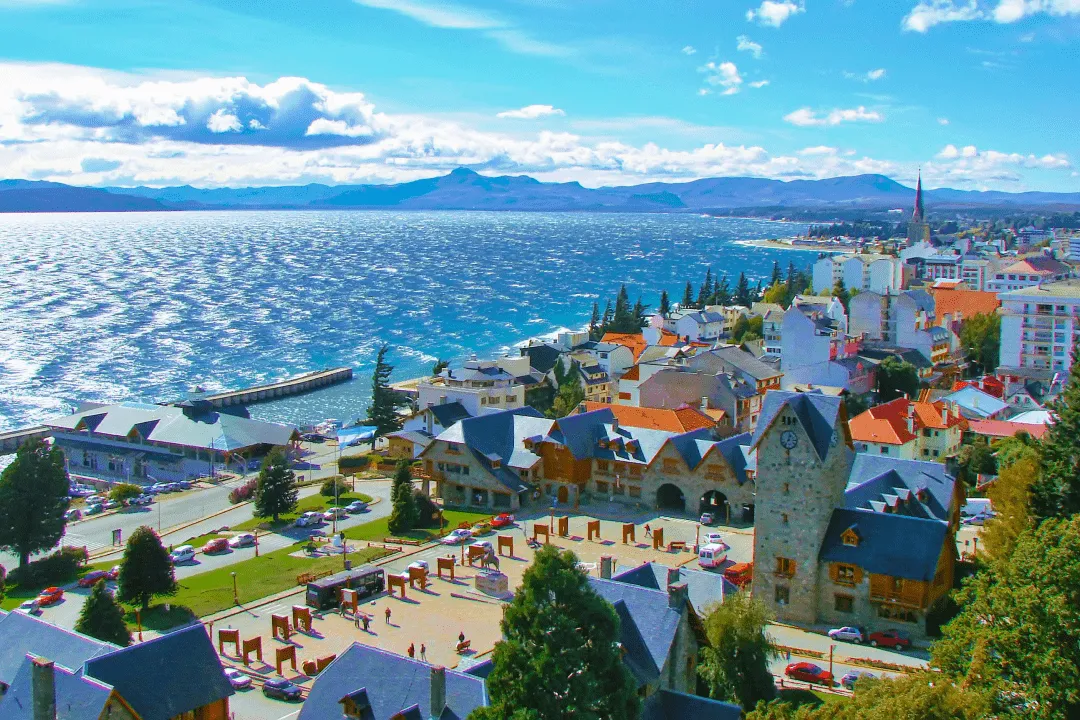
Cueva de las Manos (Cave of the Hands)
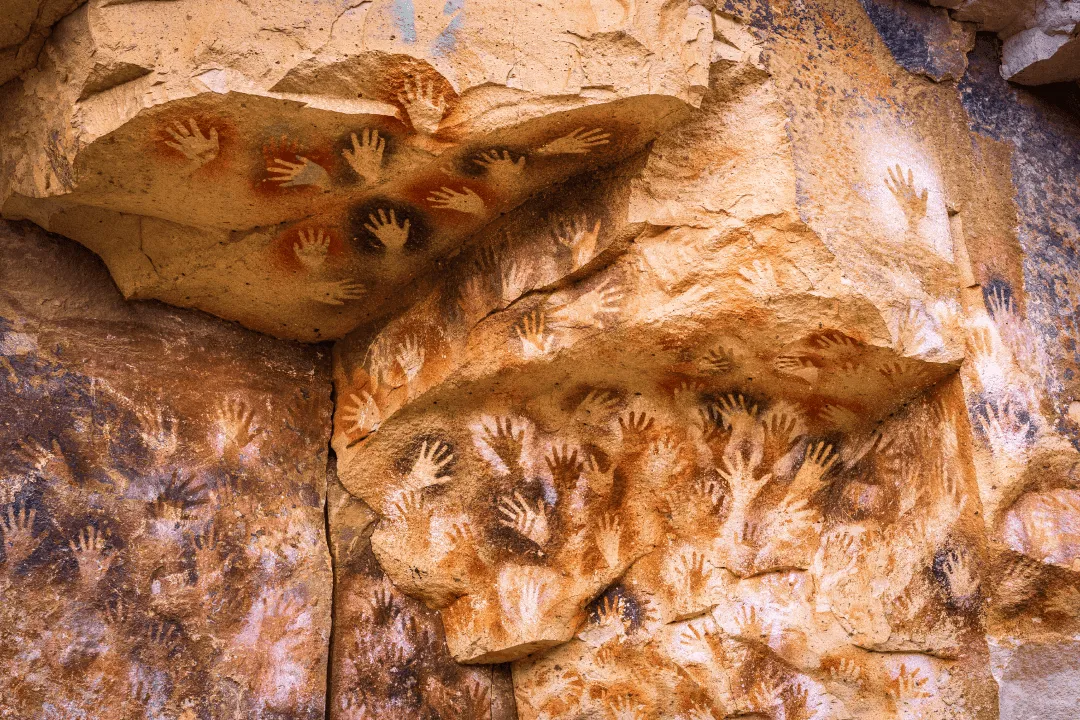
The cave is located in Santa Cruz province, in the south of the country. The name of this natural attraction translates to "Cave of the Hands." This is because traces of human palms were found on its walls, the oldest of which were left approximately 12,000 years ago. Despite this, the site was only discovered in the mid-20th century, and it was included in the UNESCO World Heritage list only in 1999.
Puente del Inca (Inca Bridge)
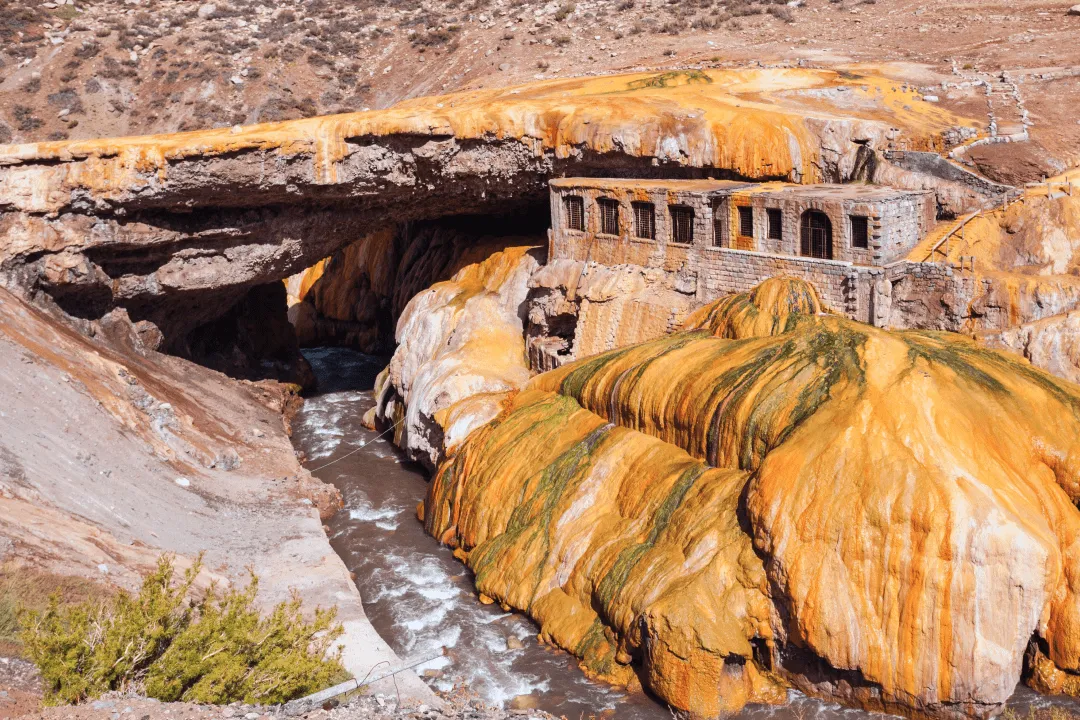
Scientists believe that this geological formation in the form of a bridge appeared due to avalanches and rockfalls. The location is approximately 200 km from the city of Mendoza, in the middle of the Andes mountains. During the colonial era, the Inca Bridge was used as a transport corridor connecting the Pacific and Atlantic oceans. By the way, in the eponymous village nearby, there are geothermal springs whose waters are now used to apply patina (a copper coating) to sculptures. So the place is not only incredibly picturesque but also rich in history.
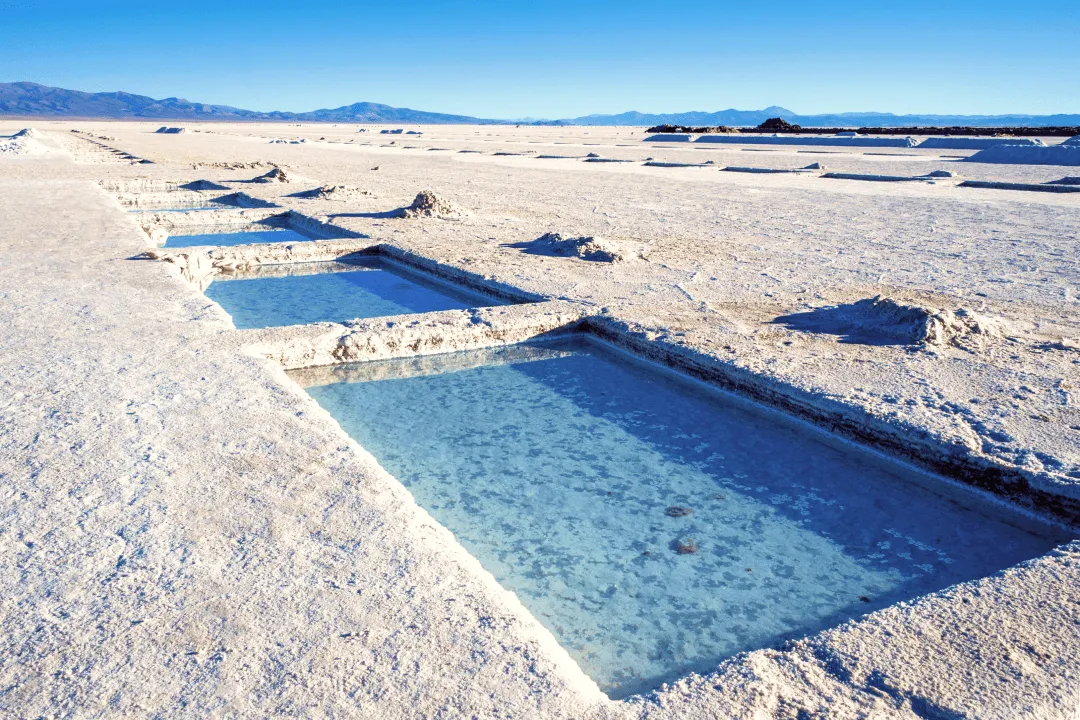
Salinas Grandes Salt Flat
Imagine: you are standing in the center of a 250 km long desert covered in salt. This fantasy can certainly come true if you travel to Jujuy province, in the northwest of the country. The best time to visit is during the Southern Hemisphere's winter, which is summer there. This is because during this period, it rains in Salinas Grandes, and water droplets, falling on the salt flat, create a beautiful mirror-like surface.
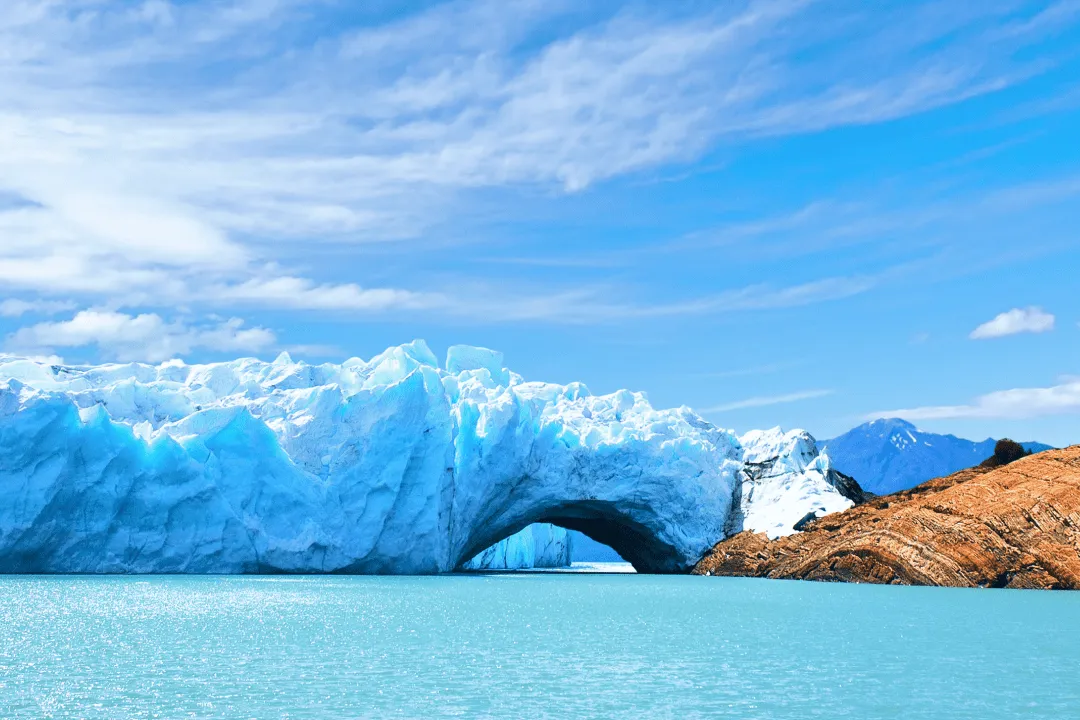
Perito Moreno Glacier
This blue glacier is located in Los Glaciares National Park, on the border with Chile. The height of the ice cliff, covering an area of 250 sq.m., is 60 meters. Since Perito Moreno is included in the UNESCO World Heritage list, its ecological state is very carefully monitored. You can admire the glacier only from a viewing platform. By the way, the drive from El Calafate airport to the national park is not long, about 80 km. So the most adventurous can go straight from the ship to the ball.
Where to stay
In reality, it all depends on the type of vacation you are planning. The largest number of hotels are located in Buenos Aires. However, it's worth noting that they will be the most expensive here. But definitely cheaper than alternative options in Europe.

Villa del Cielo
A country house in Jujuy province for those who want to retreat to the highlands. Each room has its own veranda with views of the Quebrada de Humahuaca valley. Overall, a very picturesque place for a vacation.
Selina Nueva Cordoba
An excellent option for those visiting Cordoba. Despite being a hostel, the service here is good. Guests note that the reception staff are very friendly, it's always clean, each room has a themed interior, and there's also a bar. Sarmiento Park and Plaza España are nearby.
Carsson Hotel Buenos Aires 4*
The hotel is located in the heart of the capital. It features beautiful interiors, spacious rooms, and a buffet breakfast. Within walking distance of the hotel are the National Museum of Buenos Aires, Recoleta Cemetery, and cozy restaurants.
Loi Suites Iguazú Hotel 5*
Finally, we've saved an option for a luxurious getaway. Guests are offered the chance to have a splendid time in a cozy hotel, surrounded by subtropical forest next to Iguazu Falls. As expected, guests have access to a spa, a fine dining restaurant, a gym, and even emergency medical assistance at the snap of a finger.
Cuisine features
In Argentina, wine and meat are highly favored. So be prepared to try many steaks. However, if you are a vegetarian, there's no need to be sad — the country has an abundance of fresh fruits and vegetables. Additionally, you can visit Italian restaurants, which are popular in Argentina. Just keep in mind that Argentinians dine late, so plan to book a table in advance and head to dinner closer to 8:00 PM.

General tips for a trip to Argentina
- You can stay in Argentina for up to 90 days without a visa. If you know you will be staying longer, we recommend contacting the Argentine Embassy in Moscow immediately.
- It's best to have round-trip tickets immediately to confirm your return from the country. This may sometimes be required.
- There are no direct flights to Argentina, only with layovers. Moreover, the flight will be quite long, so prepare for it wisely. Be sure to read our blog about what medications you can carry on a plane.
- Remember that summer in Argentina begins when winter arrives in the Northern Hemisphere. Just in case.
- The main language in the country is Spanish. In tourist cities, you will likely be understood in English, but it's always best to have an offline translator app on your smartphone.
- The national currency is the Argentine Peso. As of January 2024, 1 peso = 9.2 rubles.
- We recommend keeping valuables deep inside your bag. In some areas of the country, there are pickpockets whose attention can easily be attracted by displaying money or expensive electronics.
We wish you a great vacation in Latin America! If you decide to travel further north after this trip and conquer another continent, read our article on how to get a US visa. After all, unlike Argentina, visa-free travel is unfortunately not available there.
Good luck!