What Tour Guides Don't Talk About?
Do you like engaging excursions? Everyone loves them. And what spices up the list of historical facts about a landmark? Legends, of course! We've tried to gather interesting legends about some landmarks and places. Next time, you'll be able to impress your tour guide.
Beauty Demands Sacrifices
Anyone who has been to Notre Dame Cathedral in Paris has surely seen the incredibly beautiful sculpted gates. The work of making them was entrusted to a blacksmith who was so worried he wouldn't be able to create something worthy that he made a pact with the devil himself. He turned to him the day before the sketches were due, and in the morning, the clergyman found the blacksmith dead and the finished gates with an enchanting pattern. Rumor has it that despite the blacksmith's death, the flame in his forge continued to burn for some time, and the tools worked on their own.
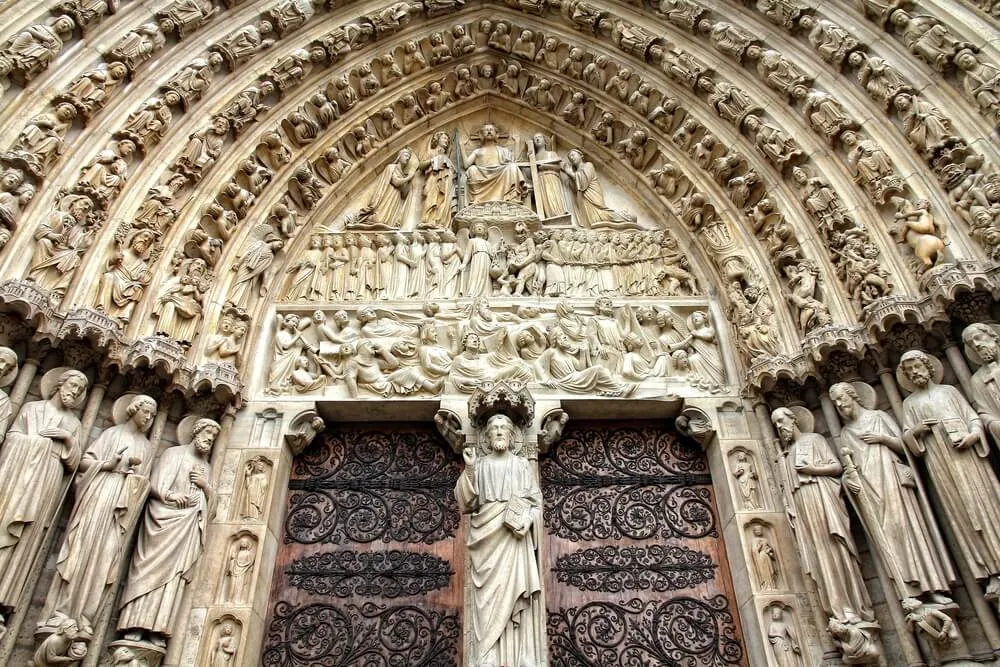
The gates were so beautiful that it was decided to keep them. However, to open them, holy water had to be sprinkled on the lock. And no one has yet understood how they were made, as the gates resemble neither cast nor forged work. And no one has been able to replicate the pattern to this day.
A Stone for Every Soul
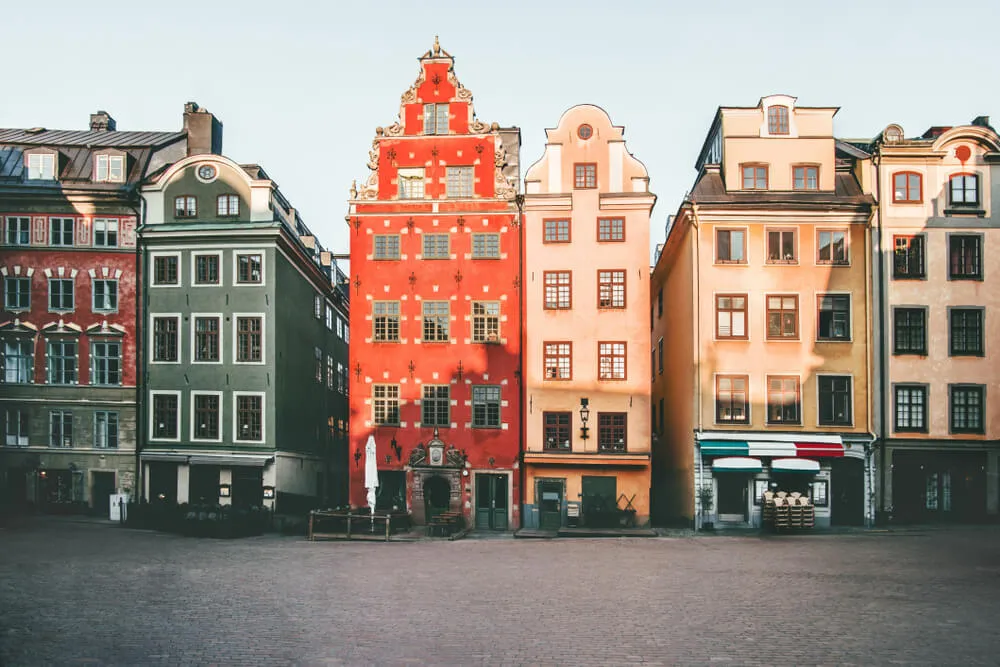
This legend takes us to Stockholm, to Stortorget square in the Old Town. Many of us have walked through it and admired the colorful houses. In this story, we'll talk about the red house with white stones around the windows – it's unique there, you can't miss it. But few know that something called the 'Stockholm Bloodbath' happened in this square.
Here's the story. In 1520, Danish King Christian II decided to be crowned on the Swedish throne, while the true heirs were desperately fighting the Danes for independence. Christian II said he would forgive everyone if the Swedes let him into the city and recognized him as their king. This was the lesser of two evils, and the people agreed.
A feast was held in the Royal Castle as a reconciliation. But the newly crowned king tricked everyone and locked all the guests in the castle, declaring them traitors. Then, for three days, he executed all the men in this very square and took the women to Denmark.
And what about the house? The red house is unofficially called the 'Bloody House,' and the white stones are the souls of the innocent nobles who were executed in the square then. You can count them next time; there should be at least 92.
The Cambridge Head
Many of us have surely dreamed of studying at Cambridge. A large dormitory in a castle, libraries with staircases and high ceilings, antique furniture – just like in a movie about a famous wizard. But the university has its own skeletons in the closet. For example, the ghost of Oliver Cromwell's head. They say it has been flying through the university corridors for centuries, searching for its body.
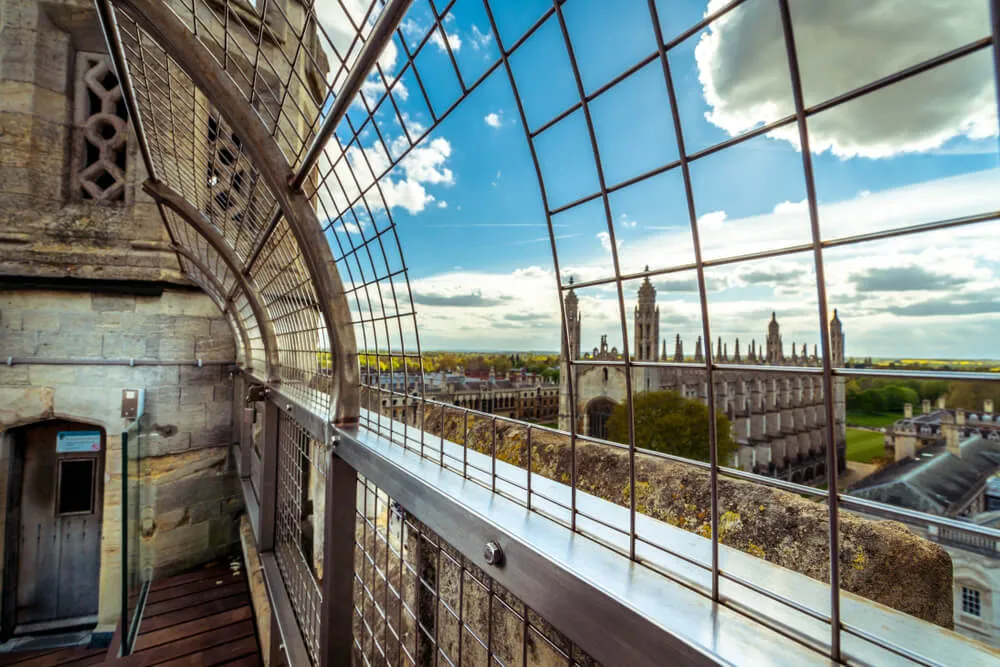
The thing is, Cromwell died in 1658, and a couple of years after the monarchy was restored, his body was exhumed, then executed by hanging, and after that, he was also beheaded. For a long time, the head was displayed in one of the halls of Westminster Palace, and later it was buried in a Cambridge chapel. That's where it has been ever since.
Woman, Don't Cry
The coasts of Latin America and Mexico attract tourists from all over the world like magnets. Whether it's a resort beach or, on the contrary, a quiet patch of sand in some coastal village – tourists find it interesting everywhere. But there's one unsettling legend that will add a touch of mysticism to your vacation. This is the story of the Weeping Woman, or La Llorona.
Long ago, in a village, lived a peasant woman named Maria. The girl was of unseen beauty and knew for sure that she deserved an equally handsome husband. And he didn't keep her waiting. One day, a young man rode into the village; rumors of his bravery had long spread, and songs were sung of his beauty. They noticed each other and, of course, got married, and two beautiful children were born to them.

But after some time, Maria ceased to interest her husband, and after long journeys, he devoted his time and attention only to the children. Maria became enraged, and during one of her husband's absences, she drowned them. But she soon realized the horror she had committed and ran along the river for a long time searching for her children, and soon she herself disappeared without a trace.
Since then, along riverbanks and coasts, one can hear a quiet weeping and see the ghost of a woman in white attire. This is Maria searching for her children. Therefore, if you are vacationing in those parts with your family, keep a close eye on your children. What if?