What types of meal plans are there in hotels
 Polina
Choosing a meal plan in a hotel is a strategic decision that affects the trip budget no less than the cost of the flight. A mistake here can lead to two extremes: either you'll be tied to the hotel's schedule in a city where gastronomic masterpieces are prepared on every corner, or, conversely, you'll go broke on water and lunches in a secluded resort hotel. In travel vouchers, the meal plan type is always encrypted with abbreviations. To ensure you don't get confused when booking, we've compiled a detailed guide to these mysterious letters, opting for a detailed breakdown instead of dry tables.
RO, AO, BO: freedom from schedule
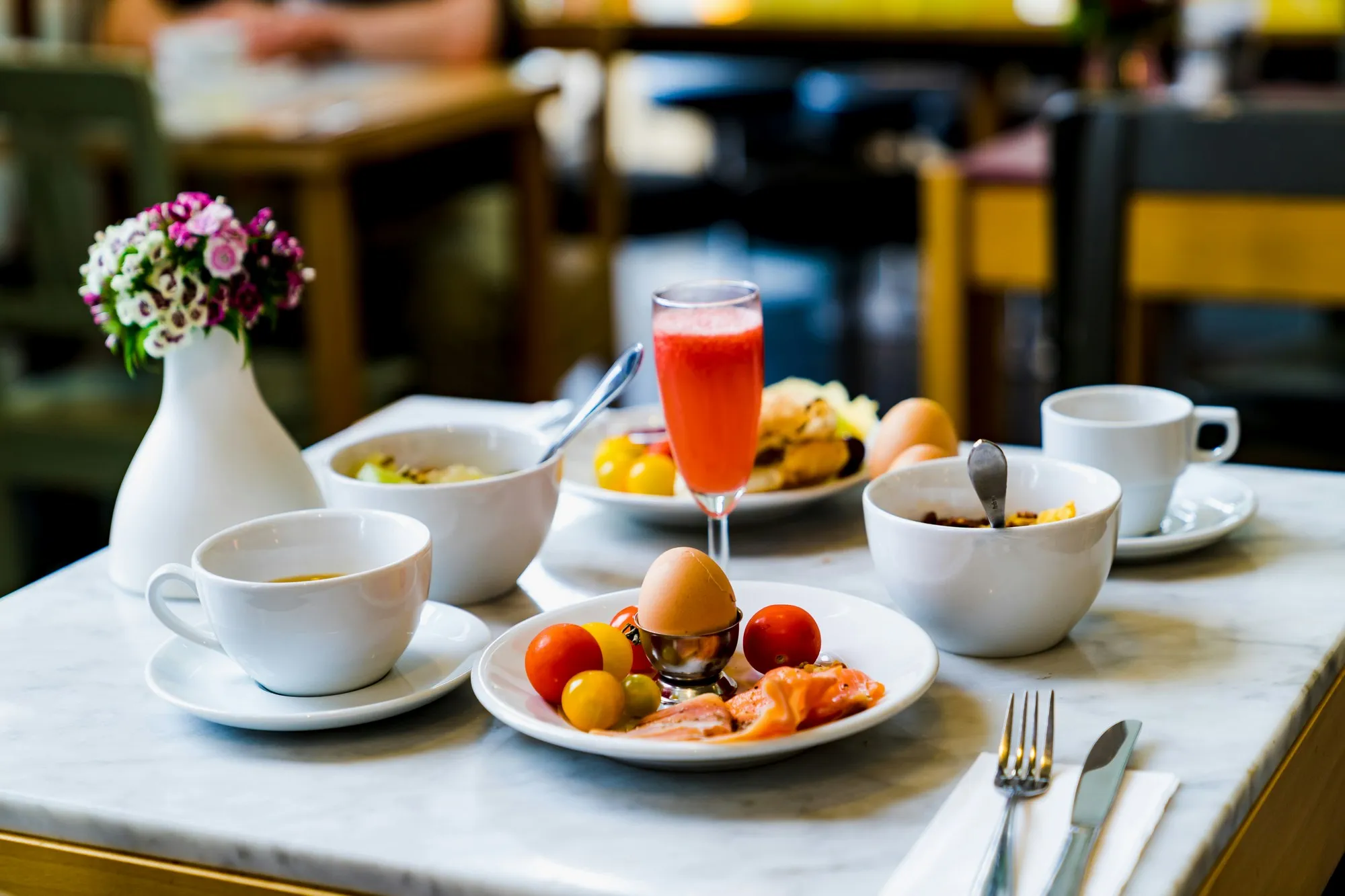
These abbreviations (Room Only, Accommodation Only, Bed Only) mean the same thing: you pay exclusively for accommodation. Not even a cup of morning coffee is included in the price. This is an ideal choice for active travelers, "night owls" who can't wake up for breakfast, and gastronomic enthusiasts. You should choose this meal plan if you are going to a city hotel in Europe or Asia, where there are plenty of bakeries and authentic cafes around. There's no point in overpaying the hotel if you can eat the freshest croissant or a plate of noodles twice as cheap just around the corner. For example, if you decide to buy tickets to Bangkok on Kupi.com, feel free to choose this option – you'll save money and get more impressions from the local cuisine. However, be careful: in some budget hotels with this rate, there might not even be a kettle in the room.
BB: fuel to start the day
The most common format is Bed & Breakfast. Here you are guaranteed to receive a morning meal, and drinks (tea, coffee, juices, water) are included in the price. But here lies the main nuance: breakfasts can vary. If you see the abbreviation CBF (Continental Breakfast), prepare for asceticism. A continental breakfast usually consists of coffee, toast, butter, jam, and possibly pastries. It's hard for an adult to feel full with this.
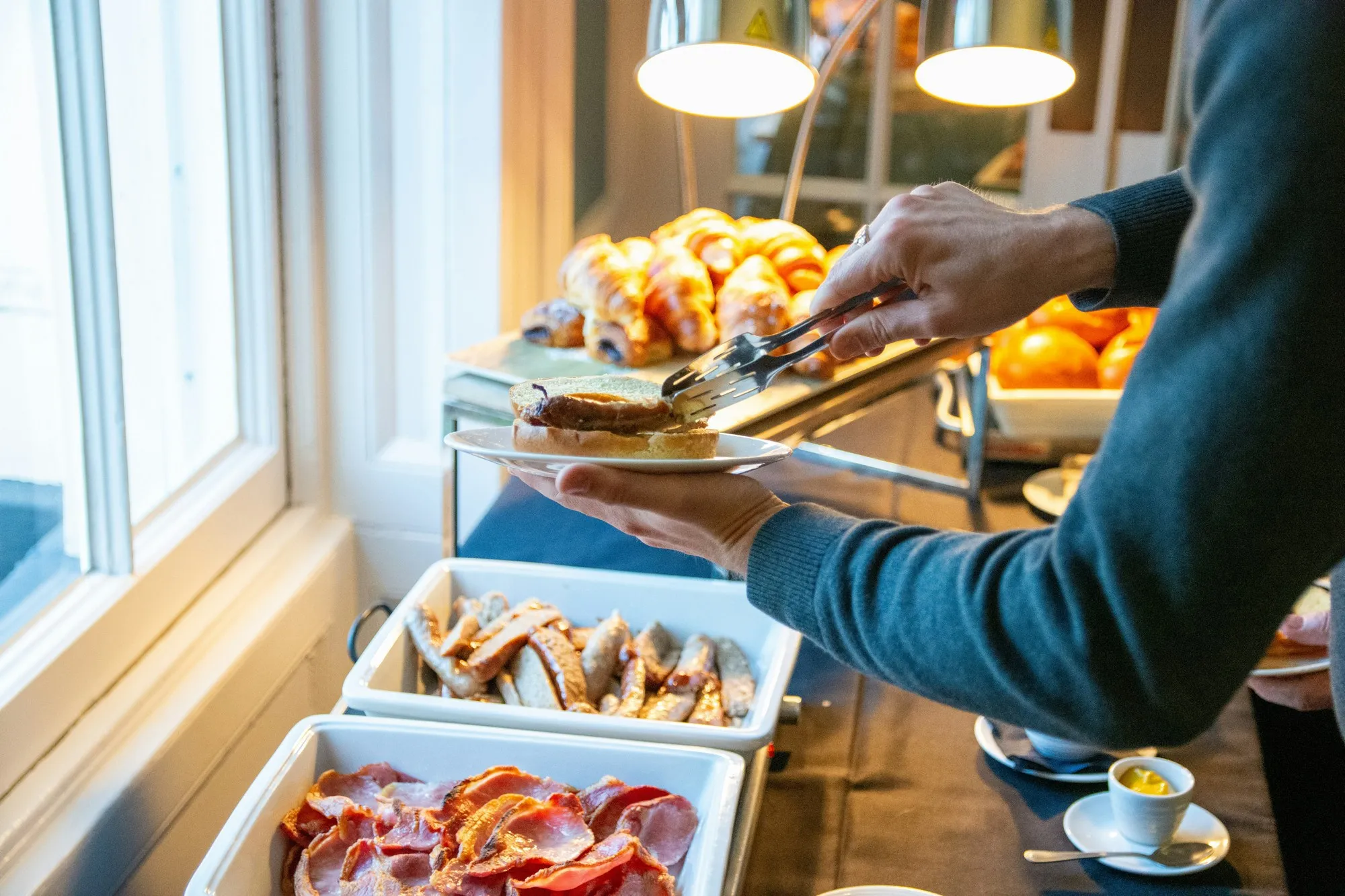
Another matter is Buffet Breakfast. This is a full meal with eggs, sausages, vegetables, fruits, and hot dishes, after which you can confidently go for a long walk. The BB format is ideal for sightseeing holidays when you leave the hotel in the morning and return only to sleep.
HB: the golden mean with a catch
Half Board implies two meals a day. Traditionally, this is breakfast and dinner. This is a very convenient format for those who spend the whole day on the beach or traveling, but want to be guaranteed a meal at the hotel in the evening, without wasting energy searching for a restaurant in the dark. In some hotels (for example, in the UAE or Spain), the administration is accommodating and allows changing dinner to lunch if you notify the reception in advance.
The main "pitfall" of half board, which beginners often forget: drinks at dinner are always paid. In the morning you drink coffee for free, but in the evening you will have to pay separately for any glass of water, soda, or wine, and at restaurant prices. Bringing your own drinks into the restaurant is usually strictly forbidden. The exception is the rare HB+ format, where locally produced drinks are included in the dinner price, but this is always specified separately.
FB: sanatorium mode
Full Board includes three full meals: breakfast, lunch, and dinner. This is the choice for those who love stability and a clear daily routine. This format is often chosen by families with small children, for whom it is important to eat at regular times with familiar food, or by tourists going to secluded hotels where there is no infrastructure outside the gates.
As with half board, drinks at lunch and dinner will most likely be paid. Full board ties you to the hotel grounds: you won't be able to spontaneously go on an excursion for the whole day without losing your paid lunch. However, sometimes hotels offer to replace a missed meal with a lunch box (packed meal), but its contents often leave much to be desired.
AI and UAI: carefree and "All Inclusive"
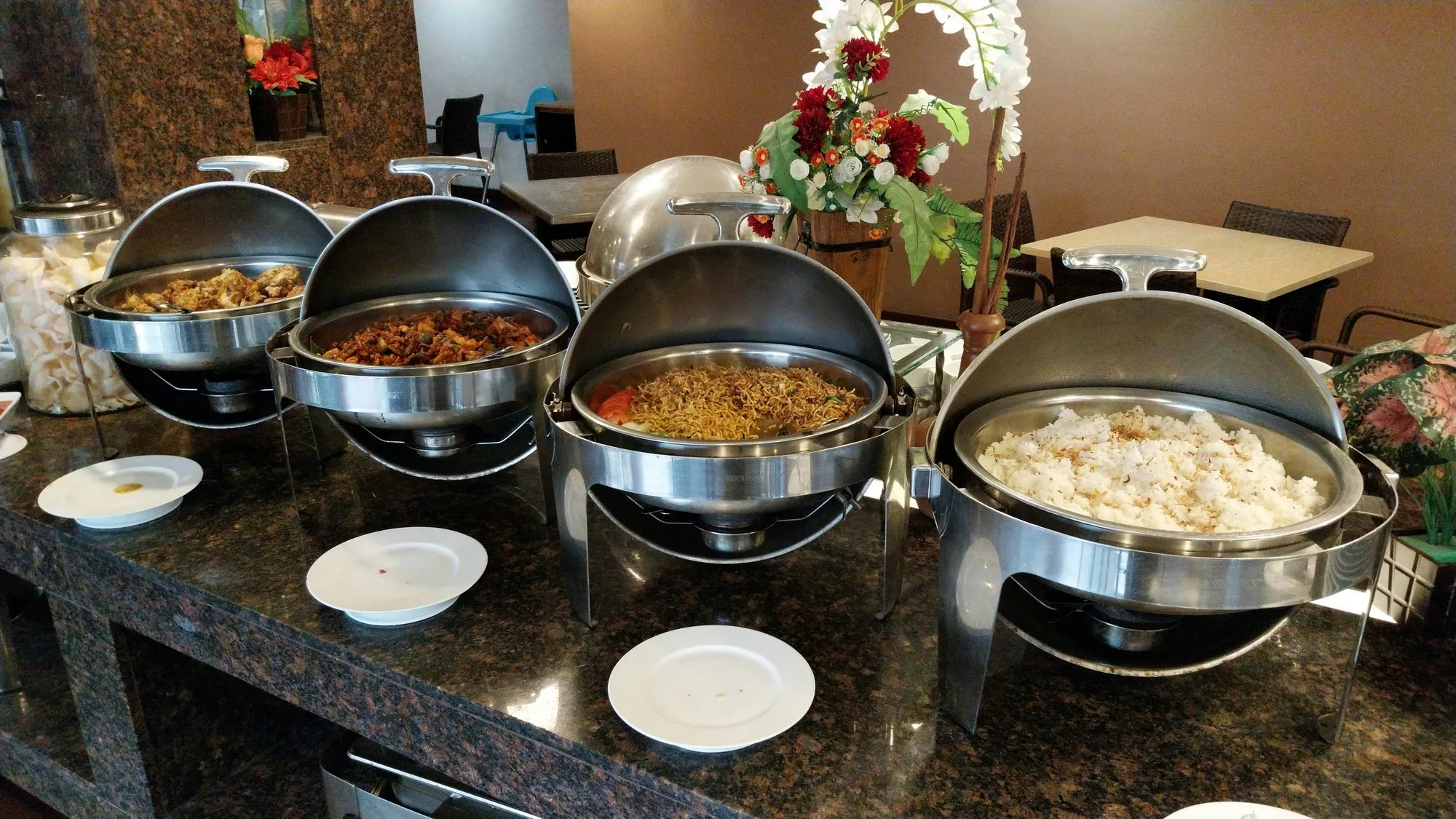
The All Inclusive (AI) system is the dream of any tired tourist. The principle of complete relaxation applies here: "forget your wallet in the safe." The price includes three meals a day (buffet), snacks throughout the day (snack bars, flatbreads, ice cream), and most importantly, locally produced drinks in unlimited quantities. Usually, the system operates from early morning until 23:00 or midnight. This format is simply essential if you are looking for tickets for the Moscow – Antalya route, Hurghada, or Punta Cana, as food prices in the tourist areas of these resorts can be inflated.
The improved version is Ultra All Inclusive (UAI). The main difference between "Ultra" and simple "All Inclusive" is the quality of alcohol and operating hours. UAI includes imported drinks (real whiskey, vermouth, rum from famous global brands, not local analogues), food is available almost around the clock (including late-night soup or early breakfast before departure), and the mini-bar in the room is replenished daily for free. This format should be chosen by those who plan to spend their entire vacation on the hotel grounds, appreciate a high level of service, and do not want to limit themselves in any way.
How to make the right choice?
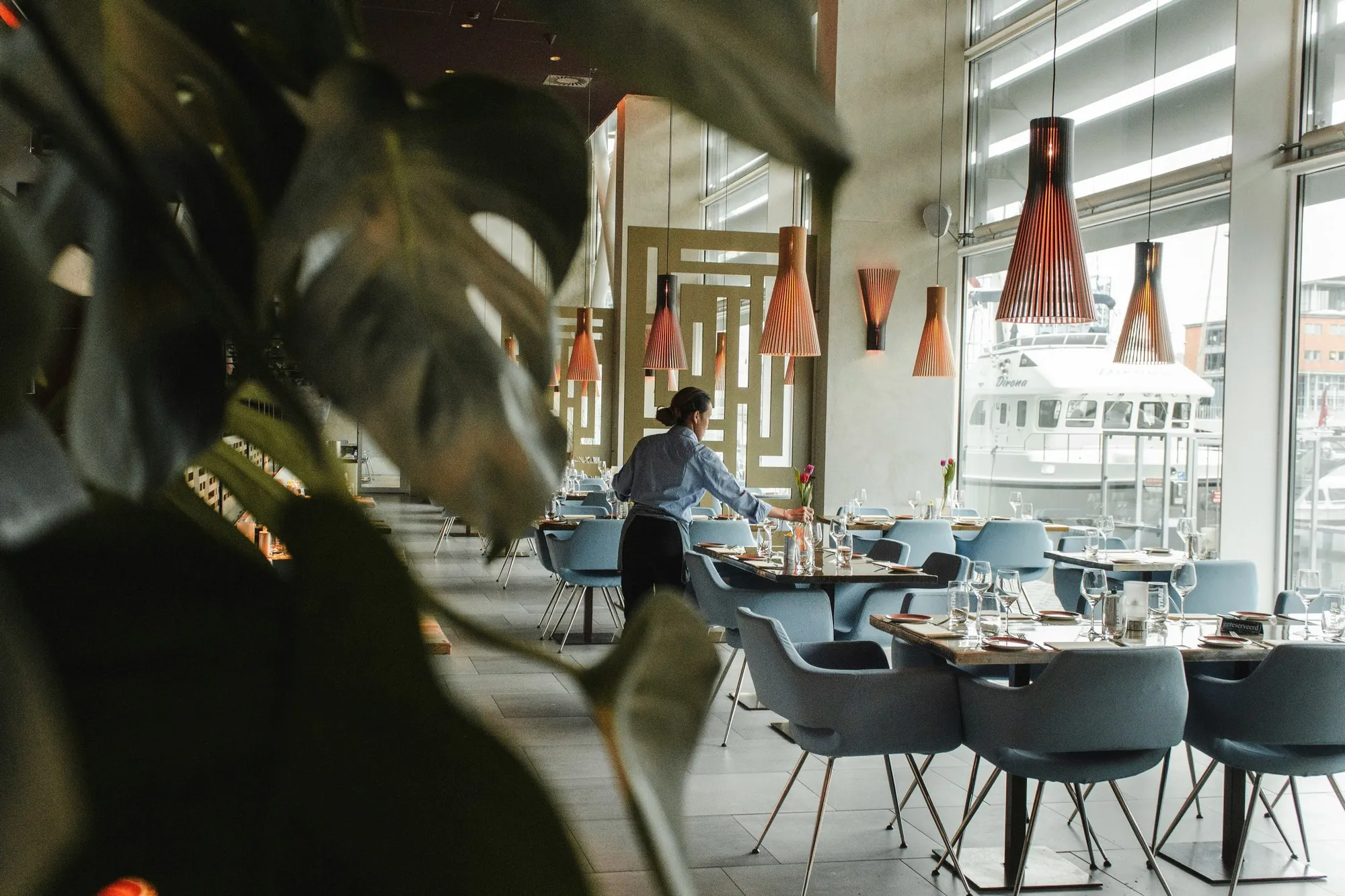
First and foremost, focus on the geography and purpose of your trip. If you're flying to a gastronomic country like Georgia or Italy, choosing "All Inclusive" is a crime against local cuisine; it's better to stick to breakfasts. However, in the Maldives or secluded Caribbean resorts, full board or "all inclusive" will save your budget, as there simply might not be alternatives to the hotel restaurant there.
Now that you understand meal plan types as well as a professional hotelier, all that's left is to buy affordable tickets for the Moscow – Dubai route or any other resort, to make your vacation delicious and comfortable.