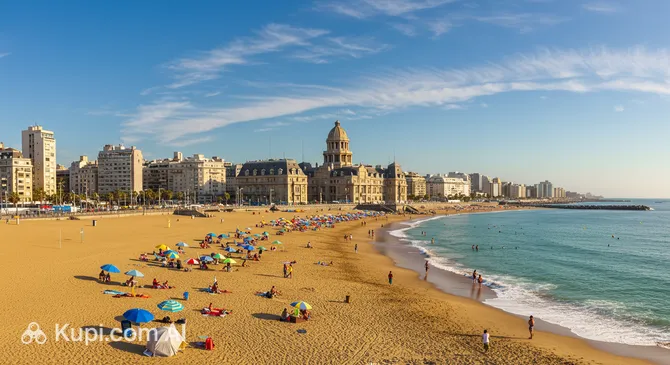
Welcome to Mar del Plata, the most iconic seaside resort in Argentina. Often affectionately called "La Feliz" (The Happy City), this vibrant metropolis combines the relaxing atmosphere of a beach town with the energy of a major urban center. Located on the Atlantic coast of the Buenos Aires Province, it serves as a favorite summer getaway for locals and international visitors alike, boasting a significant permanent population of over 680,000 residents.
Mar del Plata. Illustration.
Source: Kupi.com AI
The city offers a unique blend of architectural styles and cultural richness. Exploring the history of Mar del Plata reveals its fascinating transformation from an exclusive retreat for the aristocracy in the early 20th century to a beloved destination for travelers from all walks of life. Visitors can still admire the majestic Victorian-style villas in the Los Troncos neighborhood, which stand in charming contrast to the modern skyline along the coast.
Travelers are drawn to the city's extensive coastline, which features lively beaches like Playa Bristol and the wider stretches of Punta Mogotes. A stroll along the famous Rambla is a must, where you can see the monumental Casino Central and the iconic Stone Sea Lion sculptures, which have become the undisputed symbol of the city. Beyond the beaches, the bustling fishing port offers a chance to watch colorful boats return with their catch and taste some of the freshest seafood in the country.
Whether you are looking to enjoy world-class theater productions, try your luck at the casino, or simply relax by the ocean, Mar del Plata promises an unforgettable experience. Plan your visit to discover why this coastal gem remains a top choice for anyone seeking sun, culture, and entertainment.
Weather Overview
Mar del Plata experiences a temperate climate with distinct seasonal changes, offering a refreshing coastal atmosphere throughout the year. The summer months of January and February are the warmest, featuring average temperatures around 21°C and daily highs reaching up to 26.6°C, which creates ideal conditions for enjoying the city's famous beaches.
As the seasons transition, the climate becomes cooler. Travelers planning a visit during the off-season should consult the forecast for weather in Mar del Plata, as winters from June to August can be quite cold. During this period, average temperatures drop to between 8.9°C and 10.1°C, with lows occasionally falling to 5.6°C in July.
Rainfall is moderately frequent but generally light, with about 7 to 10 wet days per month year-round. Expect warm summers with occasional rain and cold, drier winters, making it important to pack layers to stay comfortable while exploring the outdoors.
Average monthly temperature
Average monthly precipitation
Interesting Facts
Beyond the sun-soaked beaches and bustling promenades, Mar del Plata holds a treasure trove of fascinating stories and unique features. Dig a little deeper into the city's heritage to uncover these surprising details that many visitors might miss.
The elegant Villa Victoria Ocampo Cultural Center is an architectural marvel that was not built on-site; the entire wooden structure was prefabricated in England and shipped to Argentina in 1912 to serve as a summer residence for the renowned writer Victoria Ocampo.
Perched on the city's highest point, the Torre Tanque may look like a medieval Tudor castle, but it actually functions as the city's main water reservoir, holding millions of liters of water while offering panoramic views from its observation deck.
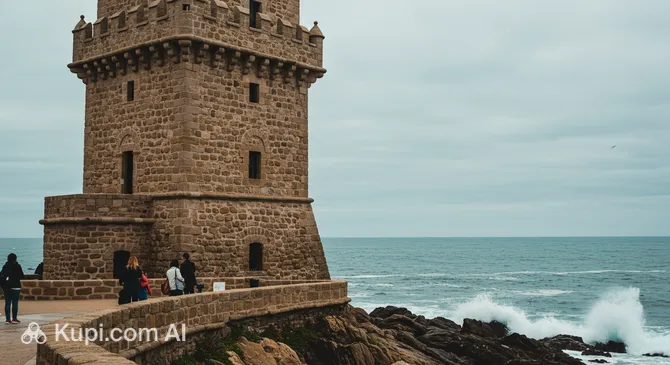
One of the city's most photographed landmarks, the Torreón del Monje, was donated by a wealthy aristocrat in the early 20th century and is steeped in local legends involving a soldier, an indigenous woman, and a tragic romance.
The city is the proud hometown of Emiliano "Dibu" Martínez, the World Cup-winning goalkeeper; a statue in his honor, the Monument to 'Dibu' Martínez, now stands near the coast to celebrate his achievements and connection to the local community.
Torreón del Monje. Illustration.
Source: Kupi.com AI
Traveler photos:
How to Get There
Reaching the "Pearl of the Atlantic" is quite convenient, with options ranging from air travel to land transport. Whether you are coming from Buenos Aires or other parts of the country, you can find detailed information on all ways to reach the city to plan your journey effectively.
For those preferring the speed of air travel, the city is served by Mar del Plata Airport (IATA: MDQ), also known as Ástor Piazzolla International Airport. Located directly in Mar del Plata, this facility handles a significant number of domestic flights, particularly during the summer season. The airport is situated approximately 8.4 km from the city center. A trip by taxi or transfer usually takes about 35 minutes, depending on traffic conditions. While it is a regional hub with moderate passenger traffic, it offers a comfortable and quick gateway to the coast.
For clarity, here is a summary of the main airport:
In addition to flying, many visitors choose to arrive by land. Mar del Plata is well-connected to Buenos Aires and other major cities by an extensive network of long-distance buses and a reliable train service. The railway journey from Constitution Station in the capital is a popular and scenic choice for many travelers, offering a relaxed way to transition into vacation mode.
Main Attractions
Mar del Plata is packed with diverse attractions that go far beyond its sandy shores. From architectural landmarks to encounters with marine wildlife, the city offers memorable experiences for every type of traveler. Exploring these key sites provides a deeper understanding of the local culture and the natural beauty that defines this Atlantic gem.
One of the most recognizable symbols of the city is the Central Casino. Designed by the renowned architect Alejandro Bustillo, this monumental building forms part of a grand coastal complex alongside the Provincial Hotel. Even if you are not interested in gambling, the structure itself is worth a visit for its impressive brick and stone facade, which dominates the skyline near Bristol Beach. Inside, the opulent decor transports visitors back to the glamorous era of the mid-20th century.
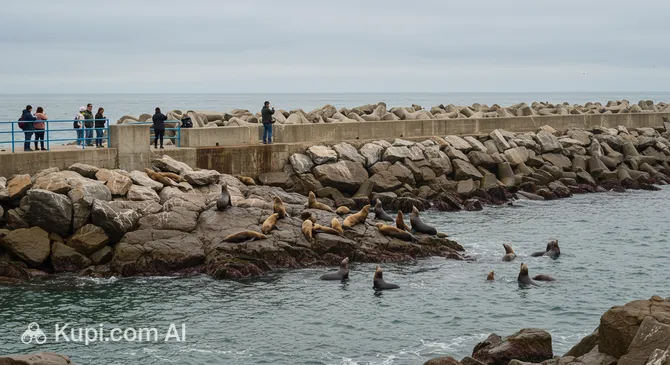
Nature lovers should not miss the chance to visit the Mar del Plata Sea Lion Reserve located at the city's port. This colony of South American sea lions has become an integral part of the local identity. Visitors can observe these charismatic animals resting on the docks and swimming in the surrounding waters. It is a unique opportunity to see wildlife in an urban setting, just a short distance from the bustling fishing boats and seafood restaurants.
Mar del Plata Sea Lion Reserve. Illustration.
Source: Kupi.com AI
Traveler photos:
For a full day of family entertainment, the Mar del Plata Aquarium is an excellent choice. Situated near the Punta Mogotes lighthouse, this expansive park features a wide variety of marine species, including dolphins, penguins, and sharks. The aquarium also plays a vital role in the rehabilitation of marine fauna, offering educational programs that highlight the importance of conservation while providing exciting shows for visitors of all ages.
Those interested in art and history will find the Juan Carlos Castagnino Municipal Art Museum to be a delightful stop. Housed in the Villa Ortiz Basualdo, a picturesque summer residence built in 1909, the museum showcases a superb collection of works by the Argentine master Juan Carlos Castagnino and other national artists. The building itself, with its distinct northern European style and preserved period furniture, offers a glimpse into the lifestyle of the aristocracy who once vacationed here.
Local Cuisine
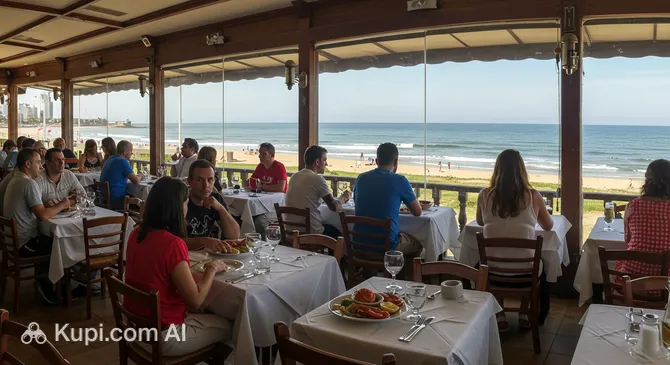
Mar del Plata is widely regarded as the gastronomic capital of the Argentine coast, offering a culinary scene that is as diverse as it is delicious. As the country's most important fishing hub, the city is naturally famous for its exceptional seafood. A visit to the "Puerto" (Port) area is a ritual for food lovers, where you can feast on fresh catches of the day. Signature dishes include rabas (crispy fried calamari rings), cornalitos (small fried fish), and hearty seafood stews known as cazuelas. For an authentic taste of these maritime traditions, La Marina Restaurant is a classic spot known for its generous portions and bustling atmosphere.
La Marina Restaurant. Illustration.
Source: Kupi.com AI
Traveler photos:
Beyond the ocean's bounty, the city has a sweet side that is legendary throughout Argentina. Mar del Plata is the birthplace of the famous Havanna alfajores (dulce de leche sandwich cookies), and no trip is complete without trying them. Another local staple is the medialuna (Argentine croissant), often enjoyed with coffee during breakfast or the late-afternoon merienda. Visitors also flock to traditional shops for hot churros, often filled with dulce de leche or chocolate, which are the perfect treat after a day at the beach.
When it comes to drinks, Mar del Plata has earned a reputation as the national capital of craft beer. The city is home to a thriving community of microbreweries and hop growers, producing a wide variety of styles ranging from honey beer to robust IPAs. The streets of the Güemes and Constitución neighborhoods are lined with taprooms where locals gather to socialize. If you prefer a more relaxed setting to enjoy a drink or a fine meal, you might visit Sur Restaurant, which offers a distinct flavor of the local hospitality.
Whether you are looking for a casual street food experience near the docks or a sophisticated evening out, the city caters to all tastes. Nightlife and dining often go hand in hand here; for instance, the Sasso Hotel Bar provides an elegant environment to sip cocktails and unwind. From the freshest fish to the finest brews, Mar del Plata invites you to explore its rich flavors with a hearty appetite.
Travel Tips
To make the most of your visit to "The Happy City," a little preparation goes a long way. These practical tips will help you navigate local customs, logistics, and daily life in Mar del Plata with the ease of a seasoned traveler.
Clothing and Gear: Since Mar del Plata is on the Atlantic coast, the weather can be changeable. In summer (December to February), pack beachwear and sunscreen, but always bring a light jacket or sweater for breezy evenings. If visiting in winter, heavy coats and windbreakers are essential. Argentina uses Type I power outlets (two flat angled pins), so bring a universal adapter for your electronics.
Transportation: The public bus system is efficient and covers most tourist areas. To use it, you must purchase and load credit onto a SUBE card, available at many kiosks and lottery shops. Taxis and remises (private cars booked via agency) are widely available and safe; ride-hailing apps operate in the city but availability can vary compared to the capital.
Finances: The local currency is the Argentine Peso (ARS). While credit and debit cards are accepted in hotels, large restaurants, and supermarkets, cash is king for smaller purchases, beach vendors, and tipping. It is best to exchange currency at official casas de cambio (exchange houses) in the city center rather than at the airport for better rates.
Health and Safety: Pharmacies are easy to find and are marked with a green cross; look for a sign saying "de turno" to find one open 24 hours. Mar del Plata is a popular and generally safe tourist destination, but you should keep an eye on your belongings in crowded areas like the Rambla and avoid walking alone on empty beaches at night.
Communication: Spanish is the primary language. While staff at major hotels and tourist attractions often speak English, it is not widely spoken in smaller shops or by bus drivers. Downloading an offline map and a translation app is highly recommended. A local SIM card can be purchased at mobile provider stores (Claro, Movistar, Personal) with your passport.
Local Etiquette: Argentines are warm and informal. The standard greeting is a single kiss on the right cheek, even upon a first meeting in social settings. Dining times are significantly later than in many other countries; locals typically have dinner after 9:00 PM or even 10:00 PM in the summer.
What to Avoid: Do not expect to eat dinner early; many restaurants do not even open their kitchens before 8:00 PM. Also, avoid changing money on the street with unauthorized individuals ("arbolitos"); stick to established businesses to ensure safety and fair rates.
Shopping Tip: Mar del Plata is famous for its textile industry, particularly knitwear. For the best variety and prices on high-quality sweaters and wool garments, visit Avenida Juan B. Justo, often referred to by locals as the "Avenue of Sweaters."
With these tips in hand, you are ready to relax and enjoy everything this Atlantic gem has to offer. Embrace the local rhythm, indulge in the late-night dining culture, and enjoy the welcoming spirit that makes Mar del Plata a favorite destination year after year.
Entertainment & Nightlife
Entertainment and Nightlife:
When the sun sets over the Atlantic, Mar del Plata transforms into a vibrant hub of nocturnal activity. The city is renowned across Argentina for its intense and diverse nightlife, offering everything from sophisticated cocktail lounges to high-energy dance clubs that stay open until dawn. For those who love to party, "La Feliz" offers an atmosphere that rivals the capital, with a distinct coastal flair.
One of the most popular areas for an evening out is the Playa Grande district. Here, the nightlife is concentrated along the coast, providing stunning ocean views while you dance. The epicenter of this scene is La Normandina, a massive complex housing several upscale nightclubs, bars, and restaurants. It is the place to be seen, attracting a trendy crowd that enjoys electronic music and reggaeton in a stylish setting right by the water.
La Normandina. Illustration.
Source: Kupi.com AI
Traveler photos:
For a more relaxed but equally buzzing vibe, head to the streets of Güemes and Olavarría. This area has exploded in popularity thanks to the craft beer boom, but it also hosts elegant shopping and dining spots like Paseo Güemes. This open-air mall and the surrounding streets are lined with taprooms and bars where friends gather to start the night. If you are looking for a lively venue with a strong local character, Luxemburgo Haus is a great option to experience the city's social energy.
Timing is everything when navigating the local nightlife. In typical Argentine fashion, the night starts late. Bars usually become crowded around midnight, and nightclubs (locally called boliches) do not truly kick off until 2:00 or 3:00 AM. The dress code varies by location; while craft beer bars are casual, the clubs at Playa Grande often require "elegant sport" attire, so it is worth dressing up a bit.
Regarding safety, the main nightlife districts like Playa Grande, Alem, and Güemes are generally well-patrolled and safe for walking in groups. However, when moving between districts or returning to your accommodation late at night, it is best to use a radio taxi or a ride-sharing app rather than hailing a cab on a quiet street. Avoid walking alone in unlit areas or away from the main crowds.
Before the sun goes down, Mar del Plata offers plenty of daytime entertainment to keep your itinerary full. During the summer season, the city becomes the country's theater capital, with hundreds of plays and musicals performed downtown. For family-friendly fun under the sun, you can visit amusement centers like Mogotes Park or cool off at Aquopolis, a water park filled with slides and pools that guarantees a fun day out for visitors of all ages.
Parks & Museums
Beyond the sun-drenched beaches, Mar del Plata offers a surprising wealth of green spaces and cultural institutions that provide a perfect counterpoint to the seaside bustle. Exploring the city's parks and museums allows visitors to connect with the region's natural history and artistic heritage in a serene environment.
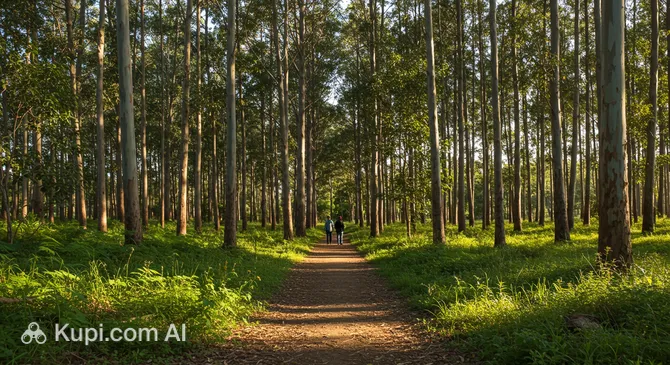
For a complete immersion in nature without leaving the city limits, the Peralta Ramos Forest Reserve is an enchanting destination. This sprawling 450-hectare forest is filled with towering eucalyptus, pine, and cypress trees, creating a peaceful refuge south of the city center. It is an ideal spot for walking, birdwatching, or enjoying tea at one of the charming wooden cabins nestled among the trees. Closer to the downtown action, Plaza Colón offers a classic urban park experience. Located just steps from the sea and the Casino, this manicured square features historic statues and beautifully maintained gardens, making it a favorite meeting point for locals.
Peralta Ramos Forest Reserve. Illustration.
Source: Kupi.com AI
Traveler photos:
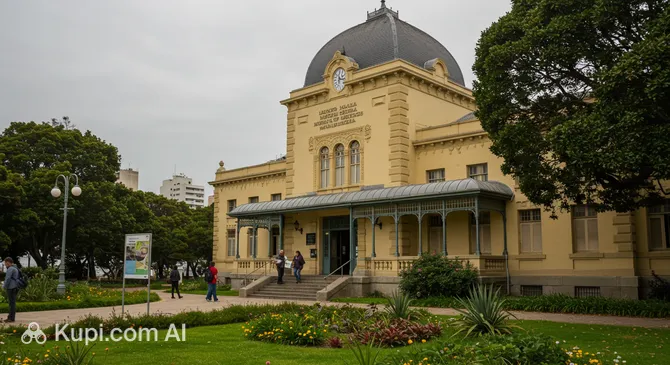
The city's cultural landscape is equally impressive, with museums that cover everything from ancient fossils to naval history. The Lorenzo Scaglia Municipal Museum of Natural Sciences is a must-visit for families and science enthusiasts. It houses a comprehensive collection of paleontological remains found in the area, including glyptodonts and other prehistoric giants that once roamed the Pampas. For those interested in maritime history, the Submarine Force Museum located near the Naval Base offers a unique glimpse into the technical evolution of the Argentine Navy's underwater fleet, featuring models, diving equipment, and outdoor exhibits.
Lorenzo Scaglia Municipal Museum of Natural Sciences. Illustration.
Source: Kupi.com AI
Traveler photos:
For an authentic and less crowded experience, consider visiting the Verde Mundo Forest Reserve near the southern beaches. This community-protected area preserves the original coastal dune ecosystem, offering a rustic and tranquil setting for those who want to see the landscape as it was before urbanization.
Getting Around
Public transport in Mar del Plata relies almost exclusively on an extensive bus network, locally known as colectivos. Unlike the capital, there is no metro or tram system here, but the buses are efficient and cover the entire city, from the busy downtown area and the port to the residential neighborhoods and southern beaches. For tourists, the most scenic and useful routes are often the ones that run along the coast, such as lines 221 and 581, which offer beautiful ocean views while connecting major attractions like the Sea Lion Reserve, the Casino, and the various beach resorts.
To use the bus system, you must have a SUBE card, as cash is not accepted on board. This is the same rechargeable contactless card used in Buenos Aires and other major Argentine cities, so if you have already purchased one elsewhere in the country, it will work here too. You can buy the card and load credit at "kioscos" (convenience stores), lottery agencies, and some pharmacies. It is advisable to keep your card topped up, especially on weekends or holidays when recharge points might be closed or offline.
When boarding the bus, simply tell the driver your destination if the fare varies (though within the city limits, it is usually a flat rate) and tap your card on the reader. Buses generally operate 24 hours a day, but frequencies drop significantly after midnight. During the summer high season, service is more frequent to accommodate the influx of visitors, but buses can also get quite crowded during peak beach hours.
For those who prefer a more direct and private mode of transport, taxis and remises are widely available. Taxis in Mar del Plata are easily recognizable by their yellow roofs and black bodies. You can hail them on the street or find them at designated ranks. Remises are private cars that must be booked in advance through an agency; they lack specific markings but offer fixed prices or distance-based fares that are often communicated upfront. This is often a preferred option for safe late-night travel or trips to the airport.
Ride-sharing apps are also operational in the city and serve as a convenient alternative, though availability can fluctuate depending on the season and local regulations. Additionally, due to the city's scenic coastline, renting a bicycle is a popular way to get around during the day. A dedicated bike path runs along parts of the coast, allowing you to explore the seaside promenade at your own pace while enjoying the fresh sea breeze.
Accommodation
Finding the perfect place to stay in Mar del Plata is easy, thanks to the city's vast and varied infrastructure designed to welcome millions of visitors each year. The accommodation options range from budget-friendly youth hostels and family-run guesthouses to high-end luxury resorts and modern apartment rentals. Whether you prefer a fully catered hotel experience or the independence of a rented flat, the city caters to every preference and budget.
Location is a key factor when choosing where to book. Visitors who want to be in the center of the action often choose hotels near the downtown area and the Casino Central, providing easy access to theaters, shops, and the popular Bristol Beach. For a more exclusive and tranquil atmosphere, the neighborhoods surrounding Playa Grande and Varese are highly sought after, offering stunning ocean views and proximity to upscale dining. The southern beaches are also becoming increasingly popular for those seeking a resort-style getaway surrounded by nature.
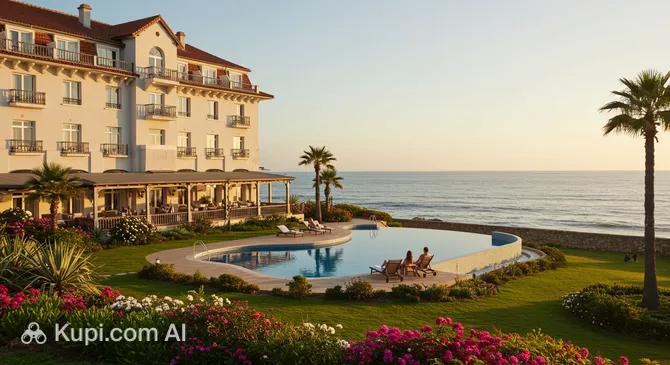
For travelers looking for comfort and extensive amenities, the city boasts several notable establishments. La Reserva is a prominent resort hotel that offers a relaxing environment, often favored by those who want a break from the urban bustle while staying close to the sea. Another option for visitors is Alaciel Beach Resort No. 2, which provides facilities designed for a comfortable beachside vacation.
La Reserva. Illustration.
Source: Kupi.com AI
Traveler photos:
Prices in Mar del Plata can fluctuate significantly depending on the season. During the peak summer months of January and February, demand is incredibly high, and rates for all types of accommodation tend to rise. It is highly recommended to book well in advance—often months ahead—if you plan to visit during this time. In the shoulder seasons (spring and autumn), you can often find excellent deals on mid-range and luxury properties. Booking can be done easily through major online platforms, though many local agencies and apartment owners also offer direct rentals for summer stays.
Nearby Cities
For those looking to explore the surroundings, Mar del Plata serves as an excellent base for day trips to several interesting nearby locations:
One of the most popular destinations is Tandil, located inland amidst ancient hills. It is renowned for its stunning landscapes, the replica of the famous "Moving Stone" (Piedra Movediza), and its exceptional culinary scene, particularly its cured meats and cheeses. It offers a perfect contrast to the coastal environment, allowing visitors to enjoy hiking and fresh mountain air.
For a different beach experience, Pinamar is an upscale resort town characterized by its unique combination of sea and forest. The city was designed as a garden city, with streets winding through dense pine groves. It is an ideal spot for those who appreciate modern architecture, high-end shopping, and exploring sand dunes.
Another great option is Necochea, often cited as having the "best beaches in Argentina" due to their immense width. Beyond the sand, the city features the expansive Miguel Lillo Park, a massive forest reserve perfect for cycling and walking, and the picturesque Quequén River.
City
Population
Distance
Batan
10 152
15 km
Miramar
30 100
39 km
Balcarce
44 796
65 km
Villa Gesell
29 593
97 km
Loberia
12 199
110 km
These nearby destinations offer a glimpse into the diverse culture and landscapes of the region.
Shopping & Souvenirs
Shopping in Mar del Plata is a diverse and enjoyable experience that goes far beyond typical beachside souvenirs. The city is nationally renowned as the "Capital of the Sweater" due to its robust textile industry, making it the perfect place to purchase high-quality knitwear. From bustling pedestrian streets and upscale boutique districts to large shopping centers and traditional markets, visitors will find a wide array of goods ranging from fashion and leather to delicious local delicacies.
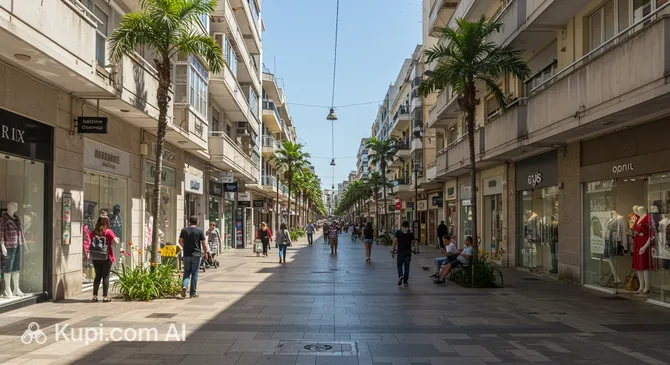
For a traditional shopping experience, the pedestrianized San Martín Street (Peatonal San Martín) in the city center is the main artery. It is lined with shoe stores, clothing shops, and galleries catering to all budgets. In contrast, the Güemes district offers a more exclusive atmosphere. This open-air commercial hub is characterized by fashionable boutiques, home decor shops, and brand-name outlets. At the heart of this trendy area is Paseo Güemes, a modern commercial complex that combines shopping with excellent gastronomic options, making it a favorite spot for an evening stroll.
Paseo Güemes. Illustration.
Source: Kupi.com AI
Traveler photos:
Another essential stop for bargain hunters and fashion lovers is Avenida Juan B. Justo, often referred to as the "Avenue of Sweaters." Here, visitors can find dozens of factory outlets selling wool jumpers, jackets, and accessories at very competitive prices. It is the best place to buy the city's famous knitwear directly from the manufacturers.
If you are looking for large shopping centers, the city has several modern malls like the Paseo Aldrey (located at the former bus station) and Los Gallegos Shopping. For a truly unique shopping visit, especially for those who love nature and design, the Antoniucci Vivero Shopping Center is a local landmark. While primarily a massive garden center, it functions as a shopping destination in its own right, offering beautiful plants, flowers, and home accessories in a stunning setting.
Artisan markets are also a key part of the local culture. The Diagonal de los Artesanos, located near the city center, and the fair at the Torreón del Monje are excellent places to find handmade crafts, leather goods, silver jewelry, and mate gourds. These markets are particularly lively in the evenings during the summer season.
When it comes to souvenirs, the most iconic gift from Mar del Plata is undoubtedly a box of alfajores. The city is the birthplace of major brands like Havanna, and you will find their shops on almost every corner. Besides sweets, a high-quality wool sweater or a leather jacket are practical and durable mementos of your trip. Marine-themed handicrafts and seashell art are also popular and affordable keepsakes.
Store hours vary depending on the location and season. Shopping malls typically stay open from 10:00 AM to 10:00 PM daily. Street shops in the center and Güemes areas usually open around 9:00 AM or 10:00 AM and may close for a few hours in the afternoon (siesta time), reopening from 4:00 PM until 8:00 PM or 9:00 PM. In the peak summer season, shops often stay open much later. Credit and debit cards are widely accepted in malls and established stores, but it is advisable to carry cash for street markets and smaller vendors.
International tourists should look for the "Tax Free Shopping" logo in participating stores. Argentina offers a Value Added Tax (VAT) refund on purchases of domestically manufactured goods over a certain amount. Be sure to ask for the refund form at the time of purchase to present it at customs upon leaving the country.