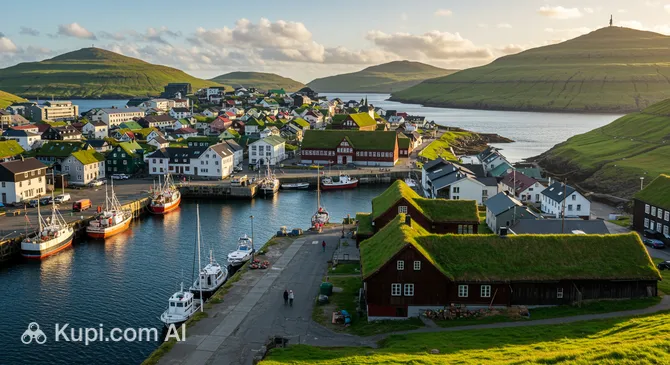
Welcome to Torshavn, one of the smallest and most charming capitals in the world. Nestled on the east coast of Streymoy, this picturesque city serves as the vibrant heart of the Faroe Islands. Despite its modest size, Torshavn offers a cosmopolitan atmosphere mixed with the tranquility of a remote island retreat, making it a truly unique destination for travelers seeking something different.
Torshavn. Illustration.
Source: Kupi.com AI
With a population of approximately 13,000 residents, the city feels intimate yet lively. The history of Torshavn is deeply rooted in Viking traditions, with its name literally translating to "Thor's Harbor." Visitors are often captivated by the blend of modern architecture and centuries-old wooden structures, particularly in the historic Tinganes district, where the parliament meets in distinct red-gabled buildings.
Beyond its historical significance, Torshavn is a hub of culture and cuisine. You can explore the bustling harbor, visit the Nordic House for a taste of local art, or simply wander through streets lined with traditional grass-roofed houses. Whether you are using it as a base to explore the rugged landscapes of the archipelago or enjoying its cozy cafes, Torshavn promises an unforgettable experience.
Weather Overview
Travelers planning a trip to the Faroe Islands should be prepared for a maritime climate where conditions can change rapidly. The weather in Torshavn is characterized by cool temperatures and frequent precipitation year-round, lacking extreme heat in summer or severe freezing in winter. Due to the oceanic influence, the city remains relatively mild compared to other destinations at similar latitudes.
The warmest period typically occurs in July and August, when average temperatures reach around 10.6°C, with highs peaking near 11.8°C. Winters are generally cool rather than freezing, with average temperatures in January and February hovering around 3.7°C and lows rarely dropping far below 2°C. Rainfall is a constant feature of the local climate; visitors can expect anywhere from 14 wet days in May to as many as 24 wet days in December, making waterproof clothing an essential item for any packing list.
Average monthly temperature
Average monthly precipitation
Interesting Facts
Beyond the main attractions, Torshavn holds many fascinating secrets that reveal the quirky and resilient character of this island capital. From its Viking roots to modern conveniences, there are several surprising details that make this city truly one of a kind.
Skansin. Illustration.
Source: Kupi.com AI
Traveler photos:
One of the most budget-friendly surprises for visitors is the public transport system; the red city buses, known as Bussleiðin, are completely free of charge, allowing you to explore the town's hilly streets without purchasing a ticket.
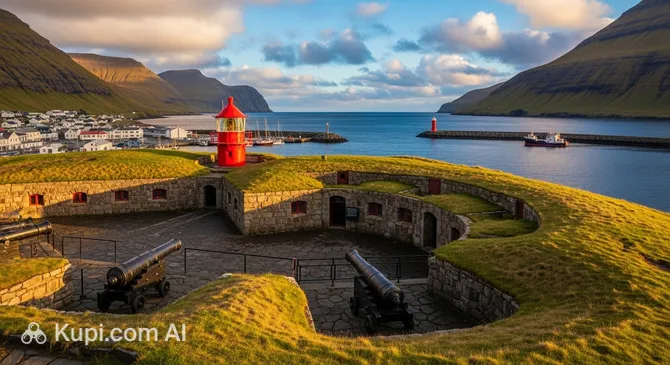
The historic fortress of Skansin was originally built in 1580 not just for general defense, but specifically to protect the town from Barbary pirates who frequently raided the North Atlantic during that era.
Despite being a capital city, Torshavn maintains a remarkably relaxed pace of life and is famous for having very few traffic lights—there are only a handful of intersections with signals in the entire municipality.
The Prime Minister’s office, located in the historic Tinganes district, operates from a traditional grass-roofed wooden building that is typically unguarded, symbolizing the high level of trust and safety within Faroese society.
While The Nordic House is a modern cultural hub, its design is deeply rooted in folklore; the architecture is meant to resemble an enchanted hill of elves, blending seamlessly into the landscape with its turf roof.
How to Get There
Reaching the capital of the Faroe Islands is an adventure in itself, offering travelers a first glimpse of the archipelago's dramatic landscapes. Most visitors arrive by air, though ferries are an option for those bringing their own vehicles. You can find out more about how to get to Torshavn and the various transport options available in our detailed guide.
The primary gateway for international travelers is Vagar Airport (FAE). Located approximately 27.2 km from the city center, it serves as the essential hub connecting the islands to the rest of the world. A journey from the terminal to Torshavn typically takes about 60 minutes by taxi or airport shuttle, leading you through sub-sea tunnels and along scenic mountain roads. With an annual passenger traffic of around 444,000, this facility operates as a busy regional airport, handling flights from destinations like Denmark, Scotland, and Iceland.
For clarity, here is a summary of the main airports:
Exploring Torshavn reveals a delightful mix of historical depth, artistic expression, and culinary excellence. The city's compact size allows visitors to easily navigate between its most significant landmarks, each offering a unique perspective on Faroese culture. From ancient fortifications to modern architectural marvels, the capital provides a rich tapestry of experiences for every traveler.
One of the most prominent historical sites is Skansin, a fortress located on a hill beside the harbor. Although only a few ruins and old cannons remain from the original structure, the site is a favorite for its picturesque lighthouse and panoramic views. It offers a perfect vantage point to look out over the sea towards the island of Nólsoy, making it an ideal spot for photographers and history enthusiasts alike to soak in the maritime atmosphere.
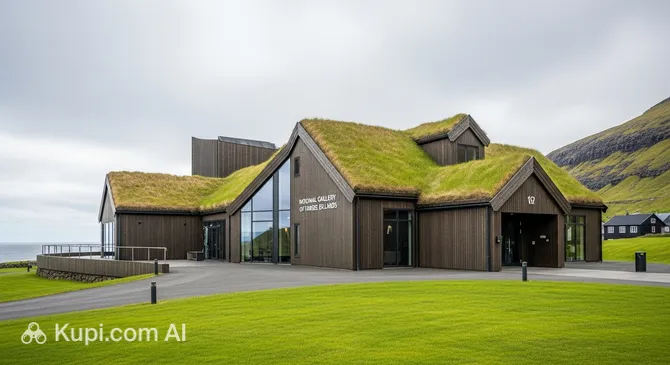
For those interested in the artistic heritage of the archipelago, the National Gallery of the Faroe Islands is an essential stop. This museum houses the most extensive collection of Faroese art, featuring works that capture the dramatic landscapes and distinct light of the islands. Visitors can admire masterpieces by renowned local artists like Sámal Joensen-Mikines, providing a visual journey through the nation's soul and history.
National Gallery of the Faroe Islands. Illustration.
Source: Kupi.com AI
Traveler photos:
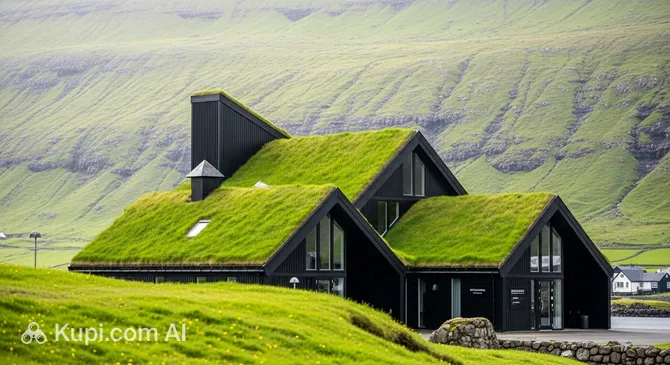
A shining example of modern Nordic design is The Nordic House. This cultural institution is not just a venue for concerts and exhibitions but an architectural gem in itself. With its glass facade and traditional turf roof, it blends harmoniously with the surrounding nature. It serves as a vibrant meeting place connecting the Faroe Islands with other Nordic countries, offering a packed calendar of events ranging from jazz festivals to theater performances.
The Nordic House. Illustration.
Source: Kupi.com AI
Traveler photos:
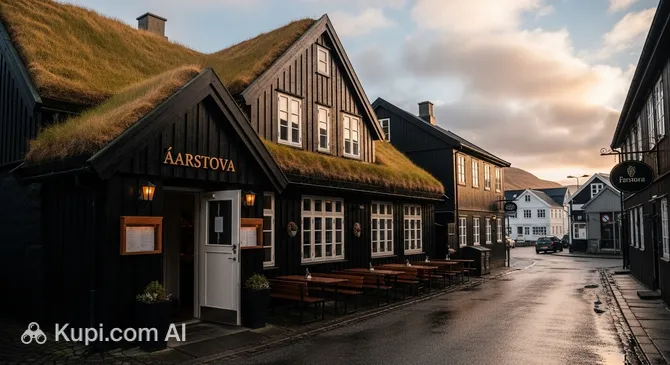
No visit to Torshavn would be complete without experiencing its burgeoning food scene. Áarstova is a celebrated restaurant set in a preserved historical building in the old town. Known for its cozy, timber-walled interior and exceptional Faroese lamb dishes, it offers a culinary attraction that rivals the city's sightseeing spots. Dining here provides a taste of authentic local hospitality and tradition, making it a memorable highlight for many tourists.
Local Cuisine
The culinary scene in Torshavn has undergone a remarkable transformation in recent years, evolving from humble traditional roots into a celebrated destination for food lovers. At the heart of this gastronomic revolution is the "New Nordic" philosophy, which emphasizes foraging, seasonal ingredients, and age-old preservation techniques unique to the archipelago. Visitors will find a fascinating contrast between rustic, centuries-old flavors and modern, innovative presentations that highlight the purity of the North Atlantic produce.
The most distinctive feature of the local diet is ræst, a method of fermentation that relies on the salty, wind-swept air of the islands. This process is used to cure both meat and fish, resulting in a flavor profile that is rich, savory, and full of umami. The signature dish to try is fermented lamb (ræst kjøt), often served boiled with potatoes. For those with an adventurous palate, this offers the most authentic taste of Faroese culture, reflecting the resourcefulness of island life.
Given the city's location, it is no surprise that seafood plays a starring role on every menu. The cool, clean waters surrounding Torshavn yield some of the finest fish and shellfish in the world. You can expect to taste incredibly fresh Atlantic cod, salmon, and the highly prized Faroese langoustines, which are renowned for their sweet, tender meat. Many restaurants serve these simply prepared to let the natural quality of the ingredients shine through.
When it comes to drinks, the Faroe Islands have a proud brewing tradition. Føroya Bjór, one of the oldest breweries in the Nordic region, produces a variety of local beers that pair perfectly with hearty island meals. For something stronger, you might encounter locally distilled aquavit or snaps. On the non-alcoholic side, the tap water in Torshavn is exceptionally pure and delicious, often cited by locals as the best in the world. Rhubarb is also a common ingredient, frequently used in refreshing juices and lemonades.
Dining in Torshavn ranges from casual harbor-side eateries to high-end establishments. A perfect place to experience traditional Faroese hospitality is Áarstova. Located in a historic building in the old town, this restaurant is famous for its slow-roasted lamb and warm, timber-walled atmosphere, making it a must-visit for anyone wanting to dive deep into the local food culture.
Áarstova. Illustration.
Source: Kupi.com AI
Traveler photos:
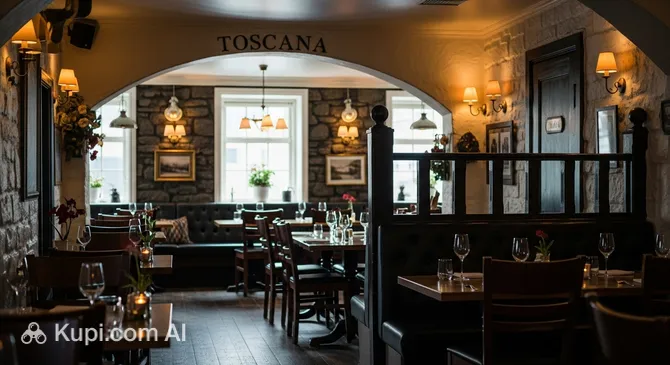
For those seeking a break from traditional island fare, the city also offers excellent international options. Toscana is a popular spot that brings a touch of Mediterranean flair to the capital, serving classic dishes in a cozy setting. Whether you are looking for experimental tasting menus or comforting home-style cooking, Torshavn’s compact city center creates an accessible and exciting food landscape for every traveler.
Travel Tips
Preparing for a trip to Torshavn means getting ready for rapidly changing weather and embracing a relaxed island pace. To help you navigate this unique capital smoothly, we have compiled a list of practical tips to ensure your visit is comfortable and hassle-free.
Clothing and Gear: The weather in the Faroe Islands is famously unpredictable, often described as experiencing four seasons in one day. The "onion strategy" is essential: wear multiple layers that you can add or remove. A high-quality waterproof and windproof jacket is mandatory, as are sturdy, water-resistant walking shoes. Umbrellas are often useless due to the strong winds. Also, bring a travel adapter for Type K (or standard European Type C/F) sockets.
Transportation: Getting around Torshavn is incredibly budget-friendly because the red city buses, known as Bussleiðin, are completely free to use. They cover most of the city and run frequently. However, if you plan to explore the stunning landscapes outside the capital, renting a car is highly recommended. Taxis are available but can be quite expensive compared to other options.
Finances: The official currency is the Danish Krone (DKK), though the islands issue their own banknotes featuring local motifs. Credit and debit cards are widely accepted almost everywhere, including small cafes and taxis, so you rarely need to carry large amounts of cash. Tipping is not expected as service is included in the bill, but rounding up is appreciated for excellent service.
Health and Safety: Torshavn is one of the safest capitals in the world, with very low crime rates, making it safe to walk around at any time of day. For minor health concerns, the main pharmacy, Tjaldurs Apotek, is located in the city center. In case of emergencies, dial 112. Additionally, the tap water is among the cleanest in the world and is perfectly safe to drink.
Communication: While the native language is Faroese, English is spoken fluently by nearly everyone, so you will have no trouble communicating. Wi-Fi is common in hotels and cafes, but for navigation during hikes or drives, purchasing a local SIM card or an eSIM is advisable. A polite "Góðan dag" (Good day) is a nice way to greet locals, though English greetings are perfectly fine.
Local Etiquette: The historic part of town, Tinganes, and the surrounding old streets are inhabited areas, not just museum exhibits. Many of the charming black wooden houses with turf roofs are private homes. Please respect the residents' privacy by not peering into windows or taking intrusive photos of people inside their properties.
What to Avoid: Do not walk off marked paths, especially when hiking on the outskirts of the city. The moss and grass are fragile and take a long time to recover from footprints. Furthermore, never disturb the sheep or birds you encounter; always keep a respectful distance to preserve the local wildlife and farming practices.
Buying Alcohol: It is useful to know that strong alcohol, wine, and full-strength beer are not sold in supermarkets. You can only purchase them at the state-run monopoly stores called Rúsdrekkasøla Landsins (often referred to as "Rúsan") or in restaurants and bars. Be sure to check their opening hours, as they are more limited than regular shops.
With these practical tips in mind, you are all set to explore the cozy streets and dramatic surroundings of Torshavn. We hope you have a wonderful journey and enjoy the warm hospitality of this extraordinary North Atlantic community.
Entertainment & Nightlife
Entertainment and Nightlife:
Despite its small size, Torshavn boasts a surprisingly vibrant and welcoming nightlife scene that punches well above its weight. While weekdays are generally quiet, the city comes alive on Friday and Saturday nights, offering a mix of cozy pubs, lively bars, and cultural venues. The atmosphere is distinctively relaxed and unpretentious, making it easy for visitors to mingle with locals who are known for their friendliness and hospitality.
The heart of the action is concentrated around the harbor area, particularly near Vágsbotn and the main street, Niels Finsens gøta. Here, everything is within walking distance, allowing you to easily hop from one venue to another—a practice locals affectionately call "runt á gólvinum" (walking on the floor). Whether you are looking for craft beer, live music, or a place to dance, you will likely find it in this compact district.
A great evening often begins with a relaxed dinner before transitioning to drinks. Toscana is a wonderful choice for this, offering a warm atmosphere where you can enjoy a hearty meal before heading out. Many locals and tourists alike start their night in such establishments, enjoying the blend of good food and conversation before the tempo picks up later in the evening.
Toscana. Illustration.
Source: Kupi.com AI
Traveler photos:
For those seeking a more cultural experience, The Nordic House is the premier venue for evening entertainment. It frequently hosts concerts ranging from classical to folk and jazz, as well as theater performances and film screenings. It is an excellent alternative for travelers who prefer an artistic night out over a bustling bar scene.
If you are looking for bars and clubs, the city offers several popular spots. Sirkus Föroyar is a legendary multi-story venue that serves as a bar, concert venue, and hangout spot with an eclectic, bohemian vibe. For beer enthusiasts, Mikkeller Tórshavn, located in a historic wooden house, serves world-class craft beers in a traditional setting. Nightlife in Torshavn can go on quite late, with many bars and clubs staying open until 4:00 AM on weekends.
Practical Advice:
Nightlife in the Faroe Islands can be expensive, particularly when it comes to alcohol, so budget accordingly. The dress code is generally casual and practical; you will see more wool sweaters than high heels, given the cobblestone streets and weather. The city is incredibly safe for night walks, even solo. If you need to get back to your accommodation outside the center, taxis are available 24/7, though it is often best to book one in advance during peak hours on weekends.
During the day, entertainment in Torshavn takes a slower pace. Apart from the museums mentioned earlier, visitors can enjoy the local cinema, Havnar Bio, which screens international films in their original language. The city center also offers charming shopping opportunities, with boutiques selling local wool design and handicrafts, perfect for a leisurely afternoon stroll.
Parks & Museums
While Torshavn is primarily known for its maritime charm and colorful harbor, the city also offers delightful pockets of greenery and a wealth of cultural institutions. Visitors can easily alternate between breathing in the fresh air of the city's parks and diving deep into the archipelago's heritage within its museums. This balance of nature and history makes the capital a perfect starting point for understanding the Faroese way of life.
One of the most beloved green spaces in the city is Viðarlundin, often simply called "The Plantation." In a country where trees are a rarity, this park feels like an enchanted forest, offering a sheltered retreat from the wind. It is crisscrossed by walking paths and features a river running through its center, making it a favorite spot for leisurely strolls and picnics. Another scenic area is Sandagerð Beach, located a short walk from the center. While the water is brisk, it is a popular spot for locals to take a refreshing dip or simply enjoy the coastal views.
For those eager to explore the artistic soul of the islands, the National Gallery of the Faroe Islands is an absolute must. This museum holds the most significant collection of Faroese art, showcasing how the dramatic landscape has inspired generations of painters. Another key institution is the National Museum (Tjóðsavnið), located in the Hoyvík suburb. It provides a comprehensive look at the nation's history, from the Viking age to the present day, and includes a fascinating geology exhibit and a collection of traditional wooden boats.
History comes alive in the district of Tinganes, the oldest part of Torshavn. Here, you will find the seat of the Faroese government housed in distinct red wooden buildings with turf roofs, located on a rocky peninsula that has been a meeting place for over a thousand years. Nearby stands the historic fortress of Skansin. Built to protect against pirate raids, it now serves as a peaceful historic site offering excellent panoramic views of the harbor and the lighthouse.
Beyond the main museums, The Nordic House deserves a mention as a vital cultural venue. While it acts as a performance space, its architecture and rotating art exhibitions make it a significant stop for anyone interested in Nordic culture and design. The building itself is a masterpiece, designed to blend into the landscape like a hill of elves.
For a truly authentic experience, take a walk just outside the city park to find the Svartafossur waterfall. It is a lesser-known spot compared to the island's major waterfalls, but its secluded, mossy surroundings offer a quiet moment of reflection away from the main tourist trails.
Getting Around
Navigating Torshavn is remarkably stress-free, thanks to its compact size and an exceptionally tourist-friendly public transport system. The city does not have a metro, tram, or train network; instead, it relies entirely on an efficient bus service that connects the city center with the surrounding suburbs and key facilities. For most visitors, this bus network will be the primary mode of motorized transport within the capital area.
The most delightful surprise for travelers is that the red city buses, known locally as Bussleiðin, are completely free of charge. You do not need to purchase a travel pass, download an app for payment, or validate a ticket. You can simply hop on and off at any designated stop without spending a single krone. This initiative was introduced to reduce traffic congestion and makes exploring the city incredibly budget-friendly.
It is important to distinguish between the red and blue buses. While the red buses serve the municipality of Torshavn for free, the blue buses (Bygdaleiðir) connect the capital to other towns and villages across the archipelago. The blue buses require payment, which can be made via cash, credit card, or a travel card. If you are staying strictly within the city limits, stick to the red buses to avoid fares.
Practical advice for using the bus system is straightforward. Timetables are available at the tourist information center in the city or can be viewed online. The buses typically run every 20 minutes during peak hours on weekdays, with reduced frequency in the evenings and on weekends. Be aware that service hours are shorter on Saturdays and Sundays, so if you plan a late night out, you should check the schedule in advance or arrange alternative transport.
For times when the buses are not running, taxis are a reliable alternative. You can find taxi ranks in the city center, or you can book one by phone. Taxis in Torshavn are modern and safe, accepting both cash and credit cards, but they can be quite expensive compared to other European cities. Ride-sharing apps like Uber are not currently available, so traditional taxi services are the standard option.
Given the city's hilly terrain and unpredictable weather, walking is often the best way to see the sights in the immediate harbor area and old town. However, for those looking for more independence, car rentals are very popular and allow for easy travel to the outskirts. While bike rentals exist, they are less common due to the steep streets and frequent strong winds, making them a choice for the more adventurous traveler.
Finally, as a harbor city, Torshavn also serves as a hub for maritime transport. The ferry to the nearby island of Nólsoy departs directly from the city harbor. While technically an inter-island connection, the journey is short enough that many visitors treat it as a local excursion, offering a quick and scenic way to experience the public transport system on the water.
Accommodation
Where to Stay:
Finding the perfect place to stay in Torshavn is an essential part of planning your trip, as the capital serves as the primary base for exploring the entire archipelago. The accommodation scene here has grown significantly in recent years, offering a range of options that cater to different preferences, though the overall capacity remains smaller than in major European cities. Visitors can choose from modern full-service hotels, cozy family-run guesthouses, hostels for budget travelers, and an increasing number of private apartments and vacation rentals.
The most convenient area to stay is undoubtedly the city center, particularly near the harbor and the historic Tinganes district. Staying here places you within easy walking distance of the best restaurants, cafes, and cultural attractions, as well as the bus terminal and ferry port. For those who prefer a quieter atmosphere, the residential areas on the hills surrounding the center offer peaceful retreats with stunning views over the bay, often just a short free bus ride away from the action.
While there are several excellent hotels in the city, travelers often look to private rentals for a more "local" experience. Many Faroese homeowners rent out basement apartments or annexes, providing a home-away-from-home feeling that is perfect for longer stays. These options often include kitchen facilities, which can be a great way to manage food costs in a destination known for its higher price points.
Booking Tips and Prices:
It is important to note that accommodation prices in Torshavn are generally on the higher end, consistent with Nordic standards. Budget options exist but fill up very quickly. The most critical piece of advice for any traveler is to book well in advance. During the peak summer season (June to August) and during large events or festivals, hotels and guesthouses can be fully booked months ahead of time. Securing your lodging should be one of the first steps in your travel planning to ensure you find a place that suits your needs and budget.
Nearby Cities
For those looking to explore the surroundings, Torshavn serves as an excellent base for day trips to several interesting nearby locations. The excellent infrastructure of tunnels and bridges connecting the islands makes it easy to visit neighboring towns and experience the diversity of the archipelago within a single day.
One of the most popular destinations is Klaksvik, the second-largest city in the Faroe Islands. Located on the island of Borðoy, it is known as the fishing capital of the nation and sits dramatically around a U-shaped bay guarded by towering mountains. Visitors are often drawn here to see the magnificent Christianskirkjan, a church with a distinct Nordic design, or to hike up Klakkur mountain for one of the most famous panoramic views in the country.
Another charming spot for a visit is Fuglafjørður on the east coast of Eysturoy. This town is renowned for its welcoming atmosphere and vibrant cultural scene, often hosting local events and concerts. The harbor area is picturesque, bustling with activity, while the town center features cozy cafes and public art. It is also home to the "Varmakelda" warm spring, a unique natural phenomenon in the islands located just a short distance away.
For those interested in shopping and fjord views, Saltangara offers a different vibe. Situated along the Skálafjørður, the longest fjord in the Faroe Islands, it serves as a commercial hub with various shops and amenities. The drive there is scenic, and the town provides a great starting point for exploring the rolling hills and villages of Eysturoy.
City
Population
Distance
Toftir
833
10 km
Strendur
200
11 km
Saltangara
3 000
12 km
Skopun
446
13 km
Kvivik
418
19 km
These nearby destinations offer a glimpse into the diverse culture and landscapes of the region, allowing travelers to experience the unique character of the different islands just a short drive from the capital.
Shopping & Souvenirs
Shopping:
Shopping in Torshavn offers a refreshing departure from the generic high streets found in many European capitals. Instead of endless rows of multinational chains, the city prides itself on a unique selection of independent boutiques, design shops, and local craft stores. The shopping scene here is intimately tied to the Faroese identity, with a strong focus on high-quality materials, sustainability, and traditional craftsmanship, particularly when it comes to wool and knitwear.
The primary destination for retail therapy is the pedestrian street Niels Finsens gøta and the surrounding laneways in the city center. This compact area is easily walkable and is lined with charming shops selling everything from modern Nordic fashion to books and home décor. Strolling down this street allows visitors to soak in the atmosphere of the capital while browsing through distinctively Faroese brands that blend heritage with contemporary style.
For a more concentrated shopping experience, travelers should head to SMS, the largest and practically only shopping mall in the Faroe Islands. Located just a short walk from the city center, SMS serves as a social hub for locals and tourists alike. It houses a supermarket, electronics stores, fashion retailers, and several cafes. It is the go-to place for everyday necessities and offers a convenient indoor option on rainy days.
While Torshavn does not have large sprawling markets, the harbor area at Vágsbotn provides an authentic glimpse into local commerce. Here, you can often find fishermen selling their fresh catch of the day directly from their boats or from small stalls on the quay. On sunny days, this area transforms into a lively meeting place with a cafe culture, and occasionally, small pop-up markets feature local produce or handicrafts.
When it comes to souvenirs, the undisputed icon of the islands is the Faroese wool sweater. Known for its lanolin-rich wool which makes it water-resistant and incredibly warm, a locally knitted jumper is both a practical item for the weather and a beautiful keepsake. Look for brands like Guðrun & Guðrun, who gained international fame for their fashion-forward designs. Other popular items include sheepskins, local ceramics, and stamps from Posta, which are highly prized by collectors worldwide for their artistic quality.
Store opening hours in Torshavn are generally shorter than in larger cities. Most shops are open from 10:00 AM to 5:30 PM on weekdays and from 10:00 AM to 2:00 PM (sometimes 4:00 PM) on Saturdays. On Sundays, the vast majority of shops, including those in the city center, are closed, though the SMS shopping center may have limited hours for groceries or food. Credit and debit cards are widely accepted everywhere, even for small purchases, so carrying large amounts of cash is rarely necessary.
Tourists visiting the Faroe Islands are eligible for Tax-Free shopping. If you live outside the Faroe Islands and spend more than 300 DKK in a single store, you can ask for a Tax-Free Cheque. Look for the "Tax Free for Tourists" signage in shop windows. The VAT refund can be claimed at the airport or on board the ferry upon departure, making high-quality local goods a bit more affordable for visitors.