Support

Cayenne

About

Welcome to Cayenne, the vibrant capital and largest city of French Guiana. Situated on a peninsula at the mouth of the Cayenne River along the Atlantic coast, this bustling hub offers a fascinating blend of French colonial elegance and colorful Creole culture. It serves as the region's administrative and commercial center, providing a lively atmosphere that perfectly introduces travelers to this unique corner of South America.

The city is home to approximately 61,550 residents and enjoys a warm tropical climate year-round. Exploring the streets reveals a deep connection to the past; the history of Cayenne is etched into its diverse architecture, from traditional Creole houses to well-preserved colonial buildings. The city's layout and landmarks tell the story of its evolution from a strategic outpost to a modern multicultural city.
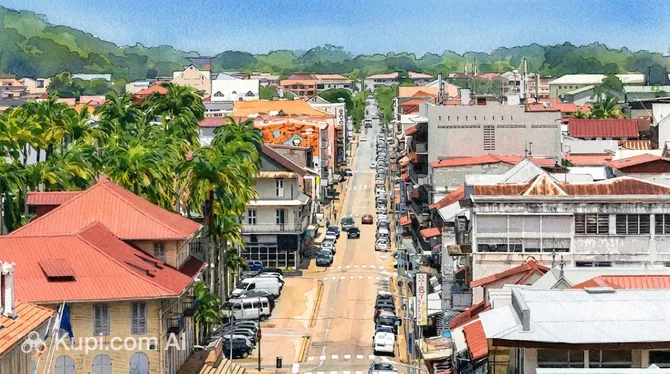
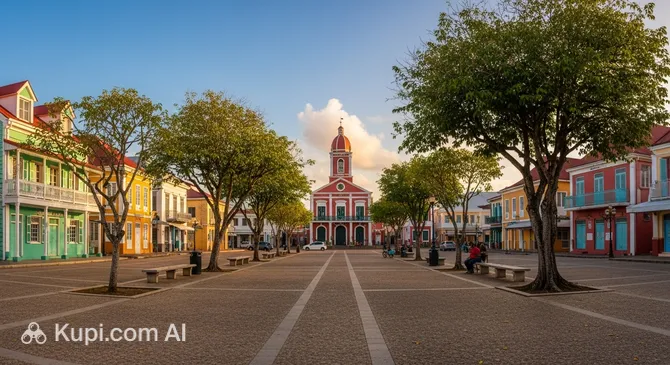
Cayenne. Source: Kupi.Binoculars

Visitors are often drawn to the iconic Place des Palmistes, a spacious central square lined with towering palm trees that serves as a popular gathering spot for locals and tourists alike. For those seeking panoramic views, a short hike to the ruins of Fort Cépérou offers a breathtaking perspective of the city rooftops and the ocean beyond. The local markets are another highlight, bursting with the scents of exotic spices and fresh tropical fruits.

Whether you are interested in historical sightseeing or simply soaking up the laid-back Caribbean vibe, Cayenne is a captivating destination. Its unique mix of European sophistication and Amazonian warmth makes it an essential stop for anyone planning a trip to the region.
Weather Overview

Cayenne experiences a tropical climate defined by consistent warmth and high humidity throughout the year. Visitors planning a trip should be prepared for steady temperatures, as the weather in Cayenne rarely fluctuates drastically between seasons.

The city remains warm year-round, with average maximum temperatures ranging from approximately 27.8°C in the cooler months of January and February to peaks of around 31.6°C in September. Nights are generally mild and comfortable, with minimums staying consistently between 23°C and 24°C.

Rainfall is a significant part of the local climate, with precipitation occurring frequently for most of the year. The wettest period typically peaks around May, which can see rain on as many as 31 days of the month. The months of September and October are generally the driest, with the number of wet days dropping to around 13 to 16, making this a slightly more favorable time for outdoor exploration.

Interesting Facts

Beyond the main attractions, Cayenne holds many fascinating secrets and cultural nuances that often escape the casual observer. Digging a little deeper into local lore reveals a city defined by unique traditions and historical curiosities.

  • The city is widely believed to be the namesake of the famous Cayenne pepper. While the spice is now cultivated globally, its association with this region underscores the city's historical role as a significant botanical hub during the era of exploration.

  • Cayenne hosts one of the longest carnival seasons in the world, typically running from January until Ash Wednesday. The festivities are unique for the Touloulous, mysterious women disguised in elaborate costumes who lead the dancing and remain unrecognizable even to their own families.

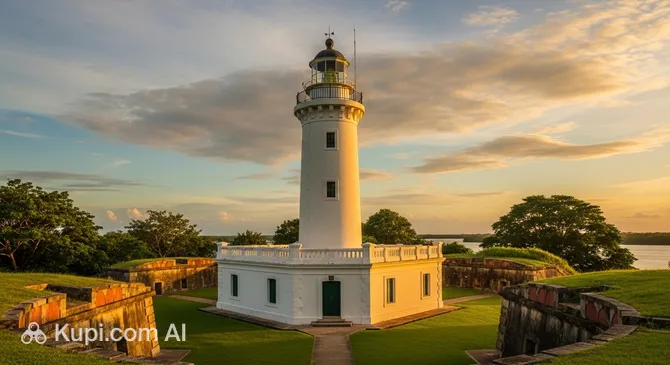
  • The city’s origins are deeply tied to Mount Cépérou, named after a local Indigenous chief. Today, the Fort Cépérou Lighthouse stands near the ruins of the original fortifications, marking the spot where the settlement began in the 17th century.

  • For a quiet retreat, the Place des Amandiers offers a scenic vantage point by the sea. Known locally for its almond trees, this spot is a favorite among residents for watching the sunset and enjoying the cooling Atlantic breeze away from the city center's bustle.

Fort Cépérou Lighthouse. Source: Kupi.Binoculars

How to Get There

Reaching this part of French Guiana is an adventure in itself, with air travel being the primary method for international arrivals. While the region is remote, it is well-connected to France and neighboring countries. For a detailed breakdown of all transport options, you can read more about how to get to Cayenne to help plan your journey.

The main gateway for travelers is Felix Eboue Airport (IATA: CAY). Located just 13.4 km from the city center, it is the most significant transport hub in the region. It handles a steady flow of passengers, connecting the territory primarily with Paris-Orly and other Caribbean destinations. Once you land, the trip into downtown Cayenne typically takes about 40 minutes by taxi or car rental, depending on traffic.

Alternatively, you might arrive via Kourou Airport (IATA: QKR), although it is situated further away in the city of Sinnamary. This airport is approximately 47.7 km from Cayenne. Because of the greater distance, travelers landing here should plan for a longer transfer time, which generally takes around 1 hour and 30 minutes by road to reach the capital.

For clarity, here is a summary of the main airports:

Airport Name City Passenger Traffic Km from City
Felix Eboue Airport Cayenne Medium 13.4
Kourou Airport Sinnamary 47.7

Main Attractions

Exploring the city reveals a delightful mix of historical landmarks and scenic spots that reflect the rich heritage of French Guiana. From panoramic viewpoints to tranquil seaside promenades, the main attractions in Cayenne offer visitors a chance to connect with the local culture and enjoy the tropical atmosphere.

One of the most significant sites is the Fort Cépérou Lighthouse. Perched atop Mount Cépérou, this location is steeped in history, marking the origins of the city's settlement in the 17th century. Although the original fortifications are largely in ruins, the site is a favorite among travelers for its commanding views. A visit here rewards you with a sweeping panorama of the colorful city streets, the winding river, and the Atlantic Ocean, making it an ideal spot for photography and orientation.

For a more relaxing experience, the Place des Amandiers is a charming destination located right by the seafront. This breezy esplanade is famous for its abundance of almond trees, which provide welcome shade during the heat of the day. It is a popular recreational area where locals gather to play pétanque or simply unwind on the benches while watching the waves. The peaceful ambiance makes it a perfect place for a sunset stroll away from the bustling city center.

Place des Amandiers. Source: Kupi.Binoculars

Another essential stop for culture enthusiasts is the Musée Départemental Franconie. Housed in a beautiful traditional Creole wooden building, this museum offers a deep dive into the region's diverse history. Its collections range from natural history exhibits and indigenous artifacts to displays covering the colonial era and the penal colony period. It provides an excellent educational overview that helps contextualize the unique identity of French Guiana.

Finally, no tour of the city is complete without experiencing the vibrant Cayenne Market (Marché de Cayenne). Bustling with activity, especially on Saturday mornings, this market is a sensory explosion of colors and scents. Visitors can explore stalls piled high with exotic fruits, vegetables, spices, and local crafts, offering a genuine taste of the region's culinary and artistic traditions.

Local Cuisine

The culinary landscape of Cayenne is a delicious reflection of its multicultural heritage, offering a vibrant fusion of Creole, French, Brazilian, and Asian influences. Food here is known for its rich spices, fresh Amazonian ingredients, and the creative use of local seafood. For any traveler, exploring the city's gastronomy is an essential part of the experience, ranging from casual street food to refined dining.

One dish that stands out as a true symbol of the region is Bouillon d'awara. This slow-cooked stew is made from the pulp of the awara palm fruit and typically includes smoked fish, crab, chicken, and vegetables. It is traditionally associated with Easter but can be found year-round. Another favorite is Colombo, a curry dish brought by immigrants that has been adapted with local spices. Seafood lovers should not miss the Pimentade, a fish stew cooked in a tangy tomato sauce, or the crispy cod fritters known as acras or marinades, which are perfect as an appetizer.

When it comes to beverages, rum culture is deeply ingrained in the local lifestyle. The most iconic drink is the Ti' Punch, a simple yet potent cocktail made with agricultural rum, cane sugar syrup, and a squeeze of lime. For a non-alcoholic alternative, the variety of fresh fruit juices is astounding, with flavors like passion fruit, cupuaçu, and acerola offering a refreshing break from the tropical heat.

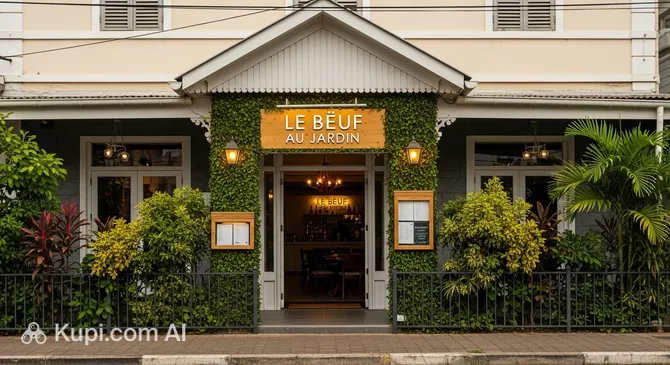
Le Bœuf Au Jardin. Source: Kupi.Binoculars

The food culture in Cayenne is social and relaxed. A popular tradition for locals is grabbing a meal from the food trucks (known as "camions") that gather in the evenings, particularly around the central squares. These mobile kitchens serve everything from hearty sandwiches and burgers to traditional Creole dishes. The central market is another hotspot, especially in the mornings, where you can enjoy a bowl of hot soup or Asian-style noodle dishes amidst the bustling atmosphere.

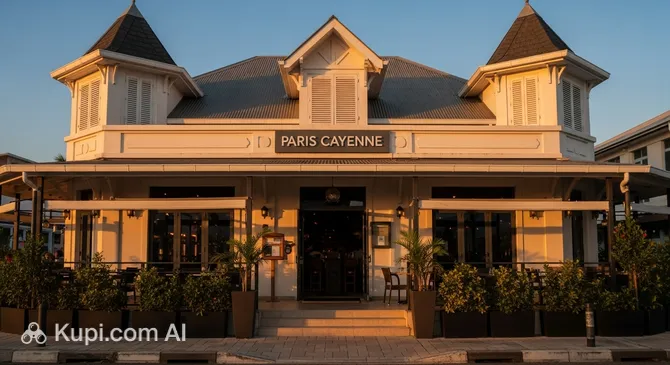
For those seeking a sit-down dinner to savor the local atmosphere, there are several excellent options in the city. You might visit Le Bœuf Au Jardin, a restaurant known for its welcoming setting and satisfying menu. Another well-regarded establishment is Paris Cayenne, where visitors can enjoy a meal that highlights the diverse culinary traditions of the area.

Travel Tips

To help you navigate the unique blend of French structure and Amazonian wildness in Cayenne, we have compiled some essential advice for your journey. These practical tips will ensure your trip is smooth, comfortable, and respectful of the local way of life.

  1. Clothing and Gear: Given the hot and humid tropical climate, pack lightweight, breathable fabrics like cotton or linen. A sturdy umbrella or a high-quality rain poncho is essential, as sudden downpours are common year-round. Comfortable walking shoes are a must for city exploration, and don't forget a universal travel adapter (Type C or E plugs) if your devices aren't compatible with French standards.

  2. Transportation: Public transportation, while available in the form of buses, can be infrequent and difficult to navigate for visitors. The most efficient way to explore Cayenne and its surroundings is by renting a car. Taxis are available but can be expensive; always confirm the fare or ensure the meter is running before starting your journey.

  3. Finances: The official currency is the Euro (€). Major credit cards (Visa and Mastercard) are widely accepted in hotels, supermarkets, and larger restaurants. However, you will definitely need cash for the local markets, street food vendors, and smaller shops. ATMs are plentiful in the city center.

  4. Health and Safety: Pharmacies in Cayenne are well-stocked and operate to French standards, identifiable by a flashing green cross. Mosquito repellent containing DEET is non-negotiable here to protect against tropical diseases like dengue. While tap water is generally safe in the city, many travelers prefer bottled water to be cautious.

  5. Communication: The official language is French, and English is not widely spoken outside of major tourist establishments. Learning a few basic phrases like "Bonjour" (Good day) and "Merci" (Thank you) will go a long way. For mobile data, EU residents can often roam for free, but others should purchase a local SIM card (Orange or Digicel) for reliable connectivity.

  6. Local Etiquette: Politeness is highly valued in French Guiana. It is customary to greet shopkeepers, bus drivers, and people you interact with by saying "Bonjour" or "Bonsoir." Handshakes are common, and friends often greet with a kiss on the cheek (la bise). The pace of life is relaxed, so patience is a virtue in all interactions.

  7. What to Avoid: Do not take photographs of local people, especially in the markets or of indigenous community members, without asking for explicit permission first. It is considered intrusive and disrespectful.

  8. Planning Your Day: Be aware of the "siesta" culture. Many smaller shops and businesses close for a long lunch break, typically between 1:00 PM and 4:00 PM. Plan your shopping or administrative tasks for the morning or late afternoon to avoid disappointment.

By keeping these tips in mind, you will be well-prepared to embrace the rhythm of Cayenne. With the logistics handled, you can focus entirely on enjoying the lush landscapes, rich culture, and warm hospitality this city has to offer.

Entertainment & Nightlife

Cayenne comes alive after dark with a nightlife scene that reflects its multicultural soul—relaxed, warm, and infused with Caribbean rhythms. While it may not have the frantic energy of a metropolis, the city offers a spirited social environment centered around open-air dining, vibrant bars, and music. The atmosphere is generally laid-back, where locals and visitors mingle on terraces to enjoy the cooler tropical evenings.

The heart of the evening action is undoubtedly Place des Palmistes. As the sun sets, this central square fills with energy and the savory aromas of "camions" (food trucks). These mobile kitchens serve everything from burgers to traditional Creole specialties and are a favorite starting point for a night out. The surrounding streets, particularly Avenue du Général de Gaulle, host various bars and lounges where you can sip on a local beer or a Ti' Punch while soaking up the lively street vibe.

For those seeking a more sit-down experience with a great ambiance, Le Bœuf Au Jardin is a fantastic choice, offering a sophisticated yet welcoming setting for dinner and drinks. Another popular venue is Paris Cayenne, which blends French bistro culture with the relaxed tropical mood of the city. If you prefer an ocean breeze, the Place des Amandiers transforms at night into a breezy hangout spot where people gather to chat, eat snacks from nearby vendors, and enjoy the sound of the waves.

Paris Cayenne. Source: Kupi.Binoculars

When heading out, the dress code is typically "casual chic." While shorts are acceptable at food trucks and casual bars, long trousers and a neat shirt are expected at nightclubs and upscale restaurants. Bars usually stay open until around 1:00 AM or 2:00 AM, while nightclubs, often featuring Zouk, Salsa, and international hits, keep the party going until dawn on weekends. Prices for drinks and entry fees are comparable to those in mainland France.

Safety is an important consideration for a worry-free night. The main squares and bustling streets in the city center are generally safe for walking, but it is advisable to avoid unlit areas and the outskirts of the city late at night. The best way to get around after dark is by taxi. It is recommended to book one in advance or ask your restaurant or bar to call one for you, as flagging them down on the street can be difficult at night.

Beyond the nightlife, Cayenne offers a variety of daytime entertainment options. Visitors can explore the local culture through its museums, browse the colorful markets for crafts, or catch a film at the local cinema. For nature lovers, the day can be spent hiking nearby trails or visiting the botanical gardens before returning to the city to enjoy the evening festivities.

Parks & Museums

Cayenne is not only an administrative center but also a city deeply rooted in nature and history, offering a variety of green spaces and cultural institutions. Visitors can easily transition from the bustling streets to tranquil gardens or step back in time within the halls of its fascinating museums, which chronicle the rich and complex heritage of French Guiana.

For a refreshing escape by the ocean, the Place des Amandiers is a favorite local sanctuary. This seaside esplanade is shaded by the almond trees that give it its name, creating a cool and inviting atmosphere even on the hottest days. It acts as a green lung on the edge of the city, where families and friends gather to enjoy the Atlantic breeze, play traditional games like pétanque, or simply watch the sunset over the water.

Another significant green space is the Botanical Garden of Cayenne (Jardin Botanique). Spanning a vast area, this park is a testament to the region's incredible biodiversity. It features a wide array of Amazonian flora, including towering royal palms, orchids, and exotic fruit trees. It is an ideal spot for a morning jog or a leisurely educational walk to learn about the tropical plants native to this part of South America.

To understand the cultural fabric of the city, a visit to the Musée Départemental Alexandre-Franconie is essential. Located near the central square, this museum is designated as a "Musée de France" and houses eclectic collections that range from natural history and archaeology to ethnography. Visitors can explore exhibits showcasing local insects and wildlife, as well as artifacts that narrate the colonial history and the daily life of the diverse communities that have shaped the region.

Complementing this is the Musée des Cultures Guyanaises, which focuses specifically on the anthropological aspects of French Guiana. This venue highlights the traditions, crafts, and lifestyles of the various ethnic groups in the territory, including Amerindian, Bushinengue, and Creole populations. It provides a respectful and in-depth look at the distinct identities that coexist in the city.

History enthusiasts should also pay attention to the architectural landmarks that dot the city. The Fort Cépérou Lighthouse marks the historic heart of Cayenne. While the surrounding fort is largely in ruins, the site remains a potent symbol of the city's colonial past and offers a quiet place to reflect on its strategic importance over the centuries. Nearby, the Saint-Sauveur Cathedral stands as a prime example of colonial religious architecture, declared a national monument for its historical value.

For an authentic experience close to nature without leaving the city limits, try the Montabo Trail (Sentier de Montabo). This hiking path winds along the coastline and through patches of rainforest, offering a chance to spot monkeys, sloths, and tropical birds in their natural habitat while enjoying spectacular views of the ocean.

Getting Around

Public transport in Cayenne is primarily served by a bus network known as Agglo'Bus. This system connects the city center with the surrounding suburbs and key areas of the metropolitan district. While there are no metro, tram, or train lines within the city, the buses provide a functional way to navigate the main routes. For travel to other towns outside the immediate city limits, locals and visitors often rely on taxis collectifs (shared minibuses), which depart from the central station once all seats are filled.

The payment system is relatively simple for visitors. You can purchase a single-journey ticket directly from the driver when you board the bus, but it is recommended to have small change available. Alternatively, tickets can be bought at a slightly lower rate at authorized sales points or kiosks often found near major stops. A standard ticket typically costs around €1.60. Be sure to validate your ticket immediately upon entering the vehicle to ensure your ride is legal.

Tourists should be aware that the bus service operates with certain limitations. The network generally runs from approximately 6:00 AM to 8:00 PM on weekdays. Frequencies can vary, and it is not uncommon to experience delays, so flexibility is key when planning your day. Crucially, service is significantly reduced on Saturdays and is extremely limited or non-existent on Sundays and public holidays. Bus stops are usually marked, but detailed timetables may not always be posted or strictly adhered to.

Due to the limited coverage and frequency of public transport, many travelers find that renting a car is the most efficient solution for getting around. This allows for greater independence, especially for visiting attractions on the outskirts or exploring in the evenings. Regular taxis are available but can be expensive; they typically do not cruise for passengers and must be booked by phone in advance. For the compact historic center, walking is often the most pleasant and reliable option.

Accommodation

Where to Stay:

Finding the perfect place to stay in Cayenne depends largely on the nature of your visit, whether you are here for business, cultural exploration, or a relaxing getaway. The accommodation landscape is somewhat limited compared to major global tourist destinations, but it offers a decent variety of options ranging from functional city hotels to charming guest houses. Visitors should be aware that true large-scale luxury resorts are rare; instead, the focus is on comfort, practicality, and smaller, family-run establishments known as "gîtes."

For those who want to be in the heart of the action, the city center is the most convenient area. Staying near the Place des Palmistes places you within walking distance of the main markets, museums, and colonial architecture. This area is ideal for travelers without a car, as many restaurants and shops are easily accessible on foot. Alternatively, many visitors prefer the Remire-Montjoly area, located just a short drive from downtown. This district offers a more relaxed atmosphere, proximity to the best beaches, and accommodations that often feel more like holiday retreats with gardens and pools.

Since the availability of rooms can be tight, especially in the more popular establishments, it is highly recommended to book your accommodation well in advance. This is particularly critical during the peak Carnival season (January to February) or when there is a rocket launch scheduled at the nearby space center, as hotels can fill up weeks or even months ahead of time.

Price-wise, travelers should expect costs similar to mainland France or slightly higher due to the imported nature of many goods and services. Budget options like hostels are scarce, so planning for a mid-range budget is advisable. While major international booking platforms work for the larger hotels, many smaller guest houses and apartments may require direct contact or booking through local directories. Regardless of where you choose to stay, you will generally find a warm welcome and a comfortable base for exploring the riches of French Guiana.

Nearby Cities

For those looking to explore the surroundings, Cayenne serves as an excellent base for day trips to several interesting nearby locations:

One of the most popular excursions is to Kourou, located along the coast. It is globally renowned for hosting the Guiana Space Centre (Centre Spatial Guyanais), where visitors can tour the facilities and learn about Europe's space exploration efforts. Kourou is also the primary departure point for boats heading to the Salvation Islands (Îles du Salut), a historic penal colony site that offers stunning tropical views and fascinating ruins.

For nature enthusiasts, a trip towards Régina offers a deep dive into the Amazonian environment. Situated on the banks of the Approuague River, this area is the gateway to the Kaw-Roura Marshland Nature Reserve. It is an exceptional spot for wildlife watching, particularly for spotting caimans and diverse bird species in their natural habitat.

Further west lies Saint Laurent du Maroni, a town steeped in history on the border with Suriname. Although it requires a longer journey, it is famous for the Camp de la Transportation, the main processing center for the historic penal colony. The town features unique colonial architecture and a vibrant cultural mix, making it a compelling destination for history buffs.

City Population Distance (km)
Régina 240000 73
Saint Laurent du Maroni 44000 198
Kourou 24029 142
Maripasoula 14000 236
Saint-Georges 4300 176

These nearby destinations offer a glimpse into the diverse culture and landscapes of the region.

Shopping & Souvenirs

Shopping in Cayenne offers a unique experience that mirrors the city's blend of French structure and Creole vibrancy. While it is not a destination for high-end luxury fashion or massive department stores, the city provides a charming selection of independent boutiques, artisan workshops, and bustling trade hubs. Visitors can expect to find a mix of imported European goods alongside authentic local products that reflect the diverse cultural heritage of French Guiana.

The primary destination for retail therapy in the city center is Avenue du Général de Gaulle. This lively commercial artery is lined with a variety of shops selling clothing, shoes, electronics, and jewelry. Walking down this street and exploring the adjacent lanes allows travelers to discover small boutiques offering colorful Creole fashions, known for their bright patterns and lightweight fabrics suitable for the tropical climate.

For those seeking a more modern, air-conditioned shopping environment, the larger commercial centers are typically located on the outskirts of the city or in the neighboring suburbs. The Centre Commercial Montjoly 2 in Remire-Montjoly and Family Plaza in Matoury are popular choices. These malls feature large supermarkets, pharmacies, and a range of stores selling international brands, sports equipment, and home goods.

However, the true heart of the local shopping scene is the Cayenne Market (Marché de Cayenne). Located near the old port, this market is a must-visit, particularly on Wednesday, Friday, and Saturday mornings. It is a sensory explosion where locals buy their daily produce. For tourists, it is the best place to find artisanal crafts, including intricate Amerindian basketry, hand-carved wooden objects, and locally made textiles.

When it comes to souvenirs, Cayenne has several distinct specialties worth bringing home. Gold jewelry is very popular here, with many jewelers crafting intricate designs from Guyanese gold. Culinary souvenirs are also excellent choices; look for bottles of local agricultural rum, jars of spicy "piment" paste, or bags of Colombo spice mix. Traditional embroidery and locally produced chocolate also make for unique gifts.

Store opening hours in Cayenne often follow a split schedule due to the heat. Most shops open around 9:00 AM, close for a lunch break (siesta) from approximately 12:30 PM to 4:00 PM, and then reopen until 7:00 PM. On Saturdays, shops may close earlier in the afternoon, and Sunday remains a quiet day with almost everything closed. The official currency is the Euro (€). Credit cards are widely accepted in boutiques and malls, but carrying cash is essential for the markets and smaller vendors.

Regarding taxes, it is important to note that French Guiana is outside the European Union's VAT area. Instead of VAT, a local tax known as "Octroi de mer" applies to imported goods. Consequently, the tax-free shopping refund schemes (détaxe) common in mainland France do not apply here. The price you see on the shelf is the final price, and there are no forms to fill out at the airport for a refund.

Reached the end of the page?

That means the route is fully explored