Support

Gaza Strip

About the Country

The Gaza Strip is a narrow piece of land on the eastern coast of the Mediterranean Sea, possessing an ancient and rich history. This territory, despite its modest size, has played a significant role in the region's history for millennia. The administrative centre and largest city is Gaza, one of the world's oldest continuously inhabited cities.
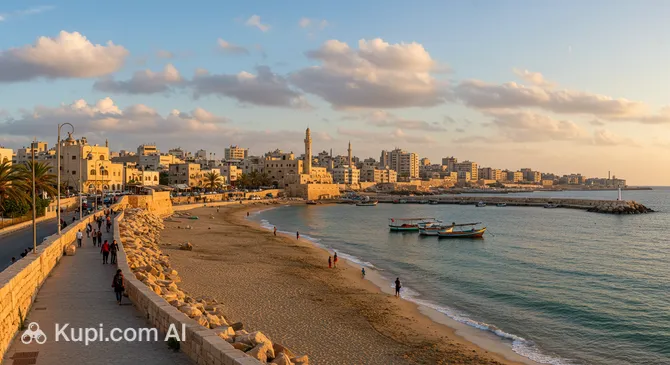
Gaza. Source: Kupi.com Binoculars

The cultural heritage of the Gaza Strip reflects the numerous civilisations that have left their mark here – from the ancient Egyptians and Philistines to the Romans, Byzantines, and Ottomans. This is evident in archaeological finds and historical monuments, such as the Great Omari Mosque in Gaza, an important place of worship which preserves layers of history. Visitors interested in a deep historical context may also be drawn to cities like Khan Yunis, known for its traditional markets.

Despite its compact size, the Gaza Strip boasts an extensive coastline along the Mediterranean Sea with sandy beaches. The climate here is typically Mediterranean, with hot, dry summers and mild, wet winters, which has historically supported agriculture, particularly the cultivation of citrus fruits and olives. The atmosphere of this place is complex and multifaceted, imbued with a spirit of resilience and rich cultural traditions passed down through generations.
Currency

The Gaza Strip does not have its own official national currency. In daily life, the most widely used currency is the Israeli New Shekel (ILS). The Jordanian Dinar (JOD) and the US Dollar (USD) may also be in circulation, particularly for larger transactions. For small purchases and daily expenses, it is most convenient for visitors to have shekels on hand.

Foreign currency can be exchanged for shekels or other circulating currencies at banks or licensed exchange offices. It is advisable to compare the offered rates at several locations and to avoid unofficial street money changers. The use of credit cards is quite limited and is primarily available in some larger hotels or shops. In most situations, cash is preferred, so travellers should ensure they have a sufficient amount of cash to cover their expenses during their stay.

Visa Requirements

Entry into the Gaza Strip for foreign nationals, including citizens and residents of the UAE, is an exceptionally complex process governed by special regulations. There is no visa-free access for UAE passport holders, and conventional tourist visas are not issued for entry into the territory. Instead, all foreign visitors require special permits, the approval of which depends on the purpose of the visit and the prevailing security situation.

Access for foreign nationals is controlled via two main crossings: the Erez Crossing, managed by Israeli authorities, and the Rafah Crossing, managed by Egyptian authorities. The process for obtaining a permit is stringent and can be lengthy. For entry via Egypt, foreign delegations must submit a formal application through an Egyptian embassy or the Ministry of Foreign Affairs in Cairo for prior approval. For entry via Israel, permits are managed by the Coordinator of Government Activities in the Territories (COGAT), and are typically restricted to a very narrow set of criteria, such as for journalists or humanitarian aid workers. Given that these regulations can change without notice, it is critically important to get the most current information from the relevant official authorities before making any travel plans. A valid passport is a mandatory requirement for any application.

We'll tell you if you need a visa

Specify where you are going, or
Your citizenship
Destination

Time Zones

A single time zone is in effect across the entire Gaza Strip. Standard time is UTC+2, known as Eastern European Time (EET). For residents and travellers from the UAE, this is two hours behind Gulf Standard Time (UTC+4). Like many other regions, the Gaza Strip observes daylight saving time, moving the clocks forward by one hour to UTC+3, which is referred to as Eastern European Summer Time (EEST). During this period, the time difference with the UAE is reduced to one hour. Travellers should consider these time adjustments, particularly when coordinating international flights or calls.

How to Get There

Planning a trip to the Gaza Strip requires meticulous attention to detail and a clear understanding of the current situation. Entry into the region is subject to significant restrictions and is governed by special regulations. Prospective visitors must thoroughly research the latest requirements and obtain all necessary permissions through official channels well in advance, as standard tourist routes are virtually non-existent or extremely difficult to access.

The primary points of entry are the Rafah crossing from Egypt and the Erez crossing from Israel. However, access through these crossings is highly controlled and often unpredictable. As of late 2025, both the Rafah and Erez crossings have faced closures and highly restricted operations, making entry for foreign nationals exceptionally challenging. Travel is generally limited to those with specific purposes, such as diplomatic or humanitarian missions, or journalism. Direct international passenger flights to the Gaza Strip are not available to the public. Therefore, travel typically involves flying to a neighbouring country and then attempting a land border crossing. Sea routes for passenger travel are also extremely limited and depend on numerous factors and current permissions.

In any case, if a trip is authorised and complies with all official requirements, it is strongly recommended to confirm every aspect of the itinerary beforehand. This includes verifying the current rules for border crossings and the availability of approved transportation. Any necessary arrangements and bookings for permitted transport services should be made well in advance, bearing in mind the unique nature of the destination and the potential for sudden changes in access rules.

The Gaza Strip is a land with a rich history, where every city holds traces of past eras and unique cultural features. A journey here allows you to connect with the centuries-old heritage of this region. The main and most famous city is Gaza, one of the world's oldest inhabited cities, where history is particularly palpable.

Gaza. Source: Kupi.com Binoculars

Besides Gaza, other cities also merit attention. For example, Khan Yunis, a historically significant trading centre, may be of interest for its atmosphere and echoes of the past. Rafah, located in the south, also boasts an ancient history, having been an important stop on ancient caravan routes. For those interested in daily life and local traditions, Jabalia, one of the major cities, may be of interest. Each of these locations offers its own perspective on the unique character of the Gaza Strip.

Top Attractions

The Gaza Strip, despite its compact size and unique circumstances, is home to several significant sites that offer an insight into the local culture and daily life. Among them are historical monuments and modern centres of activity, each telling the story of this region in its own way.

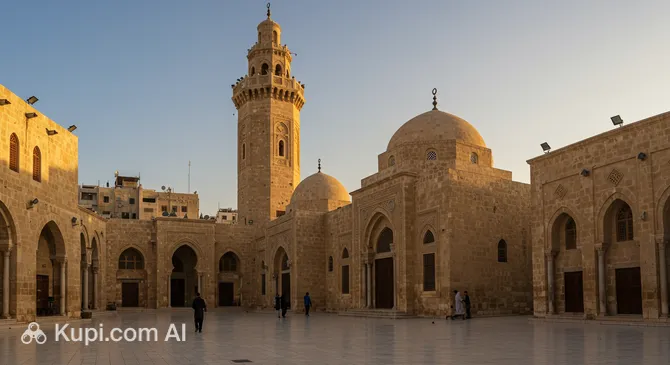
One of the foremost historical and spiritual landmarks was the Great Omari Mosque. As the oldest and largest mosque in the Gaza Strip, it possessed a rich history stretching back for centuries. A visit to the mosque offered a chance to see its impressive architecture and feel the atmosphere of this important place of worship. Tragically, this ancient and revered mosque was largely destroyed in late 2023.

Great Omari Mosque. Source: Kupi.com Binoculars

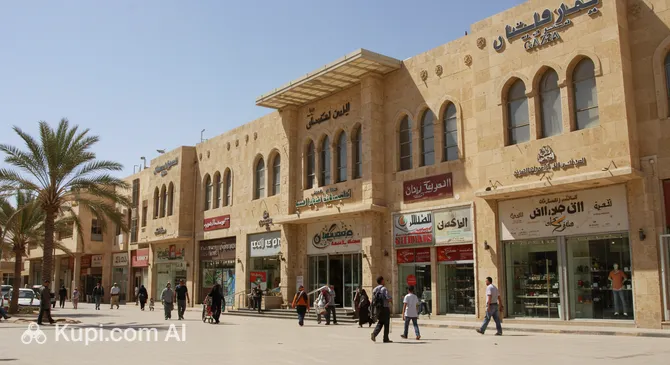
For those interested in contemporary life and shopping, the Capital Mall provided a variety of shops and leisure opportunities. This shopping centre became a popular meeting place for local residents, reflecting modern trends in the region. Given the extensive damage to infrastructure, its current status is uncertain.

Capital Mall. Source: Kupi.com Binoculars

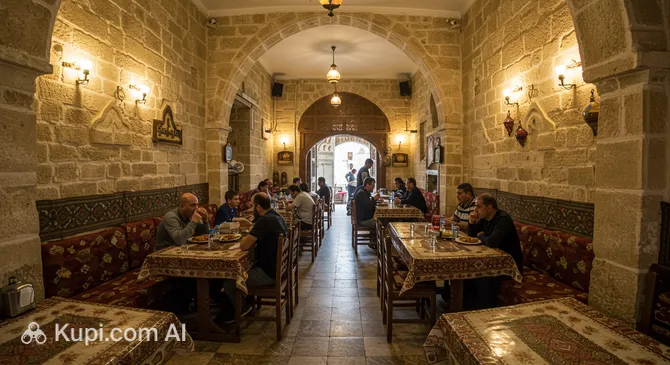
To experience the local cuisine, Al-Taboon Restaurant was a noteworthy destination. Here, visitors could enjoy authentic, traditional halal dishes prepared with fresh, local ingredients and experience the warm hospitality of the region. It was an excellent place for a culinary experience.

Al-Taboon Restaurant. Source: Kupi.com Binoculars

Best Time to Visit

Choosing the best time to visit the Gaza Strip largely depends on your weather preferences, as the region has a typical Mediterranean climate. The high season traditionally falls during the summer months, from June to August. During this time, the weather is hot and sunny, with temperatures often rising above +30°C. The advantage of this period is the abundant sunshine and minimal rainfall, which may appeal to those who enjoy hot weather. However, the intense heat can be uncomfortable for long walks and sightseeing during the daytime.

The shoulder seasons – spring (March to May) and autumn (September to November) – are considered by many to be the most comfortable time for a trip. The weather during these periods is usually mild and pleasant, with moderate temperatures ideal for exploring the area and experiencing the culture without the exhausting heat. Winter (December to February) is the low season; it is characterised by cooler weather, with average temperatures from around +10°C to +18°C, and a higher chance of rain, although severe frosts are rare. The benefits of the shoulder seasons are the comfortable temperatures, while winter offers an absence of tourist crowds. The downside of winter can be the changeable and rainy weather.

Regarding major events that might influence the timing of your visit, the Gaza Strip is not known for hosting large-scale international festivals that would attract a large number of tourists. When planning a visit, it is best to focus primarily on the climatic conditions. If you are interested in local cultural or religious events, it is recommended to check their dates and potential impact on the situation in advance. Overall, due to its small territory, the Gaza Strip does not have significant climatic variations between its regions, so the general weather characteristics apply to the entire area.

Traditions

Culture in the Gaza Strip is rich in traditions founded on a deep respect for elders, strong family ties, and renowned hospitality. Greetings are typically warm and heartfelt; a handshake between men is a standard form of greeting. When interacting with women of a more conservative outlook, it is advisable to wait for the woman to initiate a handshake. Politeness and respectful address, especially towards the elderly, are highly valued. Being invited into a local home should be considered a sign of special regard. On such occasions, a small and thoughtful gift, such as sweets or fruit, would be appropriate, although sincere conversation and showing genuine interest always remain the most important gesture.

When visiting public places, and especially religious sites such as mosques, it is important to dress modestly. This means that clothing should cover the shoulders and knees for both men and women. Women are generally required to cover their heads with a scarf upon entering a mosque. At the dining table, it is customary to use the right hand for eating and passing items. Refusing a refreshment when offered may be seen as impolite, so it is best to accept at least a small amount. The key religious holidays, deeply honoured in the culture, are Eid al-Fitr, which marks the end of the holy month of Ramadan, and Eid al-Adha, the festival of sacrifice. These days are filled with prayers, family visits, special meals, and acts of charity.

To ensure your interactions with local residents are comfortable and respectful, it is worth remembering a few general rules of conduct. Always ask for permission before taking someone's photograph. In public places, it is best to avoid excessively loud conversations or overly expressive displays of emotion. Showing a sincere interest in the local culture and traditions will be viewed positively; however, try to avoid persistent questions on topics that could be perceived as personal or sensitive, unless the other person initiates the discussion. Tact and respect are the keys to understanding and pleasant interaction.

Entertainment

Although the Gaza Strip is not a typical destination for entertainment tourism in the conventional sense, you can find ways to spend your leisure time by immersing yourself in local life. Opportunities for recreation and entertainment here are closely intertwined with daily culture and traditions, offering travellers a unique experience.

One way to experience the local flavour is by visiting markets and shopping centres, such as Capital Mall or Metro Mall in Gaza City, where you can find locally made goods and souvenirs. Gastronomic experiences are also an important part of leisure; numerous local eateries and restaurants, for instance, Al-Tabun Restaurant or Fahd's Shawarma, offer a chance to try traditional halal dishes. For many residents, relaxation also involves strolling along the coast and meeting with family and friends in local cafés, which allows you to soak up the atmosphere of daily life.

Cultural life may be less formalised than in major tourist hubs, but it includes visiting significant historical sites like the Great Omari Mosque, an important cultural and architectural monument. When visiting religious sites, it is advisable to dress modestly. Family leisure often centres around spending time together in nature, where possible, or participating in local community events that reflect the region's rich cultural traditions.

Currency rates

When planning any travel, it is important to be aware of the financial practicalities. Please note that currency exchange rates are subject to constant fluctuation. For this reason, we strongly advise you to monitor the latest rates both before your departure and throughout your stay. The information provided below is monitored 24/7 to offer the most current data available.

ILS currency exchange rate as of 02.01.2026

1.16 AED
~ 1 ILS
120.35 AMD
~ 1 ILS
1 AUD
~ 2.12 ILS
1 AZN
~ 1.86 ILS
1 BYN
~ 1.08 ILS
1 CAD
~ 2.31 ILS
1 EUR
~ 3.72 ILS
1 GBP
~ 4.27 ILS
103.23 HUF
~ 1 ILS
28.39 INR
~ 1 ILS
27.59 KGS
~ 1 ILS
455.65 KRW
~ 1 ILS
160.08 KZT
~ 1 ILS
1.13 PLN
~ 1 ILS
24.88 RUB
~ 1 ILS
1.18 SAR
~ 1 ILS
1 SGD
~ 2.47 ILS
13.55 TRY
~ 1 ILS
13.34 UAH
~ 1 ILS
1 USD
~ 3.17 ILS
3790.09 UZS
~ 1 ILS

Reached the end of the page?

That means the route is fully explored