Support

Cherskiy

About

Cherskiy is a unique urban locality situated in the far northeast of the Russian Federation. Located in the Sakha Republic (Yakutia) on the lower reaches of the Kolyma River, this settlement offers a rare glimpse into life near the Arctic Circle. With its remote location and stark, frozen landscapes, it serves as a fascinating destination for those looking to explore the true north.

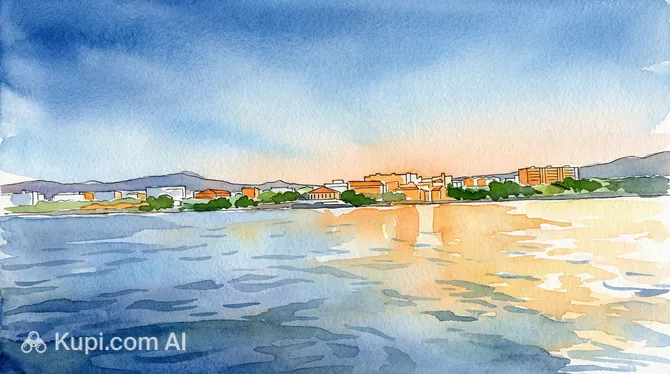
Cherskiy. Source: Kupi.Binoculars

With a population of approximately 3,700 residents, the town maintains a quiet atmosphere amidst the vast tundra. The region is defined by its subarctic climate, characterized by long, cold winters and short, cool summers. Visitors interested in the origins of this remote outpost can explore the history of Cherskiy, which was named after the renowned explorer and geologist Jan Czerski, whose work significantly contributed to the mapping of Siberia.

One of the most intriguing features of the area is the nearby Pleistocene Park, a scientific nature reserve dedicated to recreating the mammoth steppe ecosystem to study the effects of large herbivores on permafrost. Nature enthusiasts will also appreciate the raw beauty of the Kolyma River and the surrounding wilderness, which offers exceptional opportunities for fishing and observing unique Arctic wildlife in their natural habitat.

For travelers seeking an off-the-beaten-path adventure, Cherskiy provides a memorable experience where cutting-edge science meets the timeless endurance of the Arctic.

Weather Overview

The local climate in Cherskiy is strictly subarctic, defined by extreme seasonal contrasts that are typical for this remote region of Yakutia. Winter dominates the calendar with intensely cold temperatures; in January, the average drops to around -31.8°C, and minimums can fall below -34°C. This period is generally dry, with very little precipitation recorded during the coldest months.

Summer brings a brief but welcome thaw, though conditions remain cool compared to more southern latitudes. July is typically the warmest month, with average temperatures of 12.5°C and highs reaching up to 16.6°C. Travelers should note that while the air is warmer, the summer months are damper, with July and August seeing up to 10 wet days each. For a comprehensive forecast and monthly averages, you can consult the detailed weather in Cherskiy guide.

Overall, visitors should expect mild, relatively damp summers and extremely cold, dry winters that require professional-grade thermal clothing.

Interesting Facts

Beyond its reputation as a remote Arctic outpost, Cherskiy holds fascinating secrets regarding its logistics and scientific importance. Here are some intriguing facts about this settlement on the Kolyma River:

  • A Commute Across the Ice: The local airport is located on the opposite bank of the Kolyma River from the main town. Since there is no bridge connecting the two, travelers must cross by ferry in the summer or drive over an ice road in the winter. During the transitional seasons of spring and autumn, when the ice is too thin for cars but too thick for boats, the only way to cross is often by helicopter or hovercraft.

  • An Inland Sea Port: Despite being situated roughly 100 kilometers inland from the coast of the East Siberian Sea, the settlement's Zelyony Mys district functions as a fully operational sea port. The Kolyma River is deep enough in this section to accommodate ocean-going vessels, which is crucial for the delivery of fuel and supplies during the short navigation season.

  • Global Scientific Hub: Cherskiy is home to the Northeast Science Station, one of the world's three largest Arctic research stations. This facility attracts scientists from across the globe who come to study permafrost, climate change, and ecology, making this small town a surprisingly international hub for environmental science.

How to Get There

Reaching this remote Arctic settlement requires careful planning due to its isolated location in the far north of the Sakha Republic. While the journey can be long, it offers a unique opportunity to witness the vast landscapes of Siberia. For a complete guide on routes and logistics, you can read more about how to get to Cherskiy.

The primary and most practical way to arrive is by air. The town is served by Chersky Airport (IATA: CYX), which is located immediately adjacent to the settlement. Although the distance to the center is only about 0.6 km, travelers should be aware that the airport sits on the opposite bank of the Kolyma River, so the transfer involves a ferry or ice road crossing depending on the season. The total travel time to the town center is typically around 20 to 25 minutes. This small regional airport connects the area with Yakutsk and is a vital lifeline for the local community.

For clarity, here is a summary of the main airport serving the area:

Airport Name City Passenger Traffic Km from City
Chersky Cherskiy Small 0.6

It is important to note that Cherskiy is not connected to the Russian railway network. The challenging terrain and permafrost of the Arctic zone make rail infrastructure unfeasible in this region. Consequently, there are no railway stations in or near the town, and trains are not an option for travel to this part of Yakutia.

Main Attractions

For visitors venturing to this remote corner of the Arctic, the primary draw is undoubtedly the Pleistocene Park. Located just south of the town, this world-famous scientific nature reserve is a bold experiment in ecological restoration. The project aims to recreate the "Mammoth Steppe" ecosystem that existed during the last Ice Age by reintroducing large herbivores. Tourists who arrange a visit can witness animals such as musk oxen, Yakutian horses, bison, and reindeer roaming freely, transforming the mossy tundra back into productive grasslands—a sight that offers a glimpse into the prehistoric past of Siberia.

Another focal point for travelers is the Northeast Science Station, which has turned Cherskiy into a surprising hub for international climate research. The station attracts scientists from around the globe who come to study permafrost and the effects of global warming. For the curious visitor, the station is often identified by the massive "Orbita" satellite dish, a relic of Soviet communications infrastructure that now serves as an iconic landmark against the stark Arctic sky. The juxtaposition of this industrial giant with the wild natural surroundings makes for a unique photographic opportunity.

The Kolyma River itself is a major attraction, serving as the lifeblood of the settlement. In summer, the riverbanks offer exceptional opportunities for fishing and boating, allowing visitors to appreciate the sheer scale of one of Siberia's greatest waterways. The area around the Zelyony Mys port district provides an interesting look at the logistical challenges of life in the Far North, where the river serves as the main highway for supplies during the short navigation season.

While the town is small, it pays homage to its history with the Monument to Jan Czerski, the Polish explorer and geologist for whom the settlement is named. His expeditions in the 19th century were instrumental in mapping this vast and difficult terrain. Standing near the monument allows visitors to reflect on the incredible endurance required to explore these lands before the age of modern aviation.

Local Cuisine

The culinary landscape of Cherskiy is strictly defined by its subarctic location and the bountiful resources of the Kolyma River. In this remote corner of Yakutia, food is not just sustenance but a means of survival against the extreme cold. The local diet is heavy on protein and natural fats, relying on ingredients that can be hunted, fished, or gathered in the short summer months. For tourists, this offers a rare chance to taste authentic Northern delicacies in their freshest possible form.

The absolute highlight of the local gastronomy is Stroganina. This famous Yakutian dish consists of long, thin shavings of raw, frozen fish, typically broad whitefish (chir) or muksun, caught in the local rivers. Served frozen with a mixture of salt and black pepper for dipping, it melts in your mouth and is considered a warming dish despite its temperature. Another popular variation is the Indigirka salad, which features diced frozen fish mixed with onions, oil, salt, and pepper. These dishes highlight the pristine quality of the local catch, which is flash-frozen naturally by the Arctic air.

Meat lovers will find that reindeer venison is a staple in Cherskiy. It is prepared in various ways, from hearty stews served with potatoes or pasta to simple roasted cuts. In some households, you might also encounter traditional dishes made from young horse meat, a cultural preference in the wider Sakha Republic. To accompany these rich meals, locals bake simple but filling flatbreads that are perfect for soaking up broths.

When it comes to beverages, the focus is on warmth and vitamins. Hot black tea is the constant companion of any meal and is drunk throughout the day to combat the cold. For a refreshing non-alcoholic option, locals prepare Mors, a tart fruit drink made from wild berries like lingonberries, cranberries, or cloudberries harvested from the tundra. These berries are packed with Vitamin C and are essential for maintaining health in the harsh climate.

The dining scene in Cherskiy is modest, reflecting its status as a small settlement rather than a tourist hub. You will not find fine dining restaurants or extensive street food markets here. Instead, visitors usually eat at their accommodation, small local canteens, or, if lucky, as guests in a local home. The best food experience is often found through hospitality, where home-cooked meals showcase the true depth of Northern flavors.

Travel Tips

Visiting Cherskiy requires significantly more preparation than a standard tourist destination due to its isolation and extreme environment. These practical tips are designed to help you navigate the logistics of the Far North and ensure your expedition to the Arctic is safe and comfortable.

  1. Clothing and Gear: If visiting in winter, standard winter coats are insufficient; you will need professional-grade thermal underwear, a heavy down parka, windproof trousers, and insulated boots rated for at least -40°C. In summer, the weather is milder, but the tundra is infamous for swarms of mosquitoes and midges, so a high-quality mosquito head net, bug-proof jacket, and strong insect repellent are absolute necessities.
  2. Transportation: The settlement is small enough to navigate largely on foot, and there is no formal public transport network like buses or trams. For airport transfers, which involve crossing the Kolyma River, you must rely on specific seasonal transport: ferries in summer, ice roads in winter, or hovercrafts during the thaw; these should ideally be arranged in advance with your host or accommodation.
  3. Finances: Cash is the only reliable payment method in Cherskiy. While a few local shops might have card terminals, internet outages are common, and international bank cards are generally not accepted. Bring the entire budget for your stay in Russian Rubles in smaller denominations, as finding an operational ATM can be difficult.
  4. Health and Safety: The local hospital provides basic medical care, but serious emergencies require evacuation by air to Yakutsk. Travelers should bring a comprehensive first-aid kit and a full supply of any necessary prescription medications, as the local pharmacy may have limited stock and irregular hours.
  5. Communication: English is rarely spoken, so downloading an offline translation app and learning key phrases in Russian is essential for daily communication. Mobile internet is available but can be slow due to satellite connections; purchasing a SIM card from a major national provider before arriving in the region is recommended.
  6. Local Etiquette: Hospitality is central to life in the North; if invited into a local home, it is customary to remove your shoes immediately upon entering. Accepting tea or food is a sign of respect, and refusing can be interpreted as impolite.
  7. What to Avoid: Do not wander into the tundra or onto the river ice alone without a local guide. The weather can change instantly, creating whiteout conditions, and the presence of wild animals, including bears, poses a genuine risk to solitary walkers.
  8. Border Zone Regulations: Cherskiy is located in a regulated border zone of the Russian Federation. It is critical to apply for and obtain a special border permit from the authorities well in advance of your trip (often months ahead), as arriving without valid paperwork will result in fines and immediate deportation.

With careful planning and the right mindset, a trip to Cherskiy offers a rewarding glimpse into life on the edge of the habitable world. Respect the harsh nature and the local laws, and you will find the experience to be a truly unique adventure.

Entertainment & Nightlife

Entertainment in Cherskiy is not defined by shopping malls, cinemas, or bustling nightclubs. Instead, leisure activities in this remote settlement are deeply connected to the traditions of the indigenous peoples and the raw beauty of the Arctic environment. Visitors should expect a slower, community-focused pace where experiences are centered around nature and local heritage.

For a cultural immersion, the Museum of the History of the Lower Kolyma Region is a key stop. This local institution offers a fascinating look into the lives of the Yukaghir, Even, and Chukchi peoples, displaying traditional clothing, hunting tools, and shamanic artifacts. It also chronicles the Soviet-era development of the area. The town's House of Culture serves as the social heart of the community, occasionally hosting folk concerts, craft exhibitions, and gatherings that provide a warm welcome to guests.

The most vibrant entertainment occurs during traditional festivals. If your visit coincides with late March or early April, you may have the chance to witness the Reindeer Herder's Day (Slet Olenevodov). This major regional event brings nomadic families from the tundra into town for reindeer sled races, wrestling competitions, and traditional feasts. It is a colorful and lively spectacle that offers an authentic glimpse into the enduring culture of the Far North.

Nightlife in Cherskiy is strictly a natural phenomenon. During the long, dark winter months, the settlement becomes a prime location for viewing the Northern Lights (Aurora Borealis). With minimal light pollution, the skies often dance with vibrant green and purple hues, providing a dazzling show that is far more memorable than any city bar. In summer, the "entertainment" shifts to the White Nights, where the sun barely sets, allowing for midnight walks along the Kolyma River.

Shopping opportunities are limited to unique local handicrafts. There are no formal souvenir stores, but visitors can often purchase items directly from local artisans. Look for intricate beadwork, traditional fur boots (unty), or carvings made from reindeer antler and mammoth bone. These items are not merely keepsakes but practical examples of the artistic skills passed down through generations in this harsh climate.

Parks & Museums

In Cherskiy, the concept of "parks" transcends manicured lawns and flowerbeds; here, the entire landscape is a vast, untamed wilderness park. The settlement offers immediate access to the raw beauty of the Arctic tundra, while its cultural institutions serve as vital guardians of the region's rich indigenous heritage and polar history.

Pleistocene Park is undoubtedly the most significant natural area in the region. Although it is a scientific experiment rather than a recreational park, it offers a landscape unlike anywhere else on Earth. This nature reserve is actively restoring the "Mammoth Steppe" ecosystem, characterized by grasslands that support large herbivores. For visitors, it presents a rare chance to walk through a terrain that mimics the Ice Age, observing bison, musk oxen, and wild horses against the backdrop of the endless tundra.

For panoramic views and a breath of fresh Arctic air, Mount Rodinka (Sopka Rodinka) is the local go-to spot. Located near the settlement, this hill serves as a natural observation deck. A hike to the top rewards travelers with a stunning vista of Cherskiy, the winding Kolyma River, and the Panteleikha mountain range in the distance. In winter, it becomes a hub for skiing and snowboarding enthusiasts, while summer hikers enjoy the midnight sun from its slopes.

The cultural heart of the town is the Nizhnekolymskiy Museum of History and Culture of the Peoples of the North. This small but densely packed museum offers a deep dive into the ethnography of the region. Its collections feature authentic clothing, hunting tools, and ceremonial items of the Yukaghir, Even, and Chukchi peoples. A highlight for many is the paleontological section, which displays fossilized remains of mammoths and woolly rhinoceroses found in the local permafrost, connecting the town's present to its prehistoric past.

While not a traditional museum, the grounds of the Northeast Science Station function as an open-air exhibit of polar research. Visitors can see the iconic "Orbita" satellite dish, a massive relic of Soviet communication infrastructure that dominates the skyline. The station often welcomes those interested in climate science, offering a unique educational experience about how the melting permafrost is reshaping the global environment.

For a truly authentic experience, ask locals about the best spots along the Kolyma Riverbank to watch the sunset (or the sun dipping near the horizon during White Nights). These quiet, uncurated stretches of the river offer a peaceful setting to reflect on the sheer scale of the Siberian wilderness.

Getting Around

Due to its compact size and remote location, Cherskiy does not possess a standard public transport network found in larger cities. There are no buses, trams, trolleybuses, or metro systems operating within the settlement. The town layout is sufficiently small that most daily errands and sightseeing can be comfortably accomplished on foot, allowing visitors to experience the local atmosphere at a leisurely pace.

The primary mode of motorized transport for longer distances, particularly when carrying luggage or during extreme cold, is the local taxi service. These are typically private cars rather than branded fleets. There are no ride-hailing apps like Uber or local equivalents; instead, taxis are ordered by phone. It is advisable to ask your hotel receptionist or host to provide the phone numbers of reliable local drivers or to make the booking on your behalf.

Payment in Cherskiy is almost exclusively cash-based. There are no travel passes, transport cards, or digital ticketing systems. Visitors should carry sufficient cash in small denominations to pay drivers directly. Fares are generally fixed for trips within the town, but it is always best to confirm the price with the driver before starting your journey to avoid any misunderstandings.

The most unique and critical aspect of the local transport "system" involves crossing the river, which separates the main settlement from the airport. This crossing changes with the seasons: a ferry or private boat is used in summer, and an ice road is driven upon in winter. During the transitional periods of spring and autumn, when the ice is unstable, travel may require a hovercraft or even a helicopter. These transfers are specialized services and are significantly more expensive than a standard taxi ride.

For tourists, the best practical advice is to arrange all logistical transport, especially airport transfers, well in advance through your accommodation. Do not expect to find car-sharing services, bike rentals, or scheduled shuttles upon arrival. Reliance on local knowledge and hospitality is key to navigating the area successfully.

Accommodation

Accommodation options in Cherskiy are extremely limited and reflect the settlement's status as a remote Arctic outpost rather than a mainstream tourist destination. Visitors should not expect luxury resorts, international chains, or high-end amenities. Instead, the available lodging is functional, simple, and designed primarily to provide warmth and shelter against the harsh elements. The range typically consists of small, Soviet-style hotels, basic guesthouses, and private apartment rentals which offer a more homelike environment.

For those visiting specifically for scientific or ecological tourism, the Northeast Science Station often serves as a base. Located in the Zelyony Mys (Green Cape) area, it frequently hosts researchers, journalists, and organized tour groups visiting Pleistocene Park. Staying here offers a unique atmosphere where breakfast conversations might revolve around permafrost and woolly mammoths, though facilities are shared and dormitory-style. In the main settlement, there are a few modest hotels that provide standard rooms with basic conveniences.

When choosing where to stay, geography plays a crucial role. The settlement is divided into the main town and the Zelyony Mys port district. Staying in the central area offers better access to the few local shops, the administration, and the museum. However, Zelyony Mys is closer to the port infrastructure and the Science Station. Regardless of the location, distances are relatively short, but the extreme cold in winter makes proximity to your primary activities a key factor.

Booking Tips and Prices:

Securing accommodation in Cherskiy requires proactive planning. Online booking platforms like Booking.com or Expedia are virtually useless here. Reservations are almost exclusively made via direct phone calls or through the tour operators arranging your expedition. It is highly recommended to book well in advance, especially during the summer navigation season or major local festivals, as the limited number of beds can fill up quickly.

Travelers should be prepared for prices that may seem high relative to the quality of the facilities. This pricing reflects the immense cost of maintaining infrastructure and heating in the Arctic. Furthermore, payment is almost always in cash (rubles). Credit card terminals are rare and unreliable due to internet connectivity issues, so guests must arrive with sufficient physical currency to cover their entire stay.

Nearby Cities

Cherskiy is situated in one of the most isolated regions of the Russian Federation, where the vastness of the Arctic tundra separates settlements by hundreds of kilometers. In this part of the Sakha Republic (Yakutia), the concept of a "nearby" city is relative; the locations listed below are the closest neighbors, yet they are generally accessible only by regional flights or seasonal winter roads (zimniks) rather than standard highways.

City Population Distance (km)
Bilibino 5,319 223
Pevek 4,053 370
Belaya Gora 10,000 613
Omsukchan 4,201 740
Anadyr 15,604 837

Travelers planning to visit these surrounding areas should be aware that direct transport links between these small towns are virtually non-existent. Moving between them often requires routing through major hubs like Yakutsk or Magadan, making any multi-stop itinerary a significant logistical challenge.

Shopping & Souvenirs

Shopping in Cherskiy is a strictly functional affair rather than a recreational pastime. Due to its remote location in the Arctic zone of the Russian Federation, the settlement does not possess the commercial infrastructure found in larger cities. Visitors will not find designer boutiques, electronics megastores, or sprawling retail complexes here. Instead, the local retail scene consists of small, multi-purpose stores designed to supply residents with daily necessities, food, and warm clothing required for survival in the harsh climate.

There are no designated shopping districts or pedestrian high streets in the traditional sense. Most of the essential shops are scattered throughout the central part of the settlement and the Zelyony Mys district. These establishments, often referred to simply as "Magazin" (store), typically function as general retailers, stocking a mix of groceries, household goods, and basic apparel under one roof. Finding specific specialized items can be difficult, so travelers are strongly advised to bring all specialized gear and equipment with them.

Travelers looking for large shopping malls will find none in Cherskiy. The concept of a mall does not exist in this small community. The closest experience to a department store might be a slightly larger general store that dedicates different sections to food, hardware, and clothing. These shops are practical and utilitarian, focusing on durability and necessity rather than fashion or luxury.

While there is no formal central market hall, the local trade in natural resources is vibrant. Informal markets or direct sales from locals are the best way to procure regional delicacies. During the appropriate seasons, you can purchase fresh or frozen river fish, such as muksun and chir, directly from fishermen. In late summer and autumn, locals also sell buckets of freshly gathered wild berries, including cloudberries and lingonberries, which are a staple of the local diet.

For souvenirs, the best items to bring back are those that reflect the indigenous culture and the unique geology of Yakutia. Although there are no dedicated souvenir shops, you may find local artisans selling handmade goods. Look for traditional high fur boots (unty) made from reindeer hide, which are incredibly warm and durable. Intricate beadwork and items carved from mammoth tusk or bone are also prized possessions, reflecting the region's status as a treasure trove of Ice Age paleontology.

Practicality dictates the rules of commerce here. Most stores operate from around 9:00 or 10:00 AM until 7:00 or 8:00 PM, though hours can be shorter on weekends or during extreme weather events. Cash is the absolute king in Cherskiy. While some stores may technically have card terminals, internet connections are frequently unstable, rendering them useless. Visitors should carry sufficient Russian Rubles in cash to cover all potential purchases. Tax-free shopping (VAT refund) is not available in this remote settlement.
Nearby cities

Reached the end of the page?

That means the route is fully explored