Support

Evensk

About

Welcome to Evensk, a remote and atmospheric urban-type settlement that offers a glimpse into the rugged beauty of the Far East. Located in the Magadan Oblast of the Russian Federation, this destination is perfect for travelers seeking to step off the beaten path and experience life on the edge of the continent. The town serves as a vital hub for the surrounding area, characterized by its authentic spirit and resilience.

Geographically, Evensk is situated on the coast of the Sea of Okhotsk, near the mouth of the Bolshaya Garmanda River. The local climate is subarctic, shaping a landscape of stark, wild beauty that changes dramatically with the seasons. With a modest population of approximately 2,000 residents, the settlement maintains a close-knit community atmosphere where traditions run deep.

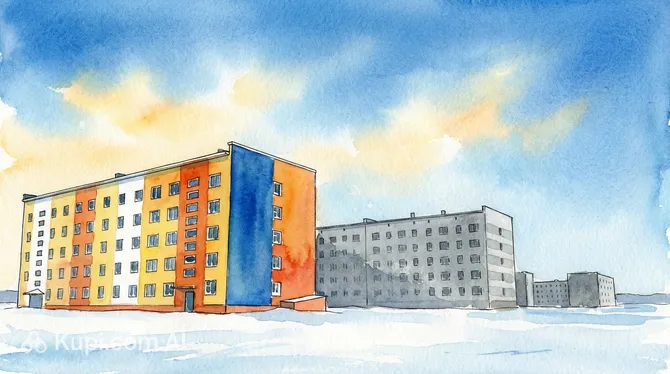
Evensk. Source: Kupi.Binoculars

The cultural heritage of the region is one of its most compelling features. To truly appreciate the local way of life, exploring the history of Evensk is highly recommended. The area has long been home to indigenous peoples, particularly the Evens, whose traditions of reindeer herding and fishing remain an integral part of the local identity. Visitors can often learn about these customs through local ethnographic displays or community events.

For nature enthusiasts, the surroundings of Evensk offer pristine wilderness. The nearby Nayakhan Bay provides excellent opportunities for fishing and observing marine life, while the vast tundra invites exploration for those prepared for the elements. Whether you are interested in ethnography or simply wish to witness the quiet majesty of the North, Evensk extends a warm welcome to intrepid adventurers.

Weather Overview

The climate in this northern settlement is distinctly subarctic, defined by long, rigorous winters and short, cool summers. Because the weather can be quite extreme depending on the season, it is advisable to review the current weather in Evensk when planning your journey to ensure you are adequately prepared.

Winter dominates the calendar here, with December and January being the coldest months. During this time, average temperatures drop to around -19.7°C, and lows can reach -22.2°C. While the air is biting cold, precipitation volume is generally low, though snow cover is persistent. Travelers visiting during the colder months must bring heavy thermal gear to withstand the freezing conditions.

Summer brings a welcome, albeit brief, thaw. July is typically the warmest month, with average temperatures rising to 13.5°C and daily highs occasionally reaching 17.1°C. While rainfall volume remains low—often just 1mm to 3mm per month—the region still experiences a fair number of wet days, ranging from 8 to 12 days a month in late summer and autumn. Expect cool summers with occasional light rain and cold, dry winters.

Interesting Facts

Beyond the main attractions, Evensk holds many fascinating secrets that reveal the resilience and unique culture of this remote settlement. Here are some intriguing facts about this northern destination:
  • An "Island" on the Mainland: Despite being located on the continent, the settlement is effectively isolated from the rest of the Russian Federation by land. There are no year-round roads leading to Evensk; it is accessible mainly by air or sea, and during the long winter, supply trucks must rely on temporary ice roads known as "zimniks" driven over frozen terrain.

  • New Year in Summer: One of the most unique local traditions is the celebration of "Khebdek," the Even New Year. Unlike the traditional winter holiday, this event takes place in June to mark the summer solstice and the awakening of nature, featuring ritual dances, competitions, and the preparation of traditional dishes.

  • Thermal Oasis: Hidden within the rugged landscape of the district are the Tavatum Hot Springs. These natural thermal waters are rich in minerals and serve as a therapeutic retreat for locals, offering a stark and warming contrast to the region's typically harsh subarctic climate.

  • Nomadic Legacy: The settlement remains a vital center for traditional reindeer herding. It serves as a base for brigades that still roam the vast surrounding tundra, preserving an ancient nomadic lifestyle that has defined the indigenous culture of the region for centuries.

How to Get There

Reaching this remote settlement is an adventure in itself, as it lies far from the country's major transport arteries. Due to its isolated location on the coast of the Sea of Okhotsk, travel options are limited, and planning ahead is essential. For a complete overview of routes and logistics, you can read more about how to get to Evensk to ensure a smooth journey.

The most practical and common way to arrive is by air. The settlement is served by its own local aviation hub, Severo-Evensk (IATA: SWV). This regional airport is located directly in Evensk, just 0.4 km from the center, making the transfer to your accommodation incredibly quick—often taking just a few minutes by taxi or even on foot depending on your luggage. While it is a small facility with limited passenger traffic, it provides a vital link to the regional capital, Magadan.

For clarity, here is a summary of the main airport:

Airport Name City Passenger Traffic Km from City
Severo-Evensk Evensk Small 0.4

There is no railway connection to Evensk, and the settlement is not accessible by train. The rugged terrain and vast distances of the Magadan region mean that rail infrastructure does not extend to this part of the coast. Travelers typically fly into the local airport or, in some cases, arrive by sea or specialized vehicles during the winter season.

Main Attractions

As a remote settlement in the Magadan region, Evensk does not boast grand palaces or amusement parks. Instead, its attractions are deeply rooted in the raw beauty of the subarctic wilderness and the rich cultural heritage of the indigenous peoples. Visitors here come to experience a way of life that has remained largely unchanged for centuries, surrounded by the stark and captivating landscapes of the Far North.

The cultural heart of the settlement is the Severo-Evensk District Local History Museum. For travelers, this is the best place to gain insight into the region's past and present. The museum houses fascinating collections dedicated to the Even people, the indigenous inhabitants of this land. You can see traditional clothing made of reindeer skin, intricate beadwork, and tools used for hunting and fishing. Exhibits also cover the geological history of the area and the development of the gold mining industry, which plays a significant role in the local economy.

Nature itself is the primary landmark here, and the nearby Nayakhan Bay offers a breathtaking introduction to the Sea of Okhotsk. Although the water is too cold for swimming for most of the year, the coastline is perfect for rugged scenic walks. The bay is known for its dramatic tides and the stark beauty of its shores, often scattered with driftwood and sea stones. It is an ideal spot for photography, birdwatching, and simply breathing in the crisp, salty air of the Pacific.

For a glimpse into the community's social life, the District House of Culture serves as the main gathering point. This venue is the epicenter of local festivities, concerts, and exhibitions. If you are lucky enough to visit during the summer solstice, this area becomes the focal point for the celebration of Khebdek, the Even New Year. Even outside of holiday times, the center often displays local handicrafts and serves as a warm, welcoming space where tourists can interact with residents and learn about their traditions.

Finally, the banks of the Bolshaya Garmanda River provide a serene escape just steps away from the residential areas. The river is the lifeline of the settlement, and in summer, it attracts local fishermen and picnickers. Walking along its banks offers a peaceful retreat and a chance to observe the unique flora of the tundra, which bursts into vibrant color during the short northern summer.

Local Cuisine

The local cuisine in Evensk is a true reflection of its rugged northern environment and the traditions of the indigenous Even people. Food here is hearty, natural, and heavily reliant on the bounty of the surrounding wilderness. The diet is dominated by what can be hunted, fished, or gathered from the tundra, resulting in simple yet incredibly flavorful dishes that you are unlikely to find in standard restaurants elsewhere in the Russian Federation.

Seafood is the cornerstone of the local table, thanks to the settlement's location on the Sea of Okhotsk. The most iconic delicacy to try is stroganina. This dish consists of thin, curled shavings of raw, frozen fish—typically whitefish or salmon varieties—served with a mixture of salt and black pepper. It is a staple of northern hospitality and acts as a warming appetizer despite being frozen. Another traditional preparation is yukola, sun-dried fish that serves as a nutritious, chewy snack perfect for long journeys across the tundra.

Meat lovers will find reindeer venison to be a unique gastronomic highlight. As reindeer herding is a primary occupation for many locals, this lean and organic meat features prominently in the diet. It is prepared in various ways, from rich stews with potatoes to simply boiled cuts that let the natural flavor shine. In winter, you might also encounter frozen raw reindeer meat, which is consumed similarly to stroganina and is prized for its high energy content.

For drinks, the locals often turn to the gifts of the forest. Herbal teas brewed with local plants like fireweed (Ivan-chai), currant leaves, and rose hips are very common and provide a boost of vitamins. Non-alcoholic berry drinks, known as mors, are made from lingonberries, blueberries, or the prized cloudberry ("moroshka"). Cloudberries are also eaten fresh or preserved with sugar, offering a distinct sweet-tart flavor that is considered a northern delicacy.

The food culture in Evensk is intimate and home-centered. You will not find fancy fine-dining establishments or international fast-food chains here. Instead, the "restaurant scene" consists of small local canteens or cafes serving simple, home-style Russian and indigenous comfort food. However, the best way to experience the true flavor of Evensk is through local hospitality; being invited to a resident's home or a herder's camp offers the most authentic opportunity to taste traditional dishes prepared with family recipes passed down through generations.

Travel Tips

Traveling to Evensk is a journey to one of the most remote corners of the world, where preparation is the key to a comfortable and safe experience. Because infrastructure is limited and the environment can be harsh, these practical tips will help you navigate the unique challenges of the Russian Far North with confidence.

  1. Clothing and Gear: The weather dictates your wardrobe here. In winter, thermal underwear, a heavy down parka, insulated trousers, and boots rated for extreme cold are mandatory. In summer, the temperatures are milder, but the tundra is infamous for swarms of mosquitoes and midges. You must bring high-quality insect repellent, a mosquito net hat, and long-sleeved clothing to protect yourself. A sturdy pair of waterproof hiking boots is essential year-round due to the muddy and uneven terrain.

  2. Transportation: Evensk is a small settlement, and the best way to get around the town itself is simply on foot. There is no public transport system like buses or metros, and ride-hailing apps do not work here. If you need to travel further or carry heavy luggage from the airport, you will likely need to arrange a ride with a local private driver or ask your host to organize a transfer in advance.

  3. Finances: Cash is absolutely essential. While card payments are becoming more common in larger Russian towns, terminals in remote settlements can be unreliable due to connection issues. There are very few ATMs in Evensk, and they may run out of cash or be out of service. Bring enough Russian Rubles (RUB) in small denominations to cover your entire stay, including food, accommodation, and souvenirs.

  4. Health and Safety: The local pharmacy has a limited selection of drugs, so pack a comprehensive first-aid kit with all your personal prescription medications, painkillers, and remedies for cold and flu. In terms of safety, the biggest threat is often nature itself. Brown bears are common in the Magadan region and can venture close to settlements. Never leave food waste outside and always stay alert when walking on the outskirts of town.

  5. Communication: Do not expect locals to speak English; knowledge of the Russian language is virtually required for independent travel. It is highly recommended to download an offline translation app and learn a few basic phrases. Mobile coverage is available (typically MTS or MegaFon), but the internet connection can be slow or intermittent. Buying a SIM card in Magadan before flying to Evensk is the best strategy.

  6. Local Etiquette: The community is small and tight-knit, and people are generally hospitable but reserved. A handshake is the standard greeting for men. If you are invited into a local home, it is customary to remove your shoes at the door and bringing a small gift (like tea or sweets) is a polite gesture that will be greatly appreciated. Respect for elders is deeply ingrained in the culture.

  7. What to Avoid: Avoid wandering into the tundra alone without notifying someone of your plans. The landscape is vast and featureless to the untrained eye, making it easy to get lost. Additionally, do not photograph local people, especially elders or those in traditional dress, without asking for their explicit permission first.

  8. Shopping Tip: Be aware that supplies in local stores depend entirely on air or sea deliveries ("severny zavoz"). Fresh fruits, vegetables, and dairy products can be scarce or expensive, especially if the weather has delayed flights. If you see an item you need in a shop, buy it immediately, as it might not be there later.

By packing the right gear and respecting the local way of life, your visit to Evensk will be a rewarding adventure into the heart of the North. Embrace the slower pace, connect with the resilient locals, and enjoy the unparalleled wild beauty of the Magadan coast.

Entertainment & Nightlife

In the remote settlement of Evensk, the concept of nightlife differs significantly from the bustling clubs and neon-lit bars found in large cities. Here, evening entertainment is defined by the warmth of community gatherings, the stark beauty of the subarctic wilderness, and a slower, more intimate pace of life. Travelers should not expect commercial nightclubs or cocktail lounges; instead, the "nightlife" is centered around local culture, hospitality, and the spectacular natural light shows in the sky.

The primary hub for social activity after dark is the District House of Culture. This venue serves as the heart of the settlement's social life, transforming from a daytime community center into a gathering place for evening events. On weekends and holidays, it often hosts dances, concerts, and festive celebrations that bring the entire village together. The atmosphere is casual and welcoming, with no strict dress code—warm, practical clothing is the standard. It is the best place to meet locals and experience the genuine spirit of the region.

For a different kind of evening entertainment, the shores of Nayakhan Bay offer an unforgettable experience provided by nature itself. In the clear, crisp nights of autumn and winter, this becomes the ultimate "venue" for viewing the Northern Lights (Aurora Borealis). Locals and visitors alike often head to the coast to light bonfires and watch the dancing green and purple lights reflect off the icy waters of the Sea of Okhotsk. This is a serene and awe-inspiring alternative to a noisy bar, offering a deep connection to the Arctic environment.

When it comes to dining and drinking, options are very limited. There are no dedicated bars or pubs in Evensk. Socializing typically takes place in private homes or at small local canteens that may stay open into the early evening. The "nightlife" district is essentially the residential center of the settlement, where hospitality is king. If you are lucky enough to be invited to a local's home ("in the kitchen," as is the Russian tradition), you will experience the true flavor of the evening with hearty food, tea, and perhaps stronger local toasts.

Safety is a crucial consideration for any night walks. While crime rates are generally low in such a close-knit community, the natural environment poses real risks. Street lighting can be sparse on the outskirts, and during the winter, temperatures drop to dangerous levels, requiring serious thermal gear. Furthermore, the presence of brown bears in the surrounding area is a genuine concern, especially in summer and autumn; it is strictly advised not to walk alone outside the central village limits after dark.

For daytime cultural entertainment, the Severo-Evensk District Local History Museum is the standout attraction. It offers a fascinating dive into the history of the Kolyma region and the traditions of the indigenous Even people. Exploring its exhibits provides context that enriches the entire travel experience. Additionally, the local library often organizes reading evenings and small exhibitions, acting as a quiet retreat for intellectual engagement during the day.

Practical advice for visitors includes planning ahead for supplies. Stores in Evensk have limited operating hours and do not stay open late. If you plan to enjoy an evening snack or drink, purchase everything you need during the day. Taxis are not readily available on the street; transportation is usually arranged personally or via local contacts. Ultimately, an evening in Evensk is about disconnecting from the noise of the modern world and embracing the quiet, rugged charm of life on the edge of the map.

Parks & Museums

In the remote settlement of Evensk, the concept of urban parks and manicured gardens takes a backseat to the raw, untamed beauty of the surrounding wilderness. Here, nature is not fenced in; it encompasses the entire town. The "green spaces" are vast expanses of tundra and coastline, while the cultural institutions are intimate guardians of the region's indigenous history and traditions.

Key Parks and Natural Areas

The most significant natural recreational area is the coastline of Nayakhan Bay. Functioning as the town's primary promenade, this rugged stretch along the Sea of Okhotsk offers dramatic views of the grey, rolling waves and the distant horizon. It is not a beach for sunbathing in the traditional sense, but rather a place for bracing walks, beachcombing for driftwood, and observing the powerful tides. In late summer, the area becomes a popular spot for locals to fish and gather by the water.

Just beyond the residential streets lies the expansive Tundra, which effectively serves as a limitless natural park for the adventurous. In summer, the landscape transforms into a vibrant carpet of moss, lichens, and wildflowers, teeming with cloudberries and lingonberries. Walking here offers a profound sense of solitude and connection with nature, though it is essential to stay near the settlement to avoid getting lost in the featureless terrain.

For a unique natural spa experience, the Tavatum Hot Springs are a celebrated destination within the district. Located further afield from the town center, this thermal spring is a geological marvel in the middle of the permafrost. The mineral-rich waters provide a warm oasis even when the air is freezing, attracting visitors seeking relaxation and the therapeutic benefits attributed to the springs.

Museums and Galleries

The cultural anchor of the settlement is the Severo-Evensk District Local History Museum. This small but treasure-filled institution is dedicated to preserving the heritage of the Even people and the history of the Kolyma region. Visitors can explore ethnographic exhibits featuring traditional reindeer-hide clothing, shamanic amulets, and intricately beaded accessories. The museum also chronicles the Soviet-era development of the area, offering a comprehensive look at how life has evolved in this harsh climate.

While not a gallery in the strict sense, the District House of Culture frequently functions as an exhibition space for local artisans. It is the best place to see contemporary expressions of traditional crafts. During festivals and community events, the lobby often displays handmade souvenirs, fur items, and beadwork created by local masters, providing a glimpse into the living artistic traditions of the community.

Historical and Architectural Sites

Like many settlements across the country, Evensk pays tribute to its past with a Memorial to the Heroes of World War II. Located in the central part of the town, this modest monument serves as a solemn reminder of the sacrifices made by residents of even the most distant regions. It is a focal point for local Victory Day commemorations and a place of quiet reflection for visitors.

Authentic Experiences

For a truly unique perspective, try to visit during the Khebdek festival in June. This celebration is an "open-air museum" of living traditions, where you can witness ancient rituals, taste traditional venison dishes cooked over open fires, and watch reindeer racing, offering an immersive cultural experience that no static display can match.

Getting Around

When planning a trip to Evensk, it is important to adjust your expectations regarding public transportation. Unlike larger cities in the region, this small urban-type settlement does not possess a complex network of buses, trams, or a metro system. The town is compact, with a population of roughly 2,000 residents, meaning that most daily transit needs are met simply by walking. The infrastructure is basic, reflecting the remote and rugged nature of the Magadan coastline.

The primary mode of getting around Evensk is on foot. The settlement is small enough that you can traverse it from one end to the other in a relatively short time. During the summer months, walking is pleasant and allows you to take in the local atmosphere at your own pace. However, the condition of the roads and paths can be uneven or muddy, so sturdy, comfortable footwear is essential for pedestrians. There are no scheduled city bus routes circulating within the settlement itself.

For those who require motorized transport, particularly when carrying luggage or during severe winter weather, local taxi services are the only viable option. These are often informal operations or private individuals rather than branded fleets found in major capitals. You will not find ride-hailing apps like Uber or Yandex Go operating here. Instead, taxis are typically summoned by phone or found at key locations like the airport upon flight arrivals. It is best to ask your host or accommodation provider for the phone number of a reliable local driver.

The payment system in Evensk is strictly cash-based. There are no electronic travel cards, transport apps, or tap-to-pay terminals in vehicles. Visitors should carry sufficient Russian Rubles in small denominations to pay for rides. Prices are generally fixed or negotiated before the journey begins. Since the distances are short—usually just a few kilometers at most—fares are relatively inexpensive, but it is always wise to agree on the cost with the driver upfront to avoid misunderstandings.

Regarding alternatives like car-sharing or bike rentals, these services do not exist in Evensk. The settlement is too small to support commercial rental fleets. While you might see locals riding bicycles in the summer, there are no official rental shops for tourists. If you are determined to cycle, you would likely need to bring your own equipment or negotiate privately with a resident to borrow a bike, though this is not a standard practice.

A practical tip for travelers involves the transfer to and from Severo-Evensk Airport. Although the airport is located very close to the town center—less than a kilometer away—walking with heavy bags can be difficult, especially in winter when temperatures drop significantly. It is highly recommended to arrange a pickup in advance through your hotel or host. If you are visiting in winter, be aware that "transport" often implies specialized off-road vehicles capable of handling snow and ice, rather than standard sedans.

Accommodation

Accommodation options in Evensk are extremely limited, reflecting the settlement's remote location and small population. Travelers should adjust their expectations accordingly; there are no international chains, luxury resorts, or sprawling hotel complexes here. Instead, the hospitality sector consists primarily of small, functional facilities designed to house visiting specialists, shift workers, and the occasional intrepid tourist. The standard of comfort is generally basic, often reminiscent of the Soviet era, though clean and adequately heated against the harsh climate.

The main lodging options are typically restricted to one or two small municipal hotels and a handful of private rental apartments. These establishments provide the essentials—a warm bed and shared or private facilities—but rarely offer amenities like room service, gyms, or high-speed Wi-Fi. For travelers seeking a more immersive experience, homestays or renting a room in a local resident's apartment can be a viable alternative, offering a chance to experience the genuine hospitality of the Far North.

Given the compact size of the settlement, location is rarely an issue. Most accommodation is situated in the central part of Evensk, within walking distance of the administration buildings, the few local shops, and the District House of Culture. Since the Severo-Evensk Airport is located practically within the town limits, any place you stay will be conveniently close to your point of arrival. There are no distinct "tourist districts"; the entire settlement is effectively one small neighborhood.

Booking Tip: Do not rely on major global booking platforms like Booking.com or Airbnb, as they generally do not list properties in this region. Arrangements must usually be made in advance by telephone or through personal contacts in the area. If you do not speak Russian, it is highly advisable to have a local guide or host facilitate the booking for you before you arrive.

Prices in Evensk can be surprisingly high relative to the quality of service, a common trait in the Russian North due to the high cost of maintaining infrastructure and the "Northern delivery" logistics. Expect to pay mid-range prices for budget-level accommodation. Payment is almost exclusively in cash (Russian Rubles), so ensure you withdraw sufficient funds in Magadan before flying in, as card terminals may be unavailable or unreliable.

Nearby Cities

Evensk is located in one of the most remote and sparsely populated regions of the Russian Federation. In the Magadan Oblast, the concept of a "neighboring city" is relative; the vast wilderness of the Far East means that the nearest significant settlements are often hundreds of kilometers away. The area is isolated by the Sea of Okhotsk to the south and impassable terrain to the north, making air travel the primary link to the outside world.

The closest major transport hub is the regional capital, Magadan, which serves as the main gateway for travelers heading to Evensk. Other settlements listed below are generally accessible only via complex logistics, often involving winter ice roads ("zimniks") or regional flights, rather than direct highway drives.

City Population Distance (km)
Palatka 21,452 492
Magadan 92,782 529
Susuman 4,760 581
Ust-Kamchatsk 4,939 661
Bilibino 5,319 763

Travelers should note that Ust-Kamchatsk is located on the Kamchatka Peninsula across the water or via a massive detour, making the straight-line distance deceptive regarding actual travel time. Bilibino, located in the neighboring Chukotka Autonomous Okrug, is another distant outpost known for its mining industry and nuclear power plant.

Shopping & Souvenirs

Shopping in Evensk is a unique experience defined by the settlement's remote location and the logistics of the "Northern delivery." Travelers should not expect bustling high streets, luxury boutiques, or sprawling commercial centers. Instead, the retail landscape here is purely functional, designed to meet the daily needs of the local population. Stores typically offer a mix of goods ranging from groceries and household items to clothing and tools, often all under one roof. Prices can be significantly higher than on the mainland due to the complex and expensive transportation required to bring goods to this isolated coast.

There are no designated shopping districts or pedestrian promenades in Evensk. The commercial life of the settlement is concentrated in the central area, within walking distance of the administrative buildings and the House of Culture. Here, you will find a handful of small, privately owned general stores (known locally as "magazin") that serve as the community's lifelines. These shops are scattered along the main residential streets, and exploring them offers a glimpse into the practical realities of life in the Far North.

Shopping malls as they are known in larger cities do not exist here. You will not find branded chains, food courts, or entertainment complexes. The closest equivalent might be a slightly larger general store or a "Torgovyy Dom" (Trade House), which is essentially a modest building housing several counters selling varied merchandise. These spots are practical rather than recreational, stocking everything from canned food and winter boots to stationery and fishing gear.

While there is no permanent, large-scale market hall, the spirit of a market exists in the informal trade of local produce. During the summer and early autumn, you might encounter locals selling freshly gathered berries—such as cloudberries, lingonberries, and blueberries—or mushrooms. Fresh fish, particularly salmon and smelt, is also a staple of local trade, though this often happens through personal connections or small, temporary setups rather than a structured marketplace. It is an excellent opportunity to taste the natural bounty of the Magadan region.

For tourists, the most valuable items to buy in Evensk are authentic local souvenirs. The region is home to the indigenous Even people, who are renowned for their exquisite craftsmanship. Look for handmade items such as untai (traditional high fur boots made from reindeer skin), which are both incredibly warm and beautiful. Intricate beadwork, amulets, and embroidered leather pouches are also unique keepsakes. Additionally, gastronomic souvenirs like vacuum-packed smoked fish (yukola) or red caviar are highly prized gifts to bring back home.

Store opening hours are generally standard, with most shops operating from around 9:00 or 10:00 AM until 7:00 or 8:00 PM. Some smaller shops may close for a lunch break in the middle of the day, typically between 1:00 PM and 2:00 PM. On weekends, hours may be reduced.

Regarding payment, cash is absolutely essential. While some stores may have card terminals, internet connections in this remote area can be unstable, leading to transaction failures. ATMs are scarce and may occasionally run out of bills. To ensure you can purchase food, supplies, or souvenirs, always carry a sufficient amount of Russian Rubles in cash. Tax-free shopping (VAT refund) is not available in Evensk.

Reached the end of the page?

That means the route is fully explored