Support

Moma

About the Airport

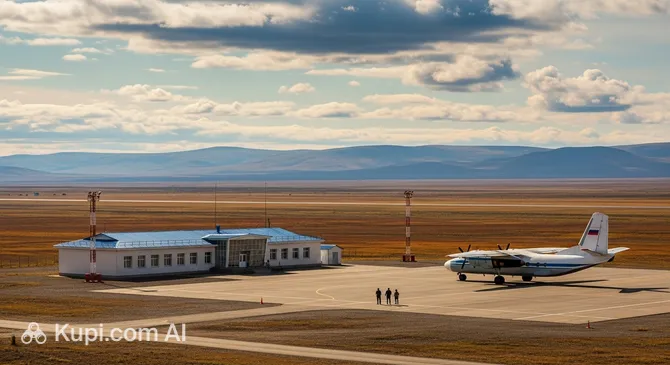
Moma. Source: Kupi.com Binoculars

Moma Airport is not just a transport hub, but a true "lifeline" for the residents of the village of Honuu and the entire Momsky District of Yakutia. Located amidst the majestic Chersky Range, this small regional airfield offers travellers breathtaking views upon landing against the backdrop of harsh northern nature. Here begins your acquaintance with a unique region where aviation remains the only reliable link to the "mainland".

IATA Code MQJ
ICAO Code UEMA
City Honuu
Distance to centre 1 km
Status Regional
Annual Passengers ~10,000
Schedule Available online

Features and Advantages of the Airport:

Moma Airport plays a key role in the life of the region, serving as the starting point for expeditions to the famous Moma Nature Park. It is from here that tourists begin their journey to the extinct volcanoes of Balagan-Tas and Uraga-Tas, as well as to the giant Ulakhan-Taryn (Big Moma) icing. Despite its modest size and unpaved runway, the air harbour ensures stable connections with the republic's capital, accommodating An-24 and L-410 aircraft types.

The airport terminal is a small building where passengers have access to basic services: a waiting hall and a check-in counter. Thanks to its close proximity to the village, the transfer takes just a few minutes, which is particularly valuable during the frosty Yakutian winters. The atmosphere here is cozy and home-like, and the staff are distinguished by their northern hospitality and readiness to assist every traveller.

Contact Information

  • Official Airport Website: sever.aero/moma (Branch page of FKP "Aeroports of the North")
  • Inquiry Service Phone: +7 (41150) 2-11-00, +7 (41150) 2-16-67
  • Airport Address: 668860, Russia, Republic of Sakha (Yakutia), Momsky District, Honuu village, Portovskoy per., 7
  • Email: moma@aerosever.ru
  • Airport Social Media: Official pages are not available. Current news can be tracked on the FKP "Aeroports of the North" website.
  • Lost Luggage Information: There is no specialized Lost & Found service in the terminal. In case of loss or damage to belongings, please contact airport staff at the check-in counter or the inquiry service immediately upon arrival.
  • Passenger Support Contacts: For questions regarding service and special categories of passengers, please call the main inquiry service number: +7 (41150) 2-11-00.

How to Get to the Airport

Getting to the air harbour in the village of Honuu is easier than in many major cities. Due to the fact that Moma Airport is located practically on the outskirts of the settlement, the journey will not take much time or effort. The distance from the village centre to the terminal is only about 1 kilometre, making logistics elementary, though with its own northern specifics.

Below are the available transport options and recommendations for travellers planning their departure.

Taxi and Private Drivers

In the absence of network aggregators (such as Uber or Careem), the main method of transport with luggage remains local taxi services and private drivers. It is best to obtain phone numbers of local carriers in advance from guesthouse owners or at the local hotel. In the small community of Honuu, everyone knows each other, so finding a car will not be difficult.

  • Travel Time: A trip from any point in the village will take no more than 5–7 minutes.
  • Cost: Prices are fixed or negotiable; the trip is usually inexpensive due to the short distance.
  • Recommendation: In winter, when temperatures drop extremely low, it is better to order a car in advance so the driver has time to warm up the vehicle.

Transfer

Many accommodation options in Honuu offer a transfer service included in the price or for a small additional fee. If you have arrived as part of an organized tour group (for example, to visit Moma Park), transfers are usually provided by the organizers on off-road vehicles (UAZ, Niva).

On Foot

A unique feature of Moma Airport is its walking accessibility. In summer or warm weather, you can walk to the terminal in 15–20 minutes. This is an excellent option for those travelling light who wish to enjoy views of the mountain ranges. However, in winter, during severe frosts or blizzards, walking is strongly discouraged for safety reasons.

Public Transport, Car Rental, and Parking

Due to the compactness of the village and its remoteness, usual city infrastructure has its nuances here:

  • Public Transport: There are no regular bus routes or shuttles running specifically to the airport in Honuu as they are unnecessary.
  • Car Rental: Official car sharing or Rent-a-Car services are not available in the Momsky District.
  • Parking: There is a small unguarded area in front of the airport building where see-ers off can leave their cars for free. Spaces are generally always available.

Important Note for Transit Passengers

If your journey involves a complex route through Yakutia, consider that most flights from Honuu operate to Yakutsk Airport. When planning connections, always allow extra time, as schedules in the North are highly dependent on weather conditions.

Terminals and Map

Number of Terminals and General Structure

The infrastructure of Moma Airport is characterized by extreme brevity and functionality, typical for small regional airfields of the Far North. The airport complex consists of one single passenger terminal. This compact single-storey building serves both departing and arriving passengers, and also handles all baggage and postal cargo.

Due to its small size, there are no complex passageways, airbridges, or multi-level interchanges here. The airport layout is intuitive: all necessary services are within direct line of sight, making it impossible to get lost.

Passenger Service Zones

The interior space of the terminal is zoned to ensure basic comfort and compliance with pre-flight formalities:

  • Check-in and Departure Zone: Located immediately upon entering the building. Here you will find check-in counters where passengers drop off luggage and receive boarding passes. Immediately following this is the aviation security screening point.
  • Waiting Hall: A small but heated room where passengers await the boarding call. Given the region's harsh climate, maintaining a comfortable temperature inside is a priority for the airport's operation.
  • Arrival Zone: There is no separate closed sector for arrivals (like a "sterile area" in major hubs). Passengers disembarking from the stairs proceed into the terminal building or directly to the exit into the town, depending on the current flow organization.
  • Baggage Claim: There are no conveyor belts in the terminal. Baggage is handed out by airport staff manually in a designated area or directly from a transport trolley near the terminal building.

Terminal Features

The main feature of Moma Airport is its intimate atmosphere. There is none of the hustle and bustle typical of large transport hubs. The distance from the terminal entrance to the aircraft is only a few dozen metres. However, travellers should note the absence of usual urban amenities: there are no Duty Free shops, cafes, or ATMs in the terminal, so it is best to stock up on water and cash in the village beforehand.

Procedure Times

Despite the low passenger flow, flight service regulations are strictly observed.

  • Check-in: Usually begins 1.5–2 hours before and closes 40 minutes prior to departure.
  • Security Screening: Proceeds quite quickly, usually taking no more than 10–15 minutes, although the procedure is conducted thoroughly for safety purposes.

Passengers are recommended to arrive at the airport no later than 1 hour before departure. This is sufficient time to complete all formalities without rushing. Being late even by 5 minutes can be critical, as manifests are closed strictly according to schedule.

Navigation Recommendations

Navigating Moma Airport is very simple — follow the signs and public address announcements. If you have any questions, any airport staff member in uniform will guide you. An important nuance for the winter period: since boarding is done by walking across the apron (buses are not used), dress warmly, even if you plan to spend very little time at the airport. The piercing wind on the open airfield can be very cold.

Airport History

The history of Moma Airport is a chronicle of mastering the harsh airspace of northeastern Yakutia. In conditions where railways are absent and ground transport is seasonal, aviation became the only thread connecting this mountainous region with the outside world.

Origins and First Flights

The development of aviation in the district began in the mid-20th century, in the post-war years. This was a time of active geological exploration of Yakutia's subsoil and the establishment of regular mail and passenger services. Initially, the airfield in Honuu was a simple dirt strip, chosen thanks to the relatively flat landscape in the intermountain basin. The first aircraft to master this route were the rugged An-2 biplanes, capable of taking off and landing in the most difficult conditions.

Establishment and Network Development

In the second half of the 20th century, the airport secured its status as the district's key transport hub. Regular connections were established with Yakutsk and neighbouring districts. Reliable turboprop An-24 aircraft became the main workforce for decades and remain the primary "workhorses" on local lines today. A major milestone in the enterprise's recent history was joining the Federal State Enterprise "Aeroports of the North" in 2007. This unification helped preserve the infrastructure of small airports in Yakutia, ensuring their funding and the supply of necessary special equipment during difficult economic times.

Course for Modernization

In the 21st century, a new chapter began for the airport. In the early 2020s, the air harbour was included in the Comprehensive Plan for the Modernization and Expansion of Main Infrastructure of Russia. Current and planned works are aimed at a qualitative update of the facility:

  • Infrastructure Reconstruction: The project provides for a major overhaul of flat structures and the runway. The main goal is to improve flight safety and stabilize air connections, making them less dependent on seasonal muddy conditions.
  • Technical Re-equipment: Modernization includes updating lighting and meteorological equipment, which is critical for flights during the short daylight hours of winter and in complex mountainous terrain.
  • Update of Service Premises: Work is underway to improve passenger service conditions and modernize administrative and passenger buildings to meet modern comfort and safety requirements.

Interesting Facts and Features

Over years of operation, Moma Airport has accumulated its own unique history:

  • Geographic "Extreme": The airport is located in a basin surrounded by mountain ranges. This requires high skill from pilots when constructing the approach manoeuvre, especially in low cloud conditions.
  • Climate Records: Equipment and airport staff operate in extreme conditions. In winter, the temperature here regularly drops below -50°C, while in summer it can reach +30°C. Such a temperature range (over 80 degrees difference) places special demands on runway maintenance.
  • Tourist Gateway: After the creation of the Moma Nature Park, the airport effectively became the starting point for all expeditions to the Balagan-Tas volcanoes and the famous Moma Icing, welcoming travellers from all over the world.

Services and Facilities

The infrastructure and service at Moma Airport correspond to the status of a small regional air hub in the Far North. One should not look for the luxury of international hubs here, but everything necessary for a short stay before departure is provided. The main emphasis is on functionality and maintaining warmth, which is critically important in the severe climate of Yakutia.

Dining and Shops

There are no cafes, restaurants, or coffee shops in the terminal building. Vending machines may also be unavailable. Travellers are strongly advised to take care of food in advance: buying water, sandwiches, or snacks is best done at grocery stores in the village of Honuu before heading to the airport. Also, there are no Duty Free shops or souvenir kiosks in the terminal.

Connectivity and Finance

Passengers should take into account limited communication and banking service capabilities:

  • Wi-Fi and Internet: Public Wi-Fi is absent in the terminal. Mobile internet is available, but speed depends on the carrier and current weather conditions.
  • Charging Devices: Specialized charging stations for gadgets are not provided. It is recommended to carry a fully charged power bank, as the number of available power outlets in the waiting hall is limited.
  • ATMs: There are no ATMs or currency exchange points in the airport building. Bank cards are not always accepted for payments (e.g., for excess baggage) due to potential connection failures. It is strongly recommended to carry cash. The nearest ATMs (e.g., Sberbank) are located in the centre of Honuu village.

Waiting Halls and Comfort

The airport operates one general waiting hall. There is no division into business class or VIP zones — all passengers wait for their flight in a single space. The hall is equipped with seating and, most importantly, a good heating system, ensuring comfortable waiting even in 50-degree frosts. Specialized business centres or conference rooms are not provided on the airport premises.

Medical Services and Safety

The airport has a medical point or first aid kit for providing initial pre-hospital care. In case of serious health issues, staff promptly contact the district hospital located in the village. The aviation security service conducts screening of all passengers and baggage before departure.

Services for Passengers with Children

There is no separate mother and child room in the terminal. However, thanks to the helpfulness of the staff, passengers with small children are always offered the most comfortable seats in the waiting hall and, if possible, the check-in process is expedited. Please note that diaper changing tables may not be available, so it is best to perform all necessary hygiene procedures at home or at the hotel before leaving.

Service for Passengers with Reduced Mobility

Moma Airport provides service for passengers with reduced mobility (PRM), but technical equipment has its limitations:

  • The terminal building is single-storey, which facilitates movement.
  • Airbridges and ambulifts are absent. Boarding is carried out from the apron via the aircraft stairs.
  • Boarding and disembarking of passengers with reduced mobility is performed with the assistance of airport staff.

It is important to notify the airline and airport administration of the need for assistance at least 48 hours before departure so that staff can prepare for the meeting.

Hotels and Accommodation

There is no on-site hotel or sleeping pods at the airport. Since the terminal closes at night, transit passengers or those facing flight delays need to find accommodation in the settlement. Several private hotels and guesthouses operate in the village of Honuu (1 km from the airport). You can reach them by taxi in 5 minutes.
Where to Eat

For travellers departing from Moma Airport (MQJ), it is important to consider the specifics of this small regional air hub. Due to the compactness of the terminal and its location in a rural area, the gastronomic infrastructure familiar to major airports is absent here.

Restaurants and Cafes in the Terminal

Inside the terminal building, there are no operating cafes, restaurants, or coffee shops. There are also no vending machines with snacks and drinks. The airport is designed exclusively for quick check-in and waiting for flights, so there is no provision for snacking "on the spot" after passing screening. This applies to both the landside and airside zones.

Where to Eat: Recommendations

Since the airport is located just 1 kilometre from the centre of Honuu village, the issue of food is solved outside the terminal. Passengers are strongly recommended to:

  • For a full meal: Eat before leaving for the airport at your place of accommodation (hotel or guesthouse). Small canteens and cafes serving home-style cuisine operate in the village, where you can have a hearty meal before the journey. The average bill for lunch will be around 500–800 rubles.
  • For a quick snack: Visit local grocery stores in Honuu village. There you can purchase pastries, biscuits, chocolate, fruit, and bottled water to take with you in your hand luggage.

Local Specialties

Although you cannot buy delicacies at the airport itself, a trip to the Momsky District is a chance to experience unique northern cuisine. If you have time in the village before departure, it is worth paying attention to the following products (which, with proper packaging, can be taken as a gift):

  • Northern Fish: The Momsky District is famous for broad whitefish (chir), muksun, and grayling. Popular items include stroganina (frozen fish sliced into shavings) or yukola (dried fish).
  • Venison: Dishes made from deer meat are the staple of the local diet. In stores, you can find dried venison (jerky), which withstands flights perfectly.
  • Northern Berries: Lingonberries, blueberries, and cloudberries are true vitamin bombs, often sold frozen or as jam by locals.

Special Dietary Requirements (Halal, Vegetarian, Diet)

Given the meat and fish focus of Yakutian cuisine and the limited assortment in village shops, finding specialized vegan, gluten-free, or certified Halal products may be difficult. Tourists with strict dietary restrictions are strongly advised to bring a supply of necessary food with them from Yakutsk or other major cities upon arrival in the district.

Hydration

In the "sterile zone" (waiting area) after screening, there are no water coolers or opportunities to buy drinks. Do not forget to quench your thirst before passing security control or check with staff at screening regarding the rules for carrying liquids for this type of local flight (sometimes exceptions are made on small lines, but it is better not to risk it).

Travel Tips

Travelling through airports of the Far North, such as Moma, differs radically from flying through major international hubs. Here, unique laws prevail, dictated by the harsh climate and the types of aircraft used. To ensure your flight goes smoothly, we have prepared a number of practical tips to help avoid surprises.

Optimal Arrival Time

Despite the airport being very small, being late is not accepted here. Check-in closes strictly according to schedule, and there are no automated systems allowing you to "slip through" at the last moment.

  • When to arrive: Arrive at the airport 1 hour 15 minutes1 hour 30 minutes before departure. This time is sufficient to calmly check in luggage and pass screening without rushing.
  • Risks: If you arrive less than 40 minutes before departure, check-in may already be closed, and staff physically will not be able to add you to the aircraft load sheet.

Check-in and Screening: What to Prepare For

Procedures at Honuu airport are conducted the old-fashioned way — manually. Online check-in and electronic boarding passes are often unavailable here or may not work due to connection issues.

  • Documents: Be sure to have a printed itinerary receipt and original passport (or birth certificate for children) with you. This significantly speeds up the data verification process.
  • Screening: Be prepared for a thorough personal search. Due to the absence of shoe scanners, you may be asked to remove your shoes, so wear comfortable footwear and clean socks. Outerwear must also be removed in winter.

Seat Selection on the Plane

Flights to Moma are operated primarily on An-24, An-26, or L-410 aircraft. Seat selection here has its nuances:

  • For best views: If you are flying in clear weather, definitely try to take a window seat. Views of the snow-capped peaks of the Chersky Range and the winding Indigirka River are one of the main impressions of the trip. In the L-410 aircraft, visibility is good from almost any seat.
  • Noise and Comfort: In An-24 aircraft, seats in the front of the cabin (closer to the propellers) are noisier. If you are sensitive to sound, try to sit closer to the tail. The L-410 can be a bit cramped for tall passengers, so it is better to sit by the aisle to be able to stretch your legs.

Hand Luggage: Do's and Don'ts

Aircraft types impose strict restrictions on the dimensions of items in the cabin. A standard cabin-size suitcase simply may not fit on the luggage rack of an An-24 or L-410.

  • Packing: Use soft bags or backpacks instead of hard suitcases for hand luggage. They are easier to place in limited space.
  • Weight: The hand luggage allowance is often limited to 5 kg. Strictly monitor excess weight — on small planes, every kilogram counts, and you may be forced to check the bag into luggage for an extra fee.
  • Prohibitions: Safety rules are standard — no sharp objects. Liquids over 100 ml are also prohibited in the cabin.

Tips for Transit Passengers

Most travellers fly via Yakutsk Airport. Given the changeable weather of the North, connections require special planning.

  • Time Buffer: Never book tickets with tight connections. Weather in the mountains changes instantly, and a flight delay of several hours or even days is common. The recommended gap between flights is at least 24 hours.
  • Single Ticket: If possible, book the flight as a single ticket. In case of non-departure from Honuu due to weather conditions, the airline will be obliged to rebook you on the next flight and provide a hotel at the transfer point.

Customs Control and Exporting Gifts of Nature

There are no international flights from Moma, so customs control is absent. However, there is veterinary and phytosanitary control, especially relevant for tourists returning from fishing or hunting.

  • Exporting Fish and Meat: If you are carrying frozen fish or venison, ensure the cargo is hermetically sealed and will not leak upon thawing. Staff may check for veterinary certificates if the volume of cargo appears commercial.
  • Antlers and Trophies: To export reindeer antlers or other hunting trophies, permits (hunting licenses) may be required; keep them handy.

Saving Time and Money

  • Cash: This is the most important advice. Banking terminals may not work due to lack of connection. Always have a supply of cash to pay for taxis or excess baggage.
  • Food with You: Food prices in northern districts are higher than on the "mainland". Bring a snack (nuts, chocolate, sandwiches) from home or buy them at a regular store in the village, as there is nowhere to buy food at the airport.
  • Clothing: Dress in layers. It can be hot in the plane, but extremely cold outside upon landing. The ability to quickly remove or put on a jacket will save your nerves and health.

Actions During Flight Delays

Delays due to weather occur frequently in Moma, especially in the off-season (blizzards, fog).

  • Don't stray far: If the flight is delayed "until further information", stay in the terminal building and listen carefully to announcements. The weather might offer a "window" for just 30 minutes, and the crew will make the decision to take off instantly.
  • Accommodation Contacts: If the flight is rescheduled to the next day, you will have to return to the village. Have the phone number of the hotel or apartment owner where you stayed handy to promptly book a bed again. The airline provides accommodation only in exceptional cases, and there may not be enough places in the hotel for all passengers.

Reached the end of the page?

That means the route is fully explored