Support

Kotlas

About

Kotlas is a significant industrial and transport hub located in the Arkhangelsk Oblast of the Russian Federation. Situated at the picturesque confluence of the Northern Dvina and Vychegda rivers, this city serves as a vital gateway to the Russian North, offering a unique blend of river heritage and urban development.

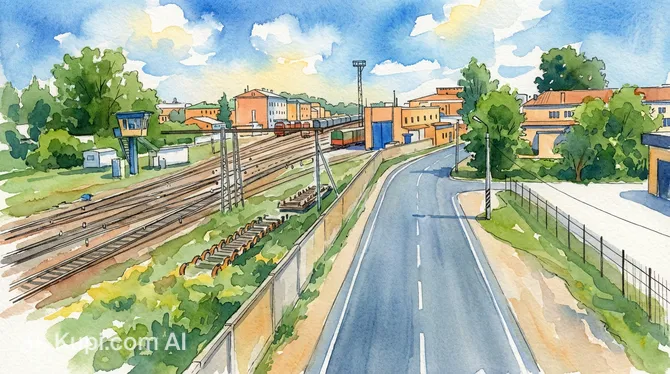
Kotlas. Source: Kupi.Binoculars

With a population of approximately 62,000 residents, the city maintains a distinct northern charm despite its role as a busy transit point. The fascinating history of Kotlas is deeply intertwined with the expansion of the railway network and river shipping, which transformed it from a modest settlement into a bustling regional center over the last century.

Travelers are often interested in the city's status as a major railway junction, a heritage celebrated by the historic steam locomotive monument displayed near the train station. Visitors can also explore the Kotlas Museum of Local Lore to gain insights into the ethnographic traditions of the area or enjoy a peaceful walk along the riverbanks to admire the expansive views of the waterways.

Whether you are embarking on a journey further into the Great Russian North or stopping to appreciate the local culture, Kotlas provides a welcoming atmosphere. It is a destination where industrial history meets the serene and powerful beauty of northern nature.

Weather Overview

The climate in this northern city is characterized by significant seasonal variations, typical of its geographical location. Winters are generally long and cold, with January being the coldest month, featuring average temperatures of -10.6°C and lows dipping to -13.0°C. Travelers visiting between November and March should be prepared for freezing conditions and consistent snow cover.

In contrast, the summer months offer pleasant and mild conditions perfect for exploring the outdoors. July is the warmest time of the year, with average temperatures around 17.9°C and daily highs reaching a comfortable 22.5°C. Spring and autumn serve as short transition periods, with temperatures rising rapidly in May and dropping noticeably by October.

Overall, you can expect warm summers with occasional rain and cold, dry winters. While the actual volume of precipitation is quite low, ranging from 1mm to 3mm per month, the frequency of precipitation is steady, with 10 to 16 wet days occurring monthly throughout the year. To help plan your activities, it is recommended to consult the current weather in Kotlas before your arrival.

Interesting Facts

Beyond its reputation as a transport hub, Kotlas holds several intriguing details that surprise many visitors. From prehistoric discoveries to curious local legends, the city offers layers of history waiting to be uncovered.

  • A Prehistoric Namesake: The city is famous in the scientific world for the Kotlassia, a genus of primitive reptile-like amphibians from the Permian period. These unique fossils were discovered during the famous North Dvina Excavations conducted by Professor Vladimir Amalitsky in the surrounding area, making the region a significant site for paleontologists globally.

  • The Legend of the Cauldron: While linguists generally agree that the name "Kotlas" is of Finno-Ugric origin, likely meaning "river mouth" or "swampy place," local folklore offers a more colorful explanation. A popular urban legend suggests the name comes from a copper cooking pot (called a "kotel" in Russian) that was accidentally dropped into the river by early surveyors or settlers.

  • A City in Sections: Unlike many compact urban centers, Kotlas is characterized by a unique layout where its main districts are separated by significant distances and patches of forest. The city effectively grew from distinct settlements—the center, the river workers' settlement of Limenda, and the railway community of Vychegodsky—which eventually merged administratively while keeping their geographic separation.

How to Get There

Reaching this northern industrial hub requires a bit of planning, as the city serves as a transit point between central Russia and the deep North. For a complete overview of routes and logistics, you can read more about how to get to Kotlas on our detailed page.

The city of Kotlas does not have a major international airport listed in the immediate vicinity, so travelers often fly into airports in neighboring regions and complete the journey by road. The closest option is Veliky Ustyug Airport (IATA: VUS), located in the city of Veliky Ustyug, which is approximately 55 km away. The ground transfer from there by taxi or bus typically takes about 1 hour and 45 minutes. A larger regional alternative is Syktyvkar Airport (IATA: SCW) in Syktyvkar. However, it is situated about 229 km from Kotlas, so the drive is significantly longer, taking around 6 hours.

For clarity, here is a summary of the main airports:

Airport Name City Passenger Traffic Km from City
Syktyvkar Airport Syktyvkar Medium 228.9
Veliky Ustyug Airport Veliky Ustyug Small 55.2

Rail transport is often the most convenient way to arrive directly in the city. The primary gateway is Kotlas Yuzhny Station, a significant railway hub located just under 1 km from the city center. This station handles a large volume of passengers and connects the city to major Russian regions. Another local option is Yadrikha Station, situated approximately 8.8 km from the main urban area, which also serves the district.

Below is a list of railway stations serving the area and nearby cities:

Station City Passenger Traffic Km to Center
Kotlas Yuzhny Station Kotlas High 0.9
Luza Railway Station Luza Medium 76.8
Veliky Ustyug Railway Station Veliky Ustyug Small 55.4
Nizovka Station Koryazhma 25.2
Yadrikha Station Kotlas 8.8

Main Attractions

While Kotlas is primarily known as a transport hub, it offers several interesting spots for visitors who want to explore the local culture, history, and modern life. From historical monuments celebrating the city's railway heritage to places for leisure and shopping, there are a few key locations worth adding to your itinerary.

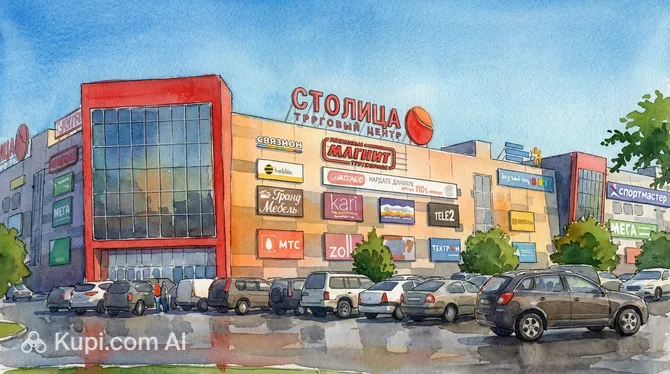
One of the modern centers of activity in the city is Stolitsa. This large shopping and entertainment complex is a favorite among locals and tourists alike. It offers a variety of shops, cafes, and entertainment options, making it a perfect place to take a break, enjoy a meal, or pick up some souvenirs after a day of exploring the northern streets.

Stolitsa. Source: Kupi.Binoculars

For history enthusiasts, the Kotlas Museum of Local Lore is an essential stop. The museum provides a deep dive into the region's past, featuring exhibits on the construction of the railway, the river fleet, and the daily life of the settlers. It is particularly famous for its paleontological section, which showcases findings from the excavations of Professor Amalitsky, including fossils of the prehistoric "Kotlassia" reptiles found along the Northern Dvina.

Given the city's origins, the Steam Locomotive Monument near the railway station stands as a proud symbol of Kotlas. This well-preserved L-series steam engine pays tribute to the generations of railway workers who built the city and kept the vital transport arteries of the Russian North moving. It is a popular spot for photos and a reminder of the industrial might that shaped the region.

Another architectural highlight is the Church of St. Stephen of Perm. This white-stone church is dedicated to the saint who brought Christianity to the Komi lands. Its traditional architecture and serene atmosphere offer a peaceful contrast to the bustling railway and river port areas, providing a quiet space for reflection and admiration of local religious art.

Local Cuisine

The local cuisine in Kotlas reflects the culinary traditions of the Russian North, characterized by hearty, warming dishes designed to sustain people through long, cold winters. As a city situated at the confluence of major rivers, the local diet relies heavily on freshwater fish, forest berries, and substantial baking. The food here is simple but flavorful, focusing on the natural quality of ingredients sourced from the surrounding taiga and waterways.

When visiting, you should definitely try dishes made from local river fish, such as pike, bream, or burbot. Traditional ukha (fish soup) is a staple, often cooked clear and rich with flavor. Another regional specialty is the shanga (plural shangi), a round, open-faced pastry typically topped with mashed potatoes, sour cream, or cottage cheese. These savory baked goods are iconic to the Arkhangelsk region and are often served as a side dish or a snack. For dessert, look for pies filled with northern berries like cloudberries, lingonberries, or cranberries, which grow abundantly in the local forests.

Beverages in Kotlas also lean towards locally sourced ingredients. Non-alcoholic mors, a refreshing fruit drink made from wild berries, is widely available and pairs well with heavy meals. Hot herbal teas, often brewed with willow herb (Ivan-chai), are popular for warming up after a walk in the crisp air. On the alcoholic side, you might encounter locally produced berry tinctures or standard Russian vodka, which are traditionally consumed with pickled mushrooms or salted cucumbers.

The dining scene in Kotlas is a mix of Soviet-style canteens (stolovayas) offering budget-friendly, home-style meals and more modern establishments. Locals often frequent cafes that serve a mix of Russian and European dishes. For a convenient dining experience with various options, you can visit the Stolitsa shopping and entertainment center. It hosts food courts and cafes where you can grab a quick bite or enjoy a relaxed meal in a comfortable, modern setting.

Travel Tips

Welcome to Kotlas! To help you navigate this unique northern city and enjoy your stay without any hassles, we have compiled a list of essential travel advice. These practical tips will ensure you are well-prepared for the local climate, logistics, and cultural nuances of the Arkhangelsk region.

  1. Dress for the Northern Climate: The weather here dictates your wardrobe. If visiting in winter, thermal underwear, a heavy down jacket, and non-slip boots are mandatory, as temperatures can drop significantly. In summer, the weather is mild, but evenings can be cool, so bring a light jacket. Comfortable walking shoes are essential year-round, especially if you plan to explore the riverbanks.
  2. Navigating the Districts: Kotlas has a unique layout where main districts like the Center, Limenda, and Vychegodsky are separated by distances that are too long to walk. Public buses are available and affordable, but for convenience, especially in the evenings, use local taxi services or ride-hailing apps. Renting a car is generally not necessary unless you plan to travel deep into the surrounding region.
  3. Cash is King: While major supermarkets and the Stolitsa shopping center accept cards, smaller shops, kiosks, and public transport often require cash. The local currency is the Russian Ruble (RUB). It is highly advisable to carry enough cash, as international bank cards may not work at local terminals or ATMs.
  4. Stay Connected: English is not widely spoken in Kotlas, so communication can be a challenge. It is strongly recommended to download an offline translation app and an offline map of the city before you arrive. Buying a local SIM card is easy at mobile phone shops in the city center and will give you access to reliable mobile internet for navigation.
  5. Health and Pharmacy Access: Pharmacies are easily identified by the green cross sign (marked as "Apteka"). Most are open during standard business hours, but 24-hour options are limited, so pack essential personal medications. For general safety, stick to well-lit streets in the central areas at night, although the city is generally safe for tourists.
  6. Local Etiquette: Russians value hospitality but appreciate politeness. When entering a private home, always remove your shoes at the door; hosts will often provide slippers. A firm handshake is the standard greeting for men, while a verbal greeting is common for women. In public transport, it is polite to offer your seat to elderly passengers.
  7. Water Safety: Avoid drinking tap water. While it is generally treated, the piping systems in older industrial cities can affect water quality. It is safer and more pleasant to buy bottled water for drinking and brushing your teeth.
  8. Prepare for Insects: If you are visiting between June and August, be aware that Kotlas is situated near major rivers and forests. Mosquitoes and midges can be quite active, especially near the water. A distinctive repellent is a must-have item in your bag to ensure your evening walks along the Northern Dvina remain enjoyable.

By keeping these tips in mind, you will be able to focus on the beauty of the Northern Dvina and the rich railway heritage of the city. We hope you have a smooth and memorable journey to Kotlas!

Entertainment & Nightlife

While Kotlas is primarily an industrial and transport hub rather than a party capital, the city still offers a modest but welcoming selection of evening entertainment. The nightlife scene here is relatively quiet compared to larger Russian cities, with activity peaking on Friday and Saturday nights. The atmosphere is generally casual and friendly, focused on socializing in relaxed environments rather than high-end glamour.

The main hub for evening activities is concentrated in the city center, particularly along Prospekt Mira and the surrounding streets. This area is well-lit and houses the most popular venues, making it convenient for visitors to hop between a café, a bar, and a cinema without traveling far. The crowd is typically a mix of local youth, railway workers off duty, and travelers passing through the region.

For those looking to unwind with a drink and good conversation, Loft Bar Podval on Prospekt Mira is a local favorite. It combines the vibe of a pub and a lounge, offering a wide selection of cocktails, beer, and hookahs. The atmosphere is cozy with a modern touch, making it suitable for both a dinner date and a late-night gathering with friends. It typically stays open until 02:00, allowing for a long, leisurely evening.

If you are in the mood for dancing or a more energetic night out, The Sherlock Club on Ulitsa Nevskogo is one of the few places in town that offers a club-like experience. It frequently hosts themed parties and DJ sets, attracting a younger crowd ready to hit the dance floor. Another option for singing enthusiasts is Karaoke-club Joy, where you can experience the Russian love for karaoke in a lively setting.

For a more low-key evening, the Stolitsa shopping and entertainment complex is the go-to destination. It houses a modern cinema, RubLion Cinema, which screens the latest releases. The complex also features a food court and coffee spots, making it an excellent choice for families or travelers who prefer a quiet night with a movie and a meal.

Practical advice for enjoying Kotlas at night includes carrying cash, as some smaller venues or taxi drivers may not accept cards. The best way to get around after dark is by taxi; apps like Yandex Go work in the city, or you can ask your hotel reception to call a local cab. The city is generally safe for night walks in the central district, but it is advisable to avoid unlit outskirts and stick to the main avenues.

During the day, entertainment options shift towards culture and nature. You can visit the local drama theater for a performance or explore the city park for a breath of fresh air. The river station area also offers pleasant opportunities for daytime strolls, watching the ships navigate the confluence of the Northern Dvina and Vychegda rivers.
Parks & Museums

While Kotlas is primarily recognized as an industrial transport hub, the city offers several inviting green spaces and cultural institutions where visitors can relax and explore the region's heritage. The local parks provide a breath of fresh air amidst the urban landscape, while the museums preserve the unique history of this northern railway gateway.

For those seeking a nature break within the city limits, the City Park of Culture and Recreation is the most popular destination. Situated centrally, this park is a favorite among locals for family strolls and outdoor activities. It features paved walking paths shaded by hardy northern trees, creating a pleasant atmosphere for a leisurely afternoon. In the warmer months, the park comes alive with small attractions and community events, offering a glimpse into the everyday life of Kotlas residents.

Another significant natural area is the River Embankment along the Northern Dvina. Although more of a promenade than a traditional park, it is arguably the most scenic spot in the city. Walking here offers expansive views of the mighty river, which has been the lifeline of the region for centuries. It is an excellent location for photography, especially during sunset when the light reflects off the water, and for watching the river traffic that defines the city's character.

When it comes to cultural education, the Kotlas Museum of Local Lore stands out as the premier institution. This museum is a treasure trove of information, housing extensive collections that cover everything from the geological past to the industrial present. Visitors are particularly drawn to the paleontological exhibits, which display fossils found during the famous excavations by Vladimir Amalitsky on the Northern Dvina. The museum also dedicates significant space to the history of the railway and the river fleet, explaining how Kotlas grew into a strategic logistical center.

In addition to the main museum, the city itself serves as an open-air gallery of railway history. Near the train station, you can admire well-preserved historical locomotives that serve as monuments to the engineering feats of the past. These massive steam engines are not just statues but are maintained pieces of history that allow tourists to appreciate the scale and power of the machinery that conquered the Russian North.

For a truly authentic experience, try to find the viewing point near the confluence of the Vychegda and Northern Dvina rivers. This spot is less manicured than the central parks but offers a raw and powerful connection to the nature of the Arkhangelsk region. It is a quiet place where you can fully comprehend the geographical significance of Kotlas as a meeting point of great waterways.

Getting Around

The public transport system in Kotlas is straightforward and functional, designed primarily to connect the city center with its detached districts, such as Limenda and Vychegodsky. Unlike larger metropolises, there is no metro, tram, or trolleybus network here. The backbone of local transit relies entirely on a system of municipal and commercial buses and minibuses (often referred to as marshrutkas), which service the main routes efficiently.

For tourists, navigating the bus system is relatively easy, though it requires some local know-how. The buses follow numbered routes that link the railway station, the river terminal, and the residential areas. Since the city is spread out over a large area with significant distances between neighborhoods, walking from one district to another is rarely a practical option, making the bus network an essential service for getting around.

The payment system in Kotlas is traditional. There are no complex travel cards, zone maps, or ticket machines at stops. You typically purchase your ticket directly on board. In most larger buses, a conductor will approach you to collect the fare, while in smaller minibuses, you pay the driver upon entry. The fare is fixed and very affordable. While some modern buses may have terminals for contactless bank cards, it is highly recommended to always carry cash in small denominations, as electronic payment systems can be unreliable or unavailable on certain routes.

Operating hours for public transport are somewhat limited compared to big cities. Buses generally start running early in the morning, around 06:00, to accommodate shift workers, but service frequency drops significantly after 20:00 or 21:00. If you plan to stay out late, you should not rely on catching a bus back to your hotel, especially if you are traveling between districts.

Given the schedule limitations and the distances involved, taxis are a very popular and convenient alternative for tourists. Ride-hailing apps like Yandex Go operate in Kotlas, allowing you to book a car without needing to speak Russian. This is often the best choice for reaching specific landmarks or traveling with luggage, as the cost is generally low by international standards. Car-sharing and bike rental services are not widely developed in the city, so the taxi remains the primary backup to the bus system.

Accommodation

Accommodation in Kotlas is primarily designed to serve transit passengers and business travelers, reflecting the city's status as a key transport hub in the Russian North. The hospitality sector here is functional and modest, offering a range of options that prioritize practicality over luxury. Visitors will not find international five-star chains or sprawling resorts; instead, the city provides comfortable mid-range hotels, budget-friendly hostels, and an increasing number of private apartment rentals.

When choosing where to stay, location is often the deciding factor. The most popular area for tourists and travelers is the district surrounding the Kotlas Yuzhny Railway Station. Staying here offers the ultimate convenience for those arriving by train or planning an early departure, with several hotels located within walking distance of the platforms. Alternatively, the city center offers a quieter atmosphere and better access to shops, cafes, and the river embankment, making it a suitable choice for those planning a stay of more than one night.

For travelers seeking a more home-like environment, the market for short-term apartment rentals is well-developed. These can be a great value alternative to traditional hotels, especially for families or groups who appreciate having kitchen facilities. Many of these apartments are located in the central residential blocks, offering a glimpse into local life.

Booking Tip: Since Kotlas is a transit point, hotels can fill up quickly with railway crews and business delegations. It is highly recommended to book your accommodation in advance, especially if you are arriving late at night or during the winter holiday season.

The price range for lodging in the city is generally affordable to moderate. Budget travelers can find very inexpensive beds in hostels or older guest houses, while standard hotel rooms fall into a mid-range price bracket. Booking is typically done through major Russian online travel platforms or by calling the hotels directly. Be aware that while larger hotels accept credit cards, smaller guesthouses and private apartment owners may prefer payment in cash.

Nearby Cities

For those looking to explore the surroundings, Kotlas serves as an excellent base for day trips to several interesting nearby locations:

One of the closest and most accessible destinations is Koryazhma, located just about 30 kilometers away. While it is a young industrial city, it is famous for its unique natural landmark, the Cedar Grove (Kedrovaya Roshcha). This protected nature reserve was planted centuries ago by monks and remains a beautiful spot for a peaceful walk amidst ancient trees. Koryazhma also offers a glimpse into the Soviet-era industrial development of the region combined with modern cultural centers.

Although not listed in the immediate vicinity table, the historic town of Solvychegodsk is situated very close to Kotlas and is a must-visit for history buffs. Once the capital of the Stroganov merchant empire, this small town is renowned for its stunning 16th and 17th-century stone cathedrals, therapeutic salt springs, and sanatoriums. It serves as a living museum of the Russian North's architectural and commercial heritage.

Another popular excursion is to Veliky Ustyug, often referred to as the home of Ded Moroz (Father Frost). While it requires a slightly longer drive than Koryazhma, it is well within range for a day trip. Visitors are drawn to its well-preserved historic center, filled with churches and merchant houses that reflect the wealth of this ancient river port.

City Population Distance (km)
Kirov 501468 340
Syktyvkar 245313 228
Kirovo-Chepetsk 72071 354
Novovyatsk 49475 350
Koryazhma 36607 29

These nearby destinations offer a glimpse into the diverse culture and landscapes of the region.

Shopping & Souvenirs

Shopping in Kotlas is primarily functional and convenient, catering to the needs of local residents and transit travelers rather than seeking to be a high-end fashion destination. The city offers a mix of modern shopping centers and traditional retail outlets where visitors can find everything from essential travel supplies to unique northern gifts. While you will not find luxury boutiques here, the retail landscape provides a genuine glimpse into the everyday life of the Arkhangelsk region.

The main commercial activity is concentrated in the city center, particularly along Prospekt Mira and its intersecting streets. This area serves as the principal shopping artery, lined with a variety of small stores selling clothing, electronics, and household goods. A walk down this avenue offers a relaxed shopping experience where you can browse local pharmacies, bookshops, and grocery stores that are easily accessible from the main hotels.

For a more comprehensive shopping experience under one roof, the Stolitsa shopping and entertainment center is the city's premier destination. As the largest mall in Kotlas, it hosts a wide array of branded clothing stores, shoe shops, and accessory boutiques. It is also a convenient spot for tourists to restock on supplies, as it includes a large supermarket and a food court, making it a modern hub for both shopping and leisure.

To experience the local flavor, visitors should seek out the city's markets. These bustling spaces are where the agricultural richness of the region shines. Here, you can find fresh produce brought in from the surrounding villages. In late summer and autumn, the markets are particularly vibrant, filled with buckets of wild northern berries like lingonberries, cranberries, and the prized cloudberries, as well as an assortment of wild mushrooms gathered from the taiga.

When looking for souvenirs to take home, focus on goods that reflect the traditions of the Russian North. The most popular gifts are edible ones: jars of cloudberry jam, dried mushrooms, or locally smoked river fish are highly appreciated. Additionally, you may find traditional handicrafts such as items made from birch bark, knitted woolens to keep warm in the northern winter, or the wooden "bird of happiness" charms that are iconic to the Arkhangelsk Oblast.

Most shops in Kotlas operate on standard Russian business hours. Major shopping centers like Stolitsa typically stay open from 10:00 AM to 10:00 PM, while smaller street-side shops usually close around 7:00 PM or 8:00 PM. Grocery supermarkets often have extended hours. In terms of payment, major malls and chain stores readily accept credit and debit cards. However, if you plan to visit the markets or smaller kiosks for souvenirs, it is essential to carry cash in Russian Rubles, as electronic payments may not be available.

Reached the end of the page?

That means the route is fully explored