Support

Lensk

About

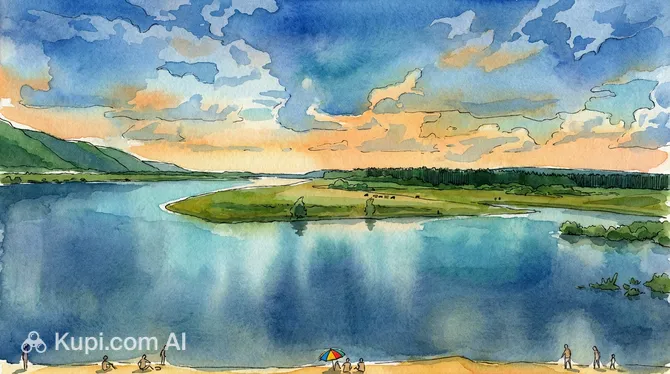
Lensk is a captivating town situated on the picturesque banks of the Lena River in the Sakha Republic (Yakutia). As a significant river port and a gateway to the diamond-mining regions of the north, it holds a unique place in the Russian Federation. The city offers visitors a glimpse into authentic Siberian life, surrounded by the vast and untamed beauty of the taiga.

Lensk. Source: Kupi.Binoculars

Geographically, Lensk is defined by its proximity to the water, which serves as a vital transport artery during the navigation season. The city is home to approximately 23,000 people and experiences a subarctic climate, characterized by cold winters and surprisingly warm, pleasant summers. While the weather can be harsh, the resilience of the local community and the stunning natural landscapes create a truly distinct atmosphere.

For those interested in the region's past, exploring the history of Lensk is a rewarding experience. Originally founded as a postal station named Mukhtuya, the settlement has evolved into a modern urban center. Key attractions include the beautiful River Embankment, which offers sweeping views of the Lena River, and the wooden Church of Saint Innocent of Moscow, a spiritual landmark for the locals. The Lensk Museum of History and Local Lore is also worth a visit to understand the cultural heritage and development of this remote area.

Whether you are arriving by river cruise or traveling overland through Yakutia, Lensk welcomes travelers with its northern hospitality and scenic charm. It is an excellent stop for anyone looking to discover the quiet strength and beauty of Eastern Siberia.

Weather Overview

The climate in this region is sharply continental, characterized by extreme temperature differences between the seasons. When planning a trip, it is essential to check the detailed weather in Lensk to pack appropriately, as conditions vary significantly throughout the year. Generally, you can expect warm, pleasant summers with occasional rain and long, extremely cold winters.

Winter is the dominant season, bringing severe cold to the city. January is typically the coldest month, with average temperatures dropping to around -26.7°C and lows frequently reaching -30.0°C. December and February are similarly frigid, with averages of -26.9°C and -22.3°C respectively. Despite the freezing temperatures, precipitation is minimal during these months, though you might encounter light snow on about 8 to 11 days per month.

In contrast, the summer months offer a welcome respite with much milder conditions. July is the warmest time of year, featuring an average temperature of 18.6°C and daily highs that can reach a comfortable 23.4°C. June and August are also agreeable, with averages hovering between 15°C and 16°C. While rainfall remains relatively low in volume, there are usually around 10 to 12 wet days per month during the summer, so carrying a light raincoat is advisable.

Spring and autumn serve as short transition periods. May sees temperatures rising above freezing to an average of 6.2°C, while September cools down quickly to similar levels before the freeze sets in again. October marks the definitive start of the colder season, with averages dipping below zero to -2.7°C.

Interesting Facts

Beyond the main attractions, Lensk holds fascinating stories that reveal its vital importance to the Siberian economy and history. Here are a few unique insights into this resilient river city.

  • The Diamond Gateway: Lensk is often referred to as the "Gates to the Diamond Province" of Russia. While the actual diamond mines are located further north in Mirny, Lensk serves as the critical logistical hub where heavy machinery, fuel, and supplies arrive via the Lena River to be transported by road to the mining sites.

  • A City Reborn: The town is a symbol of incredible resilience following a catastrophic flood in 2001. The rising waters of the Lena River submerged nearly the entire city, but it was rebuilt at an unprecedented pace, resulting in a modernized infrastructure and housing stock that sets it apart from many older Siberian settlements.

  • Ancient Roots: Before receiving its current city status and name in 1963, the settlement was known as Mukhtuya. This name is of Evenki origin and translates to "great water," a fitting tribute to the majestic river that has sustained the local population for centuries.

How to Get There

Reaching Lensk, located deep in the heart of Yakutia, is a journey that primarily relies on air travel due to the vast distances and challenging terrain of the region. While the river offers a scenic route during the navigation season, flying remains the most year-round reliable method. For travelers planning their trip, it is recommended to check all ways to reach the city to choose the best option for the season.

The city is served by its own local aviation hub, Lensk Airport (IATA: ULK), which is conveniently situated just 4.3 km from the city center. This proximity makes arrival easy, with a taxi or bus ride taking approximately 26 minutes to reach downtown. The airport handles smaller regional aircraft, connecting the city with the regional capital and other settlements.

For more flight options, travelers might consider arriving via neighboring cities, though this involves a significant overland journey. Mirny Airport (IATA: MJZ) is a larger hub located in the city of Mirny, about 207 km from Lensk. The transfer from Mirny by road typically takes around 5.5 hours. Another alternative is Talakan Airport (IATA: TLK) in Talakan, which is approximately 233 km away, requiring a travel time of about 6 hours by car or bus.

For clarity, here is a summary of the main airports:

Airport Name City Passenger Traffic Km from City
Talakan Talakan Medium 233.0
Mirny Airport Mirny Medium 207.2
Lensk Lensk Small 4.3

It is important to note that Lensk does not have a connection to the railway network. The city lacks a railway station, and there are no direct train routes leading to this part of the Sakha Republic. Visitors should plan to rely on air transport or, during the summer months, river transport along the Lena River.

Main Attractions

Lensk is a compact yet culturally rich city where most sights are deeply connected to its history as a river port and a postal station. While it may not have the grandeur of a major metropolis, its attractions offer an intimate look into the life and resilience of the people in the Sakha Republic. Here are the main places to visit.

The Embankment of the Lena River is undoubtedly the heart of the city and the most popular place for a stroll among locals and tourists alike. Renovated and modernized, particularly after the historic floods, it offers breathtaking panoramic views of the majestic Lena River. A key feature here is the architectural composition "Ladya," a monument symbolizing the river vessels that have been the lifeline of this region for centuries. It is the perfect spot for photography, especially during the long summer evenings when the sun reflects off the water.

For those wishing to delve deeper into the region's past, the Lensk Museum of History and Local Lore is a must-visit. The museum houses fascinating exhibits that trace the evolution of the settlement from the small postal station of Mukhtuya to the modern industrial city it is today. Visitors can learn about the "Diamond Path"—the logistical route supplying the diamond mines—and see displays dedicated to the local flora, fauna, and the ethnography of the indigenous peoples of Yakutia.

The Church of Saint Innocent of Moscow stands as a spiritual beacon in the city. This beautiful wooden church is not only a place of worship but also a fine example of modern religious architecture that respects traditional Russian styles. Its serene atmosphere and picturesque wooden structure make it a peaceful retreat and a significant cultural landmark for the community.

Another important site is Victory Square, the central memorial complex dedicated to the soldiers of World War II. It serves as a solemn reminder of the sacrifices made by the country, and the eternal flame here is a focal point for city ceremonies. For tourists, it provides a quiet space for reflection and offers insight into the patriotic values that are strong in this Siberian town.

Local Cuisine

The local cuisine in Lensk is a fascinating blend of traditional Russian comfort food and the unique culinary heritage of the Sakha Republic (Yakutia). Given the harsh subarctic climate, the food here is typically hearty, calorific, and centered around natural ingredients sourced from the surrounding taiga and the majestic Lena River. For tourists, dining here offers a chance to taste authentic Siberian flavors that are rarely found elsewhere.

River fish is the undisputed staple of the local diet. The most famous delicacy you must try is Stroganina. This dish consists of thin shavings of frozen raw fish, usually whitefish like muksun or omul, served with a mixture of salt and black pepper. It is not just a meal but a cultural experience, melting in your mouth and providing essential vitamins during the long winters. Another popular fish dish is Indigirka, a salad made from diced frozen fish, onions, oil, and spices, often described as a Siberian tartare.

Meat also plays a significant role in the region's gastronomy. Yakut cuisine frequently features beef and foal meat, which are prized for their nutritional value and taste. You might encounter hearty meat soups or roasted dishes served with potatoes. for dessert, look for Kuerchekh, a traditional Yakut treat made by whipping heavy cream with local berries—such as lingonberries or cloudberries—and sometimes sugar. It is a simple yet incredibly delicious way to enjoy the forest's bounty.

When it comes to drinks, locally harvested berries are the star ingredients. Mors, a refreshing fruit drink made from cranberries or lingonberries, is widely available and packed with Vitamin C. Tea is the primary hot beverage, often drunk strong and with milk. In some places, you might also find Kumis, a fermented mare's milk drink that is traditional to the Sakha people, known for its distinct sour taste and health benefits.

The food culture in Lensk is unpretentious and welcoming. You won't find high-end gourmet restaurants; instead, the city is dotted with cozy cafes and canteens (known as stolovaya) that serve home-style meals. These establishments are where locals go for lunch, offering a mix of Yakut specialties and classic Russian dishes like pelmeni (dumplings) and borscht. The atmosphere is generally casual, focusing on warmth and hospitality rather than elaborate presentation.

Travel Tips

Visiting Lensk offers a unique opportunity to experience life in the heart of Siberia, but its remote location and distinct climate require a bit of extra preparation. To ensure your trip to the banks of the Lena River is smooth and enjoyable, here are some essential practical tips to keep in mind.

  1. Clothing and Gear: The most critical factor is the season. If visiting in winter, you must bring professional-grade cold-weather gear, including thermal underwear, a heavy down parka, insulated trousers, and boots rated for extreme frost, as temperatures can drop below -40°C. In summer, the weather is warm, but the taiga brings swarms of mosquitoes and midges; therefore, bring light, breathable clothing that covers your skin and a strong insect repellent. Comfortable, sturdy walking shoes are recommended year-round.

  2. Transportation: Lensk is a compact city, and there is no metro or tram system. The most convenient way to get around is by taxi, which is affordable and reliable. Ride-hailing apps may be available, but it is often easier to ask your hotel to call a local taxi service. Public buses operate on fixed routes, but schedules can be infrequent. Car rental is not a standard service here, so relying on taxis or walking is best.

  3. Finances: The local currency is the Russian Ruble (RUB). While major supermarkets and hotels typically accept bank cards, smaller shops, kiosks, and local markets often prefer cash. It is highly advisable to carry a sufficient amount of cash with you. ATMs are available in the city center and at banks, but international card networks may not work, so having a cash reserve is essential.

  4. Health and Safety: The primary safety concern is the climate; never underestimate the cold in winter and always dress in layers to prevent frostbite. Pharmacies (apteka) are available in the town center, but they may not operate 24/7, so bring any prescription medications you need. Lensk is generally a safe and quiet town, but standard precautions like watching your belongings in public spaces apply.

  5. Communication: The main language spoken is Russian. English is not widely spoken, especially among the older generation or in smaller establishments. It is strongly recommended to download an offline translation app and an offline map on your phone before arrival. You can purchase a local SIM card at the airport or mobile phone shops in the city center to stay connected via mobile data.

  6. Local Etiquette: Siberians are known for their warm hospitality but can appear reserved at first. A polite handshake is a standard greeting for men. If you are invited to a local home, it is mandatory to remove your shoes at the entrance; hosts will usually provide slippers. It is also polite to bring a small gift, such as sweets or tea, when visiting someone's house.

  7. What to Avoid: Do not drink tap water without boiling it first; buying bottled water is the safest option for tourists. Additionally, avoid taking photographs of industrial facilities or the airport tarmac without permission, as security regulations can be strict in strategic transport hubs.

  8. River Navigation: If you plan to travel during the summer, keep in mind that the Lena River is a working transport artery. Passenger ferries and hydrofoils operate strictly during the navigation season (usually late May to October). Schedules can change due to water levels, so always double-check departure times at the river port a day in advance.

By following these simple guidelines, you will be well-equipped to navigate the local customs and conditions of Lensk. Embrace the adventure, respect the powerful nature surrounding you, and enjoy the warm welcome of this resilient northern community.

Entertainment & Nightlife

Nightlife in Lensk is reflective of its character as a small, hardworking northern town. You will not find sprawling nightclub districts or high-end cocktail lounges here; instead, the evening scene is intimate, casual, and centered around a few key local establishments where residents gather to unwind. The atmosphere is warm and welcoming, often feeling like a gathering of friends rather than a bustling commercial scene. Most activity is concentrated in the central part of the town, particularly along the main streets where the primary dining and entertainment venues are located.

For those looking to spend an evening out, the options typically revolve around café-style venues that transition into livelier spots after dark. One of the popular places is the Cafe Charoit on Zaozernaya Street, known for its hearty food and ability to host evening gatherings. Another frequented spot is Cafe Ali Baba on Dzerzhinskogo Street, which offers a relaxed environment suitable for dinner and late-night conversations. These venues usually operate with a "smart casual" dress code—practical for the climate but neat enough for a night out.

If you are seeking more active entertainment, the Entertainment Center Yula on Proletarskaya Street is a notable venue in the city. It serves as a hub for leisure activities and is a good place to experience how locals spend their free time. While it may not be a nightclub in the metropolitan sense, it provides a vibrant atmosphere where you can socialize and enjoy the local vibe. The crowd in Lensk is generally friendly, but it is always polite to respect local customs and keeping noise levels moderate.

Practical advice for a night out in Lensk revolves largely around transportation and payment. Taxis are the most reliable way to get around after dark, as public transport is limited or non-existent late at night. It is highly recommended to have a taxi number saved or ask your venue to call one for you. Prices are generally affordable, but you should always carry cash, as card machines may not be available in every taxi or smaller venue. Safety-wise, the town is calm, but due to the severe climate in winter and poor lighting in some outskirts, it is best to stick to the central, well-lit areas and avoid walking alone late at night.

During the day, the entertainment options shift towards cultural and outdoor activities. Before the sun sets, you might visit the local History and Local Lore Museum to learn about the region's heritage or take a walk along the scenic river embankment. For nature lovers, the surrounding areas offer opportunities for outdoor recreation, which is the primary form of "entertainment" for many Siberians. However, when the sun goes down, the cozy warmth of a local café remains the best way to end the day.

Parks & Museums

While Lensk is primarily an industrial and transport hub, the city and its surroundings offer several serene green spaces and cultural institutions that provide a deeper understanding of the Yakutia region. Visitors here can explore a blend of manicured urban parks, wild taiga landscapes, and venues dedicated to preserving the rich history of this river port.

City Park of Culture and Recreation

The main green lung of the city is the City Park of Culture and Recreation. Nestled within the urban area, this park retains the natural charm of the surrounding taiga, featuring tall pine trees that purify the air and provide shade during the warm summer months. It is a favorite spot for families and locals, offering walking paths, benches, and seasonal attractions. In winter, the park transforms into a snowy wonderland often decorated with ice sculptures, while summer brings vibrant greenery, making it an ideal place for a quiet picnic or a leisurely stroll away from the river winds.

The Lena River Embankment

Although technically a promenade, the Embankment functions as the city's most scenic linear park. Stretching along the majestic Lena River, it offers uninterrupted views of the water and the forested hills on the opposite bank. It is the perfect location for connecting with nature without leaving the city center. The area is paved and landscaped, providing a comfortable space for jogging, cycling, or simply watching the sunset over the river. The scale of the river here is truly impressive, giving visitors a sense of the vastness of Eastern Siberia.

Lensk Museum of History and Local Lore

For a dive into the local culture, the Lensk Museum of History and Local Lore is the premier destination. The museum's collections are diverse, covering everything from the paleontological past of the region—including mammoth remains found in the permafrost—to the ethnographic history of the indigenous Yakut and Evenki peoples. A significant portion of the exhibition is dedicated to the history of Mukhtuya (the town's original name) and its crucial role as a logistics hub for the diamond mining industry. It is a fascinating stop for anyone wanting to understand how people have thrived in this harsh climate for centuries.

Church of Saint Innocent of Moscow

From an architectural and cultural perspective, the Church of Saint Innocent of Moscow is a standout landmark. Built in a traditional style using wood, it reflects the mastery of local carpentry and the spiritual revival of the region. The church grounds are well-kept and offer a peaceful atmosphere, allowing visitors to appreciate the intricate details of the wooden structure which harmonizes perfectly with the Siberian landscape.

Victory Square

Another significant site is Victory Square, which serves as both a memorial complex and a landscaped public space. Dominated by monuments dedicated to the heroes of World War II, the square is surrounded by flower beds and trees, creating a solemn yet beautiful environment. It is a place of remembrance where tourists can observe local traditions, especially on commemorative dates when the city gathers to pay respects.

Insider Tips

For a truly authentic experience, venture slightly beyond the city limits during late summer or early autumn. The surrounding forests are rich with wild berries like lingonberries and cloudberries, as well as mushrooms. "Quiet hunting" (foraging) is a popular local pastime, but it is best done with a local guide to ensure safety in the taiga. Additionally, if you visit in winter, look out for the impromptu ice slides and snow fortresses that often appear in residential courtyards, showcasing the locals' creative embrace of the cold.
Getting Around

The public transport system in Lensk is straightforward and functional, reflecting the compact size of this Siberian town. Unlike major metropolitan areas, there is no metro, tram, or trolleybus network here. The city relies entirely on a system of municipal buses and privately operated minibuses (often referred to as marshrutkas) to connect residential neighborhoods with key locations such as the town center, the airport, and the river port.

For tourists, navigating the bus network is relatively easy due to the limited number of routes. The buses typically operate on a fixed schedule, linking the outskirts to the central district where most shops and administrative buildings are located. While the vehicles may not be the newest models, they are reliable workhorses capable of handling the local road conditions. Stops are usually marked, but in some residential areas, you may need to signal the driver to stop.

The payment system is predominantly cash-based. While contactless payment methods are slowly appearing in many regions, it is highly recommended to carry cash (small denominations of Rubles) when using public transport in Lensk. You typically pay the driver directly upon entering or exiting the vehicle. There are no complex zone systems or travel cards for short-term visitors; the fare is a fixed flat rate regardless of the distance traveled, making it very affordable.

Taxis are the most popular alternative to buses and are often the preferred choice for visitors who want comfort and speed, especially during the colder months. Ride-hailing apps may have limited functionality compared to big cities, so local dispatch services are commonly used. You can ask your hotel reception or a local resident for a reliable taxi phone number. Fares are generally reasonable, and taxis can take you to specific destinations that might be far from a bus stop.

A crucial piece of advice for tourists concerns the operating hours and the climate. Public transport does not run 24/7; buses usually stop running in the early evening, around 8:00 PM or 9:00 PM. If you plan to be out late, you must arrange a taxi in advance. Additionally, if you are visiting in winter, be mindful that waiting for a bus in extreme sub-zero temperatures can be dangerous. It is often safer and more comfortable to order a taxi from indoors rather than standing at an exposed bus stop.

Finally, due to the town's small footprint, walking is a viable and pleasant option during the summer. You can easily cross the central part of Lensk on foot in a short time. However, there are no bike rental schemes or car-sharing services currently available in the city, so your mobility will largely depend on walking, buses, or hired cars.

Accommodation

Accommodation in Lensk reflects the city's primary role as an industrial and logistical hub rather than a mainstream tourist destination. The options here are functional and practical, catering largely to business travelers, shift workers, and those transiting to the diamond mining regions. Visitors should not expect international luxury chains or sprawling resorts; instead, the city offers a selection of small local hotels and guesthouses that provide warm, basic, and comfortable amenities suitable for a short stay in the High North.

The range of lodging typically falls into two categories: standard mid-range hotels and private apartment rentals. Hotels generally offer classic rooms with essential facilities such as private bathrooms, heating (crucial in winter), and sometimes an on-site café. For those seeking a more "home-like" experience or planning a longer visit, renting a private apartment is a popular alternative. These rentals often provide a kitchen, which can be convenient given the limited dining hours in some local establishments.

In terms of location, the most convenient area to stay is the city center, particularly near the Lena River embankment or the main administrative buildings. Lensk is compact, so staying centrally ensures that grocery stores, the museum, and the few dining spots are within walking distance. Being close to the river is also pleasant during the summer navigation season, offering nice views and easy access to the promenade.

Booking Tips and Prices

Because accommodation options are limited, it is highly recommended to book in advance. This is especially important during the summer navigation period (May to October) and the winter ice-road season, when the influx of workers and logistics personnel is at its peak. Finding a room on arrival can be difficult during these busy times.

Prices in Lensk can be slightly higher than in other Russian provincial towns of similar size, a phenomenon common in the North due to the high cost of maintaining infrastructure in extreme climates. While some hotels may be listed on major Russian online booking platforms, many smaller establishments still operate via direct phone reservations. It is also advisable to have cash on hand, as card terminals may not always be available or reliable in smaller guesthouses.

Nearby Cities

For those looking to explore the surroundings, Lensk serves as an excellent base for day trips to several interesting nearby locations:
City Population Distance (km)
Mirny 35223 208
Severobaykalsk 23365 655
Khadyshensk 22468 524
Aldan 20595 636
Nizhneangarsk 19000 633

Given the vast scale of the Sakha Republic, "nearby" is a relative term, but Mirny stands out as the most accessible and fascinating destination for a short trip. Known globally as the "Diamond Capital" of Russia, it is home to the Mir Mine, one of the deepest open-pit diamond mines in the world. Visitors can view this colossal man-made crater from a dedicated observation deck, offering a truly awe-inspiring perspective on the region's industrial might.

For those willing to undertake a longer journey, Severobaykalsk offers a completely different experience. Located at the northern tip of Lake Baikal, it serves as a gateway to the pristine natural beauty of the world's deepest lake. While the distance makes it more of an expedition than a simple day trip, the opportunity to see the breathtaking shores of Baikal and explore the Great Baikal Trail makes it a worthwhile venture for nature enthusiasts traveling through Eastern Siberia.

These nearby destinations offer a glimpse into the diverse culture and landscapes of the region.

Shopping & Souvenirs

Shopping in Lensk is primarily a functional experience rather than a leisure activity, reflecting the practical needs of a city located in the Far North. Visitors will not find sprawling luxury outlets or international fashion chains here. Instead, the retail landscape is dominated by small, independent stores and multi-purpose trading centers that supply locals with everything from heavy winter gear to daily groceries. For tourists, the most interesting aspect of shopping in Lensk is exploring the local food markets, which offer a glimpse into the region's unique culinary culture.

The main commercial activity is concentrated in the city center, particularly along Ulitsa Lenina and Ulitsa Pobedy. These central streets are lined with a variety of small shops selling clothing, electronics, and household goods. A stroll through this area allows visitors to see what life is like in a remote Siberian town. You will find that many stores focus heavily on warm clothing, fur, and outdoor equipment, which are essential for survival in the harsh Yakutian climate.

While there are no mega-malls, Lensk has several indoor shopping arcades known as "Trading Centers" (Torgoviy Tsentr). These compact multi-story buildings house dozens of individual vendors under one roof. They are good places to find basic necessities, mobile accessories, or casual clothing. The atmosphere is bustling and informal, and they serve as convenient one-stop shops for residents, especially during the cold winter months when shopping outdoors is uncomfortable.

The highlight of the shopping scene for any traveler is the Central Market (Rynok). This is where the true flavor of Yakutia can be found. The market is famous for its selection of local river fish, including muksun, omul, and nelma, which are often sold frozen, smoked, or salted. In late summer and autumn, the stalls are overflowing with fresh berries from the taiga, such as lingonberries and cloudberries, as well as pine nuts and wild mushrooms. It is a vibrant place to interact with locals and see the bounty of the Siberian nature.

When it comes to souvenirs, edible gifts are the best choice to bring back from Lensk. Smoked fish or vacuum-packed salted fish are highly prized delicacies that travel relatively well. Another popular local product is jam or syrup made from northern berries, which are packed with vitamins. For non-food items, you might look for traditional Yakut handicrafts, such as items made from fur or beadwork, although the selection here is smaller than in the regional capital, Yakutsk.

Store opening hours in Lensk are generally standard for Russia. Most shops open around 10:00 AM and close by 7:00 PM or 8:00 PM. Supermarkets may stay open later, until 10:00 PM. While major supermarkets and larger stores accept credit and debit cards, cash is still very important, especially at the market, in taxis, and in smaller kiosks. It is highly recommended to carry a sufficient amount of Russian Rubles in smaller denominations.

Tourists should be aware that the Tax-Free shopping refund system is generally not available in Lensk. The city is not a major international tourist hub, and local retailers are typically not registered for such programs. Therefore, the price you see on the tag is the final price you pay.

Nearby cities

Reached the end of the page?

That means the route is fully explored