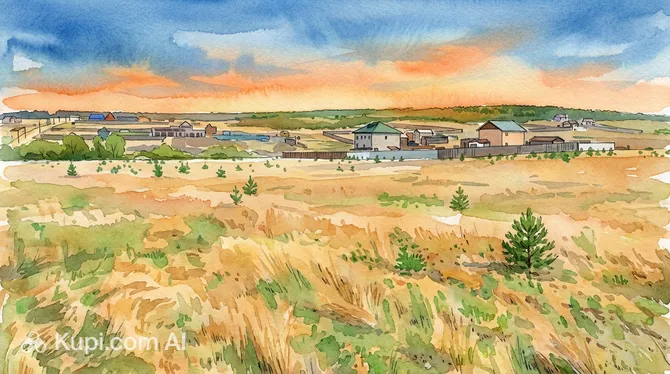
Shopping in Markovo is a reflection of its status as a remote rural settlement with a population of just around 800 people. Visitors should not expect a commercial experience comparable to cities or even larger towns. There are no chain stores, boutiques, or luxury outlets here. Instead, the local retail scene consists of a few general stores ("magazins") that stock essential goods ranging from groceries and household chemicals to basic clothing and outdoor gear. The availability of products is heavily dependent on the logistics of seasonal transport, meaning variety can fluctuate significantly depending on whether the winter roads or river navigation are open.
There are no designated shopping streets or districts in the traditional sense. The few existing shops are scattered throughout the village, mostly located within walking distance of the central administrative buildings and the post office. A stroll through the village center will allow you to locate these establishments easily. They typically operate as "all-in-one" counters where you can buy bread, canned food, and batteries in a single transaction.
Travelers looking for shopping malls or large department stores will not find them in Markovo. The infrastructure is designed strictly to meet the daily needs of the local residents. The concept of recreational shopping or window shopping does not apply here; purchasing is a purely functional activity.
While there is no formal marketplace with stalls and vendors, Markovo offers a unique "informal market" experience rooted in its agricultural identity. As the "Garden of Chukotka," the village is famous for its private vegetable plots. During the harvest season, the best place to "shop" is often directly at a local resident's gate. You can purchase fresh potatoes, carrots, and the region's famous pickled cabbage directly from the people who grew them. This is not only a way to get the freshest food in the Arctic but also a chance to interact with the community.
When it comes to souvenirs, the best items to bring back are edible local specialties that you won't find elsewhere in Chukotka. Markovo's pickled cabbage is renowned across the region for its quality. Another excellent choice is yukola (sun-dried fish), which is a traditional snack perfect for travel. Occasionally, you may find handmade items such as beaded jewelry or traditional fur slippers made by local Chuvan artisans. These are rarely sold in shops; it is best to inquire at the Markovo Local History Museum or the Rural House of Culture if any local masters have items for sale.
Store hours are generally limited. Most shops open around 9:00 or 10:00 AM and close by 6:00 or 7:00 PM. It is very common for smaller stores to close for a lunch break ("obed") for an hour in the middle of the day, typically between 1:00 PM and 2:00 PM. On weekends, hours may be reduced.
Payment is a critical consideration. Cash is the absolute rule in Markovo. Credit card terminals are rare and frequently non-functional due to unstable internet connections. There are no ATMs in the village that accept international cards, and banking facilities are minimal. You must bring a sufficient supply of Russian Rubles (RUB) in small denominations to cover all your purchases for the duration of your stay.
Tax-free shopping (VAT refund) is not available in Markovo. The system requires participating retailers and digital infrastructure that do not exist in this remote settlement.