Support

Okhotsk

About

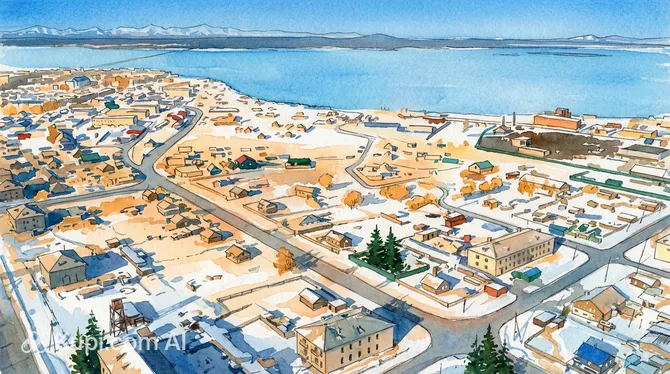
Okhotsk is a fascinating destination for travelers seeking to explore the remote and rugged beauty of the Far East. Situated at the mouth of the Okhota River on the shores of the Sea of Okhotsk, this settlement holds a unique place in the geography of the Russian Federation. Although its population is modest, with around 5,570 residents, its historical and strategic importance cannot be overstated, offering a distinct atmosphere defined by its isolation and the raw power of the surrounding nature.

As the first Russian settlement on the Pacific coast, founded in 1647, the town is steeped in the past. Visitors interested in the history of Okhotsk will discover that it served as a crucial base for expeditions by famous explorers like Vitus Bering. The local climate is subarctic with monsoon influences, creating a landscape where the vast taiga meets the cold, steel-gray sea.

Okhotsk. Source: Kupi.Binoculars

Today, Okhotsk is primarily known for its thriving fishing industry, particularly its abundant salmon runs which attract nature enthusiasts and anglers alike. The town offers a glimpse into life in the North, with monuments dedicated to its maritime heritage and the explorers who once walked its shores. The surrounding landscapes offer breathtaking views of the wild coastline, making it a compelling spot for eco-tourism and photography.

If you are looking for an authentic experience far from the bustling tourist trails, Okhotsk provides a serene and unforgettable journey. Its combination of rich heritage and pristine northern nature makes it a hidden gem worth discovering for the adventurous traveler.

Weather Overview

Travelers planning a trip to this northern outpost should be prepared for a distinct subarctic climate. The weather in Okhotsk is characterized by long, frigid winters and short, cool summers. January is typically the coldest month, with average temperatures plummeting to around -23.5°C, while December and February are similarly harsh.

Summer offers the most comfortable conditions for exploration, particularly in July and August. During this peak season, average temperatures hover around 15°C to 16°C, with highs occasionally reaching 20°C. While precipitation volume is generally low throughout the year, visitors should expect frequent damp days, especially in late summer when wet days are more common.

Overall, expect mild summers with occasional rain and very cold, dry winters. Packing layers is essential regardless of when you visit, as even the warmer months can feel crisp due to the coastal breeze.

Interesting Facts

Beyond its rugged landscapes and historical significance, Okhotsk holds several fascinating secrets that surprise many visitors. From linguistic curiosities to its unique logistical challenges, here are some intriguing details about this remote settlement.

  • A Deceptive Name: Although "Okhota" means "hunting" in Russian, the town's name actually has nothing to do with hunters. It is derived from the Even word "okat," which simply means "river." Over time, the indigenous name was adapted into the Russian "Okhota," creating a linguistic coincidence that persists to this day.

  • An "Island" on the Mainland: despite being located on the continent, Okhotsk functions almost like an island. There are no year-round roads or railway lines connecting it to the rest of the country. During the warmer months, it is accessible only by sea or air, and in winter, extreme adventurers might traverse temporary "winter roads" (zimniks) through the frozen wilderness.

  • Cradle of the Pacific Fleet: Okhotsk is officially recognized as the birthplace of the Russian Pacific Fleet. It was here in 1731 that the first permanent naval flotilla was established to patrol the waters and protect the coastline, decades before the founding of Vladivostok.

  • Legendary Shipyard: This small settlement was the launchpad for some of the world's most famous expeditions. The legendary packet boats St. Peter and St. Paul, used by Vitus Bering and Aleksei Chirikov to reach the shores of North America, were built right here in Okhotsk using local timber and iron brought across the entirety of Siberia.

How to Get There

Reaching this remote outpost on the shores of the Sea of Okhotsk is an adventure in itself, given its isolation from the main transport arteries of the country. Since there are no road or rail connections to the rest of the continent, air travel remains the primary and most reliable method for visitors. For a detailed breakdown of routes and logistics, you can read more about how to get to Okhotsk.

The town is served by Okhotsk Airport (OHO), which acts as the main lifeline for the local community and incoming travelers. It is a regional hub located approximately 10 km from the town center. Due to the modest distance, a taxi or local transport ride to the settlement typically takes around 35 minutes. While the airport is small, handling limited passenger traffic compared to major international hubs, it is essential for connecting Okhotsk with larger cities in the region, such as Khabarovsk.

For clarity, here is a summary of the main airport serving the area:

Airport Name City Passenger Traffic Km from City
Okhotsk Airport Okhotsk Small 10.1

It is important to note that Okhotsk is not connected to the Russian railway network. The rugged terrain and vast distances of the Far East mean there are no train stations in or near the settlement. Consequently, travelers cannot reach the town by train, and flying remains the only practical option for arrival.

Main Attractions

While Okhotsk is a remote settlement rather than a bustling tourist hub, its attractions offer a profound connection to the history of exploration and the raw beauty of the Russian Far East. The town’s landmarks are deeply tied to its identity as the first Russian port on the Pacific, making it a fascinating destination for history enthusiasts and nature lovers alike.

A significant site for any visitor is the Monument to Vitus Bering. This memorial commemorates the legendary explorer and the Great Northern Expedition, which utilized Okhotsk as a crucial staging ground for voyages to the shores of America. Viewing the monument provides a tangible link to the age of discovery, reminding travelers that this small town was once the gateway to the New World and a center of maritime history.

For a deeper dive into the local culture, the Okhotsk Museum of Local Lore is an essential stop. The museum houses a curated collection of artifacts that tell the story of the region, from the traditions of the indigenous Even people to the hardships and triumphs of the early Cossack settlers. It is an excellent place to learn about the town's evolution, its strategic military past, and the development of the fishing trade that sustains it today.

Nature itself is the town's grandest attraction, particularly the Mouth of the Okhota River. Where the river flows into the Sea of Okhotsk, visitors can witness the dramatic interplay between the vast taiga and the cold ocean waters. This area is not only scenic but also the heart of the local economy; during the salmon season, it becomes a vibrant spectacle of nature that attracts photographers and those wishing to see the authentic lifestyle of the Russian North.

Local Cuisine

The local cuisine of Okhotsk is defined entirely by its geography; situated between the bountiful Sea of Okhotsk and the wild taiga, the town offers a diet that is rugged, simple, and incredibly fresh. For gastronomic tourists, this is not a destination for fine dining establishments, but rather a place to experience "sea-to-table" eating in its most authentic form. The foundation of nearly every meal here is fish, prepared with recipes that have sustained locals through harsh winters for centuries.

The undisputed king of the local table is Pacific salmon. During the spawning season, varieties such as pink, chum, and coho salmon are abundant. You must try the local ukha, a rich fish soup often cooked over an open fire, which brings out the natural sweetness of the fresh catch. Another regional specialty is balyk—cured fillet of fish, typically smoked or salted, which serves as a savory snack or a main staple. In the colder months, fried or dried smelt (koryushka) is a popular treat that tastes like the sea itself.

No culinary description of Okhotsk would be complete without mentioning red caviar. Unlike the canned versions found in supermarkets elsewhere, the caviar here is often prepared as "pyatiminutka" (five-minute caviar). This method involves lightly salting the fresh roe for just a few minutes, resulting in a delicate, melting texture that is considered a true delicacy. It is typically eaten generously on buttered bread or simply by the spoonful.

To accompany these hearty meals, locals often turn to hot beverages to combat the subarctic chill. Herbal teas brewed with wild thyme, rose hips, or currants gathered from the surrounding forests are very common. For something cold and refreshing, try mors, a traditional berry drink made from local lingonberries or cranberries (brusnika and klyukva), which are rich in vitamins and have a pleasant tartness.

The food culture in Okhotsk is centered around the home and nature rather than commercial venues. The town has very few restaurants or cafes, so the best culinary experiences are often found in private guesthouses or through local hospitality. Visitors should visit the local market or the port area, where fishermen sell their daily catch. Buying fresh seafood directly from the source and preparing it yourself—or having it prepared by a host—is the quintessential Okhotsk dining experience.

Travel Tips

Visiting Okhotsk is a true adventure, taking you to one of the most remote corners of the Russian Far East. To ensure your journey to this rugged and beautiful edge of the continent is safe and enjoyable, a bit of careful preparation is required before you board your flight.

  1. Pack for All Weathers: The climate here is unpredictable and generally cool. Even if you visit in July, bring thermal underwear, a warm fleece, and a windproof, waterproof jacket. Sturdy, waterproof hiking boots are essential for the unpaved terrain. In summer, a mosquito net for your face and high-quality insect repellent are absolute must-haves, as the local biting midges (known as "gnus") can be intense in the taiga.

  2. Getting Around: Okhotsk is a small settlement, and the best way to explore the town itself is on foot. There is no public transport network like metros or trams, and car rental agencies do not exist here. For trips to the airport or further afield, you will rely on local taxis or private drivers; ask your host or accommodation provider to arrange these for you in advance.

  3. Cash is King: While digital payments are spreading across Russia, Okhotsk remains a cash-dominant society. Bring plenty of Russian Rubles (RUB) in smaller denominations. Credit cards may be accepted in the main grocery stores, but card terminals often rely on unstable internet connections. ATMs are scarce and can run out of cash, so do not rely on them as your primary source of funds.

  4. Health and Wildlife Safety: The local hospital and pharmacy offer basic services, but specialized medical care is far away in Khabarovsk. Bring a personal first-aid kit with all necessary prescription medications. Be very aware that you are in bear country; never wander into the forest or outskirts alone without a guide or proper safety knowledge. In town, stay on lit paths at night.

  5. Language Barrier: Do not expect to hear English spoken in Okhotsk. Russian is the sole language of communication. It is highly recommended to download an offline translation app and learn the Cyrillic alphabet to read signs. Learning a few basic phrases like "Zdravstvuyte" (Hello) and "Spasibo" (Thank you) will go a long way in breaking the ice with locals.

  6. Connectivity: Mobile coverage is available but can be spotty. Major Russian operators usually work in the town center, but 3G/4G speeds may be slower than what you are used to. Wi-Fi is available in some guesthouses but is often satellite-based and limited. Treat this trip as a digital detox and download offline maps and entertainment before you arrive.

  7. Local Etiquette: Hospitality in the North is warm but practical. When entering a home or guesthouse, always remove your shoes immediately. It is also polite to finish the food offered to you, as wasting food in such a remote region, where supplies are expensive and shipped in, is frowned upon.

  8. Documents and Permits: Okhotsk is located in a border zone region. Always carry your passport with you, not just a copy. You may be asked to show identification by authorities. Avoid taking photographs of any military installations, border guard posts, or the airport tarmac to prevent any misunderstandings.

By keeping these practical tips in mind, you will be well-equipped to handle the unique challenges of the North. Embrace the isolation and the slower pace of life, and you will find that the raw beauty of Okhotsk and the resilience of its people create a travel experience unlike any other.

Entertainment & Nightlife

Travelers arriving in Okhotsk should adjust their expectations regarding nightlife; this is not a destination for neon-lit boulevards, thumping bass, or all-night dance clubs. Instead, the evening entertainment here is defined by the town's rugged, working-class character and its deep connection to the surrounding wilderness. The atmosphere is quiet, intimate, and centered around community interaction rather than commercial nightlife venues.

The concept of a "bustling nightlife district" does not apply to this remote settlement in the traditional sense. However, the social heart of the town in the evenings is undoubtedly the central area near the District House of Culture. This venue serves as the primary hub for local gatherings, occasionally hosting concerts, film screenings, and holiday celebrations that bring the community together. It is where you are most likely to experience the authentic social life of the residents, which is warm and welcoming despite the harsh climate.

For a more serene evening experience, the Okhota River Embankment offers a different kind of nightlife. In the absence of city light pollution, this area becomes a prime spot for stargazing. The views of the night sky here are unparalleled, with the Milky Way often visible in stunning clarity. During the warmer months, locals and visitors alike enjoy late evening walks along the water's edge, watching the fishing boats return and the sun dip below the horizon of the Sea of Okhotsk.

Dining and drinking are low-key affairs, mostly taking place in small, modest cafés or private homes. There are no dedicated cocktail bars or nightclubs; instead, you might find a local establishment serving hearty dinners where you can enjoy a drink with your meal. The dress code is strictly functional and casual—warm layers and sturdy boots are standard attire everywhere, even in the evening.

Practical Advice and Safety:

  • Timing: The "night" starts early in winter due to the latitude, but in summer, the twilight lingers. Social venues, such as cafés, tend to close early, often by 9:00 or 10:00 PM.
  • Safety: Okhotsk is generally safe from crime, but the real danger lies in nature. Do not walk to the outskirts of town at night, as brown bears are known to venture near the settlement, attracted by the smell of fish. Stick to well-lit central streets.
  • Transport: Taxis can be hard to flag down on the street at night. It is essential to have your accommodation provider call a car for you or keep the number of a local taxi driver handy.

During the daylight hours, entertainment is equally focused on the region's heritage and nature. The Okhotsk Museum of Local Lore is the cultural cornerstone, offering fascinating exhibits on the town's history as a springboard for Pacific exploration. Beyond the museum, the primary daytime activities involve outdoor excursions, such as fishing trips or tours to see the historical monuments scattered along the coast.

Parks & Museums

In Okhotsk, the concept of urban parks and green spaces differs significantly from that of a typical European city. Here, the manicured gardens are replaced by the raw, untamed wilderness of the taiga and the rugged coastline. The town's cultural heritage is concentrated in its modest but deeply significant museum and memorial spaces, which reflect its status as a historic outpost of the Russian Far East.

Okhotsk Museum of Local Lore

This is the primary cultural institution in the settlement and a must-visit for anyone wanting to understand the region. The museum holds a rich collection of artifacts that trace the history of Okhotsk from its founding in 1647 to the present day. Tourists will find fascinating exhibits dedicated to the indigenous Even people, displaying traditional clothing, tools, and household items that demonstrate their adaptation to the harsh northern climate. Another major section focuses on the maritime history of the port, featuring models of the ships used by Vitus Bering and other explorers who set sail from these shores to map the Pacific.

Victory Park (Park Pobedy)

Located in the center of the settlement, this is one of the few designated landscaped areas in Okhotsk. It serves as a place of remembrance and quiet reflection for the locals. The park centers around a memorial dedicated to the residents who fought and died during the Great Patriotic War (World War II). For visitors, it offers a glimpse into the community spirit and the respect the town holds for its history. It is a well-kept space with paved paths, making it suitable for a short, peaceful walk within the town limits.

The Sea of Okhotsk Coastline

While not a park in the traditional sense, the shoreline acts as the town's main natural promenade and recreational area. The pebble beaches stretch for miles, bordered by the cold, grey waves of the sea on one side and the settlement on the other. It is the perfect place for "beachcombing," where you can find smooth sea glass, driftwood, and occasionally remnants of the town's fishing past washed ashore. Walking here provides an unfiltered connection to nature, with the fresh, salty air and the sound of the surf creating a meditative atmosphere.

Historical Center and Monuments

Scattered throughout the town are various monuments that function as open-air cultural points. Beyond the well-known Bering Monument, visitors can find markers indicating the sites of the original Okhotsk Ostrog (fortress). Although the wooden fortifications are long gone, standing at these historical coordinates allows travelers to visualize the scale of the early Cossack settlement that once guarded the edge of the Russian Empire.

Insider Tip: For a truly authentic experience, walk towards the spit where the Okhota River meets the sea during the evening. This area is not an official park, but it is a favorite spot for locals to watch the sunset. The view of the fishing boats returning against the backdrop of the darkening hills offers a picturesque scene that captures the essence of life in this remote northern port.

Getting Around

Navigating Okhotsk is a straightforward experience defined by the settlement's small size and remote location. Unlike major metropolitan areas, there is no complex network of metros, trams, or trolleybuses here. The public transport system is modest and purely functional, designed to meet the basic needs of residents moving between the town center, the outlying neighborhoods, and the airport.

The primary mode of public transportation is the municipal bus. These are typically smaller buses (often of the PAZ model) that run on specific routes connecting the central part of Okhotsk with the settlement of Bulgin and the airport. The service runs on a fixed schedule, which is generally adjusted to align with the arrival and departure of flights. Tourists should not expect high frequency; buses may run only a few times a day or at specific intervals, so planning ahead is essential.

Taxis serve as the most convenient alternative for getting around, especially if you are traveling with luggage or need to reach a specific guesthouse. There are no international car-sharing apps or ride-hailing services like Uber operating in Okhotsk. Instead, the local taxi market consists of private drivers and small dispatch services. To catch a ride, you will need to call a local dispatch number or arrange one through your accommodation host. It is rare to hail a taxi on the street, so pre-booking by phone is the standard practice.

When it comes to payment, cash is the only reliable method. Travel passes, smart cards, and mobile payment apps used in larger cities are not valid here. For the bus, you pay the driver directly upon entering or exiting; the fare is inexpensive and fixed. For taxis, it is crucial to agree on the price before starting the journey if the car does not have a meter. Always carry Russian Rubles in small denominations (10, 50, and 100 notes), as drivers often struggle to make change for large bills.

For most visitors, walking is the most practical and enjoyable way to explore the town itself. The central area of Okhotsk is compact, and the main attractions, shops, and the waterfront are all within a reasonable walking distance of each other. Since there are no bike rental stations or electric scooters available, your own two feet will be your main vehicle for sightseeing. Walking also allows you to better appreciate the unique atmosphere of this northern outpost.

A unique feature of local transport is the seasonality of the routes. In winter, when the river freezes, vehicles may use ice roads, while in the warmer months, crossing the Okhota River might involve a ferry or boat if you need to reach areas on the opposite bank. Always check with locals regarding the current status of river crossings, as weather conditions can dictate the schedule and availability of transport.

Accommodation

Finding accommodation in Okhotsk requires a different approach than in more developed tourist destinations. As a remote settlement in the Russian Far East, the town does not possess a commercial hospitality industry with international chains or large resorts. Instead, visitors should expect a very limited selection of basic lodging options that cater primarily to business travelers, shift workers, and the occasional adventurer.

Accommodation Types

The available options are generally functional and modest. The most common form of accommodation is the municipal hotel or small, privately-run guesthouses. These establishments typically offer simple rooms with essential amenities. You may also find offers for short-term apartment rentals from locals, which can provide a more "home-like" environment with kitchen facilities—a significant advantage given the limited dining options in town. Luxury hotels, hostels with backpacker vibes, or full-service resorts do not exist here.

Best Areas to Stay

Okhotsk is a small settlement, so the concept of "neighborhoods" is relative. The most convenient place to stay is in the town center, near the administrative buildings and the few local shops. Staying centrally allows you to walk to the Okhotsk Museum of Local Lore and the river embankment. The airport is located about 10 kilometers away, across the river, so staying right next to the airfield is not practical for exploring the settlement itself; most visitors stay in the town and take a taxi to the airport for their flights.

Booking Advice

Booking accommodation in Okhotsk can be challenging for international travelers. Major global booking platforms rarely list properties in this specific location. The most effective way to secure a room is to book in advance by contacting the hotel or guesthouse directly via phone. If you do not speak Russian, it is highly recommended to have a guide or a Russian-speaking contact make the arrangements for you. Do not arrive without a reservation, as the limited number of rooms can fill up quickly, especially during the fishing season or when official delegations are visiting.

Prices and Payment

Despite the basic standard of living, accommodation prices can be higher than expected for the quality provided. This is due to the high cost of maintaining infrastructure in such a remote, harsh climate and the lack of competition. Prices typically fall into a mid-range category by Russian standards. Be prepared to pay in cash (Rubles), as credit card terminals may not be available or reliable at small guesthouses. Always confirm the payment method when you make your booking.

Nearby Cities

For those looking to explore the surroundings, Okhotsk serves as an excellent base for day trips to several interesting nearby locations: although it is important to note that in the vast expanse of the Russian Far East, "nearby" is a relative term. Due to the lack of connecting roads, the cities listed below are the closest major settlements and are typically reached by air, making them suitable for short visits or as part of a broader regional itinerary rather than a quick drive.

Magadan is a significant port city located to the east, sharing the same coastline along the Sea of Okhotsk. Known for its dramatic history and rugged beauty, it features the poignant Mask of Sorrow memorial and offers stunning views of Nagaev Bay. It serves as a fascinating counterpart to Okhotsk, providing a deeper look into the maritime and geological character of the region.

Located inland to the west, Yakutsk is a world-famous destination renowned for being the coldest major city on Earth. Visitors here can explore the unique Kingdom of Permafrost, see well-preserved specimens at the Mammoth Museum, and experience the rich culture of the Sakha Republic. It contrasts sharply with the coastal environment of Okhotsk, offering a glimpse into the deep Siberian interior.

Another historic settlement is Nikolayevsk-on-Amur, situated near the mouth of the mighty Amur River. Like Okhotsk, it played a crucial role in the expansion of Russia to the Pacific. Today, it offers a quiet atmosphere and a chance to witness the convergence of river and sea trade routes that have defined the area's economy for centuries.

City Population Distance (km)
Yakutsk 311760 792
Magadan 92782 432
Palatka 21452 443
Okha 20715 643
Nikolayevsk-on-Amur 19135 708

These nearby destinations offer a glimpse into the diverse culture and landscapes of the region.

Shopping & Souvenirs

Shopping in Okhotsk is a unique experience defined by the settlement's remote location and its identity as a fishing port. Travelers should not expect high-end fashion boutiques, sprawling shopping malls, or international chain stores. Instead, the retail scene here is purely functional, designed to supply the local population with essential goods. However, for visitors interested in gastronomy, Okhotsk offers an unparalleled opportunity to purchase some of the freshest and highest-quality seafood in the Russian Far East.

The main commercial activity is concentrated in the town center. There are no specific "shopping streets" in the European sense, but the central area houses a collection of small grocery stores, pharmacies, and general supply shops. These establishments are typically located within walking distance of the administrative buildings. A stroll through the center will reveal small "Trading Houses" (known locally as Torgoviy Dom), which are essentially multi-purpose buildings containing various counters selling everything from clothing and household chemicals to stationery and dry goods.

Large shopping malls do not exist in Okhotsk. The retail infrastructure consists of standalone shops and small covered markets. Due to the complex logistics of delivering cargo to this isolated coast—often by sea during the navigation season or by air—the variety of imported goods can be limited, and prices for everyday items like fruit, dairy, and electronics are significantly higher than on the mainland. Visitors are advised to bring specialized equipment or specific personal items with them, as finding replacements locally can be difficult.

The true highlight of shopping in Okhotsk is the local market and the informal trade at the port. This is where the region's natural bounty is on full display. During the fishing season, you can find an abundance of fresh catch sold directly by fishermen or local vendors. The markets are also the best place to find seasonal wild harvest items gathered from the taiga, such as lingonberries, cloudberries, and pine nuts, which are staples of the local diet.

When it comes to souvenirs, the best gifts to bring back from Okhotsk are edible. Red caviar (ikra) and smoked fish, particularly balyk (cured salmon fillet), are the most popular choices. The quality is exceptional, and the prices are often better than in larger cities, though still reflective of a premium product. Aside from food, you might find small handicrafts made by the indigenous Even people, such as fur items or beaded accessories, though these are not mass-produced and may require asking locals where to find artisans.

Opening hours for most shops are standard, typically from 09:00 to 19:00 or 20:00. Smaller kiosks may stay open a bit later, but the town generally quiets down early in the evening. Lunch breaks from 13:00 to 14:00 are still common in some smaller establishments and administrative offices.

Regarding payment, Okhotsk is heavily reliant on cash. While some larger grocery stores may accept bank cards, the internet connection required for terminals to work can be unstable. It is strongly recommended to carry enough Russian Rubles (RUB) to cover your purchases, especially at the market or when buying souvenirs from private individuals. Tax-free shopping (VAT refund) is not available in the settlement.
Reached the end of the page?

That means the route is fully explored