Support

Olenek

About

Deep in the vast northern wilderness of Siberia lies Olenek, a remote rural locality that offers a truly authentic Arctic experience. Serving as the administrative center of the Oleneksky Evenki National District, this settlement is situated in the Sakha Republic (Yakutia), a region known for its extreme climate and breathtaking natural beauty. For travelers seeking to step off the beaten path and witness life in one of the coldest inhabited places on Earth, Olenek provides a unique gateway into the culture and geography of the Russian Federation.

The village is located on the banks of the winding Olenek River, far above the Arctic Circle. With a small population of approximately 2,400 residents, the community maintains a close connection to the land and traditional ways of life. The climate here is subarctic, characterized by long, harsh winters and short, mild summers. During the winter months, the area is transformed into a snowy wonderland where the mesmerizing Northern Lights often dance across the dark sky, creating an unforgettable spectacle for visitors.

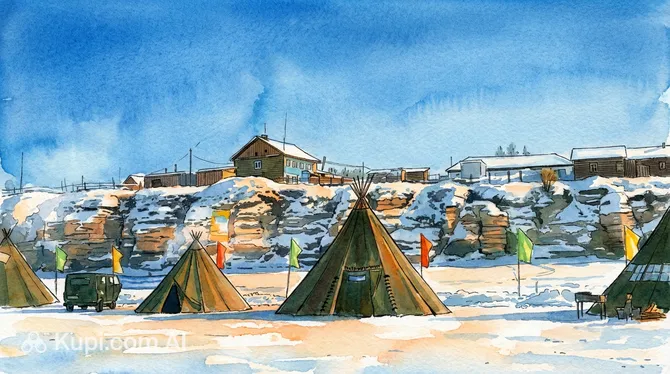
Olenek. Source: Kupi.Binoculars

The region is rich in cultural heritage, particularly that of the indigenous Evenki people. To fully appreciate the local traditions and the resilience of the communities here, it is worth delving into the history of Olenek. The local Historical and Ethnographic Museum of the Peoples of the North is a key attraction, offering fascinating exhibits on reindeer herding, traditional clothing, and the everyday life of the native population throughout the centuries.

Nature enthusiasts will find the surroundings of Olenek pristine and untouched. The river itself is famous for its fish, making it a destination for adventurous anglers, while the vast tundra offers a stark, serene landscape for exploration. Whether you are interested in ethnography or simply want to experience the profound silence of the Arctic, Olenek welcomes you to discover the rugged charm of the Far North.

Weather Overview

Travelers planning a visit to this remote northern outpost should be prepared for an extreme subarctic climate. The weather in Olenek is characterized by long, harsh winters and very short, mild summers. January is typically the coldest month, with average temperatures plunging to -36.1°C, while the warmest period occurs in July, when the average rises to a comfortable 14.1°C.

Precipitation in the region is exceptionally low year-round, rarely exceeding 2mm per month even in the summer. Expect a landscape defined by dry, biting cold in the winter months and cool, relatively stable conditions during the brief summer season, where daily highs can reach approximately 18°C.

Interesting Facts

Beyond its reputation as a remote Arctic outpost, Olenek holds fascinating secrets that highlight the resilience and unique heritage of the Far North. Here are some intriguing facts about this isolated settlement and its surrounding region:
  • A Reindeer Kingdom: The Oleneksky District is renowned for having one of the largest populations of domestic reindeer in the world. The animals here vastly outnumber the human residents, and the local economy and culture are deeply intertwined with traditional reindeer herding, a practice preserved by the indigenous Evenki people for centuries.

  • The First Female Polar Explorer: The region is historically linked to the Great Northern Expedition of the 18th century. It is the final resting place of Tatyana Pronchishcheva, who is widely considered the first woman to participate in a polar expedition. She traveled alongside her husband, Vasily Pronchishchev, exploring the rugged coastline near the Olenek River mouth, and her legacy is a source of local pride.

  • Hidden Treasures: While the village itself appears modest and traditional, the ground beneath the surrounding district is incredibly rich. The area is part of the Yakutian diamond province, with significant diamond deposits located in the vicinity, creating a striking contrast between the rustic lifestyle of the village and the immense geological wealth of the land.

  • Roads of Ice: For much of the year, Olenek is accessible only by air or by "zimniks"—temporary winter roads constructed on frozen rivers and compacted snow. During the brief summer thaw, the village becomes effectively cut off from ground transportation, turning into an island of civilization amidst the vast, impassable tundra.

How to Get There

Reaching the remote settlement of Olenek is an adventure that takes you deep into the heart of the Siberian Arctic. Due to its isolated location in the Sakha Republic (Yakutia), transportation options are limited and often depend on the season. For a comprehensive look at routes and logistics, including seasonal winter roads, you can consult our detailed guide on how to get to Olenek.

The region is not served by a large international hub directly, and travelers typically connect through regional airports. You can fly into Polyarny (PYJ), which is situated in the city of Udachny. It is important to note that this airport is not located within Olenek itself but is approximately 235 km away. Ground transport in this part of the world can be unpredictable; however, the estimated travel time by taxi or vehicle from Udachny is roughly 6 hours and 15 minutes. Polyarny is a regional facility with small annual passenger traffic, connecting the area to other parts of Russia.

For clarity, here is a summary of the main airports:

Airport Name City Passenger Traffic Km from City
Polyarny Udachny Small 235.4

Main Attractions

While Olenek is a small and remote settlement, its attractions offer a profound insight into the history of Arctic exploration and the rich culture of the indigenous peoples. Visitors here do not come for grand monuments, but rather for the authentic heritage and the touching historical sites that define this corner of the Sakha Republic.

The Olenek Historical and Ethnographic Museum of the Peoples of the North is the cultural heart of the village. This facility goes beyond a typical local museum, housing a unique collection that details the life of the Evenki people in one of the harshest climates on Earth. Tourists can examine intricate national costumes, hunting tools, and shamanic artifacts that reveal the spiritual and practical traditions of the region. It also features exhibits dedicated to the local flora and fauna, including remains of ancient mammoths often found in the permafrost of Yakutia.

A site of great historical significance is the Grave of Vasily and Tatyana Pronchishchev. Located in the center of the village, this memorial honors the participants of the Great Northern Expedition of the 18th century. Tatyana Pronchishcheva is celebrated as the first female polar explorer, having accompanied her husband on this perilous journey. The site, marked by a cross and a monument, is a poignant reminder of the bravery required to map the Arctic coast and attracts history enthusiasts from across the country.

The Olenek River itself serves as a major natural attraction. In summer, its banks provide a stunning setting for walking and fishing, activities that are central to local life. The river is known for its clear waters and abundance of fish, such as nelma and muksun. For nature lovers, the surrounding landscape offers a rare chance to experience the untouched silence of the tundra, where the endless horizon meets the sky, offering spectacular views particularly during the midnight sun.

Local Cuisine

The local cuisine in Olenek is strictly defined by its geography and the extreme Arctic climate. In a region where winter temperatures drop significantly below freezing, food is not just sustenance but a source of vital warmth and energy. The diet here is heavily carnivorous, relying on the pristine natural resources of the tundra: wild game, freshwater fish, and resilient northern berries. Visitors should not expect haute cuisine in the traditional sense; instead, they will encounter authentic, hearty meals prepared with organic ingredients sourced directly from the surrounding wilderness.

The absolute crown jewel of the local table is Stroganina. This delicacy is made from raw, frozen fish—typically whitefish species like broad whitefish (chir), muksun, or nelma—caught in the clean waters of the Olenek River. The fish is sliced into thin, curling shavings and served immediately, meant to be dipped in a mixture of salt and black pepper. It is a true taste of the North, melting in your mouth and providing a surprising burst of warmth. Another popular variation is Indigirka, a salad made from diced frozen fish, onions, oil, and spices.

Given the area's status as a reindeer herding hub, venison is the primary meat staple. The indigenous Evenki people have perfected methods of preparing reindeer meat over centuries. It is often served boiled on the bone to preserve its nutrients, roasted, or dried for long journeys. The meat is lean, tender, and rich in flavor, distinct from the beef or pork found in warmer regions. You might also encounter dishes involving offal or blood soup, which are traditional sources of vitamins in a landscape where fresh vegetables are scarce for much of the year.

To accompany these rich meals, locals drink copious amounts of hot tea, often served with milk to combat the cold. For a vitamin boost, non-alcoholic berry drinks known as mors are common. These are made from locally gathered cloudberries, lingonberries, or cranberries, offering a tart and refreshing contrast to the heavy meat dishes. Alcohol is present, but traditional gatherings often focus more on the warming properties of hot beverages and the communal aspect of sharing a meal.

The food culture in Olenek is intimate and domestic. There are very few formal restaurants; instead, the best culinary experiences are found in small local canteens, guesthouses, or the homes of local residents. A visit to the local "market"—often simply an open-air area where frozen fish and meat are stacked like firewood due to the natural deep freeze—is a fascinating cultural experience. Here, you can see the ingredients in their rawest form and understand the deep connection between the people of Olenek and their harsh, beautiful environment.

Travel Tips

Embarking on a journey to Olenek is a true expedition into the heart of the Russian Arctic, requiring significantly more preparation than a standard tourist trip. To ensure your adventure in this remote settlement is safe and memorable, we have compiled a list of essential practicalities for navigating life in the Far North.

  1. Clothing and Gear: If visiting in winter, preparation is a matter of survival, not just comfort. You need specialized Arctic gear: thermal underwear, fleece layers, a heavy down parka, and insulated trousers. Traditional local footwear like unty (fur boots) or high-rated thermal boots are essential. In summer, the weather is mild, but the tundra is infamous for swarms of mosquitoes and midges; bring a hat with a mosquito net, long sleeves, and strong insect repellent.

  2. Transportation: Olenek is a small rural locality, and there is no public transport system like buses or trams. The village is compact enough to navigate on foot, though distances can feel longer in extreme cold. For longer trips or getting to the airport, locals rely on private taxis or informal ride arrangements. Do not expect international car rental agencies or ride-hailing apps; transportation is usually arranged via word of mouth or local dispatch numbers.

  3. Finances: The official currency is the Russian Ruble (RUB). While card payments are becoming more common in Russia, Olenek is remote. It is critical to carry sufficient cash for daily expenses, small shops, and buying goods from local markets. There is typically only one bank branch or ATM in the settlement, so do not rely solely on electronic withdrawals once you arrive.

  4. Health and Safety: The primary safety concern is the environment. Never underestimate the cold; frostbite can occur in minutes during winter. Pharmacies are few and stock basic supplies, so bring a comprehensive personal first-aid kit and any prescription medications you need. The village is generally very safe with a low crime rate, but it is wise to stay within the settlement limits unless accompanied by a local guide, as the surrounding wilderness is vast and unforgiving.

  5. Communication: The main language is Russian, with many residents also speaking Yakut or Evenki. English is virtually non-existent, so an offline translation app or a phrasebook is indispensable. Mobile coverage is available (typically major national operators), but internet speeds can be slow or intermittent compared to big cities. Buying a SIM card in a larger city like Yakutsk or Moscow before arriving is highly recommended.

  6. Local Etiquette: The culture here is deeply rooted in hospitality and respect for nature. When entering a home, always remove your shoes. It is polite to accept tea or food if offered, as refusing can be seen as disrespectful. The Evenki people hold the land and fire in high spiritual regard; never throw trash into a fire or treat natural sites with disrespect.

  7. What to Avoid: Avoid photographing local residents, especially elders in traditional dress, without asking for explicit permission first. Additionally, do not wander into the tundra alone without notifying someone of your route and return time, regardless of the season.

  8. Seasonal Tip: If you visit during the summer (June-July), be prepared for the "White Nights" or the Midnight Sun, where it never truly gets dark. While beautiful, this can disrupt sleep patterns, so bringing a high-quality sleep mask is a simple "life hack" that will help you get adequate rest.

Visiting Olenek offers a rare glimpse into a resilient way of life at the edge of the world. By packing the right gear and respecting local customs, you will find the community welcoming and the stark beauty of the Arctic landscape absolutely rewarding.

Entertainment & Nightlife

Travelers arriving in Olenek expecting a bustling urban nightlife with neon-lit avenues, thumping nightclubs, or sophisticated cocktail bars will find themselves in a completely different world. In this remote Arctic settlement, "nightlife" is defined not by commercial entertainment, but by the profound silence of the tundra, the warmth of human connection, and the spectacular displays of nature. The village does not have dedicated nightlife districts, pubs, or discos in the traditional sense. Instead, evenings here are a time for tranquility, reflection, and domestic gatherings.

The primary nocturnal attraction in Olenek, particularly during the long winter months, is the sky itself. Far from the light pollution of major cities, the village offers a front-row seat to the Aurora Borealis. Stepping outside on a clear night, you can witness the mesmerizing dance of green and purple lights stretching across the horizon. For many visitors, standing bundled up in the freezing air while watching the Northern Lights is an experience far more moving and memorable than any club visit. The best "venue" for this is simply the bank of the Olenek River or the edge of the village, where the view is unobstructed.

Social life in the evenings revolves around community hubs rather than commercial bars. The District Cultural Center is the heart of local entertainment. This facility often hosts movie screenings, local concerts, holiday celebrations, and occasionally community dances or discos for the local youth. It is a place to see the authentic lifestyle of the residents, where people gather to socialize and escape the cold. The atmosphere is casual and welcoming, with no strict dress code other than the necessity of dressing warmly. Events here are sporadic, so it is best to ask locals or check announcements upon arrival.

For daytime entertainment that spills into the early evening, the Historical and Ethnographic Museum of the Peoples of the North remains the most significant cultural institution. While it operates during standard daylight hours, it provides the context needed to understand the region's history. Another focal point for a walk—weather permitting—is the central area near the Monument to Victory and the administrative buildings. In the summer, during the White Nights, this area is pleasant for evening strolls, as the sun barely sets, casting a surreal twilight glow over the wooden houses and dusty streets.

Practical advice for evening activities in Olenek is strictly tied to survival and logistics. There are no night buses or Ubers; the village is small enough to walk, but in winter, distances feel much longer due to the extreme cold (often dropping below -40°C). If you need to go somewhere, rely on local taxi numbers provided by your host. Safety in Olenek is generally high regarding crime, but the environment poses risks. Avoid walking alone on the outskirts at night to prevent encounters with stray dogs or wildlife, and always dress in multiple layers. Prices for the few available activities or snacks at local shops are higher than on the mainland due to logistics, so carry enough cash, as card terminals may not always work.

Parks & Museums

In a remote settlement like Olenek, the concept of "parks" and "museums" differs significantly from what travelers might expect in a bustling metropolis. Here, nature is not confined to fenced gardens but surrounds the village in every direction, offering a raw and pristine wilderness that serves as a vast, open-air sanctuary. Similarly, the cultural venues are intimate and deeply focused on preserving the unique heritage of the indigenous peoples who have thrived in this harsh Arctic environment for centuries.

Natural Areas and Green Spaces

The Olenek River Embankment
Since there are no manicured city parks with paved paths, the banks of the Olenek River serve as the primary recreational area for locals and visitors alike. In the summer, the grassy shores become a natural promenade where you can enjoy the fresh Arctic air and stunning views of the water. It is the perfect spot for a quiet walk, a picnic, or simply watching the local fishermen bring in their catch. For tourists, this area offers an unfiltered connection to the land and is the best vantage point for photography, especially during the endless daylight of the White Nights.

The Surrounding Tundra
Just a few steps beyond the village limits lies the immense expanse of the Siberian tundra. While not a designated "park," this endless landscape acts as a massive nature reserve. In late summer and early autumn, the tundra comes alive with vibrant colors—mosses, lichens, and dwarf shrubs turn shades of red and gold. It is an excellent destination for berry picking (cloudberries and lingonberries are abundant) and observing local birdlife. Visitors should treat this area with the respect due to a national park, as it is a fragile ecosystem and the grazing ground for reindeer herds.

Museums and Cultural Heritage

Olenek Historical and Ethnographic Museum of the Peoples of the North
This museum is the cultural jewel of the district and an absolute must-visit. It houses a comprehensive collection dedicated to the Evenki people, offering a deep dive into their nomadic lifestyle, reindeer herding traditions, and spiritual beliefs. Exhibits include authentic fur clothing, hunting tools, and shamanic drums that tell the story of survival in the North. Importantly, the museum also preserves the memory of the Great Northern Expedition. It features dedicated exhibits regarding the legendary explorers Vasily and Tatyana Pronchishchev, allowing visitors to learn about their heroic and tragic journey along the Arctic coast through historical artifacts and documents.

District Cultural Center
While not a museum in the strict sense, the local Cultural Center often functions as a gallery and exhibition space. It frequently hosts displays of traditional arts and crafts made by local artisans, including intricate beadwork, fur sewing, and bone carving. It is a vibrant venue where the living culture of Olenek is celebrated. Visitors might catch a temporary exhibition or a workshop, offering a chance to see how ancient artistic traditions are being kept alive by the modern community.

Village Monuments and Landmarks
A walk through the village center reveals several significant monuments that reflect the community's values and history. One of the most prominent landmarks is the White Deer sculpture, a beautiful tribute to the reindeer that are essential to the local economy and Evenki culture. Nearby, you can also find the Memorial to Victory, a solemn site honoring those who served in the Great Patriotic War. These open-air landmarks provide a focal point for the settlement and offer a glimpse into the local identity.

Insider Tip
If you are interested in local craftsmanship, ask at the museum or your guesthouse if there are any master classes available. Often, local craftswomen work from home rather than in a public gallery, and arranging a private visit to see how traditional unty (fur boots) are made can be a fascinating and authentic cultural encounter.
Getting Around

Visitors arriving in Olenek should be aware that the transport infrastructure here differs significantly from that of larger cities. As a small, remote rural locality, Olenek does not have a municipal public transport system. There are no buses, trams, trolleybuses, or metro lines operating within the settlement. The village is compact, and the local infrastructure is designed around a community where residents typically walk or use private vehicles to reach their destinations.

For distances that are too difficult to cover on foot, particularly during the harsh winter months, private taxis are the primary motorized option. These are not official branded cabs found in metropolises, but rather private cars operated by locals. Ride-hailing apps like Uber or Yandex Go do not operate here. Instead, taxi services function through local dispatch phone numbers. It is highly recommended to ask your guesthouse host or a local resident for trusted taxi numbers upon arrival.

The payment system for transport is straightforward and traditional: cash is king. Electronic travel passes, transport cards, or contactless payments via phone are not used for local transport. Fares for trips within the village are typically a fixed flat rate rather than metered. You should always carry small denominations of the local currency, as drivers may not have change for large banknotes. While some drivers might accept direct mobile bank transfers, this requires a local bank account and internet connection, so cash remains the most reliable method for tourists.

Walking is the most practical and common way to navigate Olenek. Most administrative buildings, shops, and cultural sites are located within a reasonable distance of each other. However, tourists must dress appropriately for the season. In winter, thermal layers and specialized footwear are non-negotiable for safety, while in summer, comfortable walking shoes are advised as most roads are unpaved and can be dusty or muddy depending on the weather.

While standard car-sharing and bike rental services are non-existent, the region offers unique seasonal alternatives adapted to the Arctic environment. In winter, snowmobiles (often referred to as Burans) are a common sight and are used to travel across the frozen terrain and river. In summer, motorboats become the essential mode of transport for navigating the river. While these are not "public transport" in the strict sense, visitors can often negotiate rides with locals for excursions or to reach fishing spots.

Accommodation

Finding accommodation in Olenek is an integral part of the authentic Arctic experience, though it differs significantly from booking a stay in a standard tourist destination. As a remote rural locality with a small population, the village does not offer international hotel chains, luxury resorts, or a wide variety of lodging options. Instead, visitors should expect to find a limited selection of small, locally run hotels (often referred to as gostinitsa) and private guesthouses. These facilities typically offer basic but warm and functional amenities designed to provide shelter from the harsh Siberian climate rather than high-end comfort.

The settlement is compact, so location is rarely an issue regardless of where you stay. Most accommodation options are situated in the central part of the village, keeping you within walking distance of the local administration, the Ethnographic Museum, and the few grocery stores available. Staying in the center also places you near the Olenek River, allowing for quick access to the scenic embankments and the surrounding natural beauty without the need for transport.

Booking Tips

Securing a room in Olenek requires advance planning and a bit of flexibility. Most local establishments do not have a presence on major international booking platforms like Booking.com or Airbnb. Reservations are typically made via direct phone calls or through arrangements with local tour operators. It is highly advisable to book your accommodation well before your arrival, especially during the winter season when logistics are difficult, or during local holidays when the few available rooms fill up quickly.

Price Range and Payment

Travelers should be prepared for a price range that might seem high relative to the simplicity of the facilities. This is due to the extreme costs of maintaining infrastructure and heating in the Arctic. Accommodation is generally considered mid-range in terms of cost, though budget options may be found in private homestays. Cash is essential for paying for your stay, as credit card terminals may be unreliable or non-existent in smaller guesthouses. Always confirm the payment method when you make your booking.

Nearby Cities

For those looking to explore the surroundings, Olenek serves as an excellent base for day trips to several interesting nearby locations:

City Population Distance (km)
Mirny 35,223 670
Lensk 23,479 875
Khadyshensk 22,468 847
Udachny 12,000 234
Vilyuysk 11,095 672

While the distances in the Russian Federation's Far North are vast, and a "day trip" often implies a significant journey, a few of these settlements are particularly noteworthy for visitors. Udachny is the closest major neighbor to Olenek and serves as a vital logistical hub. It is home to the Polyarny airport and the massive Udachnaya pipe, an open-pit diamond mine that offers a striking example of the industrial scale required to extract resources in the Arctic.

Further afield is Mirny, known globally as the "Diamond Capital" of Russia. The city is famous for the colossal Mir mine, a diamond quarry so deep and wide that it defines the city's landscape. For travelers interested in the geology and history of diamond mining, Mirny offers unique museums and a chance to witness the engineering marvels of Yakutia.

These nearby destinations offer a glimpse into the diverse culture and landscapes of the region, though travelers are advised to plan carefully around seasonal transport schedules.

Shopping & Souvenirs

Shopping in Olenek is a unique experience that differs vastly from the commercial therapy found in large cities. Visitors will not find sprawling shopping malls, international fashion boutiques, or luxury brand outlets here. Instead, the retail scene is focused on essential goods, survival gear for the harsh climate, and authentic local products. For tourists, the appeal lies in discovering the traditional crafts of the Evenki people and purchasing high-quality, organic food directly from the source. It is an opportunity to see how commerce functions in one of the most remote corners of the Russian Federation.

The main commercial activity is concentrated in the village center. Since the settlement is compact, there is no designated "shopping mile," but the central streets near the administrative buildings house the majority of general stores and small trading posts. A walk through this area allows you to visit almost every significant shop in town within a short period. These establishments are often multi-purpose, selling everything from groceries and household chemicals to warm clothing and fishing equipment under one roof.

Do not expect to find large shopping malls in Olenek. The closest equivalents are small, two-story trading centers (often called Torgoviy Tsentr). These buildings typically host a collection of independent counters or small shops. Here, you might find a mix of imported goods brought in by air or winter roads, alongside local necessities. They serve as community hubs where residents purchase daily supplies, and the selection is strictly utilitarian, catering to the practical needs of life in the Arctic.

The most fascinating "market" experience in Olenek is often informal and seasonal. While there isn't a grand covered bazaar, there are designated open-air spots or community notice boards where locals sell the bounty of the land. In winter, this effectively becomes a natural freezer market. You can see stacks of frozen fish (nelma, muksun, chir) and reindeer meat displayed outdoors, preserved naturally by the sub-zero temperatures. Buying food here is a guarantee of freshness and quality, directly supporting local hunters and herders.

When it comes to souvenirs, Olenek offers items that are rare and culturally significant. The most prized purchase is a pair of unty—traditional high boots made from reindeer fur, often decorated with intricate beadwork. These are not just decorative; they are incredibly warm and durable, designed for extreme cold. Other authentic keepsakes include hand-sewn Evenki national dolls, amulets made from reindeer antlers, and beaded jewelry. For a culinary souvenir, smoked or dried fish is a popular choice to bring back, provided you can transport it properly.

Store opening hours in Olenek generally follow a standard schedule, typically from 09:00 or 10:00 to 19:00 or 20:00. Some smaller shops may close for a lunch break between 13:00 and 14:00. Regarding payment, cash is the absolute most reliable method. While some larger stores may have card terminals, internet connection issues can cause them to fail. It is crucial to withdraw sufficient cash before heading to the markets or smaller private vendors, as they deal exclusively in paper money.

Tourists should be aware that the Tax-Free shopping system (VAT refund) is not available in Olenek. This system is typically restricted to major retailers in Russia's largest cities. In this remote rural locality, all purchases are final, and the prices you see are what you pay, reflecting the high cost of logistics to transport goods to the Arctic.

Nearby cities

Reached the end of the page?

That means the route is fully explored