Support

Pevek

About

Welcome to Pevek, a destination that holds the title of the northernmost city in the Russian Federation. Situated on the coast of the East Siberian Sea within the rugged Chukotka Autonomous Okrug, this unique settlement offers a rare glimpse into life at the edge of the world. With a population of approximately 4,000 residents, it serves as a vital port on the Northern Sea Route and stands as a symbol of human resilience in the Arctic.

The city is renowned for its dramatic geographical setting on the shores of Chaunskaya Bay, protected by surrounding hills that create a natural amphitheater. The climate here is truly Arctic, characterized by long winters and the mesmerizing phenomenon of the Polar Night, during which the sky is frequently illuminated by the vibrant colors of the Northern Lights. In summer, the Midnight Sun allows for endless exploration of the tundra landscapes.
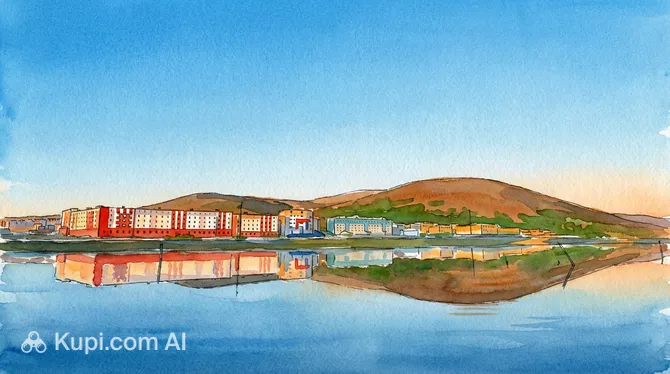
Pevek. Source: Kupi.Binoculars

Pevek is not just about extreme geography; it is a place with a deep and complex past. To fully appreciate the local culture, visitors are encouraged to delve into the history of Pevek, which traces its origins from a humble settlement to a key geological and industrial hub. The city's development is closely tied to the exploration of mineral resources and the conquest of the North.

For travelers, the city offers several intriguing attractions. The Chaun Regional Museum is a must-visit, featuring extensive exhibits on the indigenous peoples of Chukotka, local paleontology, and the region's diverse wildlife. Nature lovers should consider a trip to Cape Shelagsky, the northernmost point of mainland Chukotka, which offers breathtaking panoramic views of the Arctic Ocean. The modern industrial landscape, including the world's first floating nuclear power plant, also draws those interested in engineering marvels.

If you are seeking an adventure off the beaten path, Pevek invites you to experience the silent grandeur and pristine beauty of the Russian Arctic.

Weather Overview

Travelers venturing to this remote Arctic outpost should be prepared for a rigorous polar climate. The weather in Pevek is defined by long, freezing winters and very short, cool summers. During the depths of winter in January and February, average temperatures plummet to approximately -25°C, requiring specialized thermal gear for any outdoor activity.

The warming trend is slow, with sub-zero temperatures persisting well into spring. By July, the warmest month, the average temperature rises to a modest 6.7°C, offering a brief window of milder conditions suitable for exploring the tundra. While actual rainfall volume is generally low, the frequency of wet days increases notably in late summer and autumn, peaking in October. Expect cool summers with occasional light rain and intensely cold winters dominated by snow and ice.

Interesting Facts

Beyond the main attractions, Pevek holds many fascinating secrets and unique features defined by its harsh Arctic environment. Here are some intriguing facts that make this remote outpost in the Russian Federation truly one of a kind.

  • The "Yuzhak" Phenomenon: The city is famous for a terrifying local wind known as the Yuzhak. This katabatic wind rushes down from the nearby hills towards the bay, often reaching hurricane speeds of 40 to 80 meters per second. It is so powerful that it shapes the snow into rock-hard drifts and has forced architects to design buildings with rounded corners to mitigate the wind's impact.

  • The "Chinese Wall" of the North: To further combat the fierce climate, Pevek features a massive residential structure locally nicknamed the "Chinese Wall." This exceptionally long building was strategically positioned to act as a windbreak, shielding the inner courtyards and pedestrians from the biting gusts of the Yuzhak, creating a safer microclimate behind its facade.

  • A Name with a Dark Legend: While the name Pevek is often attributed to the Chukchi word for "swollen mountain" due to the shape of the nearby Sopka hill, a local legend offers a grimmer translation: "rotten place." Folklore suggests this name originated from an ancient battle between indigenous tribes, where the smell of the fallen prevented people from settling in the area for generations.

  • Art in the Arctic: Despite the industrial setting, Pevek has recently transformed into an open-air gallery. To brighten the long polar nights, artists have painted massive, vibrant murals on the sides of multi-story buildings, depicting local residents, polar bears, and traditional Chukchi motifs that stand out strikingly against the snowy tundra.

How to Get There

Reaching this remote Arctic destination requires careful planning due to its isolated location on the coast of the East Siberian Sea. The primary and most practical method of travel is by air, as the region is not connected to the country's road or railway networks. For detailed information on routes and logistics, you can read more about how to get to Pevek and prepare for your journey to the Far North.

The city is served by Pevek (IATA: PWE), a regional airport that acts as a vital lifeline for the local community and visitors. It is located approximately 14.4 km from the city center. Flights to this hub typically arrive from Moscow or regional centers like Anadyr and Magadan. Once you land, the journey to the city usually takes around 40 to 45 minutes by taxi or local bus transport. Although the airport sees relatively small annual passenger traffic, it is essential for year-round access to the area.

For clarity, here is a summary of the main airport serving the city:

Airport Name City Passenger Traffic Km from City
Pevek Pevek Small 14.4

Main Attractions

Despite its remote location and compact size, Pevek offers a collection of unique sights that reflect its status as an Arctic port and a center for geological exploration. Visitors will find a mix of modern industrial marvels, historical collections, and breathtaking natural viewpoints that are unlike anything else in the Russian Federation.

One of the most significant cultural institutions is the Chaun Regional Museum. While it provides a general overview of the area's history, it is particularly famous for its rich ethnographic collection. Here, you can see authentic clothing and tools used by the indigenous Chukchi people, as well as impressive paleontological exhibits, including remains of mammoths and woolly rhinoceroses that once roamed this land. It is an essential stop for understanding how humans and nature have coexisted in this harsh climate for centuries.

A dominant feature of the city's modern landscape is the Akademik Lomonosov, the world's first floating nuclear power plant. Moored in the bay, this massive vessel supplies electricity and heat to the city. While tours inside are restricted, the station itself is an engineering marvel and a striking sight from the shore, representing the cutting edge of energy technology in the Far North.

For a relaxing walk, travelers should head to the Pevek Embankment. Recently renovated, this area features the "Breathing of the Earth" promenade and recreational spots like the "Time" park. It offers excellent views of Chaunskaya Bay and is a popular place for locals to gather. The modern urban design contrasts fascinatingly with the rugged Arctic hills in the background, making it a perfect spot for photography.

Nature enthusiasts willing to venture further should explore Cape Shelagsky. Located to the east of the city at the entrance to Chaunskaya Bay, it is geographically significant as the northernmost point of mainland Chukotka. The cape offers sweeping panoramic views of the East Siberian Sea and the vast Arctic tundra. In summer, the area is covered in mosses and lichens, and it serves as a nesting ground for various seabirds.

Local Cuisine

The local cuisine of Pevek is a testament to survival and adaptation in one of the most extreme environments on Earth. Here, food is not just sustenance; it is a source of warmth and energy. The culinary scene is heavily defined by the traditions of the indigenous Chukchi people and the reliance on hunting and fishing. Visitors should not expect haute cuisine but rather hearty, organic, and incredibly fresh ingredients sourced directly from the tundra and the Arctic Ocean.

The absolute gastronomic calling card of the region is stroganina. This delicacy consists of thin shavings of frozen raw fish, typically broad whitefish, muksun, or Arctic char. It is served on ice and dipped into a mixture of salt and black pepper known as "makalo." The fish melts in your mouth, offering a unique texture and a clean, subtle flavor that is purely Arctic. For meat lovers, venison is the staple. You can try it in various forms, from simple grilled cutlets to rich stews, or even as dried meat snacks called yukola, which were traditionally used by reindeer herders on long journeys.

Another fascinating aspect of the local diet is the use of marine mammals, though this is often more of a traditional home-cooked meal than a restaurant standard. Adventurous eaters might encounter mantak, a slice of whale skin with a layer of pinkish fat, often consumed raw or pickled. It is revered by locals for its high vitamin content, essential for surviving the long polar winters. For a comforting hot meal, a bowl of ukha (fish soup) made from freshly caught grayling or smelt is the perfect way to warm up after a walk along the windy embankment.

Drinks in Pevek are designed to fortify the spirit. Tea is the most popular beverage, often brewed with locally gathered herbs and berries like thyme or rose hips to boost immunity. You must try drinks made from cloudberries (moroshka) or lingonberries. These tart, amber-colored berries are known as "Arctic gold" and are served as hot infusions or cold fruit drinks (mors). They provide a powerful punch of Vitamin C and a taste of the wild tundra.

The food culture in Pevek is unpretentious and welcoming. There are very few formal restaurants; instead, dining takes place in small, cozy cafes or canteens (stolovaya) that serve home-style Russian and local dishes. The atmosphere is always informal, reflecting the close-knit nature of the community. In these establishments, the focus is on generous portions and warming, nutritious food that prepares travelers for the biting winds of the North.

Travel Tips

Visiting Pevek is an adventure to the "edge of the world," and a trip to such a remote Arctic destination requires meticulous preparation unlike any standard vacation. To help you navigate the unique challenges of the Far North comfortably and safely, here is a set of essential practical tips for your journey.

  1. Clothing and Gear: The golden rule in Pevek is the "onion principle"—dressing in multiple layers. Even in summer, bring thermal underwear, a warm fleece, and a windproof, waterproof jacket, as temperatures can drop near freezing. For winter visits, a heavy-duty down parka, insulated trousers, and boots rated for extreme cold (down to -40°C) are mandatory. Don't forget accessories: a balaclava or face mask is crucial to protect against the biting Yuzhak wind, and sunglasses are necessary to prevent snow blindness during sunny spring days.

  2. Transportation: The city is compact enough to walk, but during strong winds or extreme cold, this becomes dangerous. There is a local bus system, but it may run infrequently. The most reliable way to get around is by local taxi services; however, international ride-hailing apps like Uber or Bolt do not work here. It is best to ask your hotel reception or locals for the phone numbers of trusted taxi dispatchers. Car rental is virtually non-existent for tourists.

  3. Finances: The official currency is the Russian Ruble (RUB). While major shops and the hotel may accept cards, the connection can be unstable due to the remote location. It is highly recommended to bring sufficient cash to cover your entire stay. ATMs are available but few in number, and if they run out of cash or malfunction, restocking can take time. Tipping is not strictly mandatory but is appreciated in cafes and by taxi drivers; rounding up the bill is a common practice.

  4. Health and Safety: Medical facilities are limited to a local hospital and a few pharmacies, which are not open 24/7 and may have limited stock. You must bring a comprehensive personal first-aid kit with all necessary prescription medications, painkillers, and remedies for cold and flu. In terms of safety, the biggest threat is the weather; always check the forecast before going out. Additionally, be aware that polar bears can occasionally venture near the city outskirts—never walk into the tundra alone or without a guide.

  5. Communication: The primary language is Russian, and English proficiency among locals is generally low. It is essential to download an offline translation app and offline maps (like Maps.me or Yandex Maps) before you arrive, as mobile internet can be slow or spotty. Major Russian mobile operators (MTS, MegaFon, Beeline) provide coverage in the city, but buying a SIM card locally might be complicated; it is better to purchase one at a major airport like Moscow before your connecting flight.

  6. Local Etiquette: People in the North are hospitable but value modesty and respect. When entering a home or even some private guest houses, it is strictly customary to remove your shoes immediately. If you meet indigenous Chukchi people, ask for permission before taking their photograph. It is also polite to greet shop assistants and drivers; a simple "Zdravstvuyte" (Hello) goes a long way in establishing a friendly connection.

  7. What to Avoid: Do not photograph industrial facilities, the port, or the floating nuclear power plant without explicit permission, as these are strategic sites and security is strict. Also, avoid underestimating the "Yuzhak" wind; if you see locals hurrying indoors or holding onto handrails, follow their lead immediately and seek shelter, as wind speeds can escalate rapidly to hurricane force.

  8. Border Zone Permit: Pevek is located in a regulated border zone. This is the most critical planning step: you must apply for a special border permit well in advance (often up to 60 days for foreign citizens) through the Russian security services (FSB). Without this document, you will not be allowed to leave the airport or enter the city. Ensure you have multiple physical copies of your permit and passport with you at all times.

By packing the right gear and respecting the strict but necessary rules of this Arctic outpost, you will be well-equipped to enjoy the raw beauty of Chukotka. Pevek is a place for the bold and prepared, offering a travel experience that is as rewarding as it is challenging.

Entertainment & Nightlife

To fully experience the lifestyle of this remote Arctic city, visitors must adjust their expectations of leisure. Entertainment in **Pevek** is less about commercial nightlife or sprawling shopping malls and more about community connection, cultural immersion, and engaging with the raw, powerful nature that surrounds the settlement.

The social heart of the city is the "Iceberg" Cultural and Leisure Center. As the primary venue for indoor entertainment, it serves as a cinema, concert hall, and gathering space for residents. Here, you can catch film screenings, attend performances by local amateur groups, or visit the library. It is the best place to mingle with locals and witness how the community stays vibrant and connected despite the isolation of the polar winters.

For those who prefer active leisure, the great outdoors offers unparalleled opportunities. During the long winter nights, "hunting" for the Northern Lights (Aurora Borealis) is a favorite pastime. The lack of light pollution around the city makes the dancing green and purple lights vividly visible. In the short summer, the Midnight Sun allows for late-night hiking and photography along the hills, where the landscape is bathed in a surreal, golden twilight that lasts for hours.

Fishing is another popular activity that bridges the gap between sport and survival. In winter, locals head out onto the thick ice of Chaunskaya Bay for ice fishing, drilling holes to catch smelt and saffron cod. It is a meditative experience often shared with friendly locals who are usually happy to teach visitors the techniques of Arctic angling. In summer, fishing shifts to the rivers and open waters, often accompanied by picnics on the rocky shores.

To truly relax in the Russian northern tradition, finding a banya (sauna) is essential. After a day spent in the biting cold winds, steaming in a hot sauna is not just a luxury but a health necessity for many residents. While there are no luxury spa complexes, local guesthouses or private arrangements often provide access to a traditional steam room, offering a deep, warming relaxation that rejuvenates the body and spirit.

Cultural events also play a significant role in local entertainment. The city celebrates holidays like City Day and the Day of the Reindeer Herder with enthusiasm. These festivals often feature open-air celebrations, traditional Chukchi dancing, competitions in national sports, and fairs selling local crafts. Attending one of these events offers a colorful and joyous insight into the traditions of the indigenous peoples and the resilient spirit of the settlers in the Russian Federation.

Parks & Museums

While Pevek cannot boast the lush botanical gardens found in southern latitudes, the city offers a unique blend of carefully designed urban spaces and raw, majestic natural areas. The local approach to "green" spaces is adapted to the Arctic climate, focusing on modern promenades and the vast, open tundra that begins right where the pavement ends. Cultural exploration here is intimate but deeply rewarding, centering on the region's dramatic history of exploration and indigenous heritage.

The crown jewel of the city's public spaces is the Pevek Embankment, often referred to as the "Breathing of the Earth" project. This recently revitalized waterfront is not just a walkway but a modern recreational complex designed to withstand the harsh polar elements. It features wooden boardwalks, viewing platforms, and playgrounds that provide a comfortable space for locals and tourists to socialize. It is the perfect spot to admire the sweeping views of Chaunskaya Bay and the surrounding hills while protected from the strongest winds.

For those seeking a more rugged natural experience, the slopes of Sopka Pevek (Mount Pevek) serve as the city's natural park. Rising directly behind the residential blocks, this hill is a popular hiking destination for residents. In summer, the slopes are covered with a carpet of moss, lichens, and tiny Arctic flowers. The climb offers the best panoramic vantage point, allowing you to see the entire city layout, the port infrastructure, and the endless expanse of the East Siberian Sea stretching toward the horizon.

The cultural heart of the municipality is the Chaun Regional Museum. This institution is surprisingly rich for such a remote location, housing extensive collections that chronicle the development of the region. Visitors can explore exhibits dedicated to the geology of Chukotka, the history of gold mining, and the everyday life of the indigenous Chukchi people. A highlight for many is the paleontological section, which displays ancient mammoth tusks and bones found in the permafrost, offering a tangible connection to the prehistoric past.

In a city where traditional galleries are scarce, the streets themselves have become an open-air art venue. The Murals of Pevek are a significant cultural feature, transforming Soviet-era apartment blocks into vibrant canvases. These massive paintings depict scenes from local folklore, portraits of reindeer herders, and Arctic wildlife. Walking through the city to spot these colorful artworks creates a unique gallery experience that contrasts starkly with the white snow and grey industrial backdrop.

Among the historical landmarks, the Monument to Glory stands out as a solemn tribute to the residents who served in World War II. Located centrally, it is a place of remembrance and a focal point for local ceremonies. Nearby, you can also find a classic Statue of Vladimir Lenin, a preserved piece of Soviet monumental history that overlooks the administrative center, reminding visitors of the era when the city was rapidly industrialized.

For an authentic insider experience, take a walk to the outskirts near the "Orbita" station ruins. While the structure itself is abandoned, the location offers a hauntingly beautiful atmosphere and serves as an excellent spot for photography, especially during the "Golden Hour" of the polar day when the sun dips low but never sets.

Getting Around

Given the compact size and remote location of Pevek, the public transport system is modest and straightforward. Travelers should not expect the complex networks found in large metropolises; there are no metros, trams, or trolleybuses here. The city is primarily served by a small fleet of municipal buses that connect the residential districts with key facilities such as the airport and the port. For most tourists, navigating the city is a mix of using these buses, taking local taxis, or simply walking when the weather permits.

The municipal bus service operates on a fixed schedule, which is generally reliable but limited in frequency. Routes are designed to serve the local population's commute to work and the airport. Information about stops and timetables is not typically digitized in global navigation apps, so it is best to check the printed schedules at bus stops or ask for the latest information at your accommodation. The buses themselves are functional and heated, a necessity in the Arctic climate.

Regarding payment, the system is strictly traditional. There are no travel cards, QR-code apps, or turnstiles. Fares are paid directly to the driver or a conductor upon boarding. While the cost of a ride is inexpensive, you must have cash in Russian Rubles on hand, as credit card terminals are rare or may not function due to connectivity issues. It is advisable to carry small change to make the transaction smoother.

For more flexibility, taxis are the most popular alternative to public buses. However, visitors should be aware that international ride-hailing apps like Uber or Yandex Go do not operate in this region. Taxis must be ordered by phone through local dispatch centers. It is highly recommended to ask your hotel reception or a local contact to write down the phone numbers of reliable taxi services for you. Fares are usually fixed or calculated by zone, and just like with buses, cash payment is the standard.

Other forms of transport such as car-sharing services, electric scooter rentals, or commercial bike rentals are non-existent in Pevek due to the harsh terrain and weather conditions. While the city center is small enough to be explored on foot, walking can become challenging or dangerous during the strong "Yuzhak" winds or extreme frost. In such conditions, relying on a pre-booked taxi is the safest and most comfortable way to move around.

Accommodation

Finding accommodation in Pevek requires a shift in expectations compared to standard tourist destinations. As a remote Arctic port city with a small population, the hospitality infrastructure is modest and primarily geared towards business travelers, shift workers, and scientific delegations rather than leisure tourists. Visitors will not find international hotel chains, luxury resorts, or a wide variety of hostels here. Instead, the options are limited to a few functional establishments and private rental opportunities.

The accommodation landscape is dominated by the main municipal hotel, typically referred to simply as the Pevek Hotel. This establishment serves as the central hub for visitors and offers standard rooms that provide the necessary comforts for surviving the harsh climate, such as heating and hot water. The amenities are generally basic and utilitarian, reflecting the practical nature of life in the Far North. It is advisable to expect simple furnishings and limited services compared to mainland hotels.

For those seeking a more homelike environment or if the main hotel is fully booked, private apartment rentals are a common alternative. Many locals rent out flats to visitors, which can offer more space and the convenience of a kitchen—a significant advantage given the limited dining options in the city. These rentals are often arranged through local contacts or classified ads rather than global booking platforms, so having a local guide or contact person can be extremely helpful in securing a place.

In terms of location, the city is compact, so almost any accommodation will be centrally located. Most options are situated within walking distance of the administrative center, the Chaun Regional Museum, and the few local grocery stores. Staying in the central area is convenient as it minimizes the need for transportation during the freezing winter months and keeps you close to the social heart of the settlement.

Booking Tips: Due to the scarcity of rooms and the influx of workers for industrial projects, accommodation can fill up weeks or even months in advance. It is critical to secure your booking as soon as your travel dates are confirmed. Online booking via major international aggregators is rarely possible for Pevek. You will likely need to book directly by phone or email, often in Russian, or through a travel agency specializing in Arctic tours.

Travelers should also be prepared for the pricing structure. Despite the basic level of service, accommodation costs can be relatively high due to the extreme logistics of maintaining facilities in the Arctic. Payment methods can be old-fashioned; while the hotel may accept cards, system failures are possible, so carrying sufficient cash in Russian Rubles to cover your stay is a wise precaution.

Nearby Cities

Given the vast scale of the Arctic, "nearby" is a relative term. For travelers planning a comprehensive journey through the Far North, Pevek shares the map with several regional neighbors that serve as key destinations within the wider Chukotka and Siberian region. Exploring these settlements often requires separate legs of a travel itinerary, offering a broader perspective on life in this remote part of the world.

City Population Distance (km)
Anadyr 15604 634
Bilibino 5319 241
Cherskiy 3707 370
Zyryanka 3627 927
Srednekolymsk 3489 719

Bilibino is the closest significant neighbor to Pevek and offers a unique contrast to the coastal city. Situated inland among the picturesque hills of the Keperveyem River valley, it is famous for its gold mining history and for hosting the Bilibino Nuclear Power Plant, the smallest commercial nuclear plant in the world. The area is known for its scenic larch forests and a slightly milder microclimate compared to the coast, making it an interesting spot for those curious about industrial heritage and tundra nature.

Although located further away, Anadyr is the administrative capital of the region and serves as the cultural hub of Chukotka. It is renowned for its vibrant, multi-colored apartment blocks painted to combat the monotony of the Arctic landscape. Visitors here can explore the Heritage Museum of Chukotka to deepen their understanding of indigenous history or visit the beautiful wooden Holy Trinity Cathedral, the largest wooden Orthodox church built on permafrost.

Cherskiy, located in the neighboring Republic of Sakha (Yakutia), sits along the Kolyma River. It is globally recognized for its proximity to the "Pleistocene Park," a scientific nature reserve attempting to recreate the mammoth steppe ecosystem by reintroducing large herbivores. For travelers interested in ecology and prehistoric landscapes, this settlement provides a rare opportunity to witness a bold environmental experiment in the Far North.

These destinations highlight the diverse culture and landscapes of the region, from inland forests to administrative centers, each contributing to the unique tapestry of the Russian North.

Shopping & Souvenirs

Shopping in Pevek is a unique experience defined by the city's isolation and Arctic environment. Unlike bustling tourist hubs, retail here is primarily functional, focusing on survival and daily necessities rather than luxury or fashion. Due to the complex logistics of delivering cargo by the Northern Sea Route or by air, the selection of goods is limited, and prices for food and household items are noticeably higher than on the mainland. However, for the curious traveler, the local shops offer a fascinating look into how life is sustained at the edge of the world.

The city is compact, with most retail outlets concentrated along the main thoroughfares, particularly Sovetskaya Street and Obrucheva Street. These central arteries are where you will find the highest density of grocery stores, pharmacies, and general supply shops. A short walk through this area allows visitors to access almost all available commercial services without the need for transportation.

Travelers should not expect large, modern shopping malls with food courts and cinemas. Instead, Pevek features small, multi-purpose trading centers known locally as Torgovy Tsentr. These are typically modest buildings housing a collection of individual counters and small shops under one roof. Here, you can find a mix of imported clothing, winter gear, electronics, and household goods essential for the long polar winters.

While there is no grand central bazaar, the "market" experience in Pevek is informal and seasonal. Locals often sell fresh produce directly from small kiosks or designated spots near major stores. Depending on the season, this is the best place to purchase local delicacies such as fresh fish (smelt or Arctic char), reindeer meat, and gathered tundra berries like cloudberries and lingonberries.

When it comes to souvenirs, the region offers distinct and authentic treasures. The most prized items are traditional bone carvings made from walrus tusk or whale bone, an art form perfected by the indigenous Chukchi and Eskimo peoples over centuries. You may also find high-quality items made from reindeer fur and skin, such as warm high boots called torbas, mittens, or decorative beadwork. These can often be purchased at the local museum or from artisans during city festivals.

Standard opening hours for shops are generally from 10:00 AM to 8:00 PM, although smaller businesses may close earlier or take lunch breaks. On weekends, hours are often reduced. The official currency is the Russian Ruble (RUB). While larger grocery stores and trading centers typically accept bank cards, connection failures due to the remote location are not uncommon. It is strongly advised to carry sufficient cash to cover your daily expenses and for purchases from smaller vendors.

The Tax-Free (VAT refund) system is not available in Pevek. Tourists should not expect to process tax refunds for purchases made in this remote municipality.

Nearby cities

Reached the end of the page?

That means the route is fully explored