Support

Saskylakh

About

Welcome to Saskylakh, a remote and fascinating settlement that offers a rare glimpse into life above the Arctic Circle. Serving as the administrative center of the Anabarsky District in the Sakha Republic (Yakutia), this locality is a destination for true adventurers seeking the pristine and rugged beauty of the North. Located in the vast territory of the Russian Federation, Saskylakh is defined by its isolation, extreme climate, and the resilience of its inhabitants.
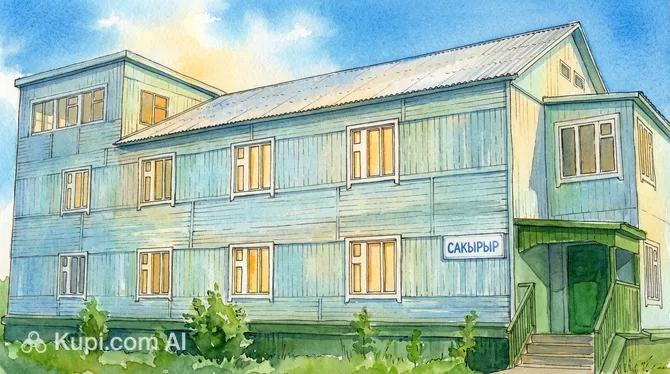
Saskylakh. Source: Kupi.Binoculars

Geographically, the village is situated on the right bank of the majestic Anabar River, which plays a crucial role in the local ecosystem and transportation. With a population of approximately 2,300 people, it maintains a close-knit atmosphere typical of northern communities. The climate here is severe, characterized by long, snowy winters and short, cool summers, shaping a landscape that is both harsh and breathtakingly beautiful.

The cultural heritage of the region is deeply rooted in the traditions of indigenous peoples, including the Dolgans and Evenks. Those interested in how this settlement developed into a key river port can delve into the history of Saskylakh, which reveals a past intertwined with reindeer herding, fur trading, and the exploration of the Arctic. Today, it serves as a vital hub for the diamond mining industry active in the district.

Visitors to Saskylakh are often drawn by the unparalleled natural phenomena. Due to its high latitude, the village is an excellent spot for viewing the mesmerizing Northern Lights (Aurora Borealis) during the dark winter months. In summer, the Midnight Sun provides endless daylight, allowing travelers to explore the tundra and the riverbanks at any hour. The Anabar River also offers opportunities for fishing and observing the unique flora and fauna of the Arctic tundra.

If you are looking to step off the beaten path and experience the authentic spirit of the Far North, Saskylakh awaits with its chilly embrace and warm hospitality.

Weather Overview

Travelers planning a trip to this remote northern outpost should be prepared for an extreme subarctic climate characterized by significant seasonal contrasts. The region experiences long, frigid winters and brief, cool summers. During the coldest month, January, temperatures average -33.6°C and can plummet to lows of -36.6°C, requiring specialized cold-weather gear for any outdoor activity.

The summer months offer a respite from the freezing conditions, though the air remains crisp. July is typically the warmest time of year, with an average temperature of 11.2°C and daytime highs reaching around 14.4°C. Precipitation is scarce throughout the year, with monthly levels hovering between 0mm and 2mm, keeping the environment relatively dry despite the cold.

To ensure you pack appropriately for these distinct conditions, it is advisable to check the current weather in Saskylakh before your journey. Generally, you can expect cool summers with occasional light rain and extremely cold, dry winters.

Interesting Facts

Beyond the main attractions, Saskylakh holds many fascinating secrets hidden within its frozen landscape. This remote settlement is not just a point on the map but a place where extreme geography shapes a unique way of life.
  • Rare Colored Diamonds: While the Sakha Republic is famous for diamonds, the Anabar district surrounding Saskylakh is renowned for a specific geological feature. It is one of the few places where alluvial deposits yield a surprisingly high percentage of rare colored diamonds, distinguishing it from other mining regions.

  • Prehistoric Time Capsule: The permafrost beneath the village acts as a natural deep freeze for ancient history. The eroding banks of the Anabar River are known to occasionally reveal the tusks and bones of woolly mammoths and woolly rhinoceroses that roamed this tundra thousands of years ago.

  • The Ice Highway: During the long, harsh winter, the Anabar River undergoes a dramatic transformation. It freezes so solidly that it becomes an official "ice road" (zimnik), allowing heavy trucks to drive directly on the river ice to deliver supplies, a feat impossible during the swampy transition seasons.

  • A Critical Logistics Window: Life in Saskylakh is dictated by the "Northern Delivery." The navigation season for the river is incredibly short—often lasting only a few weeks in late summer. In this brief window, barges must deliver the entire settlement's supply of fuel, coal, and non-perishable food for the coming year.

How to Get There

Reaching Saskylakh is a true adventure, taking you deep into the Arctic wilderness of the Sakha Republic. Due to its remote location above the Arctic Circle, transportation options are limited and heavily dependent on the season. The primary and most reliable way to reach the settlement is by air, as the vast distances and harsh terrain make ground transport challenging. For those planning a trip, we recommend reading more about how to get to Saskylakh to prepare for the specific logistics of this northern journey.

The village is served by Saskylakh Airport (SYS), a small regional airport located just a few kilometers from the settlement. There are no direct international flights or direct connections from Moscow; all travelers must first fly to Yakutsk, the capital of the region. From Yakutsk, local carriers such as Polar Airlines or Alrosa Air operate scheduled flights to Saskylakh. These flights typically take around 3 to 4 hours, offering stunning views of the tundra below. Be aware that flight schedules can be subject to weather delays, which are common in the Arctic.

There is no railway access to Saskylakh, and the nearest major train stations are thousands of kilometers away in the southern part of the republic. Land access is only possible via seasonal "winter roads" (zimniks) that are paved over the frozen tundra and river ice, usually operational from late December to April. These routes connect Saskylakh to Olenyok and Udachny but are strictly for experienced drivers with specialized vehicles. During the short summer navigation season, the Anabar River becomes a transport artery, primarily for cargo barges, though passenger travel by water is rare and not a standard tourist option.

Main Attractions

For travelers venturing to the remote outpost of Saskylakh, the attractions are less about grand monuments and more about the unique experience of life on the edge of the habitable world. The sights here are defined by the raw power of the Arctic nature and the rich cultural heritage of the indigenous peoples who have called this land home for centuries.

The cultural heart of the settlement is the Anabar District Museum of Local Lore. This small but fascinating institution offers a deep dive into the history and traditions of the Anabar region. Visitors can explore exhibits dedicated to the Dolgan and Evenk peoples, viewing traditional clothing, tools used for reindeer herding, and intricate beadwork. The museum also houses paleontological finds, including the fossilized remains of woolly mammoths and rhinos that are frequently discovered in the melting permafrost of the district, serving as a testament to the area's prehistoric past.

The majestic Anabar River acts as the village's lifeline and main scenic attraction. In the short summer, the riverbank is a hub of activity where you can watch barges unloading vital supplies or simply enjoy the serene views of the water cutting through the tundra. Fishing enthusiasts will find the river teeming with northern fish species, making it a popular spot for angling. In winter, the river transforms into a spectacular "ice highway," a solid frozen road that connects the isolated settlement to the rest of the world, offering a unique sight for those brave enough to visit during the cold season.

Surrounding the village is the vast, untouched expanse of the Arctic Tundra. This treeless landscape offers a stark, mesmerizing beauty that changes dramatically with the seasons. In summer, the tundra comes alive with vibrant mosses, lichens, and wild berries like cloudberries and lingonberries, attracting nature lovers and photographers. It is also a place to observe wildlife, including herds of domesticated reindeer that wander near the settlement, integral to the local economy and way of life.

Finally, the sky itself is one of Saskylakh's greatest attractions. Located well above the Arctic Circle, the village is a prime location for witnessing the Northern Lights (Aurora Borealis). During the long polar nights of winter, the darkness is often illuminated by dancing ribbons of green and violet light. Conversely, visitors in June and July can experience the Midnight Sun, where the sun never fully sets, bathing the landscape in a surreal, golden twilight for 24 hours a day.

Local Cuisine

The local cuisine in Saskylakh is strictly defined by its Arctic location and the traditions of the indigenous Dolgan and Evenk peoples. In this harsh climate, food is not just sustenance but a source of vital energy and warmth. The diet relies heavily on what can be hunted in the tundra or caught in the Anabar River, resulting in a menu dominated by organic meat and fatty river fish, often prepared in ways that preserve their natural vitamins.

The absolute king of the table here is Stroganina, a delicacy famous throughout the Sakha Republic but tasting best in the high north. It consists of raw, frozen fish—typically broad whitefish (chir), muksun, or nelma—shaved into thin, curling slices. It is eaten frozen, dipped in a mixture of salt and black pepper. Another variation is Indigirka salad, where the frozen fish is diced into cubes and mixed with onions, oil, and spices. These dishes are not only delicious but are considered essential for preventing scurvy and maintaining health during the long winters.

Meat lovers will find reindeer venison to be the primary staple. It is prepared in various forms: boiled on the bone, stewed, or fried. In traditional households, you might also encounter dried or smoked venison, which serves as a high-energy snack for herders and hunters out on the land. Wild berries gathered from the tundra in late summer, such as cloudberries (moroshka), lingonberries, and blueberries, provide a sweet contrast to the savory meat dishes and are often served fresh or as jams.

When it comes to drinks, hot black tea is the beverage of choice, consumed in large quantities to stay warm. It is often drunk with milk or even a bit of butter in traditional settings. For something refreshing and vitamin-rich, locals prepare Mors, a tart fruit drink made from wild northern berries. While alcohol is available, the traditional fermented mare's milk known as Kumis, popular in central Yakutia, is less common this far north, though it can sometimes be found during festivals.

The food culture in Saskylakh is centered around the home and hospitality rather than commercial dining. Visitors should not expect fancy restaurants or street food stalls; instead, the "dining scene" consists of a few simple local canteens or bakeries offering hearty, homemade-style meals. The best way to experience the true flavor of the Arctic is to be invited to a local table, where the fish is always fresh from the ice and the welcome is as warm as the tea.

Travel Tips

Traveling to Saskylakh is a true expedition into the heart of the Arctic, requiring far more preparation than a standard holiday. To help you navigate the unique challenges of this remote settlement and fully enjoy its rugged beauty, we have compiled a list of essential practical advice.

  1. Clothing and Gear: Your wardrobe depends entirely on the season, but "warm" is the keyword. In winter, standard coats are insufficient; you need professional-grade Arctic gear, including thermal underwear, a heavy down parka, insulated trousers, and boots rated for at least -40°C. In summer, the weather is milder, but you must bring waterproof boots for the muddy terrain and, most importantly, a mosquito net and strong insect repellent to protect against the swarms of midges and mosquitoes common in the tundra.

  2. Transportation: Saskylakh is a compact village, and the most reliable way to get around is on foot. There is no public transport system like buses or trams, and ride-hailing apps do not operate here. If you need to travel to the airport or a nearby site, you will likely need to arrange a ride with a local private driver or through your accommodation host. In winter, locals often use snowmobiles.

  3. Finances: Cash is absolute king in the Anabar district. While a few shops might have card terminals, internet connections can be unstable, causing transactions to fail. There are no currency exchange offices in the village, so you must obtain Russian Rubles (RUB) before you arrive, ideally in Yakutsk. Bring enough cash to cover your entire stay, as ATMs may be scarce or out of service.

  4. Health and Safety: The local hospital offers basic medical care, but for serious conditions, weather-dependent air evacuation to Yakutsk is the only option. Bring a fully stocked personal first-aid kit, including any prescription medications you need, as the local pharmacy has limited stock. Safety-wise, the village is peaceful, but the cold is a deadly hazard; never venture into the tundra alone without notifying someone of your route.

  5. Communication: Do not expect to rely on English, as it is rarely spoken. Learning a few basic phrases in Russian will be incredibly helpful, and a smile goes a long way in overcoming language barriers. Mobile internet and Wi-Fi are available but can be slow and rely on satellite connections. It is advisable to buy a SIM card from a major provider in Yakutsk before flying north, though coverage may still be spotty.

  6. Local Etiquette: Hospitality is a core value in the North. If you are invited into a local home, always remove your shoes at the entrance. It is also polite to bring a small gift, such as tea or sweets. Respect local traditions regarding nature; for instance, you may see locals "feeding the fire" by offering small pieces of food to the flames, a ritual honoring the spirit of the fire.

  7. What to Avoid: Never photograph local people, especially those in traditional dress or working with reindeer, without explicitly asking for permission first. Additionally, avoid refusing an offer of hot tea or food if possible, as sharing a meal is a significant sign of trust and welcome in this harsh climate.

  8. Shopping Tip: Be prepared for higher prices than in mainland cities. Because almost all goods are brought in by air or during the short summer river navigation (the "Northern Delivery"), groceries and household items come at a premium. Shop hours can be irregular, so try to purchase necessary supplies during the day rather than late at night.

By packing the right gear and approaching the local culture with respect and an open mind, your visit to Saskylakh will be a safe and unforgettable adventure. Embrace the silence of the tundra and the warmth of the people for a truly unique Arctic experience.

Entertainment & Nightlife

When it comes to nightlife and entertainment, Saskylakh defies the typical expectations of a tourist destination. You will not find neon-lit boulevards, thumping nightclubs, or a district of cocktail bars here. Instead, the "nightlife" in this remote Arctic settlement is defined by the profound silence of the tundra, the warmth of community gatherings, and natural spectacles that rival any laser show on Earth. The atmosphere is quiet, intimate, and deeply connected to the rhythms of nature and the local people.

The social heart of the village, especially in the evenings, is the local House of Culture (Dom Kultury). In small northern settlements like Saskylakh, this venue serves as the epicenter of entertainment. It is here that villagers gather for concerts, holiday celebrations, and occasional dance evenings. While it is not a commercial nightclub, it offers a genuine glimpse into the local lifestyle, where entertainment is community-driven rather than commercial. Travelers are often welcomed to these events, which provide a rare opportunity to see traditional Yakut and Dolgan performances or simply mingle with the residents.

For a different kind of evening experience, the banks of the Anabar River offer a serene setting for night walks. During the summer months, the phenomenon of the Midnight Sun means "night" is merely a concept; the sun dips towards the horizon but never sets, bathing the village in a golden twilight that allows for strolling, fishing, or photography at 2 AM. In winter, the riverbank becomes the front row seat for the Northern Lights. The lack of light pollution makes Saskylakh one of the best places in the world to see the Aurora Borealis dancing overhead, a natural performance that is the highlight of any winter trip.

Practical advice for enjoying the evening here revolves around preparation and safety. There are no taxis or ride-sharing services, so getting around means walking. The village is compact and safe from crime, but the environment poses its own risks. In winter, temperatures can drop below -40°C, so extreme cold-weather gear is mandatory even for a short walk. In summer, the main "danger" comes from swarms of mosquitoes, so a head net and repellent are essential for any outdoor activity. Keep in mind that shops and the few local canteens close early, often by 8:00 PM or 9:00 PM, so plan your dinner and supply runs accordingly.

Those looking for alcohol should be aware of the strict regulations in the Sakha Republic. The sale of alcohol is often limited to specific hours (usually 2:00 PM to 8:00 PM) and is only available in designated specialized stores, not in general grocery shops. There are no bars in the western sense, so social drinking typically happens in private homes. If you are invited to a local's house, it is customary to bring a small gift.

While the nights are for nature and quiet socialization, daytime entertainment offers a bit more structure. Visitors should definitely stop by the Anabar District Museum of Local Lore. This small institution punches above its weight with exhibits detailing the rich history of the region, from mammoth tusks found in the permafrost to the intricate beadwork of the indigenous peoples. It is the perfect place to spend a few hours learning about the resilience required to live in such an extreme environment before heading out to experience it for yourself.

Parks & Museums

While Saskylakh does not boast the manicured botanical gardens or grand art complexes found in major cities, it offers something far more primal and compelling. The "parks" here are the vast, untouched expanses of the Arctic wilderness, and the cultural sites provide an intimate look at the resilience required to thrive in one of the harshest environments on Earth.

The most significant natural recreational area is the Anabar Riverbank. In the absence of formal city parks, the riverfront serves as the village's main promenade and social hub. During the short summer, it is a place of scenic beauty where locals and visitors alike come to watch the barges navigate the water, fish for arctic species, or simply enjoy the fresh, cool air. The contrast between the flowing water and the rugged northern landscape creates a peaceful atmosphere perfect for reflective walks.

Beyond the village limits lies the Arctic Tundra, which effectively functions as an endless open-air nature reserve. This is not a fenced park but a boundless ecosystem that changes color with the seasons—from the stark white of winter to the vibrant greens and browns of summer. Travelers can explore the rolling hills to spot unique flora like reindeer moss and wildflowers, or in late summer, engage in the popular local pastime of picking cloudberries and lingonberries.

For a deep dive into the region's heritage, the Anabar District Museum of Local Lore is the essential cultural stop. This institution acts as the guardian of the district's history, housing diverse collections that range from paleontological finds to ethnographic treasures. Visitors can marvel at the fossilized remains of woolly mammoths and rhinoceroses found in the local permafrost, offering a tangible connection to the prehistoric past.

The museum also features extensive exhibits on the Indigenous Cultures of the Dolgans and Evenks. Through displays of traditional fur clothing, hunting tools, and beadwork, the museum tells the story of the nomadic tribes who have mastered life in the polar north. It provides crucial context for understanding the traditions that still shape daily life in Saskylakh today.

In terms of historical monuments, the village pays tribute to its past with a Memorial to the Heroes of World War II. Like many settlements across Russia, Saskylakh honors those who left this remote region to fight on the front lines. The monument stands as a solemn reminder of the village's connection to the broader history of the country, serving as a place for local ceremonies and quiet remembrance.

For a truly unique experience, adventurous souls should visit the river during the transition seasons. In late spring, the Ice Drift on the Anabar River is a dramatic natural spectacle, where massive blocks of ice crash and grind their way downstream, signaling the arrival of the long-awaited summer. It is a raw and powerful display of nature's force that no museum exhibit can replicate.

Getting Around

Travelers visiting Saskylakh should be aware that the concept of public transport here differs significantly from standard urban centers. Due to the settlement's small size and remote location, there is no municipal public transportation system. You will not find buses, trams, trolleybuses, or a metro network operating within the village. The infrastructure is designed for a compact community where most daily activities are concentrated within a walkable distance.

The primary and most reliable way to navigate the village is simply on foot. The settlement is small enough that you can walk from one end to the other in a relatively short time. However, walking conditions are heavily dictated by the weather. In winter, roads are covered in snow and ice, requiring sturdy, non-slip boots, while in summer, unpaved paths can become muddy, making waterproof footwear essential.

For those needing to travel with heavy luggage or reach the nearby airport, the alternative to walking is hiring a private driver. There are no official taxi companies with dispatchers, and international ride-hailing apps do not work here. Instead, transportation is provided by local residents using their private vehicles, typically rugged off-road cars like the UAZ "Loaf" (Bukhanka) or Land Cruisers that can handle the rough terrain. You can usually find a ride by asking at your accommodation or speaking with locals at the airport.

During the long winter months, the transport landscape changes, and snowmobiles (often referred to locally as "Burans") become a common sight. They are the most efficient way to travel across the snowy tundra surrounding the village and sometimes even on the snow-covered streets. In the short summer navigation season, motorboats become the main form of transport for crossing the Anabar River or reaching fishing spots, effectively serving as water taxis.

Regarding payment, the system is exclusively informal. There are no travel cards, passes, or tickets to validate. Cash is the only accepted method of payment for rides, as drivers do not have card terminals. It is advisable to agree on the price with the driver before starting your journey to avoid misunderstandings. Prices are generally fixed by custom rather than by a meter, so asking a local host for the standard rate beforehand is a good idea.

Accommodation

Finding a place to stay in Saskylakh is part of the authentic Arctic adventure. Due to its remote location and small population, the accommodation landscape is vastly different from standard tourist destinations. Travelers should not expect luxury resorts, international hotel chains, or extensive amenities. Instead, the options are generally limited to a few small, locally run hotels or guesthouses that offer basic but warm and functional shelter against the harsh northern climate.

The available accommodations are typically categorized as budget to mid-range in terms of facilities, though prices can sometimes be higher than expected due to the extreme logistics of the region. Rooms are usually simple, often with shared bathrooms and modest furnishings. The focus here is on providing a heated environment and a comfortable bed rather than high-end service. Staying in these places offers a unique opportunity to experience the genuine hospitality of the locals, who often run these establishments with a personal touch.

Given the compact size of the settlement, "location" is rarely an issue. Most lodging options are situated in the central part of the village, within walking distance of the administration buildings, the museum, and the local shops. Staying near the center is convenient for accessing the few available amenities, while locations closer to the riverbank offer scenic views of the Anabar River and the surrounding tundra.

Booking Tip: Do not rely on major international booking platforms or apps, as accommodations in Saskylakh are rarely listed online. The most effective way to secure a room is to book well in advance by contacting the establishment directly via phone or by having a local contact or tour operator make arrangements for you. During the winter season and the short summer navigation period, rooms can fill up quickly with workers and officials, so arriving without a reservation is risky.

Regarding payment and costs, be prepared for a cash-based economy. While some places might accept transfers, credit card terminals are not standard. Prices are generally fixed, and bargaining is not customary. Travelers should ensure they have enough physical rubles to cover their entire stay, as ATMs may be unreliable or inaccessible.

Nearby Cities

For those embarking on an extended journey through the vast wilderness of the Sakha Republic, Saskylakh serves as one point on a map of remote and fascinating outposts. While the immense distances make quick visits impossible, the following locations are key stops for a longer Arctic itinerary, offering a deeper understanding of life in the Far North.

One of the most compelling destinations in the wider region is Tiksi. Known as the "Sea Gates of Yakutia," this port settlement sits on the shores of the Laptev Sea. It offers a stark, atmospheric glimpse into life on the Arctic coast, featuring Soviet-era architecture and the impressive Lena Delta Wildlife Reserve museum. It is a place for those who wish to witness the raw power of the Arctic Ocean and the tundra meeting the sea.

Another unique location is Udachny, a city built to support the diamond mining industry. It is famous for the Udachnaya pipe, one of the largest and deepest open-pit diamond mines in the world. Visitors interested in industrial tourism and geology will find the scale of the mine breathtaking, offering a sharp contrast to the surrounding wild taiga landscape.

City Population Distance (km)
Udachny 12000 623
Vilyuysk 11095 967
Nyurba 9786 983
Verkhnevilyuysk 6329 984
Tiksi 5700 514

These nearby destinations offer a glimpse into the diverse culture and landscapes of the region, ranging from industrial powerhouses to coastal Arctic settlements.

Shopping & Souvenirs

Shopping in Saskylakh is a strictly utilitarian affair, reflecting the remote and rugged nature of life above the Arctic Circle. Visitors should not expect bustling shopping districts, fashion boutiques, or luxury outlets. Instead, the retail landscape consists primarily of small, multi-purpose general stores designed to supply residents with essential groceries, household goods, and outdoor gear suitable for the extreme climate. Prices here are significantly higher than on the mainland due to the complex logistics of the "Northern Delivery," where goods are flown in or brought by barge during the short summer.

There are no specific shopping streets or districts in the traditional sense. Most of the village's commercial activity is concentrated in the central part of the settlement, within walking distance of the administration buildings and the river port. Here, you will find a handful of shops (often called "Magazin") that function as all-in-one outlets, selling everything from bread and canned meat to warm socks and batteries. It is a compact environment where finding what you need often involves visiting two or three of these small establishments.

Travelers looking for large retail complexes will not find them here. Saskylakh has no shopping malls or department stores. The retail infrastructure is small-scale and locally owned, tailored to the immediate needs of the community rather than recreational shopping.

While there is no formal central market building, the trading spirit of the village comes alive through informal channels, particularly regarding local produce. Fresh food markets as seen in cities do not exist; instead, the "market" is often a direct transaction between hunters, fishermen, and buyers. During the fishing season, you can often purchase fresh catch directly from boats at the riverbank. In winter, locals sell blocks of frozen fish and venison, often stored naturally outdoors due to the freezing temperatures.

For those seeking souvenirs, the options are unique and deeply connected to Indigenous culture. The most prized items are traditional fur boots (known as untai), which are handmade by local artisans from reindeer hide and are incredibly warm. You may also find intricate beadwork, embroidered handicrafts, and amulets reflecting Dolgan and Evenk traditions. Another popular "souvenir" to consume on-site or transport carefully is local delicacies like smoked fish or dried reindeer meat (yukola).

Store hours are generally standard, with most shops opening around 9:00 AM or 10:00 AM and closing by 7:00 PM or 8:00 PM. Be aware that many smaller shops may close for a lunch break, typically between 1:00 PM and 2:00 PM. regarding payment, cash is absolute king. While digital payment terminals are appearing, internet connections in the Arctic can be unstable, leading to transaction failures. It is strongly recommended to carry enough Russian Rubles to cover all your purchases, as relying on credit cards is risky.

Tourists should note that Tax-Free shopping systems (VAT refunds) are not available in Saskylakh. The settlement does not participate in international tax-refund schemes, so all purchases are final and include local taxes.

Reached the end of the page?

That means the route is fully explored