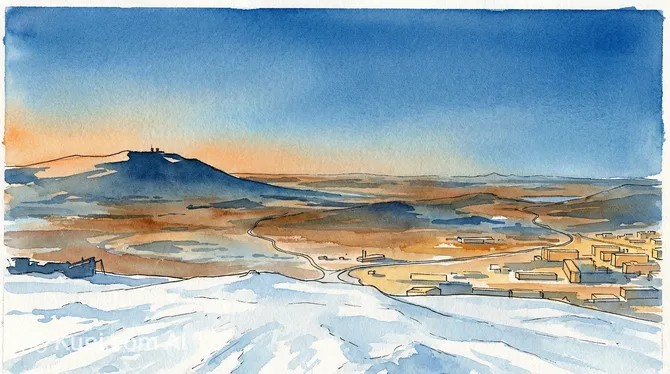
In a settlement located far above the Arctic Circle, the concept of "parks and gardens" takes on a vastly different meaning. Tiksi does not have manicured lawns or tree-lined avenues, as the permafrost and harsh winds prevent tall trees from growing. Instead, the town is surrounded by the raw, untamed beauty of the tundra, which serves as a vast, open-air natural park, while its cultural institutions act as warm custodians of the region's rich history and biological diversity.
The Tundra "Green Belt" is the primary natural area for the settlement. While it may look barren in winter, during the brief summer weeks of July and August, this landscape transforms into a vibrant carpet of mosses, lichens, and resilient wildflowers like Arctic poppies and forget-me-nots. Walking just outside the town limits offers a profound connection with nature, where the silence is broken only by the wind and the calls of migratory birds. It is a place for contemplation and witnessing the sheer endurance of life in the north.
Another significant natural feature is the Coast of Tiksi Bay. Although not a beach for sunbathing, the shoreline offers a ruggedly beautiful promenade for visitors. The contrast between the dark waters of the Laptev Sea, the driftwood washed ashore, and the ice floes that can persist well into summer creates a dramatic setting for photography and walks. It is here that one can truly appreciate the scale of the Arctic Ocean and the maritime heritage of the "Sea Gates of Yakutia."
For cultural enrichment, the Museum of the Ust-Lensky State Nature Reserve is the crown jewel of the town. While the reserve itself covers a massive territory in the Lena Delta, its museum in Tiksi makes this remote ecosystem accessible to tourists. The exhibits are dedicated to the unique flora and fauna of the delta, featuring taxidermy of polar bears, walruses, and rare birds. A highlight for many is the paleontological section, which displays ancient remains of mammoths and woolly rhinoceroses found in the permafrost, connecting the present day to the Ice Age.
To understand the human history of the region, visitors should look for the local History and Culture Exhibitions, often hosted within the Cultural and Sports Complex or the local library. These collections typically focus on the indigenous Evenki and Yakut cultures, showcasing traditional clothing, tools, and crafts. They also pay tribute to the Soviet era of polar exploration, displaying photographs and artifacts related to the development of the Northern Sea Route and the heroic efforts of the convoys that supplied the Arctic during World War II.
Among the historical landmarks, the Monument to Arctic Aviation stands out. It features an actual Antonov An-12 aircraft mounted on a pedestal, symbolizing the critical role aviation played in connecting this isolated outpost with the rest of the world. Nearby, monuments dedicated to the sailors and polar explorers, often adorned with anchors and maritime symbols, serve as solemn reminders of the treacherous conditions faced by those who navigated these icy waters.
For a truly authentic experience, try berry picking in the tundra if you visit in late summer. The area surrounding the town is rich in cloudberries (moroshka) and blueberries. Asking a local to point out a good spot—and perhaps sharing a cup of tea afterwards—is a wonderful way to experience the genuine hospitality of Tiksi's residents.