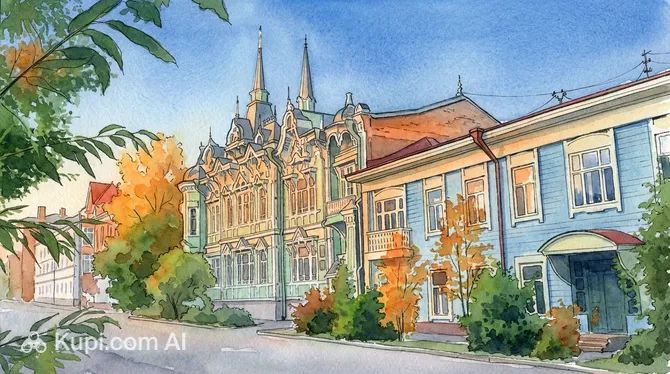
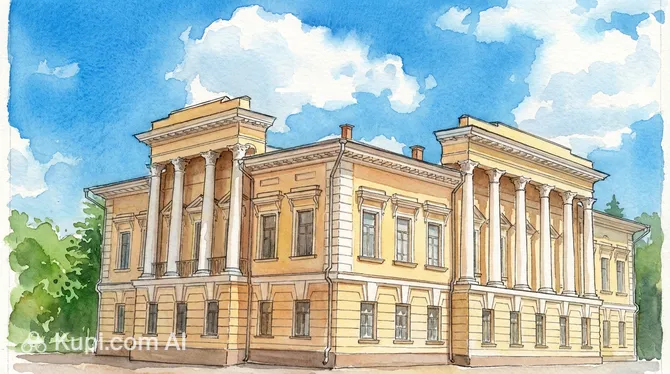
Tomsk is a captivating city that serves as a major educational and scientific hub in Siberia. Often referred to as the "Siberian Athens" due to its high concentration of universities and students, it possesses a youthful energy balanced by a rich cultural heritage. Located in the Asian part of the Russian Federation, the city sits on the right bank of the Tom River, offering visitors a unique glimpse into the heart of the region.
Tomsk. Illustration.
Source: Kupi.com AI
With a population of approximately 570,000 people, the city is lively and bustling. The climate here is continental, characterized by snowy winters that transform the streets into a winter wonderland, and warm, pleasant summers perfect for exploration. As one of the oldest centers in Siberia, delving into the history of Tomsk reveals its evolution from a 17th-century fortress into a modern center of innovation and culture.
Travelers are particularly drawn to the city's distinctive wooden architecture. Many streets are lined with 19th-century houses adorned with intricate "wooden lace" carvings, creating an open-air museum atmosphere. Key attractions include the serene Lagerny Garden, which offers panoramic views of the river, and the quirky Monument to Chekhov near the Tom River embankment. Whether you are admiring the historic Resurrection Church or enjoying the vibrant student cafes, Tomsk invites you to experience its warm hospitality and unique charm.
Weather Overview
Tomsk experiences a continental climate with distinct differences between the seasons. The winter months are cold, particularly in January, when the average temperature drops to -16.4°C. Summers, however, are pleasantly warm, with July offering average maximum temperatures of 23.5°C, creating comfortable conditions for walking tours and outdoor activities.
Travelers should be prepared for some precipitation year-round, as the city typically sees between 9 and 15 wet days each month. For a more detailed breakdown of what to expect during your visit, consult the guide to the weather in Tomsk. In general, expect warm summers with occasional rain and cold winters that require warm clothing.
Average monthly temperature
Average monthly precipitation
Interesting Facts
Beyond the main attractions and historic streets, Tomsk holds many fascinating secrets and quirky details that often surprise visitors. From singing statues to architectural marvels, here are some intriguing facts that make this Siberian city truly unique.
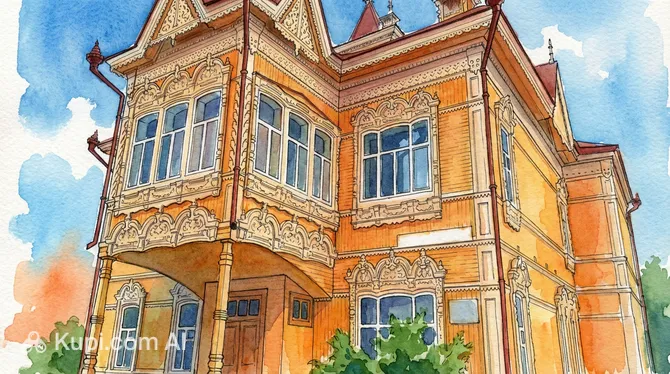
House with Firebirds. Illustration.
Source: Kupi.com AI
Traveler photos:
The city possesses a distinct sense of humor, best exemplified by the Anton Chekhov Monument located on the embankment. Unlike traditional grand tributes, this statue depicts the famous writer in a grotesque, caricature style—as seen through the eyes of a "drunk peasant"—serving as a playful revenge for Chekhov's unflattering remarks about Tomsk during his visit in 1890.
You can find a literal representation of joy here at the Monument to Happiness. This sculpture features the well-fed wolf from the classic animation "Once Upon a Dog." It is not just a visual treat; if you press a button on the statue's belly, the wolf speaks famous phrases from the cartoon, delighting locals and tourists alike.
Tomsk is famous for its "wooden lace," a style of intricate carvings that adorn many 19th-century estates. A prime example is the House with Firebirds, which looks like it came straight out of a fairy tale with its elaborate decorations of mythical birds and towers.
The city is home to the first university founded in the Asian part of Russia, established in 1878. As part of this academic legacy, the Tomsk State University Botanical Garden maintains a vast collection of tropical and subtropical plants, creating a lush green oasis that thrives even during the coldest Siberian winters.
How to Get There
Reaching this Siberian educational center requires some planning, but the journey offers a chance to see the vast landscapes of the region. For a complete overview of routes and tips, you can read more about how to get to Tomsk in our detailed guide. The city is well-connected by air and rail, serving as a key transport node in Western Siberia.
The most direct air route is through Bogashevo (TOF), which serves as the city's main gateway. Located just outside the urban area, it is a regional hub with regular connections to major Russian cities. The trip from the airport to the city center takes approximately 50 minutes by taxi or bus. For international travelers or those looking for more flight options, the major transport hub is Tolmachevo (OVB) in the neighboring city of Novosibirsk. Although it is about 218 km away, it handles a large volume of passenger traffic. A transfer from Novosibirsk to Tomsk by road typically takes around 6 hours.
For clarity, here is a summary of the main airports:
Traveling by train is another popular and scenic way to arrive. The city is served directly by Tomsk-1 Railway Station, which is conveniently located within the city limits, just a short 25-minute ride from the center. However, since Tomsk is on a branch line, many travelers on the Trans-Siberian Railway arrive at Tayga Station in the nearby city of Tayga. This major junction is situated about 63 km away. From Tayga, you can take a taxi or a connecting bus to reach Tomsk, a journey that usually takes close to 2 hours.
Below is a list of the nearest railway stations and their distance from the city center:
Station
Passenger traffic
Distance
Tomsk-1 Railway Station
700 000
4 km
Tomsk-2 Railway Station
300 000
4 km
Tugan Station
—
34 km
Itatka Station
—
55 km
Tayga Station
1.5 mln
63 km
Anzherskaya Station
450 000
80 km
Yurga-1 Station
1.2 mln
87 km
Main Attractions
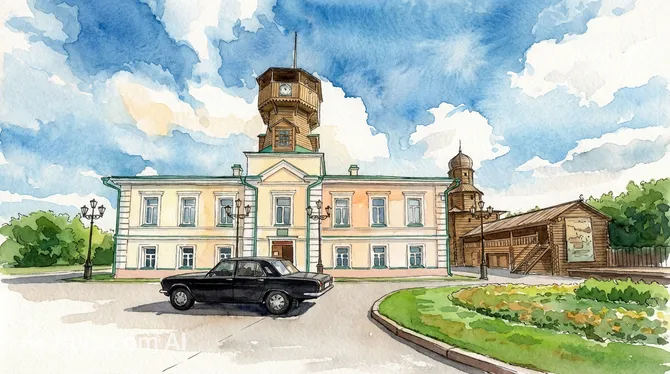
Tomsk offers a delightful mix of history, architecture, and lush green spaces, making it a joy to explore on foot. The city's layout allows visitors to easily navigate between centuries-old wooden estates and vibrant cultural centers. To truly understand the city's origins, a visit to the Museum of the History of Tomsk is essential. Located on Resurrection Hill, the exact spot where the city was founded as a fortress in 1604, this museum features fascinating exhibits on local life and a reconstructed wooden watchtower. Climbing the tower rewards tourists with one of the best panoramic views of the city.
Museum of the History of Tomsk. Illustration.
Source: Kupi.com AI
Traveler photos:
For those interested in the spiritual and architectural heritage of the region, the Church of the Resurrection is a stunning landmark. Built in the rare Siberian Baroque style, its intricate yellow and white facade stands out beautifully against the cityscape. The church is known for its "Tsar Bell," a massive bell weighing over 16 tons, which was cast in 2004 to celebrate the city's 400th anniversary. It is a peaceful place to admire the craftsmanship of Siberian builders.
Travelers looking for a unique cultural experience should not miss the First Museum of Slavic Mythology. This private institution is dedicated to the legends, fairy tales, and epic stories of the Slavic people. Unlike traditional dusty museums, it offers a vibrant immersion into folklore through colorful paintings, traditional crafts, and interactive workshops. It is a fantastic spot for families and anyone curious about the magical side of Russian culture.
First Museum of Slavic Mythology. Illustration.
Source: Kupi.com AI
Traveler photos:
When you are ready to take a break from sightseeing, the City Garden in the center of Tomsk provides a perfect retreat. Established in the 19th century, this park is a favorite among locals for its shady alleys, charming pond, and amusement rides. It serves as the green heart of the city, hosting festivals and concerts during the summer, and offering a picturesque setting for a leisurely stroll after a day of exploration.
Local Cuisine
The culinary scene in Tomsk is a delightful reflection of its Siberian location, offering hearty dishes designed to keep you warm during the long winters. The most iconic dish to try here is Siberian pelmeni. Unlike standard dumplings, the local variety often features a mixture of three meats—beef, pork, and lamb—or more exotic game fillings like elk or venison. These are traditionally served with sour cream, vinegar, or a dab of spicy mustard, making for a truly satisfying meal.
Local ingredients play a massive role in the city's gastronomy. The surrounding taiga provides an abundance of pine nuts (often called cedar nuts locally) and wild berries such as lingonberries, cranberries, and sea buckthorn. You will find pine nuts sprinkled on salads, crushed into sauces, or preserved in honey as a sweet souvenir. Fish lovers should look for dishes featuring northern river fish like muksun or sterlet, which are often served lightly salted or baked to perfection.
When it comes to drinks, the locals prefer natural and vitamin-rich options. Mors, a refreshing fruit drink made from wild berries, is a staple on every menu. For something warm, try Ivan-chai (willow herb tea), a traditional herbal brew known for its restorative properties. Tomsk is also famous for its local brewing traditions; the city has a historic brewery that produces a variety of beers, and many restaurants serve homemade berry tinctures that capture the essence of the Siberian forest.
Slavyansky Bazaar. Illustration.
Source: Kupi.com AI
Traveler photos:
The dining culture in Tomsk ranges from vibrant student cafes to historic establishments. A legendary spot on the city's gastronomic map is Slavyansky Bazaar. This restaurant is housed in a building that dates back to the 19th century and famously hosted the writer Anton Chekhov in 1890. While Chekhov was critical of the city itself, he praised the dinners here, and today it remains a premier destination to experience authentic Russian cuisine in a historical setting.
For a more contemporary and cozy atmosphere, travelers often visit places like Mama, I'm Home!. This restaurant is popular for its open kitchen concept and comfort food that blends European trends with local tastes. Whether you are grabbing a quick bite of street food like blini (pancakes) or sitting down for a multi-course game feast, eating in Tomsk is an exploration of Siberian hospitality.
Travel Tips
Visiting the "Siberian Athens" is an exciting adventure, but the region's unique climate and local specifics require a bit of preparation. To help you navigate the city comfortably and make the most of your trip, here is a list of essential practical tips.
Clothing and Gear: The most important rule for Tomsk is to dress for the weather. If you visit in winter (November to March), you will need thermal underwear, a heavy down jacket, a warm hat, gloves, and boots with non-slip soles for icy streets. Summers are generally warm, so light clothing is suitable, but bring a light jacket for cool evenings. If you plan to visit the Botanical Garden or nearby forests, carry insect repellent to protect against mosquitoes and ticks.
Transportation: Tomsk does not have a metro system, but it has an extensive network of trams, trolleybuses, and buses (often called marshrutkas). You typically pay the conductor or the driver upon exiting; cash is the most reliable method, though local cards are often accepted. For a more comfortable ride, ride-hailing apps like Yandex Go are widely used, affordable, and overcome the language barrier since you set the destination on your phone.
Finances: The local currency is the Russian Ruble (RUB). It is highly advisable to carry cash, as bank cards issued outside the country may not work at local terminals or ATMs. You can exchange foreign currency at major bank branches. While many shops and restaurants accept cards, having cash is essential for public transport, small kiosks, and tips.
Health and Safety: Pharmacies (marked as Apteka with a green cross) are easy to find, and many operate 24/7. Tomsk is generally safe, but watch your step in winter as sidewalks can be slippery. If you are exploring nature parks in late spring or early summer, be vigilant about ticks, as the region is a habitat for them; wearing long sleeves and trousers tucked into socks is recommended.
Communication: While Tomsk is a university city and many students speak English, the general population primarily speaks Russian. It is essential to download an offline translation app and an offline map (like 2GIS) before you arrive. Buying a local SIM card is straightforward at mobile shops with your passport, ensuring you have internet access throughout your stay.
Local Etiquette: When visiting someone's home, it is customary to remove your shoes at the door; hosts will usually provide slippers. In public transport, it is polite to give up your seat to elderly people, pregnant women, or passengers with small children. Handshakes are common greetings, but avoid shaking hands across a threshold, as it is considered bad luck.
What to Avoid: Do not drink tap water unless it has been boiled or filtered; buying bottled water is the safest option. Also, avoid raising your voice or being overly loud in public places, as this is generally frowned upon and attracts unwanted attention.
Dining Hack: Since Tomsk is a student hub, many cafes and restaurants offer a "Business Lunch" menu on weekdays, typically between 12:00 PM and 4:00 PM. This is a great way to enjoy a full set meal (soup, salad, main course, and drink) at a significantly reduced price compared to the evening menu.
By keeping these tips in mind, you will be well-equipped to enjoy the warm hospitality and historic charm of Tomsk without any hassles. Whether you are here for the wooden architecture or the snowy landscapes, a little preparation ensures a memorable and smooth journey.
Entertainment & Nightlife
As the sun sets over the Tom River, Tomsk reveals a vibrant and youthful energy that belies its quiet historical exterior. Thanks to its status as a major university center, the city boasts a lively nightlife scene that caters to a diverse crowd, from students looking for affordable fun to sophisticated travelers seeking high-quality entertainment. The heart of the action is primarily concentrated along the main thoroughfare, Lenin Avenue (Prospekt Lenina), and its adjacent streets, where you can find a dense concentration of cafes, bars, and clubs within walking distance of each other.
For music lovers, the city offers one of the most celebrated venues in Siberia, the Underground Jazz Cafe. This establishment is a cultural landmark in Tomsk, known for its intimate atmosphere and regular live performances by both local talents and visiting international musicians. It is the perfect place to enjoy a relaxed evening with a glass of wine while listening to smooth jazz, blues, or experimental sounds in a setting that feels both cozy and bohemian.
Underground Jazz Cafe. Illustration.
Source: Kupi.com AI
Traveler photos:
If you prefer a more spirited environment with excellent drinks, Abazhur Bar is a popular choice among locals. It combines the warmth of a homey living room with a professionally stocked bar, offering a wide range of creative cocktails and a friendly vibe. For those looking to dance the night away, the city has several nightclubs, such as Varyag. This venue often hosts themed parties and DJ sets, attracting a high-energy crowd ready to party until the early hours of the morning.
The atmosphere in Tomsk's nightlife venues is generally welcoming and unpretentious. Most bars and clubs operate with a casual or smart-casual dress code, though some higher-end nightclubs might expect a more polished look. Prices are pleasantly moderate compared to Moscow or St. Petersburg, reflecting the student-heavy population. Friday and Saturday nights are naturally the busiest, but you can often find lively spots even on weekdays.
Regarding safety, the city center is well-lit and generally safe for evening strolls, but it is always wise to stay vigilant. When moving between venues late at night, especially in winter, the best option is to call a taxi through a mobile app rather than hailing one on the street. This ensures a fixed price and a tracked ride, allowing you to return to your accommodation comfortably and safely.
Before the night begins, there are plenty of ways to entertain yourself during the day. Culture enthusiasts can visit the Tomsk Regional Art Museum to admire impressive collections of Russian art. Alternatively, for a more lighthearted afternoon, especially if traveling with family or friends, the Tomsk Amusement Park offers a variety of rides and a festive atmosphere right in the city center.
Parks & Museums
Tomsk is a city that harmoniously blends its urban rhythm with serene green spaces and deep cultural repositories, offering visitors plenty of opportunities to relax and learn. Beyond the famous wooden streets, you will find beautifully maintained gardens and museums that preserve the rich heritage of Siberia and its people.
One of the most beloved green spots in the city is the Buff Garden. Historically a favorite promenade for the local merchants, it has been revitalized into a charming park featuring cascading fountains and wooden sculptures. It is an excellent place for a quiet afternoon walk, surrounded by some of the city's finest examples of wooden architecture. For those seeking a deeper connection with nature within the city limits, Igumen Park offers a tranquil sanctuary. Centered around a picturesque lake, this park is a haven for birds and a peaceful retreat where the noise of the city fades away, making it perfect for contemplation or a romantic stroll.
Buff Garden. Illustration.
Source: Kupi.com AI
Traveler photos:
The cultural landscape of Tomsk is equally impressive, with institutions that delve into both the natural world and the human story of the region. The Tomsk Regional Museum of Local Lore named after M.B. Shatilov is the largest museum in the area. Housed in a grand historical building, it features extensive exhibits ranging from Siberian paleontology and geology to the ethnography of indigenous peoples. It provides a comprehensive overview of how life in this part of Siberia has evolved over centuries.
For a more somber but historically significant experience, the Tomsk Memorial Museum of the History of Political Repression offers a moving look into the past. Located in the former dungeons of the NKVD secret police, this museum serves as a memorial to the victims of Soviet-era repressions. The preserved prison cells and personal artifacts tell a powerful story of resilience and tragedy, attracting tourists interested in 20th-century history. Art lovers should also visit the Tomsk Regional Art Museum, which holds a respectable collection of Russian paintings, icons, and graphic arts.
Tomsk Regional Museum of Local Lore named after M.B. Shatilov. Illustration.
Source: Kupi.com AI
Traveler photos:
Tomsk's diverse history is also reflected in its religious architecture. The Red Mosque is a striking architectural landmark built in the early 20th century. Its red-brick facade and tall minaret stand as a testament to the city's multicultural past and the Tatar community that has lived here for centuries. Another architectural gem is the Cathedral of Saints Peter and Paul, a majestic Byzantine-style church located on a hill, offering both spiritual solace and commanding views of the surroundings.
For families or those looking for something different, the Tomsk Zoo provides a friendly environment to see various animal species. If you are visiting during the warmer months and want to experience how locals enjoy the sun, head to Semeykin Island. Located on the Tom River, this recreational area serves as the city's main beach destination, where you can sunbathe and enjoy the river breeze, offering a true insider's perspective on Siberian summer leisure.
Getting Around
Public transport in Tomsk is an extensive and affordable network that covers the entire city and its suburbs. Unlike larger metropolises, the city does not have a metro system. Instead, residents and visitors rely on a combination of trams, trolleybuses, and buses. The system is straightforward, making it relatively easy for tourists to navigate once they understand the basic routes and payment methods.
The backbone of the local transportation network consists of buses, which include both large municipal vehicles and smaller private minibuses, often referred to as marshrutkas. These small buses are ubiquitous and can take you to almost any corner of the city. While they might feel a bit crowded during rush hours, they are the fastest way to get around. Trams and trolleybuses operate on major avenues and offer a slower, more scenic way to travel, which can be perfect for sightseeing along the historic streets.
Payment is generally simple and uniform across different modes of transport. The fare is fixed regardless of the distance traveled within the city limits. Passengers typically pay the conductor inside the cabin or the driver upon exiting or entering, depending on the specific vehicle. While cash was the only option for a long time, modern terminals are now widely available, allowing you to pay with a contactless bank card or a smartphone. However, it is always wise to carry some small change, as card readers can occasionally malfunction or be absent in some private minibuses.
For navigation, relying on physical maps at stops is not recommended as they may be outdated or missing. The most effective way to plan your route is by using mobile apps like 2GIS or Yandex Maps. These applications provide real-time tracking of buses and trolleybuses, show precise arrival times, and build the most convenient routes with transfers. Transport generally operates from 6:00 AM until around 10:00 PM or 11:00 PM. Late-night services are rare, so if you are out past midnight, you will need an alternative way to get home.
If you prefer more comfort or need to travel late at night, taxis are a popular and inexpensive alternative. Ride-hailing apps like Yandex Go are the standard here, allowing you to order a car without speaking the language and seeing the fixed price upfront. During the warmer months, the city also embraces micromobility. Electric scooters are available for rent through various apps and are scattered throughout the central areas, offering a fun way to explore the embankments and parks.
Accommodation
Accommodation:
Accommodation in Tomsk is diverse and generally affordable, catering to the city's status as a major educational and scientific hub. Visitors can choose from a wide spectrum of options, ranging from modern business hotels and charming boutique establishments to budget-friendly hostels that reflect the city's youthful, student-driven atmosphere. For those seeking a more home-like experience, short-term apartment rentals are also widely available and popular throughout the city.
The most convenient area for tourists to stay is undoubtedly the historic city center, particularly the districts along and around the main thoroughfare, Lenin Avenue (Prospekt Lenina). staying here places you within walking distance of the famous wooden architecture, major universities, and lively dining spots. Many travelers prefer locations near central green spaces, such as the City Garden, which offers a peaceful environment while remaining close to the heart of the action.
City Garden. Illustration.
Source: Kupi.com AI
Traveler photos:
Price ranges in Tomsk are typically lower than in Moscow or St. Petersburg. Budget travelers can find excellent value in the numerous hostels, while mid-range options offer comfortable amenities at reasonable rates. Luxury accommodation is less common, but the higher-end hotels in the center provide high-quality service suitable for business travelers and tourists alike.
When planning your trip, it is advisable to book your accommodation in advance, especially if you are visiting during the summer months or in early September when the academic year begins. During these peak times, the best options can fill up quickly due to the influx of students and their families. Booking can be easily managed through major online platforms or by contacting hotels directly.
Nearby Cities
For those looking to explore the surroundings, Tomsk serves as an excellent base for day trips to several interesting nearby locations:
City
Population
Distance
Seversk
107 922
13 km
Tayga
23 565
63 km
Anzhero-Sudzhensk
76 217
78 km
Yurga
81 759
86 km
Asino
24 354
93 km
One of the most accessible destinations for a change of scenery is Kemerovo. Located approximately 145 km away, it is the industrial capital of the Kuzbass region. While it is known for its coal mining history, the city offers unique cultural attractions such as the "Red Hill" museum preserve. Just outside the city, travelers can visit the famous Tomskaya Pisanitsa, an open-air museum featuring ancient petroglyphs carved into the cliffs along the river, making for a fascinating mix of history and nature.
Although it requires a slightly longer journey of about 3 to 4 hours, Novosibirsk is a must-visit for those who want to experience the scale of Siberia's largest metropolis. As the third-most populous city in Russia, it boasts the massive Opera and Ballet Theatre, which is an architectural marvel in itself. Families often head here to visit the Novosibirsk Zoo, one of the largest and most respected in the country, located in a sprawling pine forest.
These nearby destinations offer a glimpse into the diverse culture and landscapes of the region, ranging from industrial heritage to grand urban architecture.
Shopping & Souvenirs
Shopping in Tomsk offers a wonderful opportunity to take a piece of authentic Siberia home with you. The city is renowned for its unique local crafts, particularly items made from birch bark (known as beresta). Local artisans create intricate masterpieces ranging from hair combs and jewelry boxes to kitchenware and decorative panels. These eco-friendly and durable souvenirs are a signature of the region and can be found in specialized gift shops scattered throughout the city center.
For those with a sweet tooth, the "edible souvenirs" of Tomsk are a delight. The surrounding taiga forests provide an abundance of pine nuts (often called cedar nuts), which are sold plain, preserved in honey, or as the main ingredient in the famous Siberian cedar grillage chocolates. Another exotic treat to look for is pine cone jam, a sweet preserve where you can eat the young, soft cones. Don't forget to pick up some locally harvested herbal teas, such as Ivan-chai, which make for a warming and healthy gift.
If you are looking for a modern retail experience, the city has several well-equipped shopping centers. The most popular destination is Emerald City, a large mall located near the center. It houses a variety of international and Russian brands, a cinema, and a food court, making it a convenient stop for clothing and electronics. Another vibrant spot is SMILEcity, which caters to a younger crowd with its trendy fashion stores and energetic atmosphere.
Emerald City. Illustration.
Source: Kupi.com AI
Traveler photos:
Travelers seeking high-quality, culturally significant gifts should consider visiting the shop at the First Museum of Slavic Mythology. Unlike typical tourist kiosks, this place offers a curated selection of handmade crafts, traditional clothing, and books on folklore. Whether you are hunting for a warm woolen shawl, a carved wooden toy, or unique ceramics, the shopping scene in Tomsk perfectly blends modern convenience with deep-rooted Siberian traditions.