Support

Ust-Maya

About

Welcome to Ust-Maya, a captivating settlement nestled in the heart of the Sakha Republic (Yakutia). This remote locality offers a unique glimpse into life in the Far North of the Russian Federation. Far from the bustling metropolises, it provides a serene atmosphere where nature dictates the rhythm of daily life and the air is crisp and clean.

Situated at the picturesque confluence of the Aldan and Maya rivers, the settlement serves as a vital river port for the region. With a population of approximately 3,000 residents, it retains a cozy, community-focused environment. Exploring the history of Ust-Maya reveals its longstanding role as a transport hub and a gateway to the rich natural resources of the Siberian wilderness.

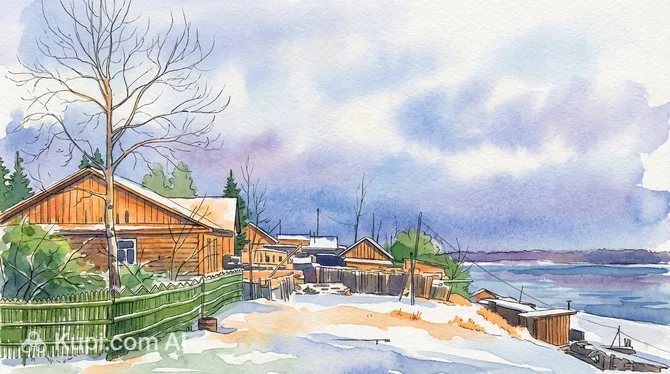
Ust-Maya. Source: Kupi.Binoculars

Travelers are drawn here primarily for the stunning natural surroundings. The vast taiga that encircles the town offers unparalleled opportunities for fishing, hunting, and eco-tourism. The majestic rivers are not only essential for local transport but also provide scenic routes for boat trips, allowing visitors to witness the raw beauty of the landscape up close.

If you are seeking an authentic adventure off the beaten path, Ust-Maya is a destination worth considering. Whether you are interested in local culture or simply want to experience the profound silence of the northern forests, this settlement invites you to discover its hidden charms.

Weather Overview

Ust-Maya experiences a sharp continental climate, characterized by extreme contrasts between the seasons. This region of the Sakha Republic is known for its rigorous, long winters and surprisingly warm, albeit short, summers. Travelers should be prepared for significant temperature shifts depending on the time of year.

The winter months are intensely cold, with January seeing average temperatures drop to around -39.0°C and minimums reaching as low as -42.2°C. Despite the freezing conditions, precipitation is almost non-existent during this period, resulting in dry and crisp air. To help pack appropriately for these conditions, we recommend consulting the detailed weather in Ust-Maya before your journey.

Conversely, the summer brings a welcome thaw. By July, the weather becomes quite pleasant with an average temperature of 20.0°C and highs that can reach 25.6°C. This is also when the area sees a slight increase in wet days, though rainfall remains generally moderate. Expect warm summers with occasional rain and cold, dry winters.

Interesting Facts

Beyond its scenic river views, Ust-Maya holds fascinating secrets regarding its climate and history that few visitors are aware of. This quiet settlement has played a surprisingly strategic role in international events and endures some of the most dramatic weather on Earth.

  • A Secret WWII Airbase: During World War II, Ust-Maya served as a vital, yet little-known, intermediate airfield for the Alaska-Siberian (ALSIB) air route. American Lend-Lease aircraft were ferried through here on their long journey from Fairbanks to the Eastern Front, making this remote spot a hidden link in global history.

  • Temperature Extremes: The settlement is located in one of the world's most extreme climatic zones. The difference between the absolute historical maximum and minimum temperatures here approaches a staggering 100°C, ranging from bone-crushing lows near -60°C in winter to sweltering highs of +38°C in summer.

  • The Ice Highway: For a significant part of the year, the river is the road. When the Aldan River freezes over, it transforms into a "zimnik" (winter road), allowing heavy trucks and cars to drive directly on the ice to transport goods that can only be moved by barge during the short navigation season.

  • Gateway to Gold: Historically, Ust-Maya was founded and developed as a logistical key to the rich gold mines of the Yudoma and Allakh-Yun river basins. Even today, it remains a primary transit point for expeditions heading deep into the mineral-rich wilderness of Eastern Yakutia.

How to Get There

Traveling to Ust-Maya is an adventure that typically begins with a connection through the regional capital, Yakutsk. Since there are no direct international flights or railway stations in the immediate vicinity, most visitors first fly to Yakutsk from major Russian hubs like Moscow or Novosibirsk. From the capital of the republic, you can take a local flight directly to the small airport in Ust-Maya, which is the fastest and most reliable method of travel year-round.

Alternative transport options are strictly seasonal and offer a unique experience of the North. During the summer navigation season, the Aldan River is navigable, and riverboats transport passengers and cargo. In the deep winter, the frozen river surface turns into a winter road (zimnik), allowing for travel by car or bus from surrounding areas. To help you plan this complex journey, we have compiled more about how to get to Ust-Maya, including routes and tips.

Main Attractions

While Ust-Maya is a small settlement rather than a bustling tourist hub, its charm lies in its authentic atmosphere and connection to the wilderness. The most prominent feature is undoubtedly the Confluence of the Aldan and Maya Rivers. Standing on the riverbank, visitors can witness the majestic meeting of these two powerful Siberian waterways. It is a perfect spot for photography, especially during the long summer evenings when the water reflects the vibrant colors of the sunset, offering a moment of tranquility and a sense of the sheer scale of the Yakutian landscape.

For those interested in the region's heritage, the Ust-Maya District Museum of Local Lore is a must-visit cultural stop. This small but informative institution preserves the history of the district, featuring exhibits on the indigenous peoples of the area, the development of gold mining, and the settlement's strategic role during World War II. It provides a fascinating context to the daily life of the locals and the challenges of settling in such a remote environment.

In the heart of the settlement, you will find the Memorial to the Heroes of World War II. Like many Russian towns, Ust-Maya honors the memory of those who served. The memorial square serves as a central gathering place for the community and offers a quiet space for reflection. It is well-maintained and provides a glimpse into the local community spirit and their respect for history.

Beyond the town limits, the surrounding Taiga itself acts as a vast, open-air attraction. The pristine forests encircling Ust-Maya are a paradise for nature lovers, offering unparalleled opportunities for berry picking, fishing, and hiking. The untouched wilderness begins almost immediately at the edge of the settlement, allowing adventurous travelers to immerse themselves in the silence and beauty of the Far North without traveling far.

Local Cuisine

The local cuisine in Ust-Maya is deeply rooted in the culinary traditions of the Sakha Republic, heavily influenced by the harsh climate and the bounty of the surrounding nature. Given the settlement's location at the confluence of two major rivers, fresh river fish is the cornerstone of the local diet. Gastronomic adventurers must try Stroganina, a famous Yakutian delicacy made from raw, frozen fish such as broad whitefish or muksun. Sliced into thin, curling ribbons and served with a mixture of salt and black pepper, it is a unique taste of the North that melts in your mouth.

Meat also plays a significant role in the region's food culture, providing the necessary energy to withstand the cold winters. You will often find dishes featuring venison or foal meat, which are prized for their nutritional value and distinct flavor. Another local favorite is Indigirka salad, which consists of diced frozen fish mixed with onions, oil, and spices. For dessert, locals utilize the abundance of the taiga, incorporating wild berries like lingonberries and cloudberries into jams and sweet pastries.

When it comes to beverages, natural ingredients take center stage. Mors, a refreshing fruit drink made from wild northern berries, is incredibly popular and packed with vitamins. It is enjoyed both cold in the summer and warm in the winter. While alcohol is available, traditional non-alcoholic drinks like hot herbal teas with local herbs are a staple to keep warm. In some contexts, you might also encounter Kumis, a fermented mare's milk drink that is traditional to the Yakut people, known for its tangy taste and health benefits.

The dining scene in Ust-Maya is modest and authentic, reflecting the size of the community. You will not find high-end restaurant chains here; instead, the food culture revolves around small, cozy cafes and home-style canteens known as "stolovaya." These places offer hearty, comforting meals prepared with locally sourced ingredients. For tourists, the best culinary experiences often come from the hospitality of the locals or guest houses, where the food is simple, fresh, and prepared with a genuine warmth that contrasts with the cold outdoors.

Travel Tips

Traveling to Ust-Maya requires careful planning due to its remoteness and extreme climate conditions. These practical tips will help you navigate the unique local nuances and ensure a safe, enjoyable journey into the heart of Yakutia.

  1. Clothing and Gear: Preparation depends entirely on the season. In winter, heavy-duty thermal layers, insulated boots, and fur-lined accessories are non-negotiable, as temperatures frequently drop below -40°C. In summer, while the days are warm, a high-quality mosquito net and strong insect repellent are absolutely mandatory to protect against "gnus" (swarms of biting midges and mosquitoes).

  2. Transportation: The settlement is small and compact, making walking the primary and most convenient way to get around. There is no public transport system like buses or trams within the village. For travel to nearby areas, locals rely on private vehicles; car rentals are not available, so you must arrange transport with a local guide or driver in advance.

  3. Finances: The local currency is the Russian Ruble (RUB). While there may be a local bank branch or ATM, technical outages can happen. It is essential to carry sufficient cash for the entire duration of your stay, as electronic payments and credit cards are rarely accepted in small shops, private guesthouses, or for transport services.

  4. Health and Safety: A district hospital and basic pharmacy serve the community, but specialized medical care is distant. Bring a comprehensive personal first-aid kit with all necessary prescription medications. The village is safe, but exercise caution regarding wildlife; bears can occasionally venture near the settlement's outskirts, so never leave food waste unattended.

  5. Communication: The dominant languages are Russian and Yakut; English is virtually unspoken. Downloading an offline translation app or carrying a phrasebook is highly recommended. Mobile network coverage is available but can be spotty; purchasing a SIM card from a major provider in Yakutsk before your arrival is the best way to stay connected.

  6. Local Etiquette: Yakutian culture places a high value on hospitality and respect for nature. Always remove your shoes when entering a home or guesthouse. Locals often practice traditions such as "feeding the fire" (offering small pieces of food to the fire spirit); observing these rituals with respect, even if you do not participate, is important.

  7. What to Avoid: Do not underestimate the wilderness. Wandering into the taiga without a local guide, proper equipment, or a GPS device is dangerous due to the dense forest and lack of landmarks. Additionally, avoid taking photographs of local residents without asking for their permission first.

  8. Seasonal Logistics: Be aware of the "rasputitsa" (mud season) during spring and autumn when roads can become impassable. Transport schedules for flights and riverboats are highly weather-dependent, so always build extra buffer days into your itinerary to account for potential delays caused by fog, ice, or storms.

With the right preparation, a trip to Ust-Maya transforms from a logistical challenge into an unforgettable immersion in Siberian life. Pack wisely, respect the local customs, and you will be rewarded with the incredible stillness and beauty of the Far North.

Entertainment & Nightlife

Entertainment and nightlife in Ust-Maya differ significantly from what one might expect in a bustling city. In this remote settlement of approximately 3,000 residents, you will not find neon-lit nightclub districts, cocktail bars, or 24-hour entertainment complexes. Instead, the evening atmosphere is defined by tranquility, community gatherings, and the breathtaking natural phenomena of the Far North. The nightlife here is slow-paced, authentic, and deeply connected to the rhythms of nature and local culture.

The social hub for evening activities is typically the District House of Culture (Dom Kultury). In small Russian settlements like Ust-Maya, this venue serves as the heart of community life, hosting everything from holiday concerts and film screenings to occasional evening dances for the youth. It is the primary place where locals gather to socialize indoors. Aside from this, social life revolves around a few small local cafes. These establishments are modest, offering simple, hearty food and drinks, and they often function as the main meeting spots for friends in the evenings. The atmosphere is casual and welcoming, with no strict dress codes—warmth and comfort are the priorities here.

For many visitors, the true "nightlife" of Ust-Maya is found outdoors. During the winter months, the lack of light pollution makes the settlement a prime location for stargazing. On clear nights, the sky is a canvas of infinite stars, and lucky travelers may witness the mesmerizing Northern Lights (Aurora Borealis) dancing overhead. In contrast, the summer offers the phenomenon of "White Nights," where the sun barely sets, and the twilight lingers for hours. This allows for late-night walks along the banks of the Aldan River, where you can enjoy the serenity of the taiga under a bright midnight sky.

When planning an evening out, practicality is key. Most shops and cafes close relatively early, often by 8:00 PM or 9:00 PM, so it is best to plan your activities accordingly. Cash is essential, as card terminals may not be available or reliable in evening venues. Getting around is almost exclusively done on foot, as the village is compact. There is no official taxi service with an app; however, locals may offer private rides if arranged in advance. Walking is generally safe in terms of crime, but one must be vigilant about the environment. In winter, extreme cold is a genuine danger, and in the outskirts, wildlife—including bears—can be a concern, so it is advisable to stay within the well-lit central streets.

While evening options are limited, daytime entertainment offers a bit more variety for the culturally curious. Visitors can explore the local library or the previously mentioned museum to deepen their understanding of the region. During the day, the riverbank transforms into a hub of activity with fishermen and boats, offering a lively contrast to the quiet, starry stillness of the nights.
Parks & Museums

While Ust-Maya does not boast the manicured botanical gardens or sprawling art complexes of a major metropolis, its green spaces and cultural institutions are deeply meaningful to the local community. The settlement's connection to nature is immediate and unfiltered, with the "parks" often seamlessly blending into the wild taiga, and its museum serving as the dedicated guardian of a rich and rugged history.

For those seeking fresh air and scenic views, the River Embankment along the Aldan serves as the settlement's primary promenade. It is less of a paved park and more of a natural viewing platform where the grandeur of the Siberian waterways takes center stage. Locals and visitors alike come here to walk along the shore, watch the river traffic during the navigation season, and enjoy the profound quiet of the landscape. It is an ideal spot for a picnic or simply to sit and admire the confluence of the Aldan and Maya rivers, which frames the town.

Within the settlement itself, the Victory Memorial Square acts as a central green oasis. This maintained area is dedicated to the memory of World War II soldiers and serves as a respectful public space for reflection. Surrounded by local trees and seasonal flowers planted during the short summer, it offers a tidy, peaceful environment for a short stroll. It is one of the few places in town with paved paths and benches, making it a focal point for local gatherings and commemorative events.

The cultural heart of the district is undoubtedly the Ust-Maya District Museum of Local Lore. This institution is far more than a repository of old objects; it is a storyteller for the entire region. The museum houses diverse collections that range from paleontological finds, such as ancient mammoth bones discovered in the permafrost, to ethnographic displays showcasing the traditional clothing, tools, and lifestyle of the indigenous Evenki and Yakut peoples. A significant portion of the exhibition is dedicated to the history of gold mining and the river fleet, which were pivotal to the town's development.

Although there are no dedicated art galleries, the District House of Culture frequently fills this role. It often hosts temporary exhibitions of local folk art, handicrafts, and photography. These displays offer a genuine look into the creative spirit of the residents, featuring intricate beadwork, fur crafting, and carvings that reflect the aesthetics of the North. It is a humble but welcoming venue where tourists can often meet local artisans and learn about their craft firsthand.

For an insider experience, ask locals about the best trails leading just outside the village limits into the Berry Patches of the surrounding forest. While not an official park, these communal foraging grounds are cherished by residents in late summer and autumn. Visiting them offers a unique opportunity to participate in the local tradition of gathering lingonberries and blueberries, providing a literal taste of the land in a serene, open-air setting.

Getting Around

Due to the small size and compact nature of Ust-Maya, the public transport system here is fundamentally different from what travelers might expect in larger cities. There is no metro, tram, trolleybus, or fixed-route city bus network operating within the settlement limits. The urban area is small enough that most residents and visitors simply walk to their destinations, as key facilities, shops, and guesthouses are usually located within a comfortable walking distance of one another.

For distances that are too long to walk, particularly when carrying luggage or during extreme cold, the primary alternative is the local taxi service. These are typically private individuals operating their own vehicles rather than a branded fleet. You will not find international ride-hailing apps or official taxi stands with meters here. Instead, rides are arranged by calling local phone numbers often posted at the airport, the river port, or local shops. It is advisable to ask your host or a local resident for a reliable driver's number upon arrival.

The most unique and vital component of the local transport "system" is the river crossing across the Aldan River. Since the local airport is located on the opposite bank from the main settlement, crossing the water is a necessary part of the journey for many. In summer, small private motorboats and ferries act as water taxis, ferrying passengers and vehicles across. In winter, the frozen river becomes an ice road, allowing cars to drive directly across. During the transition periods of spring and autumn, when the ice is unstable, travel can become difficult, sometimes requiring hovercrafts or helicopters if available.

Regarding payment, the system is exclusively cash-based. There are no electronic travel cards, transport apps, or ticket validation machines. Whether you are paying for a private car ride across the village or a boat transfer across the river, you must have physical rubles on hand. Prices are generally fixed by custom or negotiated before the trip starts, so it is recommended to carry small denominations to pay the exact fare.

For tourists, the best practical advice is to rely on walking for daily exploration but to secure a transport contact immediately if you plan to travel with heavy gear. Operating hours for private drivers are flexible but can be limited late at night, so arrange evening rides in advance. Additionally, always dress appropriately for the weather; since you will likely spend more time outside or waiting for a car than in a heated bus shelter, warm clothing in winter and mosquito protection in summer are essential for navigating the settlement comfortably.

Accommodation

Accommodation in Ust-Maya reflects the settlement's remote location and small size. Visitors should adjust their expectations, as the hospitality scene here is purely functional and devoid of the luxury resorts or international hotel chains found in larger cities. The options are generally limited to small, locally run guesthouses (often referred to as "gostinitsa") and private homestays. These establishments offer basic amenities, focusing on providing a warm, safe place to sleep rather than high-end services.

There are no distinct "tourist districts" in a settlement of this size. Most accommodation options are located within the central part of the village, ensuring that the administration buildings, shops, and the river port are all within walking distance. Staying near the center is convenient for accessing the few cafes and the museum, while locations closer to the Aldan River offer scenic views but may be slightly further from the main stores.

Booking accommodation in Ust-Maya can be a logistical challenge for the uninitiated. Major international booking platforms rarely list properties in such remote Yakutian settlements. Instead, reservations are typically made the "old-fashioned" way: by calling the property directly or through word-of-mouth recommendations. If you are traveling with a tour guide or visiting for business, it is highly advisable to have your local contact arrange your stay well in advance, as capacity is low and rooms can fill up quickly during the navigation season.

Regarding costs and payment, prices are generally moderate but can be higher than expected for the level of comfort provided, due to the high cost of maintaining facilities in the North. Crucially, travelers must be prepared to pay in cash (Russian Rubles). Credit card terminals are virtually non-existent in private guesthouses, and relying on them is a recipe for difficulty. Prepare to experience genuine Siberian hospitality, where the facilities may be simple, but the welcome is often incredibly warm.

Nearby Cities

Navigating the expansive territories of the Sakha Republic requires a shift in perspective regarding distance. For travelers in Ust-Maya, the "nearby" locations are substantial journeys away, serving as vital regional hubs and logical next steps for those exploring the deeper Far North. These cities offer distinct insights into the industrial and cultural fabric of Yakutia rather than serving as quick day-trip destinations.

The most significant destination in the wider region is Yakutsk. As the capital of the republic, it functions as the primary center for commerce and culture. Visitors traveling through this major hub can discover unique institutions dedicated to the permafrost and the prehistoric mammoths that once roamed these lands. It remains the essential connection point for almost all travel in and out of the district.

To the south lies Aldan, a town deeply connected to the history of gold mining. Located in the highlands, it presents a rugged industrial heritage that contrasts with the river-focused life of Ust-Maya. The town is a gateway to the southern parts of the republic and offers a glimpse into the resource extraction industries that drive the local economy.

City Population Distance (km)
Yakutsk 311,760 313
Aldan 20,595 549
Neryungri 57,009 702
Vilyuysk 11,095 766
Olekminsk 10,490 772

These locations highlight the diverse character of the region, ranging from administrative centers to industrial outposts scattered across the taiga.

Shopping & Souvenirs

Shopping in Ust-Maya is a modest and utilitarian experience, reflecting the lifestyle of a remote northern settlement. Visitors should not expect sprawling shopping malls, luxury boutiques, or international brand chains. Instead, the local retail scene is comprised of small, general-purpose stores designed to meet the daily needs of the residents. For tourists, the appeal lies in the authenticity of these establishments and the opportunity to purchase unique local products that are difficult to find elsewhere.

The main commercial activity is concentrated along the central streets of the settlement, particularly near the administrative buildings and the river port area. Here, you will find a cluster of small shops (often called "Magazin") that sell a mix of everything from groceries and household goods to warm clothing and fishing gear. These streets serve as the commercial lifeline of the village, where locals gather to stock up on supplies.

There are no traditional shopping malls in Ust-Maya. The closest equivalent are small, multi-purpose trading centers—often just larger buildings housing several independent counters or stalls under one roof. These venues are practical rather than recreational, offering a consolidated place to buy food, basic electronics, and seasonal necessities. If you need specialized outdoor equipment for a taiga expedition, it is best to check these general stores, though selection may be limited compared to Yakutsk.

While there is no large, permanent central market hall, the "market" culture is alive in a more informal sense. Local residents often sell fresh produce directly, particularly during the harvest and fishing seasons. You may find makeshift stalls or individuals selling fresh river fish, game meat, and vegetables grown in local greenhouses. This is the best place to find the freshest ingredients and to interact with the local community.

For souvenirs, the best purchases are those that reflect the natural bounty and traditions of Yakutia. Look for local furs and warm garments, such as traditional high boots known as "untai" or fur mittens, which are essential for the harsh winters. Edible souvenirs are also highly recommended; jars of jam made from wild northern berries like cloudberries or lingonberries make for excellent gifts. Additionally, vacuum-packed smoked fish from the Aldan River is a prized delicacy that travels well.

Opening hours for most shops are standard, typically running from 9:00 AM to 7:00 PM or 8:00 PM. Some smaller grocery stores may stay open slightly later, but 24-hour convenience stores are rare or non-existent. It is crucial to note that cash is the primary method of payment. While some larger stores might have card terminals, they rely on internet connections that can be unstable in this remote region. Always carry enough Russian Rubles in small denominations to cover your purchases.

Tax-free shopping (VAT refund) is not available in Ust-Maya. The system is generally restricted to major retailers in Russia's largest cities and does not extend to small rural settlements. Visitors should assume that the price listed on the tag is the final price.

Reached the end of the page?

That means the route is fully explored