Support

Ust-Nera

About

Ust-Nera is a unique urban locality situated in the heart of the Sakha Republic (Yakutia), a vast region within the Russian Federation. Located at the confluence of the Nera and Indigirka rivers, this town serves as the administrative center of the Oymyakonsky District. It is a place defined by its remote beauty and rugged atmosphere, offering intrepid travelers a rare glimpse into life in the Far North.
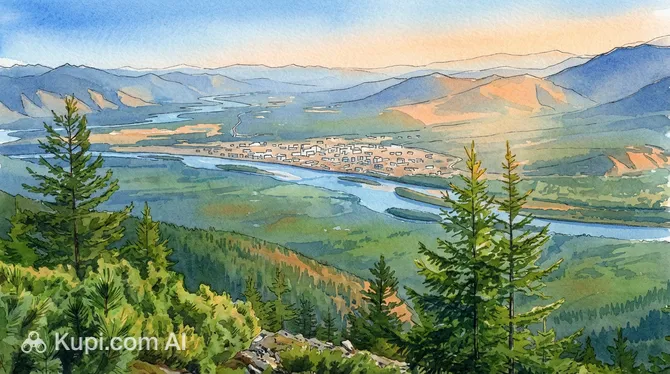
Ust-Nera. Source: Kupi.Binoculars

The geography of Ust-Nera is dominated by the majestic peaks of the Chersky Range, which surround the valley and create a dramatic backdrop. The climate here is famous for its extremes; the region is known as the "Pole of Cold," where winters are long and temperatures can drop significantly, making it one of the coldest permanently inhabited places on Earth. Despite the harsh conditions, the short summers transform the landscape into a vibrant scene of greenery and flowing waters.

The town was established in the late 1930s, primarily to support the developing gold mining industry in the area. Visitors interested in the past can explore the history of Ust-Nera, which is deeply intertwined with the geological exploration of the Kolyma region. Today, it remains a key hub for gold mining, and the industrial heritage adds a distinct layer to the town's character.

For adventurous tourists, Ust-Nera offers unparalleled opportunities for eco-tourism and nature photography. The pristine waters of the Indigirka River are excellent for fishing, while the surrounding mountains invite exploration by those prepared for the wild terrain. A visit to Ust-Nera is an invitation to experience the resilience of human settlement amidst the raw power of the Siberian wilderness.

Weather Overview

Ust-Nera experiences an extreme subarctic climate characterized by drastic seasonal contrasts. The town is subject to exceptionally long and severe winters, where the average temperature in January drops to approximately -40.7°C. Precipitation during these freezing months is negligible, resulting in very dry and crisp air. Conversely, the short summer season brings milder conditions, with July seeing average temperatures of 13.3°C and daily highs reaching up to 18.0°C.

While the winter months are marked by clear, dry days, the warmer season sees a slight increase in humidity and rainfall, with up to 14 wet days in July. Expect cool to mild summers with occasional rain and extremely cold, dry winters that require specialized thermal clothing. To help plan your packing list effectively, it is essential to review the detailed weather in Ust-Nera before your journey.

Interesting Facts

Beyond the main attractions, Ust-Nera holds many fascinating secrets hidden within its rugged landscape. This remote outpost is not just a mining town but a place of geographic extremes and unique logistical marvels that surprise many visitors.
  • The Capital of Cold: Ust-Nera serves as the administrative center of the Oymyakonsky District, the region widely recognized as the Northern Pole of Cold. While the nearby village of Oymyakon is famous for record-breaking lows, this town regularly endures similarly freezing temperatures, cementing its status as one of the coldest permanently inhabited places on Earth.

  • A River Road: Situated at the confluence of the Nera and Indigirka rivers, the town utilizes its geography in ingenious ways. During the long winter, the frozen Indigirka River effectively becomes a transportation artery, allowing vehicles to travel over the thick ice where summer marshlands would otherwise be impassable.

  • Gateway to the Kolyma: The town is a key waypoint on the historic Kolyma Highway, a route that connects the Russian Far East to the rest of the continent. For modern adventurers and road-trippers attempting the challenging drive between Yakutsk and Magadan, Ust-Nera is an essential hub for supplies and rest.

  • Gold Mining Origins: The settlement owes its existence entirely to the discovery of gold in the Indigirka basin in the late 1930s. Unlike many older Siberian towns that started as trading posts or forts, Ust-Nera was purpose-built for industry, and geology continues to define its daily life and economy today.

How to Get There

Reaching this remote outpost in the Sakha Republic is a logistical challenge that appeals to true adventurers. Due to the vast distances involved, planning your route carefully is essential. You can find detailed information on all ways to reach the city to help you prepare for the journey.

One of the closest regional air hubs is Moma (MQJ), located in the settlement of Khonuu. It is important to note that this airport is not in Ust-Nera itself but is situated approximately 210 km away. Ground transport in this remote region is difficult, and there is no standard year-round road connecting Khonuu directly to Ust-Nera. Consequently, transferring from this airport requires complex logistics, often dependent on seasonal winter roads or other special arrangements. Moma is a small regional facility, so flight availability should always be checked well in advance.

For clarity, here is a summary of the nearby airport:

Airport Name City Passenger Traffic Km from City
Moma Khonuu Small 210.6

Ust-Nera is not connected to the Russian railway network, so arriving by train is not an option. The primary ground connection is the historic Kolyma Highway (R504), which links the town to Yakutsk and Magadan. This road is a vital lifeline for the region, though travelers should be aware that the route is demanding and travel times are long, particularly during the harsh winter months.

Main Attractions

While Ust-Nera is primarily an industrial town rather than a traditional resort, it offers unique sights for those fascinated by the Far North. The town's location amidst the rugged Siberian wilderness provides a distinct set of attractions, focusing on local history, geological wonders, and the sheer majesty of the landscape.

Oymyakon District Local History Museum is the cultural heart of the town and an essential stop for visitors wanting to understand the region. The museum houses diverse collections that cover the geological richness of the area, particularly the gold mining industry that gave birth to the settlement. Tourists will also find exhibits dedicated to the indigenous peoples of Yakutia, local flora and fauna, and the history of exploration in the Kolyma region. It provides a comprehensive context for the extreme conditions and human resilience found here.

The Indigirka River itself is a major natural attraction. As one of the most significant waterways in Yakutia, it offers breathtaking views, especially during the short summer when the ice melts to reveal rushing blue waters against a backdrop of green hills. For anglers and nature lovers, the river banks provide excellent spots for fishing and photography. In winter, the frozen river transforms into a stark, icy landscape that is equally mesmerizing and serves as a seasonal road.

Dominating the horizon, the Chersky Range surrounds the valley, offering dramatic mountain scenery that appeals to hikers and adventure travelers. These peaks are among the highest in Northeast Siberia and create a formidable, scenic wall around the town. Exploring the foothills or simply admiring the jagged skyline during the "white nights" of summer is a highlight for anyone visiting this remote corner of the world.

Finally, the Kolyma Highway (Road of Bones) that runs through Ust-Nera is an attraction in its own right. This historic route connects the town to the wider world and offers unparalleled views of the taiga and mountain passes. For road-trippers and motorcyclists, the section near Ust-Nera includes challenging terrain and spectacular vistas, making the journey itself a memorable part of the experience.

Local Cuisine

The culinary landscape of Ust-Nera is heavily influenced by the traditions of the Sakha Republic (Yakutia) and the demands of the extreme subarctic climate. In a region where winters are long and severely cold, the local diet focuses on high-energy, warming foods rich in protein and fats. While you will not find gourmet restaurants here, the town offers a unique opportunity to taste authentic Northern dishes prepared with ingredients sourced directly from the surrounding taiga and the pristine Indigirka River.

The most iconic delicacy to try is Stroganina. This dish consists of thin slices of frozen raw fish, typically whitefish varieties like chir or muksun caught in local waters. It is served exclusively frozen and is dipped in a mixture of salt and black pepper before eating. Another local specialty is the Indigirka Salad, named after the river that flows through the town. It features diced frozen fish mixed with onions, oil, salt, and pepper. These dishes are not only delicious but are also considered essential for maintaining health and immunity in the harsh northern environment.

Meat also plays a central role in the local diet. Venison (reindeer meat) is a staple, often served stewed, fried, or in rich soups. In some places, you might also encounter dishes made from young horse meat, a traditional protein in Yakutia known for its nutritional value and distinct flavor. Due to the difficulty of transporting fresh produce to this remote area, vegetable dishes are less common and often rely on preserved or root vegetables, making the cuisine hearty and substantial rather than light.

When it comes to beverages, locals rely on drinks that provide vitamins and warmth. Mors, a refreshing fruit drink made from local wild berries like lingonberries or cranberries, is widely available and packed with nutrients. Hot black tea is the universal drink of choice, consumed frequently throughout the day to stay warm. While alcohol is available, with vodka being the standard accompaniment to festive meals, the traditional fermented mare's milk drink known as Kumys is a cultural specialty worth seeking out if available, though it is more common in rural herding areas than in mining towns.

The food culture in Ust-Nera is unpretentious and revolves around home-style cooking. Dining out is typically done in small, modest cafes (often called a stolovaya) that serve simple, filling Russian and Yakut meals. A visit to the local market can be a fascinating experience, particularly in winter; you will often see fish and blocks of milk sold frozen solid, standing upright outdoors in the "natural refrigerator" of the street. This connection between the climate and the kitchen defines the gastronomic experience of the town.

Travel Tips

Visiting Ust-Nera is a true adventure into the heart of the Siberian wilderness, offering an experience unlike any standard tourist destination. To help you navigate the extreme climate and remote nature of this unique settlement in the Sakha Republic, here are some essential practical tips for your journey.

  1. Clothing and Gear: Preparation is critical here. If visiting in winter (October to April), you must dress in serious layers ("cabbage style"). You will need thermal underwear, wool sweaters, a heavy down parka, insulated trousers, and felt boots (valenki) or high-rated polar boots. Do not forget a face mask or balaclava to protect against frostbite. In summer, the weather is mild, but you must bring long-sleeved shirts and a mosquito net hat to protect against the intense swarms of midges and mosquitoes.

  2. Transportation: Ust-Nera is a compact town, and there is no public metro or bus system for getting around the center. Most locals walk or use taxis. Ride-hailing apps like Uber do not operate here; instead, you will need to call local taxi dispatch numbers or ask your accommodation to book one for you. Car rental is virtually non-existent, so rely on hired drivers if you plan to explore the surrounding area.

  3. Finances: The official currency is the Russian Ruble (RUB). While some larger grocery stores may accept cards, electronic payment systems can be unreliable due to internet connectivity issues. It is absolutely essential to carry sufficient cash for taxis, small shops, and emergencies. There are a few ATMs in town (typically Sberbank), but they can occasionally run out of cash, so bring a reserve with you.

  4. Health and Safety: Pharmacies are available but may have limited stock compared to big cities, and they are not open 24/7. Bring a complete personal first-aid kit, including any prescription medications you need. The biggest safety risk is the environment; never underestimate the cold. In winter, stay in populated, lit areas and avoid long walks alone at night. In summer, be wary of bears if you venture into the taiga—always go with a local guide.

  5. Communication: English is rarely spoken in Ust-Nera. You will need a basic grasp of Russian or a reliable offline translation app on your phone. Mobile internet is available but speeds can vary; major Russian operators like MTS or Megafon generally provide the best coverage in Yakutia. It is advisable to buy a SIM card in a larger city like Yakutsk before arriving, though starter packs can often be found locally.

  6. Local Etiquette: The culture in Yakutia places a high value on hospitality and respect. When entering a home or a guesthouse, always remove your shoes immediately. It is also polite to accept tea or food if offered. Locals are proud of their resilience in the "Pole of Cold," so showing respect for their way of life and not complaining excessively about the weather will go a long way.

  7. What to Avoid: Do not take photographs of industrial facilities, gold mining operations, or security checkpoints without explicit permission, as these can be sensitive areas. Additionally, avoid drinking tap water unless it has been boiled or filtered; buying bottled water is the safest option for tourists.

  8. Additional Tip: Be prepared for the "White Nights" if you visit in June or July. The sun barely sets, which is beautiful but can disrupt sleep patterns. A sleep mask is a handy accessory to ensure you get a good night's rest despite the 24-hour daylight.

By packing the right gear and respecting the local customs, you will be well-prepared to enjoy the raw beauty and warm hospitality of Ust-Nera. Embrace the challenge of the Far North, and you are sure to return with unforgettable stories.

Entertainment & Nightlife

Nightlife in Ust-Nera reflects the town's character as a remote industrial settlement rather than a tourist metropolis. You will not find sprawling nightclub districts or high-end cocktail lounges here. Instead, the evening entertainment scene is intimate, centered around a few local establishments where residents gather to unwind after a hard day's work. The atmosphere is undeniably authentic, offering a chance to experience the genuine social life of the Far North without the polish of a big city.

The primary venues for an evening out are local cafes that transition into bar-like settings as the night progresses. Cafe U Petrovny is one of the most popular spots in town, known for staying open late, often until 2:00 AM. It serves as a social hub where you can enjoy hearty meals and drinks in a warm, unpretentious environment. Another venue to check out is Lakomka, a cafe that offers a cozy setting for evening dining and socializing. These places typically play a mix of Russian pop music and provide a welcoming shelter from the extreme outdoor cold.

There is no strict dress code in Ust-Nera; practicality always wins over fashion. The style is casual and rugged, with warm sweaters, jeans, and insulated boots being the standard attire even for a night out. The crowd is mostly local, consisting of miners, workers, and residents. Visitors are treated with curiosity and hospitality, but it is important to be respectful of the local culture and the close-knit nature of the community.

For practical advice, always carry cash (rubles), as card terminals may not be available or reliable in smaller venues. The best time to head out is around 8:00 PM, when the work shifts end and the venues start to fill up. Prices are generally moderate, though fresh food can be more expensive due to the logistical challenges of the region. Getting around at night requires planning; there is no public transport after dark, and ride-hailing apps do not work here. You should rely on local taxi services, which you can call via phone, or ask the venue staff to book a car for your return trip.

Safety in Ust-Nera is largely a matter of managing the environment. The extreme low temperatures in winter are the biggest danger, so never attempt to walk long distances at night, even if your destination seems close. Stick to well-lit central streets and always use a vehicle to move between locations. While the town is generally safe, it is wise to avoid confrontations with intoxicated individuals, as is standard advice for any nightlife setting.

During the day, entertainment options focus on the region's unique heritage. The local House of Culture often hosts community events, concerts, and small exhibitions that provide insight into the social life of the district. For a deeper dive into the area's background, the Oymyakon District Local History Museum is the main cultural attraction, featuring exhibits on the gold mining industry and the indigenous peoples of Yakutia. Nature lovers can also spend their daylight hours exploring the banks of the Indigirka River or taking short excursions to photograph the surrounding mountain landscapes.

Parks & Museums

Ust-Nera is not a destination defined by manicured botanical gardens or sprawling art districts; rather, its beauty and culture are forged by the raw power of the Siberian wilderness and a gritty industrial history. For visitors, the "parks" are the endless taiga and riverbanks that surround the settlement, while the cultural sites offer a poignant look into the lives of those who built this town in one of the harshest environments on Earth.

The Banks of the Indigirka River serve as the town's primary natural recreational area. In the absence of formal landscaped parks, the riverfront acts as a promenade for locals and visitors alike. During the short, vibrant summer, the stony shores offer breathtaking views of the rushing blue waters set against the dramatic backdrop of the Chersky Range. It is a perfect spot for a quiet walk, photography, or simply breathing in the crisp, unpolluted air of the Far North. In winter, the river transforms into a silent, frozen expanse that is equally mesmerizing.

Victory Square (Skver Pobedy) is the central green space and the commemorative heart of Ust-Nera. Like many Russian towns, this square is dedicated to the memory of soldiers who fought in the Great Patriotic War. It is a well-maintained area where residents gather for celebrations and quiet reflection. The square provides a touch of organized greenery amidst the urban-type settlement and offers a glimpse into the community spirit that binds the local population together.

The Oymyakon District Local History Museum is the undisputed cultural highlight of the town. This institution is essential for anyone wishing to understand the complex history of the Kolyma region. The museum features extensive exhibits on the geological wealth of the area, displaying samples of the gold and minerals that drove the town's founding. Crucially, it also preserves the history of the Dalstroy era and the labor camps, offering a sober and educational perspective on the town's origins. Ethnographic displays showcasing the traditions of the indigenous Yakut and Even peoples round out the collection.

Another significant venue is the local House of Culture "Metallurg". While primarily a community center rather than a traditional museum, it serves as the hub for local artistic expression. Visitors can often find temporary exhibitions of local handicrafts, photography, or children's art here. It is the best place to witness the living culture of Ust-Nera today, hosting concerts and events that bring warmth and vibrancy to the long winter nights.

For a truly authentic experience, look beyond the town limits to the natural monuments that frame the skyline. The mountains surrounding Ust-Nera are often referred to as "sleeping giants" by locals. A hike to the foothills (with a local guide) offers a panoramic perspective that no city park could match. Additionally, keep an eye out for the Soviet-era industrial monuments scattered around the town, including statues and insignias dedicated to geologists and miners, which stand as open-air testaments to the town's enduring resilience.

Getting Around

Given the compact size and remote location of Ust-Nera, the public transport system is significantly different from what you might find in larger metropolitan areas. There is no metro, tram, or trolleybus network here. The settlement is small enough that many residents simply walk to their destinations, but the extreme climate often necessitates motorized transport. The local public transportation infrastructure is minimal, consisting primarily of a few municipal bus services that operate on a limited schedule, mainly catering to the needs of local workers and school children rather than tourists.

For visitors, the most practical and reliable way to navigate the town is by taxi. Taxis effectively serve as the main public transport system, providing door-to-door service that is essential during the severely cold winter months. Unlike in major cities where ride-hailing apps are dominant, in Ust-Nera, the system largely relies on traditional phone dispatch services. You will need to ask your hotel receptionist or a local host for the phone numbers of reliable local taxi companies. It is advisable to book your ride in advance, especially during peak morning hours or in extreme weather conditions.

When it comes to payment, cash is the absolute standard for all transport services within the town. While electronic transfers to a driver's card are sometimes possible if you have a local banking app, tourists should not rely on this. Always carry small denominations of the local currency to pay for fares, as drivers may not always have change for large banknotes. There are no travel passes, transport cards, or ticket validation machines; you simply pay the driver at the end of the trip. Prices are generally fixed for travel within the settlement limits but confirm the fare when booking.

Walking is a viable alternative for getting around the town center, but it is heavily dependent on the season. In the summer, the town is easily walkable, and you can reach most shops, the museum, and the riverbank on foot within 15 to 20 minutes. However, in winter, walking for extended periods can be dangerous due to the extreme frost. If you choose to walk during the colder months, ensure you are dressed in professional-grade thermal gear and keep your exposure to the outdoors brief.

There are no car-sharing services, bike rentals, or electric scooter networks in Ust-Nera. If you plan to travel outside the settlement to explore the surrounding mountains or the Indigirka River, you will need to arrange a private transfer or hire a local driver with an off-road vehicle (often a UAZ), as standard city taxis may not be equipped for the rugged terrain of the taiga.

Accommodation

Accommodation options in Ust-Nera are quite limited and reflect the town's primary function as an industrial and administrative center rather than a tourist hub. Visitors should not expect luxury resorts, international chains, or extensive amenities. The available lodging consists mainly of modest, functional hotels (often referred to as a gostinitsa) and simple guest houses. These establishments cater primarily to rotational workers, geologists, and truck drivers navigating the Kolyma Highway, offering essential comforts like warmth and security rather than high-end service.

Given the compact nature of the settlement, location is rarely a complex decision. The most convenient place to stay is in the town center, near the district administration buildings and the main drag. Staying in this area places you within walking distance of the few local grocery stores, the museum, and the cafes. Being central is particularly important in winter, as it minimizes the time spent outdoors in extreme temperatures when moving between your accommodation and local services.

The standard option is the local hotel, which typically offers rooms ranging from dormitory-style shared spaces to private rooms with en-suite bathrooms. The decor is often reminiscent of the Soviet era—simple and utilitarian. In addition to hotels, the private rental market offers some alternatives. Renting a daily apartment can be a good choice for those seeking a kitchen to prepare their own meals, which is a practical asset in a town with limited dining out options.

Booking Tip: Booking in advance is absolutely critical. Ust-Nera is not a destination where you can arrive without a reservation and expect to find a vacancy, as rooms are often fully booked by workers. Note that most local properties are not listed on major international booking websites. You will likely need to book directly by phone or have a local guide or travel agency in Yakutsk make the arrangements for you.

Prices for accommodation can be surprisingly high relative to the quality offered. This is due to the lack of competition and the extreme costs associated with heating and maintaining buildings in the "Pole of Cold." Travelers should budget for mid-range prices even for basic facilities. Furthermore, reliance on cash is heavy; credit cards are rarely accepted for lodging payment, so you must arrive with enough Russian Rubles to cover your entire stay.

Nearby Cities

For those looking to explore the surroundings, Ust-Nera serves as an excellent base for day trips or short excursions to several interesting nearby locations. Given the vast scale of the Sakha Republic and the Magadan Region, "nearby" often implies a journey across significant distances, but these settlements are the logical next stops for travelers navigating the historic Kolyma Highway.

Khandyga is a key settlement situated to the west, resting on the banks of the mighty Aldan River. As a vital transport hub, it is a frequent stopover for those traveling between Yakutsk and Ust-Nera. The town offers a look into the logistical history of the Road of Bones and serves as a gateway to the river crossings that are crucial for regional transport. It provides a grounded perspective on life in central Yakutia.

Magadan, located at the eastern terminus of the highway, is a major port city on the Sea of Okhotsk. While it requires a dedicated journey to reach, it is the cultural and economic capital of the neighboring region. Visitors here can explore the poignant Mask of Sorrow monument, visit the regional museum, and experience the dramatic coastal scenery that contrasts sharply with the inland mountains of Ust-Nera.

Palatka is a unique town found closer to the Magadan end of the route. It holds a reputation for being one of the most colorful and well-maintained settlements in the region, surprisingly featuring numerous fountains and bright architecture. It offers a quieter, more intimate atmosphere compared to the larger cities and provides an interesting stop for those appreciating local efforts to beautify the northern landscape.

City Population Distance (km)
Magadan 92782 684
Palatka 21452 637
Belaya Gora 10000 464
Khandyga 6796 436
Okhotsk 5570 580

These nearby destinations offer a glimpse into the diverse culture and landscapes of the region, ranging from river ports to coastal cities, each with its own story to tell in the vast Russian Far East.

Shopping & Souvenirs

Shopping in Ust-Nera is a purely functional experience designed to meet the needs of residents living in one of the harshest environments on Earth. Visitors should not expect glittering shopping malls, high-end boutiques, or extensive pedestrian promenades. Instead, the retail scene consists of small, practical stores that provide essential survival gear, groceries, and basic household items. For tourists, the "shopping" experience here is less about leisure and more about observing how a remote settlement sustains itself in the Far North.

Ulitsa Lenina (Lenin Street) serves as the main artery of the town and is where the highest concentration of commercial activity can be found. As you walk along this central street, you will encounter various small shops located on the ground floors of Soviet-era apartment blocks or in standalone wooden structures. These "corner stores" are often multi-purpose, selling everything from canned food and beverages to warm socks and batteries in a compact space.

There are no modern shopping malls in Ust-Nera in the traditional sense. The closest equivalent is the commercial section within the Hotel Solnechnaya building. This location acts as a mini-hub for the town's retail needs. Inside, you can find a collection of small kiosks and counters offering a variety of goods. It is a good place to browse for essentials if you forgot to pack something, but do not expect international brands or luxury items.

While there is no sprawling central bazaar, the local food trade is fascinating, particularly in winter. During the colder months, nature itself provides the marketplace infrastructure. You may see locals selling frozen fish and meat directly outdoors, where the sub-zero temperatures keep the products perfectly preserved without the need for freezers. This "natural market" approach is a unique cultural sight in Yakutia, where blocks of milk and whole fish stand upright in the snow like statues.

If you are looking for mementos to take home, your options are quite specific. The ground floor of the Hotel Solnechnaya houses what is arguably the town's only dedicated souvenir shop. Here, you can find simple items such as magnets, t-shirts with "Ust-Nera" or "Pole of Cold" prints, and small trinkets. Given the town's history as a gold mining center, you might also find jewelry or decorative items made from local stones and minerals, which make for authentic and meaningful keepsakes.

Stores in Ust-Nera generally operate on standard Russian business hours, typically opening around 09:00 or 10:00 and closing by 19:00 or 20:00. However, smaller private shops may have irregular schedules. Cash is absolutely essential here. While some larger stores might have card terminals, internet connectivity in this remote region is notoriously unstable, often rendering electronic payments impossible. Tourists should always carry enough physical rubles to cover all planned purchases.

Tax-free shopping (VAT refund) is not available in Ust-Nera. The system is generally limited to major international retailers in Russia's largest cities and does not extend to small settlements in the Sakha Republic.

Nearby cities

Reached the end of the page?

That means the route is fully explored