Support

Longyearbyen

About

Welcome to Longyearbyen, a place where the wilderness of the High Arctic meets modern comfort. As the world's northernmost permanently inhabited settlement, this unique town offers an atmosphere unlike anywhere else on Earth. It serves as the cultural and commercial center of the Svalbard archipelago, acting as a gateway for adventurers looking to explore the raw beauty of the polar region.

Geographically, the town is situated in a valley on the shores of Adventfjorden, surrounded by steep mountains and sweeping glaciers. Due to its extreme latitude, Longyearbyen experiences the Midnight Sun in summer, where the sun never sets, and the dark Polar Night in winter, a period of continuous twilight and darkness. Despite the harsh climate, the community of approximately 2,500 residents is vibrant and cosmopolitan, hosting people from over 50 different nations.
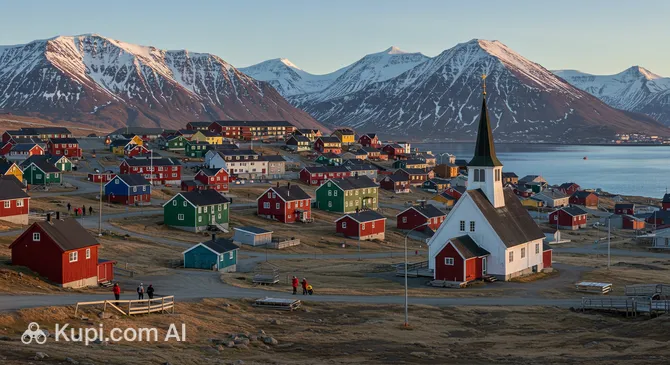
Longyearbyen. Source: Kupi.Binoculars

The town has transformed significantly over the decades. Originally established as a coal mining settlement, the history of Longyearbyen is a fascinating tale of industrial resilience and polar exploration. Today, while remnants of its mining heritage remain visible in the form of old wooden trestles and mine entrances, the town has evolved into a hub for scientific research and tourism.

Travelers are often captivated by the Svalbard Museum, which provides deep insights into the region's flora, fauna, and human history. The iconic colorful wooden houses standing against the stark white snow create a picturesque scene perfect for photography. Just outside the town lies the famous Global Seed Vault, often referred to as the "Doomsday Vault," which safeguards the world's crop diversity deep inside a mountain.

Whether you are chasing the magical Aurora Borealis, embarking on a dog sledding expedition, or simply enjoying a warm meal in one of the world's northernmost restaurants, Longyearbyen promises an unforgettable adventure. We invite you to bundle up and discover the extraordinary charm of this Arctic outpost.
Weather Overview

Located in the High Arctic, the town experiences a polar climate characterized by significant seasonal contrasts. The winters are long and freezing, with March typically being the coldest month, seeing average temperatures dip to -15.4°C. In contrast, the brief summer season brings milder conditions, with July offering the warmest weather at an average of 5.7°C.

Despite being classified as an Arctic desert due to low precipitation volumes—often recording just 1mm to 2mm monthly—the area frequently sees days with light snow or drizzle. Expect cool summers with occasional moisture and cold, dry winters. For a more comprehensive breakdown of seasonal conditions and packing advice, we recommend consulting the guide on the weather in Longyearbyen.

Interesting Facts

Beyond the snowy peaks and polar expeditions, Longyearbyen holds several fascinating secrets and unique customs dictated by its extreme Arctic environment.

  • It is famously said that it is "illegal to die" in the town. Due to the permafrost, buried bodies do not decompose, which could preserve viruses and bacteria. Consequently, terminally ill residents are typically flown to the Norwegian mainland, and no burials have taken place in the local cemetery for over 70 years.

  • You will not find any cats roaming the streets, as they are strictly banned to protect the region's vulnerable bird populations. This prohibition makes the settlement a unique, cat-free zone where dogs are the primary companions.

  • A charming local tradition requires visitors to remove their shoes when entering hotels, the Svalbard Museum, and even some shops. This custom dates back to the coal mining era, intended to prevent black coal dust from being tracked into clean living spaces.

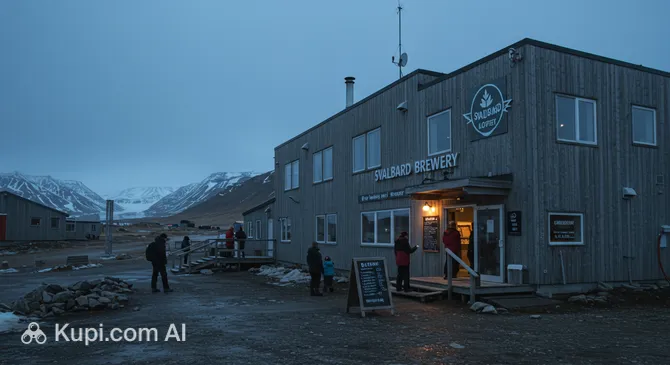
  • For decades, a law from 1928 prohibited the commercial production of alcohol in the archipelago. This legislation was finally changed in 2014, allowing the establishment of the Svalbard Brewery, which now produces beer using 2,000-year-old glacier water.

Svalbard Brewery. Source: Kupi.Binoculars

How to Get There

Traveling to the High Arctic is a unique adventure, and despite its remote location, reaching this northern outpost is relatively straightforward. The primary method of arrival for visitors is by air, with regular flights connecting the archipelago to mainland Norway. For detailed information on routes and logistics, you can read more about how to get to Longyearbyen.

The town is served by Svalbard Airport (LYR), which holds the title of the northernmost airport in the world with scheduled public flights. Located just 4.3 km from the town center, it is the main hub for all travelers entering the region. Upon arrival, the transfer to your accommodation is efficient, with the journey by airport bus or taxi taking approximately 10 minutes. This facility handles a substantial volume of passengers relative to the local population, catering to the growing interest in polar tourism.

For clarity, here is a summary of the main airport:

Airport Name City Passenger Traffic Km from City
Svalbard Airport Longyearbyen Medium 4.3

Main Attractions

Despite its small size and remote location, the town offers a surprising array of fascinating sites that reflect its unique history and Arctic environment. From world-class exhibitions to the northernmost gathering spots, visitors will find plenty to explore within the settlement limits.

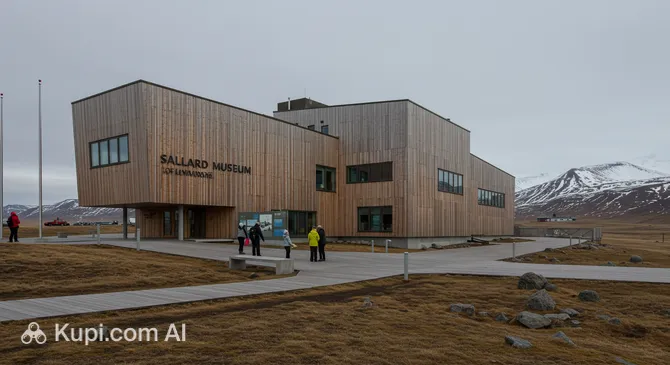
A natural starting point for any visitor is the Svalbard Museum, located in the Svalbard Science Centre. This award-winning museum offers a comprehensive journey through the archipelago's history, from the early whaling era and coal mining days to modern scientific research. It is particularly interesting for its immersive exhibits on the Arctic ecosystem, featuring preserved wildlife and detailed accounts of life at 78 degrees north.

Svalbard Museum. Source: Kupi.Binoculars

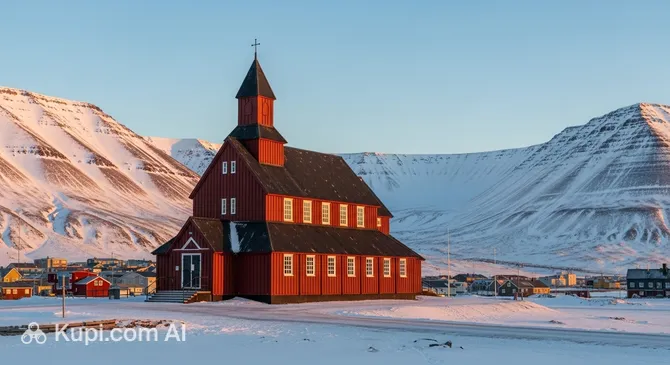
Visible from almost anywhere in town is the iconic red Svalbard Church. As the northernmost church in the world, it serves not just as a place of worship but as a vital cultural community center. Tourists are welcome to step inside to admire the cozy interior, enjoy a cup of coffee with cookies, and learn about the church's role in supporting the local community through the dark winters and bright summers.

Svalbard Church. Source: Kupi.Binoculars

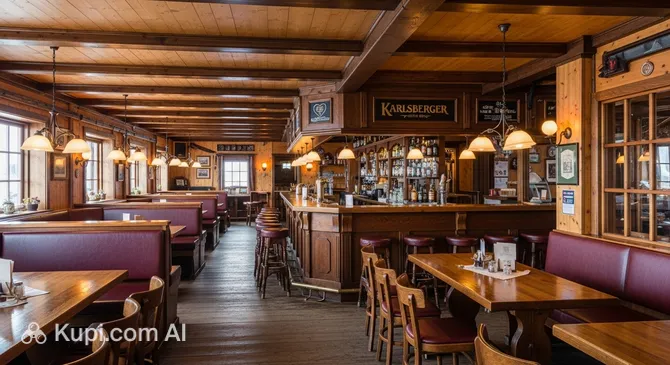
For a taste of the local nightlife and a warming drink after a day in the cold, Karlsberger Pub is a legendary stop. Known for its impressive selection of whiskey and cognac, which lines the walls in glass cabinets, this bar offers a rustic and friendly atmosphere. It is a popular place for both locals and travelers to swap stories about their polar adventures.

Karlsberger Pub. Source: Kupi.Binoculars

Local Cuisine

Dining in Longyearbyen is a surprisingly gourmet experience that defies the expectations of such a remote location. Despite being situated in the High Arctic where no crops can grow, the town boasts a culinary scene that rivals many mainland cities. The local food culture is a fascinating blend of traditional Northern Norwegian flavors and international influences, with chefs creatively utilizing ingredients sourced from the surrounding wilderness alongside high-quality imports.

When it comes to local specialties, reindeer is the undisputed king of the menu. Since Svalbard reindeer are wild and roam freely, their meat is incredibly tender and lean. You will find it served in various forms, from hearty stews (bidos) perfect for warming up after a cold trek, to refined steaks or dried snacks. Another must-try dish is Arctic char, a freshwater fish found in the northern lakes, known for its delicate flavor and pink flesh. For the more adventurous palate, some restaurants offer seal meat or whale steaks, which are traditional sources of protein in these polar regions.

To accompany your meal, you cannot miss the local beverages. The town takes great pride in its beer, brewed locally with 2,000-year-old water harvested from nearby glaciers. This unique ingredient gives the brews from the Svalbard Brewery a crisp and distinct taste. For a stronger warming effect, Aquavit—a spiced potato-based spirit—is a traditional favorite often enjoyed during festive meals.

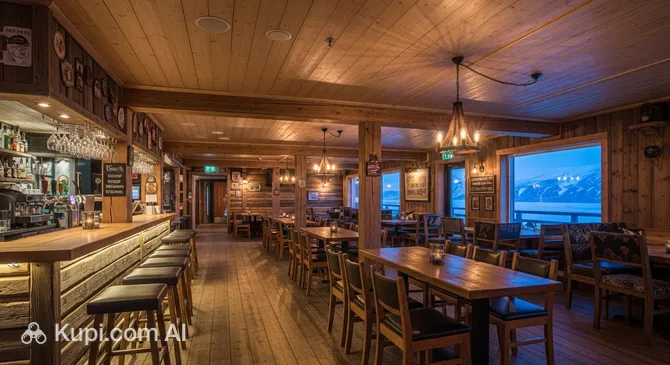
The dining atmosphere in Longyearbyen ranges from cozy and rustic to elegant and sophisticated. A popular spot for a relaxed meal is Barentz Gastropub, where locals and tourists mingle over hearty burgers and pizza in a warm, pub-style setting. It is an excellent place to soak in the casual, friendly vibe of the community while watching the polar twilight outside.

Barentz Gastropub. Source: Kupi.Binoculars

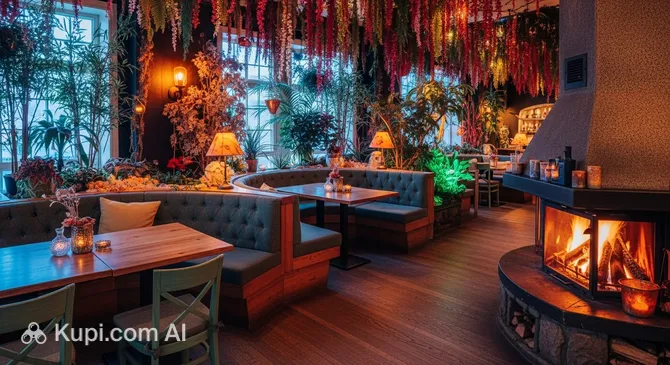
For those seeking a more unique dining environment, Mary-Ann’s Winter Garden Restaurant & Fireplace Bar offers a distinctive experience. Here, you can enjoy your meal surrounded by exotic plants in a glass-enclosed garden, a stark and delightful contrast to the icy landscape just beyond the glass. Additionally, many visitors enjoy the culinary offerings at Svalbard Hotell, which provides a modern setting to taste the best of Arctic cuisine.

Travel Tips

Visiting Longyearbyen is a bucket-list experience, but the extreme Arctic environment requires a bit more preparation than your average holiday. To help you make the most of your trip to the world's northernmost town, here are some essential practical tips to keep in mind.

  1. Master the Art of Layering. The weather in the High Arctic can change rapidly. Instead of one heavy coat, wear multiple layers: start with wool (not cotton) against your skin, add a warm fleece or wool sweater, and finish with a windproof and waterproof outer shell. In winter, thermal underwear and insulated boots with good grip are non-negotiable, and bringing detachable spikes (crampons) for your shoes can save you from slipping on icy streets.

  2. Respect the Polar Bear Safety Zone. This is the most critical safety rule. You are safe within the settlement of Longyearbyen, but you must never venture past the polar bear warning signs at the town's edge without a professional guide or proper protection (a rifle and flare gun). It is highly recommended to join organized tours rather than trying to explore the wilderness alone.

  3. Follow the "Shoes Off" Tradition. You will notice shoe racks at the entrances of hotels, the museum, the church, and even some shops. It is a local custom dating back to the coal mining era to remove outdoor footwear to avoid tracking in coal dust. Bring a pair of warm indoor slippers or thick wool socks to wear inside public buildings.

  4. Transportation Logistics. Longyearbyen is small and walkable, but distances can feel longer in the freezing cold. There is no public metro or train system. An airport bus aligns with all flight arrivals and departures, and local taxis are available. Renting a car is possible but generally unnecessary for staying within the town; plus, driving off-road is strictly prohibited.

  5. Money and Costs. The currency used is the Norwegian Krone (NOK). The town is almost entirely cashless, and credit cards are accepted practically everywhere, from the supermarket to the taxi. Be prepared for high prices on food and goods, as almost everything has to be shipped or flown in from the mainland.

  6. Connectivity and Roaming. Despite its remoteness, Longyearbyen has excellent 4G coverage and high-speed internet. Most hotels and cafes offer free Wi-Fi. Since Svalbard is under Norwegian sovereignty, EU/EEA roaming rules often apply, but it is wise to double-check with your provider as some consider it a separate zone.

  7. Do Not Disturb the Nature. The Arctic ecosystem is fragile. It is illegal to pick flowers, disturb wildlife, or move cultural heritage objects (which includes anything from before 1946). If you encounter reindeer or foxes in town, observe them quietly from a distance and do not try to feed or touch them.

  8. Alcohol Purchasing Rules. If you plan to buy beer or spirits at the local liquor store ("Nordpolet"), be aware of the quota system. Tourists must present their flight boarding pass to purchase alcohol, and there are strict limits on the amount you can buy. This rule does not apply to bars and restaurants.

By packing the right gear and respecting local customs, you will be well-equipped to enjoy the stunning beauty of Longyearbyen safely. Embrace the unique quirks of life at 78 degrees north, and you are sure to have an adventure of a lifetime.

Entertainment & Nightlife

Entertainment and nightlife in Longyearbyen are surprisingly vibrant for a town of its size and location. While you might expect a quiet settlement at the edge of the world, the town boasts a lively social scene, fueled by a diverse community of locals, students, and travelers. The nightlife here is less about thumping nightclubs and more about cozy pubs, high-quality drinks, and storytelling in a warm atmosphere while the Arctic winds howl outside.

The heart of the action is concentrated along the main pedestrian street and the nearby areas in the town center. Here, everything is within easy walking distance, making bar-hopping a popular activity, especially on Friday and Saturday nights. The atmosphere is incredibly welcoming and informal; the dress code is almost exclusively "Arctic casual." It is perfectly normal to walk into a bar wearing wool sweaters and hiking trousers, though you will still need to leave your spiked boots or heavy snow gear at the entrance in many places.

For a sophisticated evening, Karlsberger Pub is an absolute must-visit. Often cited as one of the best whisky bars in Europe, its walls are lined with over a thousand different bottles of rare whiskies and cognacs. The dark, intimate interior with large leather armchairs makes it the perfect spot to relax and chat with locals after a day of exploration.

If you prefer locally crafted beverages, a visit to the Svalbard Brewery is essential. As the world's northernmost brewery, it offers guided tastings where you can sample beers made from glacial water. Their selection often includes stouts, IPAs, and seasonal brews that capture the spirit of the polar region.

For a venue with a distinct character, check out Mary-Ann’s Winter Garden Restaurant & Fireplace Bar. This spot is famous for its eclectic decor and rustic charm. The Fireplace Bar offers a cozy retreat with a warm fire, making it an ideal place to unwind with a hot drink or a cocktail in a setting that feels like a polar explorer's lodge.

Mary-Ann’s Winter Garden Restaurant & Fireplace Bar. Source: Kupi.Binoculars

When planning your night out, keep in mind that alcohol prices can be relatively high, consistent with Norwegian standards and the remote location. Most bars stay open until 2:00 AM on weekends. Getting around is safe and easy; while the town center is walkable, you can easily call a local taxi if you are staying a bit further out or if the weather is particularly harsh. Always stay within the illuminated, safe zones of the town to avoid any wildlife risks.

During the day, entertainment shifts towards cultural and outdoor experiences. Before the bars open, you can spend your time exploring local art galleries, shopping for tax-free outdoor gear, or visiting the town's museums to learn about the region's mining history and wildlife. Whether it is day or night, Longyearbyen offers a warm welcome in the cold Arctic.

Parks & Museums

In Longyearbyen, the concept of a "city park" is redefined by the raw, unpolished beauty of the Arctic wilderness. Instead of manicured lawns and fenced gardens, the settlement is bordered by vast valleys and fjords that serve as the community's recreational grounds, while its cultural institutions offer a surprisingly deep dive into polar history and art.

Although you will not find traditional green parks with trees here, the shoreline of Adventfjorden acts as the town's natural promenade. This stretch of coast offers unobstructed views of the majestic Hiorthfjellet mountain across the water and is a popular spot for locals to take refreshing walks or enjoy a bonfire under the Midnight Sun. Another significant natural area is Adventdalen (Advent Valley), a broad, sweeping valley that extends from the town. It serves as the gateway to the wilderness, transforming from a hiking paradise in summer to a snowmobile highway in winter, effectively functioning as the town's vast, open-air backyard.

For a deep understanding of the region, the Svalbard Museum is the premier institution. Located within the modern Svalbard Science Centre, it provides a captivating look at the delicate balance between nature and human activity in the High Arctic. The exhibits cover everything from the geology of the archipelago to the history of whaling and coal mining. Another essential cultural stop is the North Pole Expedition Museum. This specialized museum focuses on the heroic era of polar exploration, specifically detailing the airship voyages of Roald Amundsen and Umberto Nobile, offering a fascinating glimpse into the daring spirit of early explorers.

Art enthusiasts should make their way to Galleri Svalbard, which houses a collection of old maps, books, and works by local and international artists inspired by the unique light and landscapes of the North. In terms of living history and architecture, the Svalbard Church stands out as a vital landmark. As a 24/7 meeting point for the community, it represents the spiritual and social heart of the town, built to withstand the harsh Arctic elements while providing a warm refuge for all.

The town's history is also etched into the landscape itself. You will notice the silent lines of wooden cableway trestles (Taubanebukker) stretching across the valleys. These protected cultural monuments are remnants of the old coal transport system and serve as striking architectural sculptures against the sky.

For a truly authentic experience, take a walk along the road toward the old cemetery, located on the hillside. While respecting the site, you can observe the history of the town's early settlers. Just remember to always stay within the designated polar bear safety zones, even when exploring the immediate outskirts of the settlement.

Getting Around

Due to its small size and remote location, Longyearbyen does not possess a complex public transport network found in larger cities. There are no metros, trams, trolleybuses, or scheduled city bus lines running loops within the town. The settlement is compact, and most key facilities, hotels, and shops are located within walking distance of each other along the main pedestrian street.

The primary form of public transportation available to visitors is the Airport Shuttle Bus (Flybussen). This service is specifically synchronized with the flight schedule at the airport. The bus waits for passengers outside the terminal after every flight arrival and drives a fixed route, stopping at all major hotels and the town center. For departures, the bus picks up passengers from the hotels roughly two hours before the scheduled flight time. It is a reliable and convenient way to transfer between your accommodation and the airport.

When it comes to payment, the system is modern and straightforward. Longyearbyen is an almost entirely cashless society. You can purchase your ticket for the airport bus using a credit or debit card directly from the driver upon boarding. Alternatively, some travelers choose to buy tickets online in advance through the local transport company's website. There are no travel passes or zone cards; you simply pay for a single or return journey. Students and children often receive a discounted rate.

For getting around the town itself when you do not wish to walk, taxis are the most practical alternative. Local taxi companies operate 24/7 and can be booked via phone or hailed at designated stands. They are particularly useful if you are visiting attractions slightly outside the immediate center, such as the Global Seed Vault entrance (for the view) or the mines, or if the weather is too severe for walking. Be aware that taxi fares can be relatively high, reflecting the high cost of living in the Arctic.

Tourists generally find that walking is the best way to explore the town center. However, practical caution is advised: during the dark winter months, wearing a reflective vest or armband is essential for visibility, and using anti-slip spikes (crampons) on your shoes is highly recommended to navigate icy streets safely. In the summer, bicycle rentals are available and offer a faster way to see the sights along the few kilometers of paved road.

While there are no trains or funiculars, you will see old wooden cableway trestles dotting the landscape. These are historic remnants of the coal mining industry and are not operational for transport. A unique local "vehicle" you might encounter in winter is the spark (kicksled), which residents often use to glide over the hard-packed snow on the roads. For travel beyond the town limits into the wilderness, public transport does not exist; such journeys require organized tours using snowmobiles, dog sleds, or boats depending on the season.

Accommodation

Accommodation:

Finding a place to stay in Longyearbyen is part of the unique Arctic experience. The town offers a surprisingly diverse range of accommodation options, catering to various travel styles and budgets. Visitors can choose from modern, full-service hotels that rival those on the mainland to cozy guesthouses and converted mining barracks that offer a more rustic and authentic feel. While there are no ultra-luxury 5-star resorts, the standard of comfort is generally high, with warm interiors designed to contrast with the crisp polar climate outside.

Most accommodation is concentrated in the town center or in the area known as Nybyen, located slightly up the valley. Staying in the center offers the convenience of being close to the supermarket, pubs, and shops, making it easy to walk around even in winter. Nybyen, while a bit further away (about 2 km from the center), provides a quieter atmosphere and often more affordable rates, with the surrounding mountains creating a stunning backdrop right at your doorstep.

A charming quirk you will encounter in almost all hotels and guesthouses is the custom of removing your shoes at the entrance. This tradition dates back to the coal mining days to prevent coal dust from being tracked inside. Guests are expected to leave their outdoor boots in the designated drying rooms or racks and wear slippers or wool socks inside the lobby and rooms, creating a relaxed and homey vibe throughout the establishment.

Booking Tips and Prices: Due to the limited number of beds and the growing popularity of Svalbard as a destination, accommodation can fill up very quickly. It is highly recommended to book well in advance, especially if you plan to visit during the peak seasons of March–April (for winter activities) or the summer months. Prices in Longyearbyen are generally high, reflecting the remote location and high cost of operations. Budget travelers should look for hostels or guesthouses with shared facilities, while those seeking more amenities should be prepared for rates comparable to major Scandinavian cities. Most bookings can be easily made via standard online platforms or directly through the hotel websites.

Nearby Cities

Longyearbyen stands as the primary hub of civilization in the Svalbard archipelago, isolated in the vastness of the High Arctic. Due to the extreme geography and remote location, there are no other cities nearby in the traditional sense. The town is surrounded by miles of untouched wilderness, consisting of rugged mountains, glaciers, and frozen fjords, emphasizing the profound solitude of this northern outpost.

Despite the isolation, adventurous travelers can visit other unique settlements on day trips. The most popular destinations include Barentsburg, an active Russian mining community with a distinct cultural atmosphere, and Pyramiden, a captivating Soviet ghost town abandoned in 1998. Since there are no roads connecting these settlements, they are accessible only by boat during the summer or by snowmobile in the winter, making the journey itself an unforgettable part of the Arctic experience.

Shopping & Souvenirs

Shopping:

Shopping in Longyearbyen offers a unique advantage that surprises many visitors: the entire archipelago of Svalbard is a tax-free zone. This means that goods here are exempt from Value Added Tax (VAT), making prices for certain items, particularly high-quality outdoor equipment and alcohol, significantly lower than on the Norwegian mainland. While the town is small, the shopping scene is tailored to the needs of polar explorers and locals alike, focusing on practicality, quality, and distinct Arctic memorabilia.

The main shopping district is concentrated in the very heart of the town, primarily along the pedestrian street known as Hilmar Rekstens Vei. You will not find sprawling avenues here; instead, everything is conveniently located within a few hundred meters. The central hub for retail therapy is Lompensenteret, the town's only shopping mall. Although small by international standards, it houses a variety of stores, including souvenir shops, a pharmacy, and a café, acting as a warm gathering spot for the community.

Given the extreme climate, it is no surprise that outdoor gear and clothing are the most popular items to purchase. Longyearbyen boasts several well-stocked sports shops offering top-tier brands of wool underwear, down jackets, and hiking boots at competitive prices. For many tourists, buying a high-quality parka or a genuine Norwegian wool sweater here is not just a souvenir, but a practical investment for the trip itself.

For more traditional keepsakes, visitors have plenty of options. The gift shop at the Svalbard Museum is an excellent place to find books about polar history, local photography, and educational toys. Other popular souvenirs include items featuring the iconic polar bear road sign, local handicrafts, and the famous chocolates made at the local chocolatier, which are shaped like polar bears and glaciers.

An essential stop for daily needs is Svalbardbutikken, the local supermarket and department store. It sells everything from fresh produce to firearms. Inside, you will also find Nordpolet, the state-run liquor store. If you wish to buy alcohol here, remember that a strict quota system applies to tourists, and you must present your flight boarding pass to make a purchase. This is the only place to buy wine and spirits for personal consumption.

When planning your shopping trips, keep in mind that opening hours can be limited compared to larger cities. Most shops are open from 10:00 AM to 6:00 PM on weekdays and have shorter hours on Saturdays, with many closing on Sundays. Payment is seamless, as Longyearbyen is an almost exclusively cashless society; credit and debit cards are accepted everywhere, even for the smallest purchases.

Reached the end of the page?

That means the route is fully explored