Support

Boise

About

Welcome to Boise, the vibrant capital of Idaho and a city that perfectly balances urban sophistication with rugged natural beauty. Known affectionately as the "City of Trees," it serves as a cultural and economic hub in the Pacific Northwest region of the United States. With its clean streets, friendly community, and backdrop of rolling foothills, the city offers a refreshing atmosphere that appeals to travelers seeking both relaxation and adventure.

Geographically, Boise is situated in the Treasure Valley, where the high desert meets the western edge of the Rocky Mountains. The city is defined by the winding Boise River, which provides a lush, green corridor through the landscape. With a population of approximately 423,000, it is the largest city in the state, yet it manages to retain a welcoming, small-town feel. The climate here is generally semi-arid, characterized by hot, dry summers and moderately cold winters, making it a year-round destination for outdoor enthusiasts.
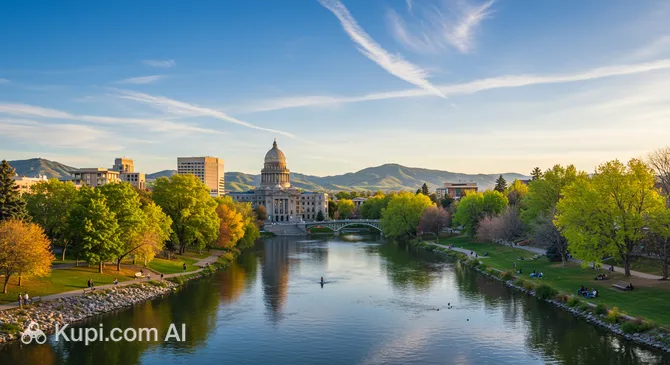
Boise. Source: Kupi.Binoculars

The history of Boise dates back to the 19th century, starting as a supply center for gold miners and a military post. Today, this heritage is preserved alongside modern attractions. One of the city's most unique features is the Basque Block, which celebrates one of the largest Basque communities in the world with traditional museums, festivals, and cuisine. Visitors also flock to the Boise River Greenbelt, a scenic 25-mile path perfect for walking and cycling that connects many of the city's parks and neighborhoods.

Whether you are interested in exploring the majestic Idaho State Capitol, hiking in the nearby foothills, or enjoying the thriving downtown culinary scene, this destination has something for everyone. We invite you to discover the charm and energy of Boise on your next journey.
Weather Overview

Boise experiences a semi-arid climate with four distinct seasons, making it a dynamic destination year-round. Summers are generally hot and very dry, with July being the warmest month, featuring average highs of 33.6°C and virtually no rainfall. This sunny weather is ideal for exploring the city's outdoor attractions, though travelers should be prepared for the heat.

In contrast, winters are cold and see more frequent precipitation. During December and January, temperatures can drop to average lows of -3.8°C, and you can expect about 11 to 12 wet days per month. Spring and autumn provide mild and comfortable transition periods, often considered the most pleasant times for walking tours. For a more comprehensive forecast and packing advice, you can check the detailed weather in Boise page.

Interesting Facts

Beyond the main attractions and scenic views, Boise holds many fascinating secrets and unique traits that might surprise even seasoned travelers. From underground energy sources to quirky local rules, the city has a character all its own.
  • Boise is a pioneer in sustainable energy with the largest direct-use geothermal heating system in the United States. Natural hot water from underground aquifers is pumped into the city to heat the State Capitol, the Idaho State Museum, and many other downtown buildings, keeping sidewalks snow-free in winter.

  • If you want to sound like a true local, be careful with your pronunciation. Residents strictly say "Boy-see" with a soft "s," rather than "Boy-zee." Mispronouncing the name is the quickest way to reveal you are a visitor.

  • The city is home to the famous "Smurf Turf" at Boise State University, the first non-green football field in history. The bright blue playing surface is an iconic landmark and is so distinct that the university holds a trademark on non-green field colors.

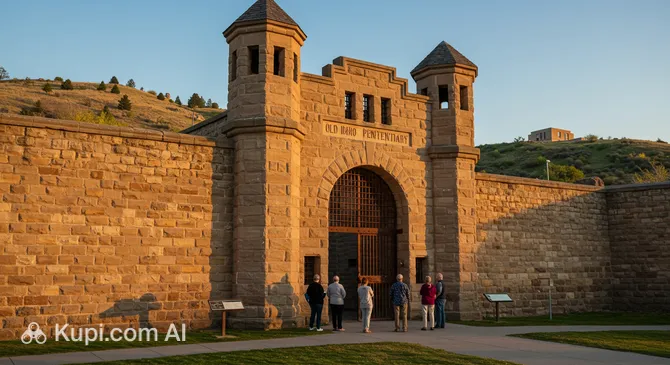
  • The Old Idaho Penitentiary offers a glimpse into the darker side of the Wild West. Operating for over 100 years, this prison housed some of the region's most notorious criminals and is now rumored to be one of the most haunted sites in the state, attracting ghost hunters and history buffs alike.

Old Idaho Penitentiary. Source: Kupi.Binoculars

How to Get There

Reaching the capital of Idaho is quite convenient, with air travel being the most popular choice for visitors coming from afar. Whether you are planning a road trip through the Pacific Northwest or flying in for a quick visit, there are several options to consider. For a detailed breakdown of all available routes and transport methods, you can read more about how to get to Boise.

The primary gateway to the city is Boise Air Terminal (Gowen Field) (IATA: BOI). Conveniently located just 6.7 km from the downtown area, this airport serves as the main hub for the region. It handles a significant volume of passengers annually, making it a busy and well-equipped facility. Getting to the city center from here is quick; a taxi or rideshare typically takes approximately 10-15 minutes depending on traffic.

Another option for travelers, particularly those planning to explore the wider region or the ski resorts, is Friedman Memorial Airport (IATA: SUN). However, it is important to note that this airport is located in the city of Sun Valley, which is approximately 154.3 km away from Boise. While it serves as a key entry point for the mountainous areas, the transfer to Boise by car or shuttle takes approximately 2.5 hours.

For clarity, here is a summary of the main airports:

Airport Name City Passenger Traffic Km from City
Boise Air Terminal (Gowen Field) Boise Large 6.7
Friedman Memorial Airport Sun Valley Medium 154.3

Currently, Boise is not directly served by a passenger railway station for regular intercity travel, as major rail lines do not pass through the city center for passenger service. Visitors preferring ground transportation often rely on long-distance bus services or personal vehicles. The city is well-connected by interstate highways, making it accessible for those driving from neighboring states.

Main Attractions

Boise is packed with destinations that cater to history buffs, nature lovers, and families alike. From panoramic viewpoints to cultural institutions, the city's attractions are easily accessible and offer a deep dive into the local lifestyle. Whether you prefer a relaxing stroll through gardens or a hike with a view, the city has plenty to offer.

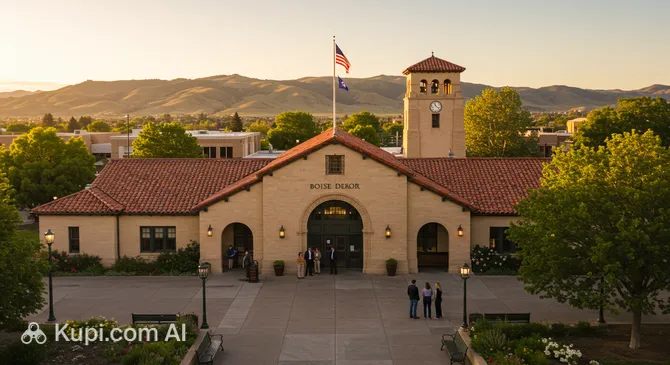
One of the most iconic landmarks is the Boise Depot. This historic Spanish-style train station, built in 1925, is famous for its elegant architecture and the beautifully landscaped Platt Gardens surrounding it. Tourists love visiting the bell tower for one of the best views of the downtown skyline framed by the distant foothills. It serves as a beautiful reminder of the city's railway heritage and is a favorite spot for photography.

Boise Depot. Source: Kupi.Binoculars

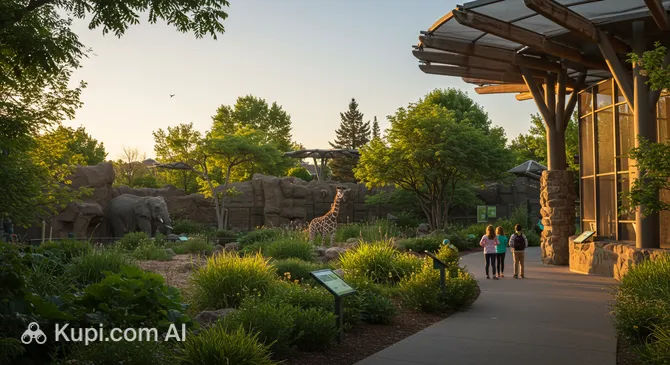
For those who enjoy wildlife and conservation, Zoo Boise is a must-visit. Located within the lush Julia Davis Park, this zoo is unique for its "conservation fee" included in the admission, which directly funds wildlife protection projects around the globe. It houses animals from various ecosystems, including lions, giraffes, and red pandas, making it an educational and fun outing for visitors of all ages.

Zoo Boise. Source: Kupi.Binoculars

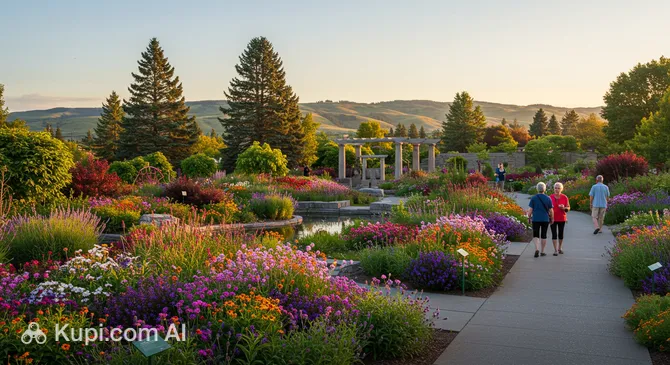
Nature enthusiasts will appreciate the serenity of the Idaho Botanical Garden. Situated on land that once belonged to the historic penitentiary grounds, this attraction has transformed into a lush sanctuary featuring diverse themed gardens, such as the English Garden and the Meditation Garden. It is particularly popular for its seasonal events, including outdoor concerts in summer and a spectacular light display in winter.

Idaho Botanical Garden. Source: Kupi.Binoculars

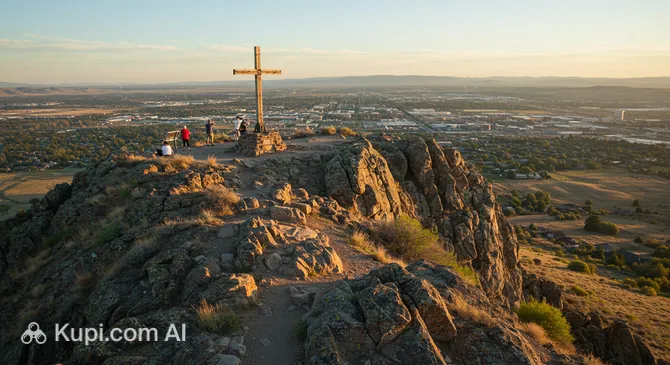
If you are looking for outdoor adventure and breathtaking scenery, a hike up to Table Rock is essential. This prominent plateau looms over the city and offers a challenging yet rewarding trail system. Hikers are treated to sweeping panoramic views of the Treasure Valley, which are especially stunning at sunset. It is a quintessential Boise experience that connects you directly with the region's rugged landscape.

Table Rock. Source: Kupi.Binoculars

Local Cuisine

Boise’s culinary landscape is a delightful surprise for many visitors, offering a blend of Pacific Northwest freshness and hearty mountain fare. The city has embraced the "farm-to-fork" movement, with many chefs sourcing ingredients directly from the fertile Treasure Valley. This commitment to local produce ensures that menus change with the seasons, featuring everything from spring asparagus to late-summer stone fruits.

A standout feature of the local dining scene is the authentic Basque cuisine. Thanks to the city's rich immigrant history, you can find traditional dishes like paella, spicy chorizo, and tender lamb stews. Alongside these cultural specialties, the famous Idaho potato reigns supreme. Whether served as hand-cut fries with a side of "fry sauce"—a beloved regional condiment—or in more creative forms, the humble spud is a local icon. Visitors should also look for dishes featuring fresh river trout and huckleberries, a tart mountain berry that appears in everything from desserts to cocktails.

For a taste of modern craft cooking, The Wylder is a popular choice among locals and tourists alike. Known for its slow-ferment sourdough pizzas and sophisticated vegetable dishes, it represents the new wave of stylish yet accessible eateries in the city.

If you are looking for an upscale experience, Chandlers offers a classic steakhouse atmosphere. Famous for its prime cuts of beef and fresh seafood flown in daily, it is an ideal spot for a special evening accompanied by live jazz. For those craving variety, Yoi Tomo Sushi and Grill provides an extensive "all-you-can-eat" menu that highlights the city's growing appetite for diverse international flavors.

The city also boasts a thriving craft beverage scene. Beer lovers should make a stop at Payette Brewing, one of the region's pioneering breweries. It offers a spacious taproom and beer garden where you can sample local ales and lagers. For a dive into history with your drink, the Cactus Bar stands as a landmark in downtown, having served patrons for decades in a no-nonsense, friendly setting.

Travel Tips

Visiting Boise is a breeze thanks to its laid-back atmosphere and welcoming community, but having a few local insights can make your trip even smoother. Here are some practical tips to help you blend in with the locals and navigate the "City of Trees" with comfort and ease.

  1. Clothing and Gear: Boise sits in a high desert environment, meaning the weather can change rapidly. In summer, lightweight clothing, a wide-brimmed hat, and high-SPF sunscreen are essential due to the intense sun. Winters can be chilly, so bring a warm coat, gloves, and boots. For spring and autumn, layers are your best friend, as mornings are crisp while afternoons can get quite warm. Comfortable walking shoes are a must if you plan to explore the foothills or the Greenbelt.
  2. Transportation: While the downtown area is highly walkable and bike-friendly, renting a car is the most practical option if you plan to visit the surrounding Treasure Valley or head into the mountains. The local public transport system, Valley Regional Transit, offers bus services, but routes and frequency can be limited compared to larger metropolises. Ride-hailing apps like Uber and Lyft are widely available and reliable.
  3. Finances: The local currency is the US Dollar (USD). Credit and debit cards are accepted almost everywhere, from restaurants to parking meters. However, it is wise to carry a small amount of cash for small vendors at markets. Tipping is customary in the United States; expect to leave 18-20% for good service in restaurants and bars.
  4. Health and Safety: Boise is generally a very safe city for tourists. The most common health issue for visitors is dehydration due to the dry climate and altitude; carry a water bottle and drink frequently, even if you don't feel thirsty. Pharmacies like Walgreens and CVS are easy to find, with some locations open 24 hours. In case of an emergency, dial 911.
  5. Communication: English is the primary language spoken. Locals are accustomed to tourists and are generally helpful if you need directions. Free Wi-Fi is standard in most coffee shops, hotels, and the airport. Major mobile carriers have good coverage in the city, but signals can be spotty if you venture deep into the remote wilderness areas nearby.
  6. Local Etiquette: The city is known for "Boise Nice." It is common for strangers to smile, say hello on the street, or hold doors open for one another. When driving, you will notice that locals are courteous and rarely honk; aggressive driving is frowned upon. On hiking trails, the general rule is that uphill hikers have the right of way, and bikes yield to pedestrians.
  7. What to Avoid: The quickest way to upset a local is to mispronounce the city's name. Remember, it is "Boy-see" (like the sea), not "Boy-zee." Also, never hike or bike on muddy trails in the foothills. Using wet trails causes permanent erosion and damage, and locals take trail preservation very seriously.
  8. Additional Tip: If you are visiting in the summer, floating down the Boise River is a beloved local tradition. You can rent rafts and tubes at Barber Park and float down to Ann Morrison Park. It is a relaxing way to beat the heat, but always remember to wear a life vest and secure your belongings.

By keeping these simple tips in mind, you will be well-prepared to enjoy everything this dynamic city has to offer. Whether you are here for the outdoor adventures or the urban charm, Boise is ready to welcome you with open arms.

Entertainment & Nightlife

As the sun sets over the foothills, Boise transforms from an outdoor adventure hub into a lively city with a vibrant and welcoming nightlife scene. The atmosphere here is refreshingly unpretentious; you will find that the dress code is almost universally casual, with jeans and flannel fitting in just as well as cocktail attire. The heart of the action is undoubtedly Downtown Boise, specifically along 8th Street and Main Street. This pedestrian-friendly zone is buzzing with energy, lined with patio restaurants, lively pubs, and late-night spots that cater to a diverse crowd of university students, locals, and visitors.

For those seeking live entertainment on a grand scale, the Boise Arena is the premier destination. Located in the city center, this venue regularly hosts major concerts, sporting events, and shows, serving as a focal point for the community's evening activities. Whether you are catching a hockey game or watching a touring band, the energy here is electric and offers a great way to mingle with enthusiastic locals.

If you prefer a more laid-back evening that combines dining, movies, and shopping in one location, the Boise Spectrum Center is an excellent choice. Situated just off the interstate, this entertainment complex features a massive cinema, numerous eateries, and a vibrant plaza. It is particularly popular with families and groups of friends looking for a comprehensive night out without the hustle of the downtown bar scene.

Practicalities for a night out in Boise are straightforward. Most bars and clubs stay open until 2:00 AM. The downtown area is compact and safe for walking at night, but if you are venturing further or returning late, rideshare services like Uber and Lyft are readily available and affordable. Prices for drinks and cover charges are generally lower than in larger US cities, making a night out here quite budget-friendly.

While the nights are for socializing, the city offers plenty of cultural enrichment during the day. Art lovers should explore the Boise Art Museum, located in Julia Davis Park, which showcases contemporary realism and ceramics. Nearby, science enthusiasts of all ages can enjoy interactive exhibits at the Discovery Center of Idaho. For a unique look at aquatic life, the Aquarium of Boise offers hands-on experiences that are perfect for a family afternoon before the evening festivities begin.

Parks & Museums

Parks and Museums:

Boise lives up to its "City of Trees" nickname with an impressive array of lush parks, riverside gardens, and cultural institutions that celebrate the region's heritage. The city's layout seamlessly integrates nature into the urban environment, offering residents and visitors alike easy access to green spaces and educational venues. Whether you are looking to explore local history or simply enjoy a quiet afternoon by the river, the city offers a diverse selection of spots to unwind and learn.

The crown jewel of the city's park system is undoubtedly Julia Davis Park. Located right in the heart of the city along the Boise River, this expansive green space serves as the cultural hub of the community. It is home to several major museums, a rose garden, and a paddle boat lagoon. It is the perfect starting point for any tour, offering paved paths that connect to the wider Greenbelt system, making it a favorite for walkers and cyclists.

For a more tranquil experience dedicated to wildlife and native flora, Kathryn Albertson Park is a must-visit. Unlike the bustling sports fields found elsewhere, this 77-acre sanctuary is designed for quiet contemplation and nature observation. Wide, paved footpaths wind through wildflower meadows and past decorative gazebos, while the numerous ponds attract a variety of waterfowl, turtles, and deer. It is an idyllic setting for birdwatchers and photographers seeking a peaceful escape.

Another significant green space is Ann Morrison Park, a massive urban park located downstream from the city center. Known for its iconic spray fountain and ample open space, it is a hotspot for recreational sports, picnics, and community events. During the summer, it serves as the primary take-out point for floaters drifting down the river, creating a lively and festive atmosphere.

When it comes to understanding the rich tapestry of the region's past, the Idaho State Museum stands out as a premier destination. Recently renovated, this facility offers interactive and immersive exhibits that tell the story of Idaho's land and people. From the Native American tribes to the mining boom and modern innovations, the museum provides a comprehensive and engaging narrative that appeals to both adults and children.

For a unique blend of museum education and outdoor exploration, the MK Nature Center offers a fascinating look at the local aquatic ecosystems. Located along the Boise River Greenbelt, this site features underwater viewing windows that allow visitors to see fish, including massive sturgeon, in their natural habitat. It is an exceptional place to learn about the river's ecology through self-guided tours and well-maintained stream walks.

History enthusiasts should also explore The Military Reserve, a vast natural area nestled in the foothills. Originally used for military maneuvers in the 1860s, it now features an extensive trail system and is home to a historic military cemetery. The area offers a rugged, authentic landscape that provides insight into the city's frontier origins while offering excellent hiking opportunities close to downtown.

For an insider tip, consider visiting Veterans Memorial Park. Often quieter than the major downtown parks, it offers beautiful river access and shaded picnic areas. It is a hidden gem for those who want to enjoy the natural beauty of the river corridor without the crowds.

Getting Around

Public transport in Boise is relatively modest compared to larger metropolitan areas, reflecting the city's car-centric culture. The system is primarily operated by Valley Regional Transit (VRT), which manages a network of bus routes connecting the downtown core with key neighborhoods, the airport, and the Boise State University campus. There is no underground metro, tram, or light rail system in the city; buses are the sole form of mass transit available to the public.

For visitors, navigating the bus system is straightforward, though it requires some planning due to limited schedules. The Valley Regional Transit buses typically operate on a "hub and spoke" model, with the Main Street Station in downtown serving as the central transfer point. Fares are quite affordable, with a single ride costing approximately $1.50 and an all-day pass available for around $2.50. Discounted rates are often available for seniors and youths.

The payment system has been modernized to offer convenience for travelers. While you can still pay with cash upon boarding (drivers cannot give change, so you must have the exact amount), the most convenient option is to use the Umo Mobility app or the City Go smart card. These digital platforms allow you to purchase passes instantly on your smartphone and validate your ride by scanning a QR code as you enter the bus. This eliminates the need to carry small bills and coins.

A crucial piece of advice for tourists is to pay close attention to operating hours. The bus service in Boise is not 24/7. Most routes run from early morning until roughly 6:00 PM or 7:00 PM on weekdays. Saturday service is significantly reduced, with fewer routes and shorter hours, and there is often little to no bus service on Sundays. Therefore, if you are planning a late dinner or a night out, you should not rely on the bus to get you back to your accommodation.

Given these limitations, alternatives are highly popular and often necessary. Rideshare services like Uber and Lyft are widely available, reliable, and relatively inexpensive for getting around the city, especially during evenings and weekends. Traditional taxis are also available but are less commonly hailed on the street; it is better to call ahead or find one at the airport or major hotels.

For short distances, especially within the downtown area and along the river, electric scooters and e-bikes are a favorite mode of transport. Companies like Lime and Bird have fleets scattered throughout the city, which can be rented via their respective smartphone apps. This is a fun and efficient way to zip between museums, parks, and restaurants without waiting for a bus.

A unique and special feature of Boise's transport landscape is the Boise River Greenbelt. While not a motorized transit system, this 25-mile paved pathway acts as a major "highway" for cyclists and pedestrians. It provides a traffic-free, scenic route connecting many of the city's top attractions, parks, and hotels. Renting a bicycle and using the Greenbelt is often the most enjoyable and practical way to explore the city during the day.

Accommodation

Hotels:

Finding the perfect place to stay in Boise is easy, thanks to a diverse range of accommodation options that cater to every type of traveler. Whether you are looking for a luxury suite with views of the foothills, a charming historic boutique hotel, or a budget-friendly chain for a quick stopover, the "City of Trees" has you covered. The city’s compact nature means that wherever you choose to book, you are never far from nature or the vibrant urban core.

For first-time visitors and those who want to be in the center of the action, Downtown Boise is the best area to base yourself. Staying here puts you within walking distance of the city's top dining district on 8th Street, the lively Boise Arena for events, and the serene Boise River Greenbelt. The downtown hotel scene is a mix of beautifully restored historic buildings that offer a taste of the city's past and sleek, modern high-rises equipped with all the latest amenities. This area is particularly convenient if you prefer to explore on foot or by bike.

If you are traveling with family or looking for an entertainment-focused stay, consider the area around the Boise Spectrum Center. Located just off the interstate, this district is a hub of activity featuring a large cinema complex, numerous restaurants, and several reliable hotel chains. It is an excellent choice for those who want easy access to the highway for day trips while still having plenty of dining and fun options right at their doorstep.

For travelers prioritizing convenience or those on a quick business trip, the area surrounding Boise Air Terminal offers a solid selection of accommodations. These hotels often provide shuttle services to the airport and are situated just a short drive from the city center. Meanwhile, visitors seeking a quieter, more residential vibe might prefer the western suburbs or the neighboring city of Meridian, where vacation rentals and extended-stay properties are more common, offering extra space and a "home away from home" atmosphere.

Pricing in Boise is generally reasonable compared to larger coastal cities, but rates can fluctuate depending on the season. Summer is the peak tourist period, and downtown hotels can fill up quickly during major festivals or university events. It is highly recommended to book your accommodation well in advance if you plan to visit between June and August to secure the best rates and locations.

Nearby Cities

For those looking to explore the surroundings, Boise serves as an excellent base for day trips to several interesting nearby locations:

City Population Distance (km)
Enterprise 219566 219
Nampa 194547 29
Caldwell 58872 39
Twin Falls 51223 184
Eagle 29665 15

Just a short drive west of the capital lies Nampa, the state's second-largest city. It offers a rich agricultural history and is a gateway to the renowned Sunnyslope Wine Trail, where visitors can taste some of Idaho's best vintages. Aviation enthusiasts will appreciate the Warhawk Air Museum, which houses a collection of historic combat aircraft and memorabilia.

For a spectacular natural wonder, a trip to Twin Falls is well worth the drive. Located about two hours away, this city is famous for the breathtaking Shoshone Falls, often called the "Niagara of the West" because it stands higher than its famous eastern counterpart. The area also features the massive Snake River Canyon and the Perrine Bridge, a world-famous destination for BASE jumping.

If you prefer a closer retreat, Eagle is practically a neighbor, situated just minutes from downtown Boise. Known for its upscale charm and beautiful riverside setting, it features a quaint downtown area perfect for strolling and dining. Outdoor lovers often head to Eagle Island State Park for swimming, paddleboarding, and hiking along the Boise River.

These nearby destinations offer a glimpse into the diverse culture and landscapes of the region.

Shopping & Souvenirs

Shopping in Boise offers a delightful mix of urban sophistication and small-town charm, reflecting the city's overall welcoming atmosphere. Visitors can expect a diverse range of options, from locally-owned boutiques and antique shops to large retail centers featuring familiar international brands. The city places a strong emphasis on supporting local businesses, so you will find plenty of unique stores selling handcrafted goods, outdoor gear, and regional specialties that you won't find anywhere else.

The heart of the local shopping scene is undoubtedly Downtown Boise. Walking along 8th Street and Main Street, you will discover a vibrant collection of specialty shops, bookstores, and clothing boutiques nestled among cafes and restaurants. For a more historic and eclectic vibe, the Hyde Park district in the North End is a must-visit. This tree-lined neighborhood is famous for its independent toy stores, vintage shops, and quirky gift outlets, making it perfect for a leisurely afternoon stroll.

For those seeking a more comprehensive retail experience with major brands, the city has several key destinations. The area around Milwaukee Street is a major commercial hub. Here you will find the Milwaukee Marketplace, which hosts a variety of popular retailers and convenient dining options. It is located near the largest indoor mall in the state, making this district a one-stop destination for serious shoppers.

Another popular spot that blends shopping with entertainment is the Boise Spectrum Center. While it is well-known for its cinema and restaurants, it also features a selection of shops that cater to visitors looking for a fun evening out. Its open-air plaza design makes it a pleasant place to walk around, especially during the warmer months when the fountains are running.

If you want to experience the local culture firsthand, do not miss the Capital City Public Market. Held every Saturday from April to December in the downtown area, this open-air market spans several city blocks. It is the premier place to buy fresh local produce, artisan breads, and unique arts and crafts directly from Idaho creators. It is a lively event that draws both locals and tourists, offering a true taste of the community spirit.

When it comes to souvenirs, Idaho offers more than just potatoes, though you can certainly find potato-themed novelty items. A top recommendation is anything made with huckleberries, a tart wild berry native to the mountains; look for jams, syrups, or chocolates. The "Idaho Spud Bar," a marshmallow candy covered in chocolate and coconut, is a classic sweet treat to bring home. Additionally, with the growing reputation of the Snake River Valley wine region, a bottle of local wine makes for an elegant gift.

Most shops in Boise operate from approximately 10:00 AM to 9:00 PM on weekdays and Saturdays, with reduced hours on Sundays (often 11:00 AM to 6:00 PM). Downtown boutiques may close earlier, around 6:00 PM or 7:00 PM. Credit and debit cards are universally accepted. Travelers should be aware that the United States does not typically offer a VAT refund system for tourists. In Idaho, a sales tax of 6% is added to the marked price of goods at the register.

Nearby cities

Reached the end of the page?

That means the route is fully explored