Support

Port Moller

About

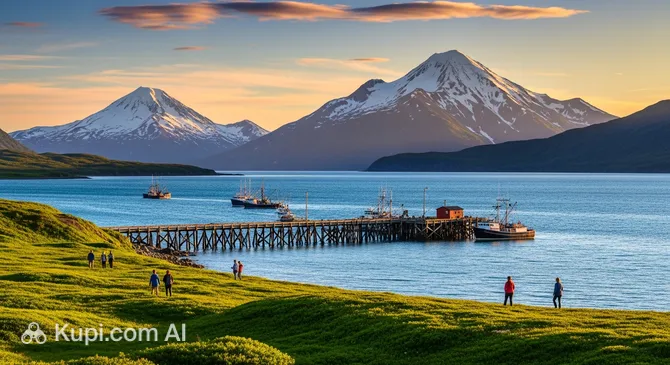
Port Moller is a secluded destination located along the rugged coast of the Alaska Peninsula in the United States. Known for its stunning natural beauty and isolation, this small community offers a glimpse into the raw wilderness of the north. With a permanent population of roughly 22 residents, it remains a quiet outpost for most of the year, transforming into a bustling hub during the summer months when the commercial fishing season reaches its peak.

Port Moller. Source: Kupi.Binoculars

The area has a deep connection to the maritime industry, which is essential to understanding the local culture and the history of Port Moller. Today, it serves as a gateway for those seeking authentic Alaskan adventures. Visitors are often drawn here for the exceptional opportunities to view brown bears in their natural habitat or to relax in the remote hot springs found in the vicinity. The dramatic landscapes, featuring steaming volcanoes and expansive tundra, provide a breathtaking backdrop for exploration.

Whether you are an avid angler looking for world-class salmon fishing or a nature enthusiast eager to experience the solitude of the Bering Sea coast, Port Moller is a unique destination. It promises an unforgettable journey into one of the most remote and pristine corners of Alaska.

Weather Overview

Understanding the local climate is essential for any visit to this remote Alaskan outpost. The weather in Port Moller is generally cool and maritime, influenced heavily by its coastal location. Summer offers the most comfortable conditions for travelers, with August typically being the warmest month, featuring average temperatures of 11.6°C and highs reaching up to 13.4°C.

Winters are colder, with January seeing average temperatures drop to -2.8°C, though extreme lows can dip further. A distinct characteristic of the region is the frequency of precipitation; while the recorded volume is often low—ranging between 2mm and 5mm per month—the number of wet days is quite high, peaking at 24 days in September and October. Expect cool summers with frequent light moisture and cold winters with persistent dampness.

Interesting Facts

Beyond its reputation as a seasonal fishing hub, Port Moller holds several intriguing details that highlight its unique importance in the region. This remote outpost is more than just a waypoint; it is a site of scientific significance and deep historical roots.

  • The Salmon Crystal Ball: Port Moller is famous in the maritime world for its "Test Fishery." Scientists conduct test fishing here to sample salmon stocks before they reach their final destination. This data acts as a critical early warning system, allowing biologists to predict the size and timing of the massive sockeye salmon run returning to Bristol Bay, the largest fishery of its kind in the world.

  • Russian Maritime Heritage: The community's name is a direct nod to 19th-century exploration. It was named in 1828 by Captain Mikhail Staniukovich, a Russian explorer, who chose to honor his vessel, the sloop Moller, while charting the waters of the Alaska Peninsula.

  • A Century of Industry: The local seafood processing facility is not a modern addition but a historic fixture. A cannery has operated at this location since roughly 1911, making it one of the longest-running industrial sites in the area, having survived fires and over a hundred years of changing fishing economies.

  • Unique Geothermal Access: While the presence of hot springs is known, the Port Moller Hot Springs are distinct for their specific location near a geologic fault. Unlike accessible roadside attractions, these sulfur-rich springs typically require a boat ride and a hike to reach, preserving their status as a truly wild and uncrowded natural spa.

How to Get There

Reaching this remote destination on the Alaska Peninsula requires careful planning due to its isolated location. Visitors typically coordinate their travel through regional hubs before making the final leg of the journey. You can find detailed information and all ways to reach the city on our dedicated page.

The community does not have its own major airport, but travelers can fly into Cold Bay Airport (IATA: CDB) in the city of Cold Bay, which is about 161 km from Port Moller. This regional facility serves as a vital link for the area. It is important to note that there are no roads connecting Cold Bay to Port Moller. Consequently, the transfer from the airport typically requires arranging a charter flight on a bush plane or a boat transfer to cross the rugged terrain and waters.

For clarity, here is a summary of the main airports:

Airport Name City Passenger Traffic Km from City
Cold Bay Airport Cold Bay Small 161.0

Main Attractions

For travelers venturing to this remote section of the Alaska Peninsula, the attractions are defined not by museums or bustling city squares, but by the raw and untouched wilderness. The primary allure of Port Moller lies in its spectacular natural features and the wildlife that inhabits them. Visitors here are immersed in a landscape that offers authentic Alaskan adventures far removed from the typical tourist trails.

Port Moller Hot Springs is arguably the most famous destination in the immediate vicinity. Located near a geologic fault, these natural sulfur springs offer a soothing respite amidst the rugged terrain. Unlike commercialized spas, these springs are undeveloped and surrounded by wild vegetation, providing a truly rustic experience. Tourists are drawn here for the unique opportunity to bathe in naturally heated waters while taking in views of the sweeping tundra and distant peaks. Reaching them typically involves a boat ride followed by a hike, adding an element of adventure to the relaxation.

Brown Bear Viewing is another highlight that attracts nature enthusiasts and photographers. The coastal areas around Port Moller support a healthy population of Alaskan brown bears, which can often be seen foraging along the beaches or fishing in the local streams. Observing these majestic creatures in their natural habitat is a thrilling experience. The isolation of the area means that bear viewing here is often more intimate and less crowded than in more accessible parts of the state.

Sport Fishing draws anglers from around the world to these cold, nutrient-rich waters. While the area is famous for its commercial industry, recreational fishermen find incredible opportunities to catch salmon and halibut. The thrill of reeling in a catch against the backdrop of the Bering Sea coast makes it a world-class fishing destination. Whether casting from the shore or heading out on a charter, the abundance of fish ensures a memorable outing for novices and experts alike.

Volcanic Landscapes and Hiking offer endless exploration for those who prefer to stay on land. The skyline is dominated by the dramatic peaks of the Aleutian Range, including active and dormant volcanoes like Mount Pavlof. Hiking through the treeless tundra provides unobstructed views of this "Ring of Fire" geology. For hikers, the terrain offers a challenging yet rewarding environment where one can walk for miles in solitude, surrounded by wildflowers in the summer and the stark beauty of volcanic ash and rock.

Local Cuisine

The culinary experience in Port Moller is defined almost entirely by its location on the remote Alaska Peninsula. There are no bustling food markets, street vendors, or diverse restaurant scenes here. Instead, the local cuisine revolves around the incredibly fresh seafood harvested directly from the surrounding cold waters. For visitors, dining is typically an integral part of the lodging experience, where meals are hearty, home-cooked, and centered on the catch of the day.

Sockeye Salmon is the undisputed star of the local table. Given Port Moller's status as a critical monitoring point for the Bristol Bay salmon run, the fish here is as fresh as it gets. It is often served grilled, baked, or smoked, showcasing its rich flavor and high oil content. Another staple is Pacific Halibut, prized for its firm, white texture. It frequently appears on menus at fishing lodges, prepared simply as fish and chips or pan-seared to highlight its natural taste. Dungeness crab may also make an appearance when in season, offering a sweet and succulent treat for seafood lovers.

The dining culture is communal and functional, reflecting the industrious nature of this cannery community. Tourists usually eat at the dining halls of sport fishing lodges, where meals are served family-style to fuel long days on the water. These venues focus on comfort food—think heavy breakfasts of eggs and bacon, and substantial dinners featuring roasts or stews alongside the seafood. For the seasonal workers at the local processing facility, the "mess hall" is the social hub, serving robust meals designed to sustain hard labor in a cold climate.

Regarding beverages, the choices are practical. Hot coffee is a constant companion in Port Moller, essential for combating the cool, damp maritime weather. It is consumed throughout the day by fishermen and cannery workers alike. In the evenings, the atmosphere relaxes with simple pleasures; local lodges typically stock a selection of domestic beers and spirits, allowing guests to unwind and share stories of the day's catch. The focus is not on elaborate cocktails but on warmth and camaraderie.

Travel Tips

Visiting Port Moller is a true wilderness expedition rather than a typical city break, requiring a high degree of preparation and self-sufficiency. Because infrastructure is minimal and the environment is rugged, these practical tips are essential for ensuring a safe and comfortable journey to this remote corner of the Alaska Peninsula.

  1. Gear Up for the Elements. The weather here is unpredictable and often wet. Your wardrobe should be built around the "onion principle"—dressing in multiple layers. A high-quality, waterproof, and windproof outer shell is non-negotiable. Avoid cotton; instead, pack wool or synthetic base layers that wick moisture. Waterproof rubber boots (often called "Alaskan sneakers") are the best footwear choice for navigating the muddy, tidal, and grassy terrain.
  2. Understanding Transportation. Forget about public transit, taxis, or ride-sharing apps; they do not exist here. Movement around the area is almost exclusively by foot, boat, or small bush plane. Most visitors stay at all-inclusive fishing lodges that provide all necessary transport during the stay. If you need to move between the airstrip and your accommodation, ensure these transfers are arranged well in advance by your host.
  3. Financial Preparedness. There are no ATMs or banks in Port Moller. While lodges may accept credit cards for major expenses, you should bring enough cash (USD) to cover gratuities for guides and staff, or for small incidental purchases. It is best to handle all major financial arrangements before you arrive, as relying on electronic transactions on-site can be risky due to connectivity issues.
  4. Health and Safety Essentials. You will be miles away from a pharmacy or hospital. Bring a sufficient supply of any prescription medications you need, along with a robust personal first-aid kit. Medical evacuation insurance is highly recommended due to the high cost of emergency transport from such a remote location. Additionally, always carry bear spray and know how to use it, as you are in prime brown bear country.
  5. Staying Connected. Be prepared to disconnect. Cell phone coverage is virtually non-existent for standard carriers. Some lodges offer Wi-Fi via satellite, but bandwidth is often limited and weather-dependent. Inform family and friends beforehand that you may be unreachable, and download any necessary maps, books, or entertainment to your devices before you leave home.
  6. Respect Local Operations. Port Moller is a working hub during the summer, centered around the cannery and fishing operations. The people you meet are often working long, grueling shifts. Be respectful of their time and workspace. Always ask for permission before entering any processing facilities or taking photos of workers, as safety and privacy are paramount in these industrial zones.
  7. What to Avoid. Do not wander off alone without informing someone of your plans. The landscape is vast, and weather conditions can change rapidly, reducing visibility to near zero. Avoid walking on tidal flats unless you are fully aware of the tide schedules; the tides here are extreme and can trap unsuspecting hikers very quickly.
  8. Packing for Small Planes. Since you will likely arrive by a small charter aircraft, luggage weight restrictions are strict. Pack efficiently and use soft-sided duffel bags rather than hard-shell suitcases, as they are easier to stow in the cramped cargo holds of bush planes.

By planning ahead and respecting the wild nature of Port Moller, you set the stage for an incredible adventure. Embracing the isolation and coming prepared allows you to focus entirely on the breathtaking scenery and world-class wildlife viewing that make this destination so special.

Entertainment & Nightlife

Travelers expecting a vibrant cityscape with pulsing nightclubs, neon-lit bars, or bustling entertainment districts will find a completely different kind of evening experience in Port Moller. In this remote community, "nightlife" is redefined by the rhythms of nature and the camaraderie of a working outpost. The entertainment scene is virtually non-existent in the commercial sense; there are no discos, cocktail lounges, or theater complexes. Instead, the evenings are characterized by the golden glow of the midnight sun during summer and the quiet solitude of the wilderness.

The social hub of the area is undoubtedly centered around the Port Moller Cannery and the various fishing lodges that dot the landscape. For visitors, the "night out" usually takes place in the communal lounge or dining hall of their accommodation. Here, the atmosphere is warm, rustic, and incredibly social. The crowd is a mix of seasoned cannery workers finishing a long shift and sport fishermen eager to recount the day's battles with salmon or halibut. The dress code is strictly functional and casual—flannel shirts, wool socks, and comfortable lodge shoes are the standard attire.

Since there are no public bars or liquor stores to hop between, alcohol is generally consumed within the private confines of the lodges. Many establishments operate on a BYO (Bring Your Own) basis or have a limited selection available for guests. The best time to socialize is immediately after dinner, typically between 7:00 PM and 10:00 PM, before the early starts of the next morning drive everyone to bed. The "entertainment" often consists of card games, sharing stories by a wood stove, or simply watching the changing light over the Bering Sea through a picture window.

Practical advice for evenings in Port Moller revolves around preparation and safety. Since you cannot simply hail a taxi or walk to a convenience store, ensure you have any snacks or beverages you might want for the night before you arrive. In terms of safety, the primary concern during a "night walk" is not crime, but wildlife. The area is dense with brown bears, which can be active at all hours. It is highly advised to stay within the fenced or designated compounds of your lodge after dark. If you must move between buildings, carry a flashlight and bear spray, and never walk alone.

While the nights are quiet, the days are filled with activity. Daytime entertainment is purely outdoors, focusing on sport fishing, wildlife photography, and hiking the rugged tundra. There are no museums or amusement parks; the land itself is the attraction. After a long day of exploring the volcanic landscapes or reeling in sockeye, the slow, peaceful evenings of Port Moller offer a perfect, restorative counterpoint.

Parks & Museums

In a remote outpost like Port Moller, the concept of "parks and museums" is redefined by the sheer scale of the wilderness and the depth of its industrial heritage. There are no manicured city gardens or ticketed art galleries here. Instead, the entire region functions as a vast, open-air nature reserve, and the local history is preserved not in glass cases, but in the weathering structures of the century-old fishing industry.

Alaska Peninsula National Wildlife Refuge serves as the ultimate natural playground for visitors. Port Moller sits within this immense protected area, which encompasses dramatic volcanic landscapes, rolling tundra, and coastal wetlands. Unlike an urban park with paved paths, this is raw wilderness where you can hike for miles without seeing a soul. It is interesting to tourists for its unbridled opportunities to view wildlife, including caribou, moose, and the famous brown bears, against a backdrop of active volcanoes like Mount Pavlof.

The Bering Sea Coastline offers a unique alternative to a traditional beach park. The dark volcanic sand beaches and tidal flats stretch endlessly, providing a rugged setting for exploration. This area is fascinating for beachcombers and nature lovers; the tides often wash ashore interesting marine debris, ancient driftwood, and occasionally, historic glass fishing floats. It is a place of solitude where the rhythmic crashing of the waves provides a natural soundtrack to a walk on the edge of the continent.

The Historic Port Moller Cannery acts as the cultural anchor of the community. While not a formal museum, this facility has been the heartbeat of the local economy since the early 20th century. Visitors interested in history will appreciate seeing the operational hub that has survived over 100 years of fires, storms, and changing markets. It offers a rare, authentic glimpse into the grueling yet vital commercial fishing lifestyle that has shaped the identity of coastal Alaska.

Lodge Collections and Local Lore replace the traditional gallery experience. In the absence of official institutions, the local fishing lodges often serve as informal repositories of history. Many feature walls adorned with black-and-white photographs from the early days of the cannery, preserved nautical charts, and artifacts found on the tundra. These small, personal displays provide context for the area's development and are interesting because they are curated by the people who actually live and work in this extreme environment.

For a truly authentic experience, take the time to walk the perimeter of the cannery complex (where permitted). You may spot rusted machinery or old pilings that tell the story of the past better than any plaque could. It is a reminder that in Port Moller, history is not something you visit; it is something you stand in the middle of.

Getting Around

Travelers planning a visit to Port Moller must adjust their expectations regarding urban mobility, as the public transport system found in typical cities is entirely absent here. There are no buses, trams, metros, or trolleybuses servicing this remote outpost. The infrastructure is designed solely for industrial efficiency and wilderness access, meaning the standard network of scheduled public transportation does not exist. Movement within the area is not public; it is private, functional, and almost exclusively arranged through specific service providers or employers.

Since there is no municipal transport network, there is no system of travel passes, ticket machines, or mobile apps for fare payment. You will not need to worry about validating tickets or checking zone maps. Instead, transportation costs are typically bundled into broader travel packages. For most visitors, the "ticket" is essentially the all-inclusive fee paid to a fishing lodge or tour operator, which covers transfers between the airstrip, the lodge, and activity sites via private vehicles or boats.

For those navigating the immediate area, the primary alternatives to public transit are walking or utilizing vehicles provided by local hosts. There are no taxi services, car rental agencies, or ride-sharing platforms like Uber or Lyft. The few trucks and ATVs seen on the gravel roads belong to the cannery or private lodges and are not available for public hire. If you need to travel a distance too great for walking, you must rely on your accommodation provider to arrange a transfer.

The closest equivalent to a "transport network" in Port Moller involves the use of small bush planes and water taxis, but these are charter services rather than public transit. These modes of travel are exciting features of the region, offering scenic views of the tundra and coastline, but they require advance booking and significant coordination. Practical advice for any tourist is to ensure all logistical movements are confirmed with your host before arrival, as spontaneous travel arrangements are virtually impossible in this isolated environment.

Accommodation

Accommodation in Port Moller is distinct from typical tourist destinations and reflects the remote, wilderness nature of the Alaska Peninsula. Visitors will not find roadside motels, budget hostels, or international hotel chains in this isolated community. Instead, the primary option for travelers consists of specialized wilderness and sport fishing lodges. These establishments are designed to be self-sufficient, providing not just a place to sleep, but a comprehensive base for exploring the rugged environment.

The few available lodges are generally situated to maximize access to the area's prime attractions: the fishing waters and the bear-viewing sites. Staying here is an immersive experience where the "hotel" is surrounded by miles of untouched tundra and volcanic landscapes. Because the infrastructure is minimal, guests typically stay in cabins or main lodge buildings that offer a blend of rustic charm and surprising comfort, often featuring communal dining areas where meals are included as part of the stay.

Booking Tip: Planning ahead is absolutely critical. The visitor season is extremely short, typically lasting only from June to September, and capacity is very limited. It is highly recommended to book your accommodation at least six months to a year in advance, as lodges often fill up quickly with returning guests and organized tour groups.

Regarding costs, travelers should be prepared for a premium price range. Due to the logistical challenges of operating in such a remote location—where all supplies must be flown or barged in—rates are generally high. However, these prices are almost always all-inclusive, covering meals, guided activities, and equipment. Booking is rarely done through standard online aggregators; instead, reservations are made directly with the lodges or through specialized adventure travel agencies.

Nearby Cities

For those looking to explore the surroundings, Port Moller serves as an excellent base for day trips to several interesting nearby locations: given the remote nature of the Alaska Peninsula, travel to these neighbors typically involves a scenic flight or a boat journey, turning the transit itself into an adventure.

King Cove is one of the closest communities, situated approximately 151 km away. Nestled between dramatic volcanic mountains and the sea, it offers a vivid picture of a working Alaskan fishing town. Visitors can appreciate the deep Aleut heritage of the area and witness the bustling activity of a fleet that operates year-round in the rich waters of the North Pacific.

Further afield lies Dillingham, a major regional hub for Bristol Bay. It acts as the gateway to the stunning Wood-Tikchik State Park, the largest state park in the nation. While it requires a longer flight, a visit here provides access to a labyrinth of freshwater lakes and rivers, offering a different landscape from the coastal tundra of Port Moller.

Naknek is another significant destination, deeply rooted in the history of the sockeye salmon industry. Located on the banks of the Naknek River, it is often the jumping-off point for trips to Katmai National Park. For history buffs and nature enthusiasts, it offers a blend of industrial maritime culture and proximity to some of the world's best bear-viewing sites.

City Population Distance (km)
Dillingham 2300 363
King Cove 1000 151
Togiak 800 342
Akutan 713 391
Naknek 600 373

These nearby destinations offer a glimpse into the diverse culture and landscapes of the region.

Shopping & Souvenirs

Shopping in Port Moller is purely functional and extremely limited, reflecting its status as a remote fishing hub and wilderness destination rather than a commercial center. Visitors should not expect recreational shopping, boutiques, or duty-free stores. The retail options are generally confined to small supply stores intended for cannery workers or tiny gift shops located within sport fishing lodges. It is essential to arrive with all necessary personal items, toiletries, and gear, as purchasing specific supplies on-site is often impossible.

There are no shopping districts, high streets, or promenades in this community. The settlement consists primarily of industrial facilities and scattered lodges connected by gravel paths. Any "shopping" is typically done directly at the accommodation where you are staying or potentially at a small commissary associated with the seafood processing plant, which stocks only the most basic necessities like snacks and toiletries.

Travelers will not find any shopping malls, department stores, or large retail complexes here. The infrastructure is built strictly for the fishing industry and wilderness survival, not for consumer leisure. The nearest general retail experiences are hundreds of miles away, accessible only by plane.

Similarly, there are no traditional open-air markets, flea markets, or food bazaars. While the area is world-renowned for its seafood, fish is caught by visitors or served at lodges rather than bought at a market stall. The concept of a "farmers market" does not exist in this tundra environment.

The best souvenirs are those that reflect the unique local lifestyle and the specific lodge where you stay. Most visitors purchase branded apparel, such as hats, hoodies, or t-shirts with the lodge's logo, to commemorate their expedition. Another excellent item to bring back is shelf-stable smoked salmon, often processed in the region. This offers a delicious and authentic taste of the Alaska Peninsula to share with friends and family back home.

Store operations, where they exist, are informal. Lodge gift shops typically open when staff is available, often in the evenings when guests return from their daily activities. Regarding payment, while lodges usually accept credit cards for main bills, it is highly advisable to carry US dollars in cash. Electronic systems can be unreliable due to the remote location and potential internet connectivity issues, making cash the most dependable method for small purchases.

There is no tax-free refund system for tourists in Port Moller. The United States does not have a national value-added tax (VAT) refund scheme like many European countries, and Alaska itself has no state sales tax. While local boroughs may levy small taxes, the lack of significant retail infrastructure makes this largely irrelevant for the average visitor.
Nearby cities

Reached the end of the page?

That means the route is fully explored