Support

Shemya

About

Shemya is a remote and intriguing island located in the Semichi Islands group of the Near Islands chain in the Aleutian Islands of Alaska. Often referred to as "The Black Pearl" due to its rugged nature and strategic mystique, this small landmass serves as a unique outpost at the edge of the United States. While it is primarily known for its military significance rather than as a typical vacation spot, its geographical position makes it a fascinating subject for those interested in the extremes of the North Pacific.

Shemya
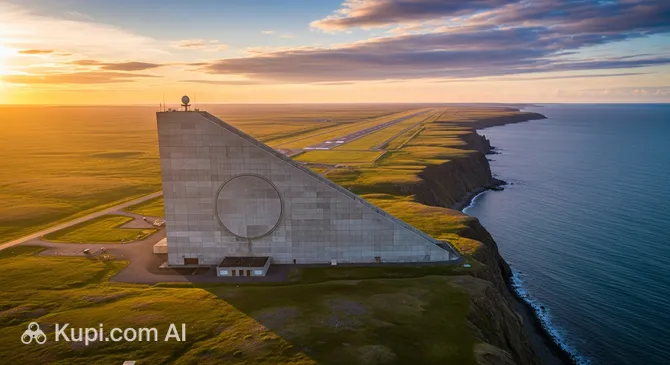
Shemya. Source: Kupi.Binoculars

The island is characterized by its dramatic weather conditions, often shrouded in fog and buffeted by strong winds, which have shaped both its landscape and its legacy. Despite its small size—roughly 2 miles wide and 4 miles long—the island holds a significant place in the history of Shemya, particularly regarding its vital role during World War II and the Cold War era. The presence of the Eareckson Air Station and the massive Cobra Dane radar system highlights its enduring importance as a sentinel in the Pacific.

For those interested in the region's unique features, Shemya offers a glimpse into a rare intersection of military heritage and raw natural beauty. The island is legendary among ornithologists for attracting rare Asian bird species blown off course, making it a dream location for extreme birdwatchers, even if access remains highly restricted. The stark, treeless terrain set against the backdrop of the turbulent Bering Sea creates an atmosphere of isolation and resilience that defines this distant corner of Alaska.

Weather Overview

Shemya experiences a cool, maritime climate defined by its location in the Bering Sea, resulting in a relatively narrow temperature range throughout the year. The island is known for its consistent cloud cover and frequent precipitation, with very few truly dry days. The weather in Shemya remains chilly even during the warmer months, avoiding the extreme heat or deep freezes often found on the mainland.

Winters are cold and damp, with average temperatures in January and February hovering around 0.7°C to 1.0°C and precipitation occurring on up to 25 days a month. The summer season brings milder conditions, with August seeing the highest average temperatures of approximately 10.5°C and a slight reduction in wet days. Expect cool, breezy summers with frequent light rain and cold, persistently damp winters.

Average monthly temperature

Average monthly precipitation

Interesting Facts

Beyond its strategic military importance, Shemya holds a collection of fascinating stories and geographical oddities that set it apart from any other location in Alaska. This remote outpost is defined by its extreme isolation and the unique culture that has developed on "The Rock" over decades of operation.

  • A Geographic Paradox: Although Shemya is politically part of the United States, it is geographically located in the Eastern Hemisphere. The International Date Line deliberately swerves around the island to ensure it remains on the same calendar day as the rest of Alaska, effectively bending time to keep the island connected to the continent.

  • The "End of the World" Motto: The extreme remoteness of the island has inspired a legendary sense of humor among those stationed there. A famous sign erected on the island reads, "It's not the end of the world, but you can see it from here," perfectly capturing the feeling of living on the edge of the map.

  • The Miracle of Flight 583: In 1993, the island became an unexpected sanctuary for China Eastern Airlines Flight 583. After the aircraft suffered an accidental slat deployment over the Pacific Ocean, the massive MD-11 made a harrowing but successful emergency landing on Shemya's runway, where military personnel provided critical aid to the passengers.

  • The All-Seeing Eye: The Cobra Dane radar system, a defining feature of the island's landscape, possesses incredible capabilities. It is said to be powerful enough to detect an object the size of a baseball from thousands of miles away in space, making it one of the most sophisticated sensors on the planet.

How to Get There

Due to its remote location in the western Aleutian Islands and its status as a strategic military outpost, travel to Shemya is heavily restricted and requires specific authorization. The island is not served by standard commercial airlines; instead, it relies on the Eareckson Air Station for all air traffic. For the vast majority of authorized personnel and contractors, the journey begins at Ted Stevens Anchorage International Airport (ANC) on the Alaskan mainland. From Anchorage, specialized government or military charter flights connect to the island, often stopping at other locations in the Aleutian chain such as Adak.

There are no ferries, trains, or roads connecting Shemya to the rest of the United States. The surrounding Bering Sea is notoriously rough, making casual sea travel impractical and uncommon. Because of these unique logistical challenges, planning a trip requires navigating complex regulations. You can find detailed information on the available options and requirements in our guide on how to get to Shemya.

Main Attractions

Because Shemya is a restricted military outpost rather than a commercial destination, its "attractions" are functional landmarks and historical sites rather than typical tourist spots. The most prominent feature on the island is the Cobra Dane Radar (AN/FPS-108). Dominating the landscape from the northwestern tip of the island, this massive phased-array radar system is an engineering marvel visible from miles away. Built in the 1970s, the structure stands over 120 feet tall and is a defining icon of the island, monitoring space activity and serving as a silent sentinel in the North Pacific.

The Eareckson Air Station itself serves as the heart of the island's activity and history. Originally developed during World War II, the airfield features a 10,000-foot runway that has played a critical role in aviation history, serving as a diversion point for trans-Pacific flights in distress. For aviation enthusiasts and history buffs, the airfield represents a lifeline in the middle of the ocean, famous for its challenging weather conditions and its legacy as a strategic refueling stop during the Cold War.

While access is strictly limited, the Shemya Coastline offers a stark, rugged beauty that attracts a different kind of visitor: rare birds. The island is renowned among ornithologists as a prime location for spotting Asian bird species that have been blown off course by strong westerly winds. The rocky shores and surrounding waters of the Bering Sea provide a habitat for seabirds and marine life, creating a natural spectacle of resilience against the backdrop of crashing waves and frequent fog.

Local Cuisine

Given the island's status as a restricted military outpost, the culinary scene in Shemya is entirely unique and unlike any traditional tourist destination. There are no commercial restaurants, street food stalls, or public markets here. Instead, dining is centered around the station's dining facility, often referred to as "The Galley." For the personnel and few authorized visitors on the island, mealtime is a communal event that serves as a vital social hub, offering hearty, calorie-dense comfort foods designed to fuel the body against the harsh, windswept Aleutian weather.

Despite the lack of restaurants, the location in the middle of the nutrient-rich Bering Sea means that seafood is the undisputed king of local cuisine. When recreational fishing is permitted, fresh catches such as Pacific Halibut and Rockfish are prized treats. The surrounding waters are also famous for Alaskan King Crab, and while you won't find a seafood bistro on the island, special occasions at the mess hall may feature these local delicacies, offering a taste of the world-class seafood for which Alaska is renowned.

The beverage culture on Shemya is driven by the need for warmth and energy. Hot coffee is the staple drink of the island, consumed throughout the day to combat the pervasive chill and fog. In terms of social drinking, the island has historically had a small community bar or recreation center where off-duty personnel gather. Here, you might find popular American domestic beers or, on occasion, Alaskan Amber, a nod to the craft brewing culture of the mainland, providing a small comfort of home in this remote corner of the world.

Travel Tips

Preparing for a visit to Shemya requires a mindset different from the typical vacation planner. Because access to this remote outpost in the United States is restricted and logistical support is limited, self-sufficiency and strict adherence to regulations are the keys to a successful stay. Whether you are a contractor, a specialized researcher, or an authorized visitor, these practical tips will help you navigate the unique challenges of life on "The Rock."

  1. Clothing and Gear: The weather in the Aleutians is notoriously unpredictable and harsh. Your wardrobe must focus on function over fashion. Waterproof and windproof outer layers are non-negotiable, as horizontal rain and high winds are common. Bring high-quality thermal underwear, wool socks, and sturdy, waterproof hiking boots with good grip for the slick, rocky terrain. Indoor shoes or slippers are also recommended for use inside living quarters to keep mud and grit out.
  2. Transportation: Forget about ride-hailing apps, taxis, or public buses; they do not exist here. The primary mode of transport for most visitors is walking, so comfortable footwear is essential. For official duties, government vehicles may be assigned, but for getting between the dining facility and your quarters, expect to travel on foot. Always be prepared for the weather during these short treks.
  3. Finances: The local currency is the US Dollar (USD). While there are no commercial banks, there is typically a small exchange or store (BX/PX) on the base that accepts major credit and debit cards. However, it is wise to bring a small amount of cash for incidental needs. Tipping is not a standard practice in the dining facility, as it operates differently from a commercial restaurant.
  4. Health and Safety: Medical facilities on the island are designed for basic care and stabilization. If you have specific medical needs or require prescription medications, bring an ample supply to last your entire trip plus extra for potential travel delays. Safety is largely centered around the weather; be cautious of high winds when opening doors and walking near cliffs.
  5. Communication: The main language is English. Mobile phone coverage can be spotty or non-existent depending on your carrier, given the island's isolation. Wi-Fi is generally available in common areas or living quarters, but bandwidth may be limited compared to the mainland. It is best to download any necessary entertainment or documents before you arrive.
  6. Local Etiquette: Life on Shemya revolves around the tight-knit community of personnel stationed there. A friendly nod or "hello" is the standard greeting. The most important rule of etiquette is to respect the shared living spaces; remove muddy boots at the door and keep noise levels down in sleeping quarters, as people work various shifts around the clock.
  7. What to Avoid: strictly avoid taking photographs of restricted areas, especially the airfield and radar installations, without explicit permission. Violating security protocols is a serious offense. Additionally, do not wander off established paths or into restricted zones, as unexploded ordnance from historical conflicts or active military operations may pose a risk.
  8. Additional Tip: Be mentally prepared for the "Shemya delay." Flights to and from the island are frequently cancelled or postponed due to fog and high winds. Always pack a few days' worth of extra supplies and keep a flexible schedule, as Mother Nature ultimately decides when you leave the island.

Visiting Shemya is an experience defined by resilience and adaptability. By packing the right gear and respecting the rules of this isolated community, you can ensure a safe and memorable time on one of the most ruggedly beautiful islands in the North Pacific.

Entertainment & Nightlife

When discussing nightlife in Shemya, it is essential to adjust your expectations from "bustling city center" to "tight-knit military outpost." As a restricted access site with no civilian population or commercial tourism, the concept of entertainment here is entirely unique. There are no neon-lit nightclubs, rooftop bars, or crowded night markets. Instead, the evening social scene revolves entirely around the off-duty hours of the personnel stationed at Eareckson Air Station. The atmosphere is one of camaraderie and relaxation, where the "nightlife" consists of gathering with colleagues in the communal recreation areas to unwind after a long shift of maintaining the island's critical infrastructure.

The hub of activity is typically the Community Recreation Center (often referred to simply as "The Rec"), which serves as the island's living room, bar, and social hall rolled into one. Here, the vibe is casual and unpretentious; the dress code is strictly functional, often consisting of the same rugged workwear worn during the day. Inside, you might find a pool table, a dartboard, and a few televisions broadcasting sports from the mainland. It is the place where stories are swapped, games are played, and the isolation of the Bering Sea is kept at bay through shared laughter and conversation. The crowd is a mix of contractors, engineers, and military personnel, creating a unique social dynamic defined by shared experience.

Another key venue for social interaction is the Station Dining Facility (The Galley). While primarily a place for sustenance, in the evenings it transforms into a meeting point where the day's events are debriefed over coffee or a late meal. Special occasions or holidays might see the dining staff putting on a themed dinner, which constitutes the closest thing to a "gala event" on the island. For those looking for a different kind of evening activity, the Base Gymnasium offers a chance to burn off energy, often hosting friendly basketball or volleyball matches that serve as the main form of live entertainment.

Practical advice for enjoying your time here is simple: everything is within walking distance, so there is no need to worry about hailing a taxi or navigating public transport. The "best time to go" is whenever your shift ends, as the facilities cater to the station's 24-hour operational cycle. Prices are generally negligible or subsidized for personnel, meaning a night out won't break the bank, though selection is limited to what has been flown in on the latest supply run. Safety is less about avoiding crime—which is virtually non-existent—and more about respecting the environment. Night walks can be perilous due to the sudden, violent winds and lack of street lighting outside the main complex; always carry a flashlight and dress for the freezing gusts.

During the daylight hours (or the gray twilight that often passes for day), entertainment shifts to the outdoors for the adventurous. Hiking along the established paths offers stark, dramatic views of the coastline, where you might spot sea otters or rare Asian birds blown off course. History buffs can explore the remnants of World War II bunkers and the old runways that tell the story of the island's strategic past. However, always remain mindful of restricted zones; venturing near the active airfield or the Cobra Dane radar installation without clearance is strictly prohibited and is the quickest way to end your stay prematurely.

Parks & Museums

In the traditional sense, Shemya does not offer manicured city parks or ticketed museums. Instead, the entire island serves as a rugged, open-air gallery of military history set against a backdrop of raw, untamed wilderness. For the few authorized visitors and personnel stationed here, the "green spaces" are the windswept tundra and the "museums" are the silent remnants of World War II and the Cold War that dot the landscape.

The Bering Sea Coastline acts as the island's primary natural recreation area. Unlike the sandy recreational beaches found elsewhere in the United States, the shores here are rocky, wild, and dramatic. Walking along the coastline offers a powerful connection to nature, with the crashing waves of the Bering Sea providing a constant soundtrack. It is a place for solitude and reflection, where the sheer force of the ocean shapes the land daily. Beachcombing is a popular pastime for those off-duty, as the currents often deposit unique driftwood and maritime artifacts onto the dark stones.

Inland, the Shemya Tundra offers a different kind of natural beauty. Devoid of trees due to the fierce winds, the island is covered in a thick carpet of grasses, mosses, and lichens. During the short summer season, this landscape transforms with a bloom of Aleutian wildflowers, adding splashes of yellow and purple to the endless green. This area is also a haven for birdwatchers, as the untouched vegetation provides shelter for rare Asian migrants and nesting seabirds, making a walk through the tundra a world-class nature experience for ornithology enthusiasts.

While there is no formal building labeled "Shemya Museum," the WWII Revetments and Bunkers effectively function as an immersive historical site. Scattered across the island, these moss-covered concrete structures and old aircraft revetments tell the story of the island's strategic importance during the Aleutian Campaign. Exploring these ruins allows visitors to walk through history, observing the engineering resilience required to build and maintain defenses in such a harsh environment. They stand as silent monuments to the soldiers who served on "The Rock" decades ago.

The Eareckson Air Station Terminal and common areas often house informal displays of the island's heritage. Corridors and gathering spots frequently feature photographs, plaques, and memorabilia left behind by various units over the last half-century. These collections serve as a living archive of the base's culture, documenting everything from the dramatic emergency landing of Flight 583 to the daily life of personnel during the height of the Cold War. It is an intimate look at the human side of this remote military outpost.

For a truly unique experience, keep an eye out for glass fishing floats while hiking near the shore. Although increasingly rare, finding one of these vintage glass balls, which have drifted across the Pacific from Asia over decades, is considered the ultimate prize on Shemya. It connects the finder to the vastness of the ocean and the maritime history of the Pacific Rim.

Getting Around

Navigating Shemya is an experience vastly different from exploring a typical tourist destination or bustling metropolis. As a remote military outpost with restricted access, the city does not possess a public transport system in the traditional sense. There are no metros, trams, trolleybuses, or public bus networks operating on the island. The infrastructure is strictly functional, designed to support the operations of the Eareckson Air Station rather than the movement of the general public.

Because there is no commercial public transportation, there is no need to worry about purchasing travel passes, navigating fare zones, or downloading ticketing apps. The concept of a "ticket" for local travel does not exist here. Transportation logistics are handled entirely through military or government channels, and for the authorized personnel and visitors on the island, movement is either coordinated as part of official duties or undertaken on foot.

The primary mode of getting around Shemya is walking. Given the island's small size—approximately 2 miles by 4 miles—most facilities, including living quarters, the dining galley, and recreation centers, are within a manageable distance of one another. However, "manageable" comes with a caveat: the weather. Tourists and visitors should be prepared for the elements, as walking often involves battling strong winds and horizontal rain. High-quality, waterproof hiking boots are not just recommended; they are essential equipment for daily commuting across the base.

For those expecting alternatives like taxis, ride-sharing apps, or car rentals, it is important to note that these services are completely absent. You cannot hail a cab or book a car on your phone. Vehicles on the island are government property used strictly for operational purposes, such as transporting equipment or personnel to specific work sites like the radar installations. Occasionally, bicycles may be available for personnel to use during milder weather, but the harsh winds often make two-wheeled travel impractical.

While there are no historic cable cars or scenic train routes, the island's unique "transport feature" is its massive 10,000-foot runway, which dominates the landscape. It serves as the lifeline for everything and everyone arriving or departing. Ultimately, the transport system here is defined by simplicity and self-reliance: bring comfortable shoes, dress for the cold, and be prepared to walk to your destination.

Accommodation

Accommodation in Shemya is fundamentally different from any standard tourist destination in the United States. Due to the island's status as a restricted military outpost and the absence of a civilian population, there is no commercial lodging sector. You will not find budget hostels, luxury resorts, quaint bed-and-breakfasts, or vacation rentals here. Instead, accommodation is strictly functional and government-managed, designed solely to house the military personnel, contractors, and authorized researchers who work on the island.

For those authorized to visit, housing is provided in the form of dormitories or barracks-style living quarters located within the main station complex. These facilities are utilitarian, built to withstand the harsh Aleutian weather rather than to provide luxury. Rooms are typically assigned based on rank or employment status and may range from private quarters with shared bathrooms to shared rooms. The "neighborhoods" here are simply the different housing blocks clustered near the dining facility and work centers, ensuring that personnel can move between rest and duty with minimal exposure to the elements.

Since there are no commercial hotels, the concept of "booking" a room does not apply in the traditional sense. You cannot reserve a stay through online travel agencies or direct hotel websites. Instead, lodging is arranged as part of your official travel orders or employment contract. The Housing Office at Eareckson Air Station manages all room assignments, and your accommodations are typically confirmed when your entry authorization to the island is approved. It is crucial to ensure that your sponsorship paperwork is complete before arrival to guarantee a bed.

Regarding costs, there is no market-driven price range. For military members and most government contractors, housing is provided as part of the assignment. In rare cases where a fee might apply for non-standard visitors, it is a set administrative rate rather than a fluctuating commercial price. Travelers should expect clean, warm, and secure shelter that prioritizes practicality, offering a safe haven from the fierce winds of the Bering Sea.

Nearby Cities

For those looking to explore the surroundings, Shemya serves as a starting point for discovering the wider Aleutian region and coastal Alaska, although the distances in this vast area mean that "nearby" is a relative term. The following locations offer a glimpse into the unique life and landscapes of this remote part of the world:

City Population Distance (km)
Dutch Harbor 4300 1292
Hooper Bay 1300 1537
Chevak 1000 1561
King Cove 1000 1564
Savoonga 733 1512

Dutch Harbor is perhaps the most famous destination in the Aleutian chain, widely recognized as one of the top fishing ports in the nation. Located in the city of Unalaska, it offers visitors a chance to explore rich World War II history at the Museum of the Aleutians and see the bunkers on Mount Ballyhoo. It is a bustling hub compared to the isolation of Shemya, known for its dramatic scenery and as the home base for the fleet featured in the "Deadliest Catch" television series.

King Cove offers a quieter, more nature-focused experience. Nestled between volcanic mountains and the sea, it provides access to the Izembek National Wildlife Refuge, a critical habitat for migratory waterfowl. Visitors here can experience authentic coastal Alaskan life, with opportunities for hiking, viewing marine wildlife, and witnessing the raw beauty of the Alaska Peninsula.

Savoonga, located on St. Lawrence Island, is known as the "Walrus Capital of the World." This unique village offers a deep dive into Siberian Yupik culture and subsistence traditions. It is one of the few places where visitors can see the intersection of ancient heritage and modern Arctic living, set against a backdrop of stark, tundra landscapes and the Bering Sea.

These destinations, while requiring significant travel from Shemya, highlight the diverse culture, history, and ecological wonders that define this expansive region of Alaska.

Shopping & Souvenirs

General Overview: Visitors to Shemya must adjust their expectations regarding retail therapy. As a restricted military outpost with no civilian population, the city does not offer a commercial shopping scene. There are no high streets, boutiques, or souvenir shops designed for tourists. Shopping here is purely functional, intended to supply the personnel stationed on the island with daily necessities, toiletries, and snacks. The experience is utilitarian, centered on supporting life on "The Rock" rather than leisure or luxury.

Main Shopping Areas: The only retail establishment on the island is the Base Exchange (BX), located within the main station complex. This small store serves as the general store, pharmacy, and clothing outlet all rolled into one. It is the sole location where you can purchase goods, ranging from energy drinks and hygiene products to cold-weather gear and electronics. There are no shopping districts or promenades; the "shopping area" is simply a single aisle or two within a larger multi-purpose building.

Shopping Malls: There are no shopping malls in Shemya. The infrastructure is dedicated entirely to military and government operations, leaving no space or demand for department stores or commercial centers. For those needing extensive supplies or specific brands, everything must be brought from the mainland or shipped in via mail prior to arrival.

Markets: The island does not host any public markets, flea markets, or food bazaars. The harsh weather conditions and strict security regulations make outdoor market culture impossible. Fresh produce and food items are supplied strictly through the dining facility and the small selection at the Base Exchange, meaning you will not find local farmers selling goods or artisans displaying crafts.

Souvenirs: Despite the lack of tourist shops, you can still find unique mementos at the Base Exchange to commemorate your time on this remote island. The most coveted items are branded merchandise featuring the "Shemya" or "The Rock" logos, as well as apparel highlighting the iconic Cobra Dane radar system. T-shirts, hoodies, and coffee mugs bearing the unit insignias or the famous "It's not the end of the world, but you can see it from here" slogan are popular choices among visitors and personnel.

Opening Hours and Payment: The Base Exchange typically operates on a limited schedule designed to accommodate the shifts of the station personnel. Hours may be restricted to specific times in the morning and evening, or weekends, so it is advisable to check the posted schedule upon arrival. The accepted currency is the US Dollar (USD). Credit and debit cards are widely accepted and are the preferred method of payment, though keeping a small amount of cash is always a good backup in case of system outages.

Tax-Free: One of the perks of shopping on a military installation is that goods sold at the Base Exchange are generally free from sales tax. Additionally, the state of Alaska does not levy a state sales tax, making purchases here relatively economical compared to other regions, although the selection is significantly limited.
Reached the end of the page?

That means the route is fully explored