St Paul Island offers a truly unique travel experience for those seeking remote wilderness and unparalleled wildlife encounters. Located in the Bering Sea, far off the mainland coast of Alaska, this small island is often referred to as the "Galapagos of the North." It is a place where nature reigns supreme, offering visitors a chance to disconnect from the modern world and immerse themselves in a rugged, windswept landscape defined by volcanic hills and lush tundra.
As a part of the United States, St Paul is the largest of the Pribilof Islands group. Despite its isolation, it is home to a tight-knit community of approximately 400 residents, primarily of Aleut descent, who welcome visitors with warm hospitality. The climate here is distinctly maritime, often characterized by cool temperatures and mist, creating a mysterious and atmospheric backdrop for exploration.
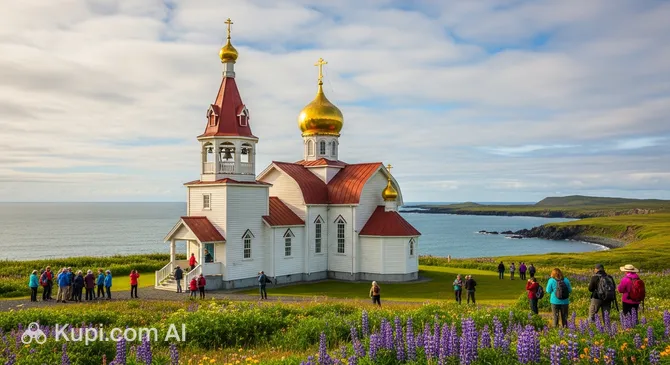
The island has a deep cultural heritage that is inextricably linked to the ocean. Exploring the history of St Paul Island reveals a fascinating narrative, from its indigenous roots to its pivotal role in the fur trade era. The historic Saints Peter and Paul Russian Orthodox Church, with its striking architecture, stands as a beautiful landmark and a testament to the island's storied past.
For nature enthusiasts, the island is nothing short of a paradise. It is globally renowned for its massive seabird colonies, attracting birdwatchers who come to spot horned puffins, red-legged kittiwakes, and rare migratory species nesting on the dramatic cliffs. Additionally, St Paul serves as a critical breeding ground for more than half of the world's population of northern fur seals. Observing these marine mammals in their natural habitat is a spectacular sight and a highlight of any trip.
Whether you are an avid birder, a photographer, or an adventurer looking for a destination well off the beaten path, St Paul Island promises a memorable journey. The combination of raw natural beauty and rich local culture makes it a destination worth discovering.