Support

Wichita (MCconnell AFB)

About the Airport

McConnell Air Force Base
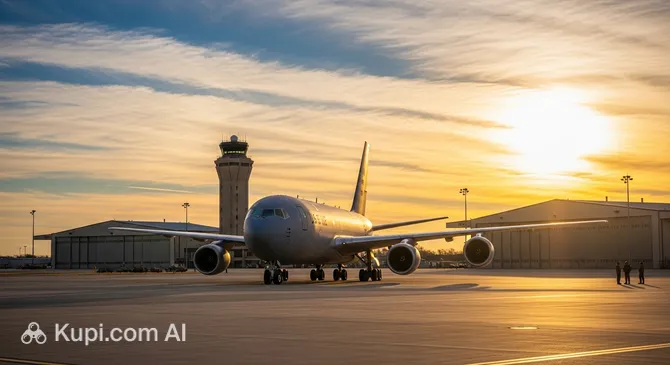
McConnell Air Force Base. Source: Kupi.com AI

McConnell Air Force Base is not the typical civilian airport with bustling terminals that tourists are accustomed to; rather, it is a vital strategic facility in the United States defense system. Located in the heart of the "Air Capital of the World," this airfield serves as the home for giant aerial refueling tankers and plays a key role in global logistics. Although it is impossible to arrive here on a regular commercial flight, the base is an integral part of Kansas aviation history and sits adjacent to a magnificent aviation museum housed in the old terminal building.

IATA Code IAB
ICAO Code KIAB
City Wichita
Distance to Center ~10 km
Status Military Airbase
Annual Passengers Military personnel only
Schedule Online board

Airport Features and Status

McConnell AFB is a restricted military facility, so it does not service commercial passenger flights. Its primary mission is to support air refueling operations, hosting squadrons flying the KC-135 Stratotanker and the newest KC-46 Pegasus. For regular travelers, this site is primarily of interest due to its proximity to the Kansas Aviation Museum.

It is important to remember that only military service members and their families can plan flights here under special programs (Space-A). For all other tourists heading to Wichita, the main point of arrival is the civilian Dwight D. Eisenhower National Airport, located in another part of the city.

Contact Information

  • Official Airport Website: www.mcconnell.af.mil
  • Base Operator Service: +1 (316) 759-6100
  • Airport Address (Visitor Center): 52802 Kansas St, McConnell AFB, KS 67221, USA
  • Email: 22.pa@us.af.mil (Public Affairs)
  • Airport Social Media: Facebook
  • Lost Luggage Information: +1 (316) 759-4810 (Strictly for Space-A military flight passengers)
  • Passenger Support Contacts: +1 (316) 759-5404 (Passenger Terminal / Space-A)

How to Get to the Airport

Since McConnell Air Force Base is an active military facility with restricted access, the logistics of arriving here have their own specificities. Most visitors, whether relatives of service members or aviation enthusiasts heading to the museum, arrive in the city via the main civilian aviation hub — Wichita Dwight D. Eisenhower National Airport. From there, one must travel to the base by ground transport.

Car and Rental
A personal or rented car is the most convenient way to get around Kansas. Counters for all major rental agencies are available at the civilian airport terminal. The drive from the city center or the airport to the base gates (McConnell AFB Main Gate) takes about 15–20 minutes depending on traffic. The main route usually runs via US-54 (Kellogg Avenue) turning south onto Rock Road. Navigation systems will accurately lead you to the main entrance if you set the destination as "McConnell AFB Visitor Center."

Taxi and Transfer
Taxi services are active in Wichita, as are popular apps like Uber and Lyft. This is the optimal option for those who do not plan to rent a car. The cost of a trip from the city center to the base gate is usually 20–30 USD, and from the civilian airport, it is about 25–35 USD. It is important to remember: taxi drivers without a special pass cannot drive onto the base territory, so passengers are dropped off at the Visitor Control Center in front of the checkpoint.

Public Transport
The public transport system in the city is less developed compared to major metropolises. There is no metro or commuter train service here. The only budget option is Wichita Transit buses. Route #22 (Rock Road) passes near the eastern boundary of the base, but stops may be located at a significant distance from the gate, making this method inconvenient, especially with luggage. The bus fare is nominal (about $1.75), but the schedule should be checked in advance as trips may be infrequent.

Parking
A spacious and free parking lot is equipped at the Visitor Control Center located at the main gates. Civilians leave their cars here to process their passes. If you already have permission to enter (for example, you are traveling with an escorting officer), parking within the residential zone of the base and at main infrastructure facilities (shops, dormitories) is also generally free and accessible.

Alternative Airports
If tickets directly to Wichita are too expensive, travelers sometimes choose to fly to neighboring cities followed by a car journey. The nearest option is Salina Regional Airport, located 133 km away (approximately 1.5 hours drive). You can also consider Manhattan Regional Airport (175 km) or the larger Tulsa International Airport in the neighboring state of Oklahoma, the drive from which will take about 2–2.5 hours. The most distant of the nearby regional hubs is Hays Regional Airport (222 km).

Terminals and Map

Since McConnell Air Force Base (IAB) is an active military facility, its terminal structure differs radically from what tourists are used to seeing in civilian airports. There are no huge duty-free halls or confusing transitions between gates. The infrastructure is maximally functional and tailored to perform specific logistical tasks.

Structure: One Terminal for Passengers

A single Passenger Terminal operates on the base territory, servicing Air Mobility Command (AMC) flights. It is a small single-story building designed exclusively for military personnel, their families, and individuals eligible for Space-A flights (subject to seat availability). The terminal combines departure and arrival zones.

Features of the passenger terminal:

  • Check-in Zone: A small hall with counters for document processing and eligibility verification.
  • Waiting Hall: A modest room with chairs, televisions, and vending machines (snacks, drinks).
  • Baggage Claim: A simplified zone where luggage is often unloaded manually or onto a single belt.
  • Wi-Fi and Communication: Limited internet access is usually available, but do not rely on high speeds.

Historic Terminal (Museum)

For regular tourists, the "terminal" in this location is most often the building of the old Wichita Municipal Airport. This magnificent Art Deco architectural monument is located directly at the base boundary but is a civilian facility. It currently houses the Kansas Aviation Museum. Tourists can visit it without passing through military control and admire the historic interiors that once welcomed commercial airline passengers.

Movement Scheme and Navigation

Navigation inside the military terminal is extremely simple — it is impossible to get lost here, as the passenger route is strictly controlled. Free movement on the airfield or the base territory around the terminal is strictly prohibited.

Check-in and Security Procedures

The check-in process here has its own specifics and requires strict adherence to time frames:

  • Arrival Time: Passengers are recommended to arrive at the terminal at least 2–3 hours before the scheduled departure.
  • Roll Call: This is a key stage for Space-A passengers. At the appointed time, a roll call of those present is conducted, and seats are allocated according to priority. Absence at the moment of roll call means losing your seat.
  • Security Screening: Conducted by military police or security personnel. The procedure is similar to civilian ones (scanning belongings, metal detectors) but may include a more thorough check of documents and grounds for the flight.
  • Boarding: There are no jet bridges here. Passengers are usually taken to the aircraft by bus or escorted on foot to the aircraft stairs.

Navigation Recommendations

If you are heading to the Passenger Terminal (for authorized persons), be sure to verify its exact location at the Main Gate in advance, as traffic patterns on military bases often change. Use a vehicle, as pedestrian walkways between base facilities may not be provided or may be too long. To visit the museum (old terminal), follow the "Kansas Aviation Museum" signs on city roads — entry there is open and does not require a base pass.

Airport History

The history of this place is a fascinating journey from a civilian air harbor of the "Golden Age of Aviation" to one of the most important military facilities in the USA. What is known today as McConnell Air Force Base began as an ambitious project designed to secure Wichita's status as the "Air Capital of the World."

The Era of Civil Aviation and Foundation

It all started in 1929, when city authorities decided to build a new municipal airport. Construction lasted several years, and the official opening took place in 1935. At that time, it was one of the most modern airports in the country. The jewel of the complex was the Art Deco passenger terminal, which today houses the Kansas Aviation Museum. In those years, the airport received commercial flights and was a center of attraction for famous aviators, including Charles Lindbergh and Amelia Earhart.

Transition to Military Control

World War II radically changed the fate of the airfield. Proximity to the Boeing plant, where the legendary B-29 Superfortress bombers were produced, made the airport a strategically important point. In 1951, against the backdrop of rising global tension and the beginning of the Cold War, the US Air Force officially acquired this facility to create a training center for B-47 Stratojet jet bomber crews.

It was then that the base received its current name in honor of two brothers from Wichita — Thomas and Fred McConnell, World War II pilots who heroically died in the line of duty. In 1954, civilian flights were completely transferred to the new airport (now named after Eisenhower), and McConnell became an exclusively military facility.

The Era of Strategic Command and Missiles

In the 1960s, the base became home not only to aircraft but also to missile complexes. It hosted the 381st Strategic Missile Wing, which managed 18 silos with Titan II intercontinental ballistic missiles located around Wichita. This was a period of maximum infrastructure expansion and heightened security measures. The missile program was phased out only by the mid-1980s, after which the focus shifted entirely back to aviation.

Trial by Elements

One of the most dramatic pages in the base's history was April 26, 1991. A powerful tornado that struck the city of Andover and the surrounding area passed directly through the territory of McConnell AFB. The elements destroyed residential buildings, the hospital, and several hangars, but fortunately, the strategically important aircraft were not damaged. Following this event, a large-scale reconstruction and modernization of housing and service facilities took place on the base.

Modernity and New Horizons

In the 21st century, McConnell Air Force Base has cemented its status as a "supertanker" base. In the 2010s, massive infrastructure preparations began to receive the newest KC-46 Pegasus aerial refueling tankers. New maintenance hangars were built and runways were updated, allowing the base to remain at the cutting edge of technological progress.

Interesting Facts:

  • In the 1940s, the airport was one of the busiest takeoff sites in the USA, from where thousands of brand-new B-29s departed for the front.
  • Initially, the base was called Wichita Air Force Base, and only a few years later was it assigned the name of the McConnell brothers at the request of the city's public.
  • Supersonic B-1B Lancer bombers were based on the territory for a long time before being transferred to other states, leaving McConnell entirely dedicated to refueling needs.
  • The old airport terminal (now the museum) is considered one of the best examples of "PWA Moderne" architecture (Public Works Administration style from the Great Depression era) in the Midwest.

Services and Amenities

The infrastructure and range of services at McConnell Air Force Base differ significantly from what travelers are accustomed to seeing in civilian airports. There are no luxurious duty-free shops or spas here. The entire ecosystem of the base is built around meeting the needs of military personnel and their families, so the service here is strictly functional, reliable, and accessible exclusively with a military ID card.

Dining and Shopping

The center of commercial life on the base is the Base Exchange (BX) — a large shopping complex resembling a department store. Here, passengers and personnel can purchase electronics, clothing, Air Force branded souvenirs, and essential items. The food court area features popular American fast-food chains (for example, Taco Bell, Subway, or Burger King), where one can have a snack before a flight. A grocery supermarket, the Commissary, also operates on the premises, though access is strictly regulated.

In the Passenger Terminal itself, food selection is limited to vending machines with drinks and snacks. For a full meal, it is better to visit the main zones of the base before checking in.

Finance and Connectivity

Branches of military credit unions and banks (such as Armed Forces Bank) operate on the base. ATMs are located at key points: in the Exchange store, in residential zones, and sometimes in the passenger terminal area. This allows for the withdrawal of US dollars without issues.

Wi-Fi and Internet: Paid wireless internet is usually available in the passenger terminal and dormitories (often provided by Boingo), and there may also be zones with free limited access. Charging stations for gadgets consist of standard American power outlets (110V) located in waiting areas; specialized stands with USB ports may be scarce.

Accommodation: Hotels and Lodging

For passengers awaiting departure (especially Space-A, where schedules can change), the question of lodging is extremely important:

  • On Base (McConnell Inn): The official Air Force hotel (Air Force Inns). It offers comfortable rooms at affordable prices for service members. It is recommended to book places in advance, as priority is given to those arriving on official duty (PCS/TDY).
  • Off Base: Along Rock Road, immediately outside the base gates, there are many civilian hotels from well-known chains (Hampton Inn, Fairfield Inn, etc.), which often offer discounts for the military.

Medical Services and Accessibility

The Medical Clinic (22nd Medical Group) is located on the base, providing assistance to attached personnel. In emergencies, one should call 911. Pharmacy points are located in the clinic building and the shopping zone. The base infrastructure, including the terminal and shops, complies with US federal standards, so all buildings are equipped with ramps and special restrooms for people with disabilities.

Services for Children and Leisure

For passengers with children, playgrounds are provided in the residential zones of the base. The Community Center often has an area for family recreation. There are typically no dedicated children's rooms in the terminal itself, but the atmosphere is calm. A bowling center and cinema also operate on the base, where one can pass the time during long waits for a flight.

Business Services

There are no specialized business lounges or conference halls in the passenger terminal. However, the base operates a Library and an Education Center where one can use computers, printers, and scanners to work with documents in a quiet environment.
Where to Eat

Dining on the territory of McConnell Air Force Base (IAB) has unique features dictated by the facility's military status. Unlike major civilian airports with gastronomic boulevards, the choice of establishments here is strictly functional and designed primarily to support base personnel. For passengers flying Space-A, it is extremely important to plan meals in advance, as options are severely limited directly in the departure zone.

Passenger Terminal: Departure Zone

If you have already passed check-in and security screening, finding yourself airside or in the Passenger Terminal waiting hall, the choice of food will be minimal. There are no full-service cafes or restaurants here. Infrastructure is limited to:

  • Vending Machines: Offer a standard set of snacks (chips, chocolate bars, nuts), bottled water, and carbonated drinks.
  • Coffee Point: A machine with hot coffee or tea is often available in the waiting hall.

Recommendation: It is strongly recommended to eat a substantial meal before arriving at the terminal, especially if a long flight on a military transport aircraft lies ahead, where meals may be MREs (dry rations) or absent altogether.

Main Base Area (Landside): Food Court and Cafes

Before passing control, passengers can use the base infrastructure available to all ID card holders. Main dining points are concentrated around the Base Exchange (BX) shopping center.

Food Court at Base Exchange (BX)
This is the main place for a quick lunch. Popular American chain brands are represented here. The assortment is typical for fast food:

  • Burger King: Classic burgers, fries, and breakfast items.
  • Taco Bell: Mexican-inspired cuisine (tacos, burritos, quesadillas).
  • Charleys Philly Steaks: Hot meat and cheese sandwiches, popular among the military.
  • Subway: The optimal choice for those looking for fresher ingredients and made-to-order sandwiches.

Tornado Alley Bowling Center
A grill (often called Strike Zone or similar) operates within the base bowling center. This is a great place for a more relaxed lunch.
What to try: They prepare typical American "comfort food" — juicy cheeseburgers, pizza, chicken wings, and fried snacks. Prices here are reasonable, and portions are generous.

Chisholm Trail Inn (DFAC Dining Facility)
Although this establishment is primarily intended for feeding service members with meal cards, it is often open to all categories of personnel and family members for cash payment. This is a full-service healthy dining option, buffet-style, with salads, hot dishes, desserts, and drinks. The menu changes daily.

Dietary Preferences and Specifics

  • Vegetarians and Vegans: The best choice is Subway (sandwiches with vegetables) or Taco Bell (dishes can be ordered with beans instead of meat). The Chisholm Trail Inn dining facility always has a salad bar and side dishes.
  • Halal and Kosher Food: Specialized certifications are usually not found at the food court. Passengers strictly observing these diets are advised to bring food with them or choose vegetarian/seafood options.
  • Gluten-Free Food: Selection is limited. One can assemble a salad without croutons in the dining facility or order a "bowl" (dish without bread) at chain cafes, but the risk of cross-contamination exists.

Prices and Opening Hours

One of the advantages of dining on the base is the absence of sales tax (at most points) and generally lower prices compared to the city.

  • Average Check: A light snack will cost 5–8 USD, a full lunch — 10–15 USD.
  • Opening Hours: Establishments on the base do not work around the clock. The BX food court usually opens around 10:30 and closes at 18:00–19:00. On weekends, hours may be reduced. Vending machines in the terminal are available 24/7.

Off-Base Dining

Since the base is located within the Wichita city limits, immediately outside the main gates along Rock Road, there is a huge selection of civilian restaurants. If you have time before your flight (2–3 hours) and a vehicle, this is the best option for food lovers.

You can find everything there: from steak houses (e.g., Texas Roadhouse) to Asian cuisine and Starbucks coffee shops. This is an area where you can try famous Kansas barbecue before departure.

Travel Tips

Traveling through a military airbase like McConnell (IAB) is a unique experience that differs radically from flying with civilian airlines. There is no customary business-class comfort or predictable schedule here, but there is an opportunity to touch the rugged everyday life of military aviation. To ensure your flight goes smoothly, it is important to know the specific rules of the game.

Arrival Time and "Roll Call"

The main rule of military passenger transport (Space-A) is discipline. It is recommended to arrive at the terminal no later than 2–3 hours before departure. The key moment is Roll Call. At this time, terminal staff call out the names of passengers selected for the flight. If you do not respond the moment your name is called, your seat will immediately be given to the next person on the list, even if you are standing in line for coffee at a nearby machine.

Check-in and Security

Screening procedures here are stricter than in civilian airports. Be prepared for the following:

  • Documents: Have your military ID card, Leave orders, and passports for all family members ready. Verification of flight eligibility is the longest stage.
  • Dress Code: Clothing requirements apply on military flights. Open-toed shoes (sandals, flip-flops, shoes with open toes) are strictly prohibited for safety reasons. It is recommended to wear comfortable closed shoes and modest clothing (without provocative slogans).
  • Photography: Strictly watch where you take out your phone. Photographing on the flight line is prohibited. Taking a selfie with a tanker aircraft is only allowed with direct permission from the escorting crew.

Seat Selection and Onboard Comfort

Forget about choosing a window or aisle seat during online check-in. On board military transport aircraft (KC-135, KC-46), seating is often done on a "first come, first served" basis or as directed by the Loadmaster.
Important Tips:

  • Conditions: Seats may consist of canvas benches along the sides (jump seats) or regular seats installed on cargo pallets.
  • Temperature and Noise: Military aircraft are often very cold and extremely noisy. Be sure to bring a warm jacket, a hat, and, crucially, earplugs or noise-canceling headphones. Without hearing protection, the flight will become an ordeal.

Hand Luggage: What is Allowed and Prohibited

Rules for carrying liquids (3-1-1) here are similar to TSA standards, but there are nuances:

  • Luggage: Usually, two pieces of luggage weighing up to 32 kg (70 lbs) each are allowed, which is more generous than civilian norms. However, hand luggage must be compact to fit under the seat or in limited cargo hold space.
  • Prohibitions: Any weapons, even souvenirs, knives, and flammable items are strictly prohibited in hand luggage. If you are carrying specific military gear, notify the check-in counter in advance.

Connections and Transfers

McConnell Base is not a transit hub. If your route involves a transfer to a civilian flight, remember: you will have to get to Eisenhower Airport on your own. Allow at least 4–5 hours for the connection, as disembarking from a military aircraft, retrieving luggage, and transferring across the city (by taxi or rental car) will take a lot of time. Military flights are often delayed, so a tight connection is a huge risk.

Customs Control

If you arrive in Wichita from abroad (for example, from Ramstein Base in Germany), customs control will take place right on the spot. Be honest in your declaration. The importation of food products (fruits, meat) is strictly regulated by the US Department of Agriculture. Fines for a "forgotten" apple in a backpack can be significant.

How to Save Time and Money

  • Bring Food: Since there are no full cafes in the terminal and vending machine prices are marked up, bring sandwiches and an empty water bottle (fill it after screening). On board, meals (box lunches) are not always provided and often cost extra cash.
  • Parking: Leave your car in the long-term base parking lot — it is free and secure, unlike expensive civilian airport parking.
  • Currency: Carry small denominations of US dollars. They will come in handy for buying food in flight (if available) or tipping the shuttle driver.

What to Do in Case of Flight Delay

In the world of military aviation, "mission comes first." Your flight may be delayed for a day due to a breakdown or canceled altogether due to changing operational tasks.
Plan B: Always have a financial reserve to buy a ticket for a commercial flight from Wichita civilian airport in case the military flight is canceled. Download movies and books that work without the internet to your tablet or phone, as Wi-Fi in the terminal may be overloaded, and the wait can drag on for hours.

Reached the end of the page?

That means the route is fully explored