Support

Buon Ma Thuot

About

Buon Ma Thuot is the vibrant capital of Đắk Lắk Province and serves as the bustling heart of the Central Highlands. Often hailed as the "Coffee Capital," this city offers a distinct atmosphere that sets it apart from the coastal destinations of Vietnam. With a population of approximately 340,000 people, it combines the energy of a developing urban center with the laid-back charm characteristic of the highland region.

Situated on a basalt plateau at an altitude of over 500 meters, the city enjoys a cooler and more temperate climate than the surrounding lowlands. The landscape is dominated by lush coffee plantations, rolling hills, and rich red soil, creating a scenic backdrop for travelers. Exploring the history of Buon Ma Thuot reveals a fascinating blend of colonial heritage and the enduring traditions of indigenous ethnic groups, particularly the Ede people.
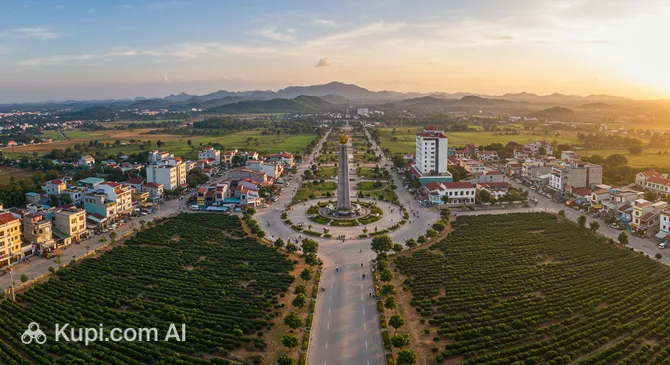
Buon Ma Thuot. Source: Kupi.Binoculars

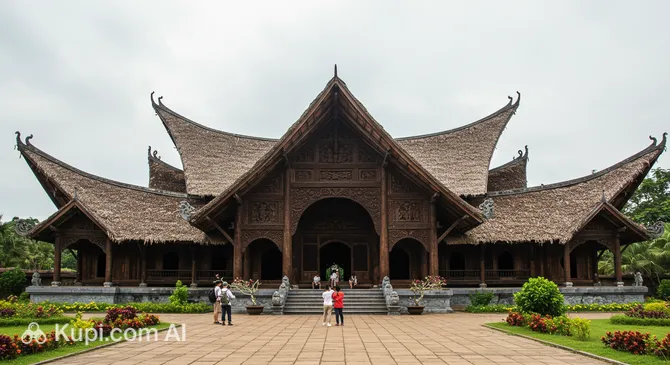
The city is a gateway to some of the country's most impressive natural wonders, including the majestic Dray Nur and Dray Sap waterfalls. Inside the city, visitors should not miss the World Coffee Museum, which celebrates the region's most famous export, or the cultural village of Ako Dhong, where traditional longhouses stand as a testament to local craftsmanship.

Whether you are a coffee connoisseur eager to taste the finest local brews right at the source or an adventurer looking to explore the wild beauty of the highlands, Buon Ma Thuot promises an authentic and unforgettable experience off the beaten path.
Weather Overview

Buon Ma Thuot enjoys a tropical highland climate characterized by two distinct seasons: a dry period and a rainy period. The months from November to April are generally dry and sunny, with January and February seeing almost no rainfall. This time of year is often favored by travelers for its clear skies and comfortable atmosphere, perfect for exploring the outdoors.

Temperatures typically peak in April, with averages around 28.6°C and highs reaching up to 33.8°C, just before the wet season begins. From May through October, the region experiences frequent rainfall, with July seeing precipitation on as many as 28 days. To help you decide on the best time for your visit, you can consult the detailed guide to the weather in Buon Ma Thuot.

Expect generally warm temperatures year-round, ranging from average lows of 19°C in the cooler months to highs over 30°C in the hot season. While the wet season brings daily showers that nourish the surrounding coffee plantations, the dry season offers consistent sunshine and milder heat.

Interesting Facts

Beyond the famous coffee plantations, Buon Ma Thuot holds fascinating secrets rooted in its indigenous culture and geological history. From ancient legends to unique architectural treasures, the city offers stories that surprise many visitors.

  • The city's name literally translates to "The Village of Father Thuot" in the Ede language. It is named after Ama Thuot, a powerful and respected chieftain of the Ede people who established the first major settlement in the area, cementing the city's deep indigenous roots.

  • The region's incredible fertility is due to its geological past; the entire city sits on a massive plateau of red basalt soil formed by volcanic eruptions millions of years ago. This nutrient-rich earth is the primary reason the province produces some of the best robusta coffee in the world.

  • While the city is Vietnamese, the World Coffee Museum located here houses a surprising international treasure. It contains over 10,000 artifacts from the Jens Burg collection, which was brought to Vietnam all the way from a museum in Hamburg, Germany, to preserve the global history of coffee.

  • The Buon Ma Thuot Victory Monument in the city center is more than just a landmark; it features a tank model commemorating the events of March 1975. This site marks the location of a decisive battle that is considered the opening act of the campaign leading to the country's reunification.

World Coffee Museum. Source: Kupi.Binoculars

How to Get There

Reaching the heart of the Central Highlands is easier than it might seem, thanks to its well-connected domestic airport and road networks. While the journey takes you away from the coast, the scenic approach is part of the adventure. For a comprehensive look at all travel options, including bus schedules and driving routes, you can read more about how to get to Buon Ma Thuot.

The most convenient way to arrive is by flying directly into Phung-Duc Airport (BMV), which serves the city of Buon Ma Thuot. Located just 8.9 km from the city center, it is a regional hub that handles a moderate volume of travelers. A taxi or shuttle from the terminal to the downtown area typically takes about 35 minutes. This airport connects the province with major Vietnamese cities like Ho Chi Minh City, Hanoi, and Da Nang.

For those planning a broader itinerary across the region, you might consider landing at Lien Khuong Airport (DLI) in the city of Da Lat. Although it is situated approximately 107 km away, Da Lat is a popular neighboring destination. The transfer from Da Lat to Buon Ma Thuot by road takes around 3 hours. Another significant option is Cam Ranh International Airport (CXR) in Nha Trang, located about 148 km away. As a large international gateway, it offers more flight connections, though the subsequent transfer to Buon Ma Thuot will take approximately 4 hours by car or bus.

For clarity, here is a summary of the main airports serving the region:

Airport Name City Passenger Traffic Km from City
Cam Ranh International Airport Nha Trang High 148.2
Lien Khuong Airport Da Lat Medium 107.3
Phung-Duc Airport Buon Ma Thuot Medium 8.9
Tuy Hoa Airport Tuy Hoa Low 147.2
Pleiku Airport Pleiku Low 146.5

It is important to note that Buon Ma Thuot does not have a railway station, as the difficult terrain of the Central Highlands is not connected to Vietnam's national rail network. Travelers who prefer ground transport typically rely on the extensive system of sleeper buses that link the city with coastal areas and major metropolitan centers.

Main Attractions

Buon Ma Thuot offers a compelling mix of cultural heritage, historical depth, and architectural beauty. While the city is famous for its coffee culture, its attractions extend far beyond the plantations, providing visitors with insights into the region's ethnic diversity and storied past. Here are some of the key places to explore within the city.

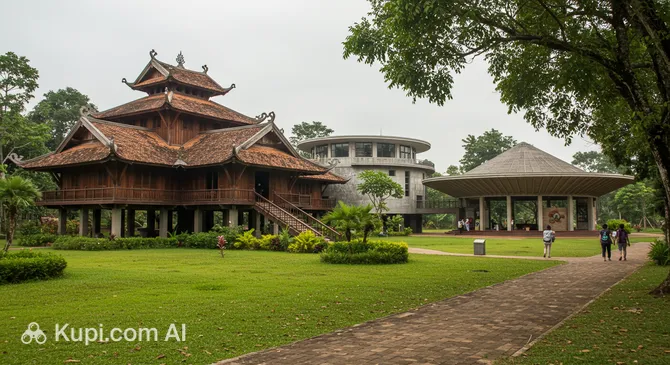
A visit to the Dak Lak Museum is essential for understanding the rich cultural tapestry of the Central Highlands. Housed in a modern building that blends traditional longhouse architecture with contemporary design, the museum sits amidst lush green grounds. It features three main sections dedicated to biodiversity, revolutionary history, and ethnic culture. The exhibits offer a comprehensive look at the lives of the Ede, M'nong, and Jarai peoples, displaying artifacts ranging from traditional musical instruments to agricultural tools.

Dak Lak Museum. Source: Kupi.Binoculars

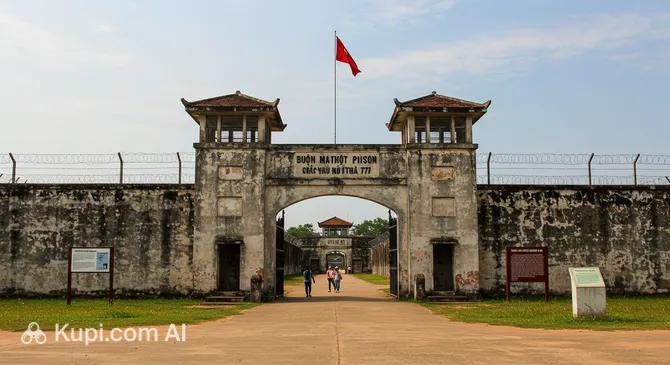
For a glimpse into the region's colonial history, the Buon Ma Thuot Prison stands as a significant historical site. Originally constructed by French colonists in the early 20th century, it was used to detain political activists and revolutionaries. Today, the site has been preserved as a museum, where visitors can walk through the cells and view exhibits that demonstrate the difficult conditions of the past and the resilience of those who were held there.

Buon Ma Thuot Prison. Source: Kupi.Binoculars

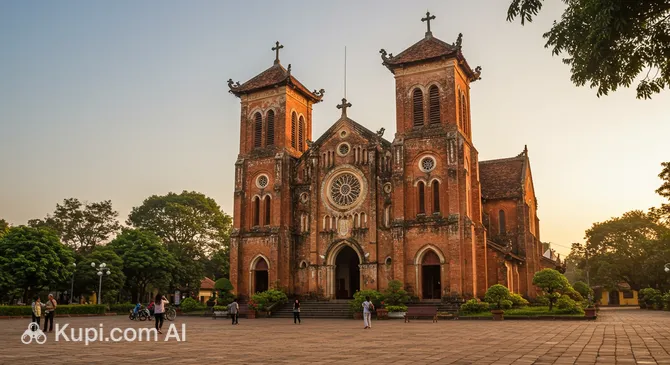
Architectural admirers should make their way to the Buon Ma Thuot Cathedral, also known as the Sacred Heart Cathedral. Located in the city center, this striking religious structure is celebrated for its unique design, which incorporates the style of a traditional Ede longhouse into a classic church layout. Its warm wooden interior and spacious design create a peaceful atmosphere, serving as the spiritual hub for the local Catholic community.

Buon Ma Thuot Cathedral. Source: Kupi.Binoculars

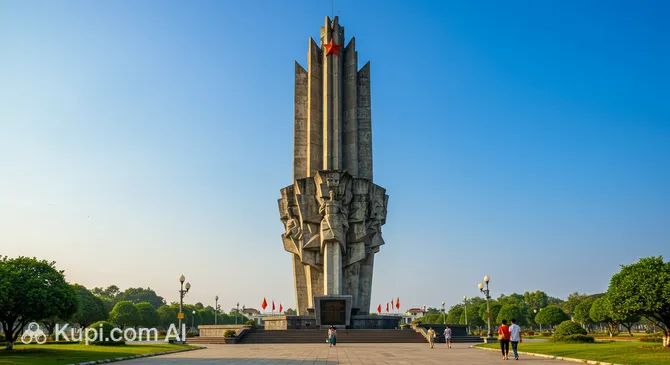
Dominating the central roundabout of the city is the Buon Ma Thuot Victory Monument. This iconic landmark features a model of Tank 980 and commemorates the events of March 1975. It serves as a major orientation point in the city and a symbol of the region's history, making it a frequent stop for photos and a recognizable meeting spot for locals and tourists alike.

Buon Ma Thuot Victory Monument. Source: Kupi.Binoculars

Local Cuisine

The culinary scene in Buon Ma Thuot is a delightful reflection of its highland geography and diverse ethnic heritage. Unlike the coastal regions of Vietnam, the food here is defined by the use of fresh forest vegetables, river fish, and robust seasonings. The cuisine is hearty and unpretentious, often centering around grilled meats and unique starches that provide sustenance for the cooler mountain climate.

One distinct local specialty you must try is Bun Do, or Red Noodle Soup. This dish gets its name from the vibrant red color of the broth, achieved by using cashew oil or annatto seeds. It typically features thick rice noodles similar to udon, topped with crab paste, quail eggs, and blanched vegetables like morning glory and celery. The flavor is a harmonious mix of savory crab and sweet broth, making it a popular breakfast or evening meal for locals.

Another signature experience is Ga Nuong Com Lam, which consists of grilled chicken served with sticky rice cooked inside bamboo tubes. The rice, known as Com Lam, absorbs the fragrant aroma of the bamboo as it cooks over charcoal. It is best enjoyed by peeling away the charred bamboo strip by strip and dipping the rice and smoky chicken into a mixture of salt, chili, and lime. This dish is a staple of the local minority groups and perfectly captures the rustic spirit of the Central Highlands.

As the coffee capital of the country, the city's drinking culture is legendary. You will find excellent robusta coffee on almost every corner, served strong and often with condensed milk. For a traditional alcoholic beverage, visitors should seek out Ruou Can, a fermented rice wine stored in large ceramic jars. It is traditionally drunk communally through long bamboo straws, symbolizing unity and hospitality among friends and family.

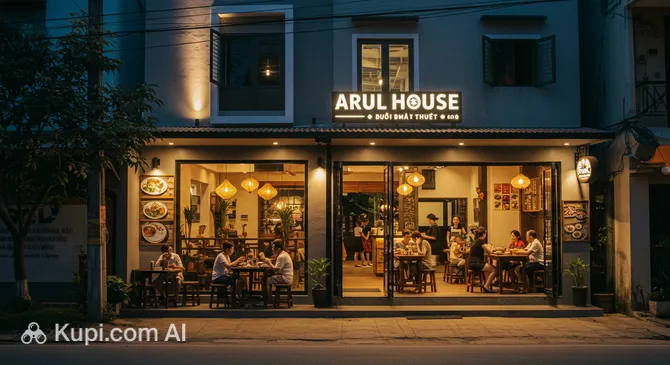
When it comes to dining out, the city offers a range of options from humble street stalls to culturally immersive restaurants. For a truly authentic meal, you can visit Arul House. Located within a traditional longhouse, this establishment specializes in indigenous Ede cuisine, allowing you to sample local flavors in a setting that honors the region's heritage.

Arul House. Source: Kupi.Binoculars

If you are looking for a place to unwind with a drink after a day of exploring, Space Cafe Rococo provides a relaxing atmosphere to enjoy the local cafe culture. Additionally, the Elephant Hotel offers dining services that are well-regarded by travelers, making it a convenient stop for a reliable meal in the city center.

Travel Tips

Welcome to Buon Ma Thuot, the captivating capital of the Central Highlands! While this region offers a refreshing change of pace from the coastal tourist hubs, it also comes with its own unique set of characteristics. To help you navigate the coffee plantations and cultural villages with ease, we have compiled a list of essential practical tips for your journey.

  1. Clothing and Gear: Unlike the sweltering heat of the lowlands, the climate here can be surprisingly cool, especially in the early mornings and evenings. Pack light layers or a windbreaker to stay comfortable. Sturdy, comfortable walking shoes or hiking sandals are a must, as you will likely be trekking to waterfalls or exploring red dirt paths. If you plan to visit ethnic longhouses or temples, dress modestly by covering your shoulders and knees.

  2. Transportation: Public transport within the city is limited, so the most convenient way to get around is by taxi or motorbike taxi (known locally as xe om). Ride-hailing apps like Grab operate here but may have fewer drivers than in major cities. For the adventurous, renting a motorbike is the best way to explore the surrounding waterfalls at your own pace, but ensure you have a valid international driving permit and are confident riding on varied terrain.

  3. Finances: The local currency is the Vietnamese Dong (VND). While some hotels and larger restaurants in the city center accept credit cards, cash is king in Buon Ma Thuot. You will need cash for street food, markets, and entrance fees to natural attractions. ATMs are readily available in the city center, but it is wise to withdraw enough money before heading out to more remote villages.

  4. Health and Safety: Pharmacies are plentiful in the downtown area and are usually marked with a "Nha Thuoc" sign, though few are open 24/7. Since the region is surrounded by forests and plantations, mosquito repellent is essential to protect against insect-borne illnesses. The city is generally very safe for tourists, but always exercise standard precautions with your valuables in crowded markets.

  5. Communication: Vietnamese is the primary language, and English proficiency is not as widespread here as in Hanoi or Ho Chi Minh City. Learning a few basic phrases like "Xin chao" (Hello) and "Cam on" (Thank you) goes a long way. We highly recommend buying a local SIM card (Viettel offers the best coverage in the highlands) and having a translation app downloaded on your phone to facilitate communication.

  6. Local Etiquette: The Central Highlands are home to many ethnic minority groups, such as the Ede and M'nong. When visiting their villages, always ask for permission before taking photos of people or their homes. It is customary to remove your shoes before entering a traditional longhouse. A friendly smile and a nod are the universal greetings and are warmly received by the hospitable locals.

  7. What to Avoid: Avoid public displays of affection, as the local culture is quite conservative. Additionally, never touch someone's head or point your feet directly at people or religious altars, as these actions are considered disrespectful. If you are invited to drink Ruou Can (rice wine) with locals, it is impolite to refuse the first offer.

  8. Coffee Culture Tip: In Buon Ma Thuot, coffee is more than a drink; it is a way of life. Do not expect the rushed "to-go" culture found elsewhere. Here, locals wake up early to sit and savor their morning brew. To truly blend in, take your time at a cafe, order a ca phe sua da (iced coffee with condensed milk), and enjoy the slow, rhythmic pace of the city.

By keeping these practical tips in mind, you will be well-prepared to embrace the authentic charm of Buon Ma Thuot. From navigating the red basalt roads to sharing a laugh with locals over a cup of world-class coffee, your adventure in the Vietnamese highlands promises to be a smooth and enriching experience.

Entertainment & Nightlife

Entertainment in Buon Ma Thuot offers a distinct change of pace from the high-energy nightlife of Vietnam's major coastal cities. As the sun sets and the air cools on the plateau, the city transforms into a relaxed hub of activity. The nightlife here is less about thumping nightclubs and more about social gatherings, vibrant street markets, and the local obsession with singing. The atmosphere is generally laid-back, welcoming, and centered around connecting with friends.

The heart of the evening action can often be found at the Buon Ma Thuot Night Market. Located centrally, typically stretching along Y Jut and Quang Trung streets, this area comes alive after 6:00 PM. It is a bustling sensory experience where locals and tourists mingle. Stalls sell everything from clothing and souvenirs to an array of street food. It is the perfect place to grab a late-night snack, with vendors serving grilled dishes and sweet desserts until around 10:00 PM or 11:00 PM.

For a more immersive local experience, karaoke is the undisputed king of nightlife in the Central Highlands. It is the go-to activity for celebrations or just a fun night out. Venues here are often lavishly decorated and equipped with high-quality sound systems. Karaoke Friends is a popular choice, offering private rooms where groups can sing their hearts out in comfort. The style is casual, and you will find people of all ages enjoying the music. Another well-regarded spot is Loi Trang 4 Karaoke, known for its modern facilities and attentive service. These venues typically stay open until midnight or slightly later.

Karaoke Friends. Source: Kupi.Binoculars

If you prefer a quieter evening, the city's cafe culture extends well into the night. Unlike in many western cities, coffee shops in Buon Ma Thuot are popular evening hangouts. Many transform into lounge-style bars serving cocktails, mocktails, and beer alongside their coffee menu. Places like Space Cafe Rococo offer a stylish environment to unwind, listen to soft music, and enjoy the cool highland breeze. The dress code for most bars and karaoke joints is casual; jeans and a t-shirt are perfectly acceptable everywhere.

When planning your night out, it is best to head out around 8:00 PM when the streets are liveliest. Prices are generally very affordable compared to Ho Chi Minh City or Hanoi. A night of karaoke and drinks will cost a fraction of what you might pay in a larger metropolis. For transportation, ride-hailing apps and taxis are the safest and most convenient ways to get around at night. The city is safe for walking, especially in the illuminated central districts, but it is always wise to stick to main roads and avoid unlit areas late at night.

While the nights are for socializing, daytime entertainment in Buon Ma Thuot leans towards cultural and recreational activities. Beyond the famous museums, the city features several parks and green spaces ideal for leisurely walks. For families, local amusement centers and swimming pools provide relief from the midday sun. The city also has a few cinemas showing both Vietnamese and international films, offering a classic way to spend a relaxing afternoon.

Parks & Museums

Buon Ma Thuot is a city where culture and nature intertwine seamlessly. Beyond its bustling coffee trade, the city offers a selection of well-curated museums and lush green spaces that allow visitors to delve deeper into the region's heritage and biodiversity. Whether you are interested in architectural marvels, historical sites, or simply a peaceful walk among the trees, these locations provide a perfect respite from the urban energy.

The crown jewel of the city's cultural scene is undoubtedly the World Coffee Museum. Far more than just a gallery, this architectural masterpiece is designed to resemble the traditional longhouses of the Central Highlands, with curving shapes that flow naturally into the landscape. Inside, visitors can explore thousands of artifacts related to the global history of coffee, while the surrounding grounds offer a spacious, park-like environment perfect for a leisurely stroll.

World Coffee Museum. Source: Kupi.Binoculars

For a comprehensive look at the region's identity, the Dak Lak Museum is a must-visit. Situated on a historic campus shaded by ancient camphor trees, the museum is an oasis of calm in the city center. Its exhibits are divided into three fascinating sections: biodiversity, ethnic culture, and history. The biodiversity hall is particularly engaging, showcasing the rich flora and fauna of the province, while the outdoor grounds provide a lovely setting for appreciating the local climate.

Dak Lak Museum. Source: Kupi.Binoculars

Those seeking a connection with nature should head to the Ko Tam Community Tourism Area. Located just a short drive from the city center, this expansive eco-park is a vibrant tapestry of flower gardens, bamboo groves, and traditional Ede architecture. It is a favorite spot for locals to enjoy picnics, paddle on the lake, and immerse themselves in the indigenous culture during festivals. The fresh air and colorful landscapes make it an ideal destination for families and nature lovers.

History enthusiasts will find a somber but important site at the Buon Ma Thuot Prison. Preserved as a historical monument, this site offers a stark look at the colonial era and the revolutionary struggle. Walking through the detention cells and viewing the displays provides a powerful educational experience, reminding visitors of the resilience that shapes the region's past.

Buon Ma Thuot Prison. Source: Kupi.Binoculars

Another unique green space is the Trung Nguyen Coffee Village. While it functions as a cafe and showroom, its design mimics a lush garden with waterfalls, streams, and traditional structures. It serves as a living museum of coffee culture where you can relax in a serene, nature-filled environment while sipping on some of the finest brews in Vietnam.

Getting Around

Getting around Buon Ma Thuot is a straightforward experience, though the options differ significantly from the extensive transit networks found in larger metropolitan areas. The city does not have a metro, tram, or train system. Instead, the public transport network primarily consists of a reliable system of local buses that connect the city center with surrounding districts and popular tourist destinations, such as the waterfalls and national parks.

The local bus service is the most economical way to travel. These buses are easily recognizable, often painted in distinct colors like red and yellow or blue and white. They operate on fixed routes that radiate from the city center to the outskirts. While they are not luxurious, they offer an authentic glimpse into local life and are particularly useful for reaching attractions located 20 to 30 kilometers away without the need for a private vehicle.

When it comes to payment, cash is the standard method. There are no complex travel cards or digital pass systems for the buses here. You simply board the bus, take a seat, and a conductor will approach you to collect the fare. Ticket prices are very affordable, typically ranging from 10,000 to 30,000 VND depending on the distance. It is highly advisable to carry small bills, as conductors may not always have change for large denominations.

For those seeking more comfort and flexibility, taxis are widely available and reasonably priced. Reputable companies like Mai Linh and Sun Taxi operate fleets throughout the city. Additionally, ride-hailing apps such as Grab are active in Buon Ma Thuot, allowing you to book both cars and motorbikes with transparent pricing. This is often the easiest option for tourists who do not speak the local language, as it eliminates the need to negotiate fares or explain directions.

A popular alternative for short trips is the traditional motorbike taxi, locally known as xe om. You will find drivers waiting at street corners, markets, and near bus stops. If you choose this mode of transport without using an app, be sure to agree on a price before hopping on. For the adventurous traveler, renting a motorbike is perhaps the best way to explore the region. Rental shops are common in the city center, giving you the freedom to navigate the highland roads at your own pace.

Tourists should be aware that the public bus system typically stops operating relatively early, often around 5:00 PM or 6:00 PM. Therefore, if you are planning a day trip to the outskirts by bus, ensure you check the return schedule to avoid being stranded. Within the compact city center, many main attractions, cafes, and markets are within walking distance of each other, making a leisurely stroll a pleasant way to soak up the local atmosphere.

Accommodation

Finding the perfect place to stay in Buon Ma Thuot is generally a straightforward and affordable experience. As a developing tourist destination, the city offers a range of accommodation options that cater primarily to budget and mid-range travelers. While you will not find an abundance of ultra-luxury international chains, the city makes up for it with charming boutique hotels, comfortable guesthouses, and unique cultural stays that provide a warm, local welcome.

For those who value convenience and accessibility, the City Center is the best area to base yourself. Staying here puts you within walking distance of the bustling night market, the Victory Monument, and a plethora of cafes. The hotels in the downtown area are typically modern, clean, and offer easy access to taxi stands and bus routes. This is the ideal location for first-time visitors who want to soak up the urban atmosphere and have dining options right on their doorstep.

Travelers seeking a more immersive experience should consider looking towards the outskirts or specific cultural villages like Ako Dhong. Here, you can find homestays and eco-lodges, some of which are built in the traditional longhouse style of the Ede people. These accommodations often sit amidst lush gardens or coffee plantations, offering a peaceful retreat where you can wake up to the sound of nature and the scent of roasting coffee. It is a fantastic way to connect with the local heritage while enjoying a quieter pace of life.

Booking and Prices: Accommodation in Buon Ma Thuot is known for being very reasonably priced. A comfortable mid-range hotel room can often be secured for a fraction of the cost compared to major tourist hubs like Da Nang or Ho Chi Minh City. Most established hotels and larger homestays are listed on major online booking platforms, making it easy to reserve in advance. However, for smaller, family-run guesthouses, direct booking via phone or social media is still common.

Travel Tip: While room availability is generally good throughout the year, the city can fill up quickly during the Buon Ma Thuot Coffee Festival, which typically takes place in March every two years. If your trip coincides with this vibrant event or the Tet holiday (Vietnamese New Year), it is highly recommended to book your accommodation at least a month in advance to secure your preferred spot.

Nearby Cities

For those looking to explore the surroundings, Buon Ma Thuot serves as an excellent base for day trips to several interesting nearby locations:

One of the most popular getaways is Nha Trang, a world-renowned coastal city famous for its sweeping crescent beach and turquoise waters. Offering a dramatic contrast to the cool highlands, Nha Trang provides a vibrant atmosphere filled with seaside resorts, seafood restaurants, and island-hopping adventures. It is the perfect destination for travelers seeking sun, sand, and a lively nightlife scene after a quiet retreat in the mountains.

For a more serene coastal experience, Qui Nhon offers a blend of unspoiled beaches and historical intrigue. This city is known for its relaxed pace and the impressive ancient Champa towers that dot the landscape, standing as silent witnesses to the region's past. The coastline here is rugged and picturesque, ideal for those who wish to escape the crowds and enjoy nature in its raw beauty.

Another fascinating option is Tuy Hoa, the capital of Phu Yen province. This emerging destination is celebrated for its peaceful ambiance and unique geological formations, such as the Ganh Da Dia basalt columns. The drive down from the highlands to these coastal plains offers spectacular views, making the journey itself part of the experience.

City Population Distance (km)
Nha Trang 392279 133
Qui Nhon 311000 178
Da Loi 256019 156
Tuy Hoa 242840 145
Phu Yen 231363 124

These nearby destinations offer a glimpse into the diverse culture and landscapes of the region, allowing visitors to easily combine the cool mountain air of Buon Ma Thuot with the warmth of Vietnam's central coast.

Shopping & Souvenirs

Shopping:

Buon Ma Thuot may not be a metropolis of glittering shopping malls, but it offers a retail experience that is deeply rooted in the richness of the land and the culture of its people. Shopping here is less about international luxury brands and more about discovering high-quality local produce, unique handicrafts, and, of course, the world’s finest Robusta coffee.

Coffee is the undisputed king of souvenirs in this city. As the coffee capital of Vietnam, you will find an overwhelming variety of beans and ground coffee to take home. From famous national brands to small family-run roasters, the options are endless. For a premium selection and beautiful packaging, visitors can browse the gift shop at the World Coffee Museum, which offers exclusive blends and coffee-related accessories like the traditional Vietnamese phin filter.

For a deep dive into the local lifestyle, a visit to the Buon Ma Thuot Central Market (Cho Buon Ma Thuot) is essential. Located in the heart of the city, this bustling hub is divided into sections selling everything from fresh exotic fruits to dried goods. It is the best place to find regional agricultural specialties such as black pepper, cacao powder, and pure honey harvested from the coffee forests. The market is also a great spot to buy macadamia nuts and cashews, which are grown in the fertile basalt soil of the province.

The region's ethnic diversity is reflected in its handicrafts. Travelers looking for unique gifts should seek out brocade textiles made by the Ede and M'nong people. These fabrics, known for their intricate geometric patterns and vibrant colors, are fashioned into bags, purses, skirts, and blankets. You can often find these items at specialized souvenir shops or sometimes directly from artisans in cultural villages like Ako Dhong.

If you are visiting during the harvest season, do not miss the chance to buy fresh tropical fruits. Đắk Lắk is famous for its creamy avocados and aromatic durians. While these are difficult to transport long distances, they make for a delicious and healthy snack during your stay.

For those who prefer a modern retail environment, Vincom Plaza Buon Ma Thuot offers a contemporary shopping experience. It houses a supermarket, cinema, and various fashion boutiques in an air-conditioned setting, providing a familiar contrast to the traditional street markets.

Reached the end of the page?

That means the route is fully explored