10 More Interesting Japanese Dishes
 Yasya
YasyaThe rolls we are used to and Japanese cuisine are largely parallel phenomena. So during your trip to Tokyo a wealth of gastronomic discoveries awaits you. We continue to tell you exactly what they are!
Nikujaga
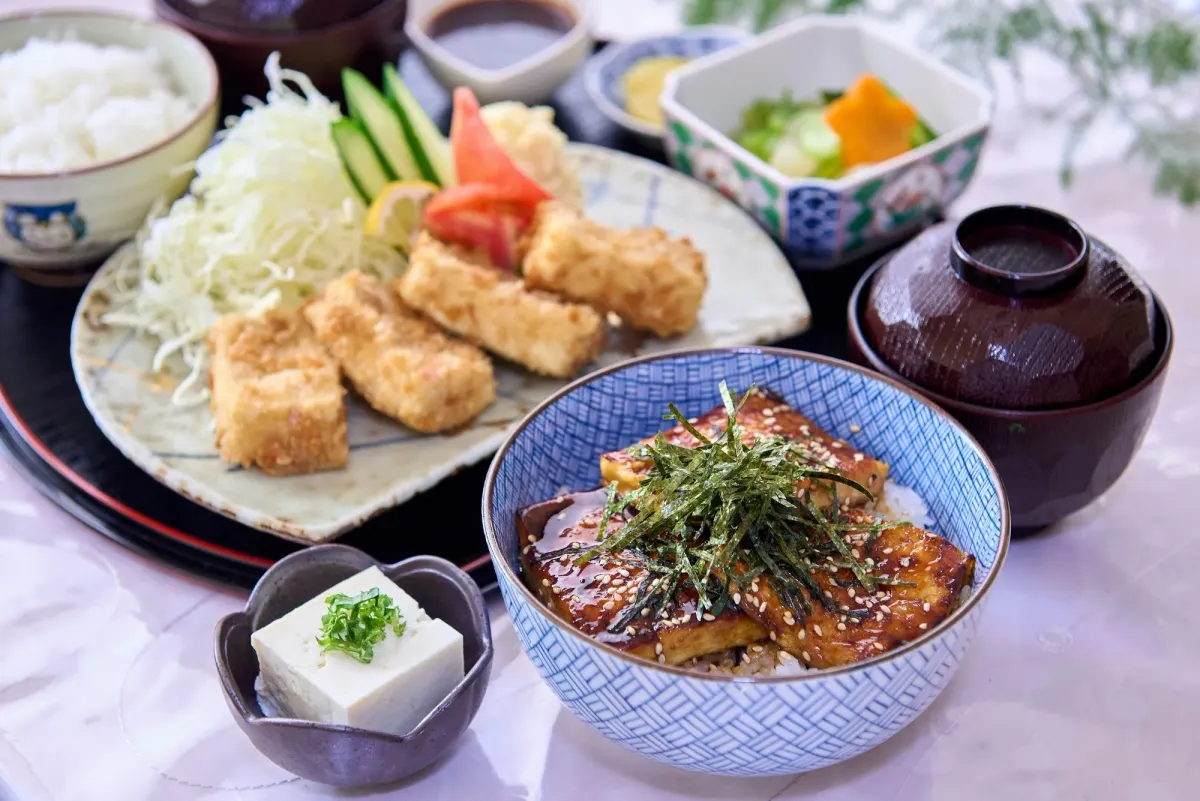
If you are looking for a classic Japanese dish that can be found on the menu of many restaurants, nikujaga is exactly what you need. It includes meat, potatoes, and various vegetables. Essentially, it’s a stew seasoned with soy sauce, mirin, sake, and sugar. Nikujaga is considered a home-style dish, so it’s often found on festive tables, and it’s quite filling, so don’t expect dessert afterward.
Donburi
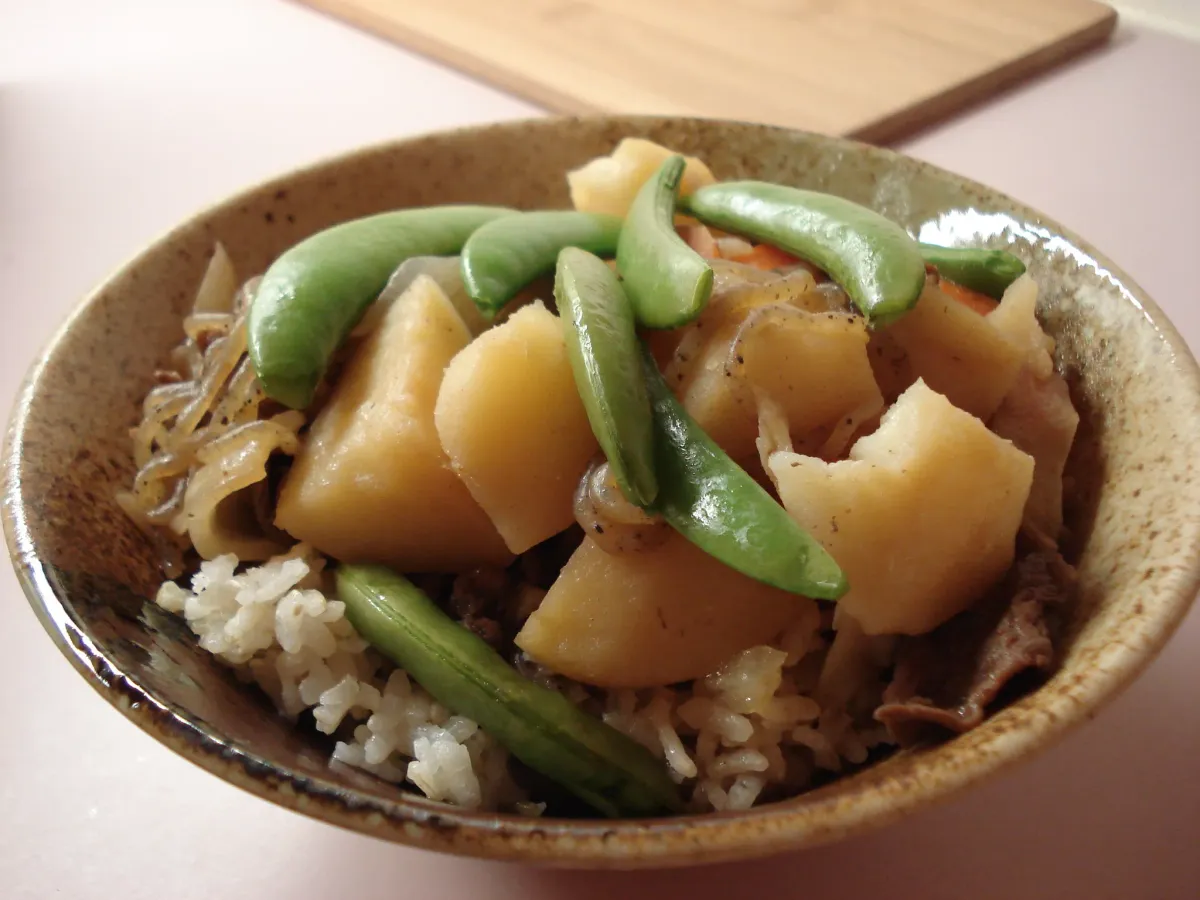
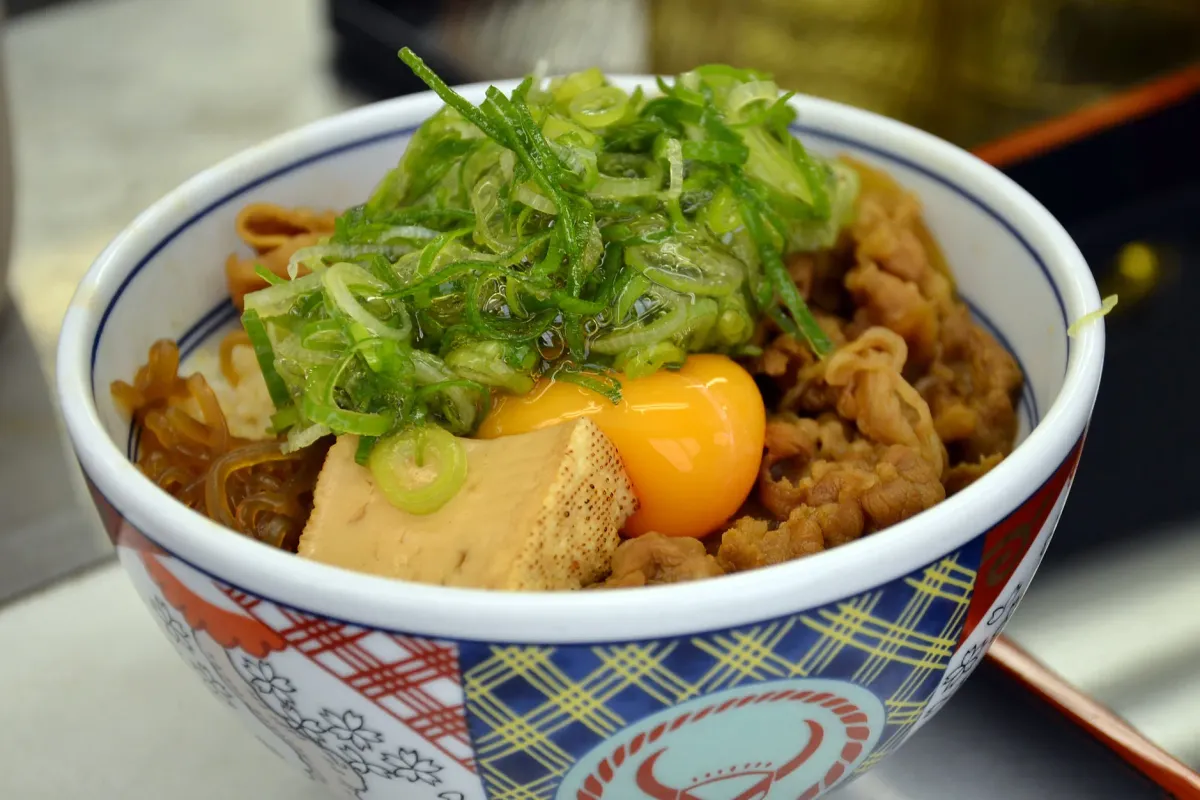
This dish, almost as popular as ramen, is made from various types of fried meat, fish, and vegetables and served with boiled rice in a large bowl. Since it’s based on a fundamental concept, it’s also a great option for tourists who want to understand what Japanese cuisine is all about.
Yakisoba
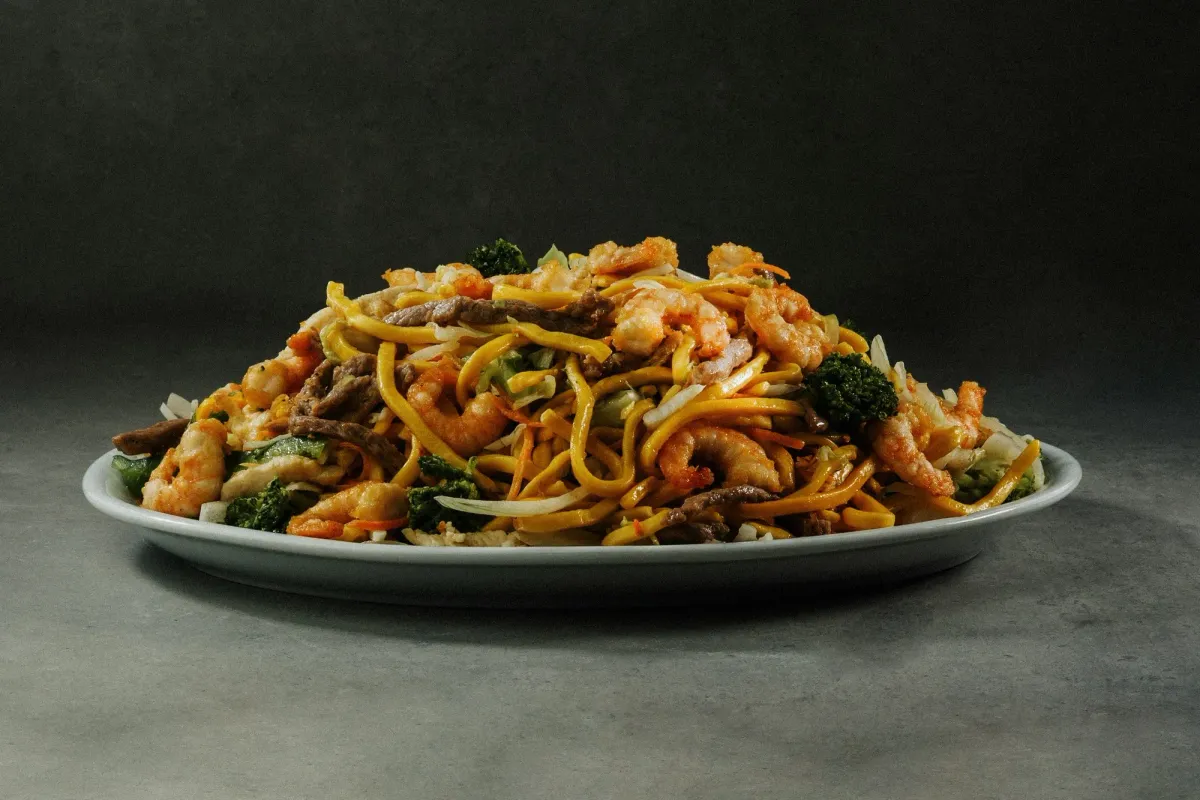
Also known as “fried noodles in sauce.” But not just any noodles, specifically chuka-soba, which are egg wheat noodles. They are stir-fried with pieces of meat and napa cabbage, and drizzled with tonkatsu sauce — a Japanese variety of Worcestershire sauce, with added apple puree. Yakisoba stalls can be found in various cities and at festivals, making it one of the most popular dishes in Japan.
Okonomiyaki
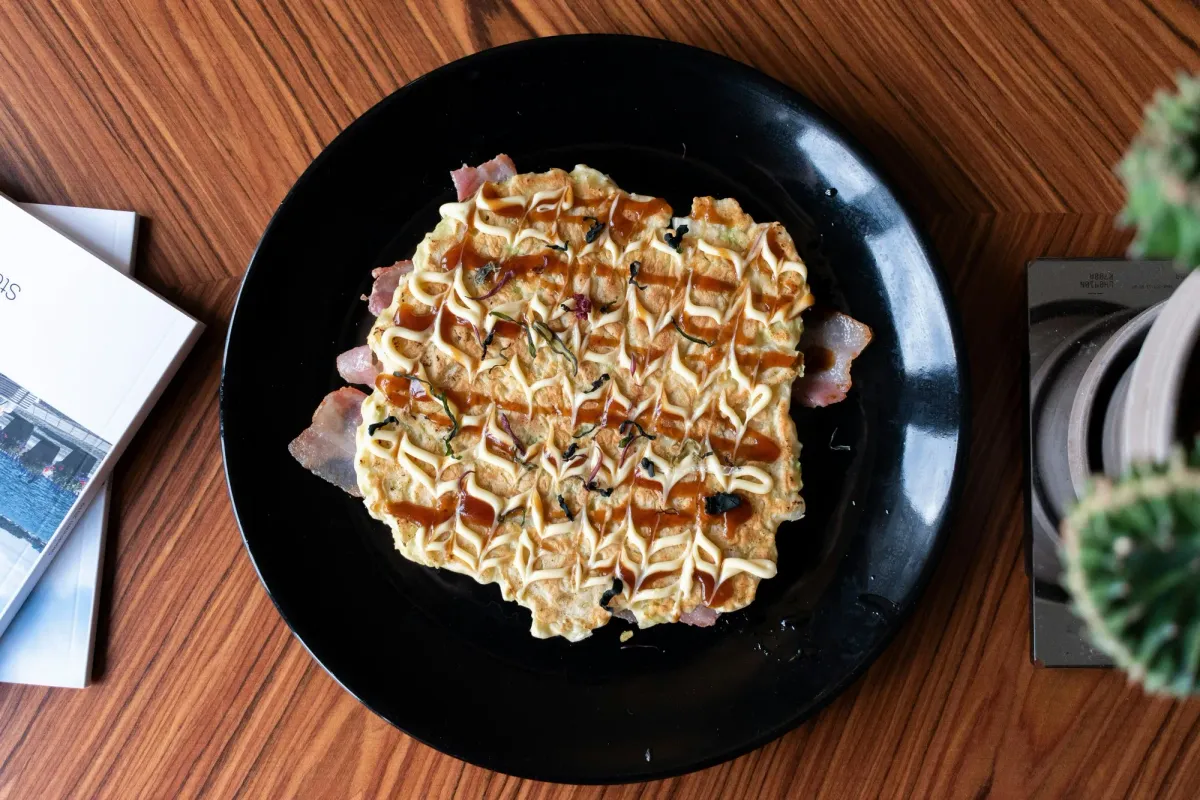
Forget everything you knew about Japanese cuisine. All that “proper, healthy, refined” stuff. Because okonomiyaki bursts into the hit parade — a fried cabbage pancake with pork, bonito flakes, and a generous layer of mayonnaise. In most restaurants, you can prepare this dish yourself by placing a grill in the middle of the table. Okonomiyaki is also made at street stalls. The spectacle itself is amazing and impressive.
Tonkatsu
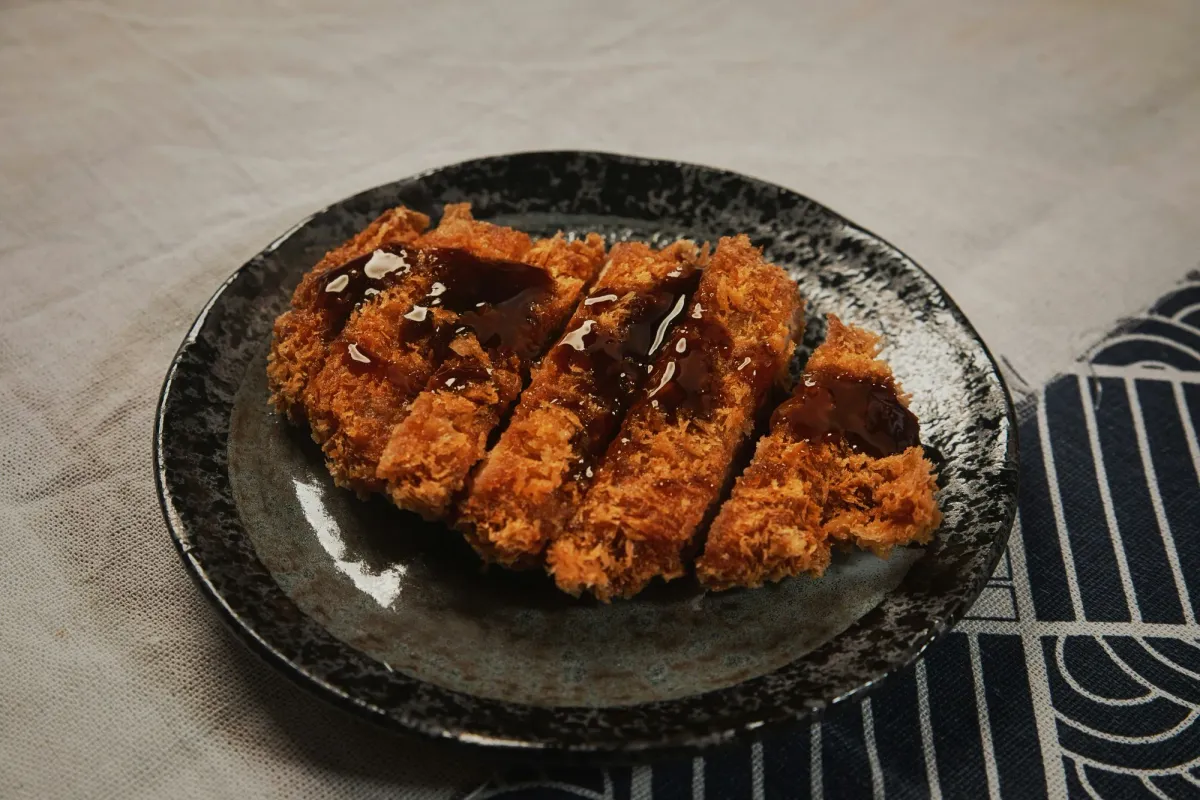
In the late 19th century, Japan became more receptive to Western influence. And since then, tonkatsu has remained a popular local variation of the cutlet. However, don’t be fooled by European influence: this version is still very Japanese. The whole difference lies in the cooking method: here, a breaded pork cutlet is deep-fried. It is served with miso soup and shredded cabbage.
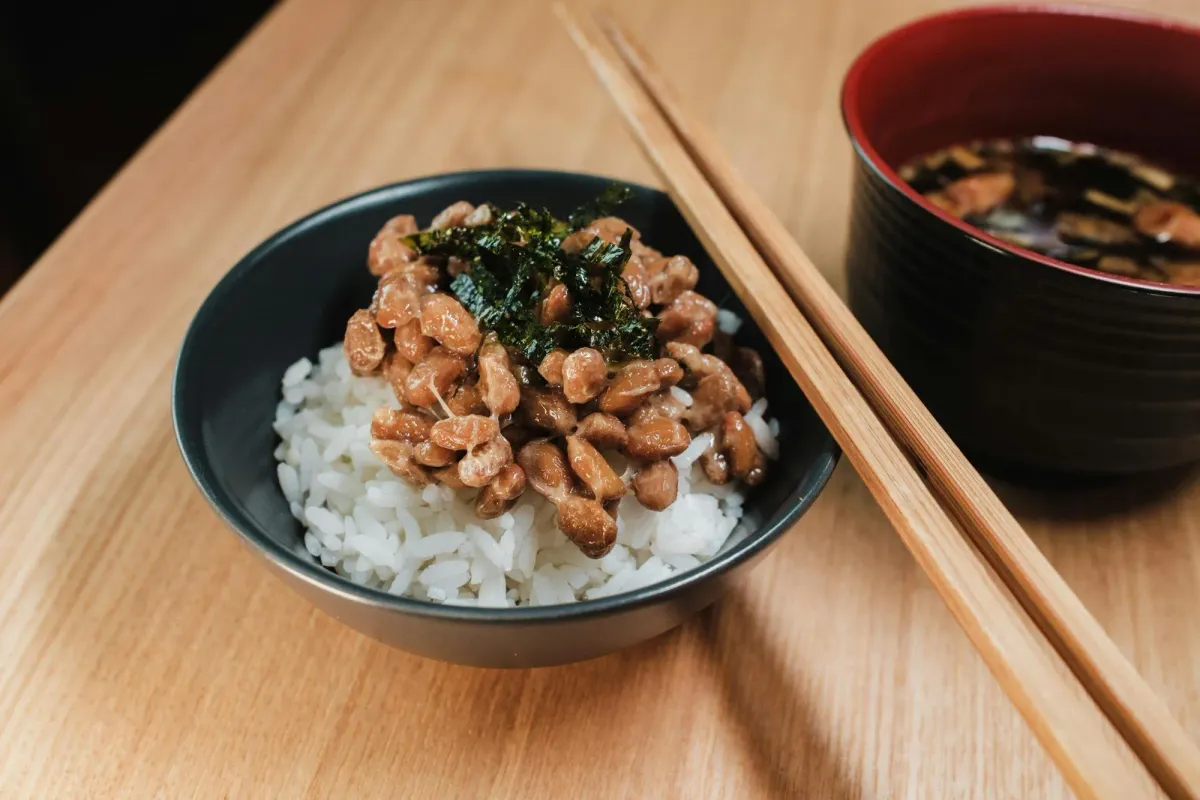
Natto
In Japan, there’s a dual attitude towards natto: people either love it or hate it. This traditional dish is made by fermenting soybeans. So the aroma is distinctive, pungent, somewhat reminiscent of moldy cheese. Add to that a sticky and slimy texture. Not exactly an appealing combination, right? But for fans, the salty, rich taste compensates for everything. It’s worth trying at least once to understand what natto is in Japanese cuisine, and to decide which side you’re on.
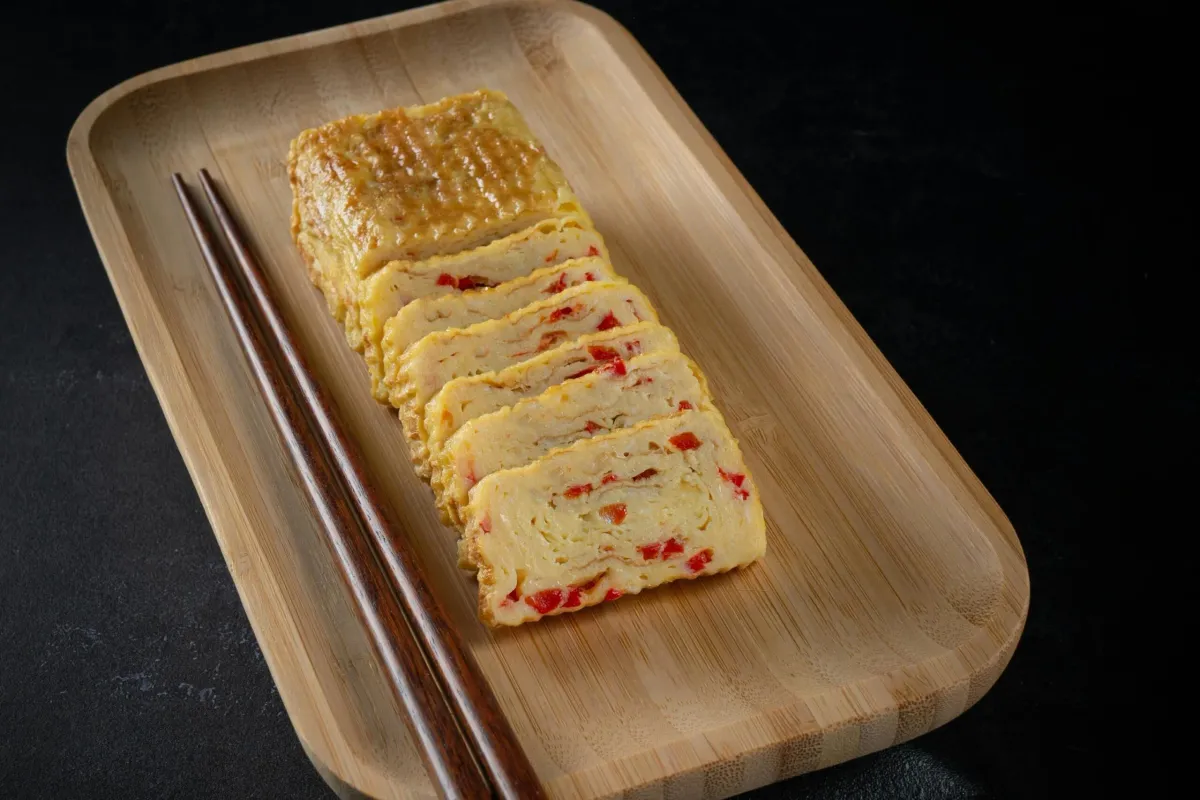
Tamagoyaki
Japanese omelet. But it’s not that simple. It’s not enough to whisk eggs with milk and fry them to get tamagoyaki. You need to turn them into a roll. To do this, the mixture is poured onto a rectangular pan in a thin layer, and the resulting pancake is rolled up sequentially. The texture of this omelet is fluffy, and the taste is sweetish. Sometimes vegetables, chicken, or seafood are added to tamagoyaki, and sometimes it’s served as a dessert.
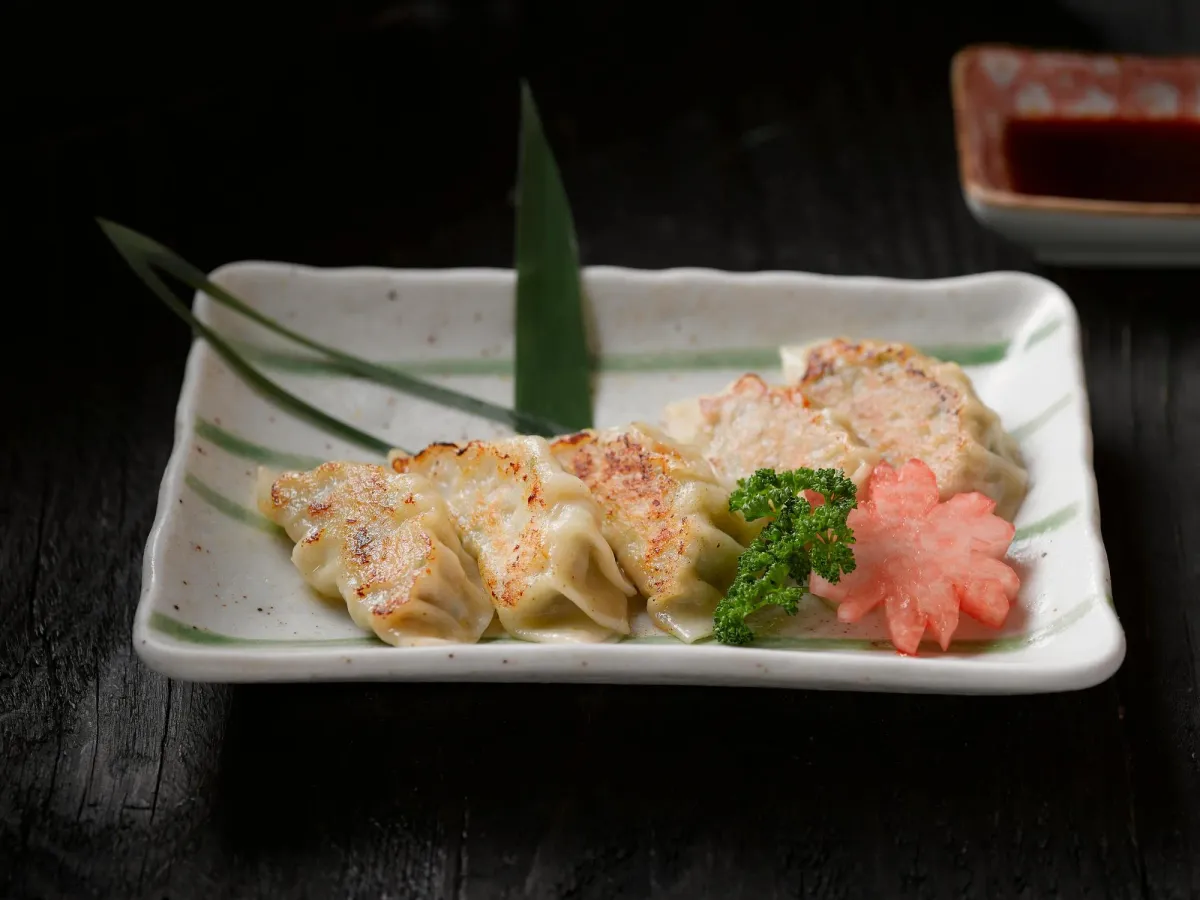
Gyoza
Almost every country has its own version of dumplings. Japan is no exception. A filling of minced pork, onions, cabbage, and mushrooms is wrapped in a gyoza wrapper, sealed at the edges, and then steamed or fried. Simple, concise, filling.
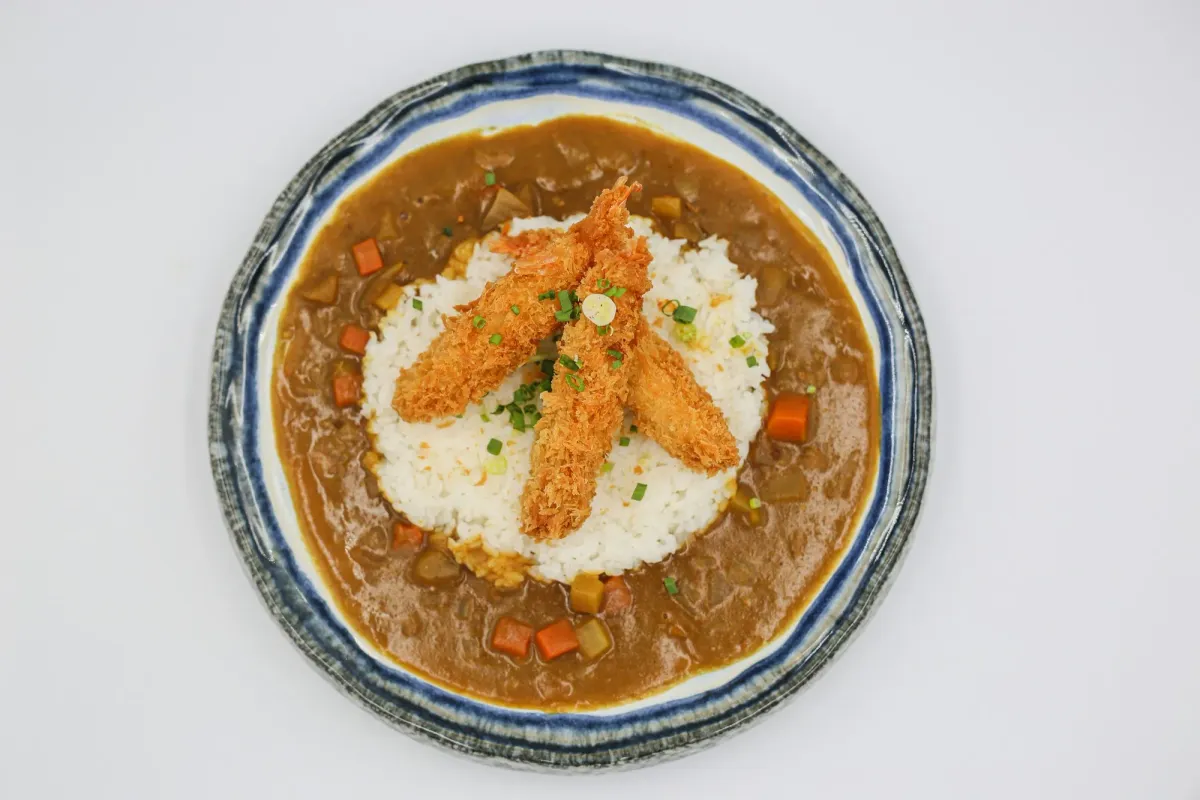
Japanese Curry
Curry is traditionally associated with India, but Japan has its own take on it. And the British “introduced” them to each other. However, the Japanese version has a thicker texture and a sweeter taste. And, of course, rice is also the base of this stew. Plus vegetables and meat. By the way, Japanese curry is often eaten with a tonkatsu cutlet — two in one!
Wagashi
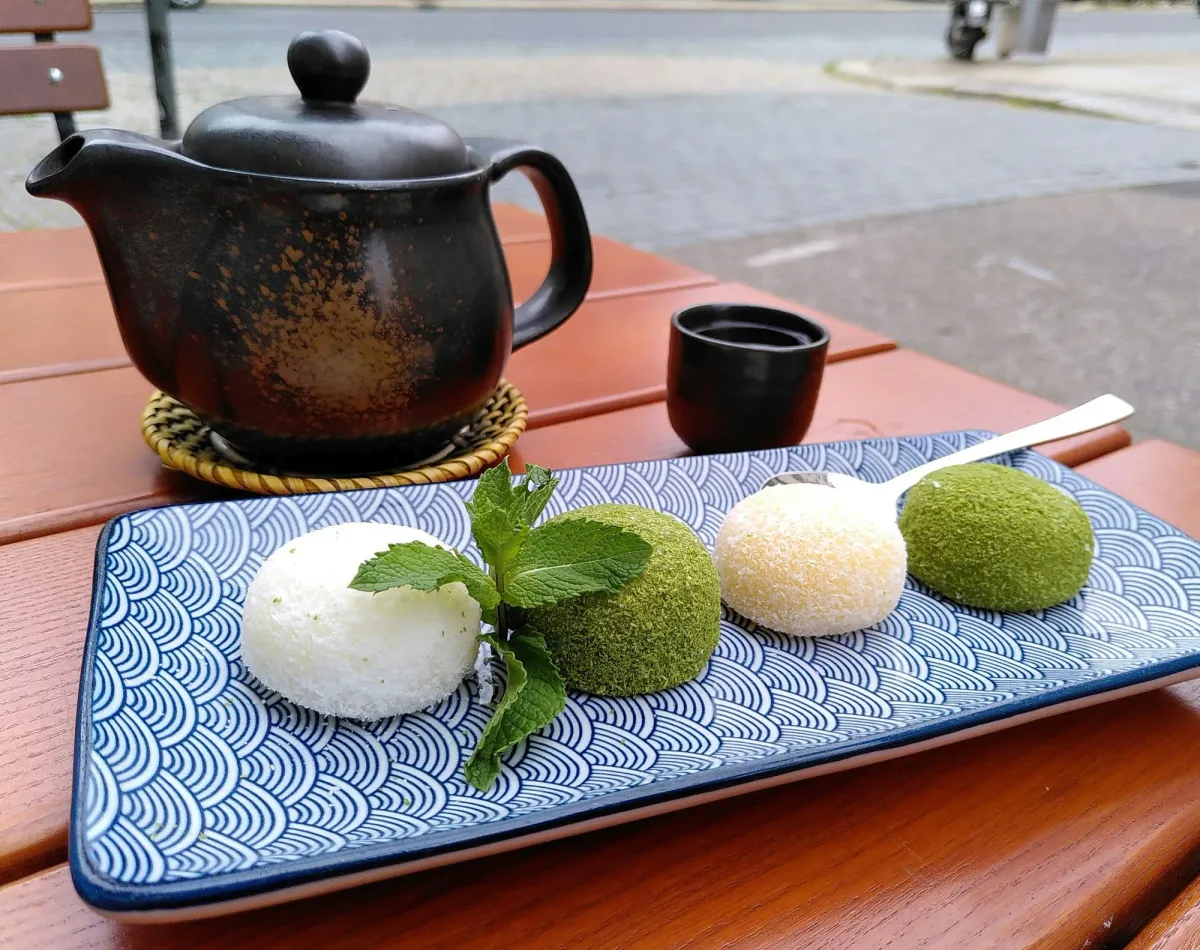
And finally, desserts. Wagashi is a general term for a category of Japanese desserts. For example, mochi cakes, which have become well-known in recent years, are a specific type of wagashi. Another option is dango, rice flour dumplings skewered on wooden sticks. Be prepared that the sweetness level of Japanese treats will be significantly lower than that of familiar European ones, and ingredients like beans may (and will) be used.
Japan will always find a way to surprise you, and we will always find convenient tickets to Japan from any city!