Beer Encyclopedia: What to Drink in Bavaria
Why go to Germany? Old castles, juicy sausages, urban architecture, crazy outfits, festivals — yes, all that. But Germany is also associated with beer. You could try to go to Oktoberfest, but why push through a crazy crowd, spilling your drink, when you can arrange your own beer festival tomorrow? If you can buy a delicious sausage at any stall in the center of any city, then for delicious beer, go to Bavaria — there are breweries at every turn. And what to try so you don’t get disappointed with the hoppy drink, we’ll tell you below. Why is beer so delicious in Germany, and why are there hundreds of varieties? Because back in 1516, the “German Beer Purity Law” was adopted, and almost every family knew how to brew it. Hence so many varieties, as every home had its own recipe.
Where to go for beer?
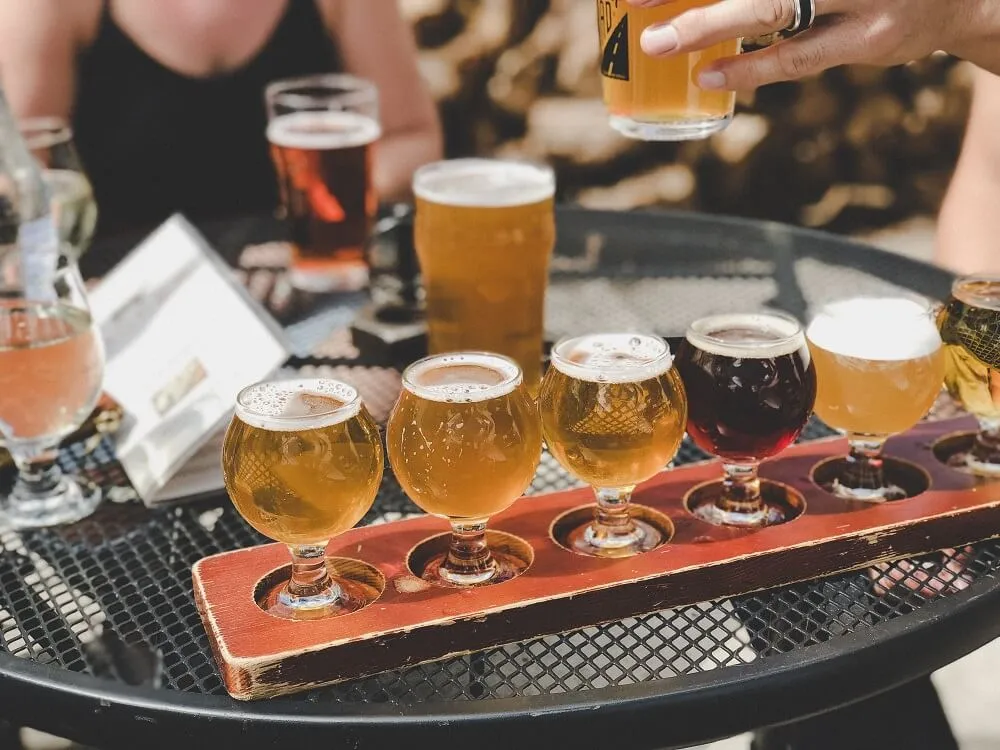
There are three options. You can go to a bar, where the beer selection goes beyond imagination. Try as much as you can and crawl back to the hotel to sleep, so you can come back the next evening to try what you missed yesterday. This is the plan for 90% of tourists. Or there’s another option — buy various beers at a store. But there are downsides: you won’t find beer from small breweries, and some varieties are sold only in packs of 6 or 4 bottles, not individually.
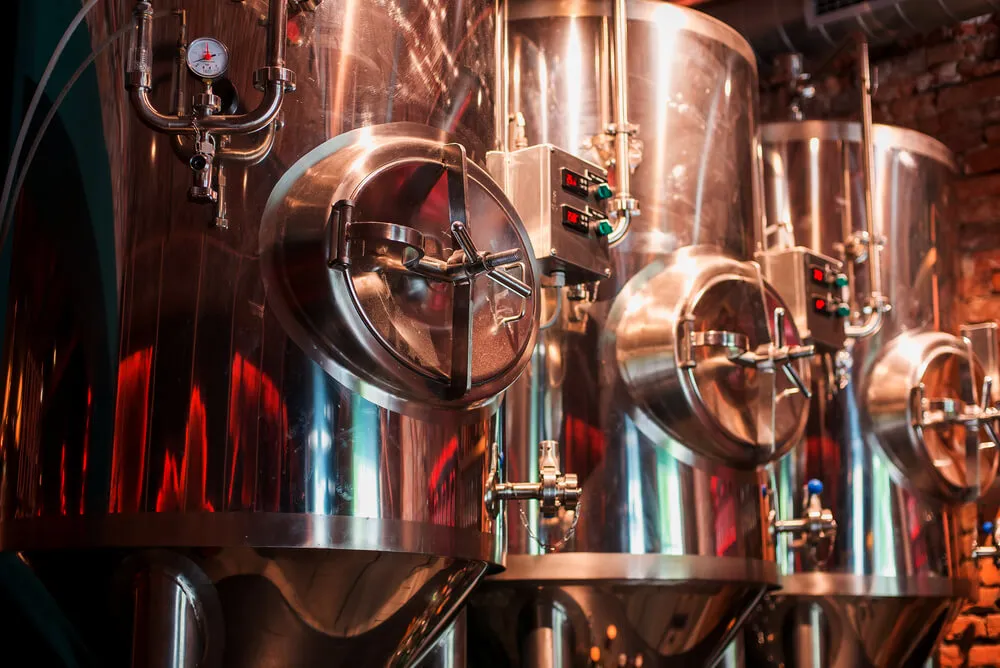
Therefore, the best way to try real German beer is to take a trip to small breweries in Bavarian towns. Although they might only have two varieties — dark and light — in each brewery, it will be special! The standard serving is a 0.5-liter glass; 0.33-liter glasses are not common here. In Bavaria, beer is sold everywhere, even in educational institutions. Germans are serious and responsible people, so a professor or student can easily enjoy a glass with lunch. By the way, beer is also sold in university canteens in the Czech Republic. Would such a practice catch on here, I wonder?
Which variety to choose?
To avoid staring at the beer menu for a long time, pointing at each item waiting for explanations, and then choosing what to drink with the air of a connoisseur, we will tell you about the main varieties.

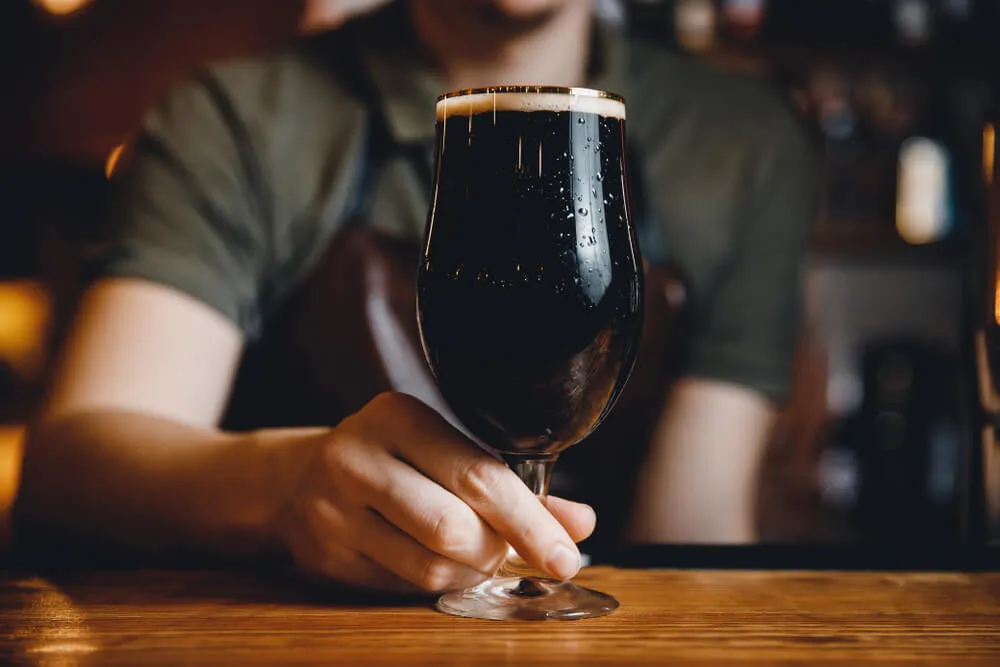
Hell (Hell) This variety has nothing to do with hell; on the contrary, it’s a classic light beer. If you order “beer, please,” this is what you’ll get. The birthplace of this variety is Munich, which is why Hellbier is abundant at Oktoberfest. Dunkel (Dunkel) And this is Bavaria’s dark classic. This variety best adheres to the beer purity law. Its unusual taste and color come from mixing regular and roasted malt. If you think dark beer is heavy, relax — not in this case! Dunkel is light and sweetish; girls will like it too. Schwarzbier (Schwarzbier) Moving further towards bitterness and beer color. Schwarzbier is darker and heavier than Dunkel — it contains roasted malt, has a distinctly bitter taste, and a thick head in the glass. It’s an acquired taste, not even all men like it. But for an introduction, it’s a sin not to try it. You can try Schwarzbier at the Nuremberg brewery Hausbrauerei Altstadthof. There, they will also tell you about the production process and how beer turns into schnapps. They also serve a special craft beer with cinnamon here.
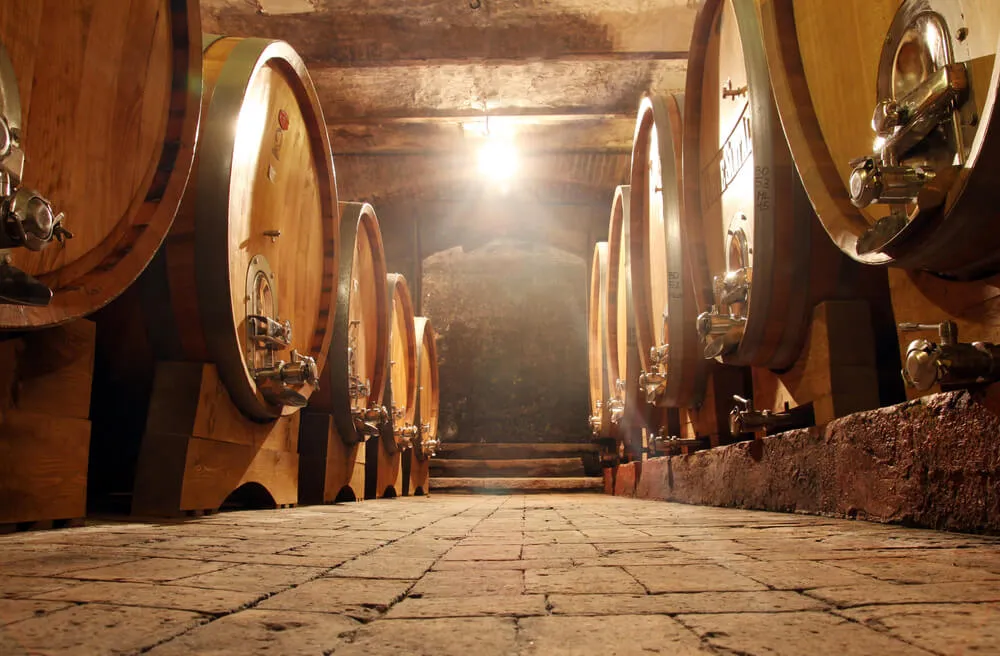
Smoked beer (Rauchbier) And this is a Bavarian highlight. The secret of smoked beer is that the barley grains are first smoked over a fire. You can try Rauchbier in the city where it was invented — Bamberg. There’s the famous brewery Schlenkerla. However, one glass won’t be enough here — the true flavor reveals itself after the second glass. Kellerbier (Kellerbier) Let’s move on to unfiltered beer. Kellerbier is a true homemade beer from the cellar. It’s an unfiltered, semi-dark lager, unpasteurized. This variety is not mass-produced; it’s usually made only in small home breweries or monasteries. You won’t find it in stores due to its short shelf life — it’s usually poured directly from the barrel. So, if you really want to try it, go to Nuremberg and look for small breweries with cellars. For example, Alte Küche’n & Im Keller — here they will offer you Kellerbier in a clay mug, just as it should be!
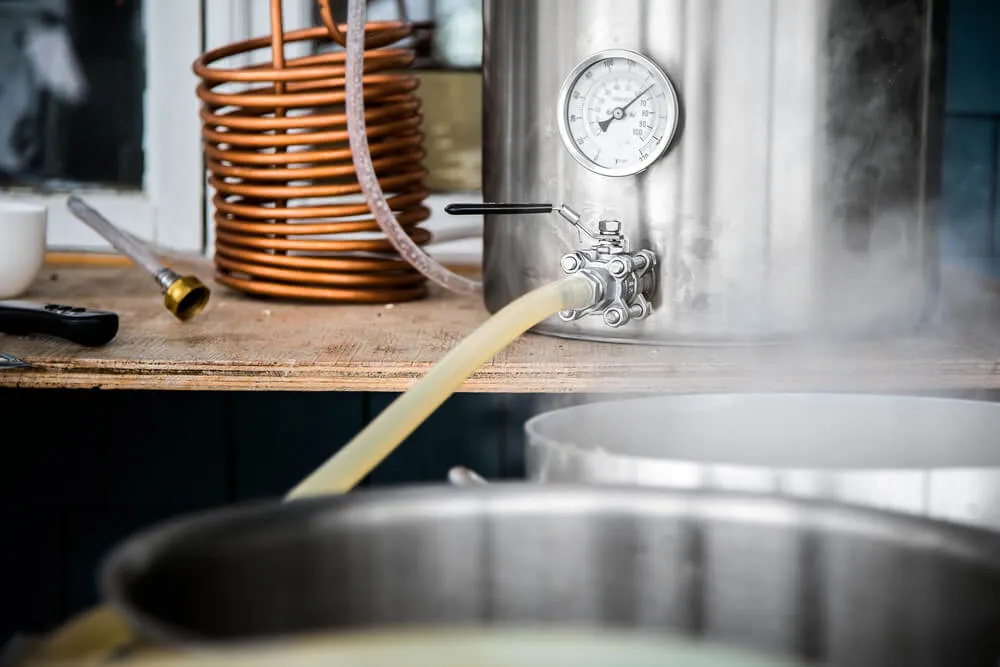
Weissbier (Weissbier) The secret of unfiltered wheat beer lies in its technology — it ferments further in bottles after bottling, which gives it a slight sourness. The best time for this beer is a hot summer, and the best vessel is a tall glass, because that way the beer stays fresh longer. Drinking from a bottle on a sunny bench is also a good option. A place with many breweries that make excellent Weissbier is the city of Bayreuth. Go to the Maisel’s Bier factory; there’s a restaurant called Liebesbier. The bar menu is like an encyclopedia. Among other varieties, there’s also craft beer. Bock (Bock) Now, this dark beer is stronger than Dunkel. Much stronger. It’s drunk in cold weather, when winter is already nipping at your heels, to ward off frost and melancholy. So, if you find yourself in Bavaria in November, be sure to try Bock. For the bravest, there’s Doppelbock — its strength is 19%!
Wintertraum (Wintertraum) A special winter or Christmas beer, also called Weihnachtsbier. It’s a strong (7%) dark beer with a caramel flavor. If you find yourself in Bavaria around Christmas, be sure to try it. You won’t find anything like it anywhere else. Take note, friends, and remember: excessive alcohol consumption is harmful to your health.