Choosing a Suitcase for a Low-Cost Carrier
 Polina
Traveling with low-cost carriers is a great way to explore the world on a budget, but it requires special attention to detail, especially when it comes to luggage. The main rule: don’t overpay for your suitcase! Hand luggage restrictions for budget airlines can differ significantly from those of traditional carriers, and every extra centimeter or gram can result in serious surcharges.
In this article, we’ll figure out how to choose the ideal carry-on suitcase so that your flight with a low-cost carrier goes smoothly, without unnecessary stress or expenses.
Why Dimensions Are So Important
Budget airlines earn revenue not so much from ticket sales, but from additional services, including luggage. Each carrier has its own strict rules:
- Size – the most critical parameter. Most low-cost carriers have special sizers (metal frames) at the check-in counter and at the boarding gate. If your suitcase doesn’t fit into the frame, you’ll have to pay extra.
- Weight is also controlled. Exceeding the limit leads to surcharges that can exceed the cost of the ticket itself.
- Low-cost carriers always offer the option to carry a certain amount of hand luggage for free. However, the dimensions and number of items vary greatly.
Important: always check the current rules of the specific low-cost carrier before purchasing tickets and choosing a suitcase. They can change!
Hand Luggage Standards
There is no single standard for all low-cost carriers, but there are general trends and the most common requirements.
What each passenger can take into the cabin without additional charge:
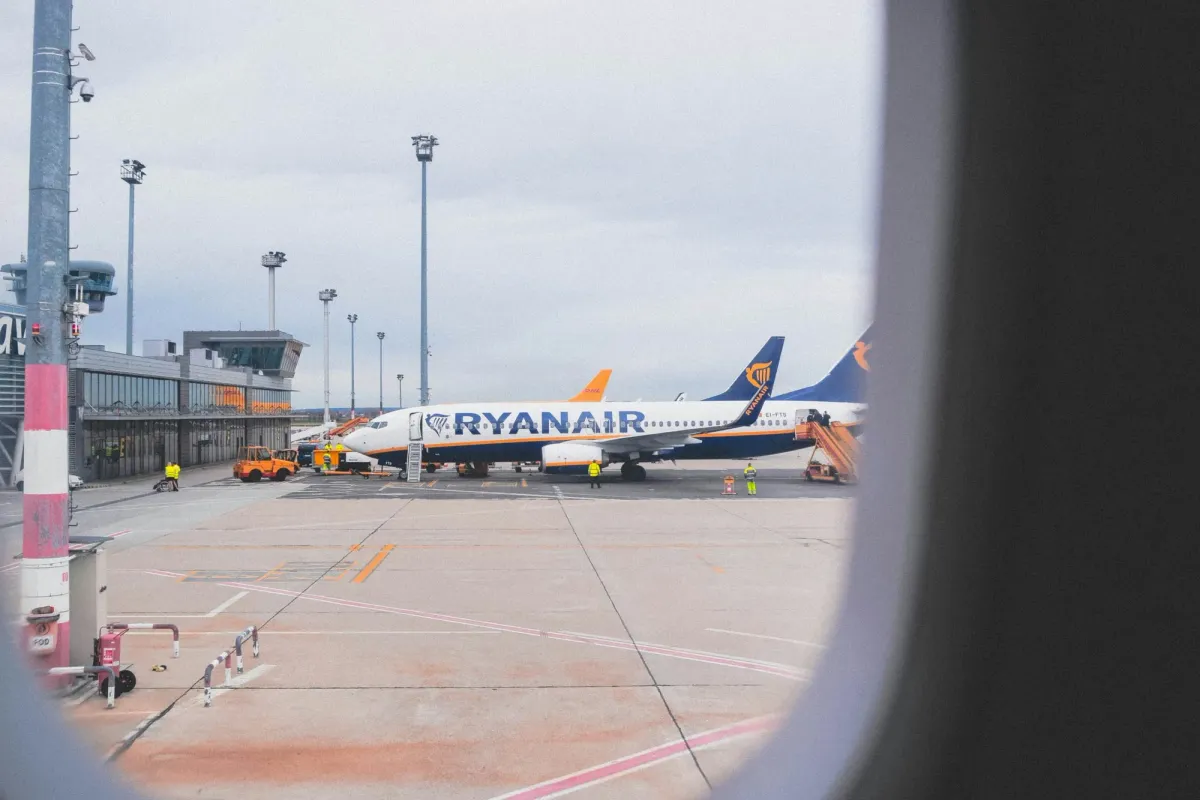
- Ryanair: 40×30×20 cm, no weight limit (but you must be able to lift it yourself). Must fit under the seat in front.
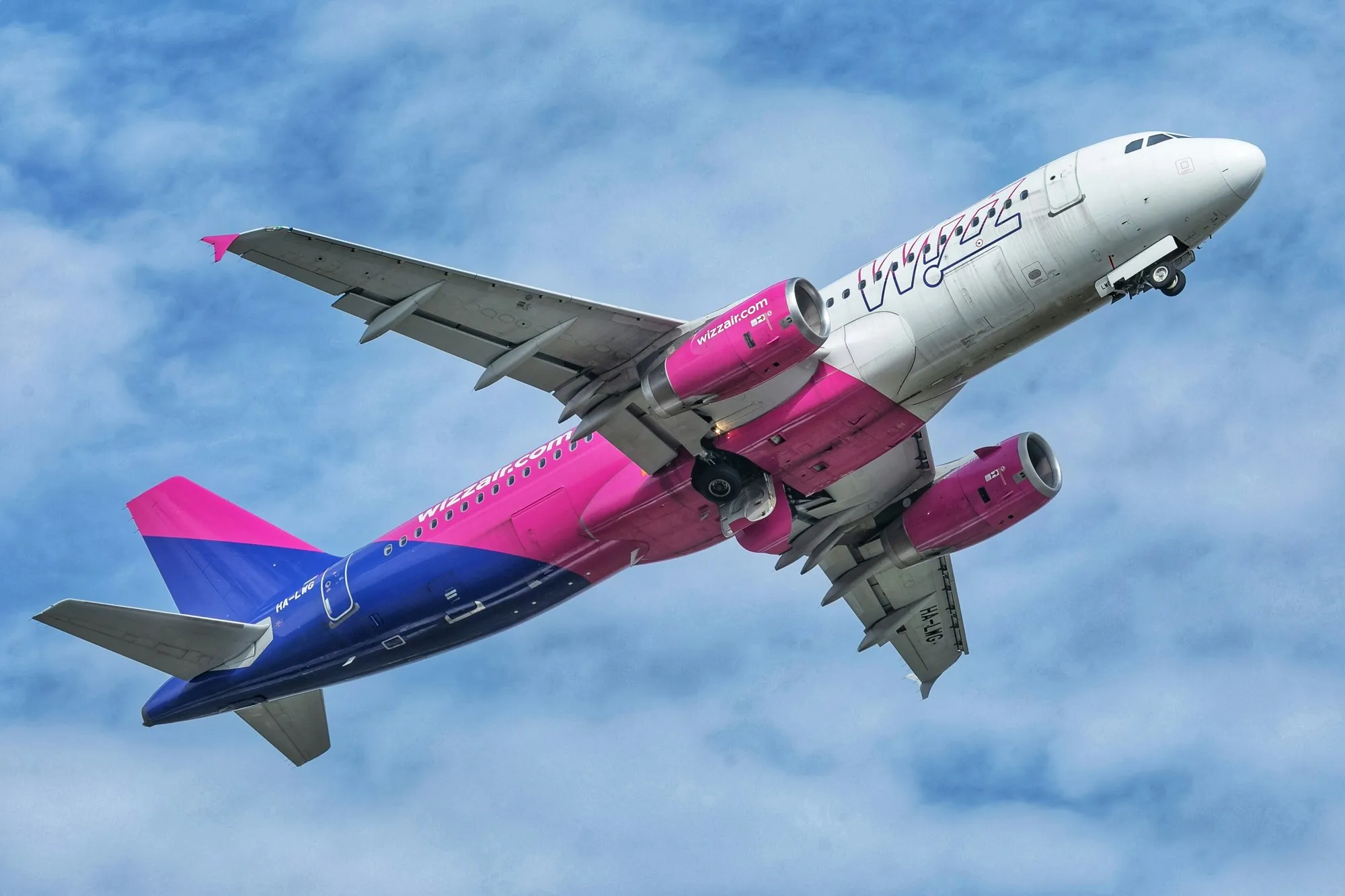
- Wizz Air: 40×30×20 cm, up to 10 kg. Must fit under the seat in front.
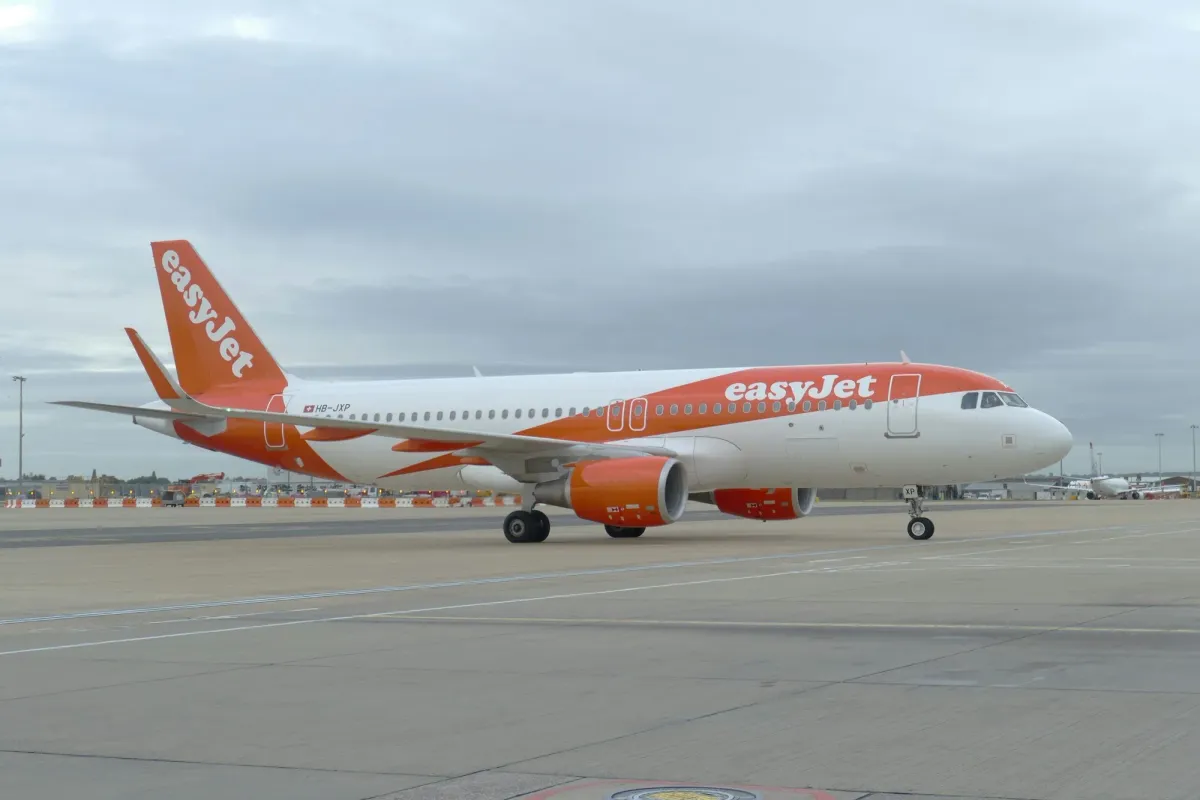
- EasyJet: 45×36×20 cm, up to 15 kg. Must fit under the seat in front.
Additional Hand Luggage (for the overhead locker)
This is the option to take a larger suitcase into the cabin, which always requires an additional fee (usually by purchasing a “priority boarding” or “large hand luggage” service).
- Ryanair (with the “Priority & 2 Cabin Bags” service): in addition to the free small carry-on, one item of 55×40×20 cm, up to 10 kg is allowed.
- Wizz Air (with the Wizz Priority service): in addition to the free small carry-on, one item of 55×40×23 cm, up to 10 kg is allowed.
- EasyJet (with the “Large cabin bag” service or for EasyJet Plus / FLEXI fare holders): one item of 56×45×25 cm, up to 15 kg.
Tip: when buying a suitcase, aim for the strictest requirements of the airlines you fly with most often or plan to fly with. For European low-cost carriers (with no surcharge), a case of 40×25×20 cm or 40×30×20 cm is often a safe universal choice.
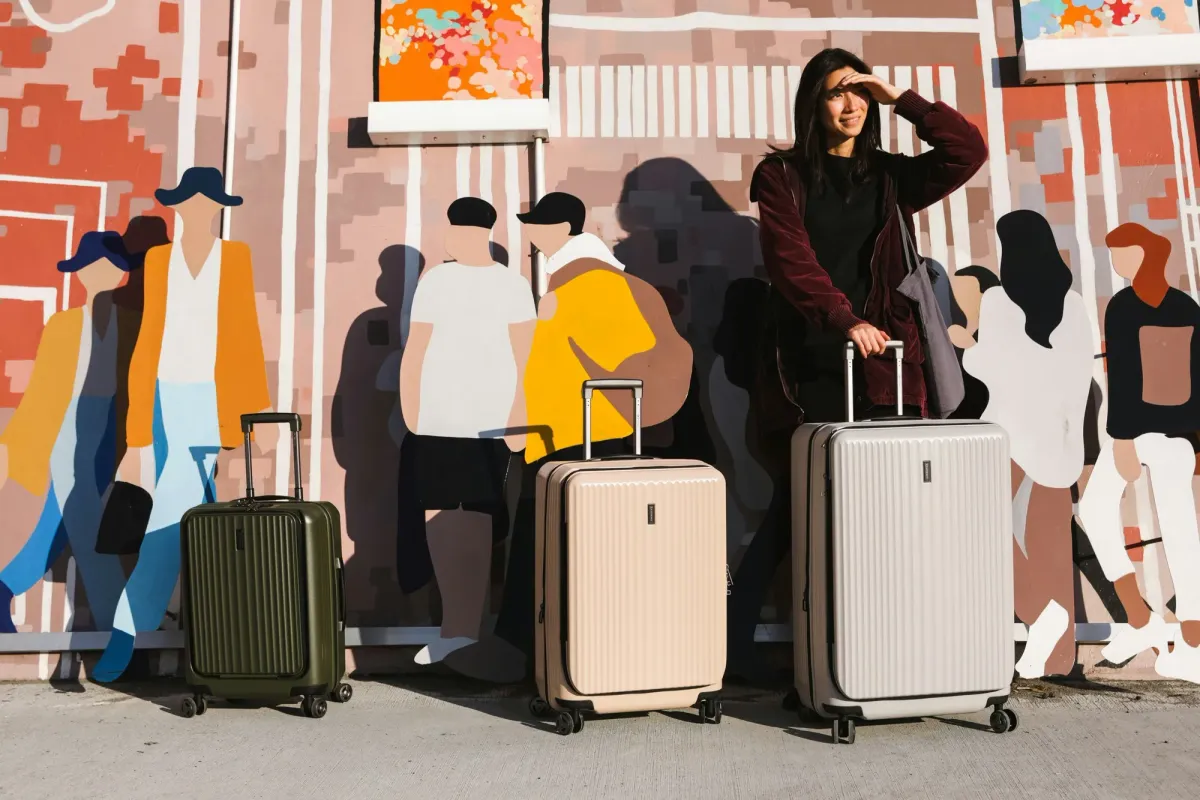
Which Suitcase to Choose
We’re looking for a balance between durability, lightness, and dimensions.
Material
Soft (fabric):
- Pros: lighter than hard cases, often has external pockets, and can “squeeze” a little to fit into the sizer even if it slightly exceeds the dimensions.
- Cons: less protected from impacts and moisture, and can get dirty easily.
A great choice for low-cost carriers thanks to its flexibility.
Hard (plastic):
- Pros: protects the contents more reliably, looks more stylish, and is easier to clean.
- Cons: heavier than soft cases, doesn’t compress, and has no external pockets. Higher risk of cracking from a strong impact.
If you choose a plastic one, look for polycarbonate or ABS models — they’re stronger and lighter.
Wheels
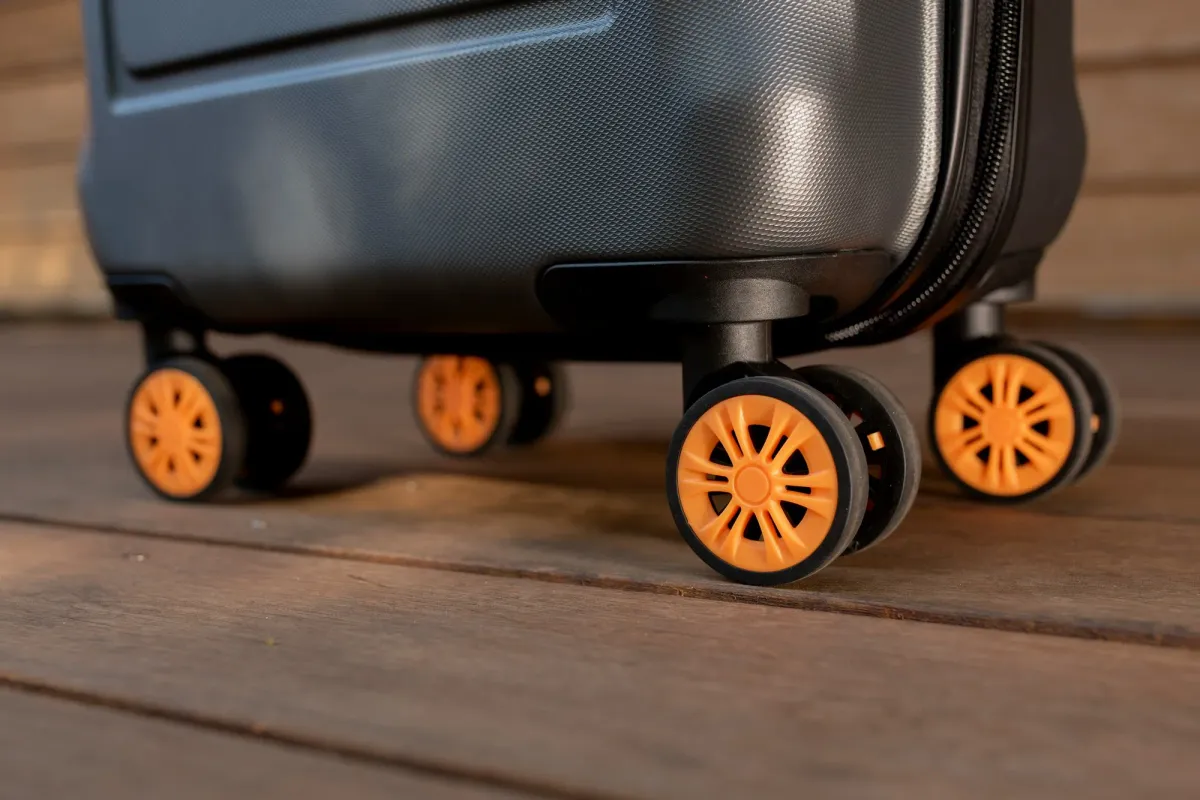
- Two wheels: recessed into the body, which saves valuable centimeters in depth. But such a suitcase has to be tilted and pulled behind you.
- Four wheels (spinner): very convenient to roll in any direction, especially at the airport. But the wheels stick out beyond the body, and they’ll be counted when measuring.
Recommendation: suitcases with two recessed or removable wheels are better suited for low-cost carriers. If you choose a four-wheel model, make sure the wheels don’t exceed the limits set by the airline.
Handle
- The telescopic handle should be sturdy, without play, and lock easily in different positions.
- Having one or two handles on the top and side is convenient for carrying.
Empty Suitcase Weight
This is a very important parameter! The lighter the suitcase itself, the more things you can take. Try to choose models weighing 1.5–2.5 kg for carry-on. Every gram counts.
Top 3 Tricks for Traveling with a Low-Cost Carrier
- Vacuum bags: they significantly reduce the volume of clothing by removing the air. This will help you fit more items into the same suitcase.
- Wear your bulkiest items: it’s better to put on or carry your jacket, sweater, and heavy shoes. This saves weight and space in the suitcase.
- Use a personal bag: besides the suitcase, you usually have the right to a small personal item (a laptop, a handbag, a duty-free bag). Make the most of this space.
Where to Fly with Low-Cost Carriers
Low-cost carriers are the key to many European and Asian destinations if you’re ready for connections. A common strategy is to reach a major hub with a traditional airline and then switch to a low-cost carrier’s flight to your destination country.
May your trips be light, and your luggage always within the allowed limits!