Guide to the Best Places for Diving Certification
 Polina
Dreaming of breathing underwater, exploring coral reefs, and coming face-to-face with amazing marine life? To begin this exciting journey, you’ll need diving certification. The choice of where to train can greatly influence your first experience and your future love for diving. It’s important to choose a place with good training conditions, experienced instructors, and, of course, beautiful underwater landscapes.
We’ve prepared a guide to the best destinations for obtaining your Open Water Diver (OWD) certification — the basic level that opens the doors to the world of underwater exploration. Here you’ll learn where to get quality training, enjoy incredible sights, and make your first dives truly unforgettable.
What is Diving Certification and Where to Start?
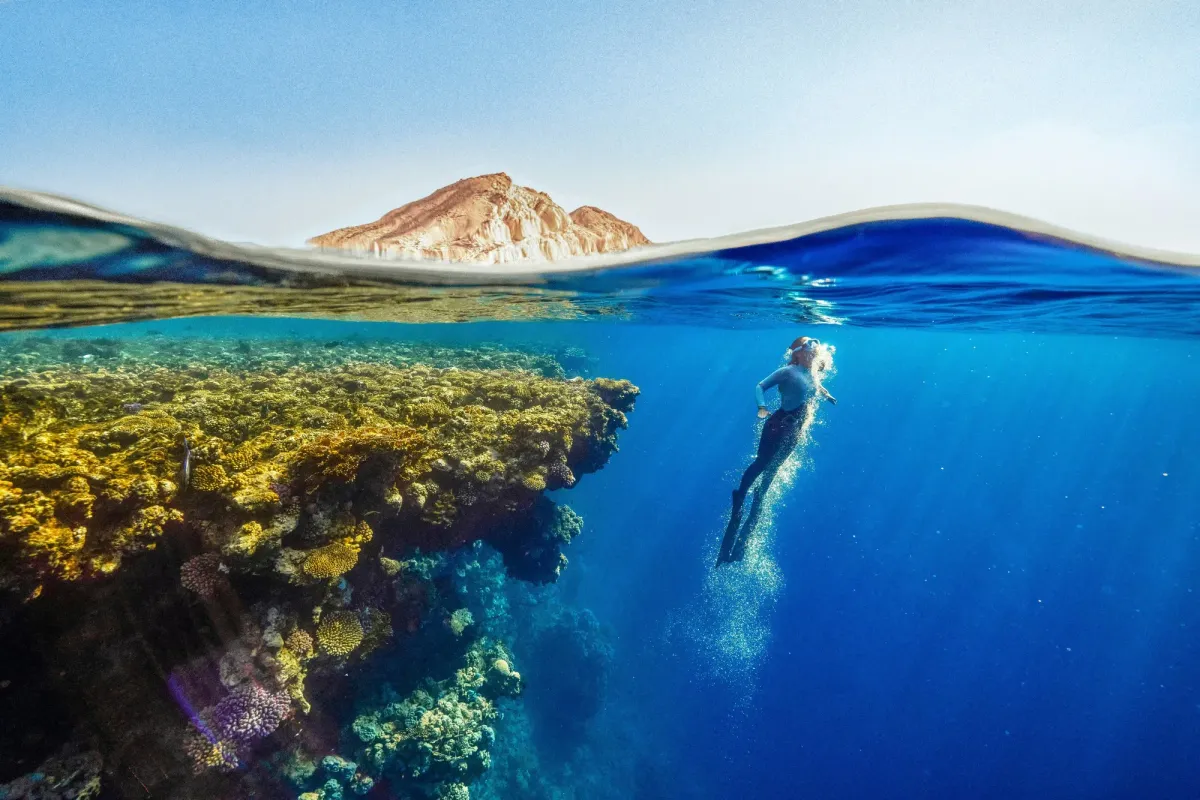
Before we head to the best locations, let’s briefly understand what diving certification is. It’s a document confirming that you have completed training and possess the necessary skills for safe underwater diving. The most common certification for beginners is Open Water Diver (OWD) from one of the leading organizations, such as PADI (Professional Association of Diving Instructors) or SSI (Scuba Schools International).
The OWD training process typically includes three parts:
- Theoretical part: studying the basics of diving physics, safety, and equipment. This can often be completed online before your trip.
- Confined water practical sessions: practicing basic skills in a pool or shallow sea.
- Open water dives: 4 dives under instructor supervision, where you apply learned skills and begin exploring the underwater world.
The OWD course typically lasts 3 to 4 days.
Top 7 Best Places for Diving Certification
Choosing the ideal place for training depends on several factors: your budget, climate preferences, available time, and the desire to combine learning with other types of recreation.
Red Sea, Egypt
The Red Sea is one of the most popular and accessible diving destinations worldwide, especially for beginners.
Advantages:
- Proximity and Accessibility: relatively short flights and many direct routes, for example, you can easily buy tickets to Sharm El Sheikh or Hurghada on Kupi.com.
- Excellent Training Conditions: clear warm water (22–28°C year-round), almost no currents, abundance of dive centers.
- Rich Underwater World: from your very first dives, you’ll see incredible coral reefs, thousands of species of colorful fish, and turtles. This inspires and motivates learning.
- Competitive Prices: the cost of training and diving tours here is among the lowest in the world.
Where to learn: Sharm El Sheikh (Naama Bay, Ras Um Sid), Hurghada (bays for beginners), Dahab (more relaxed atmosphere). Ideal for those who want to get certified quickly, affordably, and amidst magnificent underwater fauna.
Phuket or Koh Tao, Thailand
Thailand has long established itself as one of the best places for diving in Southeast Asia.
Advantages:
- Variety of Locations: Phuket offers more developed infrastructure and easy access to Andaman Sea dive sites. Koh Tao is a small island considered one of the cheapest places in the world to get certified.
- Warm Water and Good Visibility: water temperature around 28–30°C, visibility up to 20–30 meters.
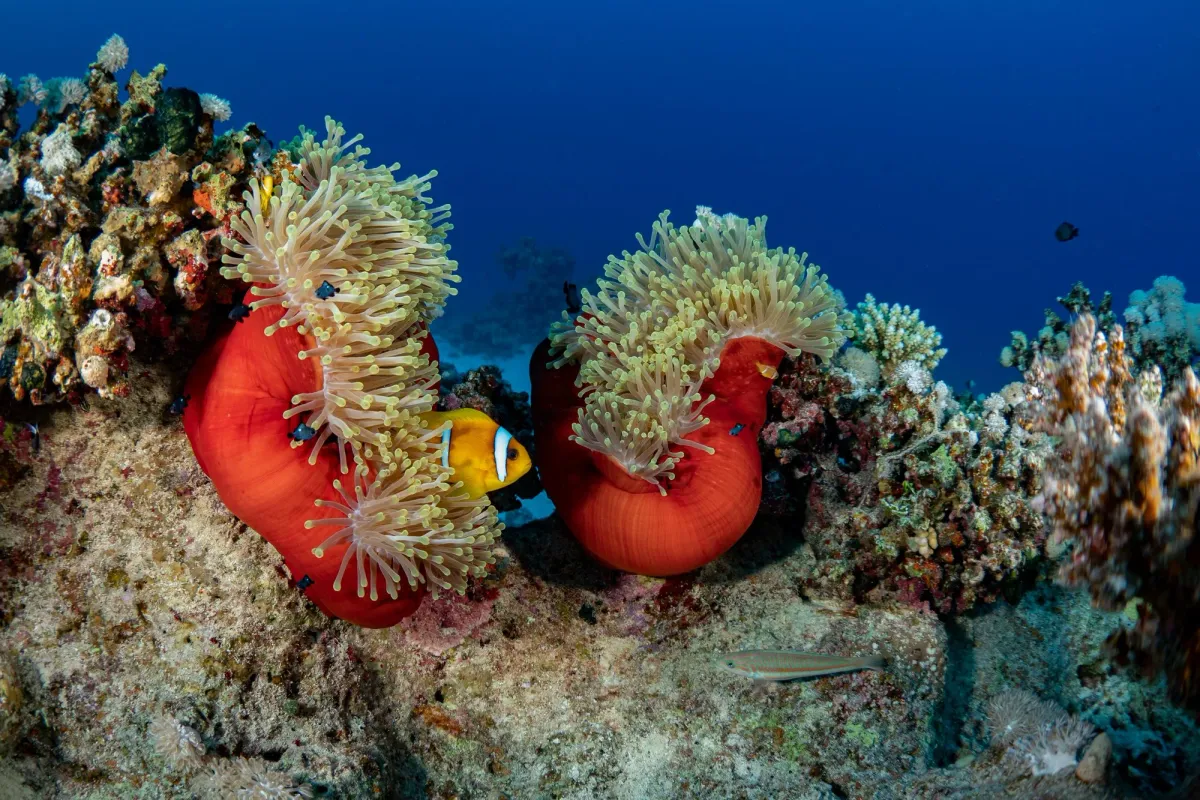
- Abundant Marine Life: you’ll see not only corals and fish, but possibly whale sharks (especially around the Similan Islands, accessible from Phuket).
- Excellent Cuisine and Culture: opportunity to combine training with a rich excursion program and enjoy Thai cuisine.
- Many Dive Centers: competition keeps prices at an affordable level.
Where to learn: Phuket (Patong, Karon), Koh Tao (Sairee Beach). A combination of adventure, affordable training, and exotic relaxation. Buy tickets on Kupi.com to Bangkok, followed by a domestic flight or ferry — this is your path to diving adventures in Thailand.
Maldives
The Maldives is synonymous with luxurious holidays, but also an ideal place for diving, especially if you want to start with style.
Advantages:
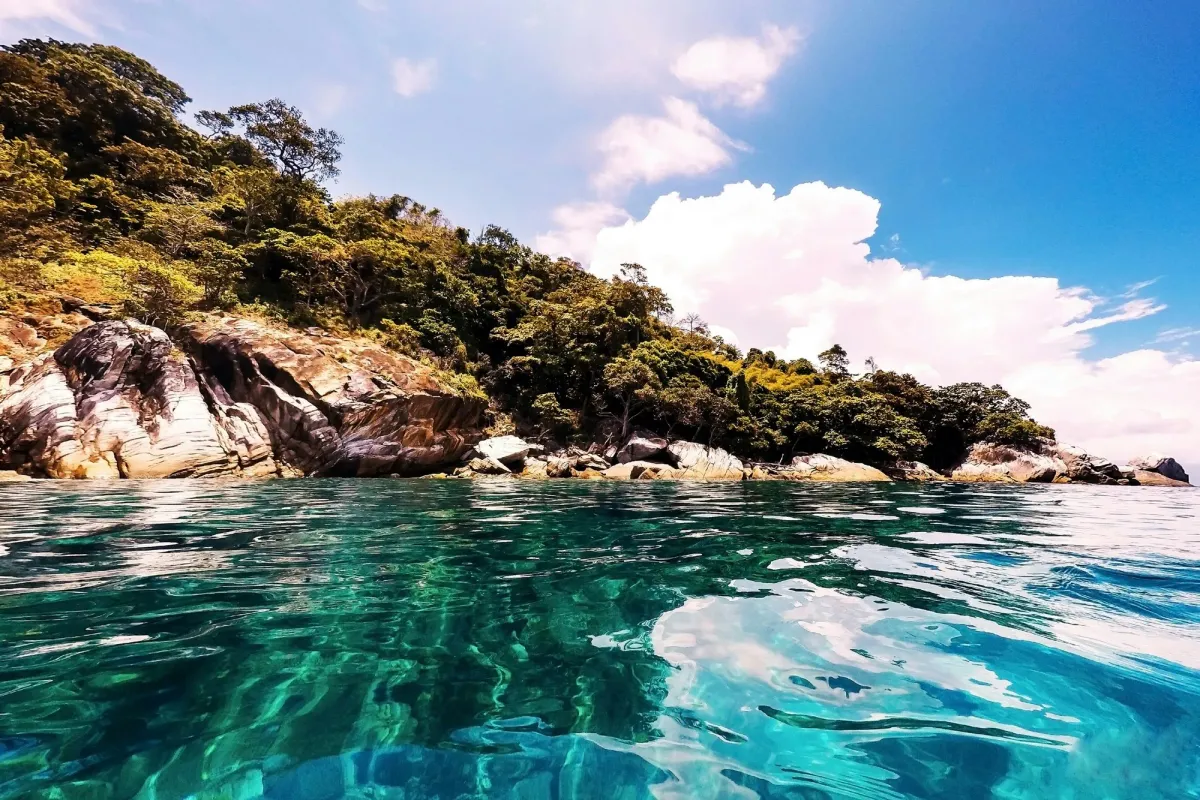
- Incredible Visibility: crystal clear water allows visibility of 30–40 meters.
- Richest Underwater World: here you’ll find manta rays, reef sharks, whale sharks, thousands of fish species, and magnificent coral gardens. Every dive is like a wildlife documentary.
- Warm Water: water temperature rarely drops below 28°C.
- High Level of Service: hotel dive centers offer top-tier training with a personalized approach.
- Peace and Quiet: ideal conditions for concentrating on training without urban hustle and bustle.
Where to learn: almost every resort island has its own dive center. An excellent option for those seeking maximum comfort, a personalized approach, and willing to pay for unforgettable experiences from day one. Flights to Malé will take you directly to this paradise.
Costa Rica
If you’re drawn to adventure and wildlife not only underwater but also on land, Costa Rica is your choice.
Advantages:
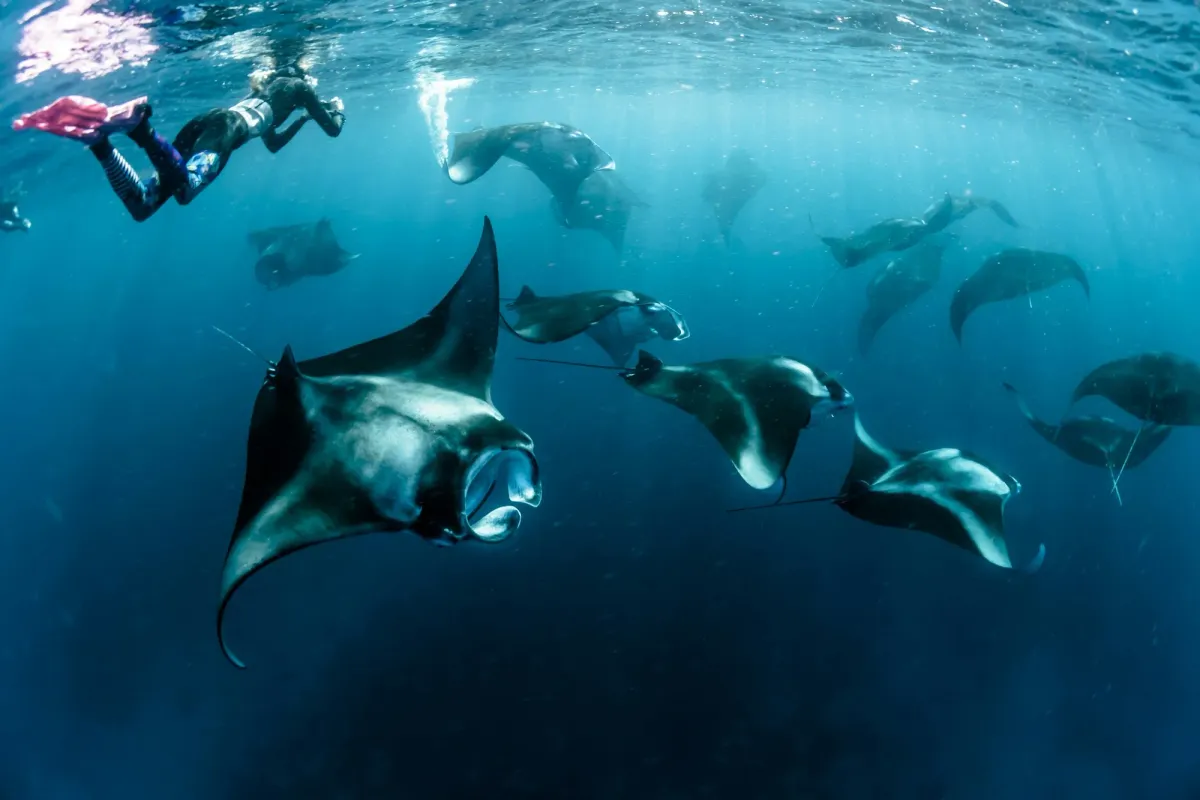
- Unique Marine Life: Costa Rica’s Pacific coast is known for large marine animals — whales, dolphins, giant rays, hammerhead sharks (at more advanced dive sites, but they can be seen) are found here.
- Ecotourism: you can combine training with visits to national parks, volcanoes, and observing monkeys and birds.
- Warm Water: water temperature is comfortable for diving.
- Less Crowded: compared to Egypt or Thailand, there are fewer divers here, providing a more secluded experience.
Where to learn:Papagayo, Drake Bay, Cocos Island (for advanced divers). Ideal for adventure seekers, wildlife enthusiasts, and those who want to get certified in a less “touristy” location. For this destination, you’ll need tickets to San Jose.
Philippines
The Philippines offers an incredible variety of diving opportunities for all levels.
Advantages:
- Biodiversity: one of the world’s centers of marine biodiversity. Here you’ll find everything from tiny nudibranchs to whale sharks and rare deep-sea creatures.
- Affordability: diving training here is relatively inexpensive, especially compared to the Maldives or the Caribbean.
- Warm Water Year-Round: average water temperature is 27–30°C.
- Colorful Coral Reefs: many healthy reefs, ideal for first dives.
- Hospitality: Filipinos are known for their friendliness and hospitality.
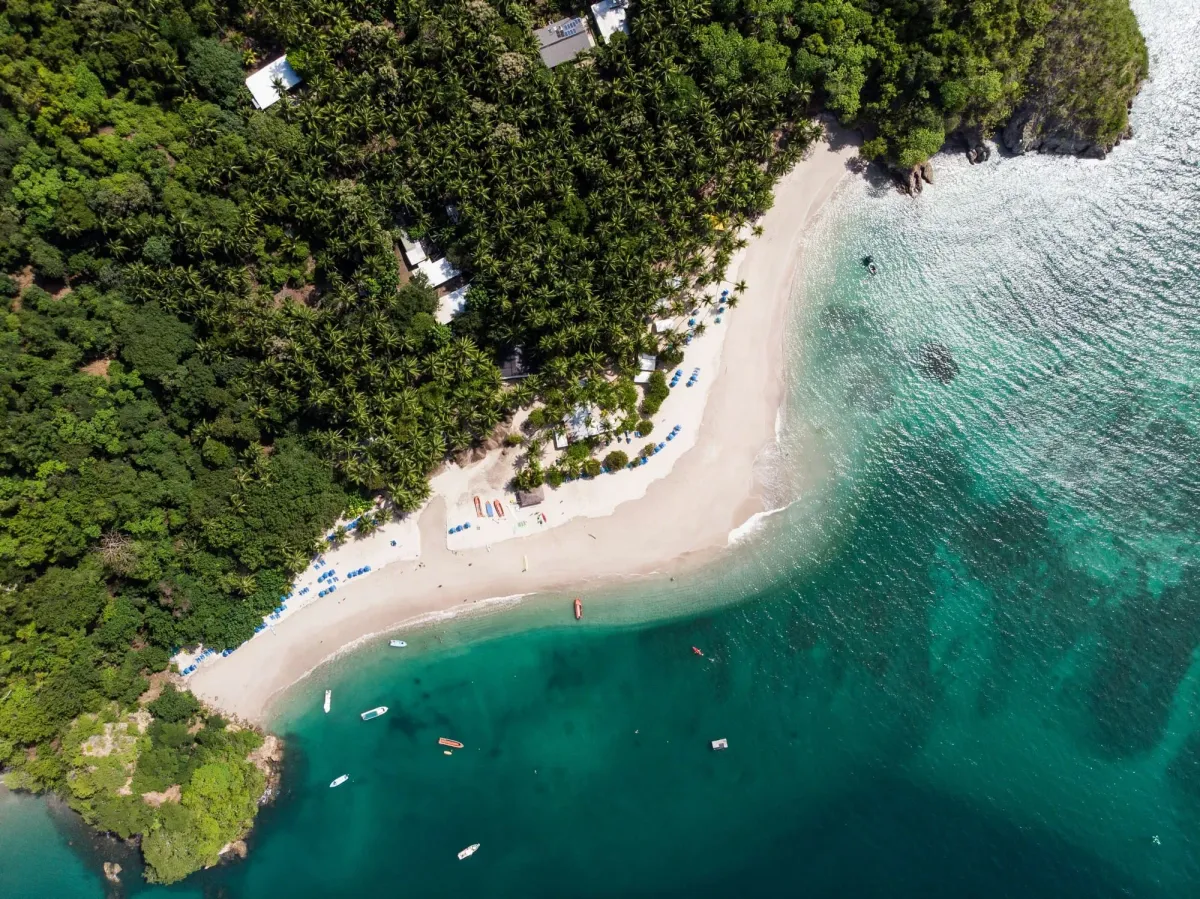
Where to learn: Boracay (for beginners), Cebu, Palawan (El Nido, Coron for wreck diving, but that’s an advanced level). Ideal for those seeking incredible underwater diversity, affordable training, and a long adventure. Buy tickets on Kupi.com to Manila or Cebu — and you’re already on your way to diving adventures.
Gran Canaria Island, Spain
If you prefer a European destination, Gran Canaria offers excellent training conditions.
Advantages:
- Accessibility from Europe: easy flight from most European cities.
- Year-Round Diving: comfortable water temperature (18–24°C) allows diving at any time of the year.
- Diverse Dive Sites: from volcanic reefs and caves to shipwrecks (for more advanced divers). Many spots suitable for beginners.
- High Safety Standards: European dive centers strictly adhere to international standards.
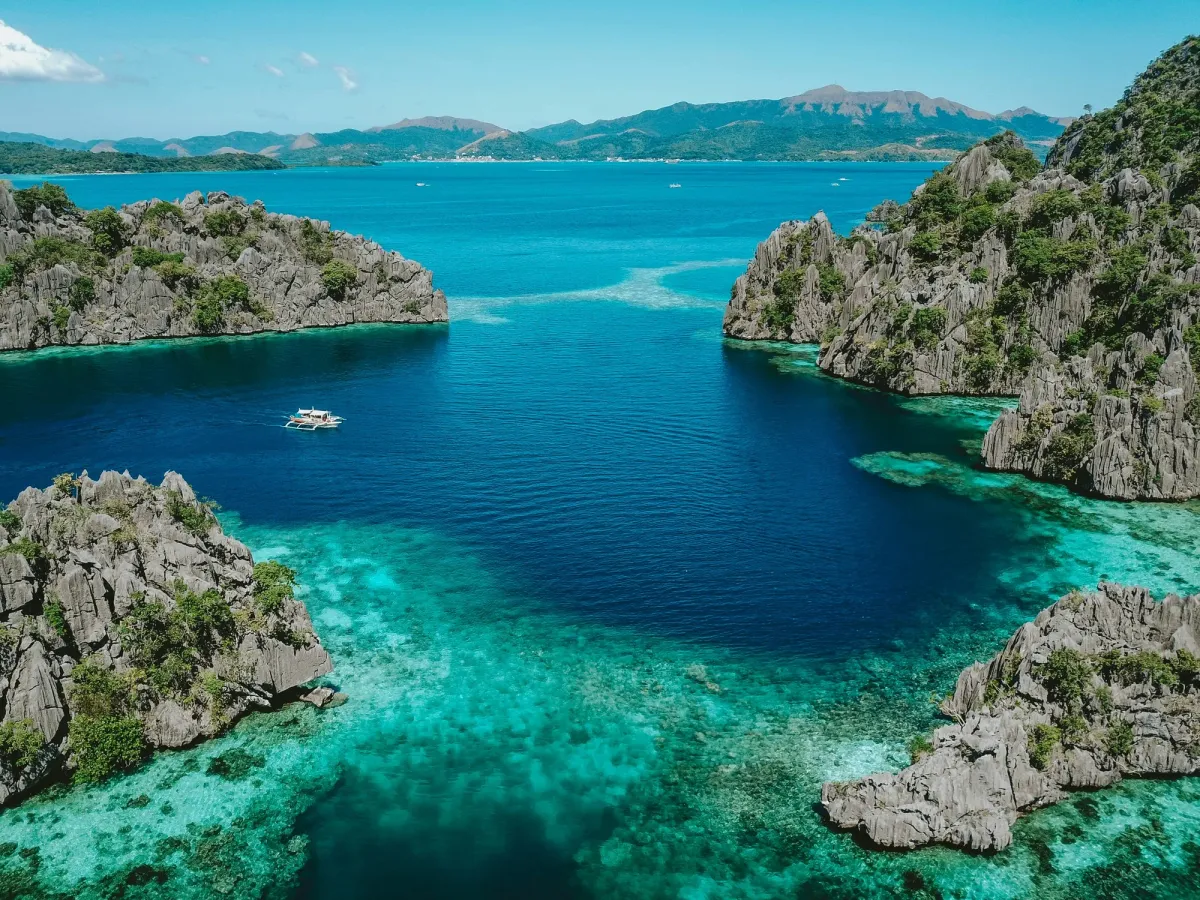
- Beautiful Landscapes: Gran Canaria is not just about diving, but also beautiful beaches, mountains, and active recreation on land.
Where to learn: Las Palmas de Gran Canaria, Spain. Of course, this is the most optimal option for Europeans and those who don’t want to fly far, value high safety standards, and wish to combine diving with beach and active holidays. You just need to buy tickets to Las Palmas on Kupi.com (with a layover).
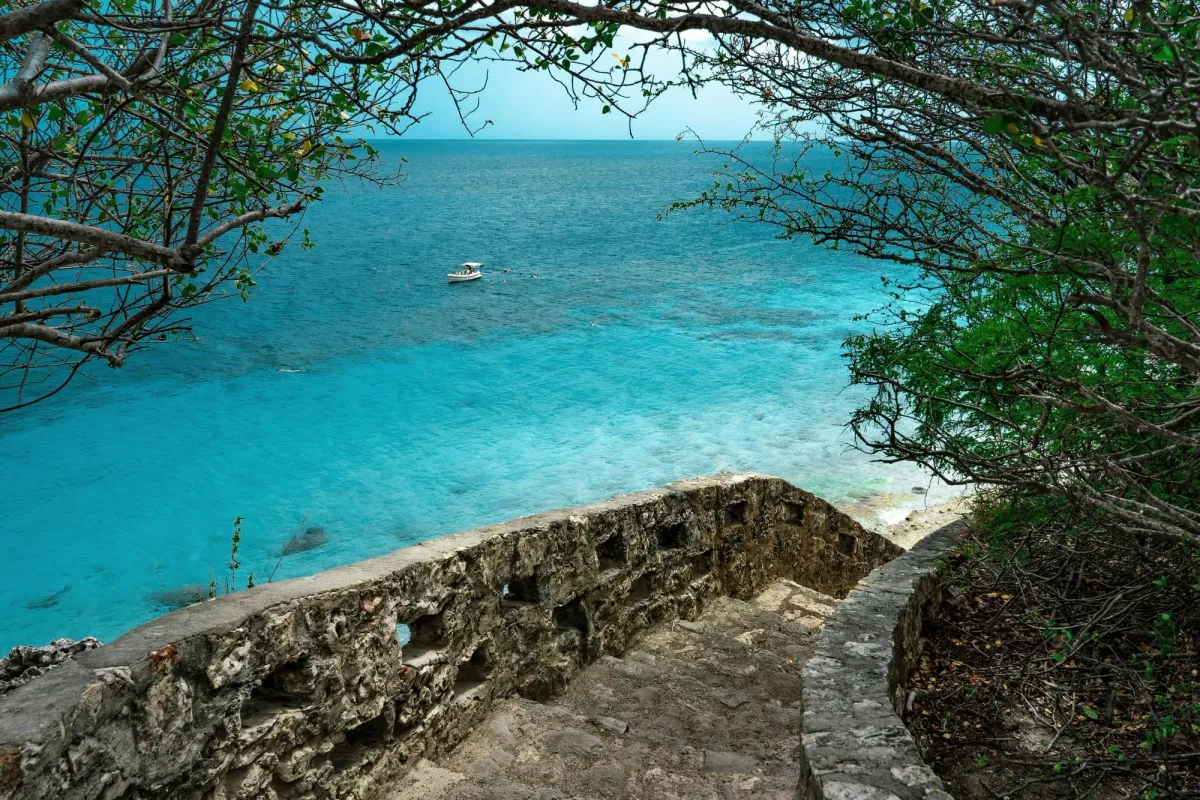
Bonaire, Caribbean Netherlands
Bonaire is known as the “Diving Capital of the Caribbean” and is unique for its shore diving concept.
Advantages:
- Easy Shore Access: most dive sites are accessible directly from the shore, which is very convenient for training and independent dives after certification.
- Crystal Clear Water: visibility often exceeds 30 meters.
- Protected Marine Park: the entire island is surrounded by a marine national park, ensuring the preservation of coral reefs and abundant marine life.
- Diversity: from shallow coral gardens to deeper walls and small wrecks.
- Warm Water: around 26–28°C year-round.
Where to learn: almost any dive center on the island. Suitable for those who value easy access to dive sites, want to combine training with independent dives, and enjoy a peaceful holiday. Flights to Bonaire will require several transfers, but it’s worth it.
Tips for Choosing a Dive Center and Training
Regardless of the destination you choose, remember the following:
- Choose a Certified Dive Center: ensure the center is accredited by one of the leading organizations (PADI, SSI, NAUI, CMAS, etc.).
- Read Reviews: carefully study reviews of dive centers and instructors on TripAdvisor, Google Maps, and specialized diving forums.
- Inquire about Instructor Qualifications: don’t hesitate to ask about your instructor’s experience and certification.
- Clarify What’s Included in the Price: an OWD course typically includes educational materials, equipment rental, dives, instructor services, and the certification itself. Make sure there are no hidden fees.
- Complete Theory Online: many organizations offer to complete the theoretical part of the course (eLearning) at home, before your trip. This will save time during your vacation and allow you to focus more on practical skills.
- Don’t Rush: if you feel unsure, don’t hesitate to ask your instructor to repeat exercises. Your safety and comfort are paramount.
- Check Medical Contraindications: before diving, be sure to familiarize yourself with the list of medical contraindications. A doctor’s note may be required.
Good luck on your diving journey!