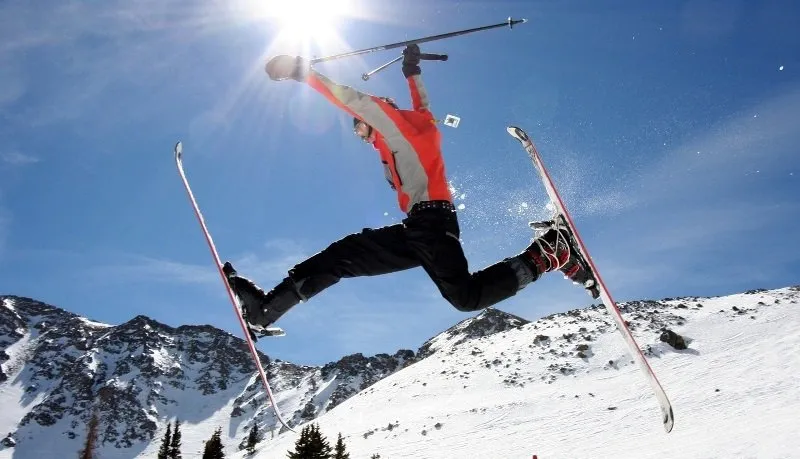
Heading to a ski resort: what to take to the mountains?
The start of the ski season is just around the corner. Experienced tourists booked hotels and flights back in September-October and are already starting to prepare their gear.

It’s harder for beginners to pack, so today we’ll talk about a list of essential items for those heading to the mountains for the first time.
Ski and Snowboard Clothing
It’s best to buy special clothing for skiing. You can only ski in jeans or sweatpants on hills near home. The ideal option is to visit a specialized store; a consultant will help you choose and find the perfect suit, depending on what you’ll be riding (skis or snowboard). But you won’t be limited to just one suit; ski suits are worn over special thermal underwear. It can be made from various materials, natural (cotton) and synthetic (microfiber, polyester, lycra, fleece). Its main task is to retain warmth and wick moisture away from the body. Ordinary underwear, sweaters, and hoodies can also keep you warm, but remember, skiing is a physical activity during which the body actively releases moisture. If you wear ordinary clothes, they will quickly get wet, and you will get cold. Don’t skimp on buying special socks, especially if you plan to ski. They not only retain warmth well and, like thermal underwear, wick away moisture, but also prevent chafing from the boot.
Many beginner skiers believe that blisters and chafing on their feet are due to poorly chosen boots, but in reality, in the vast majority of cases, incorrectly chosen socks are to blame.
Gloves are no less important; they should be waterproof, windproof, and fit comfortably in the hand without restricting movement. Don’t forget a hat or a headband, or even better, take both, in case the weather changes. If you plan to ski at high-altitude resorts, it is recommended to bring a special balaclava or fleece snood. As a rule, these can be easily purchased at any ski resort.
Equipment
If you ski regularly, it’s advisable to buy your own equipment. It is selected based on your parameters (height, weight) and skiing experience. Only your own equipment will fit you perfectly. If you’re not ready to buy a full set, at least get boots. Good ski boots are fitted to the foot, with adjustable angles for the foot and shaft, stiffness, and heat molding. Remember that equipment must be transported in special covers. Before your trip, be sure to check the ski equipment transportation rules of the airline you are flying with. During the winter season, many airlines transport it for free. Don’t forget a mask and ski goggles, and if you’re still unsteady on skis, and even more so on a snowboard, be sure to get a helmet.
What cosmetics to take to the mountains?
When heading to the mountains, taking cosmetics is just as important as a first-aid kit! The sun in the mountains is much more treacherous than at the sea. Getting a sunburn here is easy. Therefore, don’t forget to bring sunscreen with you to the mountains, preferably with SPF 20-50 (depending on skin type). Don’t forget hygienic lipstick. Lips in the mountains suffer not only from active sun but also get chapped from frost and wind. It’s better to buy hygienic lipstick at a local pharmacy; those you find at home are unlikely to have the necessary level of protection. Be careful with moisturizing cream; a simple cream won’t work; it will more likely contribute to frostbite than help retain moisture in the skin. Many brands offer special moisturizing creams for frost, but even these should be applied 20–30 minutes before going outside. In general, all cosmetics can be bought locally; many products designed for mountain climates are not sold in the lowlands.
Skier’s First Aid Kit
We have already written about first aid kits. To the standard set, we recommend adding a few more plasters, an elastic bandage, warming cream, and cream for sprains, bruises, etc.