KLM — The Oldest Airline in the World
It turns out that one of the oldest airlines in the world still exists, and probably few people know that it is the Dutch KLM, founded on October 7, 1919. By the way, KLM stands for Koninklijke Luchtvaart Maatschappij NV, which translates to Royal Dutch Airlines.
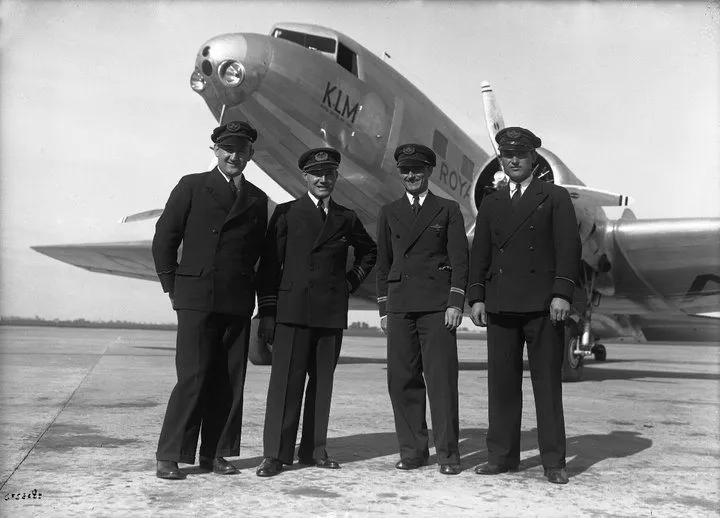
The first flight was made in 1920 on the Amsterdam-London route. Then flights to Copenhagen and Hamburg were opened. Civil aviation was just emerging, and flights had to be made on planes that remained after the First World War, i.e., military aircraft. They were poorly adapted for carrying people. On the De Havilland DH-16 aircraft used by KLM, passengers sat in an open cockpit in the observer’s seat. To prevent passengers from freezing, they were given warm sweaters and helmets. Naturally, flights in cold weather were out of the question.
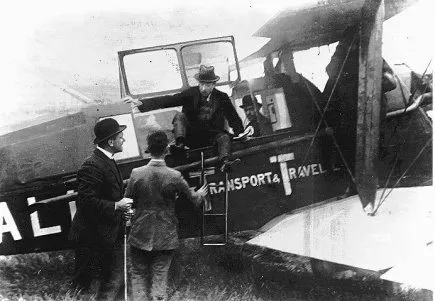
A little later, military aircraft began to be re-equipped; the pilot’s cockpit was moved forward, and face-to-face seats for two passengers were installed in the rear. To protect against bad weather, the passenger cabin was enclosed, with two windows on the sides. A new aircraft called D.H.4A was created.
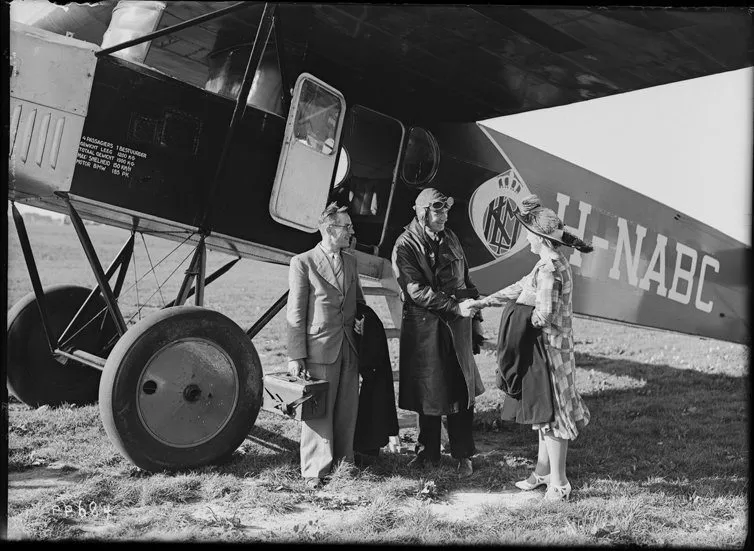
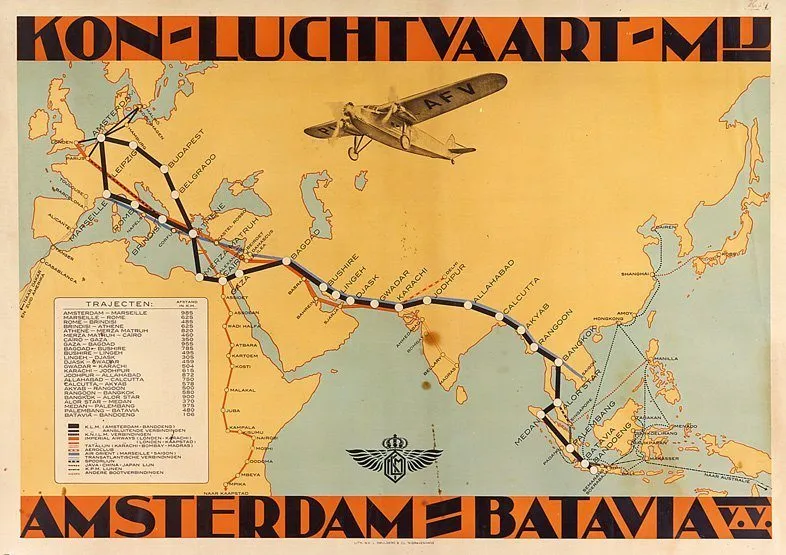
In those days, modern Indonesia was a Dutch colony, and in 1924, KLM opened a regular flight to Batavia, modern Jakarta. The distance between Amsterdam and the Dutch East Indies was about 11,000 kilometers, and it took 10 days to cover this distance by air! Without refueling, planes produced in those years could fly no more than 1600 kilometers. Therefore, 24 stops were required for refueling along the way. At that time, it was an outstanding achievement for a passenger aircraft.
From 1933, the Fokker F-XVIII Pelikaan began to be sent overseas twice a week. Its engines developed twice the speed, thanks to which the flight time was reduced by more than half. Now the journey from Amsterdam to Batavia could be completed in just 4 days. Aircraft of the first half of the 20th century were not known for comfortable cabins. The interior was plywood, without any finishing; only from 1925 did attention begin to be paid to the cabin, the pilot’s cockpit was enclosed, and the cabin itself was heated.
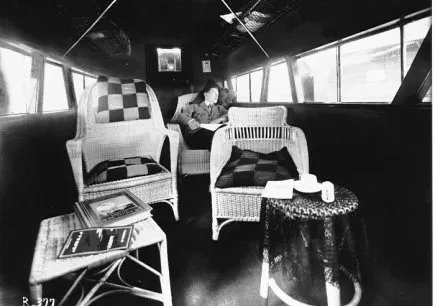
KLM continued to set records, and in December 1934, it made its first transatlantic flight from Amsterdam to Curaçao (an island in the Caribbean Sea not far from the coast of Venezuela). During the Second World War, all flights were suspended, but already in September 1945, KLM resumed flights, and a year later opened a regular Amsterdam — New York route. 10 years later, flights to Tokyo were established, with the route passing over the North Pole. Each crew on this flight was equipped with a survival kit, including a rifle to deter polar bears, in case of an emergency landing on ice.
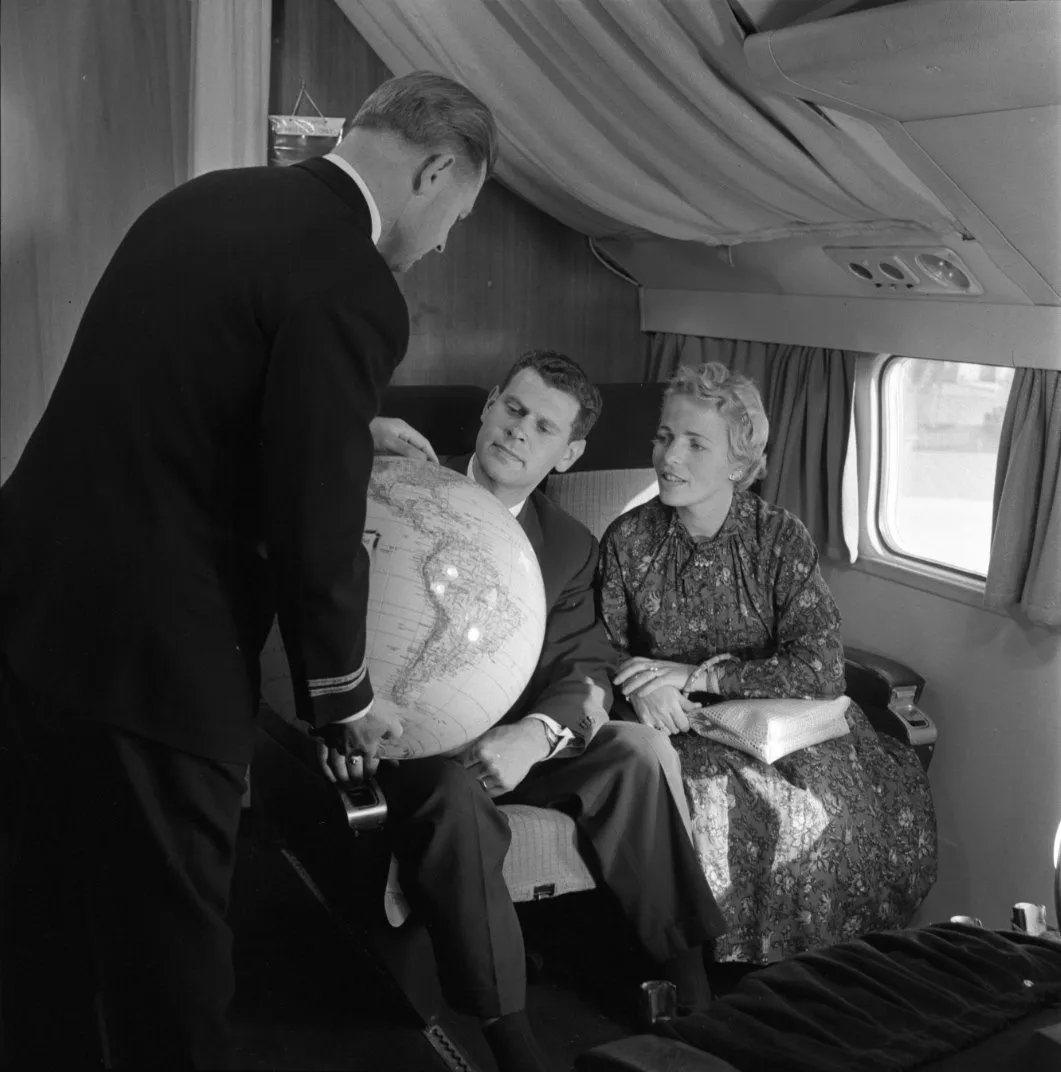
KLM became the first airline in Europe to create a loyalty program for frequent flyers. In 1991, the Flying Dutchman program was launched. The prefix “first in the world” can be applied to many of the company’s innovations. KLM became the first airline in the world to introduce service classes on its aircraft; thus, in 1974, the FFF class (Full Fare Facilities) appeared, an analogue of modern business class. And in 1990, it became the first company that, in addition to service, distinguished business class with wider and more spacious seats. KLM became the first airline to receive ISO 14001 certification, an international standard for establishing an environmental management system. And in 2006, it was the first in the world to introduce self-service kiosks, with which passengers could print their boarding passes.