Safe Firmness
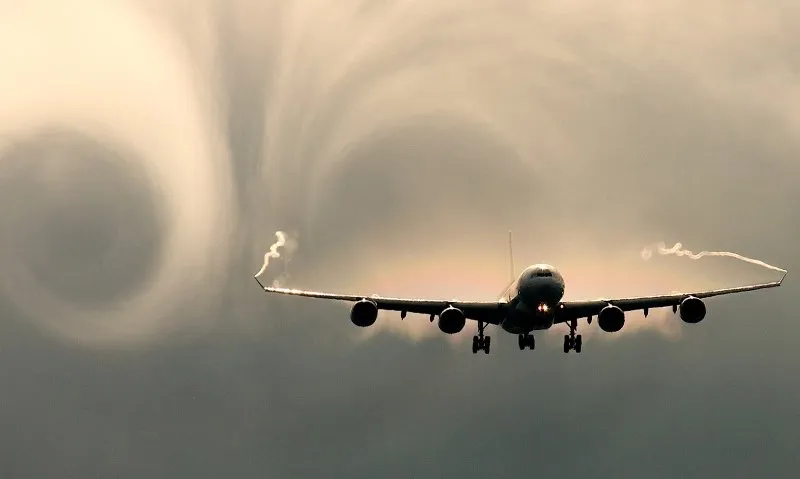
Any frequent flyer has noticed that some pilots land the plane softly, while others, on the contrary, seem to “plop” onto the runway. What does this depend on? Many assume it’s due to the pilot’s skill, but that’s not entirely true. The landing style primarily depends on the aircraft type. Some older aircraft types are designed for a softer landing; the aircraft seems to “settle” onto the runway. Before landing, pilots “hold” the aircraft above the ground, meaning they continue flying over the runway at an altitude of about one meter for some time, thereby achieving a soft touchdown.
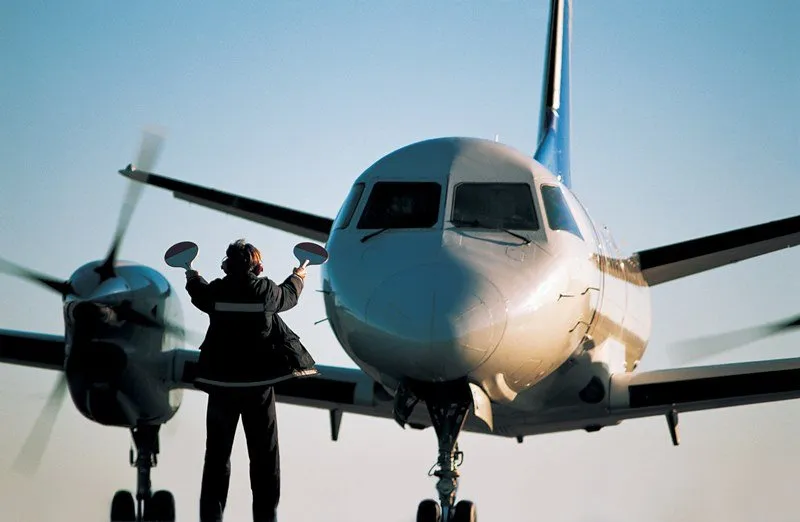
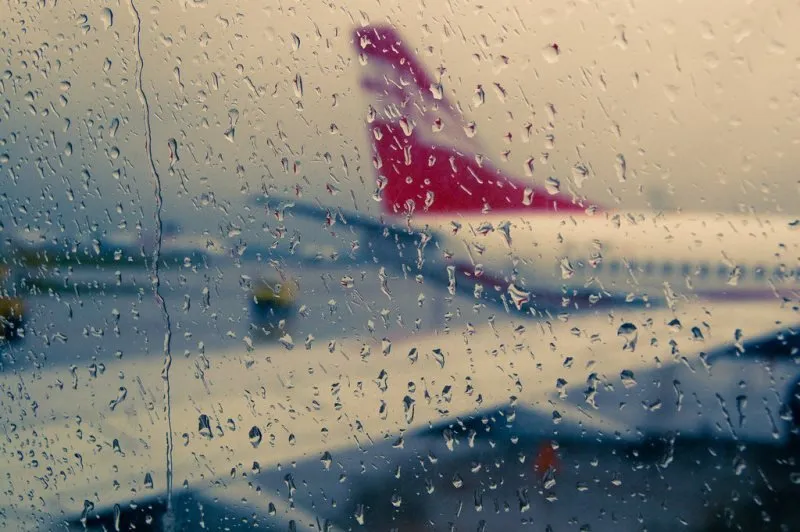
Foreign airliners, however, are designed for a firmer landing. However, it is not “hard” in the literal sense of the word; in aviation, there is a clear gradation of landings. An aircraft landing with an overload of 1.2 to 1.4g is rated excellent, 1.5–1.7g is good, and 1.7–2.0g is satisfactory. According to this gradation, a hard landing is defined as an aircraft landing with an overload significantly exceeding the normative value, i.e., more than 2.0g. As a result of such a landing, the aircraft, at best, requires special technical maintenance, and at worst, sustains damage. Boeing and Airbus manufacturers recommend performing landings with an overload of 1.4–1.5 g — this is a landing with increased overload, while other airliners land with an overload of 1.2–1.3 g. This is due to differences in the design of the aircraft and the leveling procedure before landing. Another factor influencing landing firmness is the weather and the condition of the runway. A firmer landing provides better grip on the runway, which is especially important in poor weather conditions. For example, when landing on a wet or snowy runway, there is a risk of the aircraft overrunning the runway, which is why in the rain, the aircraft always lands with a “thud”.
As you can see, a firm landing is not always a pilot’s mistake; many factors influence the aircraft’s landing style. The most important thing for a passenger is not to neglect safety rules on board. Don’t forget to fasten and tighten your seatbelt; this simple action will protect you from injuries in an emergency, not only during landing but throughout the entire flight.