What to see in Chiang Mai
The first question you might have is where Chiang Mai is and what it actually is. Don’t be alarmed: Chiang Mai is a large city and the capital of the province of the same name in Northern Thailand, and a lesser-known alternative to traditional resorts.
Here, hidden from tourists’ eyes, is an atmosphere completely different from the familiar azure sea and sunny beaches usually associated with Thailand. We’ll tell you about Chiang Mai: what to see, what to do, where to stay, and what to eat.
How to get there
While there are no direct flights to Chiang Mai from many long-haul destinations, you can easily fly there from Bangkok or other Asian countries. Regularly check flights to catch the best prices — flights are only with layovers, so you need to carefully choose convenient ones.
Within Thailand, Thai Airways International, Bangkok Airways, Air Asia, and Nok Air fly to Chiang Mai: they will take you to the province from Bangkok, Phuket, and Samui. From Asian countries, you can get there with Air Asia, China Airlines, China Eastern Airlines, Korean Airlines, Lao Airlines, and Silk Air flights. Choose these options if your departure city is Kuala Lumpur, Singapore, Taipei, Seoul, or Hong Kong.
In the Thai capital, take a bus from the Northern Bus Terminal or Mo Chit station. Ticket prices range from 650 to 1,100 baht. Buses depart every hour from 5:30 AM to 10:00 PM, and the journey takes 10 hours. Traveling by night buses is especially convenient — it’s also a good way to save on accommodation.

You can check the schedule and book tickets on Kupi.com online or at the station right before departure, if there are seats available. Tickets for these buses are also sold at travel agencies throughout Bangkok, especially in the Khao San Road area. Sometimes they include a transfer from the hotel to the bus station — maximum comfort!
You can also get there by train for a price starting from 290 baht for the simplest seat, but only five times a day: if you leave in the morning, you’ll be there by evening.
General advice regardless of the mode of transport: we recommend thinking about tickets in advance if you are traveling to the country during holidays (not only those familiar to us, but also local ones, like the Thai New Year Songkran in April).
What’s the weather like, and when is the best time to go?
Even if you love the heat, the prospect of hanging out in tropical forests from March to June isn’t so rosy. Firstly, it gets hellishly hot: temperatures rise to +40°C. Secondly, it’s very dangerous — forest fires sometimes start in the jungles of Northern Thailand.
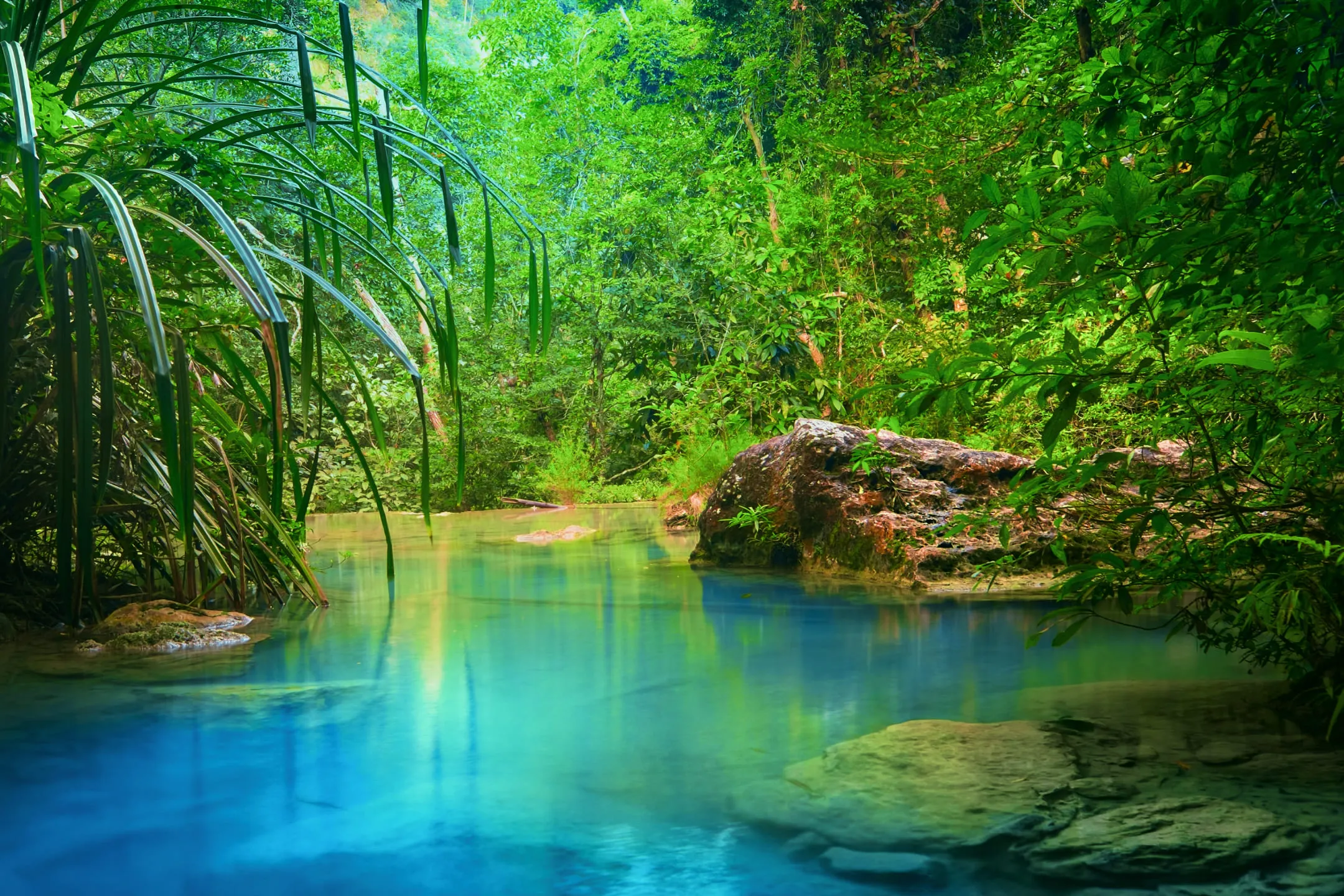
Closer to May-June, the heat gradually subsides, and the amount of rainfall increases six to eight times. Plants come alive and turn green, nature blossoms with vibrant colors. Don’t be afraid of the rainy season in northern Thailand — it’s not as harsh as in India. Rain doesn’t fall non-stop all day, as an anxious tourist might imagine. A few downpours a day are only a joy for locals, exhausted by the hot months. The air becomes humid, but not excessively so. In the mountains, it can even sometimes be cool due to the rain — a delight for those who don’t like the heat at all or want to escape it for a while.
Chiang Mai is one of those places where it’s best to vacation in Thailand during the winter months. Traditionally, the tourist season here begins closer to November. The weather is pleasant, around +30°C — this is the most comfortable time to visit the region. But note that hotel availability decreases, and prices rise.
Interesting locations and attractions
Chiang Mai is unique in that its attractions are a harmonious mix of modernity and antiquity. The city was founded in 1296 and remained the capital and religious center of the Lanna Kingdom until 1558, so it has a rich history and unique architecture. Despite the absence of beaches and the sea, there’s plenty to admire and be amazed by: mountain landscapes, waterfalls, Buddhist monasteries, and all sorts of historical wow-locations.
Monasteries
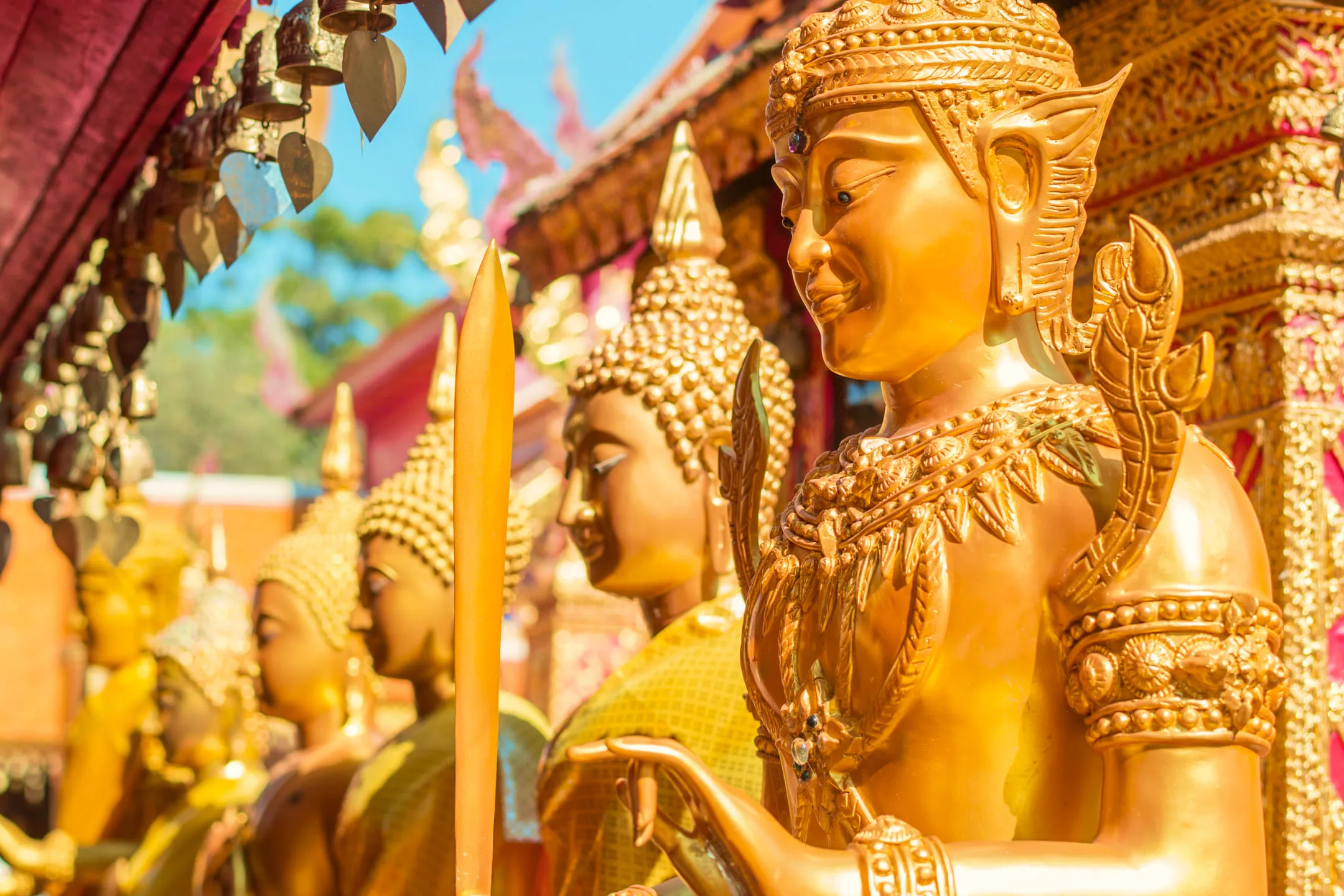
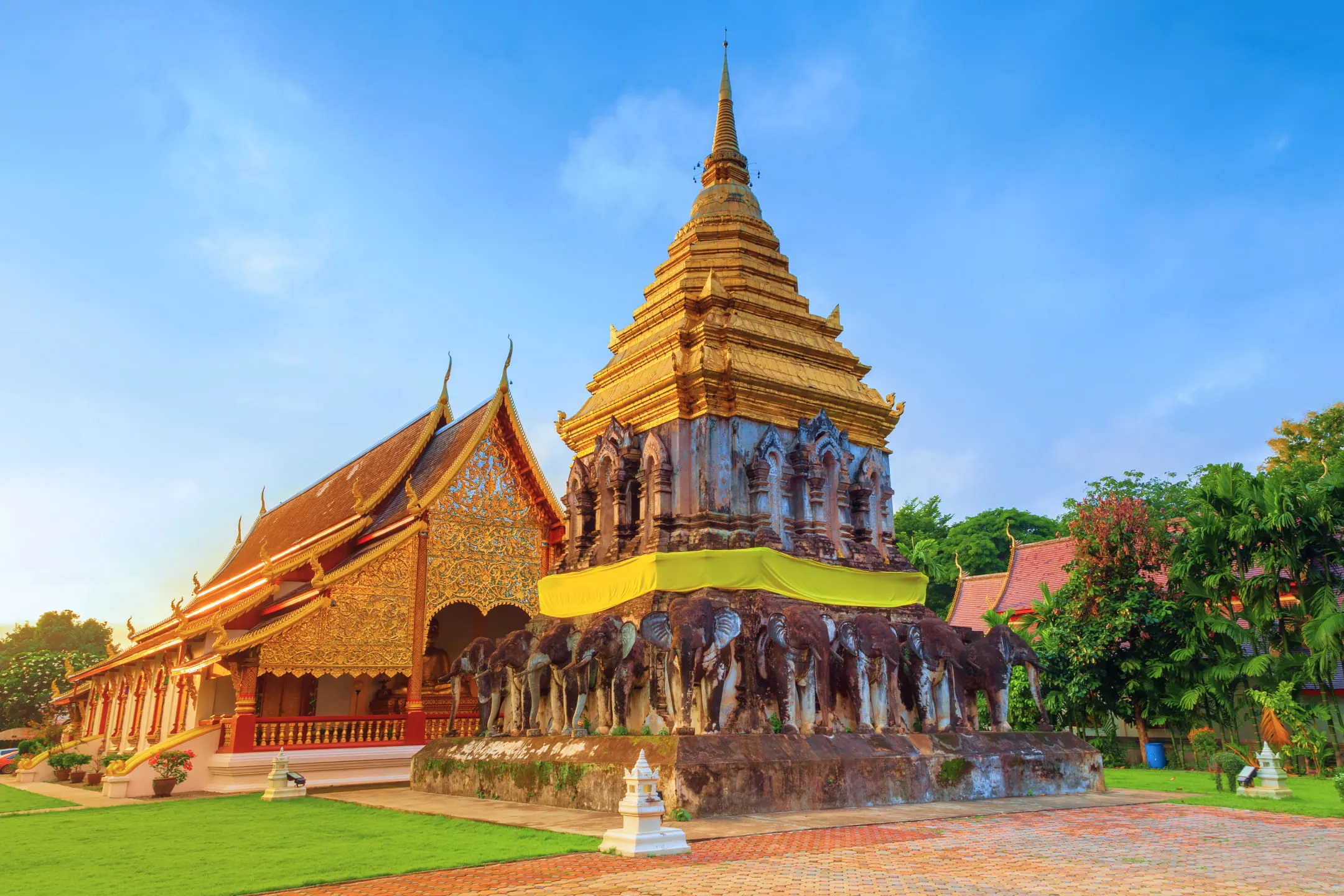
Monasteries in Northern Thailand stand away from the urban hustle and bustle, and are therefore considered some of the most atmospheric and authentic in the country. Many of them were built in the 13th century and continue to operate to this day.
Among interesting places, for example, is Wat Chiang Man — an ancient 13th-century monastery located in the northeast of the center, the oldest surviving temple. Interestingly, right next door stands another monastery, but a more modern one — Wat Saen Muang Ma Luang. The unique atmosphere of this monastery lies in its children’s music school, where monks teach how to play local instruments. Stop by to listen to traditional Thai melodies.
Chiang Dao Cave
A guide with a kerosene lamp will lead you here — so be ready for a quest. Five kilometers of cave labyrinths are mostly unfenced and left in their natural state, without any equipped paths. Somewhere you’ll literally have to squeeze through narrow passages, and somewhere you’ll feel like you’re in a huge hall.
Chiang Mai Zoo
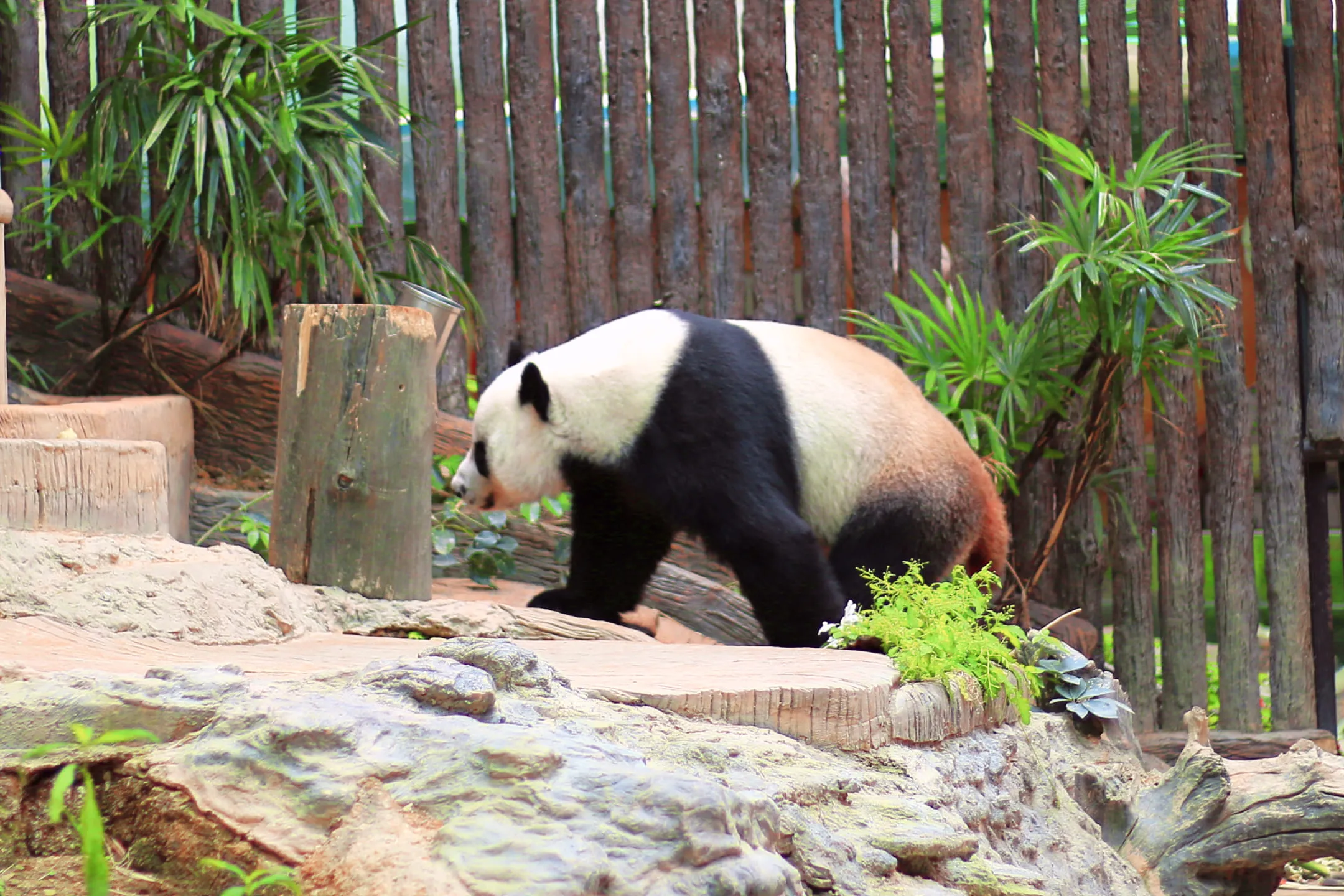
It seems to be the coolest zoo in Thailand. Firstly, it has a huge territory where many animals don’t live in cages but roam freely. It’s best, by the way, to save your legs and get around by bicycle or monorail. Secondly, the zoo has an entire enclosure with pandas, and, of course, they are the local stars here. You’ll have to pay extra to visit this enclosure, but it’s worth it! The next highlight is a giant aquarium, where 133 meters of tunnels with marine life hang over visitors’ heads. In short, there’s something here for tourists of all ages to see.
Golden Triangle
The place where the borders of three countries—Thailand, Burma, and Laos—meet, and the confluence of the Mekong and Ruak rivers. Previously, this location was known as a center for opium trade, but thanks to the efforts of the Thai king, it has become a symbol of peace and prosperity. Instead of drugs, tea is now sold here, and only the Opium Museum reminds of the past.
Talat Warorot Market
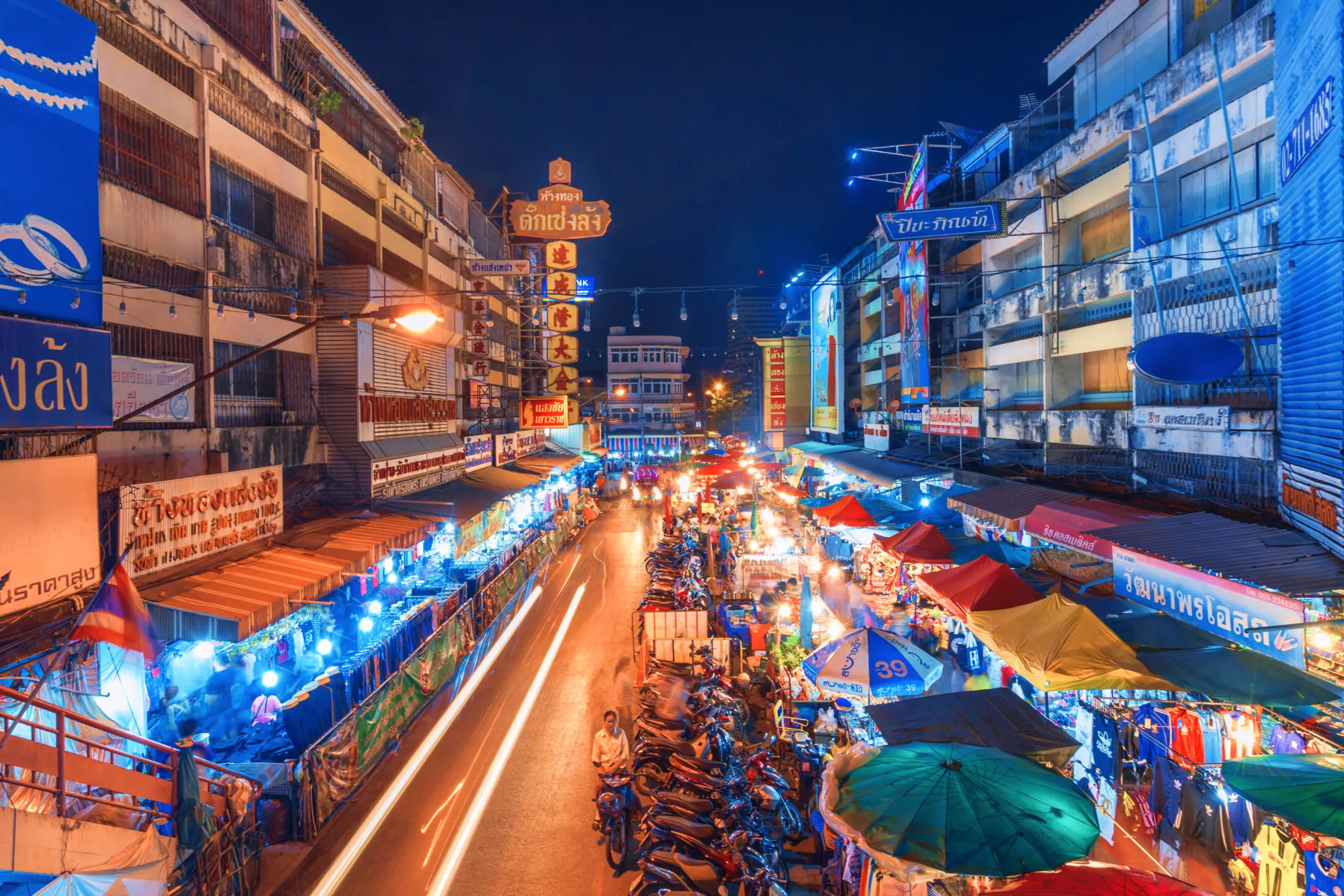
Chiang Mai’s oldest market, Warorot, is a place where you can immerse yourself in the atmosphere of authentic Thai life. Here you’ll find everything to blend in with the local community — from mats to pork rinds, from pickled tea leaves to live catfish. In the market’s passages, there’s no chance of not feeling the city’s full authenticity and discovering something unique for yourself or as a gift for loved ones.
Bhubing Palace
The grounds of the Winter Palace are open to visitors when not occupied by members of the royal family. Keep in mind, the dress code here is strict: modest clothing is required, for example, a long skirt, no shorts, and shoulders must be covered. Another unusual feature of the palace is the roses, which are considered exotic by locals and grow here thanks to the cool mountain climate and the efforts of gardeners.
Wiang Kum Kam City
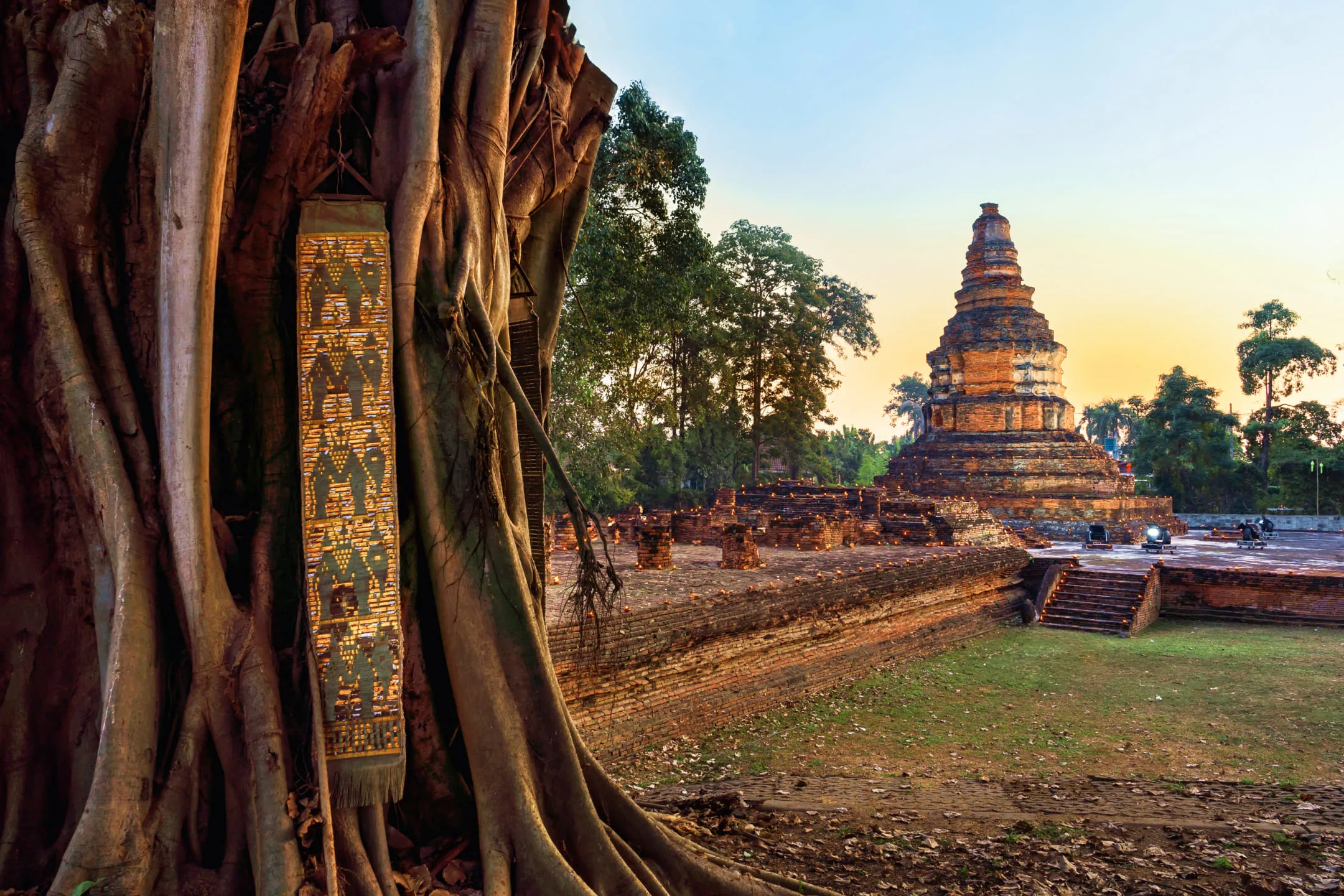
This ancient city was abandoned in the 16th century due to flooding after an unsuccessful attempt to found it on the banks of the Mae Ping River. Today, the excavated ruins of Wiang Kum Kam are scattered along the narrow streets of a quiet village five kilometers south of Chiang Mai. Despite the fact that time has not spared this city, tours are still conducted here, and among the brick foundations and ruined temples, the grandeur of the past can be seen.
What to do
Chiang Mai is primarily worth visiting for travelers who are more interested in experiencing the country’s culture than spending their vacation at resorts. Tourists flock here to explore the old city, visit religious sites, hike mountain trails, and see farms, sanctuaries, and plantations.
Admire waterfalls
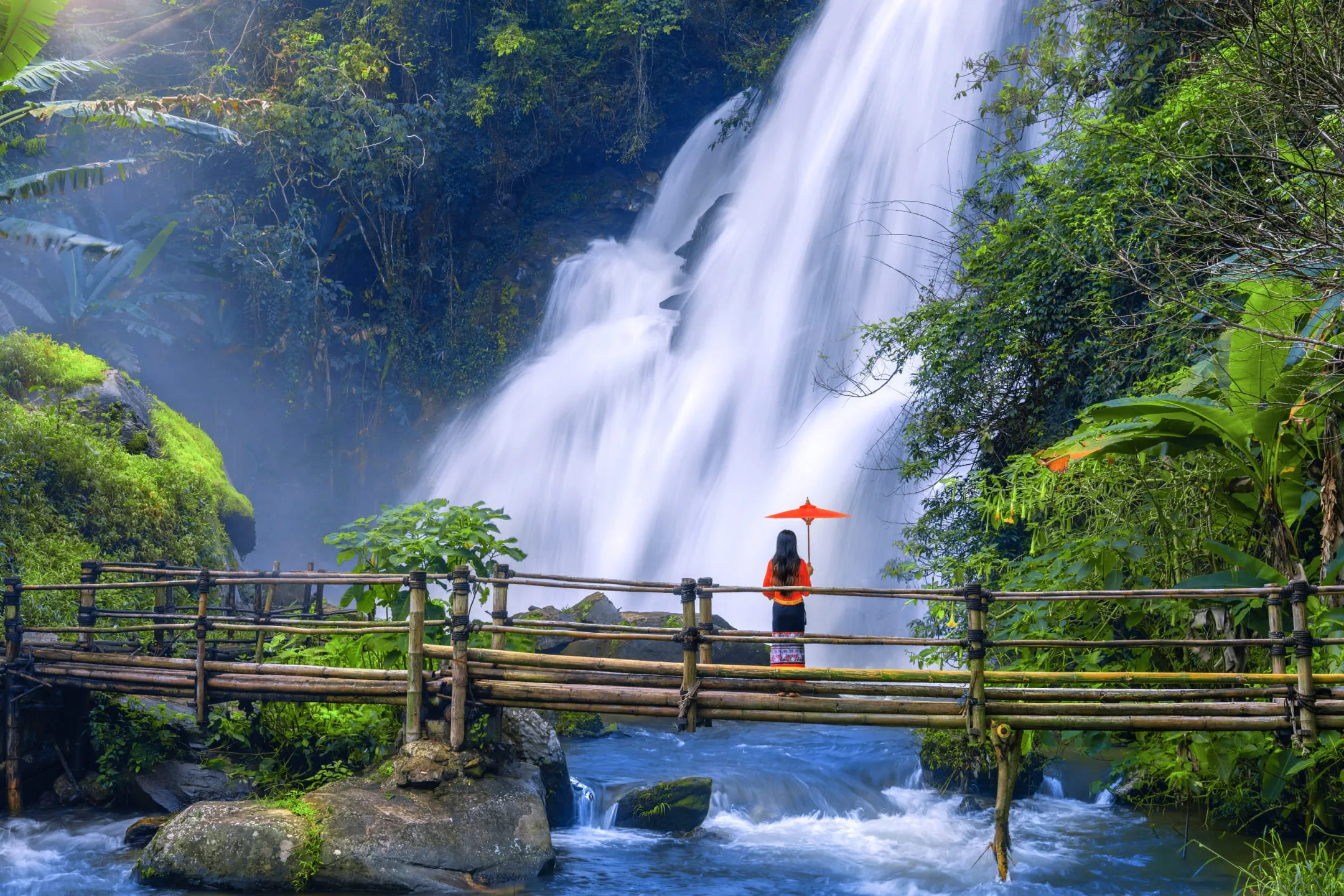
There are about 30 waterfalls in Chiang Mai province worthy of tourists’ attention. By the end of the rainy season, they are at their fullest, and you can often even swim in them.
Visit national parks
Driving along steep winding roads, rising above the clouds over the gentle peaks of Thai hills, is one of the main pleasures of Northern Thailand. Thais care for their national parks, so a walk or hike through the mountains and caves will be a pleasant (and slightly extreme, within reasonable limits) leisure option.
About 15% of Chiang Mai’s population belongs to national minorities who have preserved their culture and language for centuries. You can learn how these mountain tribes live in folklore villages, where traditions are carefully preserved and tourists are welcome to learn about them.
Visit an exotic animal farm
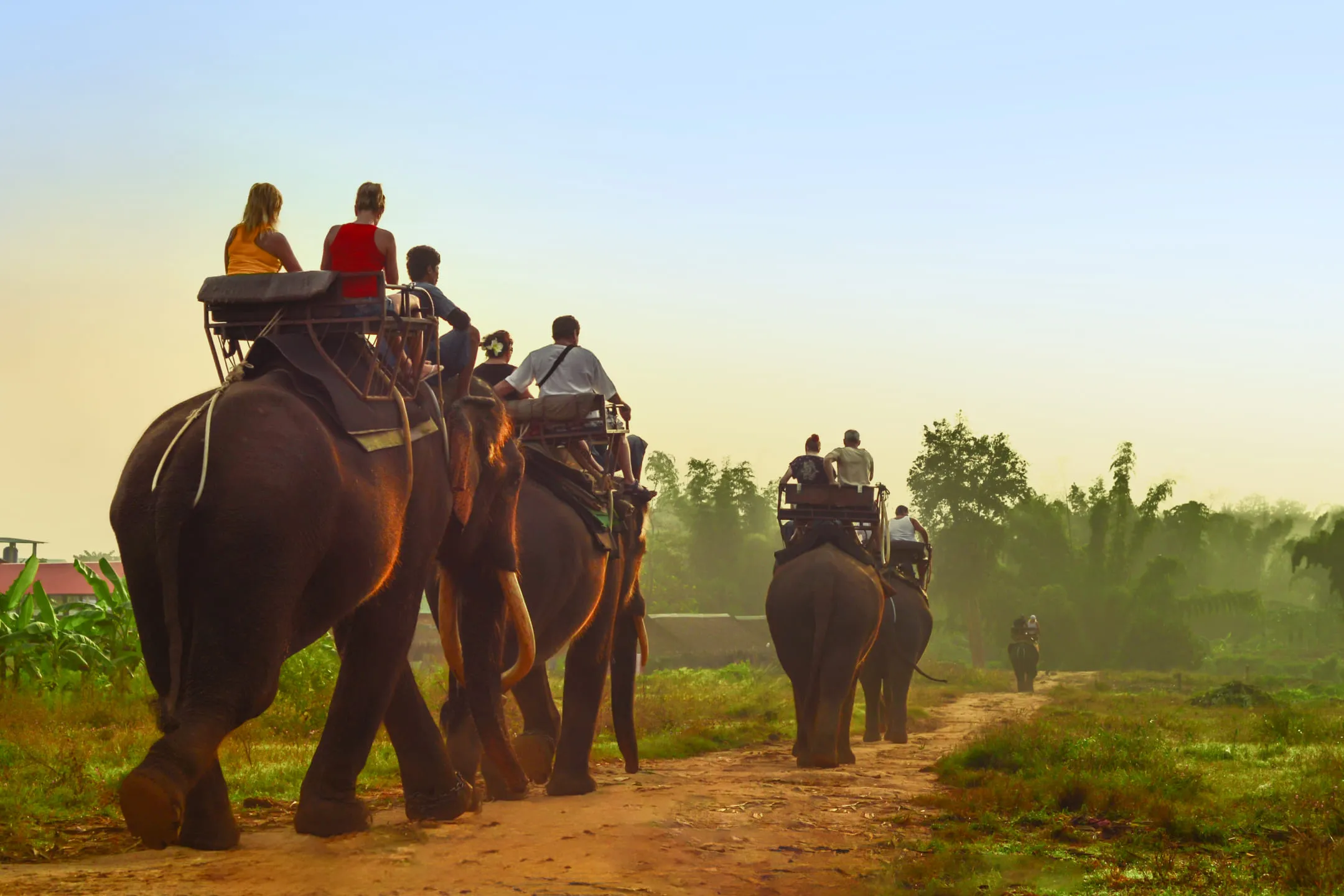
In Chiang Mai, there are snake, tiger, and crocodile farms, where you can even touch these dangerous animals. But, of course, in Thailand, we recommend visiting an elephant farm — especially for those who don’t want to risk it with predators.
Accommodation
So, you’ve chosen Chiang Mai, the provincial capital, as the main point of your trip to northern Thailand, where it’s definitely worth staying for a few days. Fortunately, it’s not Bangkok, so choosing accommodation here is a relatively simple task. You can stay in the center or on the outskirts, depending on where your heart desires more.
The center, or Old City, is a quite compact area where all the main temples, markets, cafes, massage parlors, and hotels are located. And since the attractions are within walking distance, where you settle within the Old City doesn’t really matter.
Even from the train station, you’ll be inundated with offers for free transfers to hotels in the city center. No one will judge if the local option doesn’t appeal to you, but it’s a way to explore the local “hotel map” and perhaps discover accommodation options not listed on Booking.com.
If you plan to stay in Chiang Mai for several weeks, there are also options outside the Old City. For example, the area east of the Ping River (Wat Ket) is cheap and colorful but very crowded, while to the west, near Wat Umong temple (Su Thep), it’s quiet and green but more expensive.
Food
Chiang Mai is considered the second center of delicious Thai food after Bangkok. The city is full of restaurants that serve vegetarian dishes and seafood — obviously, finding tom yum or a portion of noodles here won’t be difficult. And if you’re tired of spicy authentic food, there are also restaurants with Western cuisine in the city, serving everything familiar — from hamburgers to Italian pasta.
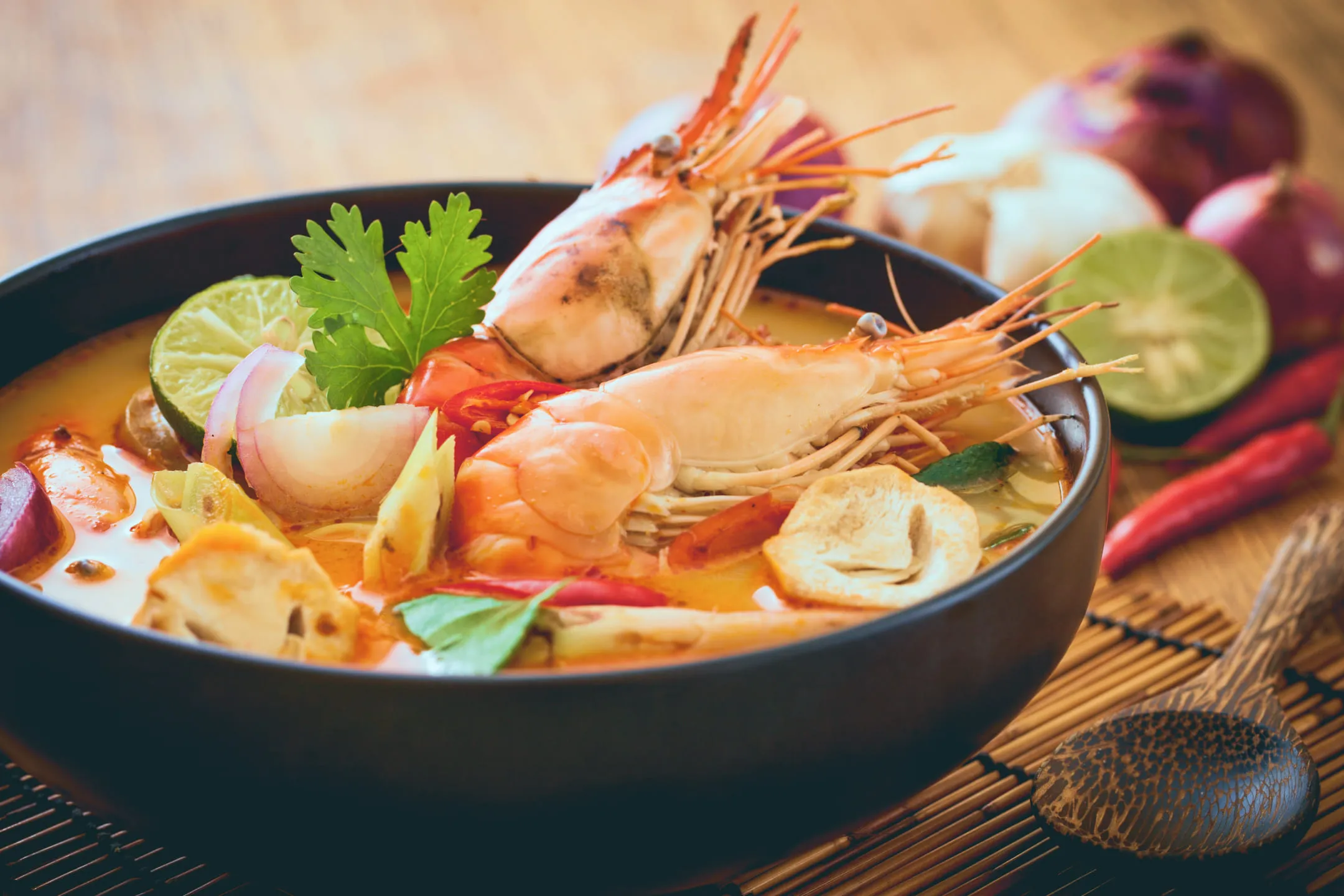
For new culinary experiences, head to the Sunday market in the city center: artisans from surrounding villages, second-hand dealers, and antique sellers gather there, and local street food masters create magic right before your eyes.
Transport
So, you’ve arrived in Chiang Mai: how do you get to your desired location?
When it comes to getting around the city, everything in Chiang Mai is super-Thai style. Bicycle rickshaws and tuk-tuks are at your service — the most popular modes of transport. Depending on the route length, the fare ranges from 40 to 150 baht.
The color of taxi cars here indicates the route: for example, red ones operate within the Old City. There are also minibuses in white, yellow, blue, and green colors. The average fare is 40 baht.
You can rent a motorcycle — it will cost, including insurance, 200–1,300 baht per day depending on the model, or a bicycle — from 35–40 baht per day. Car rental points are available at the airport and in the city center. The average cost is from 1,500 to 2,550 baht per day.
Now you know a little more about an unconventional vacation in Thailand! And if you still want something more familiar, we’ve prepared a guide on what to see in Phuket.