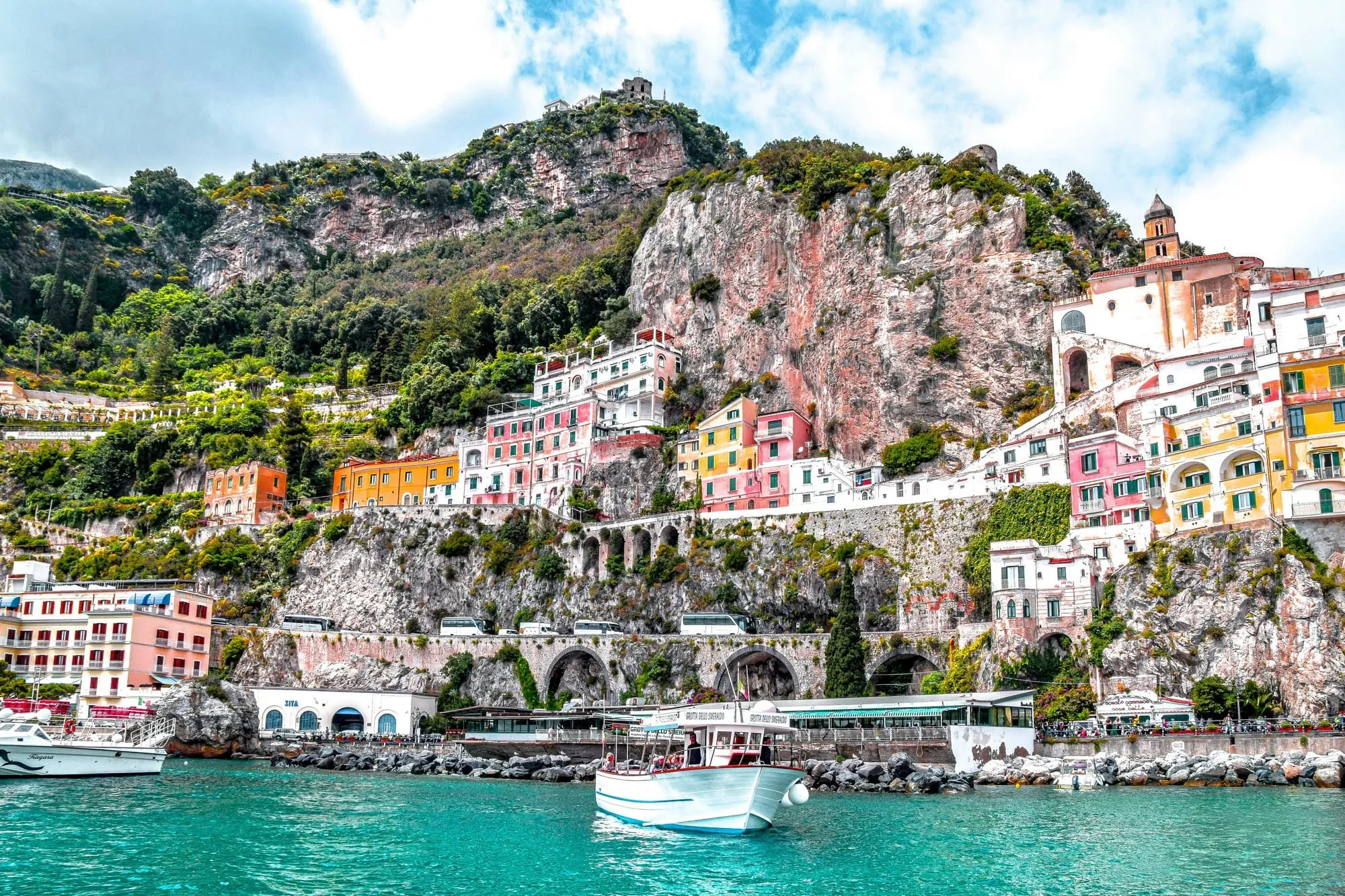
What to see in Croatia
What are the first associations that come to mind when you hear the word Croatia? Europe, greenery, and cozy small towns? All true. But few know that Croatia is also ‘hvala’, gregada, and pine trees. How is all this connected and what is gregada — read in our article.
How to get to Croatia
There are good flight options to Croatia with layovers in Turkey (Istanbul, Antalya) and Europe (Berlin, Rome, Paris, etc.).
Since the beginning of 2023, Croatia has joined the Schengen area. Accordingly, the main thing you need to enter Croatia is a Schengen visa. Once you become its happy owner (if you aren’t already), layovers in Europe will become not a stumbling block, but a new travel opportunity.
One pleasant option for traveling to Croatia is flights with a layover in Serbia. From Belgrade, planes fly directly to six Croatian cities; you just need to choose the right destination.
Flights to Dubrovnik are available daily. Flight time depends on the layover location: ranging from eight hours to up to a day and a half.
Main Tourist Regions of Croatia
All of Croatia can be nominally divided into two parts: coastal and central. The coastal part encompasses the Adriatic Sea, with many resort towns boasting great beaches. The central part is more famous for its architecture and landscapes.
Coastal regions: Istria, Kvarner, North, Central, and South Dalmatia. The central part of the country occupies approximately one-third of Croatia’s total territory, with Zagreb being the main tourist hub here. When choosing where to go in Croatia, consider the climate difference. Coastal regions are warmer and more humid, while the Central region is drier and not as hot.
Istria
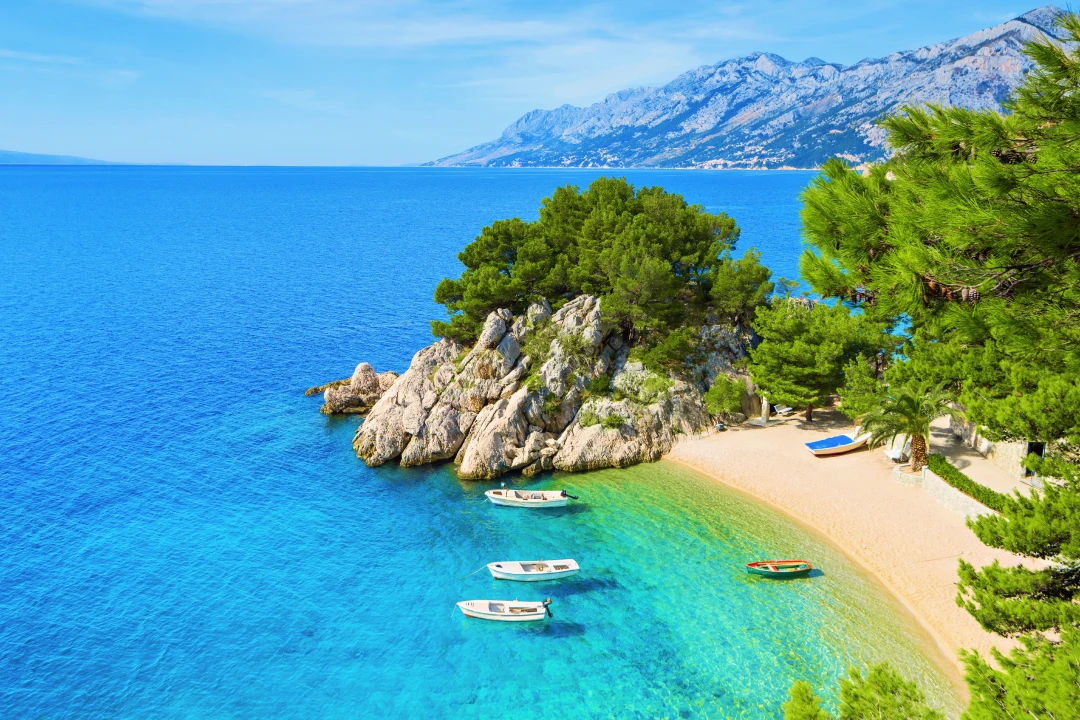
Istria is located in the north of the country and borders Slovenia. The main cities here are Pula and Poreč. It is there that you’ll find the most popular beaches, as well as the Croatian Colosseum and the vast Brijuni National Park.
Kvarner
Kvarner borders two countries: Slovenia and Bosnia and Herzegovina. This region includes several islands, the most popular among tourists being Krk Island. Kvarner has several national parks: Paklenica, Northern Velebit, and Plitvice Lakes. Nature lovers will find much to explore here.
Dalmatia: North, Central, and South
All three Dalmatias border Bosnia and Herzegovina and include several islands. North Dalmatia is famous for its parks with magnificent nature, Central Dalmatia for Diocletian’s Palace in Split, and South Dalmatia boasts the old town of Dubrovnik. This is where the locations for Game of Thrones were filmed.
Central Croatia
It is in Central Croatia that the capital, Zagreb, is located. Naturally, it is considered one of the main attractions of this region. Additionally, Medvednica National Park and the thermal springs of Varaždinske Toplice and Tuheljske Toplice also attract many tourists.
Where to go in Croatia: main cities and resorts
We’ve broadly covered the towns and villages of Croatia above; now let’s delve deeper.
Pula
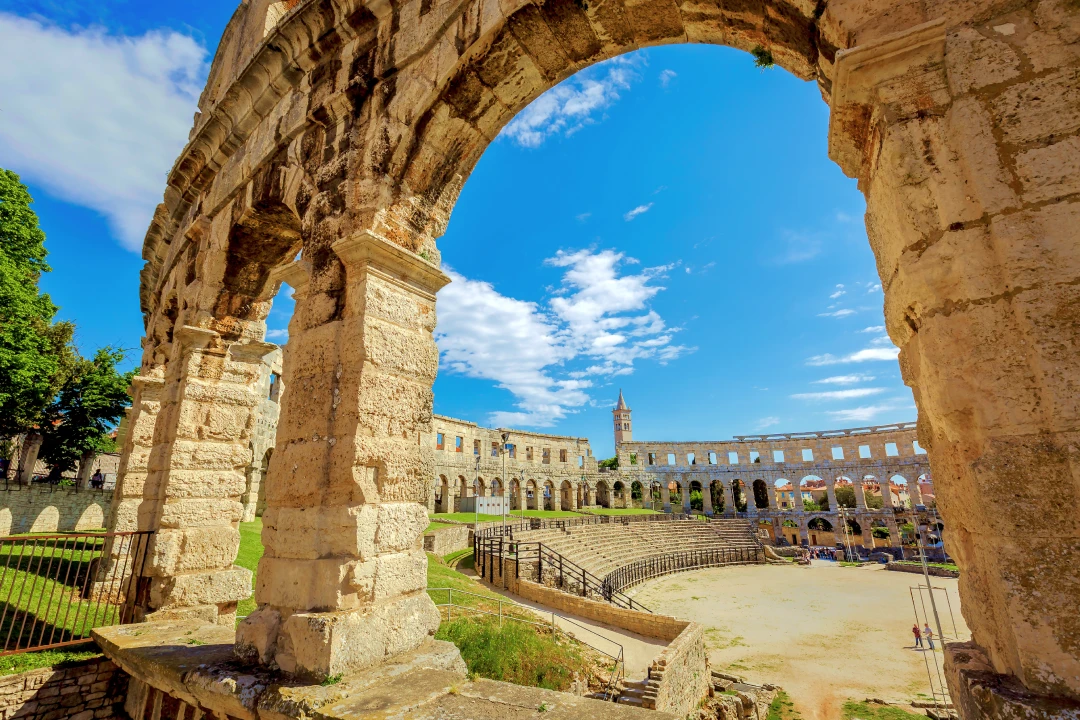
Pula is that very city with the Croatian Colosseum and superb beaches on the Adriatic Sea. Everyone will find something they like here. For history and architecture enthusiasts — walking tours. The city was founded in 177 BC, and it has been conquered, destroyed, and rebuilt many times. Therefore, there is much to admire here.
A separate article could be written about the Ancient Roman amphitheater in Pula, but then there wouldn’t be enough space for other Croatian attractions. Let’s just say that it is the only amphitheater that has preserved all four towers and all three Roman architectural orders. In short, a must-see!
Pula also attracts beach holiday tourists. Local pebble beaches are located all along the coast, and hotel complexes here can be found for every taste and budget. The most popular beaches in Pula among tourists are Stinjan, Stoja, Fažana, and Ambrela.
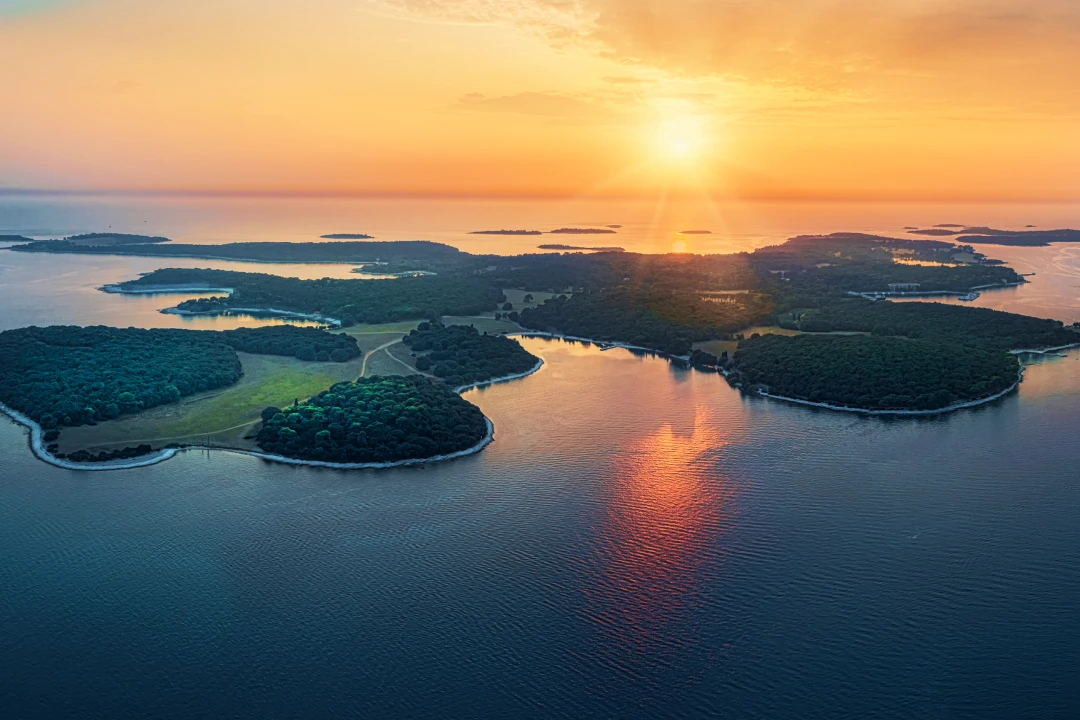
Brijuni National Park is located six kilometers from Pula and is worth your attention. The archipelago consists of 14 islands, although tourist access is only open to the two largest: Mali Brijun and Veli Brijun. This place is considered ideal for family holidays; the safari park and dinosaur footprints will not leave children indifferent.
Krk Island
Krk Island is also rich in architecture and beaches, and it is considered the largest in Croatia. The city of Krk, sharing the island’s name, occupies a large part of the island’s territory and is a continuous architectural monument. The Frankopan Castle alone is worth seeing.
In the south of the island is the famous resort of Baška. It also has an old town, though it was once a fishing village. Cozy streets with cafes and galleries are located near the sea and are popular with tourists. The mountains surrounding Baška are excellent for hiking and cycling. But most of all, visitors to Croatia are attracted by the white pebble beach of Vela Plaža with its perfectly turquoise, clear sea.
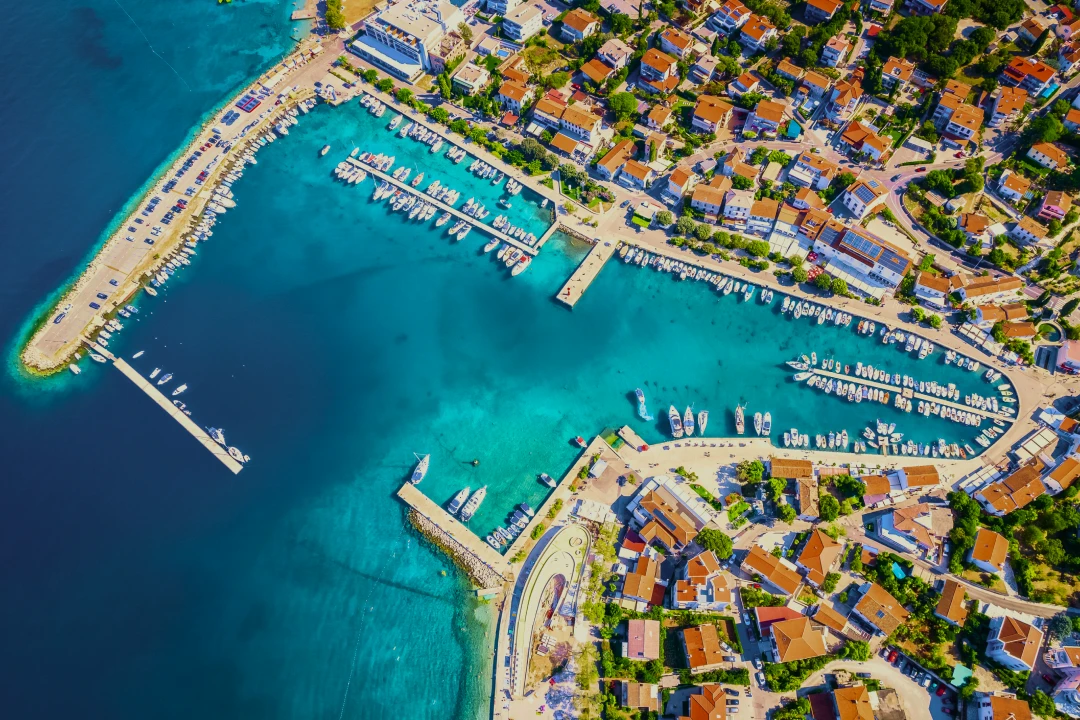
Another good resort on Krk Island is Malinska. This former fishing village has also become a tourist magnet. The promenade here stretches for a whole kilometer. Along the coastline, you’ll find numerous restaurants and cafes. And the view with boats moored along the coast will create a special mood for a romantic sunset stroll.
Dubrovnik
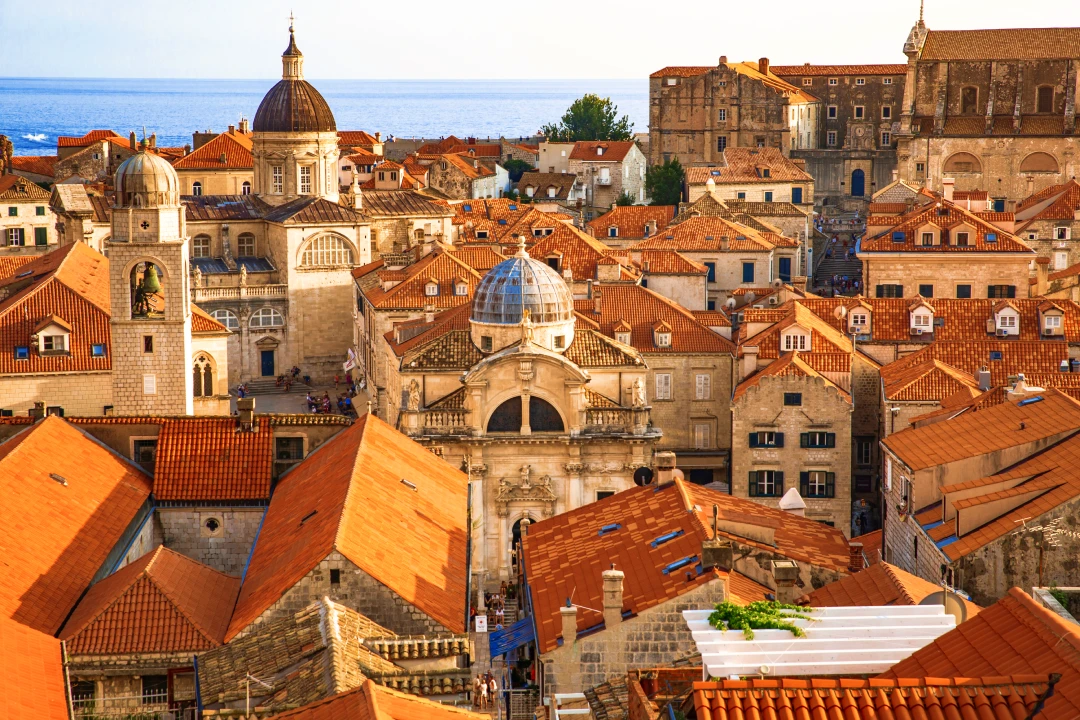
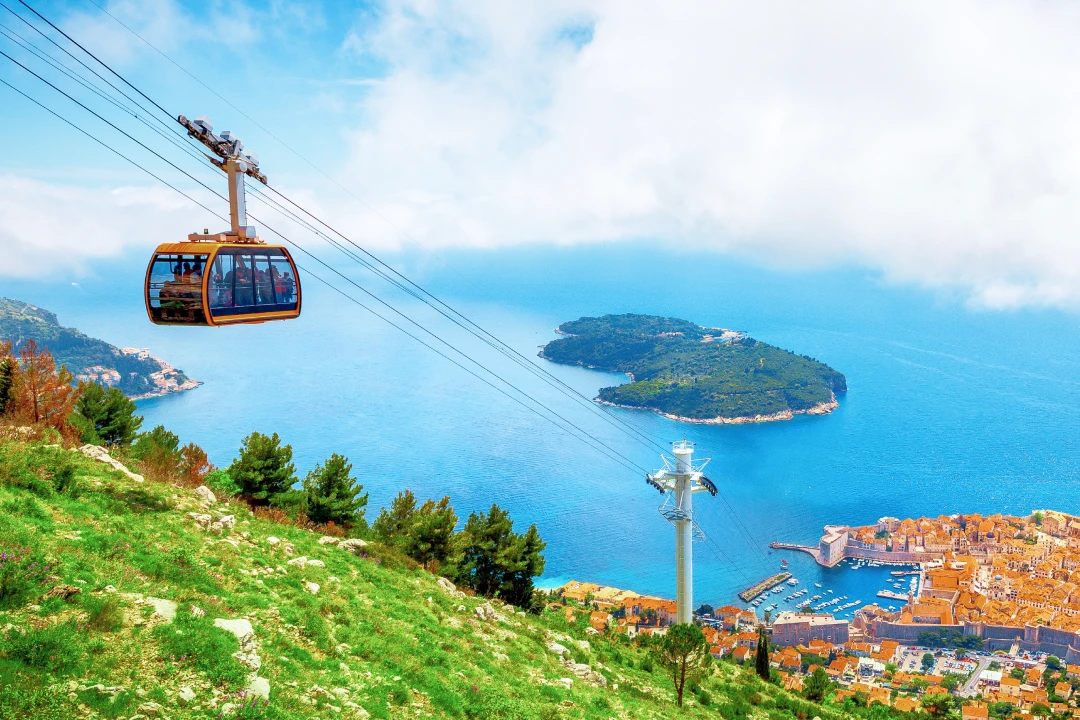
What else to see in Croatia? The main tourist magnet in South Dalmatia is the city of Dubrovnik — the filming location for Game of Thrones. The Old Town is surrounded by 16th-century walls. And the local architecture has gathered a full palette of styles: the Sponza Palace in Renaissance style, the Gothic Rector’s Palace, and the Church of St. Blaise in Baroque spirit.
The main street of the old town — Stradun — is only 300 meters long. But at every step, you’ll find architectural monuments and museums: the Ethnographic and Archaeological museums are worth visiting. To see everything from a different perspective, take a cable car ride to the top of Mount Srđ. From there, an incredibly beautiful view of the Elaphiti Islands and the Adriatic Sea opens up.
Split
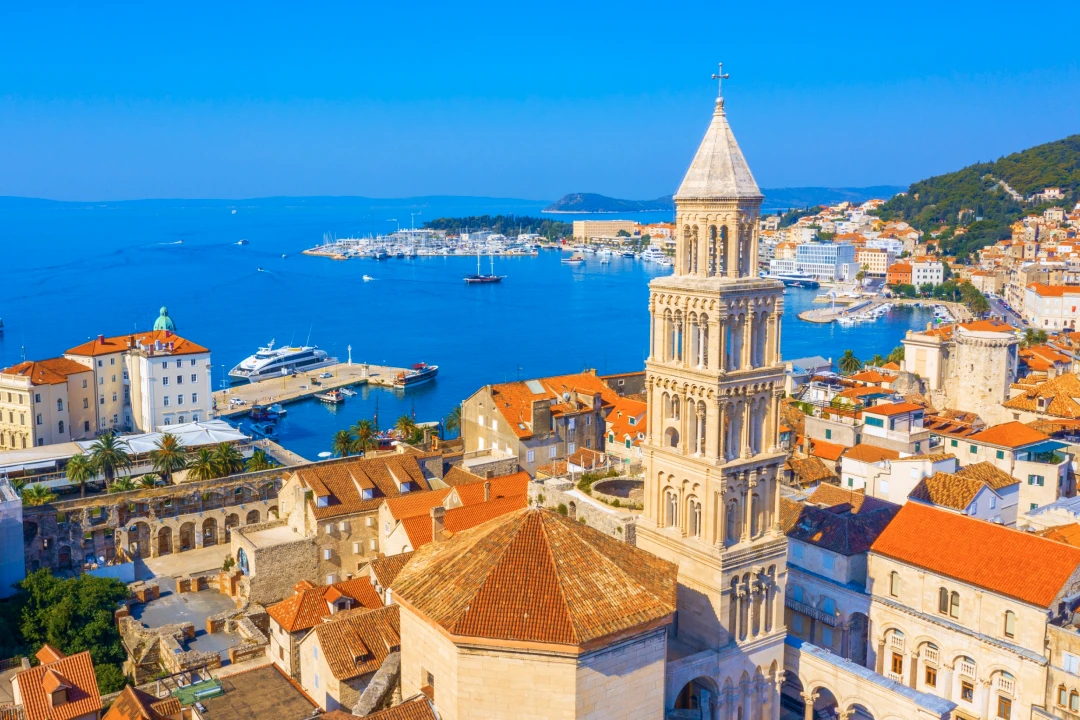
The second largest city after Zagreb is Split. The main attraction here is Diocletian’s Palace. Although it’s hard to call it a palace in the literal sense. In fact, it’s a huge complex of preserved ruins of as many as 200 buildings. Today, souvenir shops and cafes are located here. So you can admire the architecture and buy gifts for loved ones.
Zagreb
Finally, we’ve arrived at the capital of Croatia — Zagreb. The city is divided into two parts: Upper Town and Lower Town. The Upper Town is located on the tops of two hills: Kaptol and Gradec. Tkalčićeva Street connects them. The streets of the Upper Town are paved with cobblestones, and you’ll find many bakeries, cafes, and small shops there. The most famous church, which you’ve surely seen on Zagreb postcards, is the Cathedral of the Assumption of the Blessed Virgin Mary (or Zagreb Cathedral). Of course, it’s a must-visit: the second tallest building in Croatia (105 meters) must be seen with your own eyes.
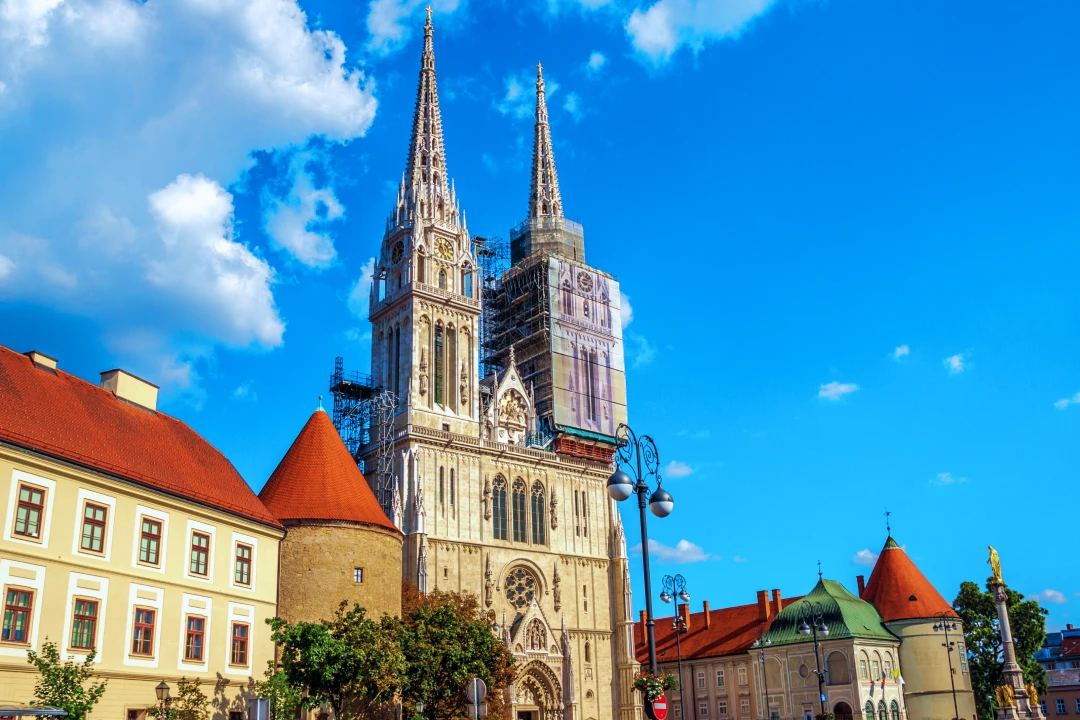
After you’ve strolled through the streets of the Upper Town, head to Ban Jelačić Square. This square acts as a link between the Upper and Lower Towns. The square itself and Ilica Street, which branches off it, are a mecca for tourists and shopaholics. Cafes, restaurants, and shops, shops, shops…
One of Zagreb’s distinguishing features is its enormous number of museums. There’s everything here: the Nikola Tesla Technical Museum, ethnographic, historical, modern, and naive art museums. There’s even a Museum of Broken Relationships, a Mushroom Museum, and a Hemp Museum. In short, everyone will find a museum to their taste. And if all the museums and cities of Croatia have already become familiar, there’s still plenty to see in neighboring Montenegro.
Active Recreation and Entertainment in Croatia
Despite its small size, Croatia is rich in various types of active recreation and entertainment. You’ll find cycling routes for people of different fitness levels in Krka, Medvednica, and Plitvice national parks. You can also cycle through the vineyards of Istria.
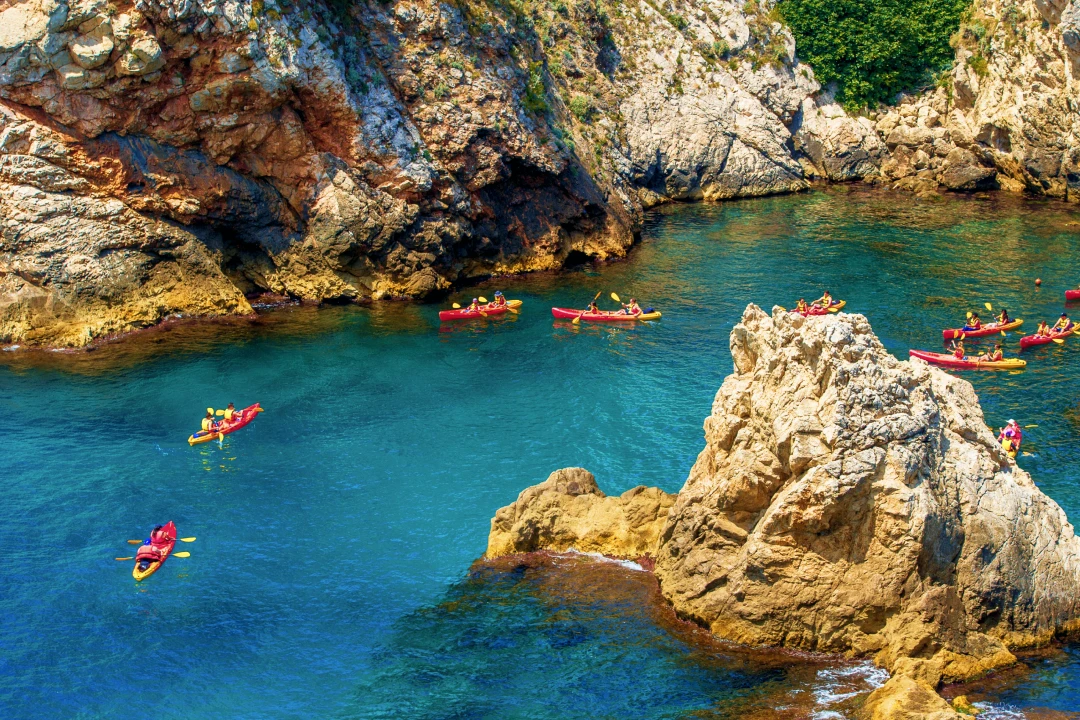
Water activities include diving, as well as canoeing and kayaking. Diving is popular on the Adriatic Sea beaches; in every coastal town, you can find everything you need, from an instructor to a mask and snorkel. You can canoe or kayak in local rivers: Dobra, Mrežnica, Cetina, and others. The necessary equipment can be rented on the banks of each of these rivers. You can also rent a rafting boat there if you’re a fan of more thrilling experiences.
Beach Holidays in Croatia: Best Beaches and Resorts
For beach lovers, there are countless options for where to go in Croatia. We’ve broken them down based on who might enjoy them most.
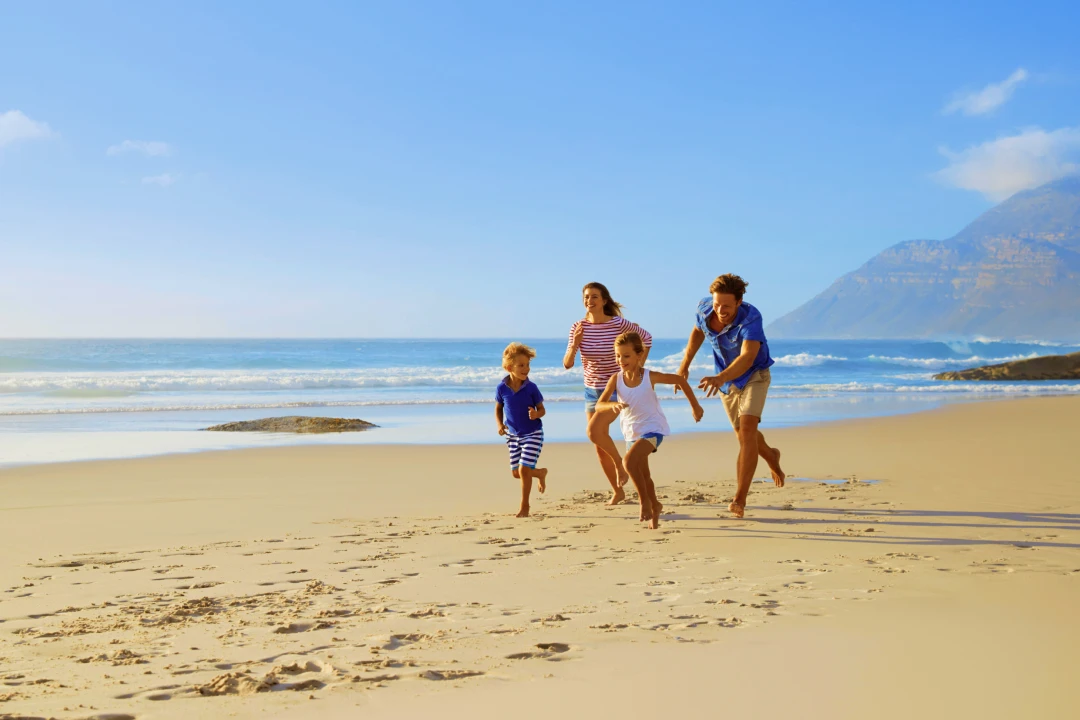
Beaches best for families with children:
- Stella Maris Lagoon. Gentle entry into the water, fine pebbles;
- Zaton. Super beach with an amusement park, water slides, and pools;
- Katoro. Surrounded by pine trees, has playgrounds and water slides;
- Medulin Resort. Known for its sandy beaches, which are rare in Croatia.
Beaches for active recreation:
- Sakarun on Dugi Otok island. A favorite among beaches for windsurfers and kitesurfers;
- Zrće in Novalja. Known among locals as the ‘beach-dancefloor’. If, of course, dancing can be called active recreation (we’re sure it can);
- Paklinski Islands. Limestone coastal areas famous for their underwater fishing.
What to eat
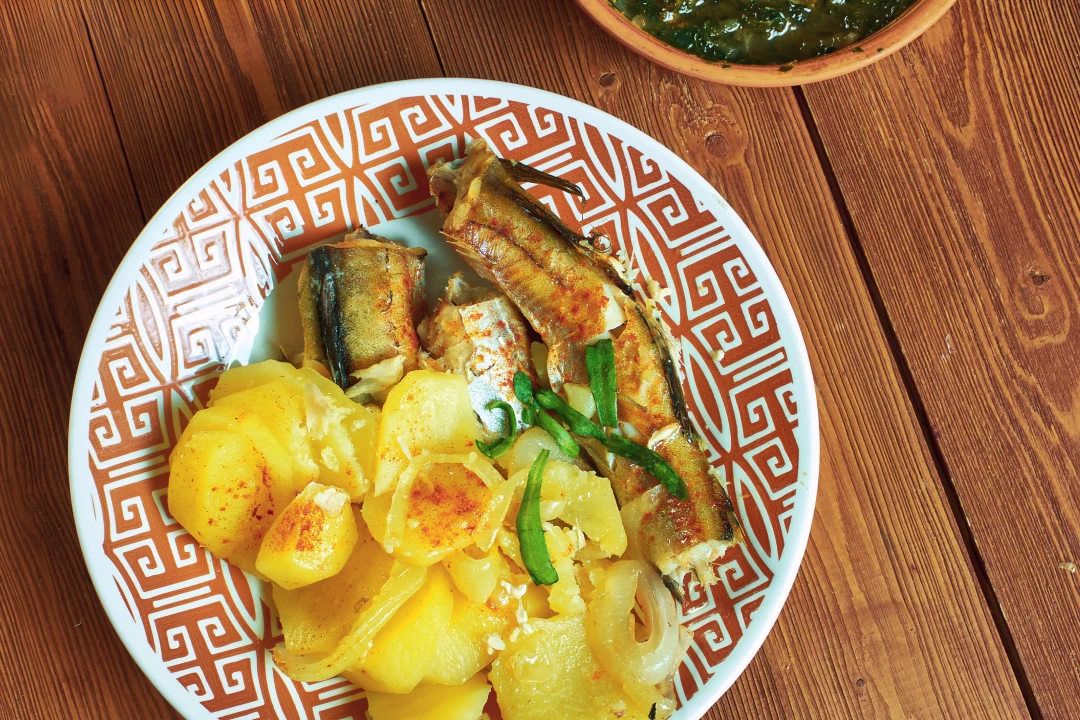
Hooray, Gregada! At the very beginning, we already mentioned this unfamiliar word; it’s time to reveal its meaning. So, gregada is a national Croatian dish, essentially a fish soup or fish stew. It’s made from potatoes, fish, white wine, and garlic.
What else you absolutely must try:
- Pršut — smoked pork ham with dry cheese;
- Pašticada — baked beef;
- Burek — layered pastry with cheese and meat, a delight;
- Manistra — stewed vegetables.
Natural Parks and Reserves of Croatia
Croatia has a large number of national parks; we will tell you about the three most popular ones.
Plitvice Lakes
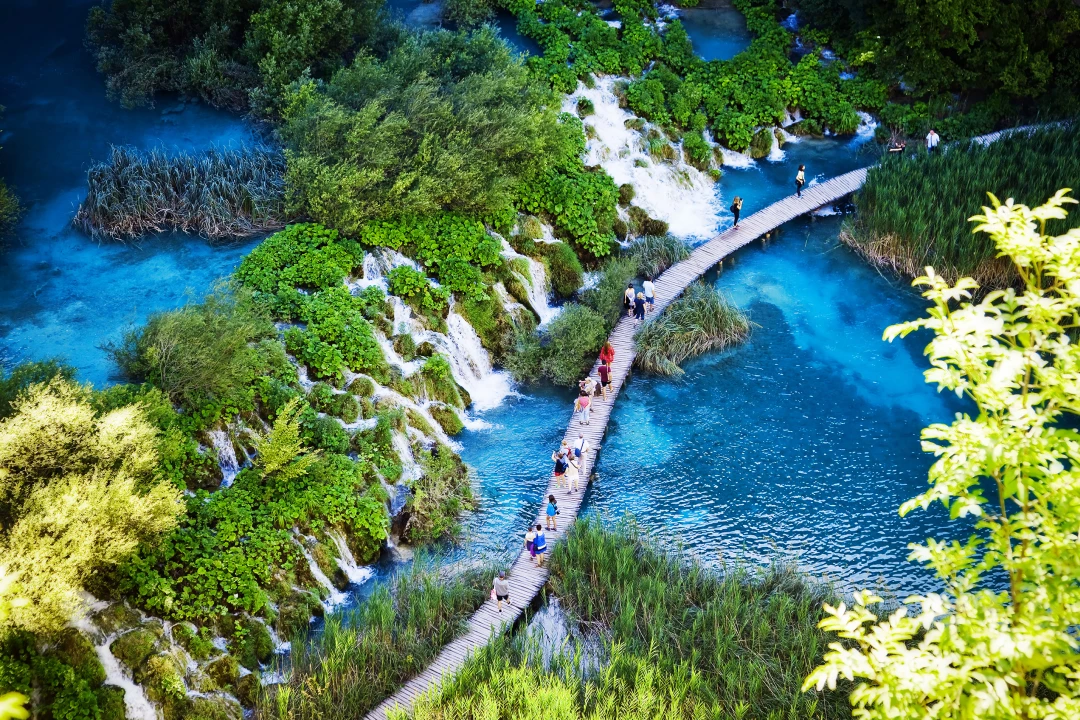
Plitvice Lakes is over 30,000 hectares of beech and spruce trees with many cascading lakes between them. Well, ‘many’ — there are only 16 lakes themselves. But there are countless thresholds, waterfalls, and streams. All the bodies of water have clear blue water. Scientists believe that Plitvice Lakes are over four thousand years old. Definitely a must-visit!
Kornati
The Kornati archipelago includes 89 islands in the Adriatic Sea. The total area of the archipelago is 22,000 hectares. Yacht tours and pleasure boat trips are offered here. Rocky shores up to 100 meters high, Lake Mir with salty medicinal water, and Telašćica Bay — all await you in Kornati. Furthermore, the archipelago is famous for its diving spots. All divers are delighted by the unique flora and fauna of this place.
Paklenica
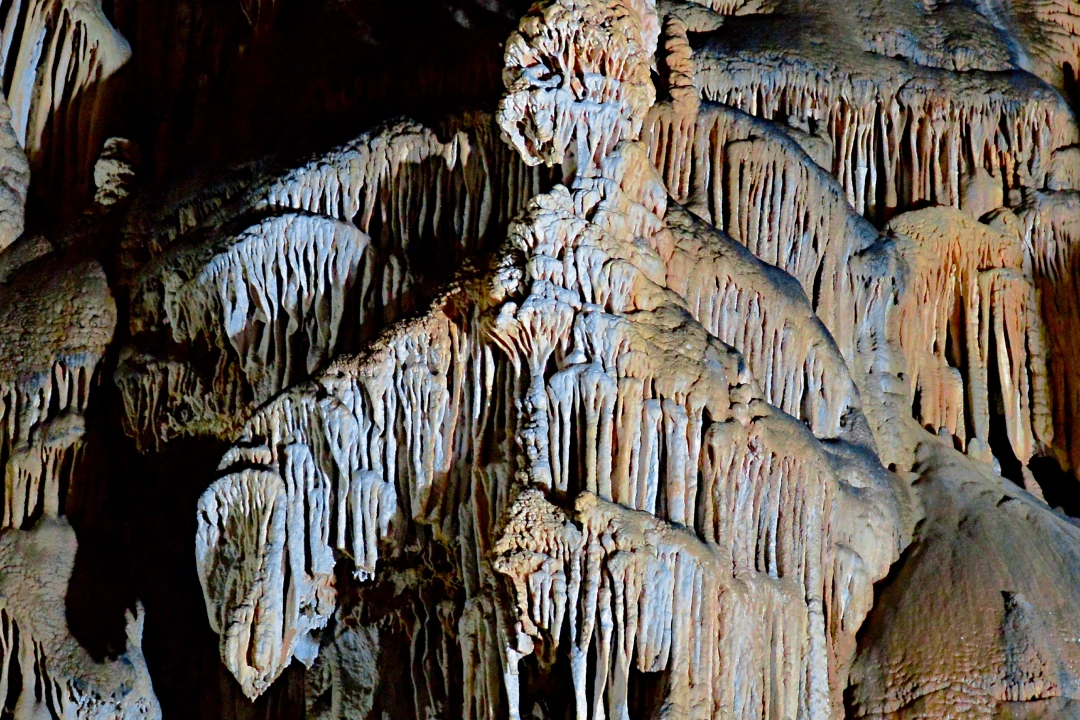
Paklenica National Park covers an area of about 10,000 hectares. It features a rocky landscape, many caves (around 70), waterfalls, and streams. The limestone canyon of Velika Paklenica is a popular tourist spot, ideal for hiking. Another magnet for tourists is the Manita Peć cave with its 20-meter-long stalagmites hanging inside.
Tips for Tourists: What You Need to Know Before Your Trip
- The country’s currency since 2023 is the euro. It’s a good idea to exchange some money in advance before departure, so you don’t have to do it at Dubrovnik airport rates;
- small kiosks and bakeries sometimes don’t have card terminals, so it’s better to carry cash;
- the ideal time for a warm trip is from mid-May to mid-October; for ski enthusiasts, the period from December to February is suitable;
- the climate differs in various parts of the country. If you plan not to stay in one place, it’s best to bring both sunscreen and a raincoat;
- when choosing accommodation, pay attention to the distance to the sea/city center in meters. What looks super close on the map might turn out to be a 600-meter uphill road;
- ‘thank you’ in Croatian is ‘hvala’, this will come in handy everywhere.
All that’s left is to pack your bags and you can fly to Croatia!